Potato
Oven Roasted Potatoes: Easy Guide
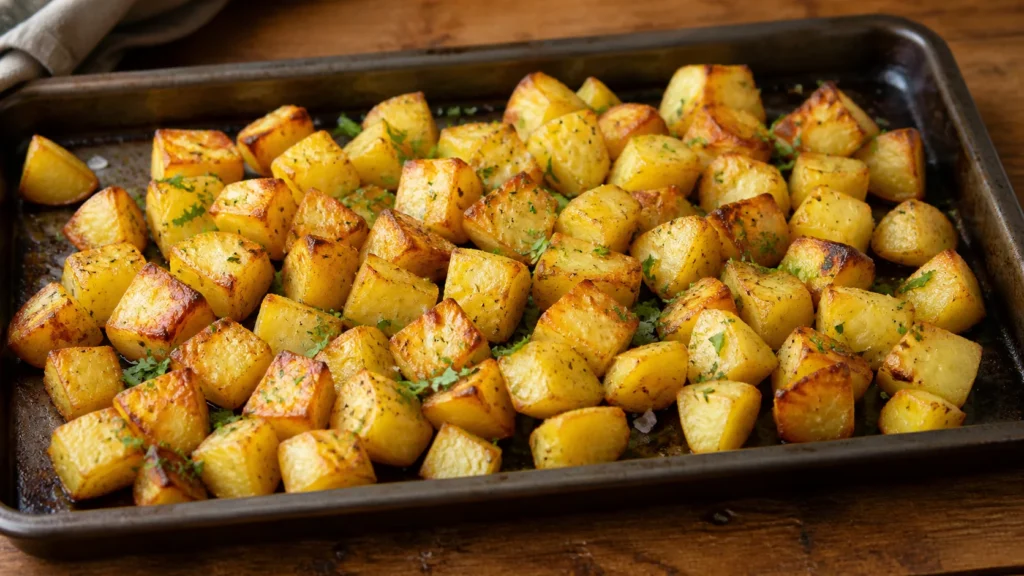
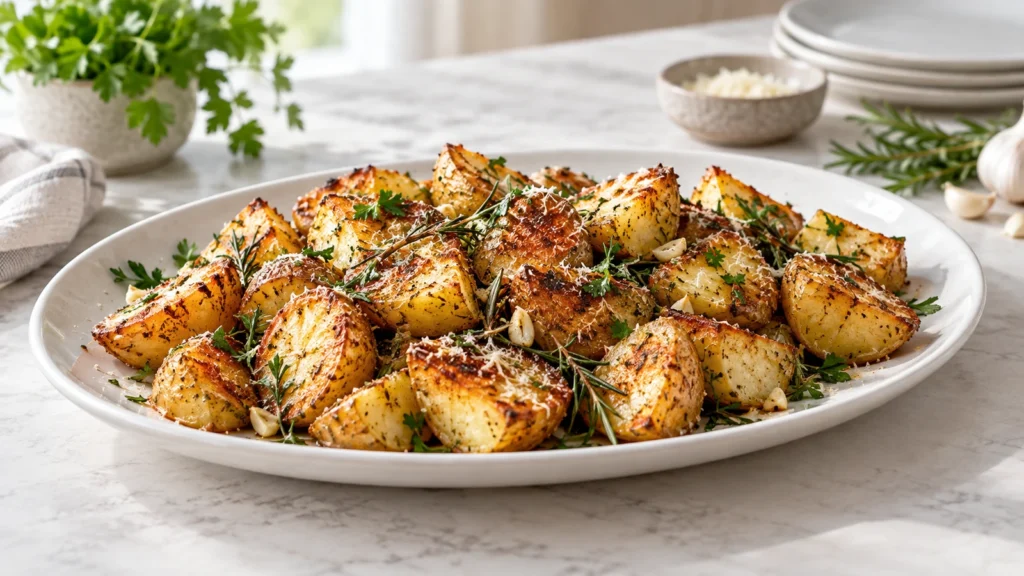
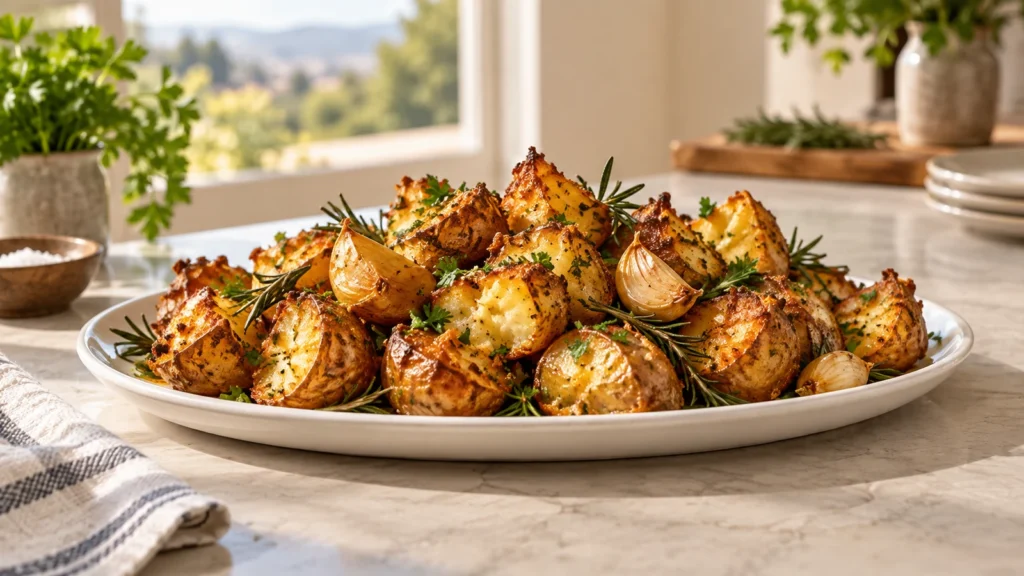
You know the kind of side dish that disappears before the main course is gone? The potatoes are deeply golden at the edges, fluffy in the middle, and seasoned well enough that everyone keeps reaching for one more piece. That is exactly what good oven roasted potatoes should be—and you do not need a restaurant kitchen to make them.
The method is simple, but a few small choices make a big difference. The type of potato, the size of the pieces, the oven temperature, and even the amount of space on the pan all affect the final texture. This guide shows you how to control each one so your potatoes roast instead of steam.
You will learn how to prepare yellow potatoes, how long to cook potatoes in the oven, which seasonings work best, and how to fix common problems. At the end, you will have a dependable potatoes recipe that fits weeknight dinners, holiday meals, and weekend brunches.
Table of Contents
Table of Contents
Key Takeaways
- Yellow potatoes are an excellent all-purpose choice because they become creamy inside while browning well outside.
- Cut the potatoes into evenly sized pieces so they finish cooking at the same time.
- Dry the potatoes thoroughly before adding oil; surface moisture delays browning.
- Roast at 425°F for a reliable balance of crisp edges and tender centers.
- Use a large metal sheet pan and leave space between the pieces to prevent steaming.
- Turn the potatoes once, after the bottom has had enough time to form a golden crust.
- Add delicate herbs, cheese, and fresh garlic near the end so they do not burn.
Why This Oven Roasted Potatoes Method Works
Roasting uses dry, high heat to remove surface moisture and brown the natural starches and sugars in the potatoes. When the pieces touch a hot metal pan, their flat sides develop a crisp crust. Meanwhile, the inside cooks gently in its own steam and becomes tender.
The challenge is creating both textures at the same time. If the oven is too cool, the potatoes may soften before they brown. If the pan is crowded, trapped moisture surrounds the pieces and gives you pale, soft potatoes. If the pieces are too large, the outside can darken while the center remains firm.
This method solves those problems with a 425°F oven, 1-inch pieces, a generous sheet pan, and enough oil to coat the surfaces lightly. You get consistent browning without needing to deep-fry anything.
The Importance of Direct Pan Contact
A potato browns most efficiently where it touches the hot pan. Set each piece on a cut side rather than balancing it on the skin. Once that side forms a crust, turn the pieces so a second side can brown.
Parchment paper makes cleanup easier and still produces good results. For the deepest browning, place the potatoes directly on a lightly oiled metal sheet pan. Avoid a deep casserole dish because its high sides can hold in more steam.
Choosing the Best Potatoes for Roasting
Yellow Potatoes and Yukon Golds
Roasted yellow potatoes have a naturally buttery flavor, thin skin, and creamy interior. Yukon Gold is a popular yellow variety, but other small or medium yellow potatoes work well too. Their moderate starch level helps them hold their shape while still becoming soft in the center.
You usually do not need to peel yellow potatoes. Scrub them well, remove any damaged spots, and keep the skin for extra texture. Peeling is entirely optional if you prefer a smoother finish.
Russet Potatoes
Russets contain more starch and can produce very crisp edges with a fluffy interior. Their skin is thicker, so you may want to peel them or leave only part of the skin attached. They can break more easily than yellow potatoes after cooking, so turn them gently.
Red and Baby Potatoes
Red potatoes and baby potatoes are waxier. They hold their shape beautifully and have smooth, moist centers, although their edges may not become quite as crisp as russets. Halve small potatoes and quarter larger ones so the pieces remain close to 1 inch.
| Potato Type | Interior Texture | Browning | Best Preparation |
|---|---|---|---|
| Yellow or Yukon Gold | Creamy and tender | Excellent | Leave skin on and dice |
| Russet | Light and fluffy | Very crisp | Peel fully or partially |
| Red potato | Firm and moist | Moderate | Leave skin on |
| Baby potato | Creamy and firm | Good | Halve or quarter |
Simple Ingredients for Flavorful Roasted Potatoes
The basic recipe uses pantry ingredients and leaves room for customization. Each ingredient has a clear job:
- Yellow potatoes: Provide the creamy center and golden exterior.
- Olive oil: Helps heat move evenly across the surface and carries the seasonings.
- Kosher salt: Brings out the natural potato flavor.
- Black pepper: Adds gentle heat.
- Garlic powder: Gives you garlic flavor without burning as easily as fresh garlic.
- Smoked or sweet paprika: Adds color and a mild earthy note.
- Dried oregano or rosemary: Adds a savory herbal layer.
- Fresh parsley: Brightens the finished dish.
Use enough oil to coat the potato pieces lightly, but do not leave them swimming in it. Too little oil can produce dry, patchy surfaces; too much can make the potatoes greasy and slow down crisping.
| Ingredient | Recommended Amount for 2 lb Potatoes | Purpose |
|---|---|---|
| Olive oil | 3 tablespoons | Browning and flavor |
| Kosher salt | 1 teaspoon, plus more to taste | Core seasoning |
| Black pepper | 1/2 teaspoon | Gentle heat |
| Garlic powder | 1 teaspoon | Even garlic flavor |
| Paprika | 1 teaspoon | Color and mild smokiness |
| Dried herbs | 1 teaspoon | Aromatic flavor |
How to Prepare Diced Potatoes for the Oven
Cut the Pieces Evenly
Uniform size matters more than perfect shape. Cut medium yellow potatoes into approximately 1-inch cubes. Begin by cutting each potato into thick slices, turn the slices flat, cut them into strips, and then dice the strips.
Small pieces cook and brown faster, while large pieces take longer and remain creamier inside. If your tray contains several sizes, the smallest cubes may burn before the largest ones become tender.
Rinse or Soak When You Have Time
For everyday roasted yellow potatoes, a quick rinse is enough. Rinsing removes dirt and some loose surface starch. If you want especially crisp results, soak the diced potatoes in cold water for 20–30 minutes, then drain them well.
Soaking is optional, not a requirement. It can help prevent the surfaces from becoming gummy, particularly with starchier potatoes. The most important step comes afterward: dry every piece thoroughly.
Dry Before Seasoning
Spread the drained potatoes on a clean kitchen towel or several layers of paper towels. Pat the tops and sides until they no longer look wet. Water must evaporate before browning can begin, so potatoes that enter the oven damp spend more time steaming.
Transfer the dry pieces to a bowl, add the oil, and toss until every surface looks lightly coated. Mix the dry seasonings separately before adding them; this helps distribute the salt, garlic, paprika, and herbs evenly.
Oven Roasted Potatoes: Easy Guide and Recipe
Easy Crispy Oven Roasted Potatoes
Prep time: 15 minutes
Optional soaking time: 20–30 minutes
Cook time: 30–40 minutes
Total time: 45–55 minutes, without soaking
Yield: 6 servings
Ingredients
- 2 pounds yellow potatoes or Yukon Gold potatoes
- 3 tablespoons olive oil
- 1 teaspoon kosher salt, plus more to taste
- 1/2 teaspoon ground black pepper
- 1 teaspoon garlic powder
- 1 teaspoon smoked or sweet paprika
- 1 teaspoon dried oregano or finely crushed dried rosemary
- 2 tablespoons chopped fresh parsley, for finishing
- Optional: lemon wedges, grated Parmesan, or flaky salt
Instructions
- Heat the oven. Position a rack in the center and preheat the oven to 425°F. For stronger browning, place an empty heavy-duty sheet pan in the oven while it preheats.
- Prepare the potatoes. Scrub the potatoes and cut them into approximately 1-inch cubes. Keep the pieces as even as possible.
- Rinse and dry. Rinse the diced potatoes under cold water, or soak them for 20–30 minutes if desired. Drain and dry them very thoroughly.
- Add oil and seasonings. Place the potatoes in a large bowl. Add the olive oil and toss. Combine the salt, pepper, garlic powder, paprika, and oregano, then sprinkle the mixture over the potatoes. Toss again until evenly coated.
- Arrange the pan. Carefully remove the hot pan if you preheated it. Spread the potatoes in a single layer, leaving a little space between pieces. Turn as many pieces as possible onto a flat cut side.
- Roast without disturbing. Roast for 20 minutes. Do not stir during this first stage; direct contact with the pan creates the initial crust.
- Turn the potatoes. Use a thin metal spatula to release and flip the pieces. Rotate the pan for even browning.
- Finish roasting. Continue cooking for 10–20 minutes, until the potatoes are deeply golden outside and easily pierced with a fork.
- Season and serve. Transfer the potatoes to a serving bowl. Add parsley and taste for salt. Finish with lemon, Parmesan, or flaky salt if desired. Serve immediately.
Every oven behaves a little differently. Use the time as a guide and the appearance as your final test. Properly roasted potatoes should release from the pan, show browned cut surfaces, and feel completely tender when pierced through the center.
How Long to Cook Potatoes in the Oven
The answer depends on temperature and size. At 425°F, 1-inch diced potatoes usually need 30–40 minutes. Smaller 1/2-inch cubes can finish in 20–30 minutes, while wedges or pieces larger than 1 1/2 inches may need 40–50 minutes.
| Potato Size | Oven Temperature | Approximate Time | Best Use |
|---|---|---|---|
| 1/2-inch dice | 425°F | 20–30 minutes | Breakfast bowls and hashes |
| 1-inch dice | 425°F | 30–40 minutes | Everyday side dish |
| 1 1/2-inch chunks | 425°F | 40–50 minutes | Rustic roasted potatoes |
| Small potatoes, halved | 425°F | 30–40 minutes | Holiday and dinner plates |
| Potato wedges | 425°F | 35–45 minutes | Burgers and sandwiches |
At 400°F, add roughly 5–10 minutes. At 450°F, the potatoes may brown sooner, but spices and small edges can burn more easily. For the best combination of control and crispness, 425°F is the practical middle ground.
How to Check Doneness
Insert a fork or the tip of a small knife into one of the larger pieces. It should slide through the center without resistance. Check the underside as well: at least one or two surfaces should be golden brown and crisp.
If the potatoes are brown but still firm inside, lower the oven to 375°F and continue cooking for several minutes. This gives the centers time to soften without darkening the edges too much.
How to Make Oven Roasted Potatoes Extra Crispy
Give the Potatoes Enough Space
Use the largest sheet pan you have. The pieces can be close, but they should not pile on top of one another. If you double the recipe, use two pans and switch their rack positions after turning the potatoes.
Preheat the Pan
A hot pan starts browning the moment the potatoes touch it. Preheat a sturdy metal pan with the oven, but handle it carefully and add the oiled potatoes away from your face because the oil may sizzle.
Do Not Turn Them Too Early
Potatoes can stick before a crust forms. Give them about 20 minutes on the first side. When properly browned, they usually release more easily from the pan. Use a thin spatula instead of tongs so you can lift the crust without tearing it.
Add a Little Cornstarch
For a more textured coating, toss the dried potatoes with 1 tablespoon cornstarch before adding the oil. Use only a thin layer. Too much can leave dry, chalky patches instead of a delicate crust.
| Crisping Technique | Why It Helps | Important Detail |
|---|---|---|
| Dry thoroughly | Reduces surface steam | Dry before adding oil |
| Preheat the pan | Starts browning immediately | Use sturdy metal cookware |
| Leave space | Lets moisture escape | Use two pans for a double batch |
| Wait before flipping | Allows a crust to form | Turn after about 20 minutes |
| Add cornstarch | Creates a textured coating | Use about 1 tablespoon |
Easy Seasoning Variations
Garlic Parmesan Potatoes
Use garlic powder during roasting. In the final 5 minutes, sprinkle the potatoes with finely grated Parmesan. Finish with parsley. Adding the cheese late keeps it from becoming too dark or bitter.
Lemon Herb Roasted Yellow Potatoes
Season with oregano and rosemary, then finish with lemon zest and a squeeze of fresh lemon juice. Add the juice after roasting so the potatoes stay crisp.
Smoky Paprika Potatoes
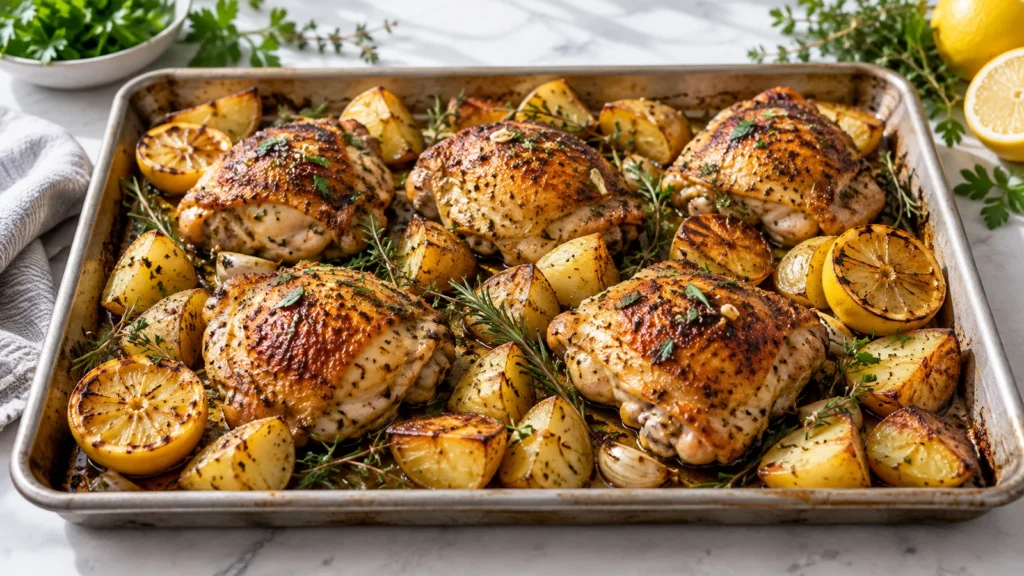
Use smoked paprika, garlic powder, and a small pinch of cayenne. These potatoes work especially well beside roasted chicken, grilled meat, or a creamy dipping sauce.
Breakfast-Style Potatoes
Cut the potatoes into smaller 1/2-inch cubes. Add onion powder, paprika, and black pepper. During the final 10–15 minutes, add diced bell pepper and thinly sliced onion to the pan.
Fresh Rosemary and Garlic
Fresh garlic can burn at high heat, so stir minced garlic and finely chopped rosemary into the potatoes during the final 5–8 minutes. You will get a fresh aroma without blackened garlic pieces.
What to Serve with Oven Roasted Potatoes
These potatoes are neutral enough for many meals. Their crisp texture is particularly useful next to tender or saucy main dishes.
- Serve them with oven-cooked beef short ribs and a simple green salad.
- Pair them with slow cooker crack chicken and roasted broccoli.
- Add them to a brunch plate with eggs, avocado, and sautéed vegetables.
- Serve them beside grilled chicken, steak, burgers, or baked fish.
- Turn leftovers into a breakfast hash with onions and eggs.
- Offer them as an easy alternative to fries with boneless buffalo wings.
For dipping, try garlic yogurt sauce, ranch dressing, spicy mayonnaise, honey mustard, or a simple mixture of sour cream and chopped chives.
Common Roasted Potato Problems and Solutions
The Potatoes Are Soft but Not Brown
The pan was probably crowded, the potatoes were wet, or the oven had not fully preheated. Spread them out, increase airflow, and let them continue roasting without stirring constantly. If necessary, move the pan to a higher rack for the final few minutes.
The Potatoes Stick to the Pan
They may need more time to form a crust. Make sure the pan and potatoes have enough oil, then slide a thin spatula underneath each piece. Directly roasted potatoes can stick more than potatoes on parchment, but they also develop stronger browning.
The Outside Burns Before the Inside Cooks
The pieces may be too large for the oven temperature, or the seasoning may contain ingredients that burn easily. Lower the heat to 375°F and continue cooking until tender. Next time, cut the pieces smaller and add fresh garlic or cheese near the end.
The Potatoes Taste Dry
They may not have had enough oil, or they may have cooked too long. Toss the hot potatoes with a small drizzle of olive oil or melted butter, then adjust the salt and add fresh herbs.
The Seasonings Fall Off
Add oil before the dry seasonings so the spices have something to cling to. Toss in a bowl rather than trying to season the pieces after they are already on the pan.
| Problem | Likely Cause | Solution |
|---|---|---|
| Pale and soft | Moisture or overcrowding | Dry well and use a larger pan |
| Sticking | Turned too early | Wait for a crust and use a thin spatula |
| Burned seasoning | Delicate ingredients added too soon | Add garlic, herbs, or cheese near the end |
| Uneven cooking | Pieces are different sizes | Cut uniform 1-inch cubes |
| Greasy potatoes | Too much oil or crowded pan | Measure the oil and spread pieces out |
How to Store and Reheat Roasted Potatoes
Refrigerating Leftovers
Let the potatoes stop steaming, then place them in a shallow airtight container and refrigerate them within two hours. Cooked leftovers generally keep for 3–4 days in a refrigerator at 40°F or below. For official storage guidance, consult the FoodSafety.gov cold food storage chart.
The Best Reheating Method
The oven or air fryer restores crispness better than the microwave. Spread the potatoes on a sheet pan and reheat them at 400°F for 8–12 minutes, turning once. In an air fryer, use 375°F for approximately 4–7 minutes and shake the basket halfway through.
A microwave is faster, but it softens the exterior. If you use it, heat the potatoes only until hot and avoid overcooking them. FoodSafety.gov recommends reheating leftovers to 165°F.
Can You Freeze Roasted Potatoes?
Yes, although the texture may be slightly softer after thawing. Freeze cooled potatoes in a single layer, then transfer them to a freezer-safe bag once firm. Reheat from frozen in a 425°F oven until hot and crisp. Avoid thawing at room temperature.
Conclusion
Reliable oven roasted potatoes come down to a short list of habits: cut the pieces evenly, remove surface moisture, coat them lightly with oil, give them room on the pan, and roast them at high heat until the cut sides turn golden.
Yellow potatoes make the method especially forgiving because they hold their shape while becoming creamy inside. Once you master the basic recipe, change the herbs and finishing ingredients to match almost any main course. Whether you need a quick weeknight side or a tray for a holiday table, this is a potatoes recipe you can return to again and again.
FAQ
What temperature is best for oven roasted potatoes?
425°F is an excellent all-purpose temperature. It is hot enough to create crisp, browned edges while giving 1-inch pieces enough time to become tender inside.
How long do diced potatoes take in the oven at 425°F?
One-inch diced potatoes generally need 30–40 minutes. Turn them after about 20 minutes and continue roasting until the centers are fork-tender and the cut sides are golden.
Should you boil potatoes before roasting them?
You do not need to boil 1-inch diced potatoes before roasting. Parboiling can create an especially fluffy, rough exterior, but it adds another step. The direct-roasting method in this recipe is simpler and still produces crisp results.
Do you need to soak potatoes before roasting?
No. Soaking for 20–30 minutes can remove some surface starch and help with crispness, especially when using russets. Thorough drying and enough room on the pan matter even more.
Can you roast potatoes without peeling them?
Yes. Yellow, red, and baby potato skins are usually thin and pleasant to eat. Scrub them carefully and remove damaged areas. Peeling is mainly a matter of preference.
Why are my roasted potatoes not crispy?
The most common causes are excess moisture, an overcrowded pan, insufficient oil, a cool oven, or turning the potatoes too frequently. Dry them well and roast in a single spacious layer.
Can you prepare the potatoes in advance?
You can cut the potatoes several hours ahead and keep them submerged in cold water in the refrigerator. Drain and dry them extremely well before seasoning and roasting. Do not leave cut potatoes sitting uncovered at room temperature.
What oil is best for roasted potatoes?
Olive oil works well at 425°F and adds flavor. Avocado oil or another neutral high-heat cooking oil is also suitable. Whichever oil you choose, use enough for a thin, even coating.
There are no reviews yet. Be the first one to write one.
Reviews
Reader reviews are managed separately (outside this build).