Cake
phillips crab cake recipe: Easy, Authentic Maryland
Make phillips crab cake recipe with jumbo lump crab, Old Bay and minimal filler, baked or pan-fried to golden perfection. Discover Maryland flavor.
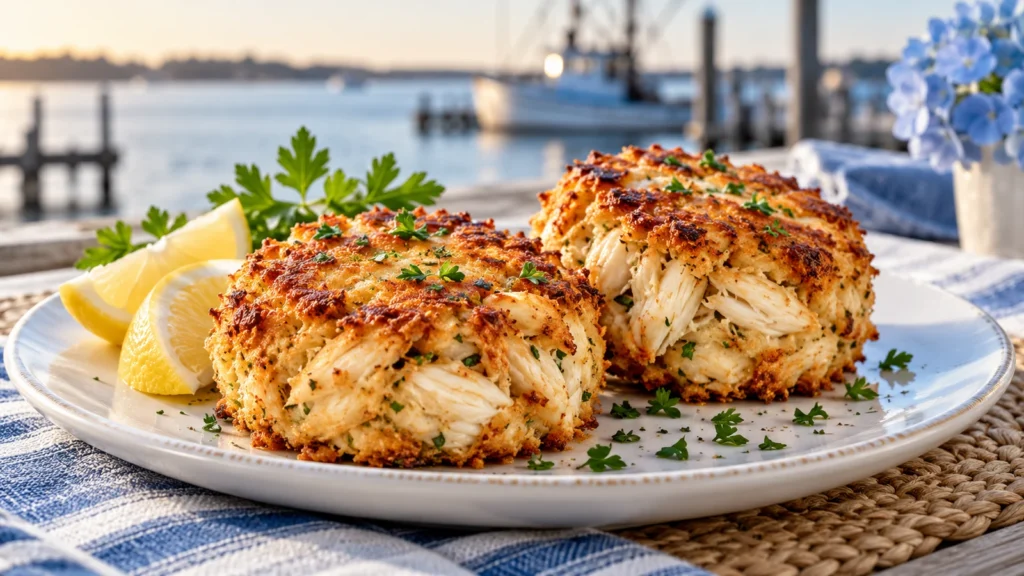
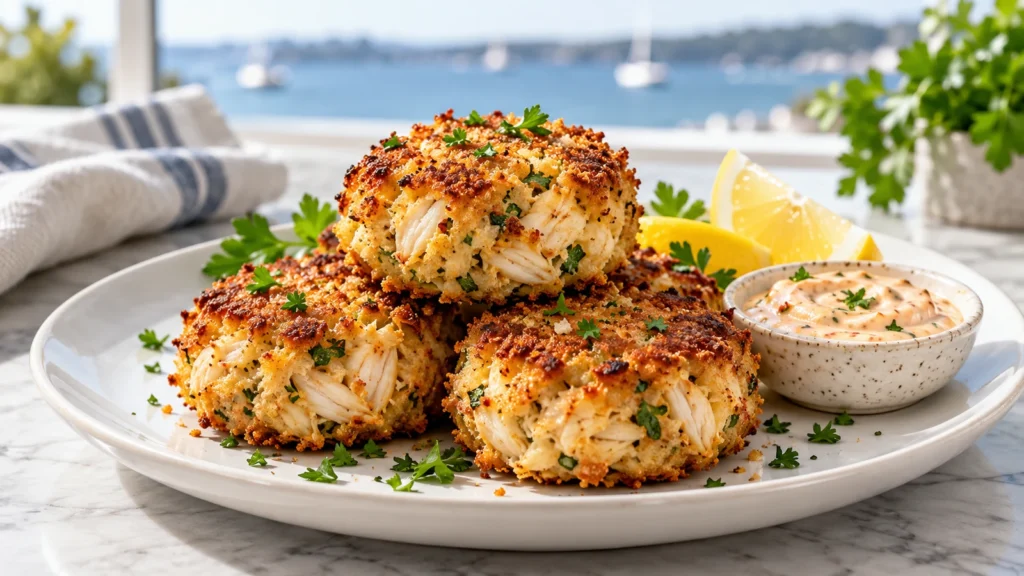
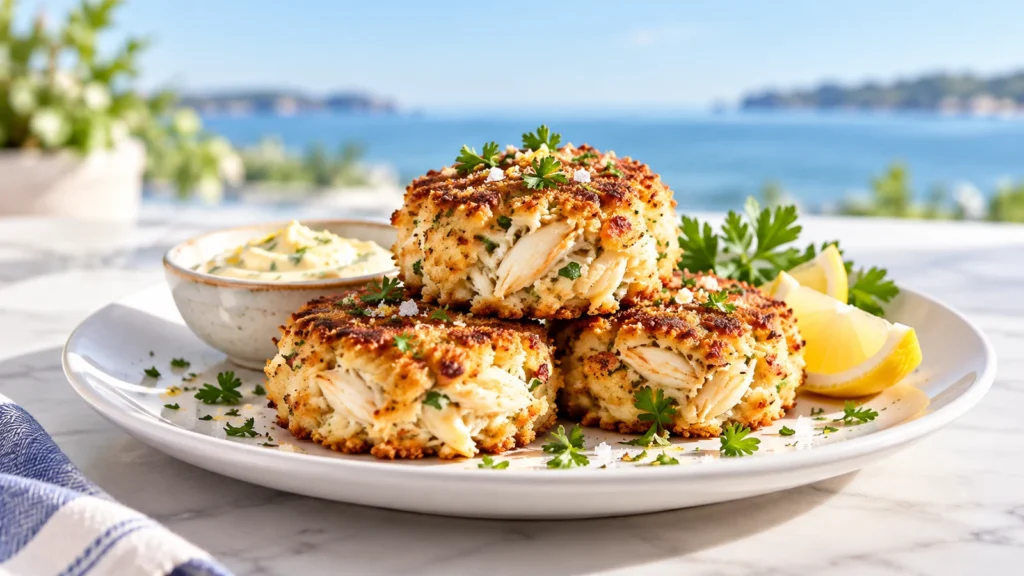
This Phillips crab cake recipe delivers Maryland-style flavor with jumbo lump crab meat, minimal filler, Old Bay seasoning, and a tender interior. You can bake the cakes for an easy, evenly browned finish or pan-fry them for crisp, golden edges.
This is a Phillips-inspired home recipe, not a verified official restaurant formula. It follows the Maryland tradition of making crab the star; the blue crab is officially recognized as the state crustacean of Maryland.
The Phillips crab cake recipe works for weeknight dinners, special occasions, or an appetizer platter. The detailed tips below explain how to preserve large pieces of crab, adjust the binder, choose a cooking method, and prepare the cakes ahead without sacrificing their delicate texture.
Table of Contents
Why You’ll Love This Recipe
- Crab-forward: A light binder holds the cakes together without hiding the seafood.
- Two cooking options: Choose gentle oven heat or a crisp pan-fried crust.
- Make-ahead friendly: Shape and refrigerate the cakes up to one day early.
- Flexible: Adjust the seasoning or use gluten-free crumbs if needed.
- Easy to serve: Pair the cakes with a fresh salad, vegetables, potatoes, or a tangy sauce.
Ingredients
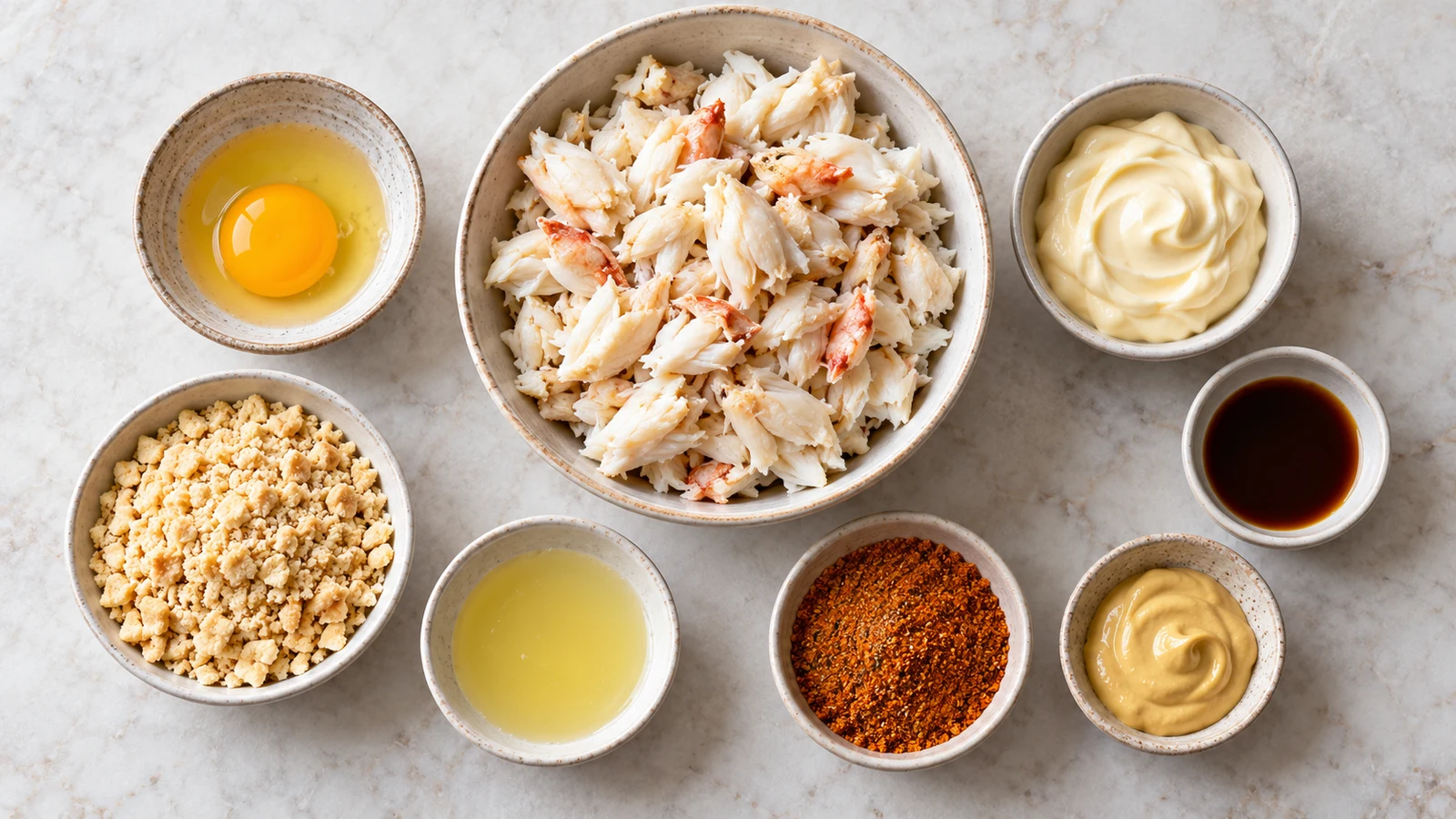
- 1 pound (454 g) jumbo lump crab meat, picked over for shell
- 1 large egg
- 1/4 cup (60 g) mayonnaise
- 1 teaspoon Dijon mustard
- 1 teaspoon Worcestershire sauce
- 1 teaspoon Old Bay seasoning, plus more to taste
- 1 teaspoon fresh lemon juice
- 1 teaspoon finely chopped flat-leaf parsley
- 1/2 cup (30 g) crushed saltine crackers or fine cracker crumbs
- 1 tablespoon melted unsalted butter, for baking
- 2 tablespoons neutral oil, for pan-frying
- Lemon wedges, for serving
Jumbo lump provides the largest, most impressive pieces, while backfin offers smaller flakes at a lower price. Fresh and refrigerated pasteurized crab both work; drain either one thoroughly without squeezing it dry. Avoid shelf-stable imitation crab, which has a different texture and flavor.
Mayonnaise and egg provide richness and structure, while the cracker crumbs absorb excess moisture. Dijon, Worcestershire sauce, lemon, parsley, and Old Bay add savory balance without overpowering the crab. This restrained seasoning is central to a good Phillips crab cake recipe.
Equipment
- Large and medium mixing bowls
- Flexible spatula
- 1/2-cup measure
- Rimmed baking sheet and parchment paper
- Heavy skillet for the pan-fried method
- Instant-read thermometer
A flexible spatula is especially useful because its broad edge folds the mixture without shredding the crab. A thin metal spatula makes pan-fried cakes easier to turn, while an instant-read thermometer confirms that the centers are properly heated.
How to Make This Phillips Crab Cake Recipe
- Prepare the binder: In a medium bowl, whisk the egg, mayonnaise, Dijon, Worcestershire sauce, Old Bay, lemon juice, and parsley until smooth. The mixture should resemble a loose, creamy dressing.
- Add the crumbs: Stir in the cracker crumbs and let the binder stand for 3 minutes. It should thicken enough to cling to a spoon but should not become stiff or doughy.
- Fold in the crab: Place the crab in a large bowl and distribute the binder over it. Fold slowly with a flexible spatula just until combined, lifting from the bottom rather than stirring. Stop while the jumbo lumps are still clearly visible.
- Shape: Divide the mixture into six portions of about 1/2 cup each. Gently form cakes approximately 3 inches wide and 1 inch thick. Do not compact them firmly.
- Chill: Arrange the cakes on a lined tray, cover, and refrigerate for at least 30 minutes or up to 24 hours. Chilling hydrates the crumbs and makes the delicate cakes easier to move.
- Cook: Bake or pan-fry using one of the methods below. In either case, cook until the centers reach 165°F (74°C).
The most important technique in this Phillips crab cake recipe is restraint. Mix only until the binder is distributed and shape the portions with light pressure. A slightly irregular cake with visible crab pieces will be more tender than one packed into a perfectly smooth puck.
Baked Method
Heat the oven to 375°F (190°C). Brush the tops with melted butter and bake for 16 to 20 minutes, rotating the pan once. Broil for 1 to 2 minutes if you want deeper browning, watching closely. This recipe for crab cakes in the oven offers additional baking guidance.
The cakes are ready when the tops are lightly golden, the edges sizzle, and the centers register 165°F (74°C). Baking gives them an evenly tender texture and requires little handling.
Choose the baked method when preparing the full batch at once. A recipe for crab cakes in the oven is also convenient when the stovetop is occupied with side dishes, and the cakes need to remain intact for an appetizer presentation.
Pan-Fried Method
Heat the oil in a heavy skillet over medium heat. When the oil shimmers, add the chilled cakes without crowding the pan. Cook for 3 to 4 minutes per side, turning once with a thin spatula, until deeply golden and heated to 165°F (74°C).
Pan-frying creates the crispest crust and richer browning, but the cakes require careful turning. Baking is easier for a full batch and preserves a slightly softer exterior. Maryland tourism’s Maryland crab cake recipe also illustrates the region’s emphasis on simple seasoning and broiled or baked preparation.
Allow the first side to form a firm crust before attempting to turn a cake. If it resists the spatula or bends in the middle, give it another 30 seconds. The chilled binder and properly heated skillet help this Phillips crab cake recipe release cleanly.
Quick Lemon Remoulade
For a simple crab cake sauce recipe, stir together 1/2 cup mayonnaise, 1 tablespoon lemon juice, 1 teaspoon Dijon mustard, 1 teaspoon capers, 1 teaspoon hot sauce, and 1 tablespoon chopped parsley. Refrigerate for 15 minutes before serving, or explore this fuller lemony crab cake sauce recipe.
This crab cake sauce recipe can be prepared one day ahead and kept covered in the refrigerator. Taste it after chilling, then add a little lemon juice for brightness or hot sauce for warmth. Serve it beside the cakes instead of spooning it over the crust.
Expert Tips for the Best Results
- Handle the crab gently: Inspect it with your fingertips and fold with broad, slow strokes to preserve the jumbo lumps.
- Check the binder before shaping: It should lightly coat the crab. Add crumbs 1 tablespoon at a time only if liquid pools in the bowl.
- Season thoughtfully: One teaspoon of Old Bay gives balanced warmth. Use 1 1/2 teaspoons for a bolder old bay crab cake recipe, especially if the crab tastes mild.
- Keep the size consistent: Six equal cakes cook more predictably than mixed sizes.
- Verify doneness: Color is helpful, but an instant-read thermometer is the reliable check. The FDA’s foodborne-illness reference explains hazards associated with seafood and reinforces careful handling.
Drain the Crab Without Crushing It
Place the crab in a fine-mesh strainer and let gravity remove excess liquid. If necessary, blot the surface gently with a paper towel. Squeezing forces moisture and flavor from the meat while breaking the large pieces that distinguish this Phillips crab cake recipe.
Test the Seasoning Carefully
Because brands of crab and crackers vary in saltiness, the mixture should be seasoned with care. If you want to taste before shaping, cook a teaspoon of the mixture in a small skillet. This is especially helpful when turning the base into a more assertive old bay crab cake recipe.
Shape With a Light Touch
Use a 1/2-cup measure for even portions, then release each mound onto the tray and tidy the edges. Do not press out every gap. Those small spaces help the finished cakes feel flaky and tender rather than compact.
Chill Before Cooking
Thirty minutes is enough for the crumbs to absorb liquid and the binder to firm. If your kitchen is warm or the crab mixture feels particularly soft, chill it for 45 to 60 minutes. Proper chilling makes either pan-frying or a recipe for crab cakes in the oven more dependable.
Variations and Substitutions
For gluten-free cakes, replace the saltines with certified gluten-free cracker crumbs or fine gluten-free panko. Begin with 1/3 cup because different crumbs absorb moisture differently. For a less rich binder, replace 2 tablespoons of mayonnaise with plain Greek yogurt.
Backfin crab makes flavorful, economical cakes with a finer texture. Claw meat is darker and more assertive, so it works best mixed with lump crab rather than used alone. Add a pinch of cayenne for heat, but avoid heavy additions that overwhelm the sweet crab.
More Old Bay Flavor
For an old bay crab cake recipe with a stronger spice profile, increase the seasoning from 1 teaspoon to 1 1/2 teaspoons. Taste the cooked test portion before adding more because Old Bay contributes salt as well as spice. A light extra dusting can also be applied immediately before cooking.
Gluten-Free Option
Certified gluten-free cracker crumbs give the closest texture to saltines. Fine gluten-free panko produces a slightly airier cake. Let the binder rest after adding the initial 1/3 cup, then add more only if it remains visibly loose.
Smaller Appetizer Cakes
Divide the same mixture into 12 portions for a party tray. Keep the cakes evenly sized and begin checking them early because smaller portions cook faster. Offer lemon wedges and a bowl of crab cake sauce recipe alongside them for easy serving.
Milder Seasoning
If serving guests who prefer less spice, use the original 1 teaspoon of Old Bay and omit extra cayenne. Lemon and parsley will keep the flavor fresh. The goal is still a balanced Phillips crab cake recipe in which the seafood remains prominent.
Make-Ahead Instructions
Prepare and shape the uncooked cakes up to 24 hours ahead. Arrange them in a single layer on a parchment-lined tray, cover tightly, and refrigerate. Keeping them cold protects the seafood and gives the binder extra time to set.
Prepare the crab cake sauce recipe separately and refrigerate it in a covered container for up to one day. Stir before serving. Cut lemon wedges and chop garnish shortly before the meal so they remain fresh.
If entertaining, shape the cakes in the morning and cook them shortly before serving. The baked recipe for crab cakes in the oven is the easiest method for a group because every portion cooks together and requires no flipping.
Troubleshooting Crab Cakes
Why Is My Mixture Too Wet?
The crab may not have drained fully, or the egg may be unusually large. Fold in 1 tablespoon of crumbs, wait 3 minutes, and reassess. Repeat once if necessary; too many crumbs make dense cakes.
Why Are the Cakes Crumbling?
They may need more chilling or a little more binder. Refrigerate them for another 20 minutes. If they still fall apart, fold 1 tablespoon of mayonnaise or half a beaten egg into the mixture, then reshape.
Why Are My Crab Cakes Dense?
Dense cakes usually result from excessive mixing, firm packing, or too many crumbs. Fold only until combined and shape with gentle pressure. When correcting a wet mixture, wait after each small addition so the crumbs have time to absorb moisture.
Why Did the Cakes Stick to the Pan?
The skillet may not have been hot enough, or the cakes may have been turned before a crust formed. Preheat the oil until it shimmers, add the chilled cakes, and leave the first side undisturbed for at least 3 minutes.
Why Are the Cakes Dry?
Overcooking and excess filler are the usual causes. Check the internal temperature near the earliest suggested cooking time and remove the cakes when they reach 165°F (74°C). Measure the crumbs rather than estimating them.
Why Are the Tops Pale?
Brush baked cakes evenly with melted butter and rotate the pan during cooking. If they are hot in the center but still pale, broil for 1 to 2 minutes while watching constantly. This finishing step adds color without extending the full baking time.
Serving Ideas
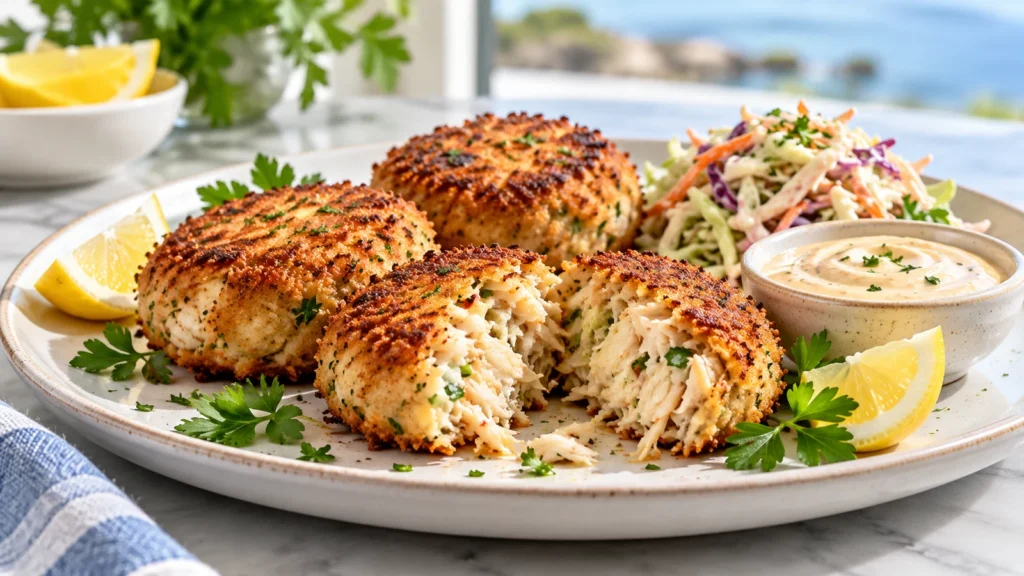
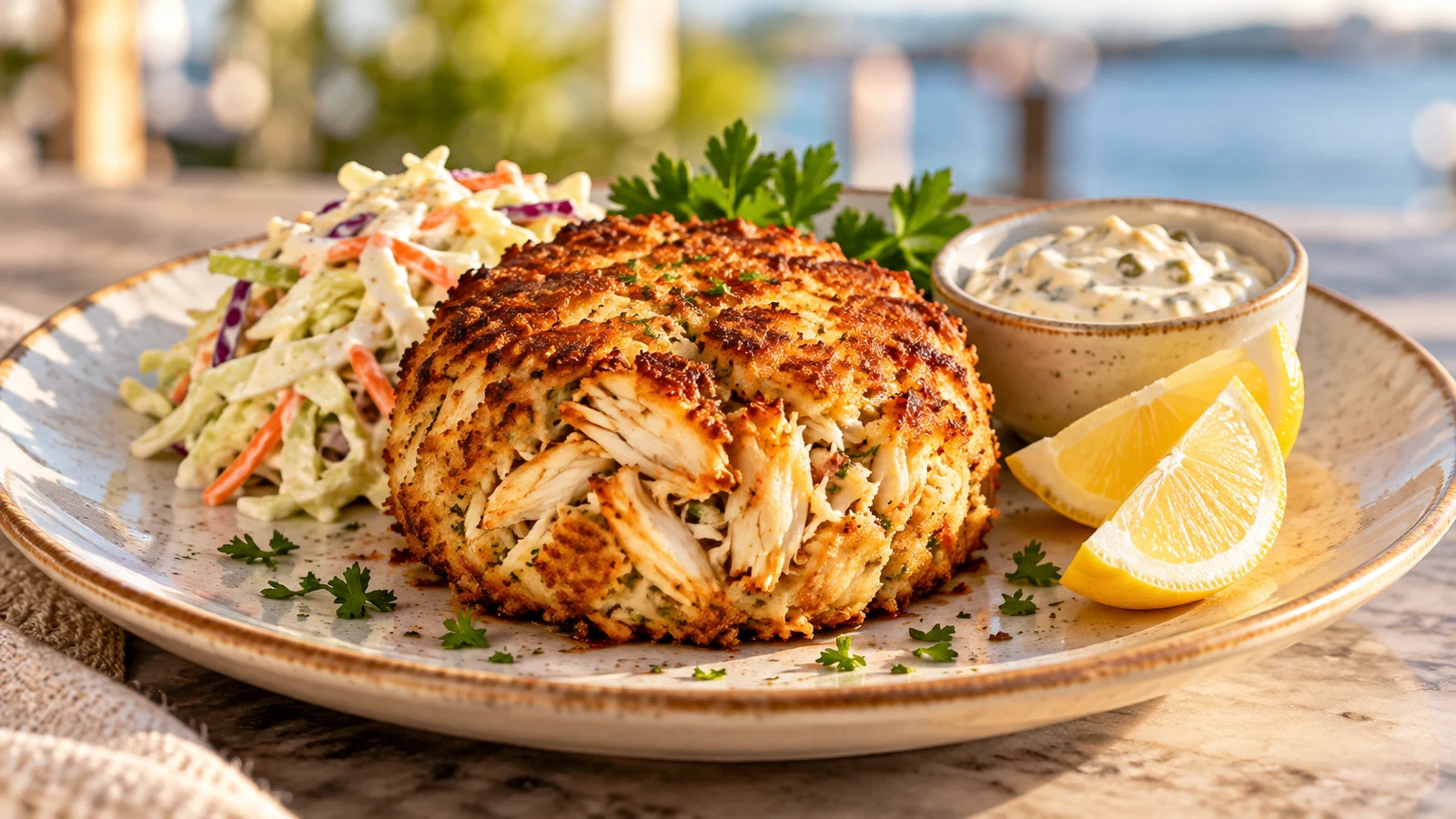
Serve two smaller cakes per person as a main course or one as an appetizer. Lemon wedges, remoulade, coleslaw, corn salad, roasted potatoes, or a leafy salad all complement the rich crab without competing with it.
For a coastal-style dinner, pair the Phillips crab cake recipe with corn on the cob, sliced tomatoes, and roasted potatoes. A crisp green salad with a light vinaigrette is a refreshing option when you want a less substantial side.
Appetizer Platter
Arrange mini cakes on a warm platter with lemon wedges, parsley, and small dishes of sauce. Keep the crab cake sauce recipe on the side so the golden surface remains crisp. Provide small forks if the cakes are too delicate for toothpicks.
Sandwiches and Rolls
Place a warm cake on a soft roll with lettuce, tomato, and a thin spread of remoulade. Avoid pressing the sandwich firmly. A lightly dressed cabbage slaw adds crunch while allowing the crab flavor to remain the focus.
Planning Dessert
A rich seafood meal benefits from a dessert that can be made in advance. If carrot cake is on the menu, prepare the recipe icing for carrot cake earlier in the day and refrigerate it as directed by that dessert recipe. This keeps last-minute attention on the hot crab cakes.
The tangy cream-cheese character commonly associated with recipe icing for carrot cake makes a pleasant finish after savory seafood. Keep the dessert separate from the crab preparation area and use clean utensils for every course.
How to Store and Reheat
Refrigerate cooked crab cakes in a shallow airtight container within two hours and use them within 3 days. Reheat on a lined baking sheet at 350°F (175°C) for 10 to 12 minutes, or until the centers return to 165°F (74°C). The microwave works in short intervals but softens the crust.
Freeze cooked, cooled cakes individually before transferring them to a freezer container for up to 2 months. Thaw overnight in the refrigerator before reheating. Uncooked cakes can be assembled one day ahead and kept covered in the refrigerator.
Reheating Without Drying
Let refrigerated cakes sit at room temperature only while the oven heats. Arrange them with space between each portion and cover loosely with parchment if the surfaces brown too quickly. Reheating in the oven restores more texture than microwaving.
Freezing Individual Portions
Freeze cooled cakes in a single layer until firm, then transfer them to a freezer container with parchment between layers. Label the container with the date. Thaw only the number needed so the remaining cakes stay frozen.
Nutrition
One baked crab cake, without sauce, contains approximately 180 calories, 17 grams protein, 10 grams fat, and 6 grams carbohydrate. Values vary with the crab, mayonnaise, crackers, and serving size; pan-frying adds some oil.
Frequently Asked Questions
Can I Use Canned Crab Meat in This Phillips Crab Cake Recipe?
Yes. Choose refrigerated pasteurized lump crab when possible, drain it well, and check carefully for shell fragments. Shelf-stable canned crab generally has smaller flakes and a stronger cooked flavor.
Can I Broil the Crab Cakes?
Yes. Place chilled cakes about 6 inches from the broiler and cook for 8 to 10 minutes, without flipping, until browned and 165°F (74°C) inside. Watch continuously near the end.
Can I Make Mini Crab Cakes?
Yes. Portion the mixture into 12 cakes and reduce baking time to approximately 10 to 14 minutes. Begin checking the internal temperature early.
Why Is Chilling Important?
Chilling firms the mayonnaise and egg binder while allowing the crumbs to absorb moisture. The cakes hold their shape better during transfer and cooking without requiring extra filler.
Is an Old Bay Crab Cake Recipe Very Spicy?
Not necessarily. Old Bay provides savory, herbal warmth more than intense heat. The original 1 teaspoon is balanced, while 1 1/2 teaspoons produces a bolder old bay crab cake recipe. Add cayenne separately only if you want noticeable heat.
What Is the Best Crab Cake Sauce Recipe for This Dish?
A lemon remoulade is a versatile choice because its acidity cuts through the rich binder. The quick crab cake sauce recipe above combines mayonnaise, lemon, Dijon, capers, hot sauce, and parsley without masking the sweetness of the crab.
Should I Fry or Use a Recipe for Crab Cakes in the Oven?
Pan-fry when you want the crispest, deepest golden crust. Choose a recipe for crab cakes in the oven when you want minimal handling, even cooking, and an easy method for all six portions. Both methods should bring the centers to 165°F (74°C).
Can I Prepare the Binder in Advance?
Yes. Whisk the binder ingredients and refrigerate them in a covered container for up to one day. Fold in the crab and shape the cakes when convenient, allowing at least 30 minutes for chilling before cooking.
Can I Double the Phillips Crab Cake Recipe?
Yes. Double every ingredient and mix the crab in two bowls to avoid crushing it. Shape 12 equal cakes and cook them in batches if pan-frying. For baking, use two lined sheets and rotate their positions for even browning.
Can I Serve Carrot Cake After Crab Cakes?
Yes. Carrot cake can be prepared ahead, making it convenient for entertaining. Finish the recipe icing for carrot cake before starting the seafood, refrigerate the dessert as needed, and keep its tools and ingredients separate from the raw crab.
Does Recipe Icing for Carrot Cake Belong on Crab Cakes?
No. Recipe icing for carrot cake is mentioned only as a make-ahead dessert option. Serve the crab cakes with lemon remoulade, mustard sauce, or another savory condiment, never with sweet cake icing.
Recipe Card
Description: Phillips-inspired Maryland crab cakes with jumbo lump crab, minimal filler, and baked or pan-fried directions.
- Prep time: 20 minutes
- Chilling time: 30 minutes
- Cooking time: 16 to 20 minutes baked or 6 to 8 minutes pan-fried
- Total time: 1 hour 10 minutes
- Yield: 6 crab cakes; 3 main-course or 6 appetizer servings
Method: Whisk the binder ingredients, add 1/2 cup (30 g) cracker crumbs, and gently fold in 1 pound (454 g) jumbo lump crab. Shape six cakes and chill for 30 minutes. Bake at 375°F (190°C) for 16 to 20 minutes, or pan-fry over medium heat for 3 to 4 minutes per side. Serve when golden and 165°F (74°C) in the center.
Final Tips for Maryland-Style Crab Cakes
With gentle mixing, a brief chill, and careful temperature checking, these crab cakes stay moist, cohesive, and full of distinct jumbo crab pieces. Choose the cooking method that suits your meal, then serve them hot with lemon and a cool, tangy sauce.
Whether you pan-fry the cakes or follow the recipe for crab cakes in the oven, preserve the large pieces and avoid unnecessary filler. Those simple habits give the Phillips crab cake recipe its appealing contrast of golden exterior and tender, crab-forward center.
For a complete menu, serve the old bay crab cake recipe with vegetables, a bright salad, and the chilled crab cake sauce recipe. If carrot cake follows, prepare the recipe icing for carrot cake in advance so the freshly cooked seafood can reach the table promptly.
Reviews
Reader reviews are managed separately (outside this build).