Cake
Easy recipe for crab cakes in the oven: Crispy Triumph
Try this easy recipe for crab cakes in the oven with Old Bay seasoning, simple prep, crisp golden results, and helpful timing and sauce tips.

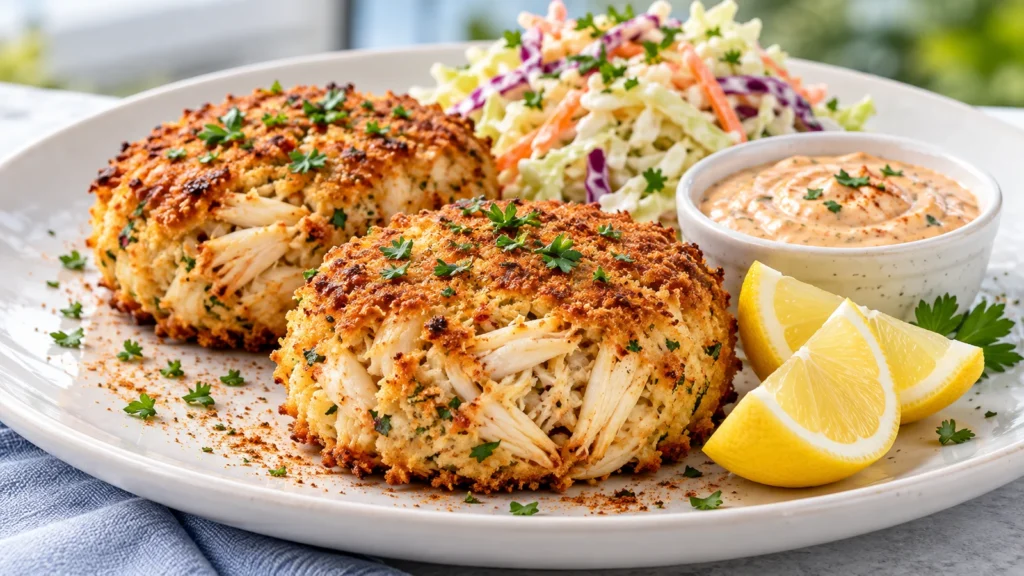
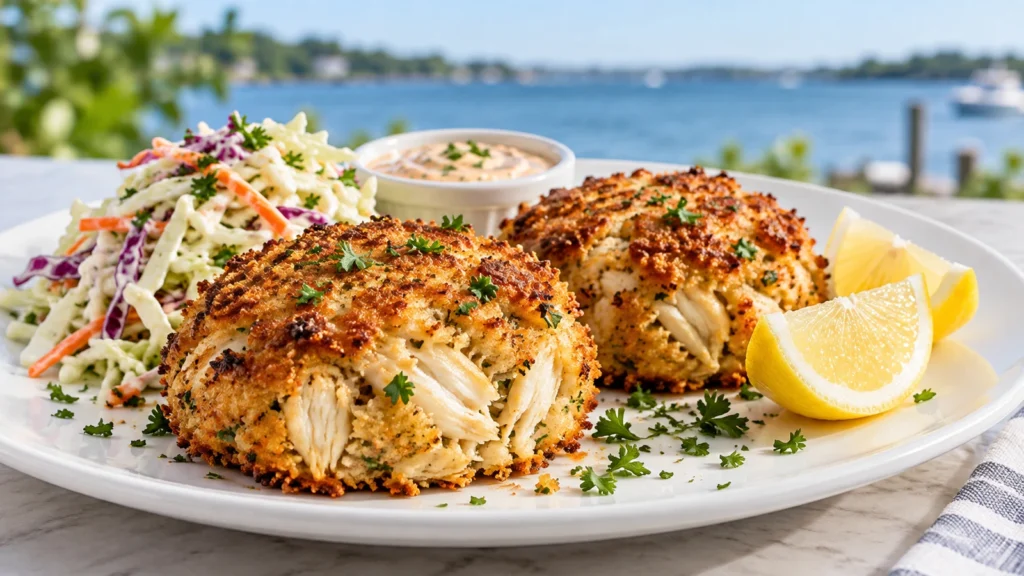
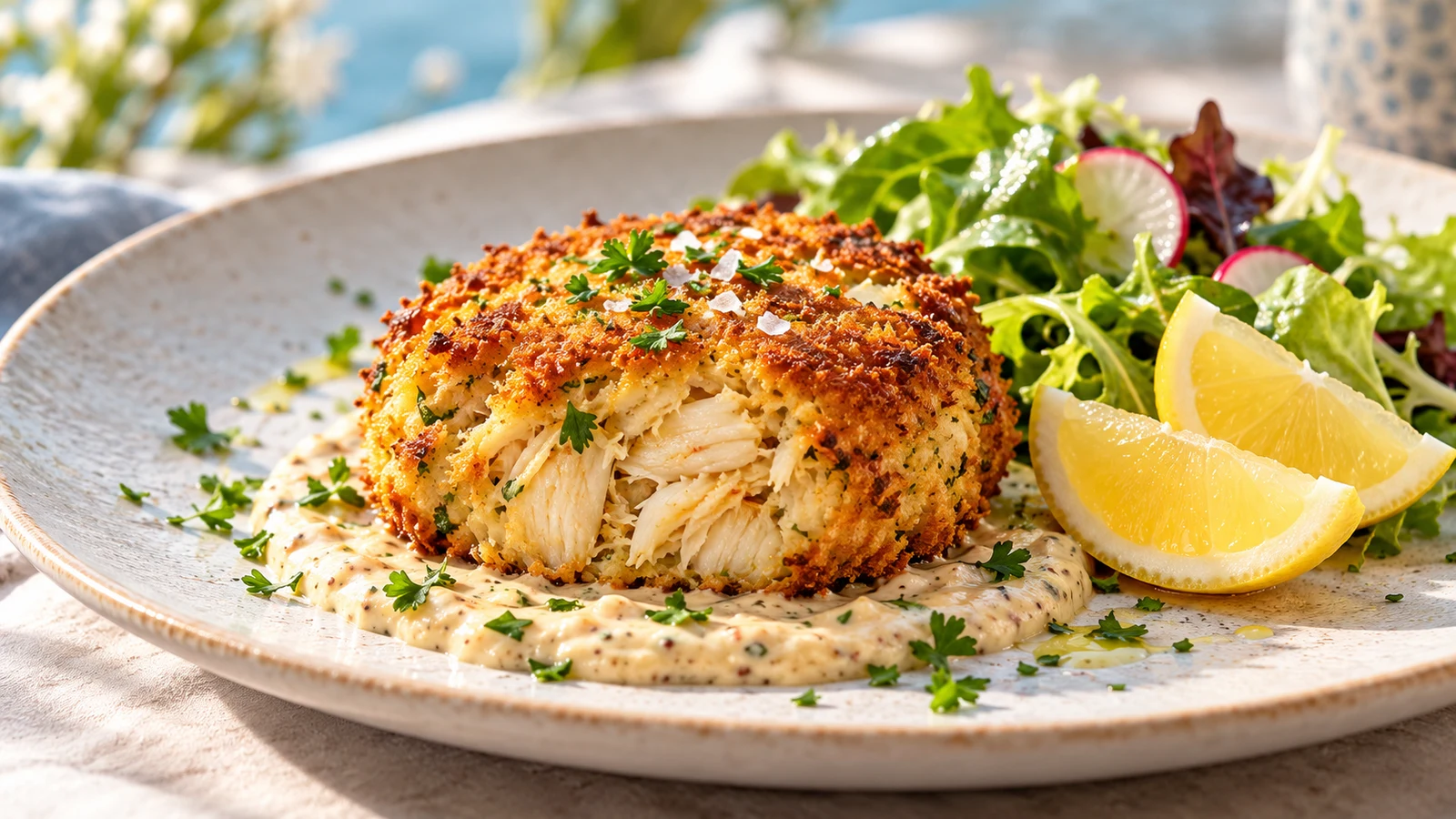
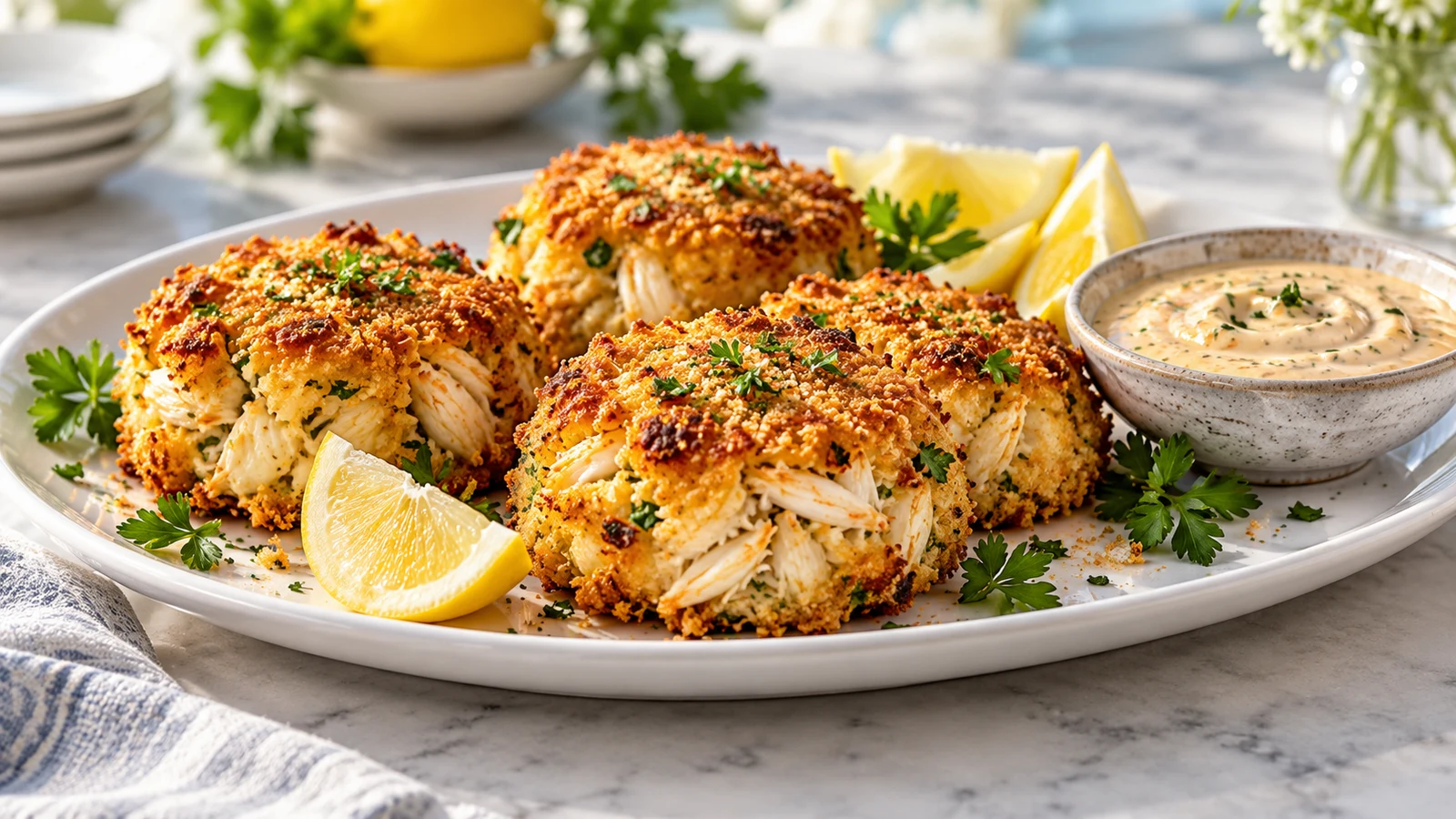
This recipe for crab cakes in the oven delivers tender, crab-packed centers and crisp, golden edges without the mess of pan-frying. Chilling the shaped cakes and baking them at high heat help them stay together while preserving the delicate texture of the crab.
The recipe makes eight cakes, each about 3 inches wide and 1 inch thick. Serve them with lemon remoulade for dinner, tuck them into sandwiches, or shape smaller portions for appetizers. This baked crab cake recipe is especially convenient when you want even browning and enough room to cook the whole batch at once.
Table of Contents
Why You’ll Love This Recipe
- Crab-forward: A modest amount of binder lets lump crab meat remain the focus.
- Reliably crisp: A hot sheet pan and light coating of oil prevent soggy bottoms.
- Make-ahead friendly: Shape and refrigerate the cakes up to 24 hours before baking.
- Easy to adapt: Use panko, saltines, or gluten-free crumbs.
Unlike a heavily breaded version, this recipe for crab cakes in the oven uses only enough panko to support the delicate meat. The result is substantial enough for a main course but still light enough to serve as a starter.
Ingredients
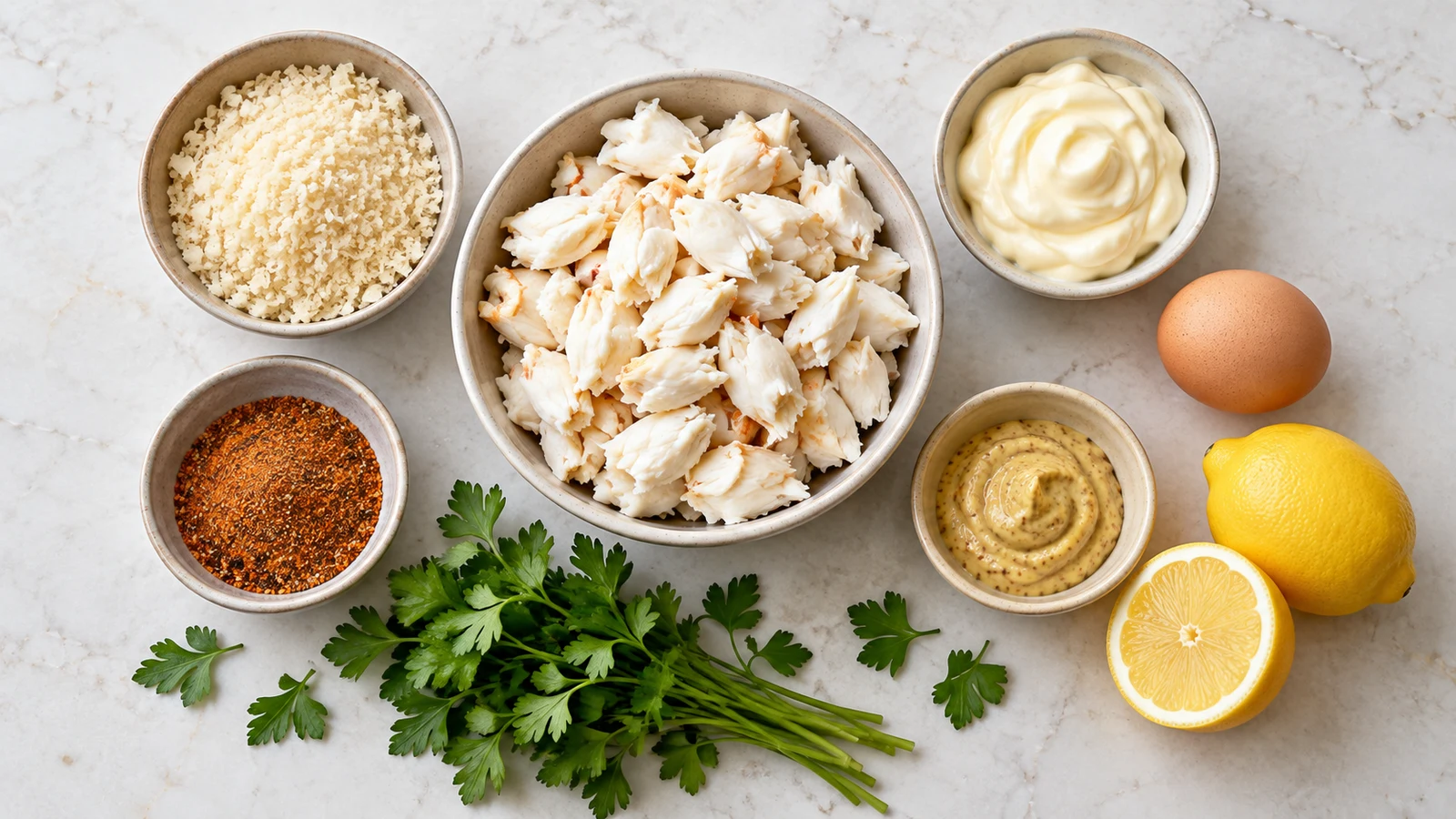
- 1 pound (454 g) lump crab meat, drained weight
- 1 large egg
- 1/4 cup mayonnaise
- 1 tablespoon Dijon mustard
- 1 tablespoon Worcestershire sauce
- 1 teaspoon Old Bay seasoning
- 1 teaspoon fresh lemon juice
- 1 teaspoon lemon zest
- 1 tablespoon finely chopped parsley
- 1/2 cup panko breadcrumbs, divided
- 1/4 teaspoon black pepper
- 1/8 teaspoon fine salt, optional
- 2 tablespoons melted unsalted butter or neutral oil
- Lemon wedges, for serving
Choosing and Preparing the Crab
Fresh picked crab has excellent flavor but should be kept very cold and used promptly. Refrigerated pasteurized crab is convenient and consistent; canned shelf-stable crab also works, although its texture is usually finer. Follow these shellfish selection and handling recommendations when buying and preparing crab.
Whatever type you choose, measure one pound after draining. Tip wet crab into a fine-mesh strainer, let it stand for 10 minutes, and gently blot excess moisture without squeezing. Pick through it carefully for shell fragments while keeping the lumps as intact as possible.
Lump crab provides attractive pieces and a satisfying texture in this baked crab cake recipe. If the container holds a mixture of large and small pieces, distribute them evenly so every cake has both structure and visible chunks of crab.
Understanding the Binder and Seasonings
The egg and mayonnaise provide moisture and help the cakes hold together. Panko absorbs excess liquid without becoming as dense as finely ground crumbs. Dijon, Worcestershire sauce, lemon, parsley, and Old Bay add savory, bright notes while allowing the crab to remain prominent.
Because the salt level varies among brands of crab, Worcestershire sauce, and seasoning, the optional salt should be added cautiously. The balanced seasoning in this recipe for crab cakes in the oven is intended to complement rather than mask sweet crab meat.
Equipment
- Large mixing bowl and small bowl
- Fine-mesh strainer
- Large rimmed baking sheet
- Parchment paper or a silicone baking mat
- 1/2-cup measure
- Instant-read thermometer
How to Make This Recipe for Crab Cakes in the Oven
- Mix the dressing: Whisk the egg, mayonnaise, Dijon, Worcestershire sauce, Old Bay, lemon juice, lemon zest, parsley, pepper, and optional salt in a large bowl.
- Fold gently: Add the drained crab and 1/4 cup panko. Fold with a flexible spatula just until combined. Avoid vigorous stirring, which breaks up the lump crab meat.
- Check the texture: Squeeze a spoonful lightly. If it will not hold, fold in more panko 1 tablespoon at a time, using no more than the remaining 1/4 cup unless the crab is unusually wet.
- Shape: Divide the mixture into eight portions of about 1/2 cup each. Form 3-inch-wide, 1-inch-thick cakes without packing them tightly, then arrange them on a lined plate.
- Chill: Refrigerate uncovered for 30 minutes. This firms the binder and greatly reduces the chance that the cakes will fall apart.
- Preheat: Heat the oven to 425°F (220°C). Place the lined baking sheet in the oven for the final 5 minutes so its surface becomes hot.
- Bake: Carefully brush the hot lining with half the butter or oil. Add the cakes, leaving space between them, and brush their tops with the remainder. Bake for 12 minutes, then carefully turn them and bake for 5 to 7 minutes more.
- Check doneness: The cakes should be golden on both sides, lightly crisp at the edges, and hot in the center. An instant-read thermometer inserted sideways into the center should register 165°F (74°C).
- Broil if desired: For deeper browning, broil 6 inches from the heating element for 1 to 2 minutes. Watch continuously because the crumbs can darken quickly.
This baked crab cake recipe works because the 425°F (220°C) baking temperature browns the exterior before the interior dries out. If your cakes are thinner than 1 inch, begin checking them several minutes early.
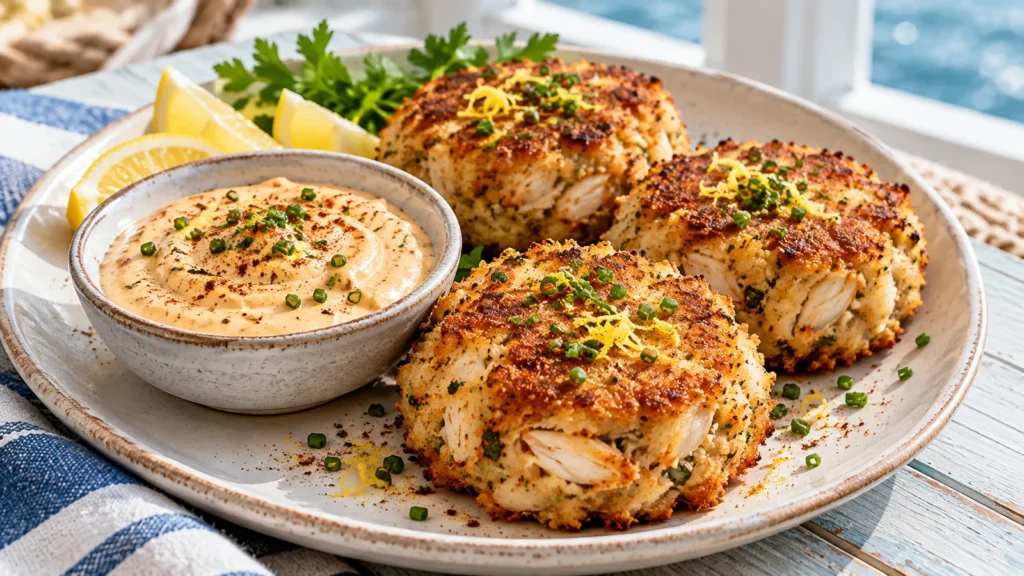
Quick Lemon Remoulade
- 1/2 cup mayonnaise
- 1 tablespoon Dijon mustard
- 1 tablespoon lemon juice
- 1 tablespoon finely chopped dill pickle or capers
- 1 teaspoon hot sauce, optional
- 1 teaspoon chopped parsley
Stir everything together and refrigerate for at least 15 minutes. For more flavor options, including tartar-style and spicy sauces, see this crab cake sauce recipe.
A chilled sauce provides a useful contrast to the hot, crisp cakes. You can prepare the crab cake sauce recipe before shaping the cakes, allowing its lemon, mustard, and herb flavors time to blend while the crab mixture chills.
Expert Tips for a Better Baked Crab Cake Recipe
- Control moisture: Thorough draining is more effective than adding excessive crumbs, which can make the cakes dry.
- Season cautiously: Old Bay and Worcestershire sauce already contain salt. Taste a tiny portion cooked in a skillet or microwave before adding the optional salt. For a seasoning-focused approach, visit this old bay crab cake recipe.
- Prevent crumbling: Chill the cakes, turn them only once, and use a wide spatula. If the raw mixture still falls apart, add one tablespoon of mayonnaise or crumbs.
- Avoid dryness: Do not compact the cakes or bake beyond 165°F (74°C). Smaller cakes cook faster.
- Keep bottoms crisp: Drain the crab well, preheat the pan, leave space between cakes, and never place them on a cold, crowded sheet.
Old Bay’s classic preparation offers another useful reference for traditional crab cake seasoning and technique.
Use a Light Hand When Mixing
Mix the dressing before adding the crab so every seasoning is evenly dispersed without prolonged stirring. Once the meat enters the bowl, fold from the bottom just until no dry patches remain. This technique is central to both this recipe for crab cakes in the oven and a traditional old bay crab cake recipe.
Test the Mixture Before Shaping
Moisture varies considerably between fresh, pasteurized, and canned crab. Press one spoonful together before adding more crumbs. If it holds with gentle pressure, stop. If it immediately breaks, add panko gradually. This small test protects the tender texture that distinguishes a good baked crab cake recipe.
Shape Evenly for Predictable Cooking
Use the 1/2-cup measure to portion each cake, then form uniform rounds without compressing them. Equal thickness matters more than perfectly smooth sides. Consistent 1-inch cakes brown at a similar rate and reach a safe center temperature without smaller pieces drying out first.
Turn the Cakes Carefully
Slide a wide spatula fully beneath each cake and support the side as you turn it. Avoid flipping repeatedly because the cakes are most delicate while hot. Waiting the full 12 minutes before turning lets the first side develop enough crust to provide support.
Variations and Substitutions
- Saltine binder: Replace the panko with 1/2 cup finely crushed unsalted saltines. Add them gradually because they absorb moisture quickly.
- Gluten-free: Use certified gluten-free panko and verify that the Worcestershire sauce is gluten-free.
- Tartar-style sauce: Omit the hot sauce and add 1 tablespoon each of chopped pickle and fresh dill.
- Spicy sauce: Add 1 to 2 teaspoons of hot sauce or prepared horseradish to the remoulade.
- Air fryer: Cook chilled cakes in a lightly oiled basket at 380°F (193°C) for 9 to 12 minutes, turning carefully halfway through. Work in batches so air can circulate.
Adjusting the Flavor Without Hiding the Crab
For a brighter finish, serve extra lemon wedges at the table instead of adding more liquid to the mixture. If you prefer a bolder seafood-house profile, use the linked old bay crab cake recipe as inspiration while keeping the ingredient quantities in this version unchanged.
Sauce is the easiest place to introduce a different flavor. A spicy, pickle-forward, or herb-rich crab cake sauce recipe can change the character of the meal without affecting how the cakes bind or bake.
Making Appetizer-Size Cakes
The mixture can be shaped into smaller portions for appetizers, as noted above. Keep the portions even and begin checking them several minutes early because smaller cakes cook faster. Arrange them with lemon wedges and a small bowl of sauce so guests can add only as much as they like.
Serving Ideas for Oven-Baked Crab Cakes
Serve two cakes per person with lemon remoulade, coleslaw, roasted vegetables, corn salad, or a simple green salad. They also make excellent sandwiches with lettuce, tomato, and a soft roll.
For a Light Dinner
Pair this recipe for crab cakes in the oven with a crisp green salad dressed with a sharp vinaigrette. The acidity balances the rich mayonnaise and sweet crab. Roasted asparagus, green beans, or simply prepared seasonal vegetables also keep the plate fresh and colorful.
For a Casual Seafood Supper
Serve the cakes with coleslaw, corn salad, lemon wedges, and your preferred crab cake sauce recipe. Place the sauce on the side so the crust remains crisp. Soft rolls can turn the same meal into sandwiches without requiring any change to the cakes.
For Appetizers or Entertaining
Smaller cakes are easy to arrange on a platter with toothpicks, lemon wedges, and separate sauces. Prepare and chill them before guests arrive, then bake shortly before serving. Their oven preparation leaves the stovetop free and avoids batches of splattering oil.
Related Recipes
For another take on familiar coastal seasoning, compare the method with this old bay crab cake recipe. It is a helpful companion when choosing how prominently you want the classic seasoning blend to feature.
For dessert after your seafood meal, this recipe icing for carrot cake offers a classic finishing option for homemade carrot cake.
A seafood dinner followed by carrot cake makes a satisfying menu for a celebration. The tangy recipe icing for carrot cake provides a rich, familiar finish after the savory crab and bright lemon sauce.
Make-Ahead, Storage, Freezing, and Reheating
Preparing the Cakes in Advance
For make-ahead preparation, cover shaped raw cakes and refrigerate them for up to 24 hours. Keep them in a single layer so their shape is protected. The resting time also allows the panko to hydrate and makes this recipe for crab cakes in the oven easier to transfer to the hot sheet.
Refrigerating Cooked Crab Cakes
Refrigerate cooked crab cakes within two hours in a shallow airtight container and use them within 3 days. Keep your refrigerator at 40°F (4°C) or below, following USDA refrigeration and leftover-safety guidance.
Let the cakes cool only long enough to stop releasing heavy steam before covering and chilling them. Store sauce separately to protect the crust. Label the container with the date if you are preparing several dishes for a gathering.
Freezing Uncooked Cakes
To freeze, arrange uncooked chilled cakes on a lined tray until solid, then transfer them to a freezer-safe container with parchment between layers for up to 2 months. Thaw overnight in the refrigerator before baking.
Freezing the cakes individually first prevents them from sticking together and lets you remove only the number you need. Do not thaw them on the counter. Once thawed in the refrigerator, follow the original baking directions and confirm that each center reaches 165°F (74°C).
Reheating Without Losing the Crust
For crisp reheating, place cooked cakes on a wire rack set over a sheet pan and heat at 375°F (190°C) for 8 to 12 minutes, until the centers reach 165°F (74°C). An air fryer at 350°F (177°C) takes about 5 to 7 minutes. Microwaving is faster but softens the crust.
The dry heat of an oven or air fryer is the best match for a baked crab cake recipe because it refreshes the exterior while warming the middle. Avoid adding sauce before reheating; spoon it on after the cakes are hot.
Troubleshooting This Recipe for Crab Cakes in the Oven
The Mixture Is Too Wet
Wet crab is the most common cause of a loose mixture. Let it drain for the full 10 minutes, then blot it gently. After combining the ingredients, add the reserved panko one tablespoon at a time. Pause after each addition because crumbs continue absorbing moisture as they stand.
The Cakes Break When Turned
Confirm that the shaped cakes chilled for at least 30 minutes and that the first side baked for 12 minutes. Use a wide spatula, slide it underneath completely, and turn each cake once. Cakes packed too loosely may need slightly firmer shaping, but they should never be compressed densely.
The Crab Cakes Are Dry
Too many crumbs, excessive mixing, overpacking, and overbaking can all produce dryness. Use only enough panko to make the mixture hold, maintain the stated 1-inch thickness, and stop cooking when the centers reach 165°F (74°C). Those details preserve moisture in this old bay crab cake recipe variation.
The Bottoms Are Pale or Soft
Make sure the lined baking sheet preheats for the final 5 minutes and is brushed with half the butter or oil. Leave space between the cakes so steam can escape. Excess moisture or a crowded, cold pan will limit browning even when the oven reaches the proper temperature.
The Tops Need More Color
Brush the tops evenly with the remaining butter or oil before baking. If the centers are done but the surface is still pale, use the optional 1 to 2 minute broil from 6 inches away. Watch continuously, since the crumbs can change from golden to dark very quickly.
Frequently Asked Questions
Why do my crab cakes fall apart?
The crab may be too wet, the mixture may lack enough binder, or the cakes may not have chilled long enough. Drain and blot the meat, add crumbs one tablespoon at a time, and refrigerate the shaped cakes for at least 30 minutes.
Can I use canned crab meat?
Yes. Drain it for 10 minutes and measure one pound after draining. Because canned crab can be fine-textured and moist, fold gently and adjust the crumbs only after testing whether the mixture holds.
How can I tell when baked crab cakes are done?
Look for a golden crust, crisp edges, and a steaming-hot center. For a precise doneness check, the center should reach 165°F (74°C) without substantially exceeding it.
What sauce goes best with crab cakes?
Lemon remoulade is creamy, bright, and slightly tangy. Classic tartar sauce, cocktail sauce, mustard sauce, or a yogurt-based herb sauce also pairs well. The linked crab cake sauce recipe includes more options for matching the sauce to your menu.
Can I prepare this recipe for crab cakes in the oven the night before?
Yes. Shape the raw cakes, cover them, and refrigerate for up to 24 hours. Keep them in a single layer and bake them directly from the refrigerator according to the original instructions.
Do I have to turn the crab cakes?
Turning exposes both sides to the hot, lightly greased surface and creates more even browning. Wait until the first side has baked for 12 minutes, then use a wide spatula and turn each cake only once.
Can I make this baked crab cake recipe without panko?
Yes. Replace the panko with 1/2 cup finely crushed unsalted saltines, adding them gradually because they absorb moisture quickly. For a gluten-free option, use certified gluten-free panko and verify the Worcestershire sauce.
How spicy is this old bay crab cake recipe?
The cakes contain 1 teaspoon of Old Bay seasoning, giving them a familiar savory seafood flavor without overwhelming the crab. For more heat, add hot sauce or prepared horseradish to the remoulade rather than changing the cake mixture.
Can the crab cake sauce recipe be made ahead?
Yes. Mix the lemon remoulade and refrigerate it for at least 15 minutes before serving. Keeping it chilled while the cakes bake allows the flavors to blend and provides a cool contrast to the hot crust.
What dessert works well after crab cakes?
Carrot cake is a welcoming choice for a seafood dinner or celebration. Use the linked recipe icing for carrot cake for a classic finish that can be prepared separately from the savory courses.
Can I use recipe icing for carrot cake as part of this meal plan?
Yes. The recipe icing for carrot cake is intended for dessert, not as a crab cake sauce. Serve the savory cakes and lemon remoulade first, then bring out the frosted carrot cake as a separate final course.
Printable Recipe Card
Yield: 8 crab cakes, 4 servings
Preparation time: 20 minutes, plus 30 minutes chilling
Cooking time: 17 to 19 minutes
Oven temperature: 425°F (220°C)
Method: Whisk the wet ingredients and seasonings. Gently fold in drained crab and enough panko to hold the mixture together. Shape eight 3-inch cakes, chill for 30 minutes, and bake on a preheated, greased sheet for 12 minutes. Turn and bake for 5 to 7 minutes more, until golden and 165°F (74°C) in the center.
Estimated nutrition per serving: 350 calories, 23 g protein, 20 g fat, 17 g carbohydrates, 1 g fiber, and 850 mg sodium. Values vary with the crab, mayonnaise, seasoning, binder, and sauce selected.
A Reliable Oven Method for Crab Cakes
With careful draining, a light hand, and a short chill, this recipe for crab cakes in the oven produces cohesive, moist cakes with pleasantly crisp edges. Keep the portions thick, monitor their temperature, and serve them hot with fresh lemon and your favorite sauce.
The simple method also makes planning easy: prepare the cakes ahead, mix a crab cake sauce recipe, and choose a fresh side dish while the oven heats. If dessert is on the menu, the recipe icing for carrot cake offers a classic way to complete the meal.
Reviews
Reader reviews are managed separately (outside this build).