Cake
Irresistible old bay crab cake recipe: Crispy & Classic
Try this old bay crab cake recipe for classic Maryland flavor, lump crab meat, minimal filler, and easy baked, broiled, fried or air-fried methods.
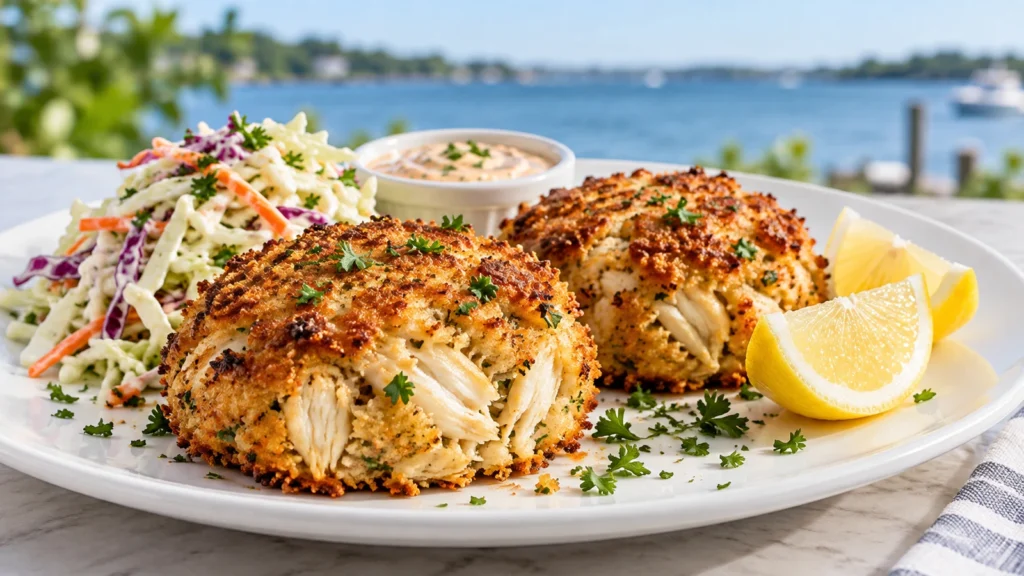
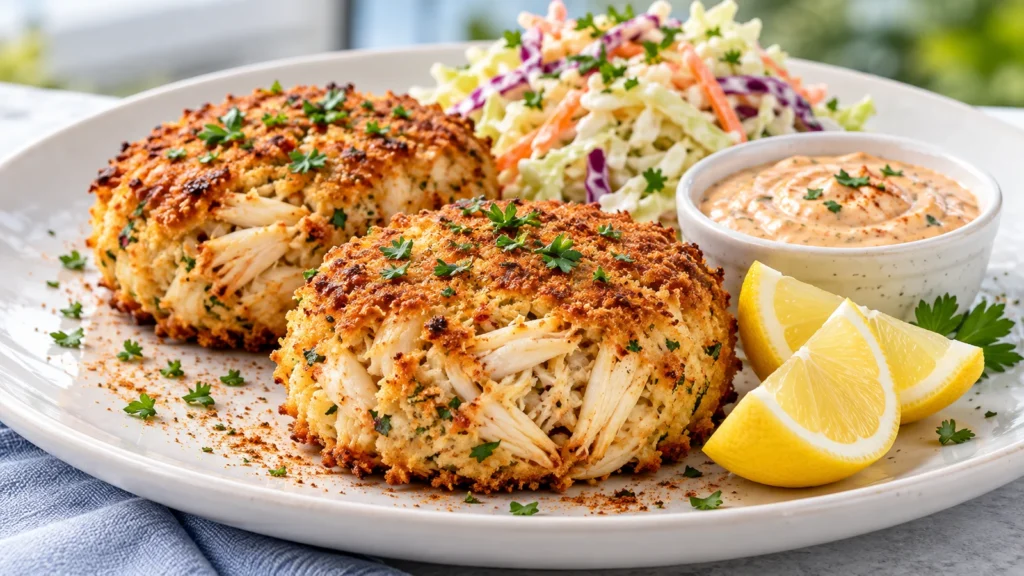
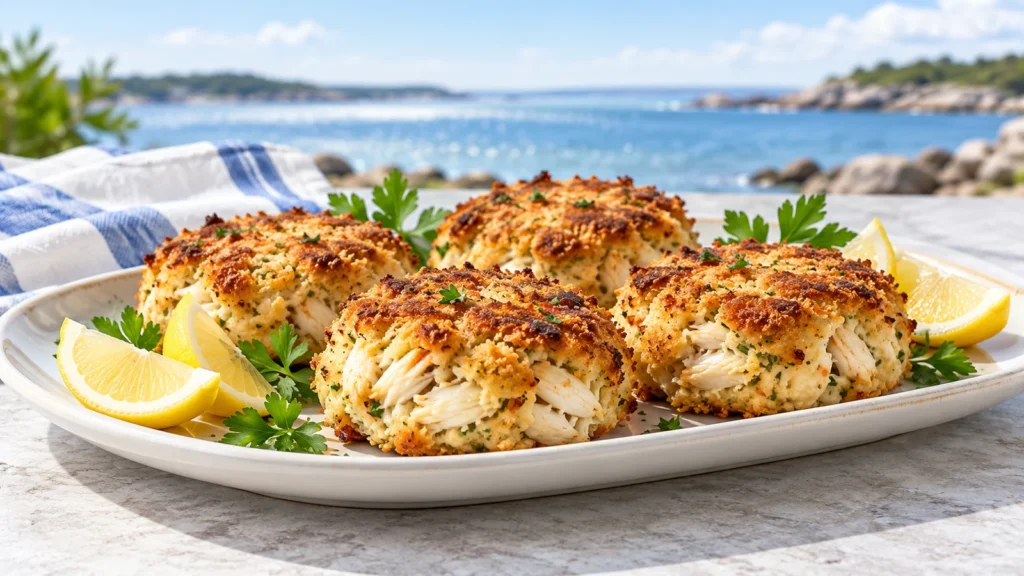
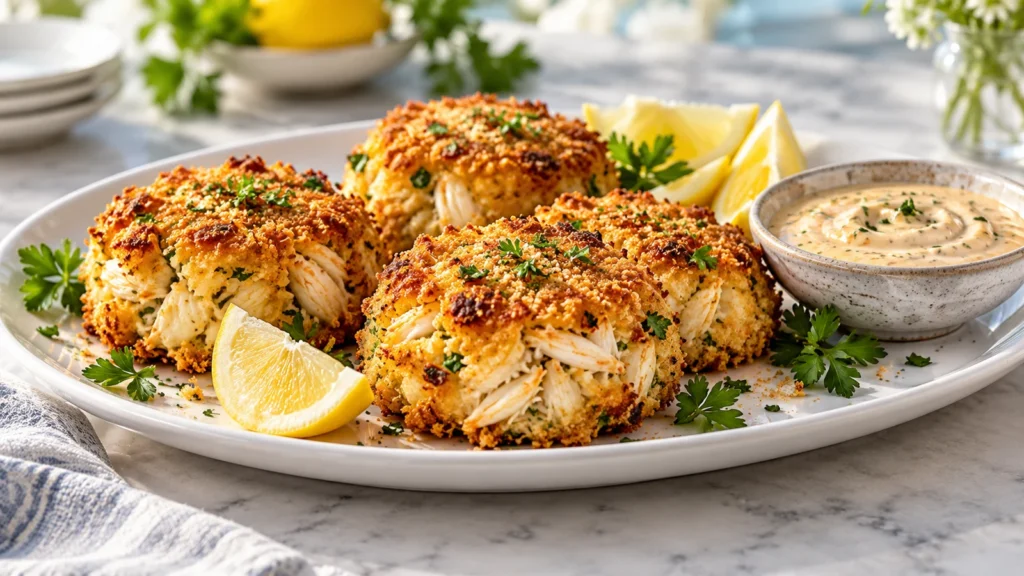
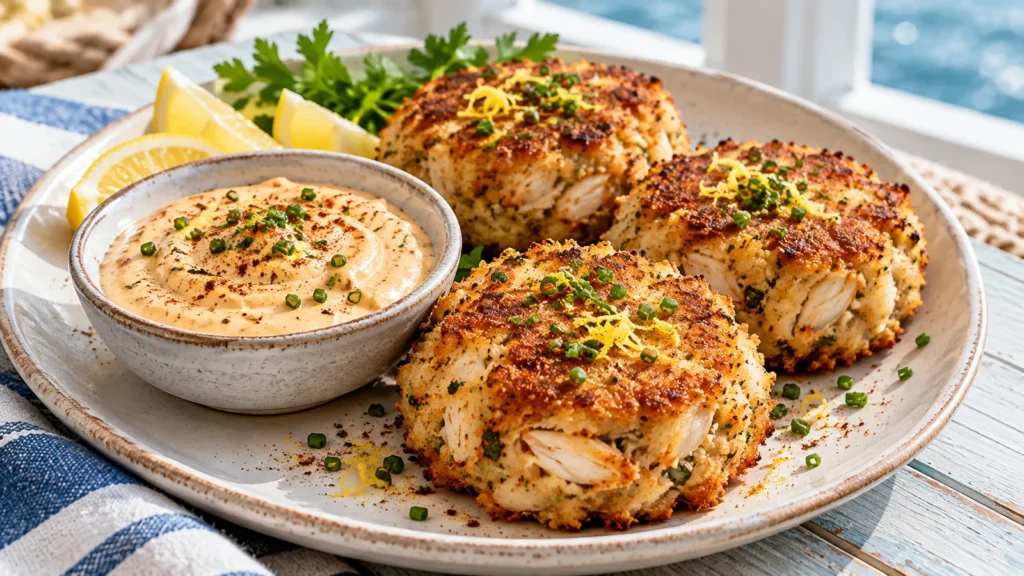
This old bay crab cake recipe delivers classic Maryland flavor with sweet lump crab meat, a crisp golden exterior, and just enough binder to hold everything together. Baking makes the cakes easy to cook evenly, while Old Bay seasoning adds its familiar blend of savory spice.
The key is to drain the crab thoroughly, fold the mixture gently, and chill the shaped cakes before cooking. This old bay crab cake recipe also includes tested instructions for broiling, pan-frying, and air-frying, plus practical advice for sauces, freezing, serving, and troubleshooting.
If you want a dependable recipe for crab cakes in the oven, start with the baking method below. It offers steady heat, requires little handling, and produces six tender cakes with attractive golden edges.
Table of Contents
Why You’ll Love This old bay crab cake recipe
- Crab-forward: Minimal filler lets the large, tender pieces of crab remain the focus.
- Easy to prepare: The mixture can be shaped and refrigerated ahead of time.
- Flexible cooking options: Bake, broil, pan-fry, or air-fry the cakes.
- Classic flavor: Old Bay, Dijon mustard, lemon, and Worcestershire complement the crab without overpowering it.
- Suitable for entertaining: Most of the preparation can be completed before guests arrive.
- Easy to serve: The cakes work as a main course, sandwich filling, or smaller appetizer.
Ingredients
- 1 pound (454 g) refrigerated lump crab meat
- 1 large egg
- 1/4 cup mayonnaise
- 1 teaspoon Dijon mustard
- 1 teaspoon Worcestershire sauce
- 1 teaspoon Old Bay seasoning
- 1 teaspoon fresh lemon juice
- 1 tablespoon finely chopped fresh parsley
- 1/2 cup crushed saltine crackers or plain panko breadcrumbs
- 2 tablespoons melted unsalted butter, divided
- Lemon wedges and extra parsley, for serving
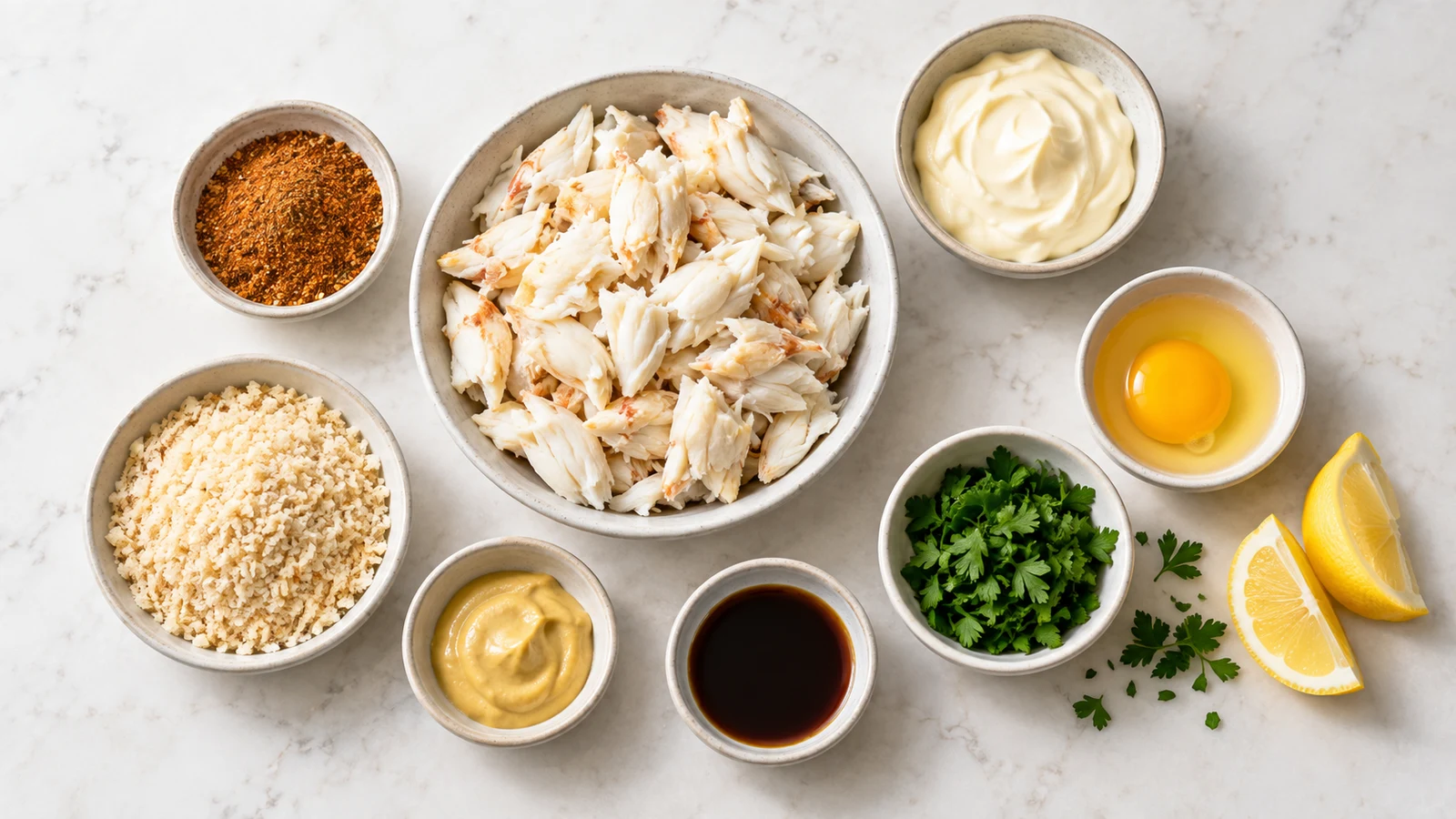
Choosing and Preparing the Crab Meat
For the best texture, choose fresh or refrigerated pasteurized lump crab meat rather than shelf-stable canned crab. Pick through it carefully for shell fragments, then drain it in a fine-mesh strainer without pressing or squeezing. Blue crab has the sweet flavor associated with Maryland-style crab cakes; the NOAA blue crab guide offers additional information about the species and its habitat.
If the crab still looks wet, spread it briefly on paper towels and blot the surface. Excess liquid is one of the main reasons a crab cake mixture becomes loose and requires too much filler.
Lump crab provides a useful balance of generous pieces and smaller flakes. The large pieces give the finished cakes their appealing texture, while the smaller flakes help bind the mixture naturally. Handle both gently so the old bay crab cake recipe remains tender instead of becoming compact.
Keep refrigerated crab cold until you are ready to mix it. After checking for shell, return it to the refrigerator while preparing the binder. This protects its quality and helps the shaped cakes firm up efficiently during their scheduled chilling time.
How to Make the old bay crab cake recipe
- Prepare the crab: Pick over the drained crab meat with clean fingers, removing any shell while preserving the largest lumps.
- Mix the binder: In a large bowl, whisk the egg, mayonnaise, Dijon mustard, Worcestershire sauce, Old Bay, lemon juice, parsley, and 1 tablespoon melted butter until smooth.
- Fold gently: Add the crab and cracker crumbs. Use a flexible spatula to lift and turn the mixture just until combined. Do not stir vigorously or mash the crab.
- Shape: Divide into six portions, about 1/2 cup each. Form compact cakes approximately 3 inches wide and 1 inch thick. Press only firmly enough for them to hold together.
- Chill: Arrange the cakes on a parchment-lined tray, cover, and refrigerate for at least 30 minutes or up to 24 hours. Chilling firms the fat and allows the crumbs to absorb moisture.
- Bake: Heat the oven to 425°F (220°C). Brush the tops with the remaining melted butter and bake for 12 to 15 minutes, until golden at the edges and hot in the center.
This primary oven method is both a dependable baked crab cake recipe and a simple recipe for crab cakes in the oven. The centers should reach 165°F (74°C), which aligns with the FDA’s seafood safety guidance. Check with an instant-read thermometer inserted sideways so the cakes are not split apart.
When portioning this baked crab cake recipe, use a level 1/2-cup measure to keep all six cakes similar in size. Even portions cook at approximately the same rate, reducing the chance that a smaller cake dries out before a larger one is hot.
Expert Tips for the Best Results
- Use minimal filler: Begin with the listed 1/2 cup. Add another tablespoon only if a chilled test portion cannot hold its shape.
- Fold instead of stirring: A wide silicone spatula protects the large crab lumps and prevents a dense texture.
- Do not skip chilling: Warm, freshly mixed cakes are much more likely to spread or break when moved.
- Use the right equipment: A fine-mesh strainer, flexible spatula, 1/2-cup measure, parchment-lined sheet pan, and instant-read thermometer make preparation easier.
- Avoid overcooking: The crab is already cooked. Remove the cakes once their centers are hot and their edges are golden, or they may become dry.
- Mix the binder first: Combining the wet ingredients before adding crab distributes the seasoning without requiring vigorous stirring later.
- Keep the cakes thick: A 1-inch thickness helps protect the moist center while the exterior develops color.
- Turn only when necessary: Baking requires no flipping, while skillet cakes should be turned just once with a thin spatula.
For another benchmark on traditional seasoning and proportions, compare this old bay crab cake recipe with the Original Old Bay crab cakes.
How to Shape Crab Cakes Without Compressing Them
Scoop each portion onto the lined tray before shaping any of them. This makes it easier to compare sizes and redistribute a little mixture if necessary. Cup your hands around each mound, then press the top and sides only until the cake holds together.
Avoid rolling the mixture into a tight ball. Heavy pressure breaks the crab into fine shreds and can make the center feel dense. The cakes may appear slightly delicate before chilling, but the egg, mayonnaise, crumbs, and cold butter help them become more stable.
How to Get a Golden Exterior
Brush the tops evenly with the reserved melted butter, including the outer edges. Place the pan in the fully heated oven rather than putting it in while the oven warms. These details help the recipe for crab cakes in the oven brown without requiring extra cooking time.
If the cakes are hot but look paler than desired, use the broiler briefly while watching continuously. Do not keep baking simply to deepen the color, because the crab can lose moisture even when the exterior has not browned strongly.
Cooking Method Variations
Broiled Crab Cakes
Place chilled cakes 6 inches below a preheated broiler. Brush with butter and broil for 6 to 8 minutes, watching closely, until browned and 165°F (74°C) inside. Broilers vary in intensity, so begin checking early and rotate the pan if one side colors faster.
Pan-Fried Crab Cakes
Heat 2 tablespoons neutral oil in a nonstick or well-seasoned cast-iron skillet over medium heat. Cook chilled cakes for 3 to 4 minutes per side, turning once with a thin spatula. Leave room between the cakes so the oil temperature does not fall sharply.
Air-Fried Crab Cakes
Preheat the air fryer to 375°F (190°C). Lightly oil the basket and cake tops, then cook for 9 to 11 minutes. Avoid overcrowding and check the center temperature before serving.
Choosing the Right Cooking Method
Choose the baked crab cake recipe when you want to cook all six cakes with minimal handling. Broiling creates stronger surface color, pan-frying produces a crisp skillet crust, and air-frying is convenient for smaller batches. Every method benefits from thoroughly chilled cakes.
For a first attempt, the recipe for crab cakes in the oven is especially forgiving because the cakes remain on the lined pan throughout cooking. There is no need to flip them, which helps preserve their large pieces of crab.
Serving Ideas and Sauces
Serve the crab cakes with lemon wedges, chopped parsley, coleslaw, corn salad, roasted potatoes, or a simple green salad. For a creamy, tangy pairing, make this crab cake sauce recipe while the shaped cakes chill.
A cool sauce provides contrast to the warm, savory cakes. Spoon the sauce beside each cake instead of covering the top so the golden exterior remains visible and crisp. The linked crab cake sauce recipe can also be offered in a small bowl for dipping.
They also work well on toasted brioche buns with lettuce and tomato. For a seafood-themed meal, pair smaller crab cakes with this salmon sushi bake and crisp vegetables.
Ideas for a Main Course
Plan on one or two cakes per person, depending on the other dishes being served. Add a crunchy vegetable side and a simple starch, such as roasted potatoes, for a balanced plate. Lemon wedges let each person adjust the brightness at the table.
For a summer meal, serve the old bay crab cake recipe with corn salad, sliced tomatoes, and chilled sauce. In cooler weather, pair it with roasted vegetables and potatoes. Both menus keep the side dishes simple enough for the crab to remain prominent.
Ideas for Appetizers and Sandwiches
Shape 12 smaller cakes when serving a party appetizer, following the reduced baking time given below. Arrange them with lemon wedges and the crab cake sauce recipe so guests can add as much sauce as they prefer.
For sandwiches, place a hot cake on a toasted brioche bun with lettuce and tomato. Serve the sauce on the bun or alongside it. Handle the cooked cake with a wide spatula so it reaches the sandwich intact.
Variations and Substitutions
- Gluten-free: Replace saltines with certified gluten-free panko or finely crushed gluten-free crackers.
- Lower spice: Reduce the Old Bay to 1/2 teaspoon. Add more at the table if desired.
- No mayonnaise: Use thick plain Greek yogurt, understanding that the cakes will taste tangier and slightly less rich.
- Smaller appetizers: Shape 12 cakes and reduce baking time to 9 to 11 minutes.
When making a substitution, change only one component at a time. This makes it easier to judge the moisture and texture of the mixture. Different cracker brands, panko, and Greek yogurt can absorb or contribute moisture differently.
If using gluten-free crumbs in this baked crab cake recipe, begin with the listed amount and assess the chilled mixture before adding more. The goal is a cake that holds its shape without masking the crab with excess filler.
Adjusting the Seasoning
Old Bay is the defining seasoning, but individual preferences vary. Use the listed 1 teaspoon for the intended balance or reduce it to 1/2 teaspoon for a gentler result. Avoid adding extra salty ingredients before tasting a cooked portion because crab, crackers, and seasoning all contribute sodium.
A squeeze of lemon at the table can brighten the old bay crab cake recipe without changing the mixture. Extra parsley adds fresh color and a mild herbal note, while a tangy sauce contributes richness and acidity.
A Complete Meal and Dessert Pairing
For dessert after this savory seafood meal, the site’s related-recipes collection includes a recipe icing for carrot cake. Its sweet, creamy finish makes a pleasant contrast after seasoned crab and lemon.
If you are planning the entire menu ahead, prepare the recipe icing for carrot cake according to its own instructions and chill the shaped crab cakes separately. Keeping dessert and seafood covered and stored apart helps protect their distinct flavors.
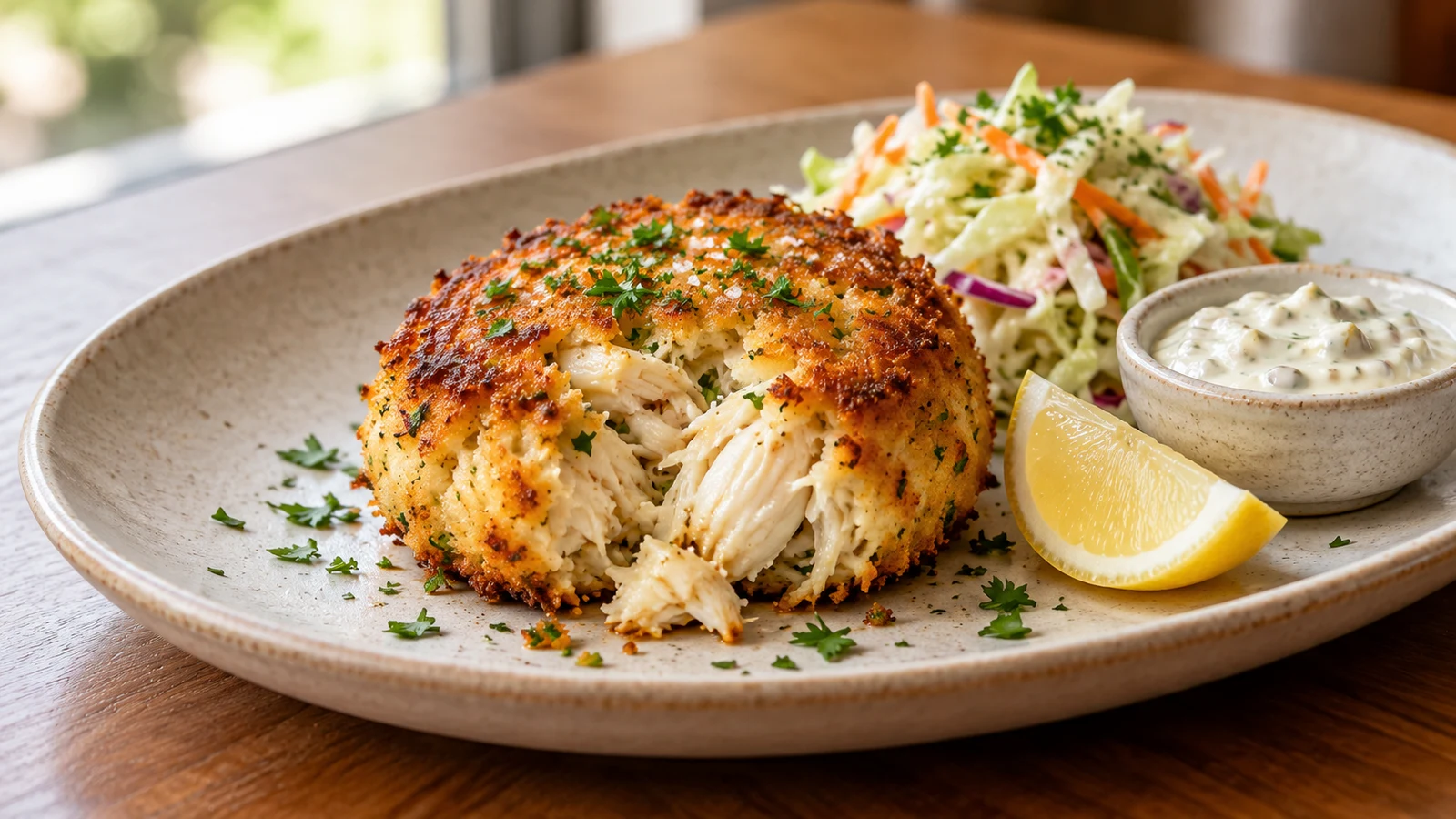
Make-Ahead Instructions
Complete the mixing and shaping steps up to 24 hours before cooking. Arrange the uncooked cakes on the parchment-lined tray, cover them tightly, and refrigerate. Brush with the reserved melted butter immediately before they go into the oven.
This make-ahead option is useful when the old bay crab cake recipe is part of a larger meal. Prepare cold side dishes and the crab cake sauce recipe earlier, then bake the cakes shortly before serving so they reach the table hot.
Do not leave uncooked crab cakes at room temperature while completing other dishes. Keep them refrigerated until the oven is heated and you are ready to bake. If they have chilled overnight, check that each one still holds its shape before brushing the top.
How to Store and Reheat
Refrigerate cooked crab cakes in a shallow airtight container within two hours of cooking and use them within three days. Reheat on a lined sheet pan at 350°F (175°C) for 10 to 12 minutes, or in an air fryer at 350°F (175°C) for 5 to 7 minutes, until the center reaches 165°F (74°C).
Uncooked cakes may be shaped, covered tightly, and refrigerated for up to 24 hours. To freeze them, place the chilled cakes on a tray until firm, wrap each one, and store in a freezer-safe container for up to two months. Thaw overnight in the refrigerator before cooking for the most even texture.
Reheating Without Drying the Cakes
Use moderate heat and stop reheating once the center reaches 165°F (74°C). The oven is convenient for several cakes, while the air fryer restores the exterior efficiently for a smaller quantity. Avoid repeated reheating, which can make the crab dry and the binder firm.
Keep any leftover crab cake sauce recipe refrigerated separately from the cakes. Reheat only the crab cakes, then add the cold sauce when serving. Separating the components prevents the crust from becoming soggy during storage.
Freezing for Best Texture
Freeze the chilled, shaped cakes in a single layer until firm before wrapping them individually. This prevents them from sticking together or losing their shape. Label the container so the two-month storage period is easy to track.
Thaw frozen uncooked cakes overnight in the refrigerator rather than on the counter. Once thawed, follow the original baked crab cake recipe instructions, including the butter and center-temperature check. Do not refreeze thawed raw cakes.
Common Mistakes and Troubleshooting
- Mixture is too wet: Drain the crab better, chill the mixture for 15 minutes, then add crumbs 1 tablespoon at a time.
- Cakes fall apart: Make sure the egg was fully mixed into the binder, shape with gentle pressure, and complete the chilling time.
- Texture is pasty: The crab was probably overmixed. Fold slowly and stop as soon as no dry crumbs remain.
- Cakes are dry: Too much filler or excessive cooking is usually responsible. Measure the crumbs and use temperature, not deep browning alone, to judge doneness.
- Cakes spread in the oven: Confirm that the portions chilled for at least 30 minutes and that the oven reached 425°F (220°C) before baking.
- Exterior is pale: Brush the tops evenly with butter and use a fully preheated oven. If necessary, broil briefly while watching closely.
- Seasoning tastes uneven: Whisk the binder until smooth before folding in the crab and crumbs.
Why Did My Crab Cakes Break?
A loose cake often points to excess moisture, insufficient chilling, or rough handling during transfer. Drain the crab thoroughly and use a wide spatula. For the recipe for crab cakes in the oven, shape each portion directly on the lined pan whenever possible so it needs to be moved less.
If the mixture feels fragile before chilling, allow the full 30 minutes before deciding whether it needs more crumbs. The crumbs continue absorbing moisture during that time. Adding filler immediately can result in dry cakes after baking.
Why Are My Crab Cakes Dry?
Dryness usually comes from too many crumbs or too much cooking. Measure the 1/2 cup of crumbs rather than estimating, and check the cakes near the beginning of the 12-to-15-minute range. Remove them when the centers reach 165°F (74°C).
Keeping the portions about 1 inch thick also helps the baked crab cake recipe stay moist inside. Thin cakes expose more of the mixture to direct heat and can cook through before the exterior develops the desired appearance.
Why Is the Mixture Too Soft?
Crab meat can retain more water than it appears to hold. Drain it in a fine-mesh strainer and blot the surface if necessary. Chill a test portion before adding extra crumbs because cold fat and hydrated crumbs make the mixture noticeably firmer.
Frequently Asked Questions
Can I use canned crab meat in this old bay crab cake recipe?
Yes, but choose high-quality lump crab packed in water and drain it very thoroughly. The flavor and lump size may be less pronounced than refrigerated crab. Pick through the meat carefully for shell before adding it to the binder.
Why must crab cakes be chilled?
Chilling hydrates the crumbs and firms the binder, helping the cakes retain their shape during cooking. Thirty minutes is usually sufficient. The shaped cakes can remain covered in the refrigerator for up to 24 hours when prepared ahead.
Can I prepare this old bay crab cake recipe ahead?
Yes. Shape and cover the uncooked cakes, then refrigerate them for up to 24 hours. Brush them with butter immediately before baking. Keep the prepared cakes cold until the oven is fully heated.
How do I know when crab cakes are done?
They should be golden around the edges, firm enough to lift, and 165°F (74°C) in the center. Avoid extending the cooking time merely to create a darker crust. Insert the thermometer sideways to preserve the cake’s shape.
What makes this a reliable recipe for crab cakes in the oven?
The 425°F (220°C) oven provides steady heat, and the cakes do not need to be flipped. Chilling and baking on a parchment-lined tray also reduce handling, while melted butter encourages browning during the 12-to-15-minute cooking time.
Can I double the baked crab cake recipe?
Yes. Double every ingredient proportionally and divide the mixture into 12 equal portions. Use additional lined pans so the cakes are not crowded, and confirm that every cake reaches 165°F (74°C) in the center.
What sauce goes best with crab cakes?
A creamy, tangy sauce pairs well with the sweet crab and savory seasoning. The linked crab cake sauce recipe is an easy choice, while lemon wedges offer a lighter finish. Serve sauce alongside the cakes to help preserve their crisp exterior.
Can I make appetizer-size crab cakes?
Yes. Shape the mixture into 12 smaller cakes and reduce the baking time to 9 to 11 minutes. Their centers must still reach 165°F (74°C). Begin checking promptly because smaller portions can dry out more quickly.
Should I use saltines or panko?
Either option works in the listed amount. Saltines create a familiar fine crumb, while plain panko can produce a slightly more textured result. Crush or measure consistently and avoid seasoned crumbs that could compete with the Old Bay.
Can I freeze uncooked crab cakes?
Yes. Chill the shaped cakes, freeze them on a tray until firm, wrap each one, and place them in a freezer-safe container for up to two months. Thaw overnight in the refrigerator before cooking.
What dessert works after this meal?
Carrot cake offers a warm, spiced finish after the savory seafood course. Use the linked recipe icing for carrot cake for a creamy topping, and keep the dessert refrigerated separately from the prepared crab cakes.
Can I serve the sauce in advance?
Yes. Prepare the crab cake sauce recipe ahead and refrigerate it in a covered container according to its recipe directions. Keep it cold until serving, and place it beside the hot cakes rather than spreading it over them early.
Recipe Card
- Preparation time: 20 minutes
- Chilling time: 30 minutes
- Cooking time: 12 to 15 minutes
- Total time: About 1 hour
- Yield: 6 crab cakes
- Rating: Not yet rated
- Estimated nutrition: Approximately 220 calories, 20 g protein, 13 g fat, 6 g carbohydrates, and 720 mg sodium per crab cake; values vary by brands and serving additions.
Final Tips for Tender, Flavorful Crab Cakes
With well-drained lump crab, gentle folding, minimal filler, and a proper chill, this old bay crab cake recipe produces cakes that stay firm while retaining tender, generously textured centers. Shape them with light pressure and use temperature rather than deep browning alone to judge doneness.
Choose the recipe for crab cakes in the oven for straightforward batch cooking, or use the broiler, skillet, or air fryer when that method better suits your meal. Serve the cakes hot with lemon, fresh parsley, and the crab cake sauce recipe for a cool, tangy contrast.
If carrot cake completes the menu, prepare the recipe icing for carrot cake separately and keep it away from the seafood until dessert. Thoughtful make-ahead preparation lets the baked crab cake recipe reach the table hot without creating last-minute work.
Reviews
Reader reviews are managed separately (outside this build).