Uncategorized
Beef Short Ribs Explained: Cut and Uses
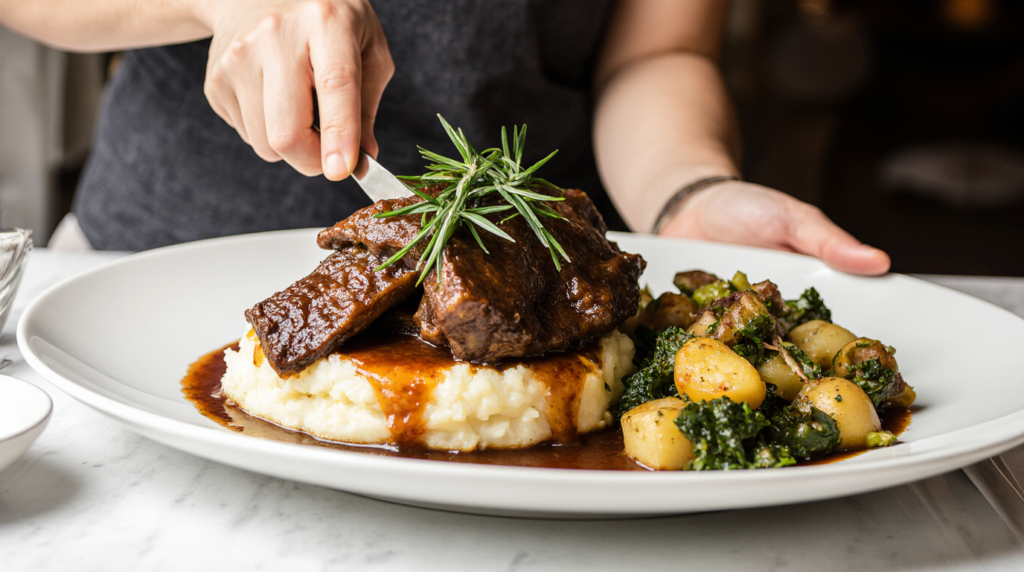
Table of Contents
Do you remember the comfort of a slow-cooked meal filling your home with warmth on a chilly evening? There’s something magical about turning tough meat into tender, flavorful food that falls off the bone.
Many home cooks are finding out that beef short ribs are the key to this success. These cuts are loved for outdoor grilling and indoor braising. They offer a lot of juicy meat on top of the bone.
Whether you’re an experienced pitmaster or just starting, learning about this ingredient will boost your cooking skills. You’ll discover how to pick the best quality, prepare the surface for flavor, and cook them to perfection.
Key Takeaways
- These cuts are highly prized for their intense, savory flavor profile.
- The high meat-to-bone ratio makes them ideal for slow-cooking methods.
- They are becoming the top choice for backyard barbecue enthusiasts.
- Proper preparation techniques ensure a melt-in-your-mouth texture every time.
- Understanding the anatomy of the cut helps you select the best portions at the butcher.
Understanding the Anatomy of Beef Short Ribs
Did you know the place where beef short ribs come from can change your dish? They come from the front lower part of the steer. This includes the first through fifth ribs and the lower section from the sixth to tenth ribs.
The Location of the Cut
Beef short ribs are taken from the chuck and plate areas. This part of the animal has a lot of muscle. So, the meat is rich in connective tissue. Choosing high-quality beef short ribs means you’re ready for slow cooking.
English Style vs. Flanken Style Cuts
The butcher’s cut affects your cooking method. The English style cuts the meat parallel to the bone. This makes it thick and great for long braises. On the other hand, the Flanken style cuts it thin across the bone. This exposes the marrow and cooks faster.
Deciding between English and Flanken style depends on your cooking time and desired texture. Use this guide to pick the right beef short ribs for your recipe.
| Style | Cut Direction | Best Cooking Method | Texture Outcome |
|---|---|---|---|
| English | Parallel to bone | Slow Braising | Fall-off-the-bone |
| Flanken | Across the bone | Grilling or Pan-searing | Chewy and savory |
| Boneless | Removed from bone | Pressure Cooking | Uniformly tender |
The Difference Between Bone-in and Boneless Beef Short Ribs
Choosing the right beef cut starts with understanding the difference between bone-in and boneless options. Bone-in cuts are loved for the rich flavor the marrow adds during long braises. On the other hand, boneless beef short ribs are English-style ribs without bones. They are thick, meaty slabs of beef.
Why Boneless Beef Short Ribs Are Popular
Many home cooks love boneless cuts for their ease of use. They are incredibly easy to portion and serve. Without bones, you can cut the meat into even cubes or strips for even cooking.
These cuts are ready to cook, saving you prep time. You don’t have to deal with bones while plating, making them a user-friendly choice. Their shape also helps in searing, creating a tasty crust on all sides.
Distinguishing Boneless Beef Spare Ribs from Short Ribs
It’s easy to mix up boneless beef short ribs with boneless beef spare ribs. Short ribs come from the chuck or plate area, full of fat. This fat melts during cooking, making the meat tender and rich.
Boneless beef spare ribs, on the other hand, come from the shoulder or leaner sections. They might need different cooking times and liquid ratios. Always check the label at your local butcher to get the right cut for your recipe.
| Feature | Short Ribs | Spare Ribs |
|---|---|---|
| Primary Source | Chuck or Plate | Shoulder/Clod |
| Fat Content | High (Marbling) | Moderate |
| Best Cooking Method | Slow Braising | Roasting/Grilling |
| Texture | Very Tender | Chewy/Firm |
Selecting the Best Quality Ribs at the Butcher
Choosing top-notch beef short ribs needs a careful eye and some knowledge. Your cooking success starts at the butcher counter, not in the kitchen.
Identifying Marbling and Fat Content
Look for a bright, cherry-red color to check for freshness. You should see white fat dots in the meat, called marbling.
This fat is key for the rich flavor of great beef short ribs. As it cooks, the fat melts, making the meat soft and juicy.
Freshness Indicators to Look For
The meat’s look tells you a lot about its quality. Check the muscle for signs of good handling and storage.
Remember these important signs when buying:
- The meat should feel firm, not soft or mushy.
- Stay away from packages with too much liquid, which means bad storage.
- The fat should be creamy white, not yellow or gray.
By picking beef short ribs that meet these standards, you get a better dish. Taking time to check your meat ensures your braising starts with the best ingredients.
Preparing Your Ribs for the Cooking Process
Getting your beef short ribs ready right is key to tender and tasty bites. Handling the meat well before cooking makes a big difference. Follow these steps to start your meal off right.
Trimming Excess Fat
While fat adds moisture, too much can make your dish feel oily. Use a sharp knife to cut off thick, white fat from the beef short ribs. Leave a thin layer of fat to melt and enrich your sauce.
Also, remove any tough silver skin or connective tissue. This stops the meat from curling when seared. A clean trim helps your seasonings spread evenly.
The Importance of Seasoning and Dry Brining
Seasoning is crucial for a rich flavor. First, pat the meat dry to get a better sear. A light flour dust with salt and pepper makes a flavorful crust when browned.
Dry brining your beef short ribs with salt hours before cooking is a game-changer. It seasons the meat inside out, improving texture and taste.
| Preparation Step | Primary Benefit | Pro Tip |
|---|---|---|
| Fat Trimming | Controls Greasiness | Leave a thin layer for flavor |
| Dry Brining | Deepens Seasoning | Salt at least 4 hours early |
| Flour Coating | Builds Crust | Use a light dusting only |
Mastering How to Cook Short Ribs in the Oven
Learning to oven-braise tough meat turns it into tender, delicious dishes. When you figure out how to cook short ribs in the oven, you get a method that always works. This method uses slow heat to soften the meat’s fibers.
Setting the Ideal Temperature for Slow Roasting
Keeping your oven at 325°F is key. It heats evenly, melting fat without drying the meat. This heat turns tough tissue into rich, silky gelatin.
This slow change is crucial for tender meat. High heat can make the meat tough before it softens. So, steady heat is vital for a great meal.
The Role of Braising Liquid in Oven Cooking
Choosing the right liquid is as important as the heat. A good liquid, like red wine or beef stock, keeps the meat moist. It also adds flavor to the beef short ribs as they cook.
When cooking short ribs in the oven, a quality braising liquid offers many benefits:
- Moisture retention: Keeps the meat from drying out during cooking.
- Flavor depth: Enhances the meat’s flavor with herbs and spices.
- Sauce creation: The liquid turns into a tasty glaze for your dish.
Make sure the liquid covers about one-third to one-half of the meat. This way, the top gets roasted while the bottom stays moist. You’ll get a beautifully caramelized exterior and a juicy inside.
Techniques for How to Cook Boneless Beef Ribs
Learning how to cook boneless beef ribs right keeps your meat juicy and tender. Since these cuts don’t have bones, they need special care to avoid drying out. Adjust your cooking time and temperature to keep the meat moist.
Achieving Tenderness Without the Bone
Working with boneless beef short ribs means focusing on keeping them moist. Without bones, these cuts can get tough if cooked too quickly. Low and slow cooking is best for tenderizing the meat.
If you want a quicker meal, try thin-cut ribs. Flanken-style ribs are great for fast grilling. For thicker cuts, follow these tips to keep them tender:
- Keep the heat consistent to avoid uneven cooking.
- Use a liquid braise to keep the meat hydrated throughout the process.
- Allow the meat to rest for at least ten minutes after cooking to redistribute juices.
Pan-Searing Before Slow Cooking
Always sear your beef short ribs before slow cooking. This step adds a rich flavor through the Maillard reaction. A good sear creates a flavorful crust that liquid cooking can’t match.
To get a perfect sear, heat your pan well before adding the meat. Don’t worry about cooking the center yet; just focus on the crust. Once it’s browned, move it to your slow cooker or Dutch oven to finish cooking.
Flavor Profiles and Pairing Ingredients
The secret to tender beef short ribs is in the choice of aromatics and braising liquids. A complex flavor profile is key to making your dish special. By mixing earthy veggies with the right acidity, you get a sauce that enhances the meat’s richness.
Aromatic Vegetables and Herbs
Begin with the classic mirepoix: onions, carrots, and celery. These veggies offer a sweet and savory base that softens with cooking. Sauté them until they’re soft and caramelized to bring out their flavor.
Fresh herbs like thyme and rosemary are crucial for adding brightness to beef short ribs. Their woody flavors hold up well to long cooking. For a Mediterranean twist, add a bay leaf or smashed garlic.
Choosing the Right Wine or Stock for Braising
The braising liquid is where most of the flavor comes from. A dry red wine, like Cabernet Sauvignon or Merlot, adds depth and acidity. If you prefer, a good beef stock with balsamic vinegar is a great alternative.
Adding tomatoes or tomato paste brings out the umami. When you braise beef short ribs in this mix, the liquid turns into a rich glaze. Here’s a guide to picking the best ingredients for your beef short ribs.
| Ingredient Category | Primary Choice | Flavor Impact |
|---|---|---|
| Aromatic Base | Onions & Carrots | Provides natural sweetness |
| Braising Liquid | Dry Red Wine | Adds acidity and depth |
| Umami Booster | Tomato Paste | Creates a rich, savory finish |
| Herbal Notes | Fresh Thyme | Adds earthy, aromatic fragrance |
Common Mistakes to Avoid When Cooking Short Ribs
Even the most experienced home cooks can make mistakes. Beef short ribs are loved for their rich flavor. But, they need a special way to cook to be perfect. Knowing the common mistakes can help make your next meal a hit.
Preventing Toughness Through Proper Heat Management
The biggest mistake is cooking too fast. These ribs have a lot of connective tissue. They need low and slow heat to become tender.
If you cook them too hot, they’ll be tough. This is because the muscle fibers tighten up.
“Patience is the most important ingredient in the kitchen, especially when dealing with tough cuts that need time to transform.”
Always cook them at a gentle simmer, not a boil. This low heat helps the collagen melt into a smooth, tender texture. Cooking beef short ribs slowly always yields better results.
Avoiding Over-Reduction of Sauces
Another mistake is reducing the braising liquid too much. This can make the sauce too salty or bitter. As the liquid evaporates, the salt gets more concentrated.
Watch your pan closely as it finishes cooking. If the sauce is getting too thick, add a bit of stock or water. This keeps the sauce balanced and your beef short ribs dish unforgettable.
Serving Suggestions and Side Dishes
Choosing the right sides can make a simple beef short ribs meal feel like a fancy restaurant dish. Since this meat is fatty and rich, pick sides that offer comfort or a refreshing contrast.
Classic Pairings Like Mashed Potatoes and Polenta
For deep, savory flavors, choose starches that soak up the braising liquid. Creamy polenta is perfect, soaking up the sauce and adding a sweet corn taste.
On the other hand, mashed potatoes with butter and cream are creamy and go well with the meat. These sides make sure you enjoy every last drop of flavor from your beef short ribs.
Balancing Richness with Acidic Sides
To avoid feeling too full, add some acidity to your meal. A crisp salad with vinaigrette or pickled veggies helps balance the fat in the beef short ribs.
Roasted veggies like Brussels sprouts or asparagus with lemon juice also add a needed brightness. These lighter options keep your guests feeling good, not too full from the main dish.
| Side Dish Category | Recommended Option | Flavor Benefit |
|---|---|---|
| Starch | Creamy Polenta | Absorbs rich braising juices |
| Starch | Garlic Mashed Potatoes | Provides a smooth, comforting base |
| Vegetable | Pickled Red Onions | Cuts through fat with acidity |
| Vegetable | Roasted Asparagus | Adds a fresh, earthy contrast |
Storing and Reheating Leftover Ribs
Leftover beef short ribs can taste even better the next day. Just follow a few simple steps to keep the rich flavor for later.
“The secret to great leftovers is treating the meat with the same respect you gave it during the initial cook.”
Proper Refrigeration and Freezing Techniques
To keep your beef short ribs fresh, cool them quickly. Then, store them in an airtight container to avoid odors.
Freezing is best for longer storage. Here’s how to keep quality high:
- Remove the meat from the bone to save space in your freezer.
- Use heavy-duty freezer bags or vacuum-sealed containers to prevent freezer burn.
- Label your containers with the date so you can track freshness.
Maintaining Moisture During Reheating
The biggest challenge in reheating beef short ribs is keeping them moist. High heat can make the meat tough.
Place the ribs in a baking dish with a splash of beef stock or water. Cover it with foil to steam the ribs. Reheat in a low oven until warm. This way, your ribs stay tender.
Conclusion
Learning to cook beef short ribs can change your kitchen game. You now know how to make simple ingredients into delicious meals.
Getting great beef short ribs takes time and focus. Choose the best cuts and cook them slowly. This way, every bite is tender and full of flavor.
Try different braising liquids and herbs to make the dish your own. You can also add your favorite veggies or sides.
Share your dishes with loved ones to show off your skills. Each successful meal boosts your confidence and inspires you to try more.
Keep improving your beef short ribs cooking skills. As you try new flavors, your dishes will get even better over time.
FAQ
What is the best temperature for how to cook short ribs in the oven?
Are boneless beef short ribs the same as boneless beef spare ribs?
What is the secret to how to cook boneless beef ribs so they aren’t dry?
How much liquid do I need when cooking beef short ribs in the oven?
Can I cook beef short ribs quickly if I’m in a rush?
Why did my short ribs come out tough after hours of cooking?
Braised Beef Short Ribs: Ingredients
Prep: 20 min · Cook: 3 hr 15 min · Total: 3 hr 35 min · 4 servings · 650 calories per serving
- 3 lbs bone-in beef short ribs
- 2 teaspoons kosher salt
- 1 teaspoon black pepper
- 2 tablespoons olive oil
- 1 large yellow onion, sliced
- 3 carrots, cut into chunks
- 2 celery stalks, chopped
- 5 cloves garlic, smashed
- 2 tablespoons tomato paste
- 3 cups beef broth
- 2 tablespoons apple cider vinegar
- 2 bay leaves
- 3 sprigs fresh thyme
Braised Beef Short Ribs: Instructions
- Heat the oven to 325°F (163°C).
- Pat the ribs dry and season them all over with salt and pepper.
- Sear the ribs in olive oil in a Dutch oven, 3 to 4 minutes per side, until deeply browned, then set them aside.
- Add the onion, carrots, and celery to the pot and cook 5 minutes.
- Stir in the garlic and tomato paste and cook 2 minutes until darkened.
- Pour in the beef broth and vinegar, scraping up the browned bits from the bottom.
- Return the ribs to the pot with the bay leaves and thyme so the liquid comes halfway up.
- Cover and braise in the oven 2 hours 45 minutes to 3 hours, until fork-tender.
- Skim the fat, spoon the sauce over the ribs, and serve.
There are no reviews yet. Be the first one to write one.
Reviews
Reader reviews are managed separately (outside this build).