Uncategorized
What Are Boneless Barbecue Wings
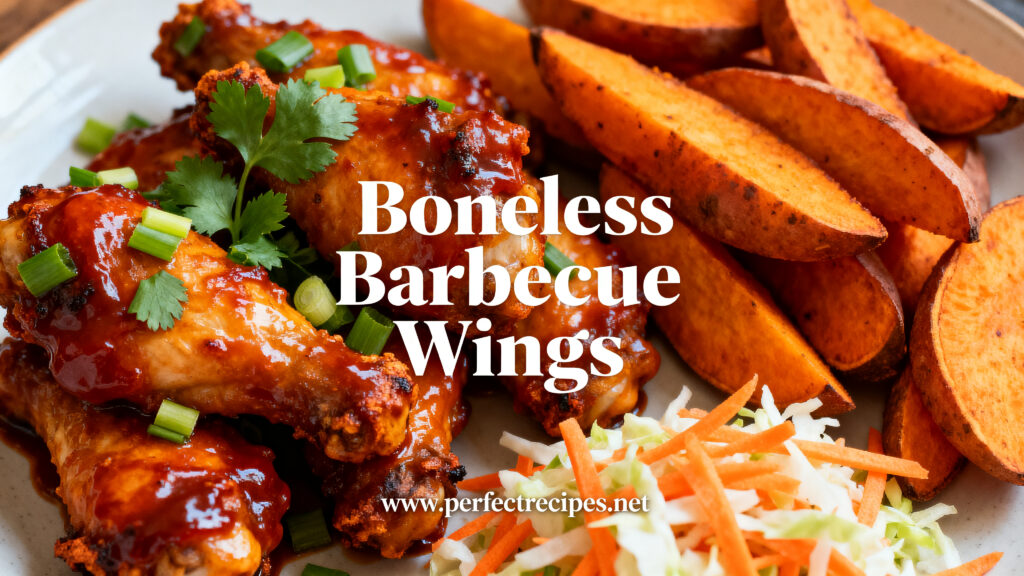
Table of Contents
Remember the excitement of a perfect game-day spread? There’s something special about enjoying a crispy, savory snack with friends and family. Learning to make boneless barbecue wings is a must for any kitchen enthusiast.
Many think these treats are just deboned poultry. But, chefs actually make them from top-quality breast meat. They shape it to look like traditional wings, then bread and fry it until it’s golden.
Mastering this dish lets you serve a crowd-pleasing favorite easily. You control the texture and flavor of your boneless barbecue wings. By using these professional tips, your home cooking will impress everyone, leaving them wanting more.
Key Takeaways
- These items consist of high-quality breast meat rather than deboned poultry.
- Chefs shape the meat to provide a consistent and satisfying bite.
- Proper breading and frying techniques ensure a crispy exterior every time.
- Learning this skill helps you host impressive gatherings with minimal stress.
- You can customize flavors to suit your personal preferences perfectly.
Defining the Boneless Barbecue Wings Phenomenon
Boneless wings are getting more popular in the U.S., but many people don’t know what they are. They think they’re just big nuggets. But they’re actually made from whole chicken breast meat. Knowing where your food comes from is key to making it right.
Understanding the Anatomy of Boneless Wings
Boneless wings are made from whole chicken breast meat. They’re cut straight from the breast, not processed. This makes them juicy and full of protein.
This choice also helps them stay moist while cooking. They taste great with bold sauces.
“Quality ingredients are the foundation of any great dish, and choosing whole muscle cuts over processed fillers changes the entire dining experience.”
The Culinary Distinction Between Wings and Nuggets
Boneless wings and chicken nuggets are different, even if they look alike. Nuggets are made from ground breast meat mixed with fillers. Boneless wings, on the other hand, use the chicken’s natural fibers.
Here’s a table that shows the main differences:
| Feature | Boneless Wings | Chicken Nuggets |
|---|---|---|
| Meat Source | Whole Breast Cut | Ground/Processed Meat |
| Texture | Fibrous and Tender | Uniform and Soft |
| Preparation | Hand-cut or Sliced | Molded or Extruded |
| Culinary Use | Appetizers/Main Course | Snacks/Fast Food |
Knowing these differences helps you see why whole cuts are better. Your homemade barbecue wings will taste much better than store-bought ones.
Essential Ingredients for Your Homemade Batch
Making a top-notch boneless wings recipe begins before you start cooking. The key is using fresh, quality ingredients. This ensures your dish has the right texture and taste.
Selecting the Best Chicken Breast Cuts
When you go to the butcher, choose fresh, organic chicken breasts. This meat is lean, with about 1.25% fat. It’s important to handle it gently to avoid drying it out.
Pro tip: Cut your chicken into even pieces for even cooking. This is crucial for juicy, crispy boneless wings.
Choosing the Right Barbecue Sauce Profiles
The sauce is the heart of your dish, blending all flavors. You need a mix that’s sweet and smoky to match the chicken’s savory breading. Whether you like a tangy vinegar sauce or a thick, molasses glaze, the right choice is key.
Think about these when picking your sauce for your boneless wings recipe:
- Sweetness: Brown sugar or honey balances the breading’s saltiness.
- Smoke: A bit of hickory or mesquite adds depth, like traditional pit-smoked flavors.
- Tang: A little acidity cuts through the fried coating’s richness.
Trying different sauces lets you make your meal just how you like it. Remember, the best sauce sticks well to the breading without making it soggy.
Preparing Your Kitchen for the Perfect Fry
Mastering the art of the perfect wing starts long before cooking. Boneless wings cook much faster than traditional wings. They need your full attention. Proper preparation keeps your kitchen safe and efficient.
Safety Protocols for Deep Frying at Home
Deep frying requires your safety to be the top priority. Use a heavy-bottomed pot or a dedicated deep fryer for stable oil temperatures. Never overfill your vessel, as hot oil can bubble over and cause dangerous flare-ups.
Keep a fire extinguisher rated for grease fires nearby at all times. Pat your chicken pieces dry before frying to prevent splatter. For a cleaner option, consider air frying boneless wings to avoid the risks of boiling oil.
“Preparation is the secret ingredient that separates a chaotic kitchen from a professional-grade cooking experience.”
Setting Up Your Air Fryer for Success
For air frying boneless wings, your setup is simpler but still needs care. Place your appliance on a heat-resistant surface with at least five inches of clearance. This ensures good ventilation for a crispy exterior without burning the breading.
Avoid overcrowding the basket to allow for even air circulation. Cooking in smaller cycles is better for large batches. The table below compares deep frying and air frying to help you choose.
| Feature | Deep Frying | Air Frying |
|---|---|---|
| Oil Usage | High | Minimal |
| Cooking Speed | Very Fast | Moderate |
| Cleanup Difficulty | High | Low |
| Texture Result | Extra Crispy | Lightly Crunchy |
Mastering the Breaded Coating Technique
Without the natural skin of a traditional wing, your breading technique is key. It must provide the satisfying crunch that makes a great boneless wing. This turns simple chicken breast into a meal you’ll love.
The Science of the Perfect Flour Dredge
The flour dredge is a protective barrier against the fryer’s heat. It keeps the chicken juicy and adds a crisp, golden exterior. This step stops the meat from drying out.
Make sure your chicken is dry before flouring. A light dusting works better than a thick one, which can be gummy. Consistency is key for a uniform texture.
Achieving Maximum Crunch with Panko or Cornstarch
For extra texture, try panko breadcrumbs or cornstarch in your flour mix. Cornstarch makes a light, airy crust that stays crispy. It uses less oil, giving a cleaner finish.
Panko breadcrumbs have a larger, flakier surface for a distinctive, audible crunch. Mixing these ingredients lets you customize your coating. This way, you can make your homemade wings taste like they’re from a restaurant.
Step-by-Step Guide to Air Fry Boneless Wings
If you want to air fry boneless chicken wings like your favorite sports bar, you’re in the right place. An air fryer gives you a superior crunch without deep-frying. Follow these steps for a golden-brown outside and juicy inside.
Preheating and Preparing the Basket
First, preheat your air fryer for three to five minutes. This gets the cooking started right when you add your chicken. A hot basket prevents sticking and adds signature crispiness.
Don’t overcrowd the basket. Good airflow is key for air frying boneless wings. Make sure there’s enough space for air to get to all sides.
Optimal Temperature Settings for Crispy Results
For crispy results, set your air fryer to 390°F or 400°F. High heat sets the breading fast and keeps the chicken moist. Low heat can make the coating soggy.
Cooking times depend on the chicken piece size. Here’s a guide to help you cook right:
| Wing Size | Temperature | Estimated Time |
|---|---|---|
| Small Bites | 390°F | 10-12 Minutes |
| Medium Pieces | 400°F | 12-14 Minutes |
| Large Tenders | 400°F | 15-18 Minutes |
Flip your wings halfway for even browning. This ensures your air fry boneless chicken wings are perfect on both sides. When they hit 165°F, they’re ready for your favorite sauce.
Creating the Ultimate Boneless Barbecue Wings Sauce
Making a signature glaze is key to making your boneless barbecue wings stand out. The chicken gives the wings their texture. But it’s the sauce that adds the flavor that makes them special. Using top-notch ingredients helps you get the taste you love from your favorite smokehouse.
Balancing Sweet, Smoky, and Tangy Flavors
A good sauce has three main flavors: sweet, smoky, and tangy. Start with a sweet base like brown sugar, molasses, or honey. This gives the sauce a rich taste.
Next, add smokiness with smoked paprika, chipotle powder, or a bit of liquid smoke. Then, add a tangy element like apple cider vinegar or fresh lime juice. This cuts through the richness and brightens the sauce. Playing with these ingredients lets you make the sauce just right for you.
“The secret to a great barbecue sauce is not just the ingredients, but the patience to let the flavors marry through a slow, steady simmer.”
Techniques for Emulsifying Sauce for Better Adhesion
One problem is sauce that doesn’t stick to the breading. To fix this, focus on emulsifying and reducing the sauce. Reducing it thickens the sauce, making it stick better.
Try “mounting with butter” for a glossy finish. Whisk in cold, unsalted butter at the end. This makes the sauce smooth and sticky, perfect for your boneless barbecue wings.
| Flavor Element | Common Ingredients | Primary Function |
|---|---|---|
| Sweet | Molasses, Honey | Provides depth and caramelization |
| Smoky | Paprika, Liquid Smoke | Adds authentic barbecue character |
| Tangy | Vinegar, Mustard | Balances sugar and cuts fat |
| Body | Tomato Paste, Butter | Ensures proper coating adhesion |
Mastering these techniques makes your boneless barbecue wings delicious from start to finish. Consistent sauce making turns a simple meal into a memorable dish.
Advanced Methods for Boneless Buffalo Wings Recipe Variations
To make your boneless wings recipe taste like it’s from a restaurant, balance sharp acidity with rich fats. Always use high-quality chicken breast for your boneless wings recipe. Stay away from products with transglutaminase, as it can ruin the texture and quality of your meal.
“The secret to a great sauce is not just the heat, but the harmony between the sharp vinegar and the smooth, velvety butter.”
Incorporating Heat with Cayenne and Hot Sauce
To get that signature kick, pick the right hot sauce for your boneless buffalo wings recipe. Choose a top-notch cayenne-based hot sauce, like Frank’s RedHot. This gives you the classic taste found in most American kitchens. For more heat, add a bit of ground cayenne pepper or habanero extract.
Heat levels vary, so start with a little and taste as you go. Whisking the spices into your warm sauce ensures even flavor. This way, every bite is fiery and consistent.
Balancing Vinegar and Butter for Authentic Buffalo Flavor
A true buffalo sauce is glossy and emulsified. Achieve this by slowly whisking cold, cubed butter into your hot sauce. This makes the sauce rich and clings well to your chicken.
To balance the richness, add a splash of white vinegar or apple cider vinegar. This acidity cuts through the fat and brightens your boneless buffalo wings recipe. Follow these steps for a professional finish:
- Emulsify: Whisk the butter in one cube at a time over low heat.
- Acidify: Add vinegar sparingly to reach your desired level of tang.
- Consistency: Ensure the sauce is thick enough to coat the back of a spoon.
Mastering these techniques turns your boneless wings recipe into a sophisticated dish. These variations let you customize your menu for any event. Your guests will enjoy a bold and memorable dining experience.
Troubleshooting Common Cooking Mistakes
Mastering the art of perfect wings needs focus and troubleshooting skills. Even with a top-notch boneless buffalo wings recipe, small mistakes can affect the texture and safety. Knowing how to spot and fix these problems ensures you get great results every time.
Preventing Soggy Breaded Coatings
A soggy exterior often comes from trapped moisture or not enough heat. To keep that signature crunch, control the air fryer or oven environment well. If the coating feels soft, it might mean the chicken wasn’t dry enough before breading or the heat wasn’t high enough.
Here’s how to keep your breading crispy:
- Pat the chicken dry with paper towels before breading.
- Make sure your air fryer is hot before adding the wings.
- Don’t overcrowd the basket to avoid steam.
- Lightly spray the breaded surface with oil for browning.
Ensuring Even Internal Cooking Temperatures
Safety is crucial when making your boneless buffalo wings recipe. Uneven cooking can happen with different-sized chicken pieces or overcrowding. You want every piece to be 165°F safe without drying out.
Here are tips for perfectly cooked chicken:
- Cut chicken into uniform pieces for even cooking.
- Use a digital meat thermometer to check the thickest part.
- Flip wings halfway to cook all sides evenly.
- Let the chicken rest for a minute after cooking.
By fixing these common mistakes, you can improve your boneless buffalo wings recipe. Consistency is key in the kitchen. These small changes will make your cooking smoother.
Pairing Sides to Complement Your Wings
Balancing the richness of fried chicken with fresh sides is key. When you eat savory dishes, you want something fresh. The right sides make a snack into a well-rounded dining experience that everyone will enjoy.
Classic Celery and Blue Cheese Pairings
Celery sticks with wings is a tradition for a reason. Celery’s refreshing crunch cleans your palate between bites. It’s a perfect contrast to the smoky sauce and fried coating.
Adding blue cheese dressing brings a tangy, creamy element. Look for a dressing with sharp cheese crumbles. This combo is a classic because it balances flavors and textures.
Modern Vegetable Sides for a Balanced Meal
For something new, try modern vegetable sides. They offer a lighter, healthier option without overpowering the wings. Here are some vibrant choices:
- Charred Broccoli: A quick oven sear adds smoky flavor.
- Cucumber Salad: Thin cucumbers with vinegar dressing cool down spicy wings.
- Roasted Asparagus: Asparagus’s earthy taste pairs well with sweet barbecue glazes.
- Coleslaw: A vinegar-based slaw adds bright acidity to balance fried chicken.
Trying these fresh sides makes your meal more exciting. Whether you choose classics or new options, aim for a meal that leaves everyone perfectly satisfied.
Storing and Reheating Your Leftover Wings
Handling leftovers right ensures your second meal is just as tasty as the first. Chicken wings, especially homemade, need special care to stay good. This prevents the meat from drying out and keeps the breading crisp.
Best Practices for Refrigeration and Freezing
Let your wings cool down before storing them. Hot wings can make the breading soggy. Use an airtight container or freezer bag to keep moisture in and odors out.
For wings you’ll eat in three days, the fridge is best. For longer, freeze them for up to two months. Pro tip: Store extra sauce separately to keep the crust crisp.
Reviving the Crunch in the Oven or Air Fryer
Don’t use the microwave, as it ruins the crispiness. Instead, use your oven or air fryer. These methods dry out excess moisture and heat the meat evenly.
Preheat your air fryer to 375°F and heat the wings for five to seven minutes. For the oven, preheat to 400°F and cook for ten minutes. This ensures even crispiness.
| Storage Method | Ideal Duration | Best Reheating Tool | Quality Outcome |
|---|---|---|---|
| Refrigerator | Up to 3 Days | Air Fryer | High Crunch |
| Freezer | Up to 2 Months | Conventional Oven | Moderate Crunch |
| Countertop | Under 2 Hours | Not Recommended | Low Quality |
Nutritional Considerations and Healthy Swaps
You can make your favorite comfort food lighter with a few tweaks. By making smart choices, you can enjoy air fry boneless chicken wings and still meet your wellness goals.
Managing Calorie Intake with Baked Alternatives
Deep frying adds extra fats and calories. Choosing to air fry boneless chicken wings cuts down on oil. Yet, it keeps the crunch you love.
Be mindful of what’s in store-bought wings. Many have sodium phosphate to keep moisture. Making your own wings lets you avoid these additives.
- Use lean chicken breast cuts to lower fat content.
- Opt for homemade sauces to control sugar and sodium levels.
- Prioritize fresh ingredients over pre-packaged, processed alternatives.
Gluten-Free Flour Options for Breaded Wings
Following a gluten-free diet doesn’t mean missing out on crispy wings. There are great alternatives for air fry boneless chicken wings at home.
These options give a light, golden coating that gets crispy in the air fryer. Here are some reliable choices for your next batch:
- Cornstarch: Creates an incredibly light and airy crunch.
- Almond Flour: Adds a subtle nutty flavor and healthy fats.
- Rice Flour: Offers a classic, crispy finish similar to traditional wheat flour.
Trying out these ingredients makes your meal inclusive and tasty. These simple swaps help you enjoy your favorite snacks without dietary worries.
Conclusion
Learning to make boneless wings can make your kitchen a hit spot. You now know how to pick top-notch chicken, control heat, and mix flavors. These skills are great for trying new recipes.
Don’t be afraid to try new spices or local honey to make your dishes unique. Start with brands like Frank’s RedHot or Sweet Baby Ray’s for your sauces. As you cook more, you’ll get better at tweaking flavors and textures.
Cooking is all about exploring and sharing. Show off your dishes to loved ones to make a meal special. The joy of cooking and serving great food in your own kitchen is unbeatable.
FAQ
What is the main difference between nuggets and a boneless wings recipe?
How can I ensure my air fry boneless chicken wings remain juicy?
What is the secret to the signature tang in a boneless buffalo wings recipe?
Can I get restaurant-quality results when I air fry boneless wings?
What are the best sauce profiles for boneless barbecue wings?
How should I reheat leftovers to maintain their crispy texture?
Are there healthy alternatives for breading in a boneless wings recipe?
Ingredients
Prep: 20 min · Cook: 18 min · Total: 38 min · Serves: 4 servings · 445 calories
- 2 lbs boneless, skinless chicken breast, cut into 1-inch pieces
- 1 teaspoon kosher salt
- 1/2 teaspoon black pepper
- 1 teaspoon garlic powder
- 1 teaspoon smoked paprika
- 1 cup buttermilk
- 1 large egg
- 1 cup all-purpose flour
- 1/2 cup cornstarch
- 1 cup panko breadcrumbs
- Cooking oil spray
- 3/4 cup barbecue sauce
- 1 tablespoon honey
- 1/2 teaspoon smoked paprika
Instructions
- Pat the chicken pieces completely dry and season with salt, pepper, garlic powder and paprika.
- Whisk the buttermilk and egg in a bowl; in a second bowl combine the flour, cornstarch and panko.
- Dip each piece in the buttermilk mixture, then press firmly into the flour mixture so the coating sticks.
- Let the breaded pieces rest 10 minutes so the crust sets and does not fall off during cooking.
- Preheat the air fryer to 400°F (200°C) for 3-5 minutes.
- Arrange the pieces in a single layer in the basket, leaving space between them, and spray lightly with oil.
- Air fry 10 minutes, flip, spray again and cook 5-8 minutes more until golden and crisp.
- Check the internal temperature reaches 165°F (74°C) at the thickest point.
- Toss the hot wings with the sauce just before serving so they stay crispy.
- Rest 2-3 minutes, then serve with celery sticks and your favorite dip.
There are no reviews yet. Be the first one to write one.
Reviews
Reader reviews are managed separately (outside this build).