Chicken
Blackstone Hibachi: How It Works
Struggling with your blackstone hibachi? This powerful how-to guide explains how it works so you can cook with confidence and amazing results
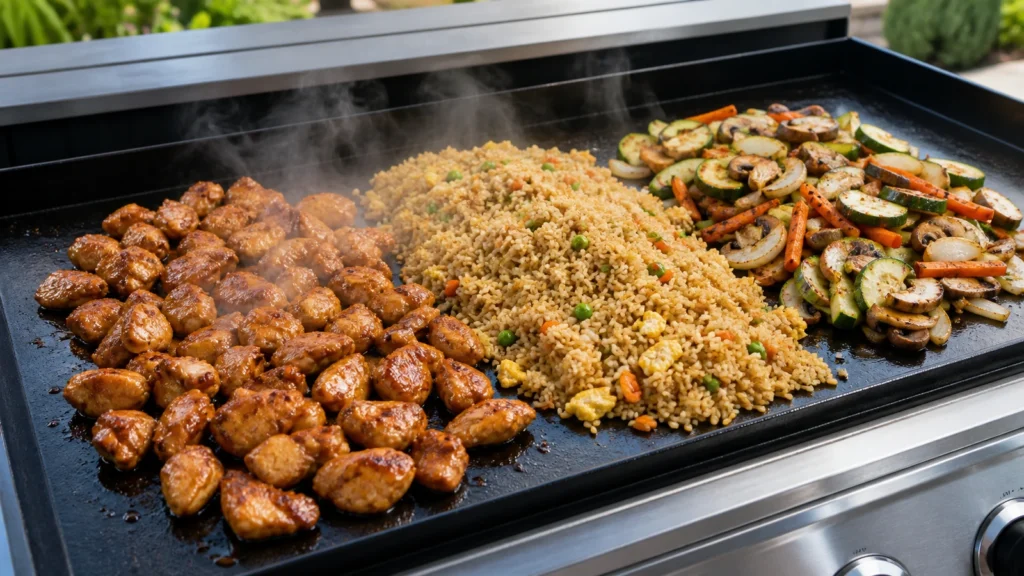
Table of Contents
There’s something truly magical about fresh ingredients sizzling on a hot grill. You might remember the thrill of watching chefs at Japanese steakhouses. Now, you can bring that excitement to your patio with a Blackstone setup.
Learning to cook like this can save you a lot of money. A chicken hibachi meal at home can save you over a hundred dollars. It’s a rewarding way to feed your family and improve your cooking skills.
Knowing how to use your hibachi equipment lets you control every flavor. Whether you’re cooking veggies or making fried rice, it makes dinner an unforgettable event. Let’s dive into the key techniques for making your backyard meals as good as a restaurant’s.
This blackstone hibachi rewards a hot surface and quick hands.
Key Takeaways
- Save approximately one hundred dollars per meal by cooking at home.
- Mastering flat-top techniques creates a fun, interactive dining experience.
- Proper heat management is the secret to professional-grade searing.
- Home cooking allows for complete control over fresh, healthy ingredients.
- Building confidence on the grill helps you impress friends and family.
Everything in this blackstone hibachi comes together fast once the griddle is hot.
Understanding the Blackstone Hibachi Cooking Surface
Your Blackstone hibachi grill is made of rolled steel, unlike indoor grills. This choice helps it hold heat well and last longer outdoors. To use it well, treat it like a part of your kitchen that gets better with each meal.
The blackstone hibachi below is written to be repeatable on any flat top.
The Science of Flat-Top Griddling
Griddling works because of how heat spreads on a flat surface. When you turn on the burners, the steel gets hot evenly. Proper seasoning keeps it from rusting and makes food not stick.
Watch your heat zones to cook food right. This lets you make dishes like seared scallops or steak bites just right. Keeping the heat even is key to great hibachi flavors and textures.
A good blackstone hibachi depends on heat control more than anything else.
Essential Tools for Hibachi Success
To cook well, you need the right tools. Chefs use special tools to move food fast and keep the grill clean. Good tools make cooking easier and faster.
Here are some tools you might want:
- Heavy-duty spatulas: Great for flipping and chopping.
- Bench scraper: Best for cleaning up and managing grease.
- Squeeze bottles: Needed for oil, water, or soy sauce.
- Steam dome: Helps cook meat or melt cheese.
Using these tools right keeps your grill in top shape. Efficiency is key with high heat. Keep your tools ready and your space organized.
Read the notes below before starting the blackstone hibachi.
Preparing Your Blackstone for Hibachi Cooking
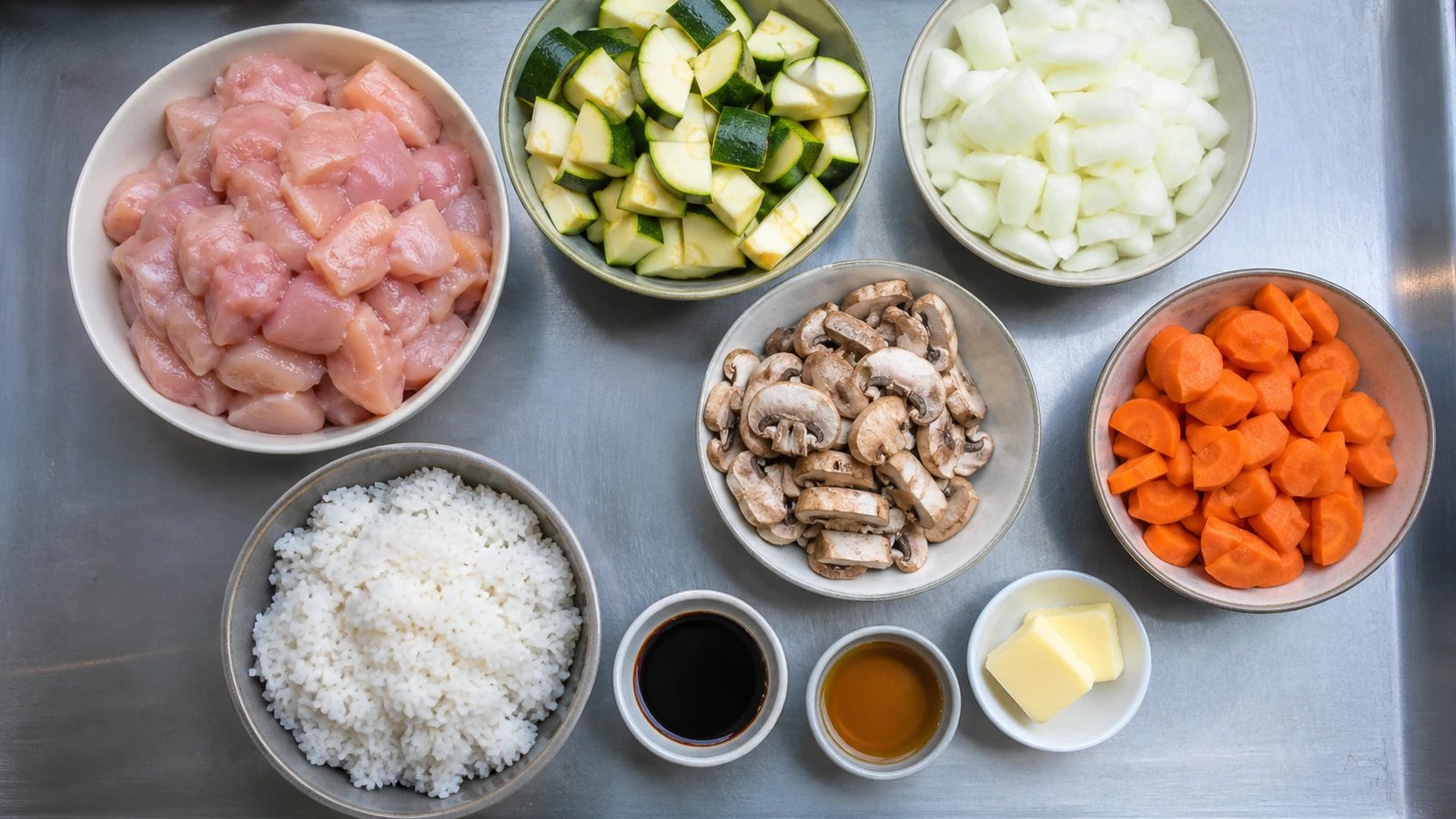
A well-maintained surface is key to mastering hibachi recipes blackstone style. Before starting, make sure your equipment is ready for high heat. This ensures your food cooks evenly and releases easily every time.
Nothing in this blackstone hibachi needs specialist equipment.
Seasoning the Griddle Surface
The base of a great hibachi dinner is a strong, non-stick seasoning. Apply a thin layer of oil to the hot metal. As it heats, it turns into a dark, slick barrier that prevents rust.
Do this a few times before cooking to get a lasting finish. Consistency is key in building this layer. When the surface is dark brown, you’re ready to cook.
Every stage of the blackstone hibachi is explained in order.
Managing Heat Zones for Precision
A blackstone hibachi lets you create different temperature zones. Adjusting your burners helps you set areas for different tasks. This way, you can sear proteins hotly while keeping veggies warm.
Practice moving food between zones for perfect control. Mastering these zones helps avoid overcooking. It ensures all parts of your dish are ready at once, just like professional chefs.
Using these methods will greatly improve your hibachi recipes blackstone. With a seasoned surface and controlled heat, you’re set to cook any menu with ease.
The blackstone hibachi works for a weeknight and for a crowd.
Mastering Temperature Control
Temperature control is key for any home chef. When using a blackstone hibachi, managing heat zones is crucial. It affects the texture and taste of your dishes. You need to balance hot and warm spots for the best results.
Keep the blackstone hibachi simple and it comes out well every time.
High Heat for Searing Proteins
High heat is needed to keep juices in and create a tasty crust. Place chicken or steak over the main burners for the Maillard reaction. This step is vital for a great hibachi recipe with seared meats.
Move your proteins often to avoid burning. This ensures a nice, golden-brown color. High heat gives that smoky taste found in pro kitchens. Make sure your oil is hot before adding meat.
The notes on the blackstone hibachi below cover the common questions.
Low Heat for Delicate Vegetables and Fried Rice
After searing proteins, use the cooler parts of the griddle. Vegetables and cooked rice need gentle heat to prevent burning. Lower heat helps them soak up sauces without drying out.
Effective zone management means all parts of your meal are ready at once. Use the guide below to understand the heat needs for your ingredients.
| Ingredient Type | Heat Level | Primary Goal |
|---|---|---|
| Steak & Chicken | High | Searing & Flavor |
| Mixed Vegetables | Medium-Low | Tenderizing |
| Fried Rice | Low | Even Heating |
| Butter & Sauces | Low | Melting & Emulsifying |
Mastering temperature control boosts your blackstone hibachi skills. Remember, practice is key. Adjust your heat as you cook your favorite hibachi recipe. Consistent heat is what makes a griddle master.
Getting a blackstone hibachi right is mostly about timing.
Step-by-Step Guide to Cooking Chicken Hibachi
Want to make a restaurant-style hibachi dinner at home? Start with chicken. Cooking it on your blackstone hibachi brings professional flavors to your backyard. Follow these steps to keep your chicken juicy and flavorful every time.
This blackstone hibachi scales up without changing the method.
Preparing the Chicken and Marinade
Begin by cutting chicken breasts into uniform cubes. It’s essential for even cooking. Use a marinade of soy sauce, ginger, garlic, and sesame oil for flavor.
Let the chicken marinate for at least thirty minutes. This step lets the flavors soak into the meat. Always pat the chicken dry before cooking to get a better crust.
The section below is the part of the blackstone hibachi people most often rush.
Executing the Perfect Sear
To make a memorable hibachi dinner, manage your heat well. Heat your griddle to medium-high for a golden-brown crust. Place the chicken in a single layer, leaving space for even cooking.
Don’t move the chicken too fast once it’s on the griddle. Let it sear undisturbed for two to three minutes on each side. This patience creates the deep flavor that’s key to Japanese cooking.
A blackstone hibachi is easier to judge by feel than by the clock.
Achieving the Signature Hibachi Texture
The last step is about timing and moisture. Add butter to the griddle when the chicken is almost done. This adds a rich, glossy finish that keeps the meat tender.
Take the chicken off the heat when it reaches 165°F. Overcooking is a common mistake, so watch the color and firmness. Serve right away for the best texture and taste.
This is where a blackstone hibachi either comes together or falls apart.
Creating Authentic Hibachi Fried Rice
Your Blackstone griddle is perfect for making real fried rice at home. This dish is key to a great hibachi dinner. It combines tasty flavors and a crunchy texture, just like your favorite restaurant.
The blackstone hibachi depends on preparation before any heat is applied.
The Importance of Cold Rice
The secret to great hibachi recipe is cold rice. Use day-old rice, not fresh. Fresh rice is too wet and clumps when heated.
Chilled rice crisps up better. If you’re in a rush, freeze fresh rice for twenty minutes. This makes it cold and ready to use.
Most of the work in a blackstone hibachi happens before you start cooking.
Balancing Soy Sauce and Butter Ratios
Next, get the flavor right. A top hibachi dinner needs salty soy sauce and creamy butter. These add the umami taste that makes it so good.
Melt butter on your Blackstone hibachi first. Then, toss the rice in the butter until it’s coated. Drizzle soy sauce around the edges. This caramelizes the soy sauce, adding a smoky flavor to the rice.
Treat the blackstone hibachi as a sequence rather than a list of steps.
Techniques for Hibachi Vegetable Medleys
Mastering the art of the vegetable medley is key for your Blackstone hibachi success. While proteins get the spotlight, a great vegetable side dish adds color, texture, and nutrition. It completes your hibachi dinner.
Selecting the Right Vegetables
Choose dense vegetables like zucchini, onions, and carrots for your griddle. They hold their shape well and soak up flavors.
Steer clear of high-water content veggies like tomatoes or cucumbers. They can steam the surface and stop proper searing. For the best hibachi recipes blackstone, cut your veggies the same size so they cook evenly.
Timing Your Vegetable Cook Times
The secret to a perfect medley is in the order of cooking. Start with the hardest veggies that take the longest to cook. Add softer items later.
Use the cooler zones of your griddle to keep finished items warm. This prevents overcooking and makes every bite fork-tender.
| Vegetable | Prep Style | Estimated Time |
|---|---|---|
| Carrots | Thin slices | 5-7 minutes |
| Onions | Large chunks | 4-5 minutes |
| Zucchini | Half-moons | 3-4 minutes |
| Mushrooms | Sliced | 3 minutes |
By following these timing guidelines, you’ll get a professional-grade texture every time. Keeping the heat consistent is the best way to improve your vegetable prep.
Advanced Hibachi Cooking Methods
Getting better at using the blackstone hibachi is more than just flipping food. You need to learn about controlling the environment and managing fats. These skills help keep your proteins juicy and your veggies tender-crisp.
The Art of the Steam Dome
A steam dome changes the game for home cooks. It traps heat and moisture, creating an oven-like environment on your griddle. This is great for chicken hibachi, keeping the meat juicy.
The steam dome cuts down your cooking time. It’s also key for melting cheese or softening thick veggies. Here are its main benefits:
- Faster cooking times for dense proteins.
- Improved moisture retention for delicate ingredients.
- Even heat distribution across the entire cooking surface.
- Perfect melting for toppings like butter or cheese.
Managing Oil and Butter Distribution
Using fats wisely is key to rich flavors in hibachi recipes blackstone fans adore. Spread oil thinly and evenly to avoid sticking. This ensures all food gets the same heat.
Add butter late in cooking to avoid burning. Swirl it into veggies or rice for a glossy, flavorful finish. Mastering this balance lets you cook big meals with ease, keeping your griddle in top shape for every event.
Safety Protocols for High-Heat Griddling
When you start cooking on your blackstone hibachi, safety is key. High-heat cooking is fun, but it comes with risks. Every home chef needs to know how to stay safe.
Handling Flare-ups and Grease
Dealing with grease is crucial for a safe kitchen. Too much oil can catch fire, damaging your gear or hurting you.
Make sure your grease trap is clean and set up right before cooking. If a fire breaks out, never use water to put it out. Water can make the oil splash and spread the fire.
- Keep a box of baking soda or a fire extinguisher ready at all times.
- Scrape off extra grease into the trap often while cooking.
- Use oil wisely to avoid it pooling on the griddle.
Protective Gear and Workspace Safety
Your safety is as important as the taste of your chicken hibachi. The right gear keeps you safe from hot oil and burns.
Wear a sturdy apron and long tools to keep your hands safe. Keep your workspace clear to avoid accidents.
Place your griddle on a stable, non-flammable surface. This way, you can enjoy cooking without worrying about safety.
Cleaning and Maintaining Your Blackstone
Keeping your equipment in top shape is as crucial as mastering your favorite recipes. Proper care ensures your blackstone hibachi stays reliable for years. A clean surface boosts performance and keeps food tasting fresh.
Post-Cooking Scraping Techniques
Cleaning your griddle is best when it’s still warm. Use a metal scraper to remove food particles or charred bits. Consistency is key to avoid stubborn buildup.
Here’s how to clean thoroughly:
- Pour a small amount of water onto the warm surface to loosen stuck-on debris.
- Scrape the residue into the grease trap using steady, firm strokes.
- Wipe the surface clean with a heavy-duty paper towel or a dedicated griddle cloth.
Preventing Rust and Corrosion
After cleaning and drying, protect the metal from moisture. Rust is a big problem for outdoor griddles, but it’s easy to prevent with oil. Apply a thin layer after cooking your hibachi recipes blackstone to keep the steel seasoned.
Always store your griddle in a dry place or use a good cover. If you live in a humid area, check the surface often to keep the oil layer on. These small steps ensure your next hibachi dinner will be a hit.
Troubleshooting Common Hibachi Mistakes
Even the most skilled home chefs face unexpected hurdles when mastering the art of the griddle. Whether you are preparing a classic chicken hibachi or experimenting with new ingredients, minor errors can happen during the process. Do not feel discouraged if your first few attempts do not match restaurant quality.
Fixing Uneven Cooking Surfaces
If your food cooks faster on one side than the other, your griddle might not be level. A slight tilt can cause oil and juices to pool in one corner, leading to inconsistent results. You should check the stability of your blackstone hibachi legs on a flat surface before you begin cooking.
Another common cause for uneven cooking is improper preheating. Always allow your surface to heat up for at least ten minutes to ensure the metal reaches a uniform temperature. If you find a cold spot, simply move your ingredients to the center of the griddle where the burners provide the most consistent heat.
Correcting Burnt or Under-Seasoned Dishes
It is easy to accidentally burn your food when working with high heat. If you notice dark edges, immediately move the items to a cooler zone or turn down the gas dials. Adding a small splash of water or broth can help deglaze the surface and save your hibachi recipe from becoming too bitter.
If your meal tastes bland, you can often fix it by adjusting your seasoning mid-cook. A quick drizzle of soy sauce or a small pat of butter can revive the flavors of your dish. Taste as you go to ensure your balance of salt and fat remains perfect throughout the entire cooking process.
| Common Issue | Primary Cause | Quick Solution |
|---|---|---|
| Food sticking | Low oil or heat | Add oil and scrape |
| Burnt exterior | Excessive heat | Lower flame immediately |
| Uneven browning | Unlevel surface | Adjust leg stabilizers |
| Bland flavor | Insufficient seasoning | Add soy sauce or butter |
Elevating Your Hibachi Dinner Experience
Turn your outdoor cooking space into a fancy Japanese steakhouse with a few tweaks. The blackstone hibachi gives a great sear. But, the final touches make the meal shine. Balance flavors and make it look good to wow your guests.
Pairing Sauces and Condiments
Authentic flavors need the right dipping sauces. A classic yum yum sauce is creamy and sweet, perfect with grilled meats. Don’t forget a sharp ginger sauce or spicy mustard to balance the richness.
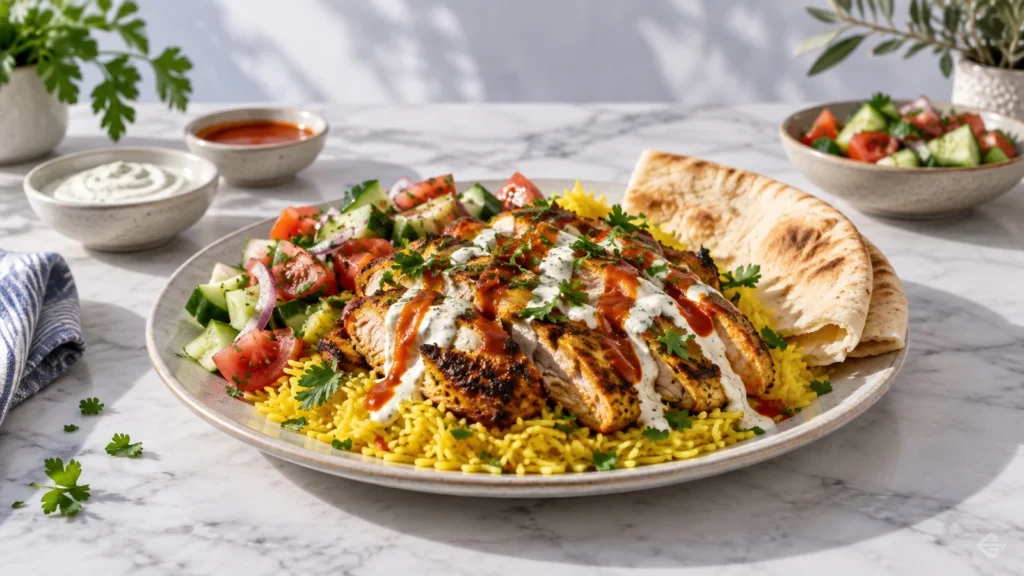
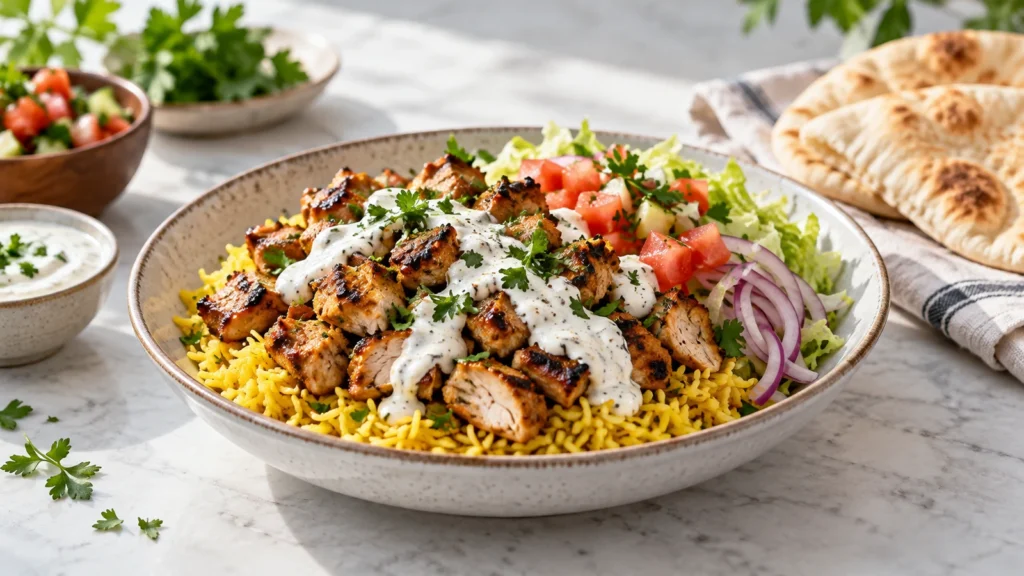
For your chicken hibachi, put sauces like these on the side. This lets guests add their favorite flavors without overpowering the meat. A mix of textures and tastes makes your hibachi dinner exciting.
Presentation Tips for Restaurant-Quality Results
How your food looks is as key as how it tastes. Start with warm plates to keep food hot while you finish. A neat plate layout makes your blackstone hibachi dishes look like they’re from a restaurant.
Here are some plating tips:
- Top your chicken hibachi with toasted sesame seeds and green onions for color.
- Shape your fried rice into a circle with a ring mold in the plate’s center.
- Arrange veggies in a fan pattern to show off their freshness.
These small touches turn a simple hibachi dinner into a special event. By focusing on the art of the plate, you bring the excitement of a live kitchen to your backyard.
Conclusion
Turning your backyard into a Japanese steakhouse starts with your Blackstone hibachi setup. You now know how to manage heat zones and keep your equipment in top shape for years.
Every great hibachi dinner needs the right timing and technique. Practice these skills to get better and wow your guests with amazing results.
Try out new hibachi recipes that blackstone fans love. You could experiment with unique protein marinades or fresh vegetable mixes to keep your menu exciting.
Finding the perfect hibachi recipe takes time and a willingness to try new things. Your griddle is a versatile tool that loves creativity in the kitchen.
Share your favorite dishes with friends and family to create lasting memories. Your journey to becoming a master griddle chef starts with your next meal.
FAQ
What are the best hibachi recipes Blackstone owners can try as beginners?
Can I use any type of oil for a hibachi recipe?
How do I prevent the rice from sticking to the griddle?
Is it necessary to buy specific brands of sauce for an authentic flavor?
How long does it take to cook a full hibachi meal on a Blackstone?
What should I do if my Blackstone starts to show signs of rust?
Blackstone Hibachi Chicken and Fried Rice: Ingredients
Prep: 20 min · Cook: 25 min · Total: 45 min · 4 servings · 560 calories per serving
- 1.5 lbs boneless skinless chicken thighs, cut into 1-inch pieces
- 3 tablespoons vegetable oil
- 2 tablespoons unsalted butter
- 4 cups cooked and chilled white rice
- 2 large eggs, beaten
- 1 medium yellow onion, diced
- 1 cup frozen peas and carrots
- 3 cloves garlic, minced
- 1 teaspoon grated fresh ginger
- 1/4 cup low-sodium soy sauce
- 1 tablespoon rice vinegar
- 1 teaspoon toasted sesame oil
- 1 teaspoon kosher salt
- 1/2 teaspoon black pepper
- 2 green onions, sliced
Blackstone Hibachi Chicken and Fried Rice: Instructions
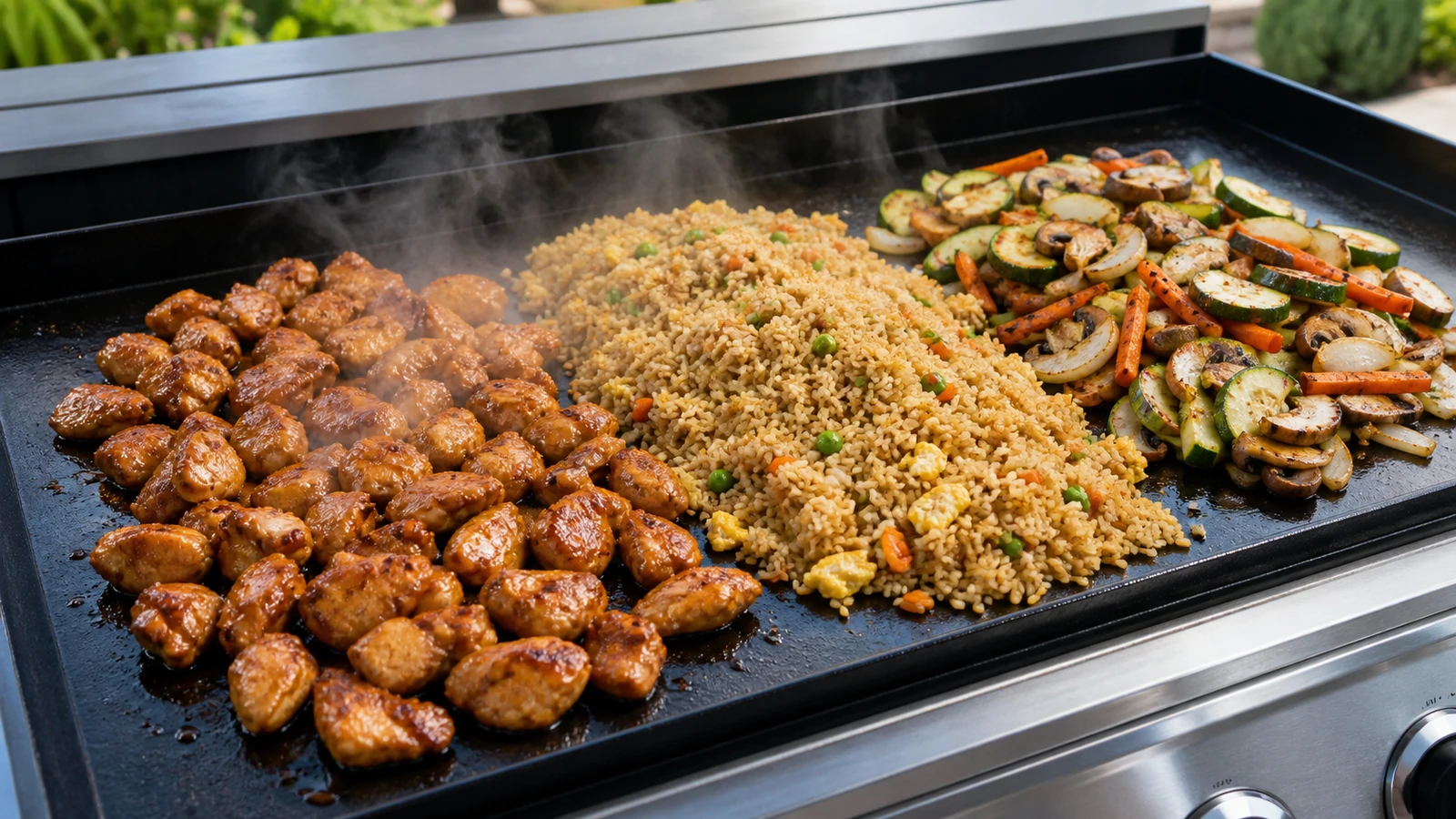
- Heat the griddle or a large flat pan to medium-high, about 400°F (204°C).
- Season the chicken with salt and pepper and toss it with 1 tablespoon of the oil.
- Cook the chicken 6 to 8 minutes, turning once, until it reaches 165°F (74°C) inside, then move it to a cooler corner.
- Add another tablespoon of oil and scramble the beaten eggs for 1 minute, then chop them into small pieces.
- Push the eggs aside, add the remaining oil, and cook the onion with the peas and carrots for 3 minutes.
- Add the garlic and ginger and cook 30 seconds until fragrant.
- Spread the chilled rice across the surface and press it flat for 2 minutes so it crisps.
- Fold in the butter, soy sauce, rice vinegar, and sesame oil until the rice is evenly coated.
- Return the chicken and eggs to the rice, toss everything together, and finish with green onions.
There are no reviews yet. Be the first one to write one.
Chicken must reach an internal temperature of 165°F (74°C) before it leaves the griddle. The USDA guidance on chicken and food safety sets out the temperatures and storage rules in full.
More hibachi guides worth cooking next: hibachi chicken recipe · hibachi recipes blackstone.
Reviews
Reader reviews are managed separately (outside this build).