Chicken
Chicken Hibachi: What You Need to Know
Table of Contents
Do you remember the electric energy of sitting at a Japanese steakhouse? You watch the chef perform, flames dancing as they prepare your meal with precision. This experience often feels impossible to replicate in your own kitchen, yet it remains a dream for many home cooks.
You can easily master this fast-paced, interactive style of cooking without relying on processed mixes or hidden additives. By using fresh, real ingredients, you unlock the true potential of your stovetop. Creating restaurant-quality chicken hibachi at home is not just about the food; it is about bringing that joy to your family table.
We will explore the essential techniques to help you sear proteins and vegetables to perfection. Discover how simple pantry staples replace MSG, giving you full control over every bite. It is time to transform your dinner routine into an exciting culinary performance that you control.
This hibachi chicken recipe rewards a hot surface and quick hands.
The hibachi chicken recipe is best judged by how the food sounds on the surface.
Key Takeaways
- Master the art of high-heat searing for authentic restaurant results.
- Replace processed flavor packets with fresh, wholesome ingredients.
- Learn to prepare delicious chicken hibachi without using MSG.
- Understand the importance of timing in interactive, fast-paced cooking.
- Bring the fun of a Japanese steakhouse directly into your home kitchen.
Everything in this hibachi chicken recipe comes together fast once the griddle is hot.
Give the hibachi chicken recipe your full attention for the few minutes it takes.
Essential Equipment for Authentic Chicken Hibachi
Starting your journey as a home hibachi chef is easy. You don’t need a big kitchen to cook like a pro. A quality blackstone hibachi setup lets you bring the fun of teppanyaki to your backyard.
The hibachi chicken recipe below is written to be repeatable on any flat top.
Everything about the hibachi chicken recipe favours preparation over improvisation.
Choosing the Right Flat Top Grill
The heart of your cooking is the flat top grill. It should be big enough to cook without crowding. This lets you sear chicken properly and cook other foods well.
Choose a grill that heats evenly. Consistency is key for home cooking that tastes like a restaurant. A strong frame and easy start are important for years of use.
A good hibachi chicken recipe depends on heat control more than anything else.
This step shapes the texture of the whole hibachi chicken recipe.
Must-Have Spatulas and Scrapers
For cooking on a hot surface, you need special tools. Long-handled spatulas are great for flipping and tossing. A heavy-duty scraper keeps your grill clean.
Here are some tools to get:
- Two long-handled stainless steel spatulas for flipping and chopping.
- A wide metal scraper to remove charred bits and excess oil.
- A squeeze bottle for water or oil to help control the steam and moisture.
Read the notes below before starting the hibachi chicken recipe.
A hibachi chicken recipe is as much about resting as about searing.
Temperature Control Tools
Controlling heat is key to being a pro. Hibachi recipes blackstone fans use infrared thermometers to check the grill’s temperature. These tools show you where the grill is hot or cold.
Knowing the grill’s temperature helps you avoid burning food. Precision is your best friend when balancing high heat for searing and low heat for veggies.
Nothing in this hibachi chicken recipe needs specialist equipment.
The hibachi chicken recipe suits anyone comfortable working quickly.
Selecting Quality Ingredients for Your Hibachi Dinner
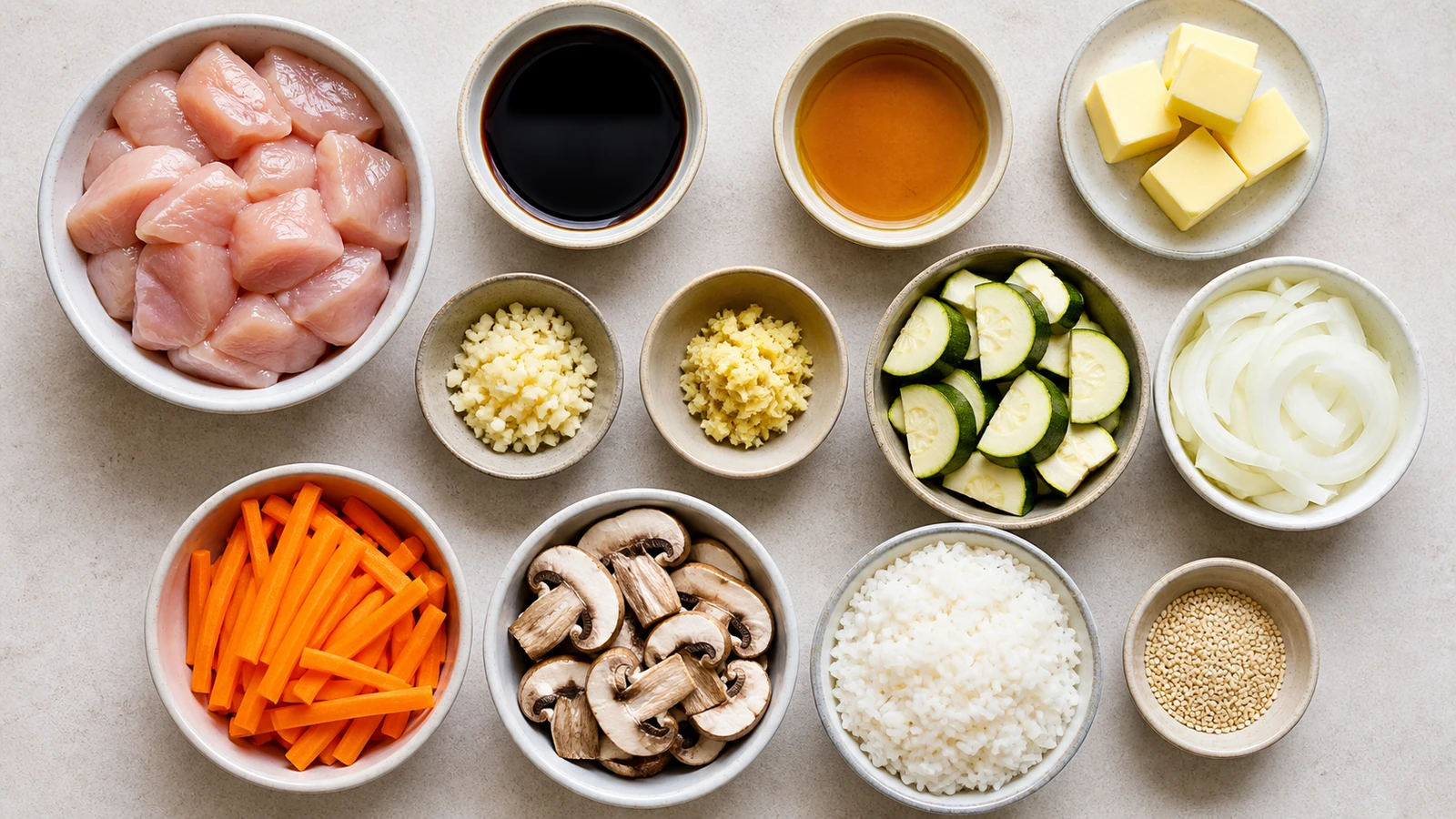
High-quality ingredients are key to a great hibachi dinner. The freshness of your produce and the quality of your proteins matter a lot. To master hibachi recipes blackstone, focus on consistency and proper preparation before cooking.
Every stage of the hibachi chicken recipe is explained in order.
Below is the part of the hibachi chicken recipe that rewards patience.
Choosing the Best Chicken Cuts
For tender results, pick boneless, skinless chicken thighs over breasts. Thighs have more fat, which keeps the chicken moist during searing. If you like white meat, cut it into uniform pieces for even cooking.
The hibachi chicken recipe works for a weeknight and for a crowd.
Getting this right lifts the whole hibachi chicken recipe.
Vegetable Selection and Preparation
Pick vegetables that can handle high heat, like zucchini, onions, and carrots. Make sure to wash and dry them well to prevent steaming. Uniformity is key; cut your veggies the same size for even cooking.
Keep the hibachi chicken recipe simple and it comes out well every time.
The hibachi chicken recipe works with whatever vegetables are in season.
The Role of High-Smoke Point Oils
Choosing the right oil is crucial for a successful hibachi recipe. You need an oil that can handle high temperatures without burning or tasting bad. Using oil with a low smoke point can make your food taste bitter and smoke a lot.
| Oil Type | Smoke Point | Flavor Profile | Best Use |
|---|---|---|---|
| Avocado Oil | 520°F | Neutral | High-heat searing |
| Grapeseed Oil | 420°F | Light | General stir-fry |
| Canola Oil | 400°F | Neutral | Budget-friendly |
| Extra Virgin Olive Oil | 325°F | Strong | Finishing only |
The notes on the hibachi chicken recipe below cover the common questions.
Season as you go through the hibachi chicken recipe rather than at the end.
Mastering the Art of Chicken Hibachi Preparation
Success with chicken hibachi begins long before you start cooking. It’s all about mise en place. This means chopping, measuring, and preparing all ingredients before you start.
Getting a hibachi chicken recipe right is mostly about timing.
The hibachi chicken recipe needs space on the surface more than it needs time.
Cleaning and Seasoning Your Blackstone Hibachi
A clean surface is key to a great meal. Make sure your blackstone hibachi is clean before cooking. A quick scrape and a wipe with a paper towel will do the trick.
Seasoning is also crucial to prevent food from sticking. Use a thin layer of oil and heat it until it smokes. This creates a natural non-stick barrier for easier cooking.
This hibachi chicken recipe scales up without changing the method.
Consider the notes here before repeating the hibachi chicken recipe.
Proper Knife Skills for Uniform Cooking
Uniformity is the secret to professional results. Cutting chicken and vegetables into the same size ensures they cook evenly. Aim for bite-sized pieces for quick searing without drying out.
Use a sharp chef’s knife for clean cuts. Consistent sizing means no raw or overcooked chicken. This detail turns a simple dinner into a high-quality meal.
The section below is the part of the hibachi chicken recipe people most often rush.
Marinating Techniques for Maximum Flavor
Marinating your protein adds depth that simple seasoning can’t match. Let your chicken marinate in soy sauce, ginger, and garlic for at least thirty minutes. This lets the flavors soak deep into the meat.
The following table outlines the best preparation methods to ensure your meal is a success:
| Preparation Step | Goal | Benefit |
|---|---|---|
| Surface Cleaning | Remove residue | Prevents sticking |
| Uniform Cutting | Equal sizing | Even cooking |
| Marination | Flavor infusion | Enhanced taste |
| Mise en Place | Organization | Reduced stress |
A hibachi chicken recipe is easier to judge by feel than by the clock.
Step-by-Step Guide to Cooking Chicken Hibachi
Cooking a perfect hibachi dinner needs a plan for timing and heat. By following a good workflow, you can make hibachi recipes blackstone fans love at home.
This is where a hibachi chicken recipe either comes together or falls apart.
Preheating and Surface Preparation
First, heat your griddle to medium-high across the whole surface. Make different heat zones by adjusting burners for a cooler spot for resting items.
Put a thin layer of oil on the surface before cooking. This essential step helps your food move smoothly without sticking or burning.
The hibachi chicken recipe depends on preparation before any heat is applied.
Searing the Chicken to Perfection
Put your marinated chicken on the griddle’s hottest spot. Don’t overcrowd, as it makes the meat steam instead of sear.
Let the chicken sear without moving for a few minutes. This technique is key for that restaurant-quality texture in hibachi recipes blackstone.
Most of the work in a hibachi chicken recipe happens before you start cooking.
Managing Vegetable Cooking Times
Timing is key for your side dishes. Start with dense veggies like carrots or broccoli, as they take longer to cook.
Add softer veggies like zucchini or onions later. This careful sequencing keeps your meal fresh and crunchy.
Treat the hibachi chicken recipe as a sequence rather than a list of steps.
Creating Signature Hibachi Sauces
To make your home cooking better, learn to make the signature sauces of hibachi recipes. These sauces are key to the Japanese steakhouse taste. Making them at home lets you control the flavor of your dishes.
A hibachi chicken recipe benefits from everything being cut before you begin.
The Secret to Yum Yum Sauce
The famous pink sauce is loved for its creamy texture and sweet taste. Start with good mayonnaise for the best sauce. Whisking the mix well makes it smooth and even.
- 1 cup mayonnaise
- 1 tablespoon melted butter
- 1 teaspoon sugar
- 1/2 teaspoon smoked paprika
- A splash of garlic powder
The detail below makes a visible difference to the hibachi chicken recipe.
Ginger Soy Glaze Fundamentals
A good ginger soy glaze adds a deep umami flavor to grilled chicken. It’s made by reducing liquids to a sticky, flavorful sauce. Fresh ginger is crucial for a bright, aromatic taste.
Simmer soy sauce, mirin, and ginger over low heat until it thickens. This concentrates the sugars, making the glaze stick well to proteins. Always strain the sauce for a smooth texture without ginger fibers.
This part of the hibachi chicken recipe is worth practising.
Balancing Sweet and Savory Profiles
A great hibachi meal balances sweet and savory tastes. Aim for a mix where soy sauce’s saltiness meets mirin or sugar’s sweetness. If it’s too sharp, add water or butter to soften it.
Try your sauce before serving to get it just right. Adjusting the seasoning lets you make it your way. Remember these sauces taste even better after chilling in the fridge for thirty minutes.
A confident hibachi chicken recipe comes from repetition, not from equipment.
Advanced Techniques for Blackstone Hibachi Success
Once you get the hang of the basics, it’s time to dive into more advanced techniques for your flat top grill. Going beyond simple stir-fries lets you unlock your blackstone hibachi‘s full potential. These methods will help you achieve professional results right in your own backyard.
The hibachi chicken recipe is forgiving once the heat zones are set.
Managing Heat Zones on Your Grill
Effective heat management is key to cooking complex meals without a mess. Designate specific areas of your blackstone hibachi for different tasks. Use the center for high-heat searing and the outer edges for warming up finished ingredients.
This approach prevents your veggies from getting mushy while the chicken cooks. Always monitor your flame settings to keep the temperature even. By moving food between zones, you control the final texture of your meal.
Keep the following in mind throughout the hibachi chicken recipe.
The Art of the Hibachi Steam Technique
Steaming is crucial for keeping chicken juicy with a crisp exterior. Place a metal dome or a large stainless steel bowl over your ingredients. This steam technique cooks the meat’s center without drying out the surface.
Before covering, add a small splash of water or sake to the grill. The vapor tenderizes proteins and softens veggies. Be careful when lifting the cover, as the steam will be very hot.
The hibachi chicken recipe finishes faster than most people expect.
Achieving the Perfect Char Without Burning
A beautiful, dark char adds a depth of flavor that’s key to authentic hibachi cooking. Use high heat for short bursts to avoid bitter, burnt edges. Move your ingredients with your spatulas to achieve this.
To master the onion volcano trick, follow these safety tips for a fun and safe experience:
- Clear the area: Make sure no flammable items are near your blackstone hibachi.
- Use caution: Only use high-proof alcohol for the flame effect if you’re experienced.
- Stay alert: Keep a fire extinguisher nearby at all times when working with open flames.
Common Mistakes to Avoid When Making Hibachi
Even experienced home chefs can face challenges when cooking on a flat-top griddle. To make a top-notch chicken hibachi, you need precision, patience, and to know your equipment well.
“Cooking is like painting or writing a song. Just as there are many colors or notes, there are so many flavors—it is up to you to combine them.”
Preventing Overcooked or Dry Chicken
One common mistake is cooking the protein for too long. A griddle cooks meat faster than a regular pan because of the direct heat.
To keep your chicken hibachi moist, take it off the heat when it hits 165°F. Letting it rest for a few minutes helps the juices spread out, making it more tender.
Avoiding Soggy Vegetables
Vegetables can become mushy if they’re too crowded on the griddle. When you put too many together, they steam instead of sear.
Here’s how to keep your hibachi recipe veggies crispy:
- Cook veggies in small batches for even heat.
- Keep them moving to avoid burning.
- Add salt only at the end to prevent moisture release.
Managing Grill Surface Buildup
A dirty griddle can ruin your meal. Charred bits and extra sauce can make your next dish taste bitter.
Use a scraper to clean the griddle between cooking. This simple step keeps your hibachi recipe tasting fresh and clean. It lets the natural flavors of your ingredients stand out without any burnt taste.
Pairing Sides to Complete Your Hibachi Experience
The secret to a complete hibachi dinner is in the mix of textures and bold flavors in your sides. The protein is the star, but the right sides add a special touch. Using your flat-top grill, you can make a meal that wows your guests.
Perfecting Hibachi Fried Rice
Fried rice is key to a great griddle meal. Use day-old chilled rice to avoid mushiness when cooking at high heat.
Begin by cooking diced carrots, onions, and peas in butter. Move them aside and add eggs. Scramble the eggs quickly before mixing in rice and soy sauce. This makes a perfect hibachi dinner side.
Preparing Crispy Garlic Noodles
Crispy garlic noodles are a tasty change from rice. They’re savory and buttery, great with chicken or shrimp.
- Boil noodles until they’re almost done, then grill them.
- Mix the noodles with garlic, sesame oil, and soy sauce.
- Spread them thin on the grill to get a crispy edge.
This method makes every bite of your hibachi dinner side full of flavor.
Selecting Refreshing Side Salads
Griddle cooking can be rich, so you need something light. A crisp ginger-dressed salad is the perfect choice.
Make a salad with iceberg lettuce, cucumbers, and cherry tomatoes. Add a ginger dressing for a tangy taste. This salad, served cold with hot proteins, makes a balanced meal.
Safety and Maintenance for Your Cooking Surface
Proper care for your cooking surface is the secret to long-lasting performance and delicious results. By dedicating a few minutes to maintenance after every session, you protect your investment. This ensures your grill remains ready for the next culinary challenge.
Cleaning Your Grill After Use
Cleaning your flat top grill while it is still warm makes the process much easier. You should remove food debris immediately. This prevents buildup that can affect the flavor of future meals.
Follow these steps to keep your surface pristine:
- Use a heavy-duty scraper to push leftover food into the grease trap.
- Apply a small amount of water to the warm surface to steam off stubborn residue.
- Wipe the surface clean with a paper towel or a heat-resistant cloth.
- Apply a thin layer of high-smoke point oil to protect the metal from rust.
Maintaining the Seasoning Layer
The seasoning layer is a natural non-stick coating that develops over time. It prevents food from sticking and protects against oxidation.
To maintain this layer, avoid using harsh soaps or abrasive metal scrubbers. If you notice the seasoning starting to flake, clean the area and apply a fresh, thin coat of oil. Consistency is key to building a durable, dark, and smooth cooking surface.
Safe Handling of Hot Surfaces
Cooking on a high-heat surface requires constant vigilance to prevent accidents. Always keep a fire extinguisher rated for grease fires within reach of your cooking area.
Use long-handled spatulas and tongs to maintain a safe distance from the heat. Never leave your grill unattended while it is lit. Ensure that children or pets remain at a safe distance from the cooking zone. Prioritizing safety allows you to focus entirely on the art of cooking without unnecessary worry.
Conclusion
Learning to cook on a Blackstone grill turns your backyard into a lively cooking spot. You now know how to mix heat, timing, and flavor to wow your guests. Every great hibachi dinner comes from your skill in using the grill.
Keep practicing to get better at your own way of cooking. Try new marinades for proteins or mix up vegetables to keep your dishes exciting. Your path to becoming a home chef begins with your next meal.
Invite friends over to make a simple dinner into a fun gathering. Hosting a hibachi dinner makes memories and brings people together over delicious food. So, grab your spatulas, light the grill, and start making amazing dishes in your kitchen.
FAQ
What is the best way to store leftovers from a hibachi dinner?
Can I make a hibachi recipe if I don’t own a Blackstone?
How do I make my blackstone hibachi taste exactly like the restaurant?
Is chicken hibachi healthy for a weekly meal prep?
What can I use as a substitute for Yum Yum sauce in a hibachi dinner?
Ingredients
Prep: 15 min · Cook: 20 min · Total: 35 min · Serves: 4 servings · 520 calories
- 1.5 lbs boneless, skinless chicken breast, cut into bite-size cubes
- 3 tablespoons soy sauce
- 1 tablespoon rice vinegar
- 2 teaspoons toasted sesame oil
- 3 tablespoons unsalted butter, divided
- 2 tablespoons vegetable oil
- 1 medium onion, sliced
- 1 medium zucchini, half-moons
- 8 oz mushrooms, sliced
- 3 garlic cloves, minced
- 1 teaspoon fresh ginger, grated
- 4 cups cooked and chilled white rice
- 2 large eggs, beaten
- 1/2 teaspoon black pepper
- 2 green onions, sliced
- 1 teaspoon toasted sesame seeds
Hibachi Chicken Recipe Instructions
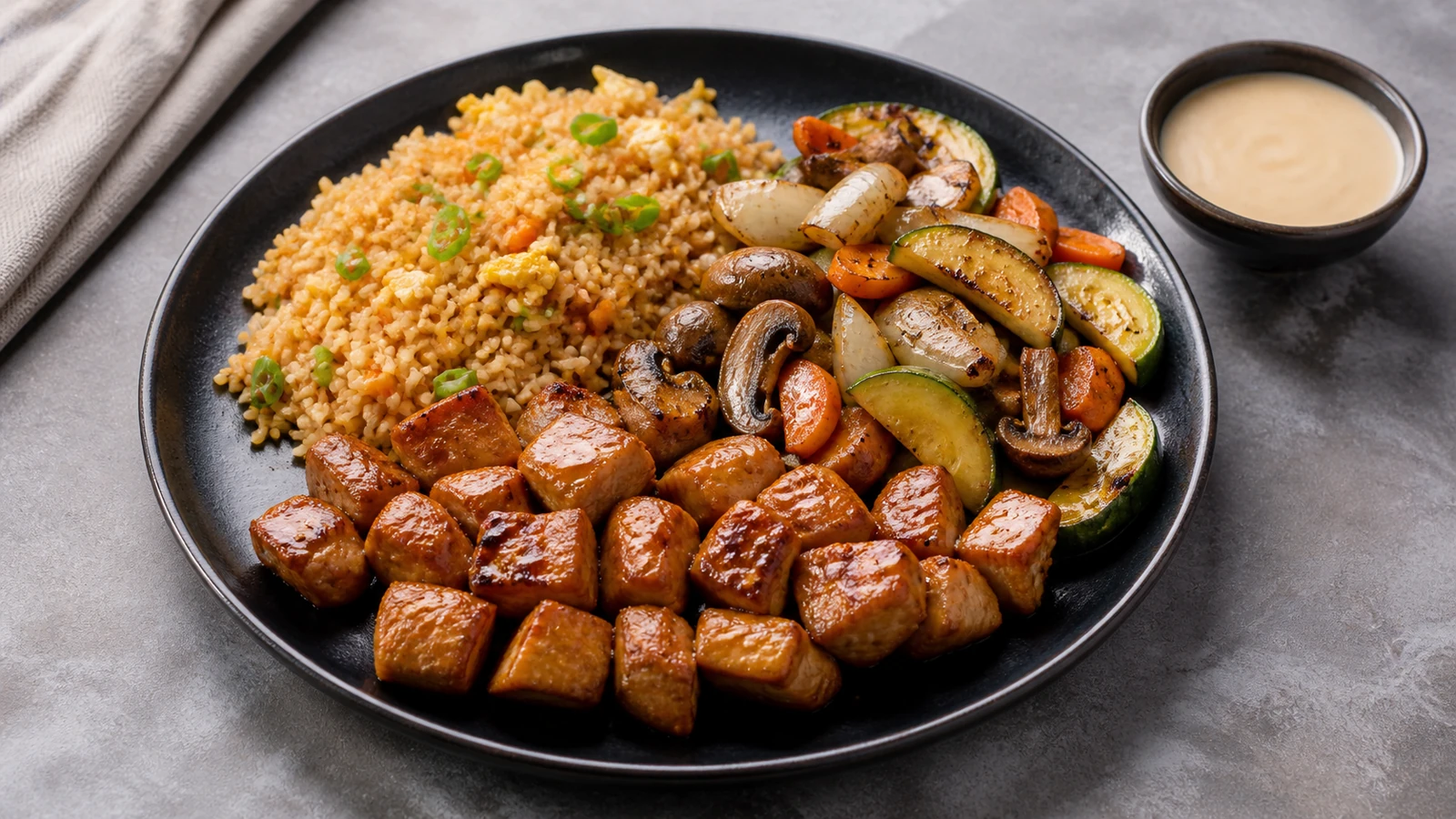
- Cut the chicken into even bite-size cubes so everything cooks at the same rate.
- Toss the chicken with 1 tablespoon soy sauce, the rice vinegar and 1 teaspoon sesame oil; rest 15 minutes.
- Preheat the flat-top griddle or a large heavy skillet over medium-high heat until very hot.
- Add 1 tablespoon vegetable oil and spread it across the surface.
- Cook the chicken in a single layer, undisturbed, 3-4 minutes until seared, then toss and cook 3-4 minutes more.
- Check the chicken reaches an internal temperature of 165°F (74°C), then move it to a cooler zone.
- Add the remaining oil and stir-fry the onion, zucchini and mushrooms 4-5 minutes until crisp-tender.
- Push the vegetables aside, add 1 tablespoon butter, the garlic and ginger, and cook 30 seconds until fragrant.
- Push everything to the side, pour the beaten eggs onto the hot surface and scramble quickly.
- Add the chilled rice, breaking up any clumps with the spatula.
- Drizzle the remaining soy sauce and sesame oil over the rice and toss constantly for 3-4 minutes.
- Add the remaining butter and fold everything together until glossy and evenly coated.
- Season with black pepper, then finish with green onions and sesame seeds and serve hot.

Reviews
Reader reviews are managed separately (outside this build).