Chicken
Hibachi Recipes Blackstone Guide
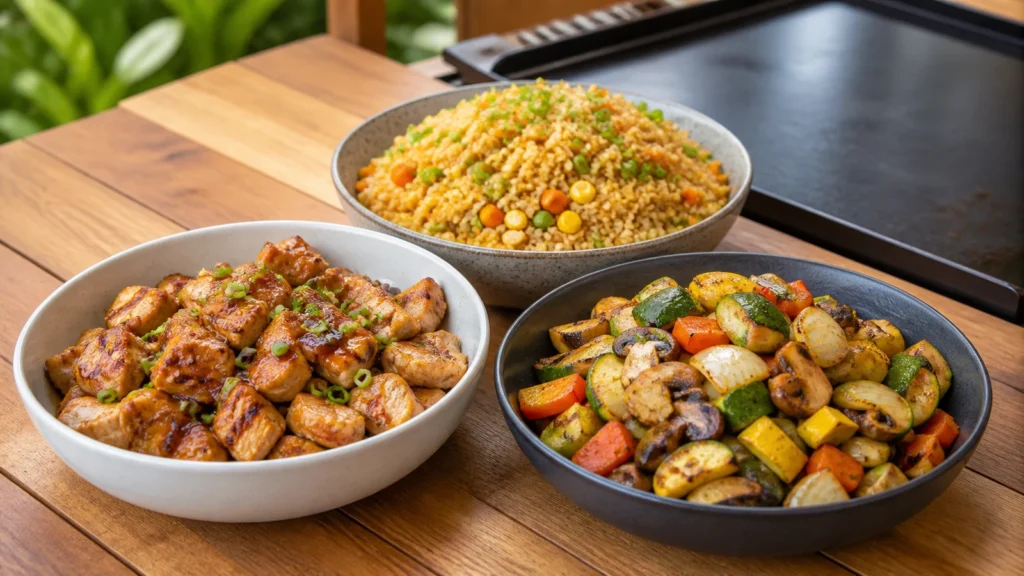
Table of Contents
Do you love the exciting sizzle and bold flavors of Japanese steakhouses? You can bring that experience to your patio. Learning the right techniques will turn your outdoor cooking into a show.
Your Blackstone griddle has a special rolled steel surface. It needs seasoning to work its best. This step makes your food cook evenly every time. With your surface ready, you’re set to try different hibachi cooking methods.
This guide shows you the top recipes to wow your guests at dinner parties. We cover basic skills for efficient and fun grilling. Follow these tips to cook like a pro and make meals as good as those in restaurants.
This hibachi recipes blackstone rewards a hot surface and quick hands.
The hibachi recipes blackstone is best judged by how the food sounds on the surface.
Key Takeaways
- Proper seasoning of your rolled steel surface is key for success.
- Managing high heat is crucial for that perfect sear on proteins and veggies.
- Organizing your ingredients before cooking makes the process smooth and stress-free.
- Using the right tools, like long spatulas and scrapers, helps you cook like a pro.
- Practicing temperature control will help you master your favorite Japanese dishes.
Everything in this hibachi recipes blackstone comes together fast once the griddle is hot.
Give the hibachi recipes blackstone your full attention for the few minutes it takes.
Essential Gear and Preparation for Your Blackstone Griddle
Getting a perfect meal starts before you turn on the gas. Knowing what your blackstone hibachi needs helps keep your cooking fun and consistent.
The hibachi recipes blackstone below is written to be repeatable on any flat top.
Everything about the hibachi recipes blackstone favours preparation over improvisation.
Selecting the Right Blackstone Griddle Model
Choosing the right model depends on your outdoor space and how many you’ll cook for. Griddles come in sizes from small to big, with many burners.
Think about how much space you need for your recipes. A bigger surface lets you cook different things at once. This is essential for making complex meals.
| Model Size | Best For | Burner Count |
|---|---|---|
| 17-inch | Camping & Small Patios | 1 Burner |
| 28-inch | Family Dinners | 2 Burners |
| 36-inch | Large Gatherings | 4 Burners |
A good hibachi recipes blackstone depends on heat control more than anything else.
This step shapes the texture of the whole hibachi recipes blackstone.
Must-Have Tools for Hibachi Cooking
To cook like a pro, you need the right tools. High-quality stainless steel spatulas are mandatory for flipping and chopping.
Don’t forget professional-grade squirt bottles. They help spread oil, water, or soy sauce mixtures evenly without a mess.
Read the notes below before starting the hibachi recipes blackstone.
A hibachi recipes blackstone is as much about resting as about searing.
Seasoning Your Griddle Surface for Optimal Performance
Your griddle has a rolled steel surface that needs consistent seasoning. This creates a non-stick layer that prevents rust and enhances flavor.
Seasoning your surface right is key to prevent food from sticking. By doing this, your blackstone hibachi will perform well for years.
Nothing in this hibachi recipes blackstone needs specialist equipment.
The hibachi recipes blackstone suits anyone comfortable working quickly.
Mastering the Art of Hibachi Heat Management
Getting the heat right is what makes a meal special. Cooking on a flat steel surface lets you control flavor and texture. Learning to adjust your propane flames is key to becoming a great griddle chef.
Every stage of the hibachi recipes blackstone is explained in order.
Below is the part of the hibachi recipes blackstone that rewards patience.
Understanding Temperature Zones on Your Griddle
Your Blackstone griddle has different heat zones. By tweaking your burners, you can make areas that are very hot or just warm. This helps you cook many things at once without burning them.
- High Heat Zone: Best for searing meats and locking in juices.
- Medium Heat Zone: Ideal for sautéing vegetables and cooking rice.
- Low/Warm Zone: Perfect for keeping finished items at the right temperature while you finish the rest of your meal.
The hibachi recipes blackstone works for a weeknight and for a crowd.
Getting this right lifts the whole hibachi recipes blackstone.
Managing High Heat for Searing Proteins
Teppanyaki cooking is all about using high heat on a flat steel surface. You need to sear proteins quickly to get a golden crust and keep them tender. High heat is your best friend for that restaurant-style flavor.
Make sure your griddle is hot before adding chicken, beef, or shrimp. If it’s not hot enough, your proteins will steam instead of sear. This makes them rubbery and ruins your dish.
Keep the hibachi recipes blackstone simple and it comes out well every time.
The hibachi recipes blackstone works with whatever vegetables are in season.
Maintaining Consistent Heat for Vegetables
Vegetables need gentle care to keep their color and crunch. Move them to a medium heat zone when they start to soften. This stops them from getting mushy while you work on other parts of your hibachi recipe.
Consistency is key for veggies like onions and zucchini. Steady heat keeps every bite crisp and flavorful. Proper heat control means a perfectly balanced meal every time you use the griddle.
The notes on the hibachi recipes blackstone below cover the common questions.
Season as you go through the hibachi recipes blackstone rather than at the end.
The Foundation of Authentic Hibachi Flavor
Transform your blackstone hibachi experience by focusing on foundational flavor profiles. A restaurant-quality hibachi dinner has a deep taste. This comes from a mix of fats and aromatics. Mastering these basics ensures every bite is savory.
Getting a hibachi recipes blackstone right is mostly about timing.
The hibachi recipes blackstone needs space on the surface more than it needs time.
Creating the Perfect Hibachi Butter Blend
A homemade garlic butter blend is key for your griddle cooking. It adds a rich, velvety texture to proteins and veggies. Make this butter ahead of time for quick use during cooking.
- Combine softened unsalted butter with minced fresh garlic.
- Add a splash of soy sauce for depth.
- Incorporate a pinch of lemon juice to brighten the heavy fats.
This hibachi recipes blackstone scales up without changing the method.
Consider the notes here before repeating the hibachi recipes blackstone.
Essential Seasonings and Soy Sauce Ratios
Getting the right balance of saltiness and nuttiness is crucial. Be careful with soy sauce ratios to avoid overpowering flavors. A light touch with soy sauce lets other flavors shine while adding a savory base.
Professional chefs use a soy sauce to mirin or rice vinegar ratio. This mix balances salt with a subtle sweetness. Always taste before applying to the griddle.
The section below is the part of the hibachi recipes blackstone people most often rush.
A hibachi recipes blackstone tastes closest to the restaurant version when nothing is crowded.
The Role of Sesame Oil and Garlic
Sesame oil and garlic are key aromatics for your dish. Use sesame oil as a finishing oil due to its low smoke point. This keeps its delicate, nutty aroma in your hibachi dinner.
Garlic is the pungent backbone of blackstone hibachi. Use it minced or sliced, but avoid burning. Add it towards the end for fresh flavor.
| Flavor Component | Primary Function | Best Usage Time |
|---|---|---|
| Garlic Butter | Adds richness and sheen | Mid-to-late cooking |
| Soy Sauce | Provides savory saltiness | Final seasoning stage |
| Sesame Oil | Enhances nutty aroma | Off-heat finishing |
| Fresh Ginger | Adds sharp, clean heat | Early sautéing phase |
A hibachi recipes blackstone is easier to judge by feel than by the clock.
Preparing Proteins for Blackstone Hibachi Recipes
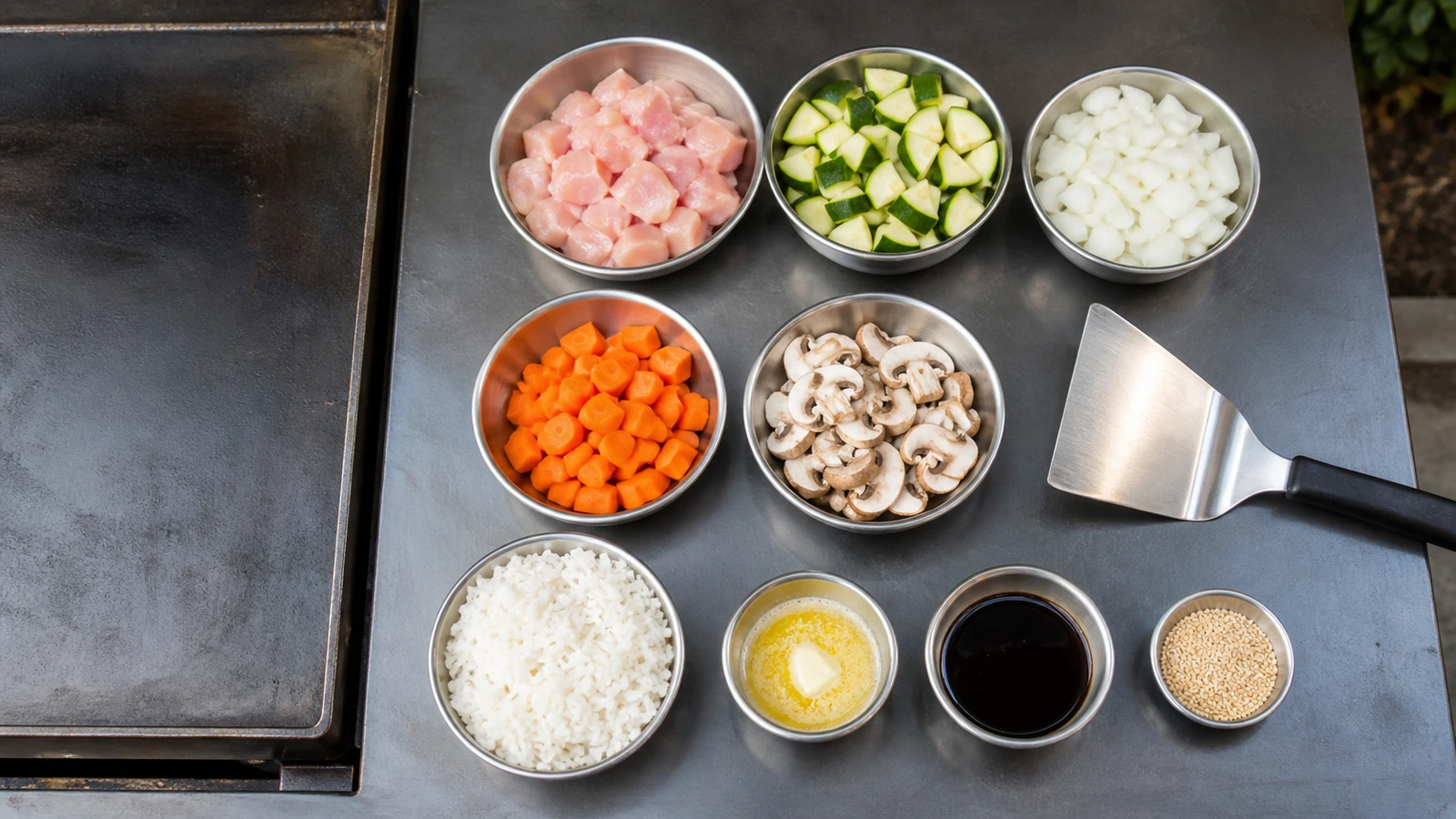
Success on the griddle starts long before the heat is turned on. Embrace the French concept of mise en place. This means measuring and preparing every ingredient before cooking. This organized approach ensures a smooth workflow once the surface is hot.
This is where a hibachi recipes blackstone either comes together or falls apart.
Slicing Techniques for Tender Chicken Hibachi
When preparing chicken hibachi, uniformity is key. Slice the meat into consistent, bite-sized pieces. This ensures they cook evenly.
Always cut against the grain of the muscle fibers. This makes the meat tender and enjoyable to eat.
The hibachi recipes blackstone depends on preparation before any heat is applied.
Marinating Strategies for Beef and Shrimp
Marinating is crucial for deep, savory flavors in your proteins. Beef needs at least thirty minutes to soak up soy-based liquids. Shrimp, being delicate, absorb flavors in just fifteen minutes.
Seafood should not be over-marinated. The acidity in sauces can change its texture. Use fats like sesame oil to prevent sticking.
Most of the work in a hibachi recipes blackstone happens before you start cooking.
Handling Seafood Safely on the Griddle
Seafood needs extra care for quality and safety. Keep shrimp or scallops in the fridge until ready to cook. This cold chain management prevents bacterial growth.
Use clean tongs for raw seafood to avoid contamination. A clean workspace ensures a safe and delicious meal for your guests.
| Protein Type | Prep Method | Marination Time | Cooking Priority |
|---|---|---|---|
| Chicken Breast | Uniform Cubes | 30-60 Minutes | High Heat |
| Flank Steak | Thin Strips | 1-2 Hours | Searing Heat |
| Large Shrimp | Peeled/Deveined | 15-20 Minutes | Final Stage |
Treat the hibachi recipes blackstone as a sequence rather than a list of steps.
Step-by-Step Guide to Cooking Chicken Hibachi
Getting your chicken hibachi recipe to taste like a restaurant is simple. The secret is to work fast and keep your ingredients in order. This way, you can manage the heat well, making sure every bite is juicy and full of flavor.
A hibachi recipes blackstone benefits from everything being cut before you begin.
Searing the Chicken to Golden Perfection
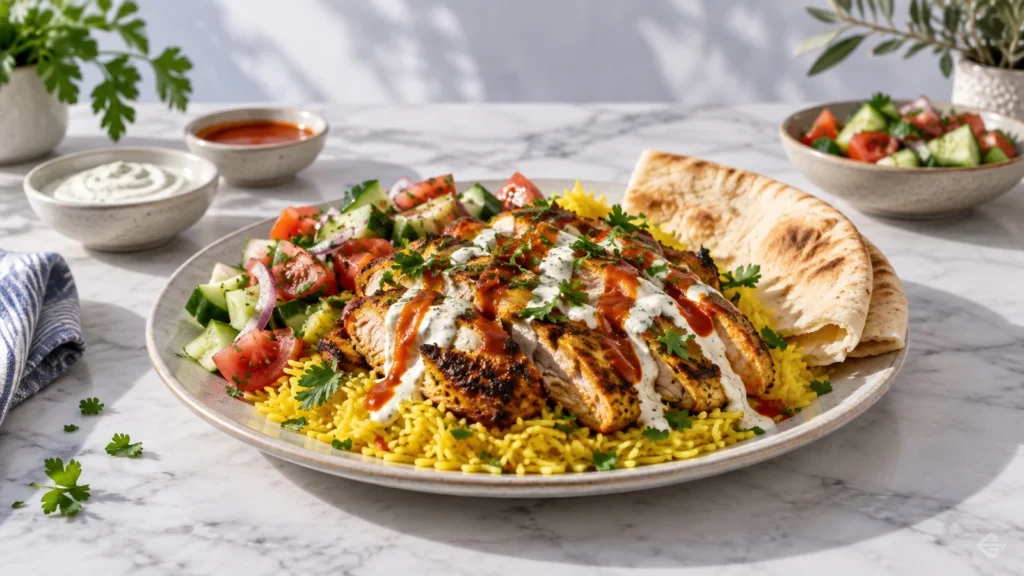
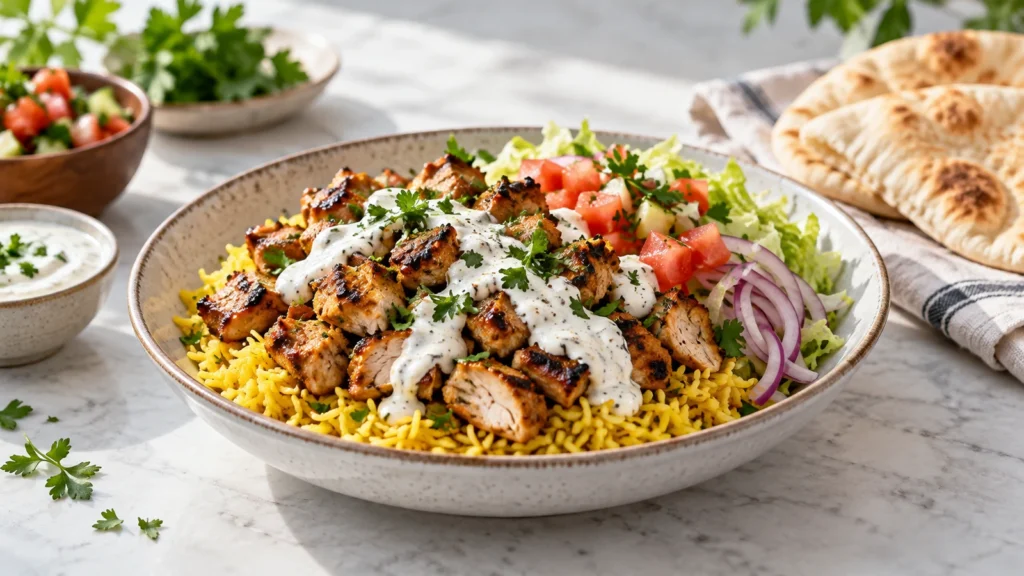
Begin by placing your chicken pieces on the hottest part of the griddle. You should hear a distinctive sizzle right away. Don’t move the meat too fast, so it can get a nice, golden-brown crust.
Keep an eye on the chicken to make sure it cooks evenly. It needs to reach an internal temperature of 165 degrees F to be safe and delicious. This step is crucial for your chicken hibachi to be enjoyed by everyone.
The detail below makes a visible difference to the hibachi recipes blackstone.
Incorporating Vegetables Without Overcrowding
Once the chicken is almost done, move it to the cooler parts of the griddle. This makes room for your vegetables. It’s important not to overcrowd, as it makes the veggies steam instead of sear. You want that crunchy texture that’s key to a great hibachi recipe.
Arrange your vegetables in a single layer to cook evenly. If you’re cooking for a big group, do it in batches. This keeps the griddle temperature steady and prevents it from getting too low.
This part of the hibachi recipes blackstone is worth practising.
Finalizing the Dish with Signature Sauces
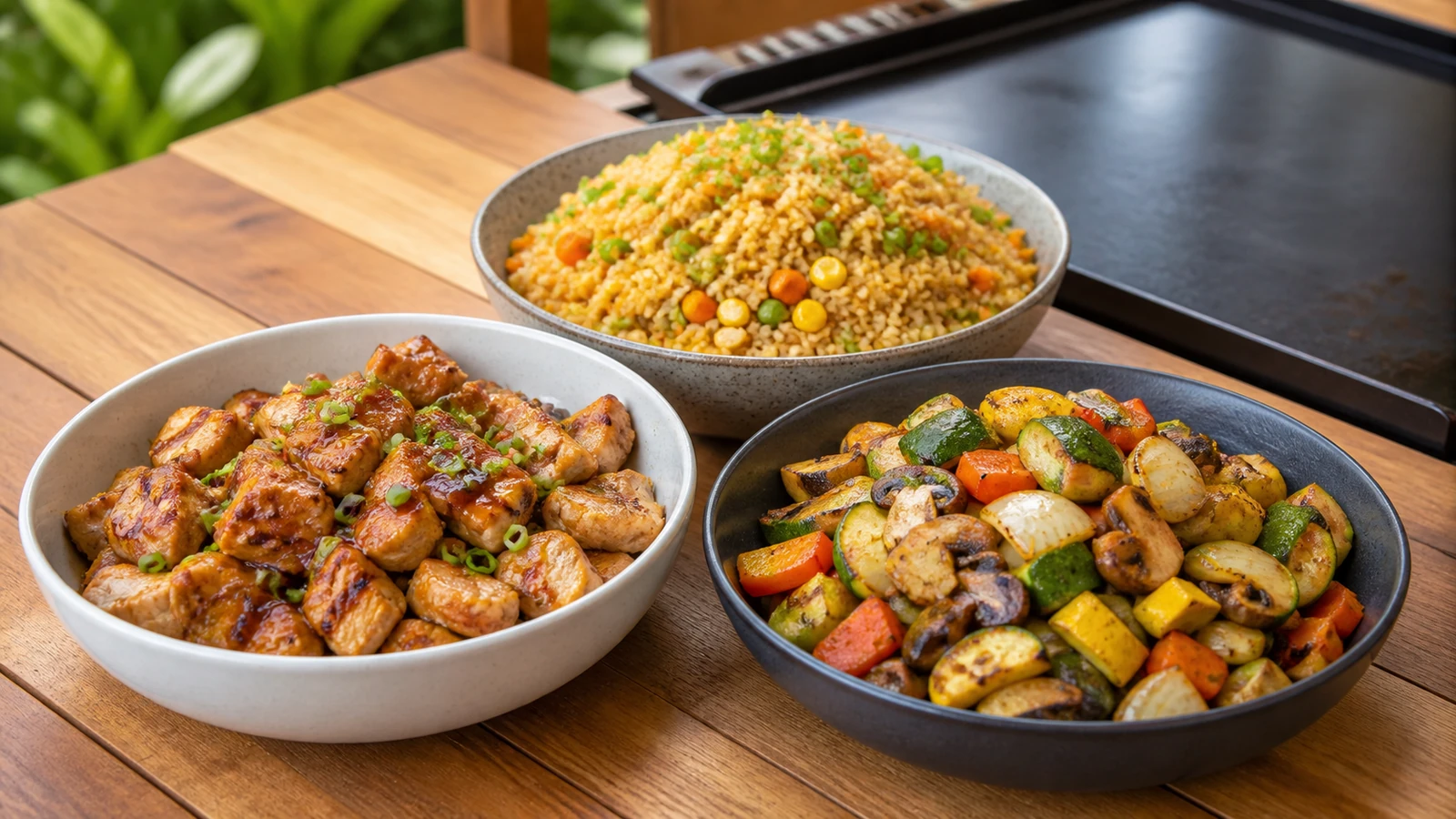
The last step is to mix everything together with a tasty glaze. Pour your signature sauces over the chicken and veggies while they’re still hot. This quick action adds a sticky, savory coating that makes the dish even better.
| Ingredient | Target Temp (F) | Cook Time | Texture Goal |
|---|---|---|---|
| Chicken Breast | 165°F | 5-7 Minutes | Golden & Juicy |
| Zucchini | N/A | 3-4 Minutes | Crisp-Tender |
| Onions | N/A | 4-5 Minutes | Caramelized |
A confident hibachi recipes blackstone comes from repetition, not from equipment.
Vegetable Medley Techniques for Hibachi Dinner
A vibrant vegetable medley can make your hibachi dinner stand out. These ingredients add color, nutrients, and a satisfying crunch. They balance out the richness of proteins.
Getting the timing right is key. This way, your vegetables stay fresh and crisp, not mushy.
The hibachi recipes blackstone is forgiving once the heat zones are set.
Choosing the Best Vegetables for Griddle Cooking
Picking the right produce is crucial for a great meal. Choose vegetables that can handle the griddle’s heat without losing shape. Japanese steakhouses often use these for a reason.
They offer a mix of sweetness and earthiness. Here are some reliable choices for your hibachi dinner:
- Zucchini: Sliced into thick rounds or half-moons for a tender bite.
- Onions: Thick-cut slices that caramelize beautifully on the hot surface.
- Mushrooms: Button or shiitake varieties provide a savory, meaty texture.
- Broccoli and Carrots: These add a bright pop of color and a firm, fresh snap.
Keep the following in mind throughout the hibachi recipes blackstone.
Achieving the Perfect Crunch and Texture
Managing moisture is key to professional results. Don’t overcrowd the griddle. This prevents steaming and ensures searing.
Cook in smaller batches for direct contact with the hot metal. Aim for a light char on the edges and a firm center. This contrast makes your hibachi dinner feel authentic and high-quality.
Remove the vegetables from the heat when they’re tender-crisp. This prevents overcooking.
The hibachi recipes blackstone finishes faster than most people expect.
Balancing Flavors with Aromatics
Vegetables are a blank canvas for bold flavors. The right aromatics can turn simple produce into a restaurant-style side dish. A mix of butter, garlic, and soy sauce creates a classic flavor profile.
Finish with a splash of sesame oil for a nutty, fragrant depth. This ensures your hibachi dinner is both delicious and visually appealing. Season gradually to preserve the natural taste of the vegetables.
Crafting Restaurant-Quality Hibachi Fried Rice
Making perfect fried rice on your Blackstone is simpler than you might think. Many home cooks focus on the main dish, but the sides are key. Pairing this rice with chicken hibachi makes a meal that’s as good as any teppanyaki place.
The Importance of Using Day-Old Rice
Choosing the right rice is crucial for a professional texture. Use day-old, refrigerated rice so the grains stay separate and don’t clump. Fresh rice is too moist and turns mushy on the griddle.
Chilled rice crisps up better. If you’re short on time, spread fresh rice on a baking sheet and freeze it for 20 minutes. This makes it dry enough for frying.
Techniques for Even Egg Distribution
Getting the eggs evenly distributed is key. Scramble them first on a clean part of the griddle. This stops them from making the rice rubbery.
Once the eggs are almost set, mix them into the rice. This way, every bite has just the right amount of egg and rice. It also keeps the dish looking neat and professional.
Layering Flavors with Soy and Butter
Using lots of butter and soy sauce adds authentic flavor. Start by melting butter, then add aromatics, and finally soy sauce. This creates a rich, umami taste that coats every grain.
| Rice Type | Texture Result | Best Use Case |
|---|---|---|
| Day-Old White Rice | Firm and Distinct | Ideal for chicken hibachi sides |
| Freshly Cooked Rice | Soft and Clumpy | Best for soups or bowls |
| Frozen Pre-Cooked Rice | Consistent | Quick weeknight meals |
Essential Hibachi Dipping Sauces You Must Try
No hibachi dinner is complete without the right dipping sauces. These sauces connect your smoky proteins with fresh veggies. Making them at home lets you control every flavor.
Making Creamy Yum-Yum Sauce at Home
Yum-yum sauce is key at Japanese steakhouses. It’s a mayo-based sauce that’s perfect with grilled shrimp. Making it at home lets you adjust the sweetness and tanginess to your taste.
To start, mix high-quality mayonnaise, melted butter, sugar, and tomato paste. Adjust the thickness by adding water or melted butter.
Preparing Ginger-Soy Dipping Sauce
Ginger-soy sauce is a sharp contrast to creamy sauces. It’s light and refreshing, perfect for cutting through the richness of your hibachi dinner.
Just mix grated ginger, soy sauce, rice vinegar, and sesame oil. This mix brings out the natural flavors of your food without overpowering them.
Customizing Your Sauce Profiles
Crafting your own sauces lets you experiment with bold flavors. You can adjust these recipes to fit your hibachi dinner theme with unique ingredients.
- Add Heat: Stir in sriracha or chili garlic sauce for a spicy kick.
- Brighten Flavors: A squeeze of fresh lemon or lime juice adds a necessary acidic pop.
- Enhance Aromatics: Extra minced garlic or toasted sesame seeds provide depth and texture.
Don’t be afraid to taste as you go. Adjusting your ratios ensures that every sauce you serve is a perfect reflection of your personal culinary style.
Common Mistakes to Avoid When Using Blackstone Hibachi
Even the most experienced chefs can make mistakes with a flat-top grill. Mastering a blackstone hibachi takes patience and attention to detail. Spotting these common errors early can make sure every meal is perfect.
Preventing Food from Sticking to the Surface
Food sticking is often due to a dirty surface or not enough oil. Always heat your griddle before cooking to create a barrier. Proactive maintenance helps avoid burnt residue.
Use a bench scraper to clean the griddle as you cook. This tool helps remove sticky bits before they harden. It keeps your cooking surface ready for the next dish of your favorite hibachi recipe.
Avoiding Overcooking Delicate Ingredients
High heat is great, but it can ruin delicate foods like shrimp or thin veggies. These cook fast, so watch closely. Timing is everything when using high heat.
“The secret to a great griddle meal is not just the heat, but knowing exactly when to pull the food off the surface to preserve its texture and flavor.”
Managing Smoke and Ventilation Outdoors
Cooking outside is perfect, but managing smoke is key for a good experience. Place your unit where air flows well to keep smoke away. This ensures your blackstone hibachi is the star of the show, not a nuisance.
| Common Issue | Primary Cause | Quick Fix |
|---|---|---|
| Food Sticking | Low Heat/Lack of Oil | Increase heat and use more oil |
| Burnt Residue | Neglecting to scrape | Use bench scraper frequently |
| Overcooked Shrimp | Heat left too high | Move to a cooler zone quickly |
| Excessive Smoke | Poor ventilation | Adjust unit position for airflow |
Staying away from these mistakes will improve your hibachi recipe skills. With practice, using your blackstone hibachi will become second nature. You’ll get consistent, top-notch results every time you grill.
Advanced Techniques for Blackstone Hibachi Enthusiasts
Mastering the griddle can make every meal special. Once you know the basics, you can try new things. These skills will make your hibachi recipes blackstone stand out and wow your guests.
Executing Professional Griddle Flips and Tricks
Adding flair to your cooking makes it fun for everyone. Try tossing your spatula or flipping food with skill. Always prioritize safety to avoid accidents.
“Cooking is an art, but the performance is what makes the meal unforgettable.”
While pros might slice meat on the griddle, it’s not safe for you. Use a cutting board to slice your meat first. This keeps your griddle in top condition for a long time.
Batch Cooking for Large Gatherings
Feeding a big group needs planning to keep everything hot. Start with proteins that stay warm. Then, keep them warm while you cook the rice and veggies.
Good batch cooking needs proper timing and planning. Have sauces, oils, and chopped veggies ready. This helps avoid the mess of cooking many dishes at once.
Experimenting with Fusion Flavors
Don’t stick to just traditional ingredients in your hibachi recipes blackstone. Try adding global spices or unique sauces. A little curry powder or chili crisp can add a surprising twist to your dishes.
Being creative is key to finding your own cooking style. Start by changing one ingredient to see how it affects the taste. This way, every time you cook outdoors, it’s a creative adventure.
Conclusion
Learning to cook hibachi on your Blackstone griddle turns your backyard into a pro kitchen. This journey lets you make top-notch meals right at home. Every time you sear or flip, you’re creating something special.
Getting the prep and heat right is key to great results. Use the best ingredients for dishes that wow your family. Your flat top grill is the foundation for these tasty creations.
Keep practicing to get better and find your own style. With each try, you’ll grow more confident and try new flavors.
Make meals that you and your guests will remember. Keep exploring what your griddle can do to keep dining outdoors exciting.
Share your best dishes with friends to spread the love of griddle cooking. Your hard work makes every meal a highlight of the week.
FAQ
What is the best oil to use for a blackstone hibachi recipe?
Can I use frozen vegetables for my hibachi recipes blackstone style?
How do I clean my Blackstone after cooking a messy hibachi meal?
Is there a specific type of rice that works best for hibachi fried rice?
How do I prevent my steak from becoming tough on the griddle?
Ingredients
Prep: 15 min · Cook: 20 min · Total: 35 min · Serves: 4 servings · 520 calories
- 1.5 lbs boneless, skinless chicken breast, cut into bite-size cubes
- 3 tablespoons soy sauce
- 1 tablespoon rice vinegar
- 2 teaspoons toasted sesame oil
- 3 tablespoons unsalted butter, divided
- 2 tablespoons vegetable oil
- 1 medium onion, sliced
- 1 medium zucchini, half-moons
- 8 oz mushrooms, sliced
- 3 garlic cloves, minced
- 1 teaspoon fresh ginger, grated
- 4 cups cooked and chilled white rice
- 2 large eggs, beaten
- 1/2 teaspoon black pepper
- 2 green onions, sliced
- 1 teaspoon toasted sesame seeds
Instructions
- Cut the chicken into even bite-size cubes so everything cooks at the same rate.
- Toss the chicken with 1 tablespoon soy sauce, the rice vinegar and 1 teaspoon sesame oil; rest 15 minutes.
- Preheat the flat-top griddle or a large heavy skillet over medium-high heat until very hot.
- Add 1 tablespoon vegetable oil and spread it across the surface.
- Cook the chicken in a single layer, undisturbed, 3-4 minutes until seared, then toss and cook 3-4 minutes more.
- Check the chicken reaches an internal temperature of 165°F (74°C), then move it to a cooler zone.
- Add the remaining oil and stir-fry the onion, zucchini and mushrooms 4-5 minutes until crisp-tender.
- Push the vegetables aside, add 1 tablespoon butter, the garlic and ginger, and cook 30 seconds until fragrant.
- Push everything to the side, pour the beaten eggs onto the hot surface and scramble quickly.
- Add the chilled rice, breaking up any clumps with the spatula.
- Drizzle the remaining soy sauce and sesame oil over the rice and toss constantly for 3-4 minutes.
- Add the remaining butter and fold everything together until glossy and evenly coated.
- Season with black pepper, then finish with green onions and sesame seeds and serve hot.
There are no reviews yet. Be the first one to write one.
Chicken must reach an internal temperature of 165°F (74°C) before it leaves the griddle. The USDA guidance on chicken and food safety sets out the temperatures and storage rules in full.
More hibachi guides worth cooking next: hibachi chicken recipe · blackstone hibachi.
Reviews
Reader reviews are managed separately (outside this build).