Soup
fresh tomato soup recipe: Easy, Velvety, Irresistible
Try this fresh tomato soup recipe for velvety, basil-rich comfort, with easy steps, optional cream, storage tips, and delicious serving ideas.
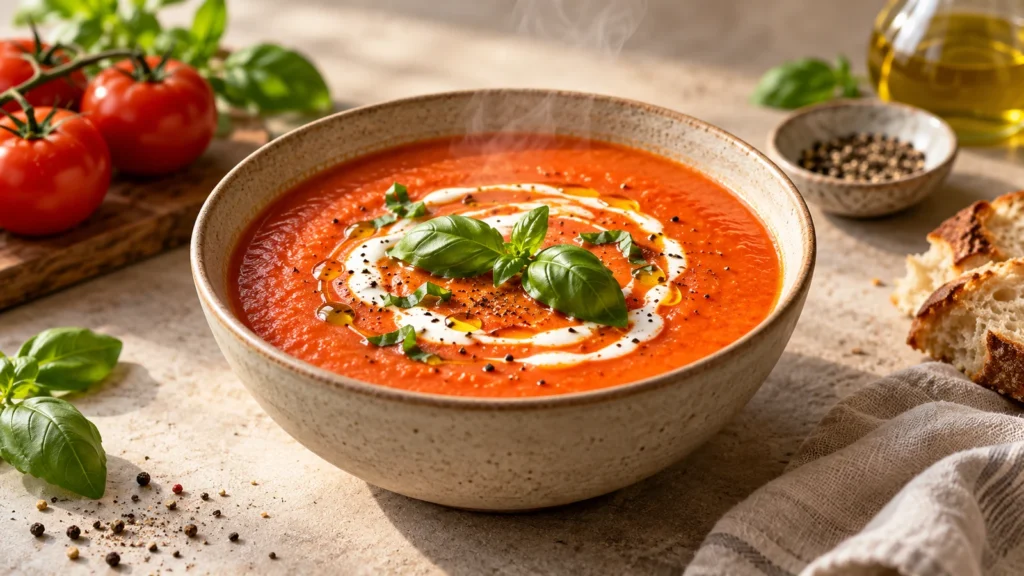
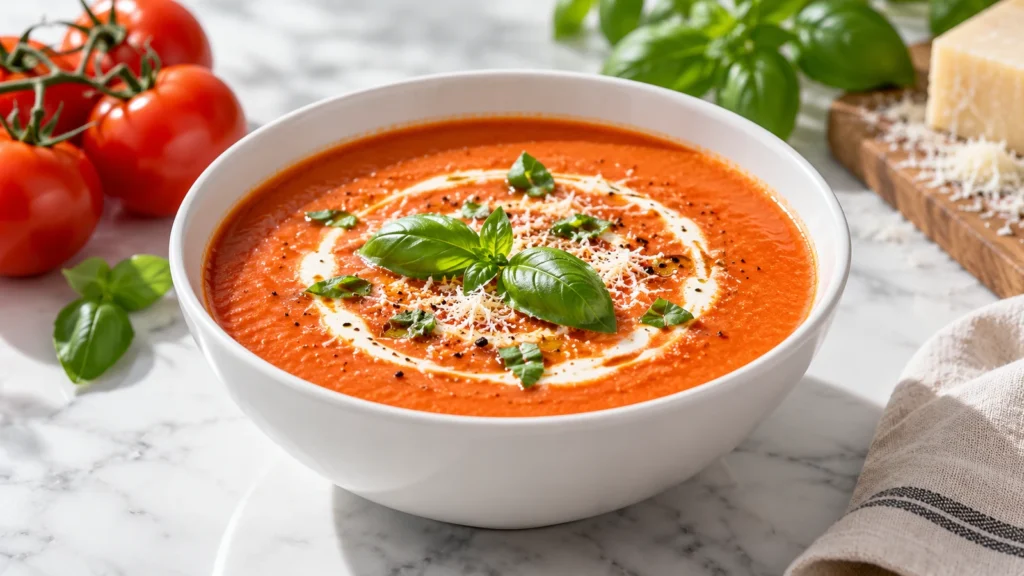
This fresh tomato soup recipe turns ripe summer tomatoes into a velvety, comforting meal in about 50 minutes. It makes 6 cups, or 4 generous servings, using simple ingredients and either a roasted or no-oven stovetop method.
Choose deeply colored tomatoes that feel heavy, smell fragrant near the stem, and yield slightly when pressed. Roasting concentrates their sweetness, while careful blending creates a smooth texture without requiring lots of cream. This fresh tomato soup recipe is especially useful when a garden or market haul needs to be enjoyed at peak ripeness.
If you prefer a richer bowl, the same base becomes a creamy tomato soup recipe with one optional addition. You will also find directions for a creamy tomato basil soup recipe, a recipe for tomato soup with tinned tomatoes, and a version inspired by a panera tomato soup recipe below.
Jump to the complete recipe card
Table of Contents
Why You’ll Love This Fresh Tomato Soup Recipe
- Fresh flavor: Ripe tomatoes and basil keep the soup bright and aromatic.
- Two cooking methods: Roast the tomatoes for deeper flavor or prepare everything on the stovetop.
- Flexible texture: Serve it rustic, silky smooth, creamy, or dairy-free.
- Freezer-friendly: Make a batch now and save portions for later.
- Easy to customize: Small adjustments let you balance tomatoes that are sweeter, sharper, juicier, or more intensely flavored.
Unlike a canned soup, this fresh tomato soup recipe lets you control the salt, acidity, richness, and final consistency. The ingredient list is short enough for a weeknight, while the roasted flavor is special enough for a relaxed lunch with guests.
Ingredients
- 3 pounds (1.36 kg) ripe tomatoes, preferably Roma, plum, or a mixture of Roma and beefsteak tomatoes
- 1 medium yellow onion, cut into wedges
- 5 garlic cloves, peeled
- 3 tablespoons olive oil, divided
- 1 teaspoon kosher salt, plus more to taste
- 1/2 teaspoon freshly ground black pepper
- 2 tablespoons tomato paste
- 2 cups (475 ml) low-sodium vegetable stock
- 1 teaspoon granulated sugar, optional
- 1/2 cup (120 ml) heavy cream, optional
- 1/4 cup loosely packed fresh basil leaves
- 1 teaspoon balsamic vinegar or fresh lemon juice, optional
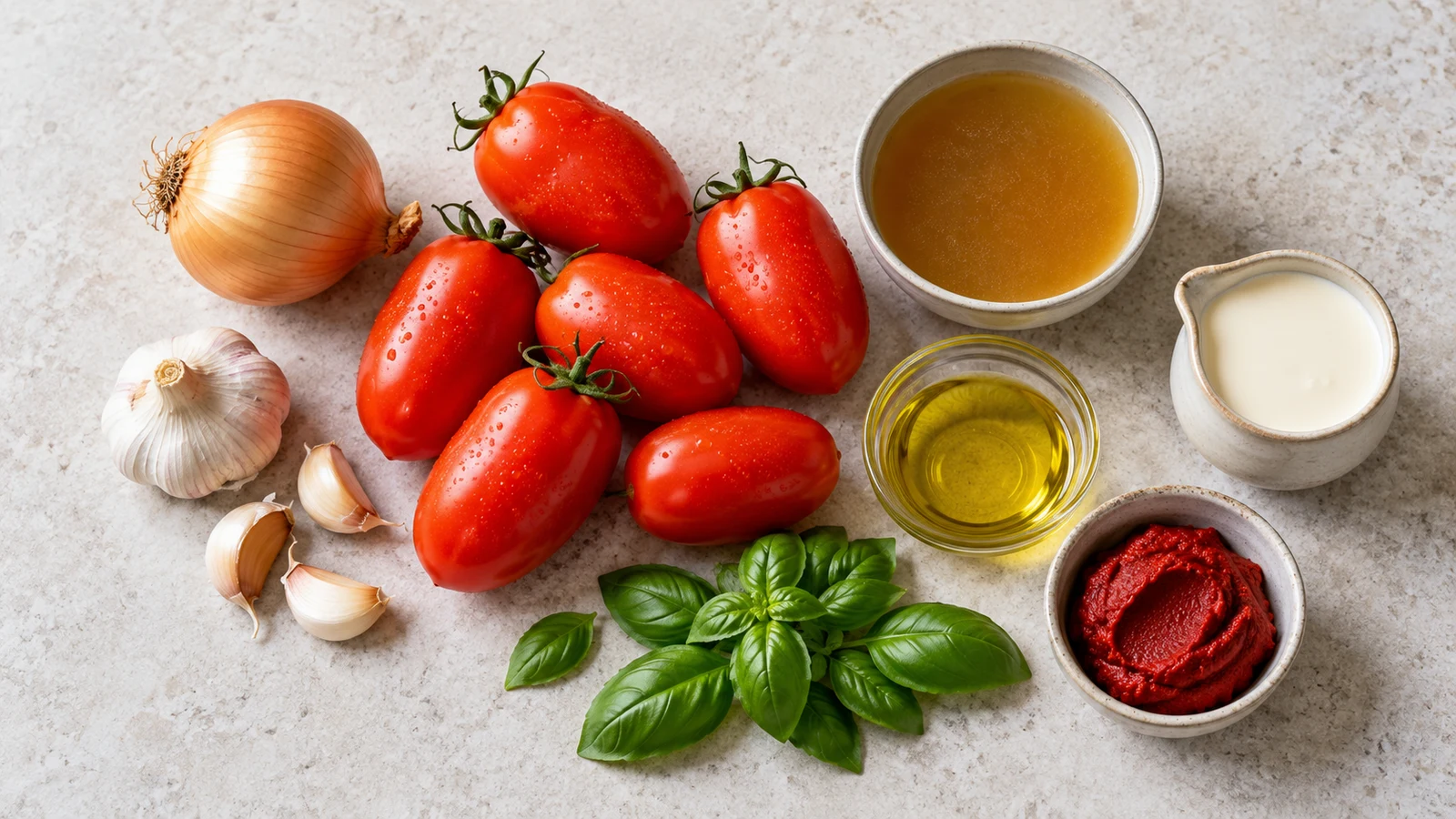
Roma tomatoes provide concentrated flavor and fewer seeds, while beefsteak tomatoes add juiciness. Avoid hard, pale tomatoes or fruit with fermented odors, leaking spots, or extensive mold.
How to Choose and Prepare the Tomatoes
The best tomatoes for this fresh tomato soup recipe are fully ripe but still firm enough to cut cleanly. A mixture often gives the most balanced result: meaty Roma tomatoes build body, while juicy beefsteak tomatoes supply liquid and a rounded garden flavor.
Minor surface cracks or irregular shapes are fine once damaged areas are trimmed. Cut the tomatoes into similarly sized pieces so they roast at the same rate. If one variety is especially watery, place its cut sides upward on the pan to retain more juice.
What Each Finishing Ingredient Does
Heavy cream softens acidity and turns the base into a creamy tomato soup recipe without masking the tomato flavor. Sugar is optional and should correct sharpness rather than make the soup sweet. Balsamic vinegar adds mellow depth, while lemon juice gives a cleaner, brighter finish.
Fresh basil is most aromatic when added after simmering. Prolonged cooking can dull its color and perfume, so wait until the soup is ready to blend. Tomato paste benefits from brief cooking because that step removes its raw taste and develops savory depth.
Equipment
- Large rimmed baking sheet
- Large heavy-bottomed pot
- Immersion blender or heat-safe countertop blender
- Fine-mesh sieve, optional
A broad rimmed sheet gives the vegetables room to brown rather than steam. If the pan is small, divide the vegetables between two sheets instead of crowding them. A heavy pot distributes heat evenly during the final simmer and reduces the chance of scorching.
How to Make This Fresh Tomato Soup Recipe
- Prepare the tomatoes: Heat the oven to 425°F (220°C). Core the tomatoes and cut them into halves or quarters so the pieces are similar in size. Peeling and seeding are unnecessary before roasting; strain the blended soup later if you want an exceptionally refined texture.
- Roast the vegetables: Arrange the tomatoes, onion, and garlic on a rimmed baking sheet. Toss with 2 tablespoons olive oil, salt, and pepper. Roast for 30 to 35 minutes, until softened and browned at the edges.
- Build the soup: Warm the remaining tablespoon of oil in a large pot over medium heat. Cook the tomato paste for 1 to 2 minutes, stirring, until it darkens slightly. Add the roasted vegetables, their juices, and the vegetable stock.
- Simmer: Bring to a gentle simmer and cook uncovered for 10 minutes. Add the basil, then remove the pot from the heat.
- Blend safely: Set an immersion blender fully beneath the surface before switching it on, then blend until smooth. For a countertop blender, cool the soup briefly and work in small batches, never filling the container more than halfway. Remove the center cap, cover the opening loosely with a folded kitchen towel, and begin on low speed so steam can escape.
- Finish: Return the soup to low heat. Stir in cream if desired, but do not boil. Taste and adjust with salt, sugar, or a small splash of balsamic vinegar or lemon juice.
For the no-oven method, chop the tomatoes and sauté the onion in olive oil for 5 minutes. Add garlic and tomato paste for 1 minute, then add tomatoes and stock. Simmer uncovered for 25 to 30 minutes before blending. This version tastes lighter than roasted tomato soup but preserves the tomatoes’ fresh character.
Whichever method you choose, scrape every roasted juice from the baking sheet into the pot. Those caramelized juices are a concentrated part of the fresh tomato soup recipe and help create a fuller flavor without adding more ingredients.
Expert Tips for the Best Fresh Tomato Soup Recipe
For a truly smooth creamy tomato soup recipe, blend thoroughly and pass the soup through a fine-mesh sieve. If you prefer to peel the tomatoes first, score an X on each base, blanch for 30 to 60 seconds, transfer to ice water, and slip off the skins. Scoop out seeds only when using unusually seedy tomatoes, since removing all the pulp also removes flavor.
- Give vegetables space: Spread them in one layer so moisture can evaporate and the edges can brown.
- Watch the garlic: Keep the cloves among the tomatoes and their juices so they soften without burning.
- Cook the tomato paste: Stir it constantly for 1 to 2 minutes, stopping when it darkens slightly and smells savory.
- Blend patiently: Continue until no visible flecks remain if you want a restaurant-style texture.
- Season in stages: Taste after blending, after adding cream, and once more before serving.
Let the roasted vegetables brown at the edges, but do not wait until the garlic or onion becomes black. Deep golden areas add complexity; burned spots add bitterness. If necessary, remove a tender garlic clove early while the tomatoes finish roasting.
To prevent curdling, use room-temperature cream and stir it into soup that is hot but no longer boiling. For another rich approach, compare this creamy tomato soup recipe with our classic creamy tomato soup.
How to Balance Flavor and Texture
Taste the blended soup before adding optional ingredients. Tomatoes vary considerably, so the correct finishing touch depends on the batch. Salt should come first because underseasoning can make both sweetness and acidity seem muted.
- Too acidic: Add sugar 1/4 teaspoon at a time, more cream, or a small pinch of baking soda. Baking soda foams, so stir in only a pinch.
- Bitter: Avoid burned garlic, scorched tomato paste, and excessive basil stems. A little cream or sugar may soften mild bitterness.
- Watery: Simmer uncovered until reduced, or add another tablespoon of tomato paste.
- Too thick: Add stock in 1/4-cup increments until the consistency is right.
- Bland: Add salt first, then brighten the soup with vinegar or lemon juice.
Make one adjustment at a time and taste again before adding anything else. A creamy tomato soup recipe may need less sugar or acid than the dairy-free version because cream already rounds the sharper notes.
Variations and Substitutions
Creamy Tomato Basil Soup Recipe
For a creamy tomato basil soup recipe, increase the basil to 1/2 cup and add the leaves only after simmering. Blend in 3/4 cup (180 ml) cream, reserving a few tender basil leaves for serving.
Keep the basil leaves whole until they go into the pot to preserve their aroma. This creamy tomato basil soup recipe tastes best when the basil supports the ripe tomatoes instead of overwhelming them, so avoid adding tough stems.
Recipe for Tomato Soup With Tinned Tomatoes
For a reliable recipe for tomato soup with tinned tomatoes, replace the fresh tomatoes with two 28-ounce cans (two 794 g cans) of whole peeled tomatoes and their juices. Skip roasting the tomatoes, sauté the onion and garlic, and simmer everything for 25 minutes. Reduce the stock to 1 cup (240 ml), adding more only if needed.
Whole peeled tomatoes are useful because you can see their quality and crush them as they cook. This recipe for tomato soup with tinned tomatoes is convenient outside tomato season and keeps the remaining quantities and finishing choices familiar.
Panera-Inspired Variation
For a Panera-inspired variation—not an exact panera tomato soup recipe—use canned San Marzano-style tomatoes, 3/4 cup (180 ml) heavy cream, 1 tablespoon sugar, and a pinch of dried oregano. Blend until completely smooth and serve with croutons.
The extra cream and sugar give this version a sweeter, rounder profile. Anyone searching for a panera tomato soup recipe can use this variation as a homemade interpretation while adjusting the final seasoning to personal taste.
Vegan, Dairy-Free, and Gluten-Free
The base soup is naturally gluten-free when the vegetable stock is certified gluten-free. For vegan or dairy-free tomato soup, omit the cream or replace it with unsweetened cashew cream or full-fat coconut milk. Check every packaged ingredient label if cooking for someone with a medical dietary restriction.
Cashew cream has a fairly neutral flavor and preserves the tomato’s character. Coconut milk makes the soup rich but may add a noticeable coconut note. Begin with less of either substitute, blend, and add more only if the soup needs additional body.
Rustic or Extra-Silky Texture
For rustic soup, stop blending while a few soft pieces remain. For an extra-silky creamy tomato soup recipe, blend until completely uniform and press the soup through a fine-mesh sieve with the back of a spoon. Straining removes fine seeds and skin fragments but does not alter the recipe’s flavor.
Roasted Red Pepper Variation
Add roasted red pepper as a flavor variation only if desired, keeping the listed tomato base unchanged. The pepper brings sweetness and a lightly smoky quality. Blend it with the roasted vegetables and taste before using optional sugar because the pepper may provide enough natural sweetness.
Serving Ideas
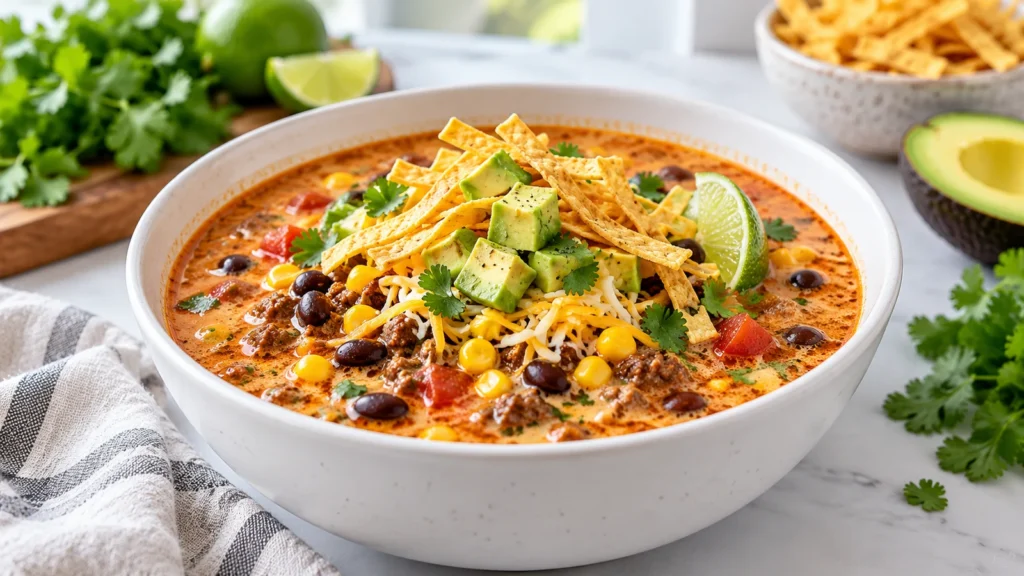
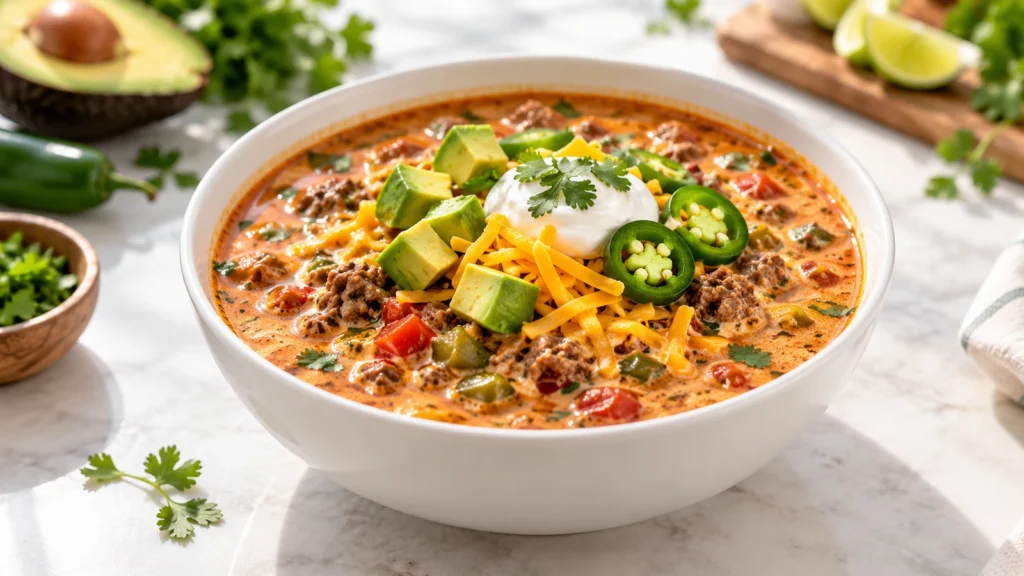
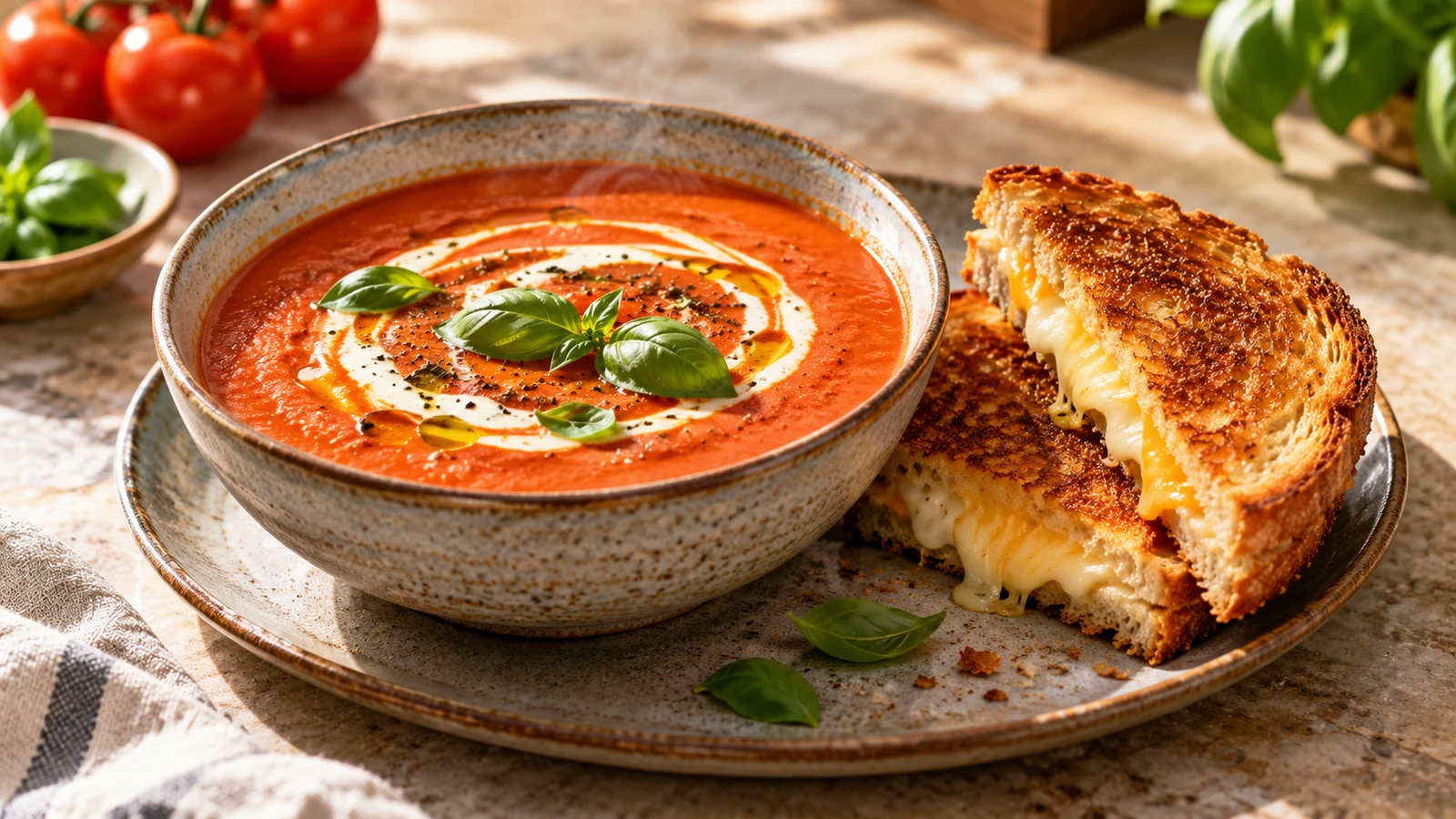
Serve the soup with grilled cheese, garlic bread, croutons, or a crisp green salad. A swirl of cream, cracked pepper, and torn basil make simple garnishes. For a larger cozy menu, pair smaller bowls with tomato soup beef stroganoff, or follow the meal another day with creamy taco soup.
For lunch, serve this fresh tomato soup recipe in shallow bowls with toasted sourdough. At dinner, add a substantial salad with crisp vegetables or a warm sandwich. Smaller cups also work as a starter before a simple pasta or roasted vegetable main course.
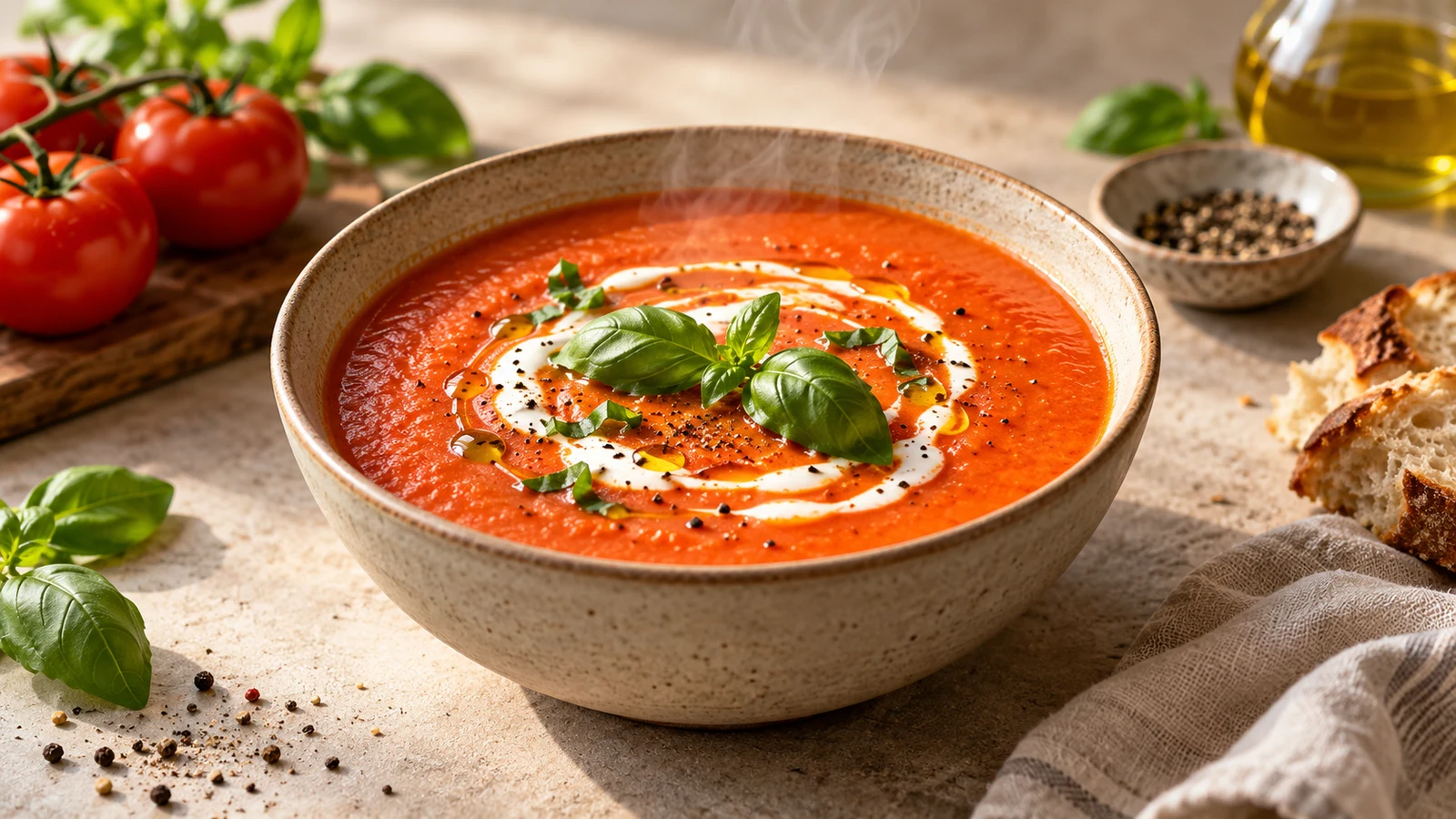
Choose garnishes that add contrast without hiding the soup. Crunchy croutons complement a silky bowl, while torn basil adds freshness to a creamy tomato basil soup recipe. Add any cream swirl immediately before serving so the pattern remains visible.
Make-Ahead, Storage, Freezing, and Reheating
Making the Soup Ahead
Prepare the fresh tomato soup recipe through blending, then cool and refrigerate it without cream. The flavor often becomes more cohesive after resting overnight. Add fresh basil and cream during gentle reheating so their flavor and texture remain at their best.
You can also roast the tomatoes, onion, and garlic one day ahead. Refrigerate the vegetables with all their juices in an airtight container, then continue with the tomato paste, stock, simmering, and blending when ready.
Refrigerating Leftovers
Cool leftovers promptly and refrigerate them in shallow, airtight containers within 2 hours. Keep for 3 to 4 days at 40°F (4°C) or below, following the FDA’s safe food-storage guidance.
Divide a large batch into smaller containers so it cools efficiently and individual portions are easy to reheat. Label the containers with the preparation date rather than relying on memory.
Freezing Tomato Soup
For freezing tomato soup, omit the cream for the smoothest result and freeze cooled portions in labeled airtight containers with expansion space for up to 3 months. The USDA explains that properly frozen food remains safe longer, although quality gradually declines, in its freezing and food safety guidance.
A recipe for tomato soup with tinned tomatoes freezes in the same way as the fresh version. If dairy has already been added, the thawed soup may look separated. Gentle reheating and a quick blend can often restore a smoother consistency.
Reheating Safely
Thaw overnight in the refrigerator. Reheat gently in a saucepan over medium-low heat, stirring often, until it reaches 165°F (74°C); add cream after reheating. The same minimum temperature appears in the FDA safe-temperature chart.
If the soup thickens in storage, stir in stock 1 tablespoon at a time. Avoid a hard boil after adding cream. A frozen creamy tomato soup recipe may benefit from brief blending after it is fully hot.
Troubleshooting Common Problems
Why Is My Soup Thin?
Fresh tomatoes release different amounts of water. Simmer the soup uncovered so excess moisture can evaporate, stirring more frequently as it thickens. Tomato paste can add body, but reduction gives the cleanest tomato flavor.
Why Is the Soup Grainy?
Graininess usually comes from tomato skins, seeds, insufficient blending, or separated dairy. Blend longer while following the hot-liquid precautions, then strain if needed. If cream separated, keep the heat low and blend again until the soup looks uniform.
Why Does It Taste Too Sweet?
Do not add the optional sugar until after blending and tasting. If the finished soup is sweeter than desired, a small splash of balsamic vinegar or lemon juice can restore balance. Add it gradually so acidity does not take over.
Why Is My Soup Orange Instead of Red?
Blending incorporates tiny air bubbles, and cream lightens the natural red color. This is normal and does not indicate a problem. Deeper red tomatoes and less cream will produce a darker bowl, while the flavor remains the more important guide.
How Can I Fix Scorched Soup?
Stop stirring as soon as you notice scorching, because scraping the bottom distributes the burned flavor. Carefully transfer the unburned soup at the top to a clean pot. If it still tastes strongly bitter or smoky, beginning again is safer than adding enough sugar or cream to disguise it.
Nutrition Information
One of four servings contains approximately 250 calories, 5 g protein, 22 g carbohydrate, 4 g fiber, 13 g sugar, 17 g fat, and 620 mg sodium when prepared with cream. Values are estimates and vary with tomato sweetness, stock, salt, and substitutions.
Omitting the cream or choosing a dairy-free substitute changes the estimated nutrition. Garnishes, bread, grilled cheese, and other accompaniments are not included in these values.
Frequently Asked Questions
Can I make the fresh tomato soup recipe without an immersion blender?
Yes. Use a countertop blender with the hot-liquid precautions above, or mash the vegetables for a chunky soup. A food mill also removes skins and seeds while producing a smooth consistency.
Do fresh tomatoes need to be peeled?
No. Thorough blending handles most tender skins, and straining removes remaining pieces. Peel thick-skinned tomatoes if you do not plan to strain the soup.
Why did my cream curdle?
The soup was probably boiling or the cream was very cold. Lower the heat, temper room-temperature cream with a ladle of warm soup, and then stir the mixture into the pot.
Can I prepare this fresh tomato soup recipe ahead?
Yes. Make it up to three days ahead and refrigerate it without cream. Reheat gently and add the cream and fresh basil shortly before serving.
Can I double the recipe?
Yes, provided your baking sheets and pot are large enough. Divide the vegetables between sheets so they are not crowded, and rotate the pans if they brown unevenly. The soup may need a little more simmering time in a larger batch.
Can I use an equal mixture of tomato varieties?
Yes. Combining Roma, plum, and beefsteak tomatoes can improve both body and juiciness. What matters most is that every tomato is ripe, flavorful, and free from spoilage.
Can I make a creamy tomato soup recipe without heavy cream?
Yes. Unsweetened cashew cream or full-fat coconut milk can provide richness. You can also omit dairy entirely and blend thoroughly for a naturally smooth texture, although the result will taste brighter and less mellow.
Is the recipe for tomato soup with tinned tomatoes as thick as the fresh version?
It can be. The recipe for tomato soup with tinned tomatoes begins with less stock because canned tomatoes include juice. Simmer it uncovered if it needs further thickening, or add stock gradually if it becomes too concentrated.
How is the Panera-inspired version different?
The variation inspired by a panera tomato soup recipe uses canned San Marzano-style tomatoes, more cream, sugar, and dried oregano. It is sweeter and richer than the main fresh-tomato version, but it is not presented as the restaurant’s exact formula.
Can dried basil replace fresh basil?
Fresh basil gives the brightest result, especially in a creamy tomato basil soup recipe. If fresh basil is unavailable, add a small amount of dried basil during simmering rather than at the end, then taste before adding more.
Should I strain the soup?
Straining is optional. It produces a refined texture by removing seed and skin fragments, but it also adds an extra step. A powerful blender may make the soup smooth enough without it.
Complete Recipe Card
Description: This fresh tomato soup recipe blends ripe roasted tomatoes, onion, garlic, basil, and vegetable stock into a smooth, balanced soup.
- Yield: 4 servings, about 6 cups
- Preparation time: 15 minutes
- Cooking time: 35 minutes
- Total time: 50 minutes
Ingredients: 3 pounds (1.36 kg) tomatoes; 1 onion; 5 garlic cloves; 3 tablespoons olive oil; 1 teaspoon salt; 1/2 teaspoon pepper; 2 tablespoons tomato paste; 2 cups (475 ml) vegetable stock; 1/2 cup (120 ml) cream; 1/4 cup basil; optional sugar and balsamic vinegar.
Instructions: Roast the tomatoes, onion, and garlic at 425°F (220°C) for 30 to 35 minutes. Cook the tomato paste briefly in a pot, add the roasted vegetables and stock, and simmer for 10 minutes. Add basil, blend safely, and stir in cream over low heat. Adjust seasoning and serve warm.
A Comforting Soup for Any Season
With ripe tomatoes and a few pantry staples, this fresh tomato soup recipe delivers a smooth texture and balanced garden flavor. Choose the roasted or stovetop method, then tailor the finish to suit your meal.
Turn it into a creamy tomato soup recipe for extra richness, increase the herbs for a creamy tomato basil soup recipe, or use the dependable recipe for tomato soup with tinned tomatoes when fresh produce is out of season. The Panera-inspired option offers another comforting direction for anyone interested in a homemade panera tomato soup recipe.
Serve the finished soup with your favorite crisp or cheesy accompaniment, and refrigerate or freeze extra portions for an easy future meal.
There are no reviews yet. Be the first one to write one.
Reviews
Reader reviews are managed separately (outside this build).