Beef
Beef Bottom Round Roast Recipe: Simple Guide
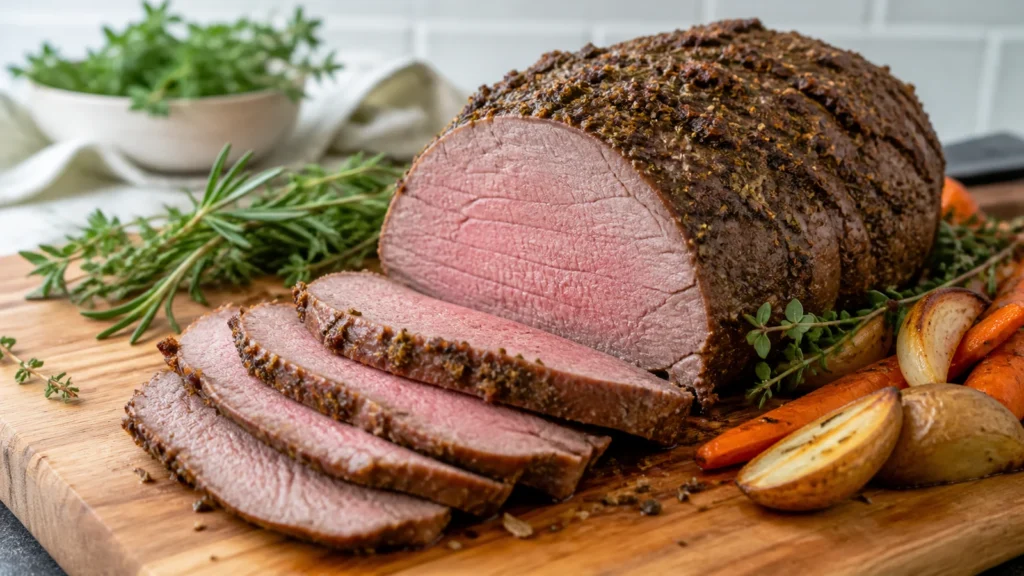
A beef bottom round roast recipe is a deli-counter cut, and that is the clue to cooking it. Bottom round is lean, tightly grained and cheap, and it works when it is cooked low and sliced very thin.
At 225°F the temperature gradient across the roast stays narrow, so the outer inch is barely more cooked than the centre. At 400°F the same roast has a wide grey band and a small pink core.
Below you will find the ingredient table, a temperature guide, the method, tips, variations, serving ideas, troubleshooting, storage notes and six common questions.
Key Takeaways
- Pat the roast dry before seasoning for better browning.
- Use the thermometer as the final guide, not the clock alone.
- Rest the roast before slicing so the juices settle into the meat.
- Slice against the grain for the most tender bite.
Why This Recipe Works
This beef bottom round roast recipe uses gentle oven roasting to build flavor without complicated steps. Salt, pepper, garlic, and herbs support the natural beefy taste, while a measured rest keeps the texture pleasant instead of dry. The process is flexible enough for a modest weeknight meal and polished enough for company.
At a Glance
| Detail | Plan |
|---|---|
| Prep time | 20 minutes |
| Cooking method | gentle oven roasting |
| Estimated cook time | 1 1/2 to 2 1/2 hours |
| Rest time | 20 minutes |
| Serves | 6 to 8 |
Ingredients for Beef Bottom Round Roast Recipe
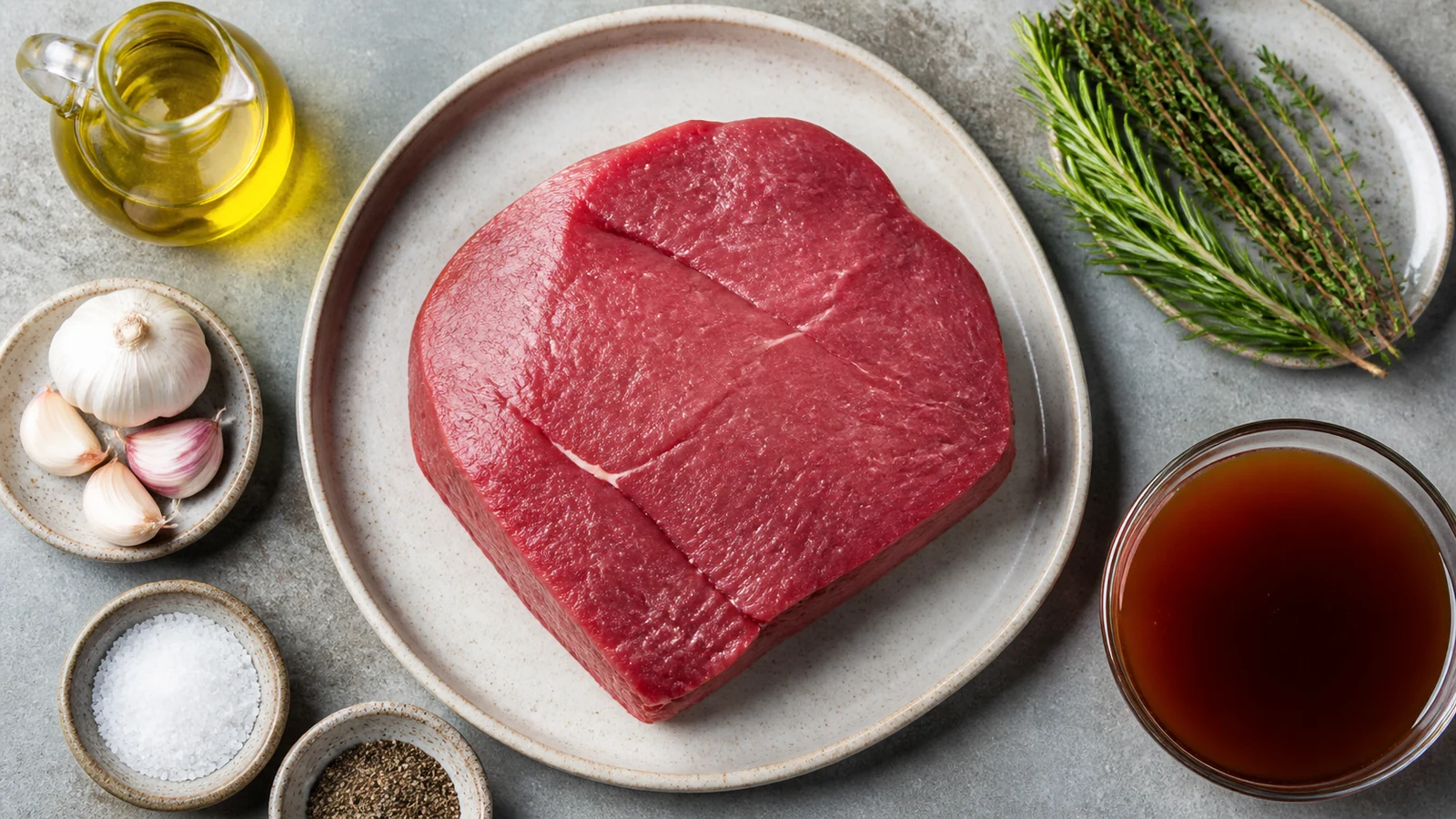
Gather the ingredients before you begin. Exact quantities can be adjusted to the size of your roast, but the balance of salt, aromatics, and broth keeps this a lean, tender bottom round roast deeply savory.
| Ingredient | Purpose |
|---|---|
| Bottom round roast | Main cut |
| Olive oil | Helps browning |
| Salt and pepper | Seasoning |
| Garlic | Savory flavor |
| Beef broth | Pan moisture |
Ingredient Notes
Choose a roast with an even shape so it cooks predictably. Fresh garlic and herbs give the outside a clean, savory aroma. Low-sodium beef broth lets you control the seasoning, and a small amount of oil helps the spices adhere.
How to Make Beef Bottom Round Roast Recipe
- Take the roast from the refrigerator 30 to 45 minutes before cooking, then pat it very dry.
- Season all sides generously with salt, black pepper, garlic, and herbs.
- Heat the cooking vessel and brown the roast where the method calls for it; do not rush this step.
- Add broth and aromatics, then cook until the center reaches your preferred safe doneness.
- Transfer the roast to a board, tent loosely, and rest before slicing against the grain.
Food Safety and Doneness
An instant-read thermometer is the most reliable tool for beef bottom round roast recipe. For whole cuts of beef, follow the current USDA guidance on safe handling, cooking, and resting time. Keep raw beef separate from ready-to-eat foods and wash boards, knives, and hands after preparation. USDA beef safety guidance explains these basics in detail.
Timing Guide
| Roast size | Cooking plan | What to check |
|---|---|---|
| 2 to 3 pounds | Start checking early | Center temperature |
| 3 to 4 pounds | Use the full estimated time | Tenderness and temperature |
| 4 to 5 pounds | Allow extra time | Temperature, then rest |
Best Tips
- Bring the meat closer to room temperature only briefly; keep it covered and safe.
- Do not pierce the roast repeatedly while it cooks.
- Use a shallow carving angle and slice thinly against the grain.
- Save the pan juices or cooking liquid for serving.
Variations
For a brighter version of this beef bottom round roast recipe, add rosemary and thyme. For a deeper onion flavor, add sliced onions beneath the roast. You can also serve the finished beef with the reduced cooking juices, a simple gravy, or horseradish sauce on the side.
What to Serve With
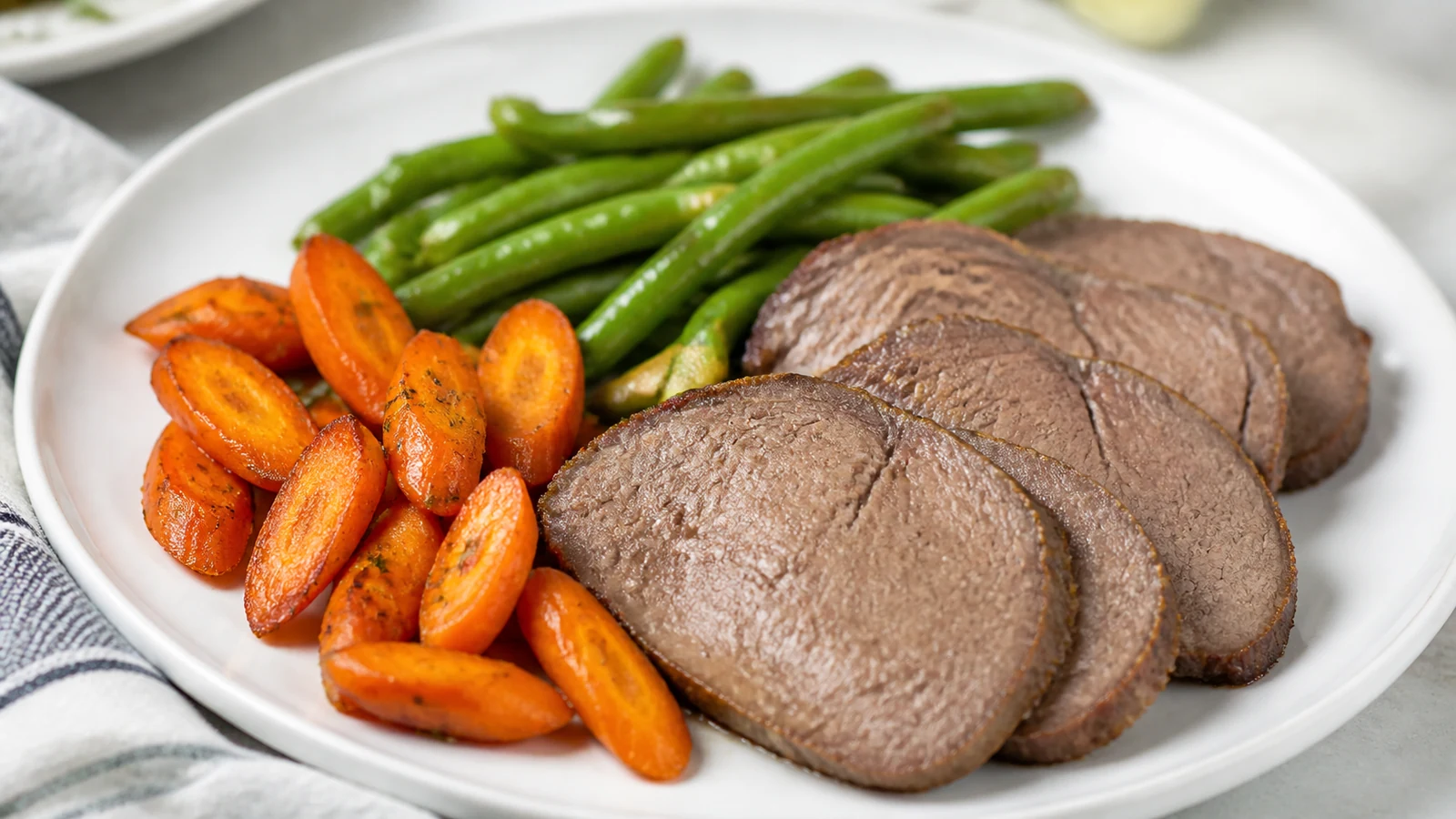
Serve a lean, tender bottom round roast with roasted vegetables, mashed potatoes, a crisp green salad, or warm rolls. A simple vegetable side is especially useful when the roast is rich, because it keeps the plate balanced and lets the beef remain the centerpiece.
Troubleshooting
If the roast seems firm, it may need more cooking time or a longer rest, depending on the cut and method. If it tastes underseasoned, finish slices with a pinch of salt and a spoonful of warm pan juices. If the exterior darkens too quickly, lower the heat and cover as needed.
Storage
Cool leftover a lean, tender bottom round roast promptly, divide it into shallow containers, and refrigerate it within two hours. Keep the meat with a little of its cooking liquid whenever possible to protect the texture.
Refrigerator
Store cooked roast beef in an airtight container for up to four days. Reheat slices gently with a splash of broth, covered, until hot throughout.
Freezer
For longer storage, wrap cooled portions tightly and freeze for up to three months. Thaw overnight in the refrigerator before reheating.
Leftovers
Thin slices are excellent in sandwiches, grain bowls, salads, or quick skillet meals. Add the meat near the end when reheating so it stays tender.
Frequently Asked Questions
How do I keep the roast tender?
Use moderate heat, check the center with a thermometer, and let the roast rest before slicing.
Should I cover the roast while it cooks?
Follow the cooking method: covering helps braise tougher cuts, while uncovered cooking encourages a browned exterior.
Can I make this recipe ahead?
Yes. Cook, cool, refrigerate, and reheat slices gently with a little broth.
How should I slice roast beef?
Always look for the grain of the meat and cut across it in thin slices.
What is the best way to reheat leftovers?
Warm the slices covered over low heat with a small amount of broth or pan juices.
How do I know when the roast is ready?
Use an instant-read thermometer and the texture appropriate for the particular cut.
The Case for a 225 Degree Oven
Heat moves into a roast from the outside. The hotter the oven, the steeper the difference between surface and centre by the time the middle reaches temperature.
A low oven flattens that curve. It takes longer, roughly forty minutes a pound, but you get an even colour through the slice, which is exactly what a lean cut needs.
Finish under a hot broiler for three minutes if you want a crust. Doing it at the end costs the interior nothing.
Slicing It Like a Deli
Bottom round is never going to be tender in a thick slice. Cut it a sixteenth of an inch thick, against the grain, and it eats like the roast beef you buy sliced.
Chill the cooked roast completely before slicing if you want it really thin. Cold, firm meat holds its shape under the knife in a way warm meat does not.
Dry Brining a Lean Roast
A teaspoon of salt per pound, applied a day ahead and left uncovered in the refrigerator, does two things: it seasons the interior and it dries the surface so it browns properly.
It also helps the muscle hold onto moisture during cooking, which matters more on a cut with no fat to fall back on.
More Beef Recipes to Try
Explore more recipes in this roast collection: smoked prime rib roast beef recipe, beef sirloin tip roast recipe, beef striploin roast recipe, beef chuck roast recipe for oven, beef sirloin roast crock pot recipes, leftover roast beef recipes, roast beef sliders recipe, beef sirloin tip roast slow cooker recipe, beef eye round roast recipe, beef rump roast crock pot recipe, roast beef recipe slow cooker, beef arm roast recipe, beef ribeye roast recipes.
Final Thoughts
With careful seasoning, steady gentle oven roasting, and a proper rest, this beef bottom round roast recipe is a reliable way to serve a satisfying beef dinner. Save the timing notes, use the thermometer, and make the slices as thin as your cut allows.
Planning ahead makes beef bottom round roast recipe more dependable. Check the weight of the roast, the capacity of your pan, and the time you need for resting before you begin.
For beef bottom round roast recipe, seasoning the surface evenly matters more than using a long list of spices. A simple salt-and-pepper base gives the beef a clear, balanced flavor.
The best texture for beef bottom round roast recipe comes from matching the heat to the cut. Leaner roasts benefit from gentle cooking, while marbled roasts can take a hotter start for a stronger crust.
When cooking beef bottom round roast recipe, keep the cooking liquid modest. It should support the roast and later become a spoonable sauce, rather than cover the meat completely unless you are braising.
A thermometer turns beef bottom round roast recipe from a guess into a repeatable dinner. Insert it into the thickest part of the roast and avoid touching bone, fat pockets, or the pan.
Resting is not optional for beef bottom round roast recipe. During this pause, the heat settles and the juices redistribute, which makes every slice look neater and taste more tender.
For clean serving, slice beef bottom round roast recipe only as you need it. Keeping the remaining portion intact protects it from drying out and makes leftovers easier to store.
If you are preparing beef bottom round roast recipe for guests, make the side dishes first. The roast can rest while you warm vegetables, finish a salad, or set out bread.
The cooking juices from this recipe should taste balanced before serving. Skim excess fat if needed, then adjust with a pinch of salt, pepper, or a little broth.
To scale this recipe for a smaller household, choose the same cut in a smaller size and start checking early. Thickness, not just weight, determines when the center is ready.
For make-ahead meals, this recipe is especially useful when cooled in its juices. Chilled slices stay moist and can be warmed gently for sandwiches, bowls, or a second dinner.
Keep notes the first time you make this recipe: roast weight, start time, internal temperature, and resting time. Those details make the next batch easier to personalize.
A good roast should taste like beef first, with herbs and aromatics in the background. This simple approach keeps the recipe flexible for weeknights and special meals alike.
There are no reviews yet. Be the first one to write one.
Reviews
Reader reviews are managed separately (outside this build).