Beef
Cozy beef and noodles recipe: Homestyle Comfort
Make this beef and noodles recipe with tender beef, egg noodles, and rich homemade gravy, plus easy variations, serving tips, and storage advice.
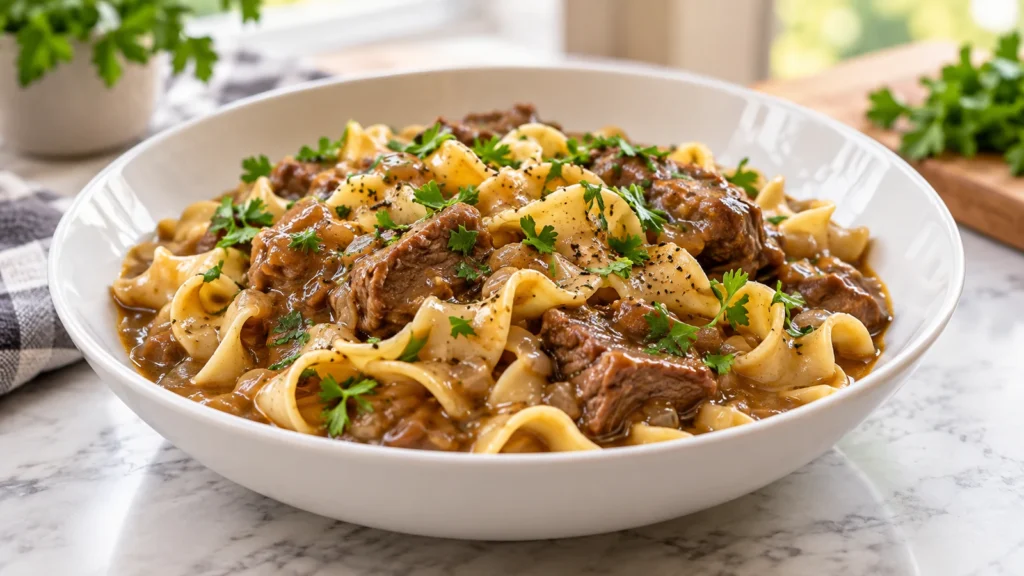
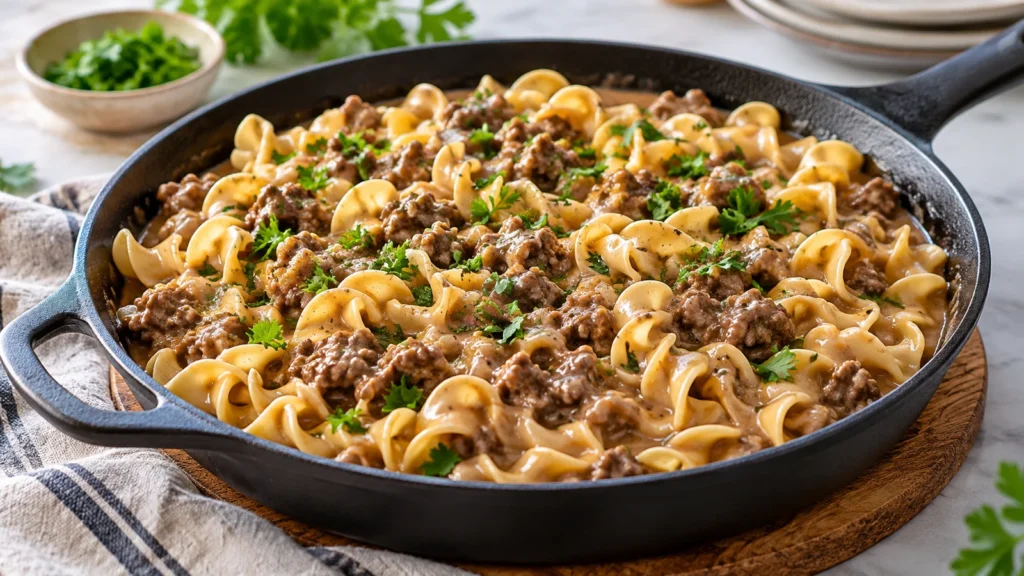
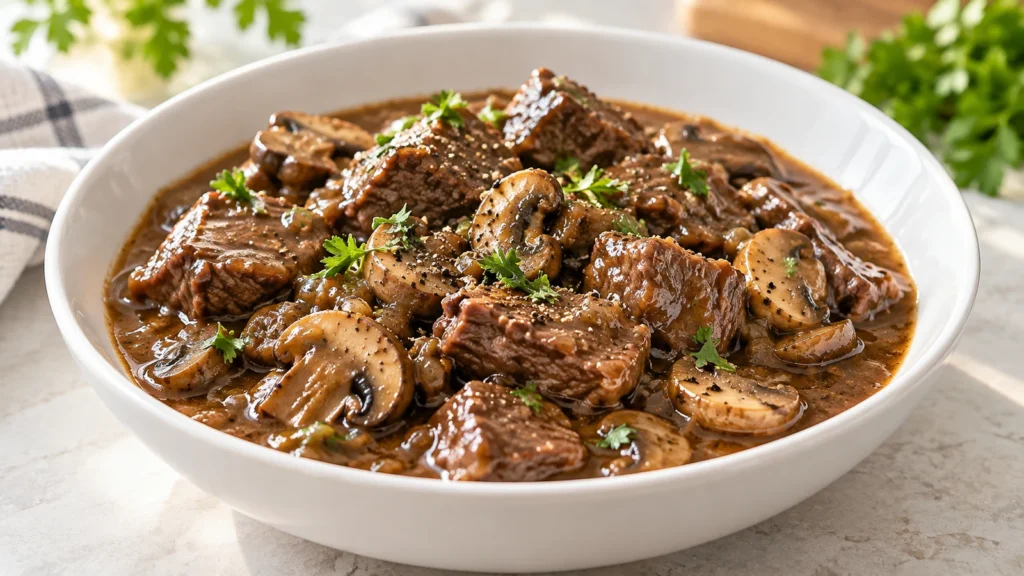
This beef and noodles recipe takes about 2 hours on the stovetop, but only 25 minutes requires active work. Beef chuck becomes fork-tender in savory broth, while egg noodles and a smooth, rich gravy make every bowl deeply comforting.
The method is beginner-friendly and reliable because the beef is browned in batches, simmered until truly tender, and combined with separately cooked noodles at the end. That sequence builds flavor without leaving you with tough meat or mushy noodles. It also gives this beef and noodles recipe the hearty character of a slow-cooked meal without demanding constant attention.
Table of Contents
Why You’ll Love This Recipe
- Comforting: Tender beef, egg noodles, and homemade gravy make a satisfying family dinner.
- Condensed-soup-free: The sauce gets its body from flour and broth.
- Flexible: You can use chuck roast, beef tips, or leftover cooked roast.
- Make-ahead friendly: The beef and gravy taste even better the next day.
- Budget conscious: Economical chuck becomes tender through gentle simmering.
Unlike a quick ground beef and noodles recipe, this version gives chuck enough time to release its rich flavor into the gravy. The result resembles an old fashioned beef and noodles recipe while using a straightforward, dependable stovetop method.
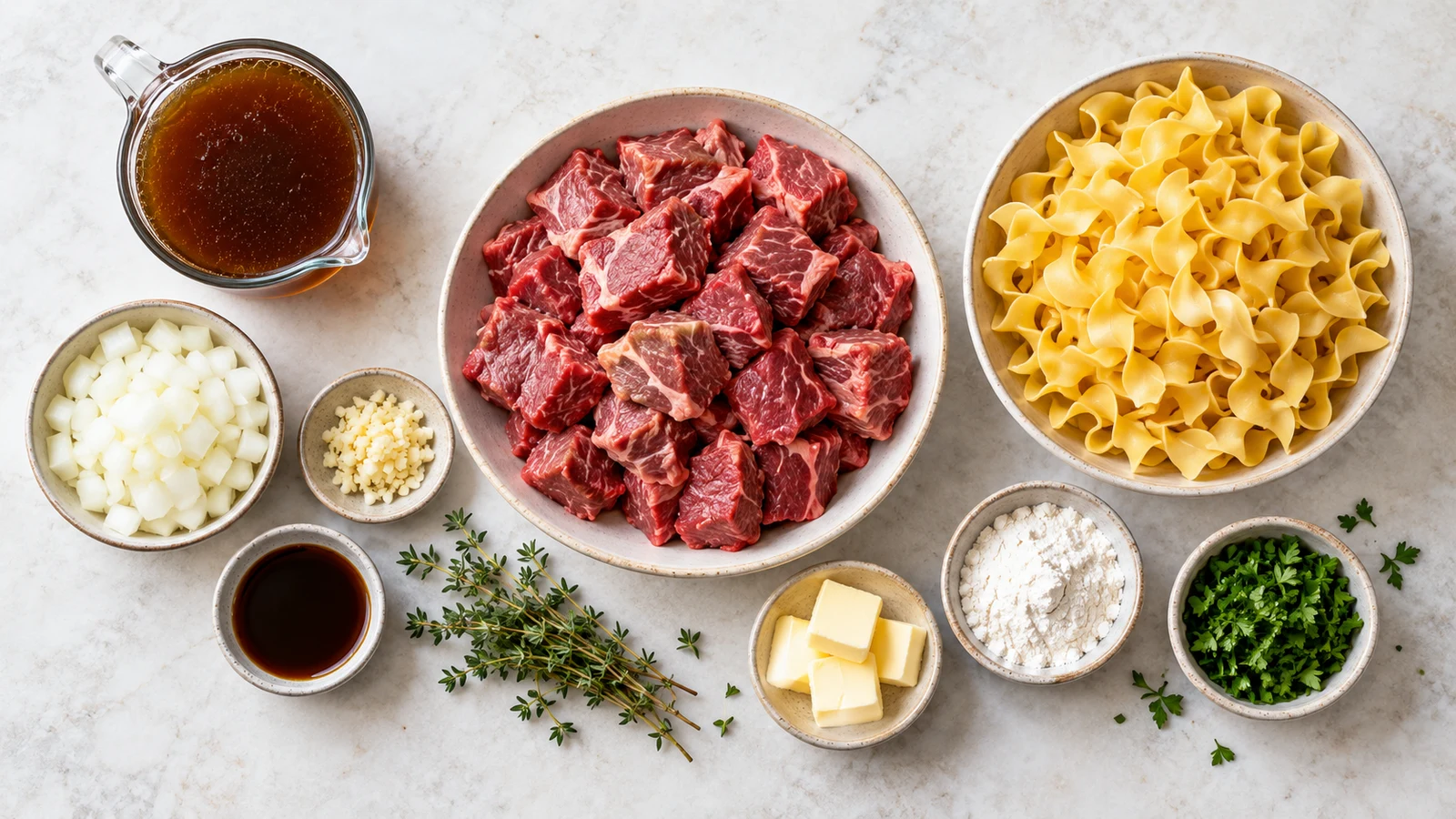
Ingredients and Their Roles
- 2 pounds (907 g) beef chuck roast: Cut into 1-inch pieces; its connective tissue softens during slow cooking.
- 1 teaspoon kosher salt and 1/2 teaspoon black pepper: Season the meat before browning.
- 2 tablespoons vegetable oil: Helps the beef develop a dark crust.
- 1 medium yellow onion: Adds sweetness and depth.
- 3 garlic cloves: Minced for savory flavor.
- 3 tablespoons all-purpose flour: Thickens the gravy.
- 4 cups (946 ml) low-sodium beef broth: Provides enough liquid to braise the beef and form the sauce.
- 1 tablespoon Worcestershire sauce: Adds concentrated savory flavor.
- 1 teaspoon dried thyme: Complements the beef without overpowering it.
- 12 ounces (340 g) wide egg noodles: Their broad surface holds the gravy.
- 1 tablespoon butter: Rounds out the finished sauce; optional for dairy-free cooking.
- 2 tablespoons chopped parsley: Optional garnish.
Choosing the Best Beef and Noodles
Chuck roast is the best value for long simmering because its marbling and collagen produce tender, flavorful pieces. Precut beef tips cook similarly but may vary in size; trim and cut them evenly. Sirloin tips are leaner and cook faster, as shown in these beef sirloin tip steak ideas.
Choose chuck with fine streaks of fat distributed through the meat rather than one large exterior fat cap. Even 1-inch pieces cook at a similar rate, so smaller bits do not dry out while larger pieces remain chewy. For a beef tips and noodles recipe, check lean sirloin sooner because it contains less connective tissue than chuck.
Leftover roast is convenient but should be stirred in only during the final 10 minutes because it is already cooked. Ground beef is fastest and least expensive, although it creates a looser, less stew-like texture. Wide egg noodles are ideal; cook them just shy of tender so they do not turn soft in the hot gravy.
How to Make This beef and noodles recipe
- Prepare the beef: Pat the pieces thoroughly dry and season with salt and pepper. Heat a large Dutch oven over medium-high heat and add the oil.
- Brown in batches: Arrange half the beef in one uncrowded layer. Cook for 3 to 4 minutes without moving, turn, and brown for another 2 minutes. Transfer to a plate and repeat; crowded meat steams instead of browning.
- Build the base: Reduce the heat to medium. Cook the onion for 4 minutes, then add the garlic for 30 seconds. Sprinkle in the flour and stir for 1 minute to remove its raw taste.
- Deglaze: Slowly whisk in 1 cup of broth, scraping the browned bits from the bottom. Add the remaining broth, Worcestershire sauce, thyme, and beef with its juices.
- Simmer gently: Bring the liquid just to a boil, then reduce to low. Cover partially and simmer for 75 to 90 minutes. Stir occasionally; the beef is ready when a fork enters easily and a piece separates with light pressure.
- Cook the noodles: Boil them separately in salted water for 1 to 2 minutes less than the package directs. Drain well. Keeping the noodles separate controls the broth-to-noodle balance and prevents them from absorbing all the gravy.
- Finish: Stir butter into the gravy. Add the noodles and simmer for 2 minutes, adding a splash of broth if needed. Taste and adjust salt and pepper before serving.
The most important visual cue in this beef and noodles recipe is the simmer. Look for occasional small bubbles rather than vigorous boiling. When the meat is ready, it should yield easily to a fork without crumbling completely, and the gravy should lightly coat the back of a spoon.
For safe handling, keep raw and cooked beef separate and follow these beef preparation and food-safety practices.
Slow-Cooker and Instant Pot Methods
For slow cooker beef and noodles, brown the seasoned meat and onions first, then transfer them to the cooker with garlic, thyme, Worcestershire sauce, and 3 cups broth. Cook on low for 7 to 8 hours or high for 4 to 5 hours. Thicken with a flour slurry during the final 20 minutes, and fold in separately cooked noodles.
This slow-cooker adaptation preserves the flavor of the stovetop beef and noodles recipe because browning creates the savory foundation. If you must prepare it quickly, browning the beef is still worth the extra pan. Avoid lifting the slow-cooker lid repeatedly, since each opening releases heat and can extend the cooking time.
For the Instant Pot, brown the beef in batches using Sauté. Add the aromatics and 3 cups broth, scrape the pot thoroughly, then pressure-cook on High for 35 minutes with a 10-minute natural release. Thicken on Sauté and add cooked noodles. Do not pressure-cook the egg noodles with the beef, or they may disintegrate.
How to Thicken the Gravy
If the gravy is thin, simmer it uncovered for 5 to 10 minutes first. For faster gravy thickening, whisk 1 tablespoon flour with 2 tablespoons cool broth, stir it into the simmering pot, and cook for 3 minutes. A cornstarch slurry—1 tablespoon each cornstarch and cold water—works for a gluten-free version.
If the sauce becomes too thick, add broth 2 tablespoons at a time. For more gravy troubleshooting and serving ideas, see this beef tips and gravy recipe.
Remember that egg noodles continue absorbing liquid after they enter the pot. Make the gravy slightly looser if the beef and noodles recipe will sit for several minutes before serving. Add any slurry gradually and let it boil gently before deciding whether more thickener is necessary.
Expert Tips for the Best Beef and Noodles Recipe
- Start with dry beef: Surface moisture must evaporate before browning begins, so blot every side with paper towels.
- Use a heavy pot: A Dutch oven or deep, lidded skillet holds steady heat and supports an even simmer.
- Leave room in the pan: Space between the pieces encourages a brown crust instead of gray, steamed meat.
- Protect the fond: If the browned bits begin turning black, reduce the heat before cooking the next batch.
- Simmer patiently: Rapid boiling can tighten the meat fibers before the connective tissue has softened.
- Test more than one piece: Beef cubes vary slightly, so check pieces from different areas of the pot.
- Undercook the noodles slightly: They finish in the gravy and continue softening after the pot leaves the heat.
- Season at the end: Broth concentrates as it reduces, making an early final seasoning more likely to become salty.
For an especially polished beef and noodles recipe, rest the finished pot off the heat for 5 minutes. This brief pause lets the sauce settle around the noodles. Stir gently before serving so the tender beef remains in distinct pieces.
Variations and Substitutions
Beef Tips and Noodles Recipe
For a beef tips and noodles recipe, replace the chuck with evenly cut sirloin or stew-meat tips and begin checking tenderness after 45 minutes. Lean sirloin may be ready before the gravy has reduced, so remove tender pieces temporarily if the sauce needs longer. This easy beef tips and noodles guide offers another approach.
Ground Beef and Noodles Recipe
For a ground beef and noodles recipe, brown 1 1/2 pounds ground beef with the onion, drain excess fat, and simmer the sauce for only 15 minutes. Break the beef into bite-size crumbles rather than very fine pieces. This gives the ground beef and noodles recipe a heartier texture and helps the meat stay distributed throughout each serving.
Old Fashioned Beef and Noodles Recipe
An old fashioned beef and noodles recipe can use leftover pot roast, homemade noodles, and extra broth for a softer, more rustic consistency. Add cooked roast during the final 10 minutes so it warms without becoming stringy. If using fresh homemade noodles, watch them closely because they may cook more quickly than packaged noodles.
Dietary Substitutions
For a condensed-soup-free dish, follow the recipe as written. For dairy-free cooking, omit the butter or use a plant-based alternative. For gluten-free servings, use gluten-free noodles, replace flour with cornstarch, and verify that the Worcestershire sauce and broth are certified gluten-free.
Flavor Variations
Add sliced mushrooms with the onion for earthy flavor, or stir in frozen peas during the final few minutes for color and sweetness. A small spoonful of prepared horseradish can sharpen the gravy without changing its texture. These additions work with the classic beef and noodles recipe as well as the faster variations.
Make-Ahead Planning
Prepare the beef and gravy up to two days before serving, but leave out the noodles and butter. Cool the mixture promptly, refrigerate it in a shallow container, and reheat it gently before finishing the dish. The chilled surface fat can be lifted away easily if you prefer a leaner gravy.
Cook fresh noodles while the gravy reheats, then add them with the butter for the final 2-minute simmer. This approach makes the beef and noodles recipe practical for entertaining because nearly all the chopping, browning, and braising are completed in advance.
You can also cut the raw chuck and onion one day ahead. Store them in separate covered containers, keep the beef refrigerated, and mince the garlic shortly before cooking for the freshest flavor. Measure the dry seasonings and flour into separate small containers to streamline preparation.
What to Serve with Beef and Noodles
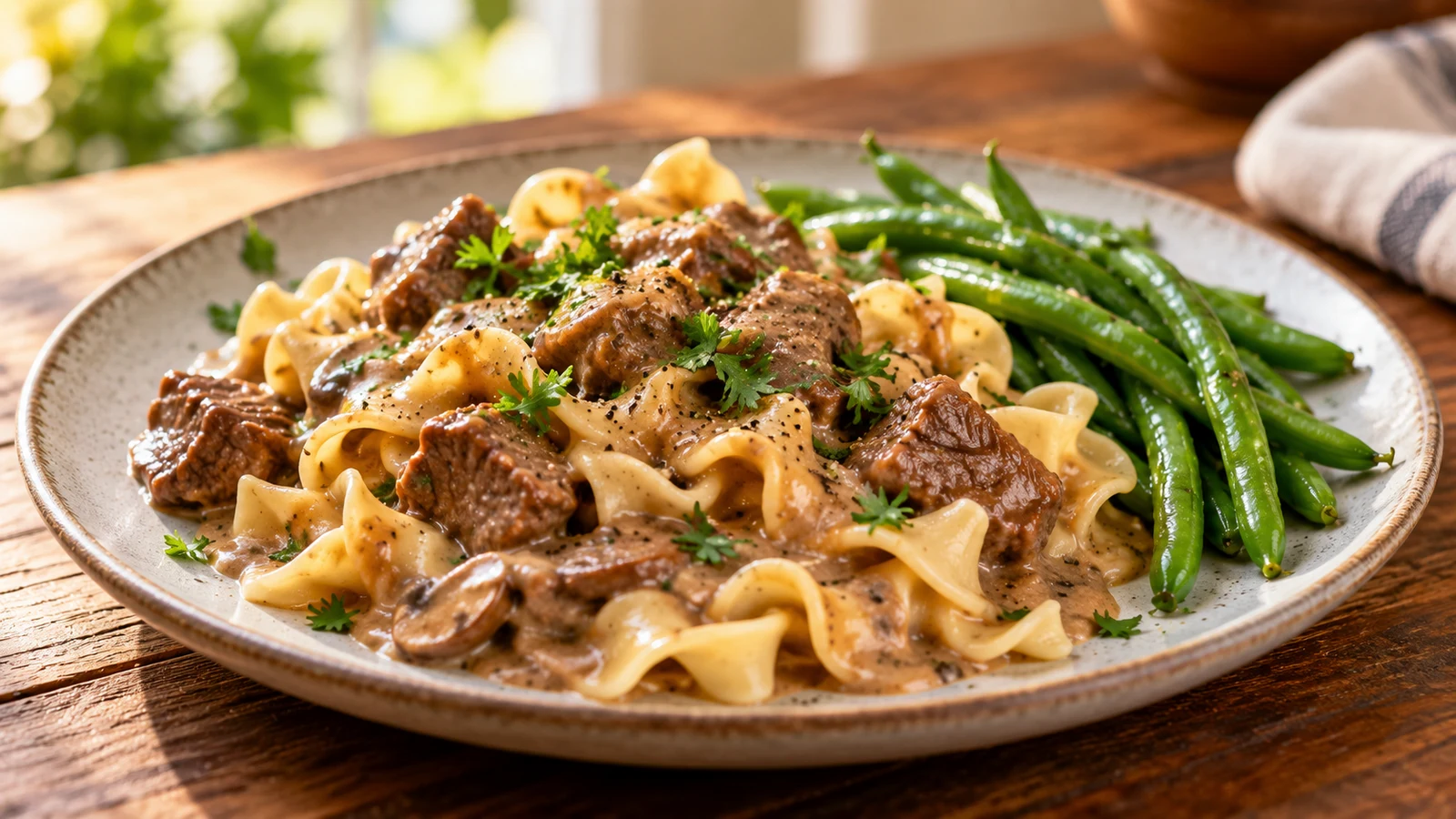
Balance the rich gravy with steamed green beans, roasted broccoli, glazed carrots, or a crisp green salad. Dinner rolls are useful for catching extra sauce, while applesauce or lightly dressed cabbage provides a bright contrast.
For a casual meal, serve the beef and noodles recipe in wide bowls with parsley and black pepper. For a larger dinner, place the pot at the center of the table with two vegetable sides. Keep extra warm broth nearby so guests can loosen the gravy to their preference.
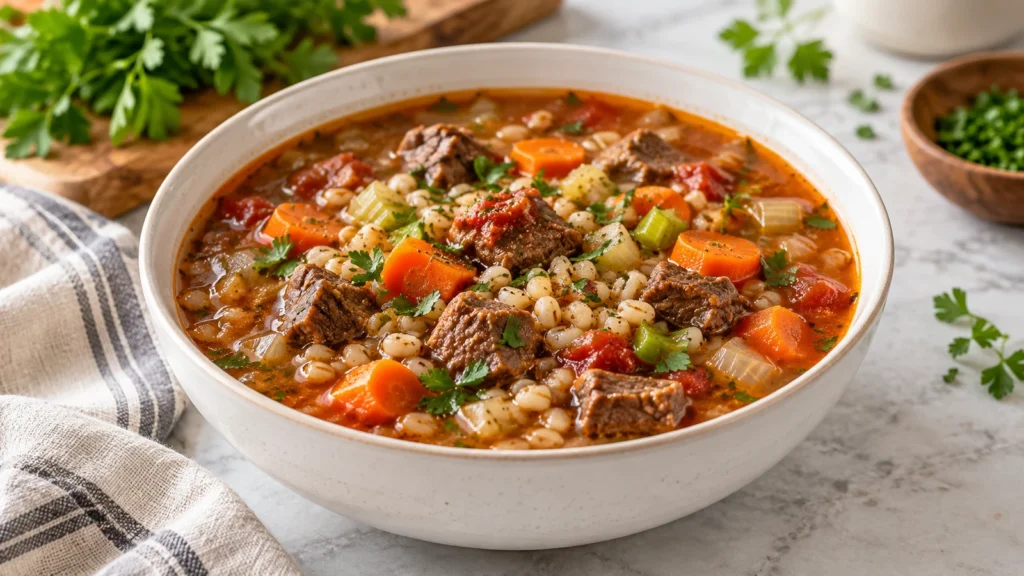
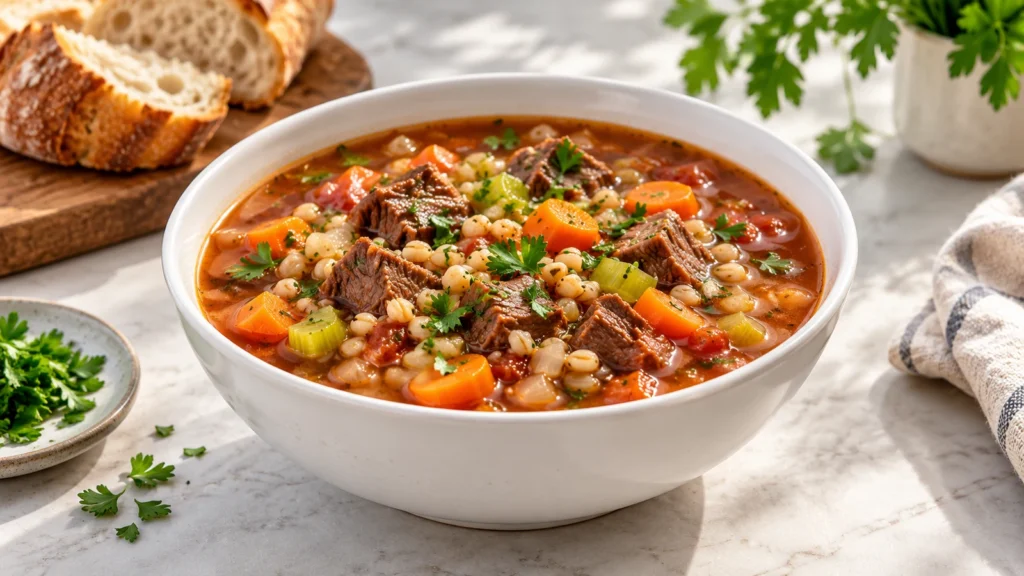
Leftovers can become a savory pot-pie filling, be spooned over mashed potatoes, or be loosened with broth for a quick beef noodle soup. If using the mixture as a filling, keep it thick enough to prevent the pastry from becoming soggy.
Storage, Freezing, and Reheating
For the best texture, refrigerate noodles separately from the beef and gravy in shallow airtight containers. Cool and refrigerate leftovers within two hours, following the USDA’s leftover storage guidance. Use refrigerated portions within 3 to 4 days.
Freeze the beef and gravy without noodles for up to 3 months; thaw overnight in the refrigerator and cook fresh noodles. Reheat gently on the stovetop with a splash of broth, or microwave in short intervals while stirring. Heat leftovers to 165°F (74°C), consistent with the USDA safe temperature chart.
Freeze meal-size portions rather than one large container so they thaw evenly. Label each container with the date and note that noodles still need to be prepared. A ground beef and noodles recipe can be stored the same way, although smaller beef pieces may reheat more quickly.
Troubleshooting Beef and Noodles
Why Is the Beef Still Tough?
Tough chuck usually needs more cooking rather than more heat. Continue the gentle simmer in 15-minute increments, keeping enough liquid in the pot to surround most of the meat. A properly cooked piece should separate with light fork pressure.
Why Did the Beef Become Dry?
The simmer may have been too vigorous, or lean beef may have cooked longer than necessary. Keep chuck at a lazy simmer. When making a beef tips and noodles recipe with lean sirloin, begin testing early and remove the meat once tender.
Why Are the Noodles Mushy?
The noodles were probably fully cooked before entering the gravy or left in the hot sauce too long. Boil them 1 to 2 minutes short of the package directions, drain immediately, and combine them just before serving.
Why Does the Gravy Taste Flat?
First check the salt, since low-sodium broth often needs final seasoning. Black pepper and another small amount of Worcestershire sauce can deepen the flavor. If the sauce tastes floury, simmer it for several minutes so the thickener cooks completely.
Why Is the Gravy Lumpy?
Flour can clump when liquid is added too quickly. Whisk the first cup of broth into the flour mixture gradually, smoothing it before adding the rest. For an existing lumpy gravy, vigorous whisking usually breaks up small lumps without disturbing the beef.
Frequently Asked Questions
Can I cook the noodles directly in the gravy?
Yes, but they absorb considerable liquid and continue softening as they sit. Add about 2 extra cups of broth, stir frequently, and serve immediately. Separate cooking gives the beef and noodles recipe more consistent results.
Can I make this beef and noodles recipe ahead?
Yes. Prepare the beef and gravy up to two days ahead, refrigerate them promptly, and cook the noodles shortly before serving. This keeps their texture pleasantly firm and makes final preparation quick.
What is the cheapest cut to use?
Chuck roast is generally the strongest combination of flavor, tenderness, and value. Watch for a whole roast on sale and cut it yourself rather than buying precut stew meat. Precut stew beef is convenient, but pieces from different muscles can become tender at different times.
Can I use leftover roast beef?
Yes. Prepare the onion, garlic, flour, broth, Worcestershire sauce, and thyme as directed, then simmer the gravy until thickened. Add chopped leftover roast during the final 10 minutes. This creates an old fashioned beef and noodles recipe without cooking the meat twice for an extended period.
Can I use frozen beef?
Thaw the beef safely in the refrigerator before browning. Fully thawed pieces can be dried more effectively and develop a better crust. Frozen cubes release water in the pan, which encourages steaming and makes the finished gravy less flavorful.
Which noodles work best?
Wide dried egg noodles provide a sturdy, sauce-catching shape and reliable cooking time. Medium egg noodles also work but may cook faster. Homemade noodles suit an old fashioned beef and noodles recipe, while gluten-free noodles should be prepared according to their package directions and watched carefully.
Can I turn this into a ground beef and noodles recipe?
Yes. Use 1 1/2 pounds ground beef, brown it with the onion, and drain excess fat before adding the garlic and flour. Because ground beef is already tender, the ground beef and noodles recipe needs only a 15-minute sauce simmer rather than the full braising time.
How do I know when beef tips are done?
Test the largest pieces with a fork. They should feel tender but still hold their shape. In a beef tips and noodles recipe, lean sirloin may become tender after about 45 minutes, while stew-meat tips can require additional time depending on the cut.
Can I double the recipe?
Yes, provided the pot is large enough to hold the ingredients without crowding. Brown the beef in additional batches and allow extra time for the liquid to return to a simmer. Cook the noodles in a separate large pot so they have room to move.
Printable Recipe Card
Yield: 6 servings
Prep time: 20 minutes
Cook time: 1 hour 40 minutes
Total time: 2 hours
Summary: Brown 2 pounds seasoned beef chuck in oil. Sauté one onion and three garlic cloves, cook in 3 tablespoons flour, then whisk in 4 cups beef broth. Add Worcestershire sauce and thyme; gently simmer the beef for 75 to 90 minutes. Fold in 12 ounces separately cooked egg noodles, finish with butter, season, and serve.
A Comforting Dinner Worth Repeating
This dependable beef and noodles recipe turns affordable ingredients into a warm, satisfying dinner with tender meat, silky gravy, and noodles that retain their texture. Careful browning, gentle simmering, and separately cooked noodles are the simple details that make it consistently successful.
Whether you prepare the classic version, a beef tips and noodles recipe, a quick ground beef and noodles recipe, or an old fashioned beef and noodles recipe with leftover roast, the same principles apply: choose the right cooking time for the meat, control the gravy gradually, and add the noodles near the end.
Reviews
Reader reviews are managed separately (outside this build).