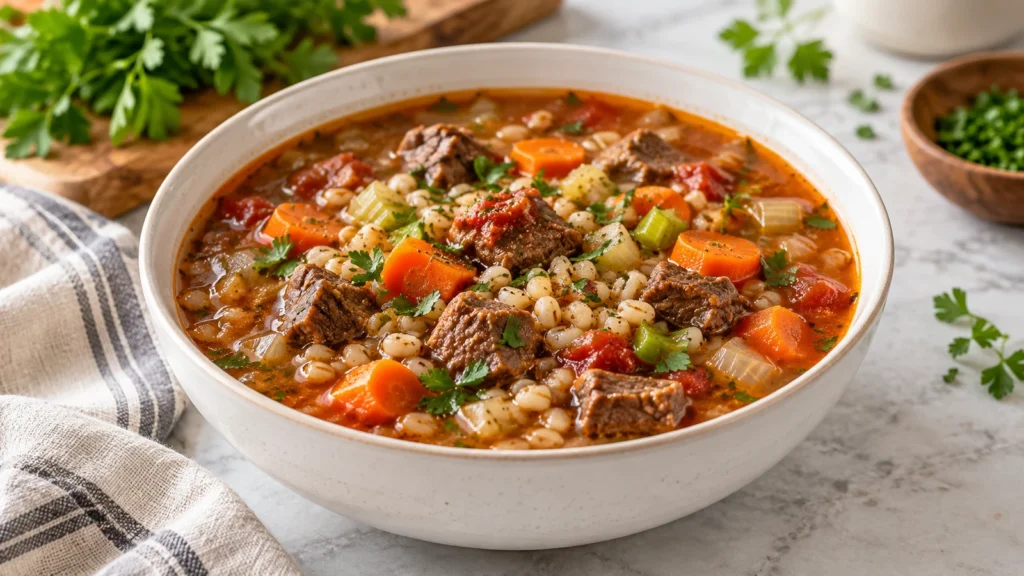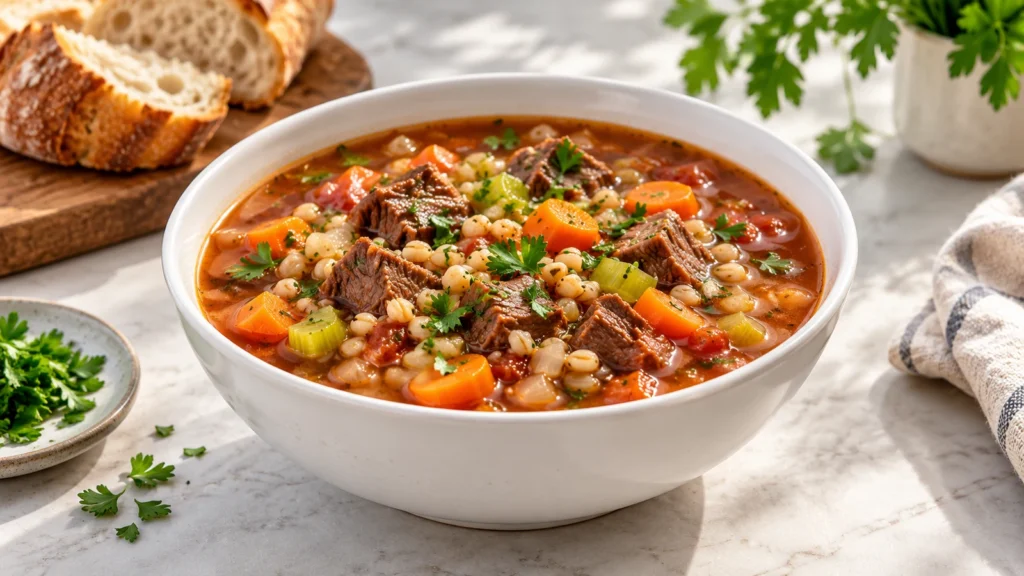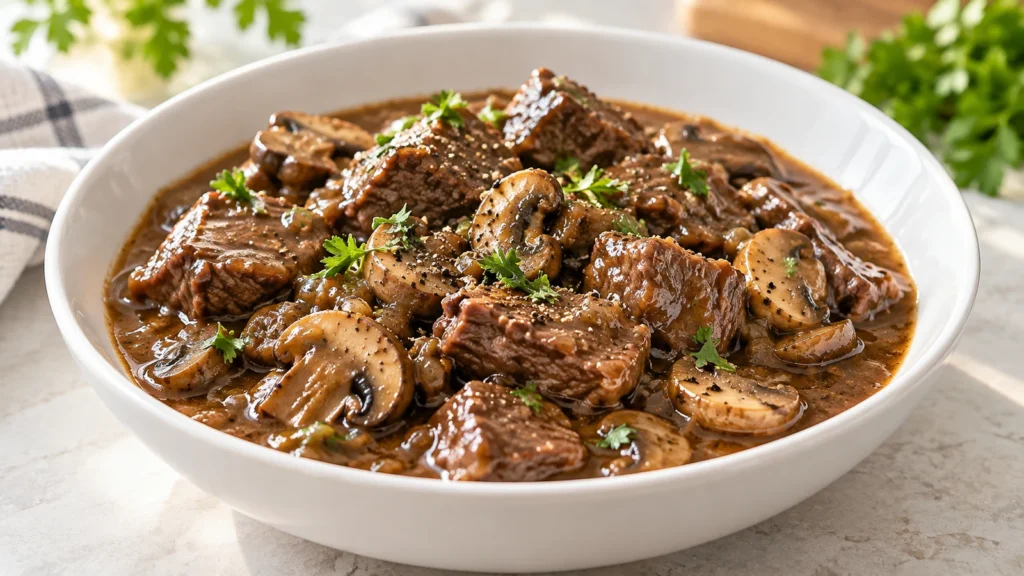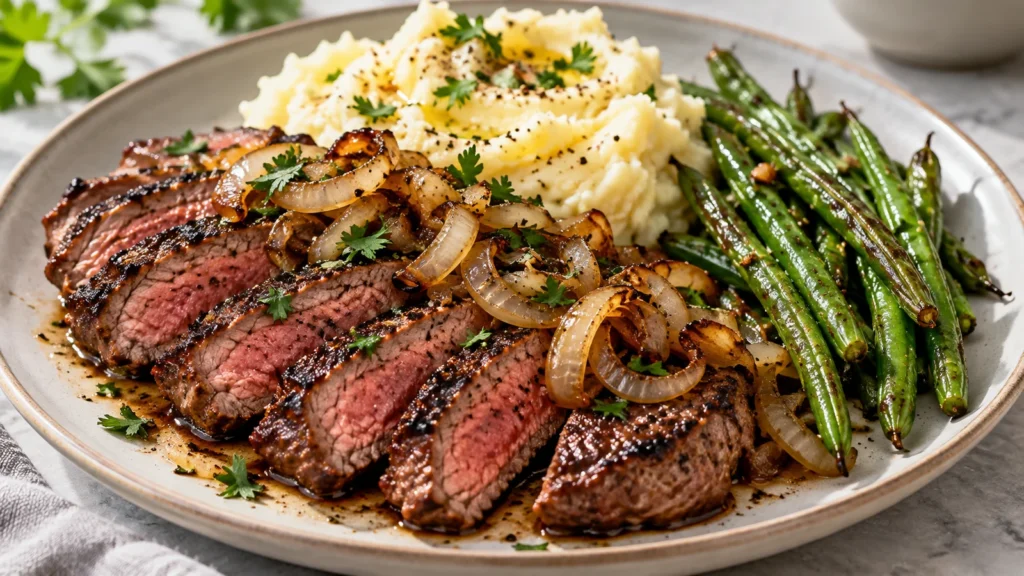
Beef
Easy beef tips and noodles recipe with irresistible gravy
Make this beef tips and noodles recipe with tender sirloin, savory mushroom gravy, and egg noodles. Get simple tips for a hearty comfort-food dinner.
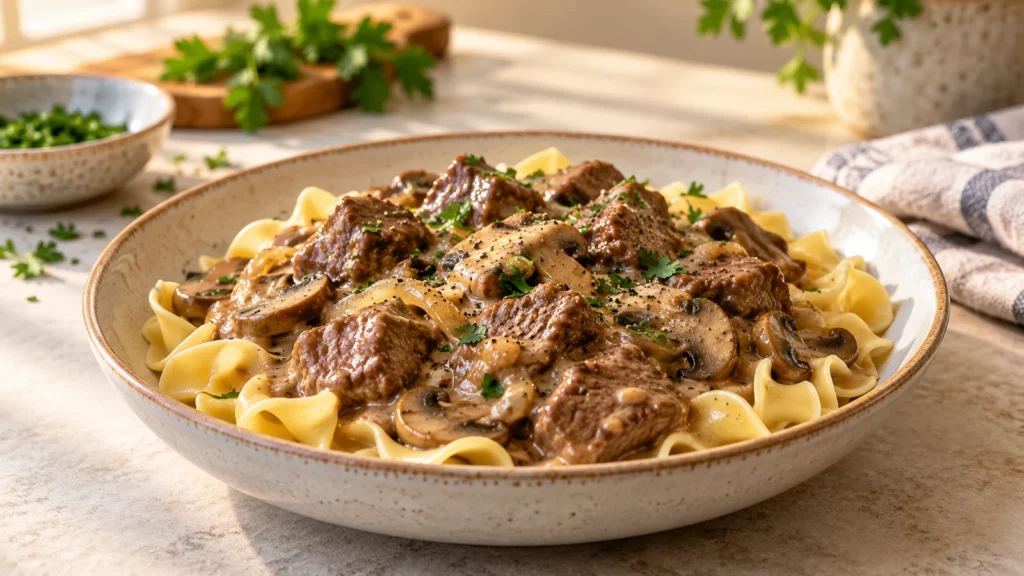
This beef tips and noodles recipe pairs tender, browned beef with egg noodles and a rich, savory gravy. It is satisfying enough for Sunday dinner but practical enough for a weeknight, with one skillet for the beef and a separate pot for perfectly cooked noodles.
The stovetop method gives you control over browning, simmering, and thickening. It combines the hearty appeal of a classic beef tips recipe with the smooth sauce expected from a beef tips and gravy recipe. The result is a comforting, dependable meal made with familiar ingredients.
Unlike a beef sirloin tip roast recipe, this dish uses small pieces that brown quickly and become tender in gravy. If you enjoy a beef tips and rice recipe, you can also serve the same savory beef over rice instead of noodles.
Table of Contents
Why You’ll Love This Beef Tips and Noodles Recipe
- Tender beef: A gentle simmer softens the meat without drying it out.
- Scratch-made gravy: Beef broth, Worcestershire sauce, and browned bits create deep flavor.
- Reliable noodles: Cooking them separately prevents a gummy, starch-heavy sauce.
- Flexible preparation: Sirloin, stew meat, shortcut gravy, and several dietary variations all work.
- Make-ahead friendly: The beef and gravy taste excellent after reheating.
- Easy to customize: You can add mushrooms, adjust the gravy, or replace the noodles with rice or potatoes.
Ingredients
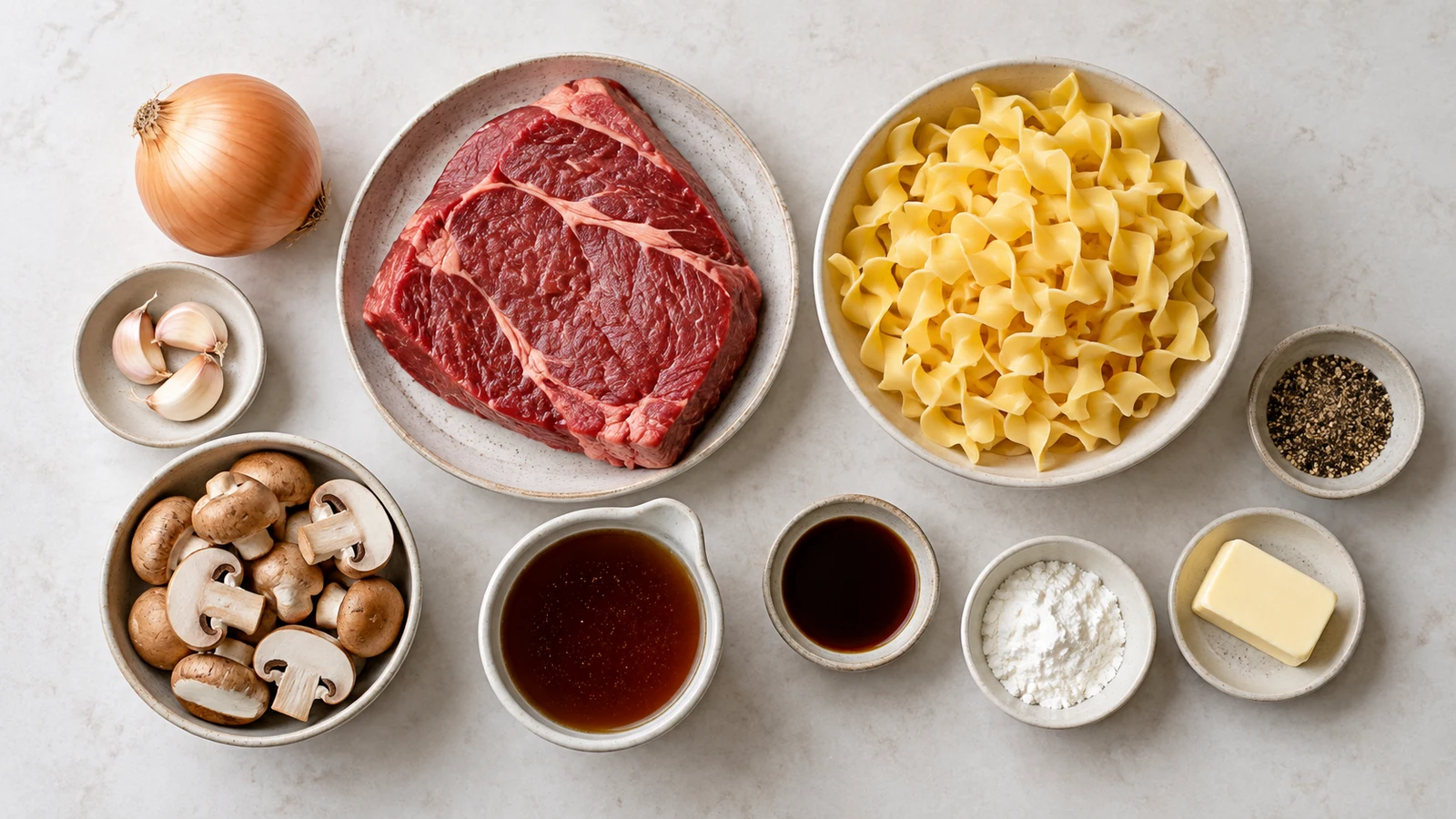
- 1 1/2 pounds (680 g) beef sirloin steak or sirloin tips, cut into 1-inch pieces
- 1 teaspoon kosher salt, divided
- 1/2 teaspoon black pepper
- 2 tablespoons vegetable oil, divided
- 1 small yellow onion, diced
- 2 garlic cloves, minced
- 3 tablespoons all-purpose flour
- 3 cups (710 ml) low-sodium beef broth, divided
- 1 tablespoon Worcestershire sauce
- 1 teaspoon Dijon mustard
- 1/2 teaspoon dried thyme
- 8 ounces (225 g) wide egg noodles
- 2 tablespoons unsalted butter
- 2 tablespoons chopped parsley, optional
Choosing the Best Beef Cut
Sirloin is the best choice when you want tender beef tips with a relatively short simmer. Cut it across the grain into evenly sized pieces. Chuck or packaged stew meat is economical and flavorful, but it may need 60 to 90 minutes of gentle cooking rather than 25 to 35 minutes.
A beef sirloin tip roast recipe is not interchangeable with this dish. Despite the similar name, a whole sirloin tip roast is lean and generally benefits from roasting intact, followed by resting and thin slicing; it should not simply be cubed and cooked for the shorter time listed here.
Look for beef with some fine marbling but avoid pieces surrounded by large seams of hard fat. Trim thick exterior fat and silver skin, which will not soften during the relatively brief simmer. Evenly sized 1-inch pieces finish at approximately the same time and are easy to eat with noodles.
Sirloin Tips Versus Stew Meat
Sirloin tips are especially suitable for this beef tips recipe because they become tender without a long braise. Packaged stew meat may contain several cuts, so its cooking time is less predictable. If you use stew meat, judge doneness by texture and allow additional simmering time as needed.
How to Make This Beef Tips and Noodles Recipe
- Prepare the beef: Pat the pieces thoroughly dry, then season them with 3/4 teaspoon salt and the pepper. Moisture on the surface prevents proper browning.
- Brown in batches: Heat 1 tablespoon oil in a large, heavy skillet or Dutch oven over medium-high heat. Add half the beef in a single uncrowded layer. Sear for 2 to 3 minutes per side, transfer it to a plate, and repeat with the remaining oil and beef. Crowding traps steam and leaves the meat gray.
- Cook the aromatics: Reduce the heat to medium. Add the onion and cook for 4 minutes, scraping up the browned bits. Add the garlic and cook for 30 seconds.
- Build the gravy: Sprinkle in the flour and stir for 1 minute. Slowly whisk in 2 1/2 cups broth, a little at a time, until smooth. Stir in Worcestershire sauce, mustard, thyme, and the remaining salt.
- Simmer gently: Return the beef and accumulated juices to the pan. Bring the mixture just to a simmer, reduce the heat to low, and partially cover. Cook sirloin for 25 to 35 minutes, stirring occasionally, until fork-tender. Add splashes of the reserved broth if the gravy reduces too quickly.
- Cook the noodles: While the beef simmers, boil the egg noodles in salted water according to the package directions, stopping at al dente. Drain promptly and toss with butter. Do not rinse them.
- Finish and serve: Taste the gravy and adjust the seasoning. Spoon the beef and gravy over the warm noodles, then add parsley if desired.
For another detailed approach to the sauce, see these beef tips with homemade gravy. The USDA also recommends keeping raw meat separate and washing hands and work surfaces as part of its four basic food-safety steps.
Expert Tips for Tender Beef and Smooth Gravy
Dry the Beef Before Browning
Surface moisture turns to steam as soon as the beef enters the pan. Patting every piece dry helps the exterior brown, creating the savory foundation that distinguishes a flavorful beef tips and gravy recipe from meat that has merely simmered in broth.
Give the Pan Time to Recover
After one batch leaves the skillet, let the pan become hot again before adding the next batch. The oil should shimmer but not smoke. If dark residue begins to burn, briefly lower the heat; properly browned bits should be deep brown rather than black.
Add Broth Gradually
Whisking the first portion of broth into the flour slowly produces a smooth paste. Continue adding liquid in small amounts until the mixture loosens. This simple technique helps the gravy in this beef tips and noodles recipe thicken evenly without flour pockets.
Use a Quiet Simmer
The liquid should show occasional small bubbles, not a rolling boil. Vigorous cooking can make lean sirloin firm and reduce the gravy before the beef is tender. Partially covering the pan limits evaporation while allowing the sauce to concentrate.
Season at the Right Times
Season the meat before searing, then reserve some salt until the gravy is assembled. Broth and Worcestershire sauce both contain sodium, and their flavor becomes more concentrated as the sauce reduces. Taste again immediately before serving.
Gravy Thickening and Troubleshooting
If the gravy is thin, simmer it uncovered for several minutes. For faster thickening, whisk 1 tablespoon cornstarch with 1 tablespoon cold water, stir it into the simmering sauce, and cook for 1 to 2 minutes. Never add dry cornstarch directly because it forms lumps.
If the gravy is too thick, stir in warm broth 2 tablespoons at a time. If it is lumpy, whisk vigorously or carefully strain it before returning the beef. If it tastes salty, add unsalted broth or water; extra noodles can also balance the finished dish, but dairy only masks salt rather than removing it.
For shortcut gravy, omit the flour and replace 2 cups of broth with two 12-ounce jars of prepared beef gravy. Add enough remaining broth to achieve a spoonable consistency, and wait until the end to add salt.
Why Didn’t the Beef Brown?
The pan may not have been hot enough, the beef may have been damp, or too many pieces may have been added at once. Remove the beef, let excess moisture evaporate, and continue in smaller batches. This correction adds the browned flavor a good beef tips recipe needs.
Why Is the Beef Still Tough?
Tough beef usually needs more time, particularly when chuck or mixed stew meat replaces sirloin. Add enough broth to keep the pieces partially surrounded by liquid, cover the pan, and continue at a low simmer. Check every 10 to 15 minutes until a fork enters easily.
Why Does the Gravy Taste Flat?
First check the salt, because an underseasoned sauce can taste muted. A small additional amount of Worcestershire sauce or Dijon mustard may provide balance. Let the sauce simmer briefly after any adjustment, then taste it with both beef and noodles before adding more.
How Can I Prevent Gummy Noodles?
Stop cooking the noodles when they are al dente, drain them promptly, and toss them with butter. Keep them separate from the gravy until serving. This is particularly important when the beef tips and noodles recipe will be stored for another meal.
Tips for the Best Results
- Use a heavy pan and let it become hot before adding the beef.
- Leave space between pieces and brown in two or three batches when necessary.
- Maintain a quiet simmer. Hard boiling tightens the meat and can break the gravy.
- Check tenderness rather than relying only on the clock; different cuts soften at different rates.
- Cook and store noodles separately when making the meal ahead so they do not absorb all the gravy.
- Cut the beef against the grain to shorten the muscle fibers and improve tenderness.
- Use low-sodium broth so you can control the final seasoning as the gravy reduces.
- For more foundational guidance, review this classic method for tender beef tips.
For safety, whole cuts of beef have a minimum temperature and resting recommendation, while ground beef has a higher minimum. Consult the USDA’s safe minimum internal temperature chart; tenderness in this simmered dish may require cooking beyond the minimum temperature.
Variations and Substitutions
- Mushroom-free: The base recipe contains no mushrooms. For mushroom flavor, sauté 8 ounces sliced cremini mushrooms after browning the meat.
- Gluten-free: Use gluten-free Worcestershire sauce, replace flour with a cornstarch slurry, and serve with certified gluten-free noodles or rice.
- Dairy-free: Replace the butter with olive oil or dairy-free butter.
- Slow cooker: Brown the beef and onion first, then cook with seasonings and 2 cups broth for 6 to 7 hours on low. Thicken with cornstarch during the final 20 minutes.
- Instant Pot: Brown in batches using Sauté, deglaze thoroughly, and pressure-cook sirloin for 10 minutes or chuck for 20 minutes, followed by a 10-minute natural release. Thicken on Sauté afterward.
Mushroom Beef Tips and Noodles
For an earthy version of this beef tips and noodles recipe, brown sliced cremini mushrooms after searing the meat. Cook them until their released moisture evaporates and their edges turn golden, then proceed with the onion and garlic. Return the mushrooms with the beef before simmering.
Beef Tips and Rice Variation
To turn this into a beef tips and rice recipe, prepare the beef and gravy exactly as directed but omit the egg noodles and butter. Spoon the finished mixture over steamed white or brown rice. Keep the rice separate during storage so it does not absorb the sauce.
Extra-Savory Gravy Variation
For a bolder beef tips and gravy recipe, sauté the onions until lightly golden before adding the garlic. Deglaze carefully with the broth, scraping the bottom to dissolve the browned residue. Avoid adding extra salt until the reduced gravy has been tasted.
Using a Different Beef Cut
If you have a roast intended for a beef sirloin tip roast recipe, cooking it whole remains the better use for that lean cut. For this stovetop meal, choose sirloin steak, sirloin tips, chuck, or labeled stew meat and adjust simmering time according to tenderness.
Serving Suggestions
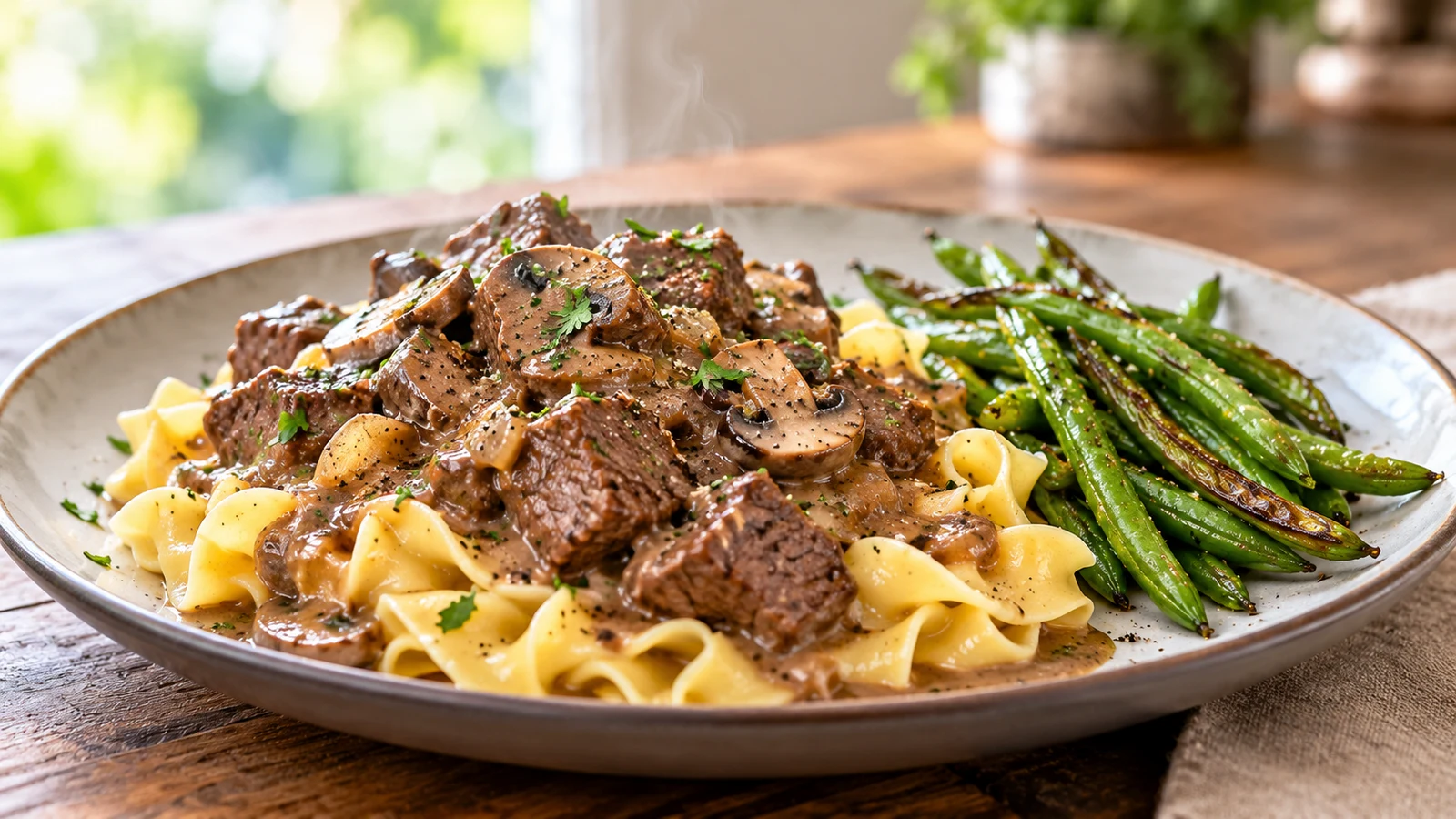
Serve the gravy over buttered egg noodles with green beans, peas, roasted carrots, or a crisp salad. For a beef tips and rice recipe variation, replace the noodles with steamed white or brown rice. Mashed potatoes are another good option, while slow-braised beef shanks offer a richer alternative for a leisurely meal.
More Serving Ideas
A bright vegetable balances the richness of this beef tips recipe. Try steamed broccoli, roasted Brussels sprouts, sautéed spinach, or green beans with lemon. A simple salad with a tart vinaigrette also supplies welcome freshness without competing with the gravy.
For a family-style meal, place the buttered noodles in a warmed serving bowl and offer the beef and gravy separately. Diners can control the amount of sauce, and leftover noodles are less likely to become soft. Parsley adds color, but the dish is complete without it.
Crusty bread can help capture extra gravy, although it is not essential when noodles are served. If you prefer potatoes, use mashed potatoes with a relatively mild seasoning so the beef remains the focus. Keep side dishes simple for an easy weeknight dinner.
Make-Ahead Instructions
Prepare the beef and gravy up to two days in advance, cool them promptly, and refrigerate them in a shallow airtight container. Cook the noodles shortly before the meal. Separating the components preserves their textures and makes this beef tips and noodles recipe especially convenient for entertaining.
When preparing the dish ahead, leave the gravy slightly thinner than your preferred serving consistency. It will thicken as it chills. During reheating, stir in a splash of broth and warm it gently, then make the final consistency and seasoning adjustments.
You may also cut the beef and dice the onion one day ahead. Store the raw beef in a covered container on the lowest refrigerator shelf and keep the onion separate. Wait to salt the beef and mince the garlic until shortly before cooking.
How to Store and Reheat
Cool leftovers promptly and refrigerate the beef and gravy in a shallow airtight container for up to 3 to 4 days. Keep noodles in a separate container when possible. This timing follows USDA leftover storage and reheating guidance.
Freeze cooled beef and gravy, without noodles, for up to 3 months. Thaw overnight in the refrigerator. Reheat gently in a covered saucepan over medium-low heat, adding a splash of broth, until it reaches 165°F (74°C); warm the noodles separately. You may also microwave individual portions in 45-second intervals, stirring between each interval.
For make-ahead meals, prepare the beef and gravy up to two days in advance and cook fresh noodles just before serving. The chilled gravy will look thick but loosens as it warms.
Freezing for Individual Meals
Divide cooled beef and gravy into meal-sized freezer containers, leaving a little room for expansion. Label each container with the date. Freeze noodles only if necessary, because their texture can soften; freshly boiled noodles, rice, or potatoes provide a better base after the gravy is reheated.
Reheating Without Drying the Beef
Use medium-low heat and keep the saucepan covered so moisture stays in the gravy. Stir occasionally rather than continuously, which can break tender pieces. If the sauce tightens before the beef is hot, add broth one tablespoon at a time.
Frequently Asked Questions About This Beef Tips and Noodles Recipe
Why are my beef tips tough?
They may have cooked too briefly, boiled too vigorously, or been cut with the grain. Lower the heat, add a little broth, and continue simmering until a fork enters easily. Chuck usually needs considerably longer than sirloin.
Can I cook the egg noodles in the gravy?
You can, but they release starch and absorb sauce, making the gravy thick and the leftovers gummy. Cooking them separately gives more consistent results and makes storage easier.
Can I make the dish without flour?
Yes. Omit the flour, simmer the seasoned broth with the beef, and add a slurry of 2 tablespoons cornstarch and 2 tablespoons cold water near the end. Simmer until glossy and thickened.
What equipment do I need?
Use a large heavy skillet or Dutch oven, a medium pot for noodles, a sharp knife, cutting board, tongs, whisk, measuring cups, and an instant-read thermometer.
Can I use stew meat in this beef tips recipe?
Yes. Stew meat works well, but it often contains firmer cuts than sirloin. Plan for 60 to 90 minutes of gentle simmering and add broth if the gravy reduces too far. The meat is ready when it yields easily to a fork.
How is this different from a beef sirloin tip roast recipe?
A beef sirloin tip roast recipe generally cooks the roast intact and slices it after resting. This recipe uses 1-inch pieces that are seared and simmered in gravy. The cuts and methods should not be exchanged without adjusting cooking time.
Can I turn this into a beef tips and rice recipe?
Yes. A beef tips and rice recipe uses the same beef and gravy but serves them over cooked rice. White rice offers a neutral base, while brown rice contributes a nuttier flavor. Prepare and store the rice separately.
Can I double the beef tips and gravy recipe?
Yes, provided your pan is large enough for simmering. Brown the beef in additional batches so the pieces do not steam. A doubled beef tips and gravy recipe may take slightly longer to return to a simmer after all the ingredients are combined.
Can I use frozen beef?
Thaw the beef completely in the refrigerator before cooking. Frozen or partly frozen pieces release excess water and brown unevenly. Pat the thawed meat thoroughly dry, then season and sear it according to the instructions.
What can I use instead of egg noodles?
Use another sturdy pasta shape, gluten-free noodles, mashed potatoes, or cooked rice. Match the alternative to your dietary needs, and keep it separate from the gravy until serving to prevent it from absorbing too much liquid.
Can I add sour cream?
You may stir in a small amount after removing the pan from the heat, but it changes the flavor and appearance of the original gravy. Temper it first with warm sauce and avoid boiling afterward, which could cause separation.
How do I know when the gravy is ready?
The gravy should coat the back of a spoon while remaining fluid enough to settle around the noodles. Remember that it thickens slightly as it cools. Add broth if it becomes pasty or simmer uncovered if it runs off the spoon like broth.
Recipe Card
Yield: 6 servings
Prep time: 20 minutes
Cook time: 45 minutes
Total time: 1 hour 5 minutes
Equipment: Large heavy skillet or Dutch oven, medium saucepan, knife, cutting board, tongs, whisk, and measuring tools.
Ingredients: 1 1/2 pounds cubed beef sirloin, 1 teaspoon kosher salt, 1/2 teaspoon pepper, 2 tablespoons vegetable oil, 1 diced onion, 2 minced garlic cloves, 3 tablespoons flour, 3 cups low-sodium beef broth, 1 tablespoon Worcestershire sauce, 1 teaspoon Dijon mustard, 1/2 teaspoon thyme, 8 ounces egg noodles, 2 tablespoons butter, and optional parsley.
- Dry and season the beef. Sear it in batches in hot oil, then transfer it to a plate.
- Cook the onion for 4 minutes and garlic for 30 seconds. Stir in flour for 1 minute.
- Gradually whisk in broth, then add Worcestershire sauce, mustard, and thyme.
- Return the beef and simmer gently, partially covered, for 25 to 35 minutes or until tender.
- Boil noodles separately until al dente, drain, and toss with butter.
- Adjust the gravy’s consistency and seasoning, then serve it over the noodles.
Notes: Brown the meat in uncrowded batches and keep the liquid at a gentle simmer. Store noodles separately. Use a cornstarch slurry for a gluten-free sauce.
Estimated nutrition per serving: 465 calories, 35 g protein, 39 g carbohydrate, 18 g fat, 6 g saturated fat, 3 g fiber, and 680 mg sodium. Values vary with the cut of beef, broth, noodles, and serving size.
A Dependable Comfort-Food Dinner
This beef tips and noodles recipe succeeds through patient browning, gentle simmering, and separately cooked noodles. Keep the gravy adjustable with extra broth or a small slurry, and you will have a dependable meal that reheats beautifully.
Once you master the basic method, the same principles can guide any beef tips recipe: dry the meat, avoid crowding, protect a quiet simmer, and cook until tender. Serve it over noodles for the classic meal or adapt it into a beef tips and rice recipe when that suits your menu.
Reviews
Reader reviews are managed separately (outside this build).