Beef
Easy, Foolproof Corned Beef Brisket in a Crock Pot Recipes
Corned beef brisket in a crock pot recipes made foolproof with timing, doneness, tender vegetables, slicing, and storage tips. Discover the method.
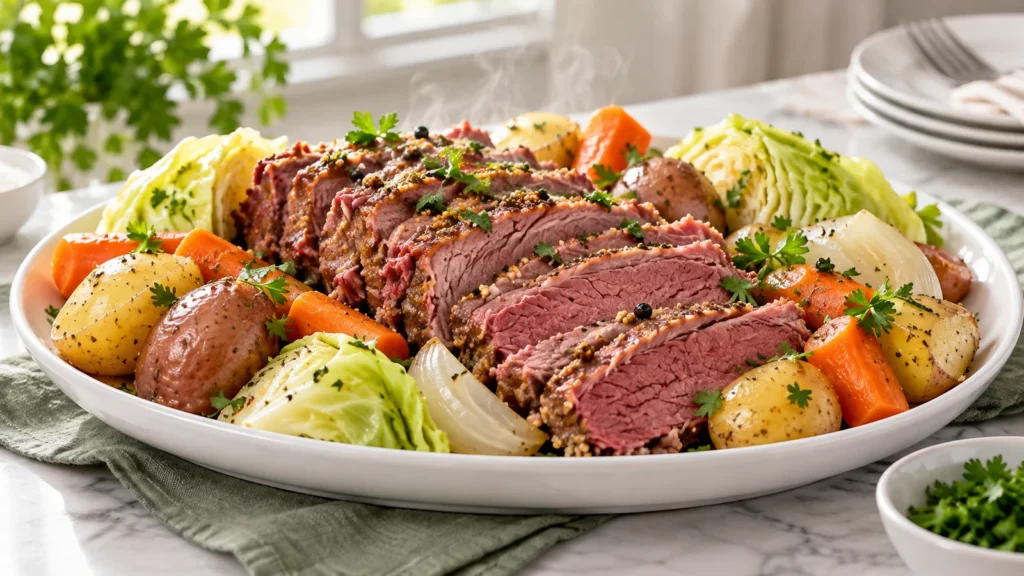
Corned beef brisket in a crock pot recipes can be wonderfully simple: rinse the beef, place it fat-side up, add a modest amount of liquid, and cook until fork-tender. Allow about 8 to 10 hours on low or 4 1/2 to 6 hours on high for a 3- to 4-pound brisket.
The best corned beef brisket in a crock pot recipes balance gentle heat, well-timed vegetables, and careful slicing. This method explains each detail so the brisket stays moist while the potatoes, carrots, and cabbage retain a pleasant texture.
Recipe at a glance: Serves 6; preparation takes 20 minutes; slow cooking takes 8 to 10 hours on low; use a 6- to 8-quart slow cooker. Add the vegetables in stages so the beef becomes tender without turning the cabbage or potatoes mushy.
Table of Contents
Why You’ll Love This Recipe
- Preparation is easy, with no browning required.
- Weight-based timing makes the method dependable.
- Potatoes, carrots, and cabbage cook alongside the beef.
- Leftovers work well in sandwiches, hash, and soups.
- The slow cooker keeps the oven free for bread, dessert, or another side dish.
- The brisket can be prepared ahead and reheated without losing its rich flavor.
Unlike many corned beef recipes oven baked, this version does not require frequent checking or a large roasting pan. It is especially convenient when you want a complete meal that can cook quietly throughout the day.
Choosing Flat or Point-Cut Brisket
A flat-cut brisket is leaner, evenly shaped, and easy to slice neatly. It is the best choice for a traditional platter, although it can dry out if cooked too long.
A point cut has more marbling and connective tissue, giving it richer flavor and a softer texture. Either works in corned beef brisket in a crock pot recipes; choose a piece that fits without folding and leave most of the fat cap intact to protect the meat.
Check the package weight before planning the cooking time. A thick point cut can take longer to become tender than a flatter piece of the same weight. If presentation matters most, choose the flat; if you prefer succulent, shreddable meat or plan to make a corned beef sandwich recipe, the point is an excellent option.
Ingredients
- 1 corned beef brisket, 3 to 4 pounds (1.4 to 1.8 kg), with spice packet
- 1 large yellow onion, cut into wedges
- 3 garlic cloves, lightly crushed
- 2 cups low-sodium beef broth or water
- 1 tablespoon brown sugar, optional
- 1 teaspoon yellow or Dijon mustard
- 1 1/2 pounds baby potatoes
- 4 medium carrots, cut into 2-inch pieces
- 1 small green cabbage, cut into 6 wedges
- 2 tablespoons chopped parsley, optional
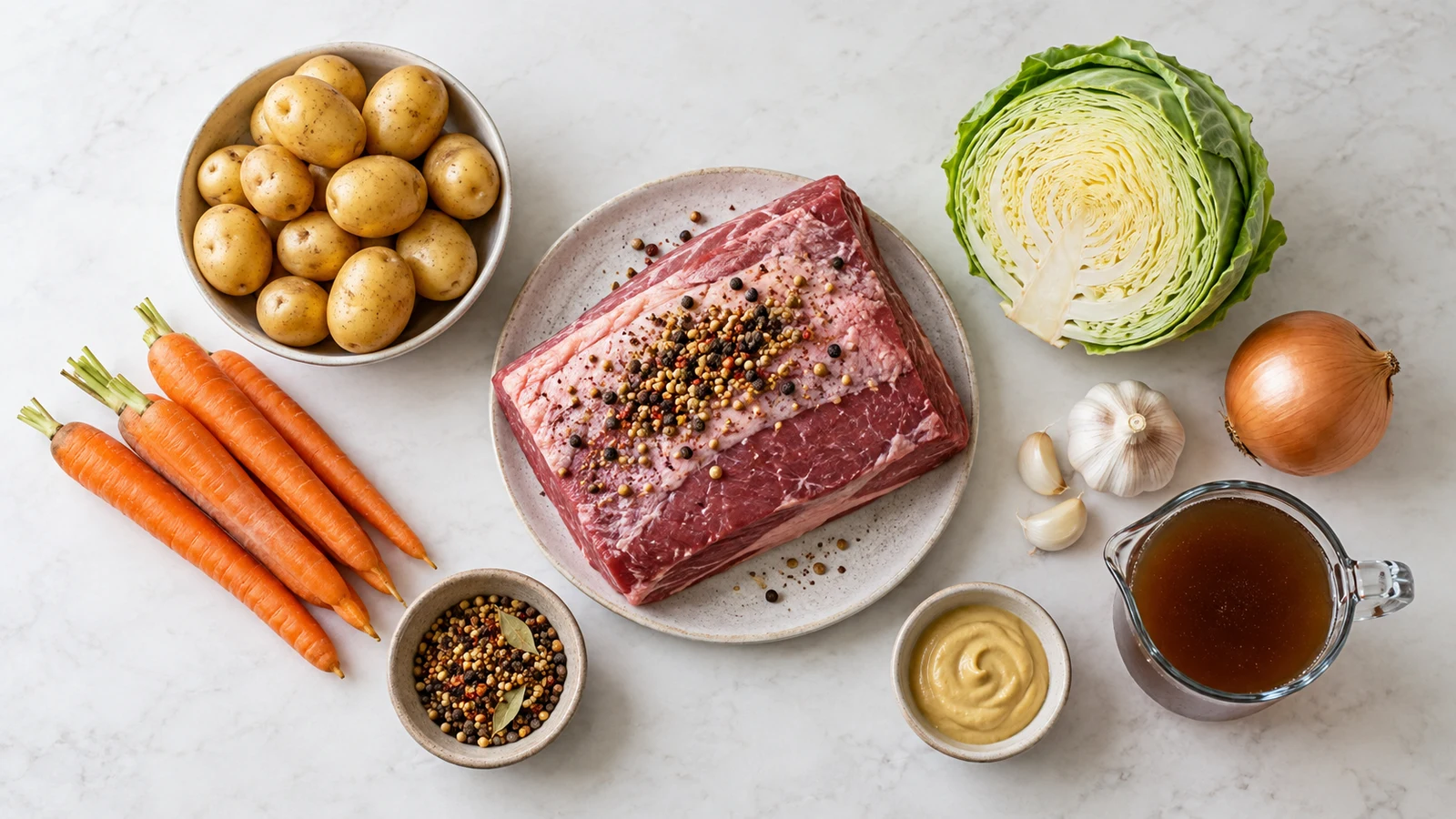
If there is no spice packet, combine 1 teaspoon mustard seeds, 1 teaspoon coriander seeds, 1/2 teaspoon black peppercorns, 2 crumbled bay leaves, and 1/4 teaspoon red pepper flakes. For a less salty meal, rinse the brisket thoroughly; for a larger sodium reduction, soak it in cold water for 30 minutes, drain, and use water or unsalted broth.
How to Make Corned Beef Brisket in a Crock Pot Recipes
- Prepare the cooker: Use a 6- to 8-quart slow cooker. Arrange the onion and garlic across the bottom.
- Rinse the beef: Remove the brisket from its package and rinse it under cold running water to remove excess surface brine. Pat it dry; do not use the packaging liquid.
- Position the brisket: Set it over the onions with the fat cap facing up. Sprinkle on the spice packet, then add the sugar and mustard if using.
- Add the liquid: Pour 2 cups around the meat, not directly over the spices. The liquid should reach only about one-third to halfway up the brisket; the covered cooker will create additional moisture.
- Slow-cook: Cover and cook on low for 8 to 10 hours or on high for 4 1/2 to 6 hours. Keep the lid closed as much as possible. The USDA also provides practical guidance on using slow cookers safely.
- Add vegetables: Follow the timing below so each vegetable finishes with the right texture.
- Test and rest: When a fork slides in easily, transfer the beef to a board, loosely cover it, and rest for 15 to 20 minutes before slicing.
Low Versus High and Weight-Based Timing
Low heat generally produces the most even, tender result. For a 2- to 3-pound brisket, allow 7 to 8 hours on low or 4 to 5 hours on high. A 3- to 4-pound brisket needs 8 to 10 hours on low or 4 1/2 to 6 hours on high; a 4- to 5-pound cut may need 10 to 11 hours on low or 6 to 7 hours on high.
Shape, thickness, and individual cookers affect timing, so begin checking at the early end. For another hands-off beef dinner, try this slow-cooker roast beef recipe.
Low is the preferred setting for corned beef brisket in a crock pot recipes because the gradual heat gives connective tissue time to soften evenly. High works when time is limited, but check the thinner end first because it may become tender before the thickest section.
Vegetable-Addition Timing
On low, add potatoes and carrots during the final 3 to 4 hours and cabbage during the final 45 to 60 minutes. On high, add potatoes and carrots after about 2 hours, then add cabbage for the final 30 to 45 minutes. Place vegetables around or on top of the brisket and replace the lid promptly.
Keep the cabbage in large wedges so it holds together. Baby potatoes may remain whole, which helps prevent them from absorbing too much cooking liquid. Cut the carrots into evenly sized pieces so they finish at roughly the same time.
If the cooker is already crowded, remove the tender brisket and keep it loosely covered while the vegetables finish. This gives the vegetables more contact with the hot liquid without extending the meat’s cooking time.
Doneness, Resting, and Slicing
Corned beef is food-safe at 145°F (63°C) followed by a three-minute rest, but brisket usually needs to reach about 190°F to 205°F (88°C to 96°C) for its connective tissue to soften. Consult the USDA’s corned beef safety guidance for handling and temperature details.
Temperature is useful, but tenderness is the final test. Insert a fork or thin knife into the thickest part. It should slide in with little resistance. If the meat is within the usual temperature range but still feels firm, continue cooking and check it again after 30 minutes.
After resting, identify the visible grain lines and cut across them into 1/4-inch slices. If the grain changes direction, rotate the brisket as you slice. Cutting with the grain makes even properly cooked meat seem stringy and tough.
Expert Tips for Reliable Results
- Match the cooker to the brisket: A 6- to 8-quart cooker provides enough room for the stated meat and vegetables without overcrowding.
- Keep the fat cap up: Rendered fat moves over the surface during cooking and helps protect the leaner meat beneath it.
- Pour around the seasoning: Adding liquid at the side keeps the spice packet on the brisket instead of washing it into the bottom.
- Avoid lifting the lid: Each peek releases heat and can lengthen the cooking time. Check only when adding vegetables or testing near the end.
- Use tenderness as your guide: Slow cookers vary, so the clock provides a range rather than an exact finish time.
- Rest the whole cut: A 15- to 20-minute rest makes the brisket easier to slice and helps retain its juices.
Successful corned beef brisket in a crock pot recipes depend more on gentle heat and patience than on complicated preparation. Do not completely submerge the meat, and never start with a frozen brisket. Thaw it fully in the refrigerator before cooking.
How to Control Saltiness
Rinsing removes concentrated brine from the surface without eliminating the seasoned flavor inside the meat. If you are sensitive to salt, use the optional 30-minute soak and choose water or unsalted broth. Avoid adding salt to the vegetables until you taste them after cooking.
Serve salty brisket with plain potatoes, cabbage, or bread to balance each bite. A sharp mustard or a small splash of vinegar can also provide contrast without adding more sodium.
Serving Ideas for a Complete Meal
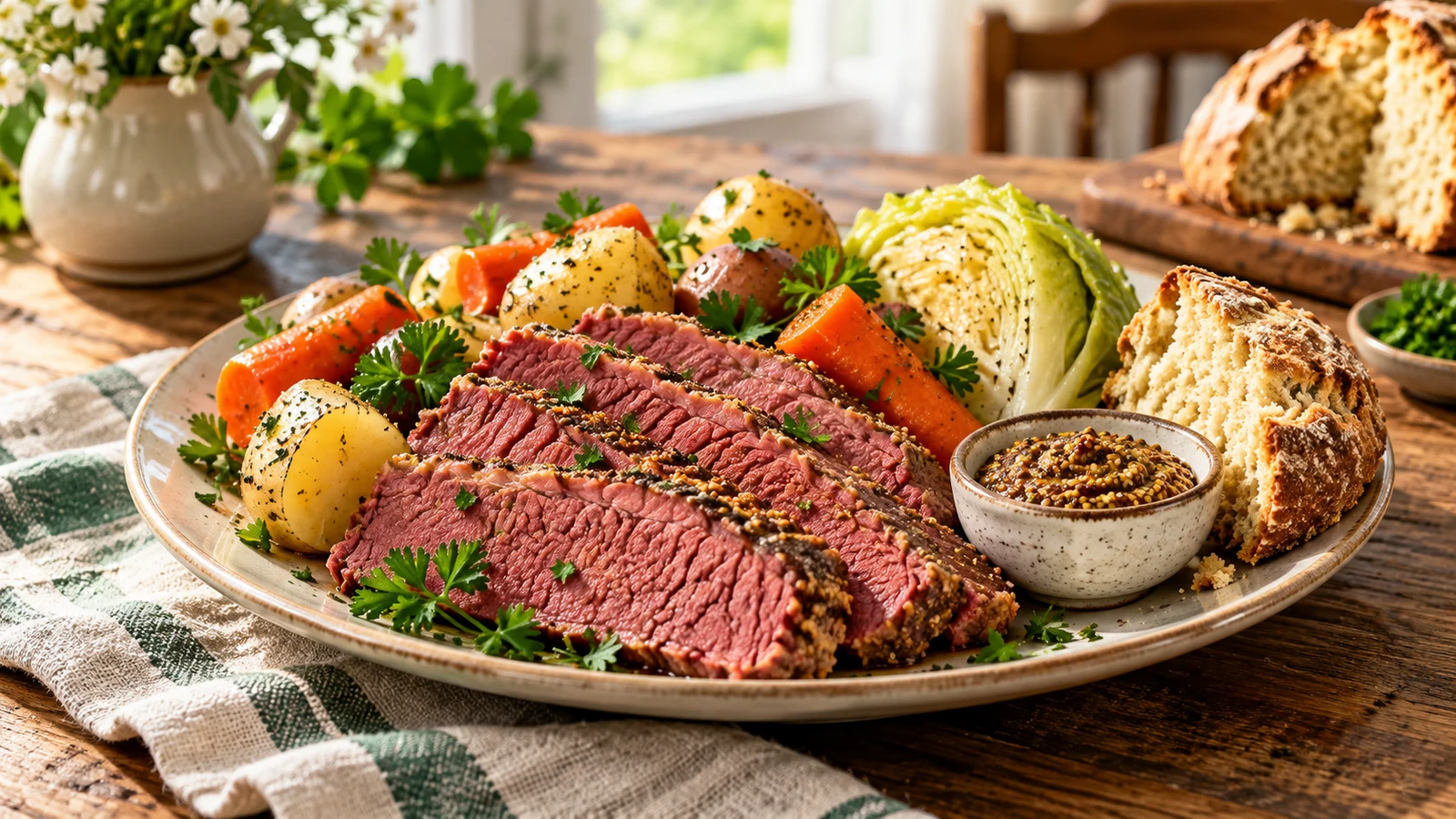
Arrange the sliced beef with potatoes, carrots, and cabbage, then spoon over a little strained cooking liquid. Serve it with mustard, horseradish sauce, or crusty bread. If you enjoy hearty slow-cooked meals, these Crock-Pot beef stew recipes offer another comforting option.
For a traditional-looking platter, overlap the slices in the center and arrange each vegetable in a separate group. Add parsley just before serving for fresh color. Pass the warm cooking liquid at the table rather than pouring on too much, since guests can add it according to taste.
A crisp green salad or lightly dressed slaw provides a refreshing contrast to the rich beef. Irish soda bread, rye bread, or crusty rolls are useful for soaking up the juices. Mustard can range from mild yellow to grainy Dijon depending on the flavors your family prefers.
Make-Ahead Instructions
Corned beef brisket in a crock pot recipes are convenient for advance preparation because the cooked meat slices cleanly after chilling. Cook the brisket as directed, let it cool, and refrigerate it whole with enough strained cooking liquid to keep the surface moist.
The next day, remove any hardened fat from the liquid and slice the cold brisket against the grain. Arrange the slices in a covered baking dish with a splash of reserved liquid, then reheat them gently. Prepare fresh cabbage if you want a firmer texture, since cooked cabbage softens further during storage.
You can also prepare the raw vegetables one day ahead. Refrigerate the onion, carrots, and cabbage in separate airtight containers. Keep cut potatoes submerged in cold water in the refrigerator, drain them well, and add them according to the original schedule.
How to Store, Freeze, and Reheat
Refrigerate the meat and vegetables in shallow airtight containers within two hours. Keep them for up to four days, following USDA recommendations for safe storage of leftovers. For make-ahead serving, refrigerate the brisket whole in some cooking liquid and slice it cold the next day.
Store the meat separately from the vegetables when possible. This prevents the vegetables from continuing to absorb the salty liquid and allows each part of the meal to be reheated for the appropriate amount of time.
Freeze sliced beef with a few spoonfuls of liquid for up to two months. Thaw overnight in the refrigerator. Reheat covered with a splash of broth in a 300°F (150°C) oven, or warm individual portions gently in the microwave until they reach 165°F (74°C).
Potatoes and cabbage can lose some texture after freezing, so freeze the beef by itself for the best result. Label the container with the date and portion the slices before freezing if you expect to use them for individual meals or a corned beef sandwich recipe.
Leftover Corned Beef Sandwich Recipe Ideas
For an easy corned beef sandwich recipe, layer thin slices with Swiss cheese, sauerkraut, mustard, and rye bread, then toast in a skillet. You can also add chopped leftovers to hash, scrambled eggs, soup, or a grilled cheese sandwich. A tender Crock-Pot beef rump roast provides similarly versatile leftovers.
For a lighter corned beef sandwich recipe, pair cold slices with cabbage slaw and grainy mustard on whole-grain bread. Warm meat works well in a toasted roll with caramelized onions, while finely chopped brisket can fill a wrap with crisp lettuce and a tangy dressing.
Always slice or chop chilled leftovers just before assembling the sandwich. Cold brisket is firm enough to cut very thinly, and thin slices warm quickly without becoming dry. Add a spoonful of reserved liquid when reheating the meat.
Variations and Substitutions
Corned Beef Recipes Oven Baked
For corned beef recipes oven baked, place the rinsed brisket fat-side up in a covered roasting pan with 2 cups of liquid and bake at 325°F (163°C) for about 50 to 60 minutes per pound. A baked corned beef and cabbage recipe works best when the cabbage is added only for the final 30 to 40 minutes.
Many corned beef recipes oven baked produce a slightly firmer exterior because the roasting pan provides a different cooking environment. Keep the pan covered during the stated cooking period so the liquid does not evaporate before the brisket becomes tender.
Instant Pot Corned Beef and Cabbage Recipe
For an instant pot corned beef and cabbage recipe, pressure-cook a 3- to 4-pound brisket on high with 1 1/2 cups water for about 85 to 90 minutes, followed by a 15-minute natural release. Remove the beef, then pressure-cook the vegetables for 3 to 4 minutes with a quick release.
An instant pot corned beef and cabbage recipe is useful when you cannot allow a full day for slow cooking. Keep the vegetable stage separate, as described, because cooking them for the full brisket cycle would make them excessively soft.
Baked Corned Beef and Cabbage Recipe
A baked corned beef and cabbage recipe is a practical choice when you want to serve the meal directly from a roasting dish. Cut the cabbage into sturdy wedges, add it only during the stated final 30 to 40 minutes, and keep the pan covered so the vegetables cook in the moist heat.
Simple Flavor Variations
Replace the low-sodium beef broth with water or unsalted broth when reducing sodium. Yellow mustard tastes mild and familiar, while Dijon contributes a sharper flavor. The optional brown sugar provides subtle sweetness but can be omitted without changing the cooking method.
Do not alter the quantity of liquid simply because you change its type. The brisket and vegetables release additional moisture as they cook, which is why corned beef brisket in a crock pot recipes need only 2 cups at the beginning.
Troubleshooting Common Problems
- Tough meat: It usually needs more time. Continue cooking for 30-minute intervals until a fork enters easily.
- Salty meat: Rinse or soak it before cooking and use unsalted liquid. Serve with unseasoned vegetables.
- Dry meat: Slice it thinly against the grain and moisten it with warm cooking liquid.
- Bland meat: Add homemade pickling spice, garlic, mustard, or a splash of vinegar to the finished cooking liquid.
- Mushy vegetables: Add them later in the cooking cycle and cut them into larger, even pieces.
- Firm vegetables: Move them closer to the hot liquid and continue cooking after removing the tender beef.
Why Did the Brisket Shrink?
Some shrinkage is normal because fat renders and muscle fibers contract during cooking. Starting with the correct package weight ensures you still have enough for 6 servings. Letting the meat rest before slicing also helps preserve moisture within the finished brisket.
Why Is the Cooking Liquid Cloudy?
Rendered fat, spices, and proteins can make the liquid appear cloudy. This does not mean the dish failed. Strain the liquid before serving, then skim excess fat from the top if desired.
Why Are My Slices Falling Apart?
The brisket may be extremely tender, still too hot, or cut with the grain. Rest it for the full 15 to 20 minutes and use a sharp knife. For especially neat slices, chill the whole brisket and slice it cold for make-ahead service.
Frequently Asked Questions
Does corned beef need to be covered with water?
No. About 2 cups of liquid is sufficient for a 6- to 8-quart cooker. The brisket releases liquid as it cooks, and complete submersion can weaken the seasoning.
Can I cook the vegetables from the beginning?
You can, but they may become very soft during an eight-hour cook. Adding them later gives you better control over their texture.
Why is my corned beef still tough?
Brisket can be safely cooked yet remain tough because its connective tissue has not fully softened. Keep cooking it gently until it reaches fork-tender doneness.
What equipment do I need?
Use a 6- to 8-quart slow cooker, cutting board, sharp slicing knife, tongs, and an instant-read thermometer. A carving fork is helpful but optional.
Can corned beef brisket in a crock pot recipes be made overnight?
Yes, provided your slow cooker can operate safely and the timing fits the brisket’s weight. Cook it on low for the stated period, then refrigerate the finished meat promptly rather than leaving it on the warm setting for an extended time.
What is the best liquid for corned beef brisket in a crock pot recipes?
Low-sodium beef broth gives the cooking liquid a fuller flavor, while water or unsalted broth helps control saltiness. Use 2 cups of whichever option suits your needs and pour it around the brisket.
Can I use this meat in a corned beef sandwich recipe?
Yes. Chill the cooked brisket so it firms up, slice it thinly against the grain, and add your preferred bread, cheese, mustard, or slaw. Keeping a little cooking liquid with the stored meat prevents dry sandwiches.
How do corned beef recipes oven baked differ from slow-cooker versions?
Corned beef recipes oven baked use a covered roasting pan at 325°F (163°C), while the slow-cooker method uses low, steady countertop heat. Both rely on moisture and enough cooking time to soften the brisket.
When should cabbage be added to a baked corned beef and cabbage recipe?
For a baked corned beef and cabbage recipe, add cabbage during the final 30 to 40 minutes. Adding it earlier can leave the wedges too soft by the time the brisket is fork-tender.
Is an instant pot corned beef and cabbage recipe faster?
Yes. An instant pot corned beef and cabbage recipe pressure-cooks the brisket for about 85 to 90 minutes, followed by a 15-minute natural release. The vegetables then require a separate 3- to 4-minute pressure cycle and quick release.
Should I trim the fat before cooking?
Leave most of the fat cap in place during cooking because it protects the meat and adds flavor. If desired, trim an unusually thick or hard layer before cooking, or remove excess softened fat after the brisket has rested.
Can I double the recipe?
Do not double it unless both briskets and all vegetables fit comfortably in an appropriately sized cooker with room for heat to circulate. Avoid packing the cooker too tightly, and test both pieces for tenderness independently.
Recipe Card
Yield: 6 servings
Prep time: 20 minutes
Cook time: 8 to 10 hours on low or 4 1/2 to 6 hours on high
Rest time: 15 to 20 minutes
Equipment: 6- to 8-quart slow cooker, thermometer, tongs, cutting board, sharp knife
Temperature: Cook until fork-tender, typically 190°F to 205°F (88°C to 96°C)
Estimated nutrition: Approximately 520 calories, 34 grams protein, 28 grams fat, 34 grams carbohydrate, and 1,700 milligrams sodium per serving; values vary by brisket and brine.
Notes: Rinse the meat, cook fat-side up, add vegetables in stages, rest before carving, and slice against the grain.
Final Tips for Tender Corned Beef
The most dependable corned beef brisket in a crock pot recipes use a fully thawed brisket, the correct cooker size, modest liquid, and patient cooking. Add the vegetables in stages, judge the meat by tenderness, and rest it before carving across the grain.
If you need a different cooking method, corned beef recipes oven baked offer gentle covered roasting, while an instant pot corned beef and cabbage recipe provides a faster pressure-cooked option. A baked corned beef and cabbage recipe also makes an attractive oven-to-table meal.
This slow-cooker method turns a firm, brined brisket into a tender meal with minimal hands-on work. Careful timing, staged vegetables, and proper slicing make the result dependable enough for a holiday dinner or an easy weekend meal, with flavorful leftovers ready for your next corned beef sandwich recipe.
Reviews
Reader reviews are managed separately (outside this build).