Cake
Pink Salt Trick Recipe: Brilliant Zesty Loaf Cake
Try this pink salt trick recipe: a zesty lemon-honey loaf cake with a bright glaze, fresh berries, and Greek yogurt. Simple, sweet, and delightful.
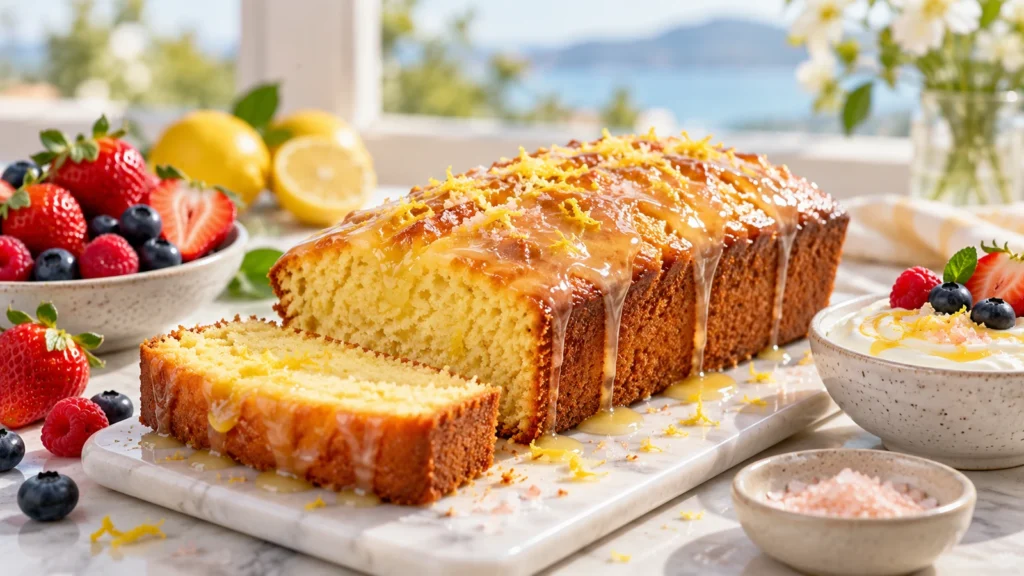
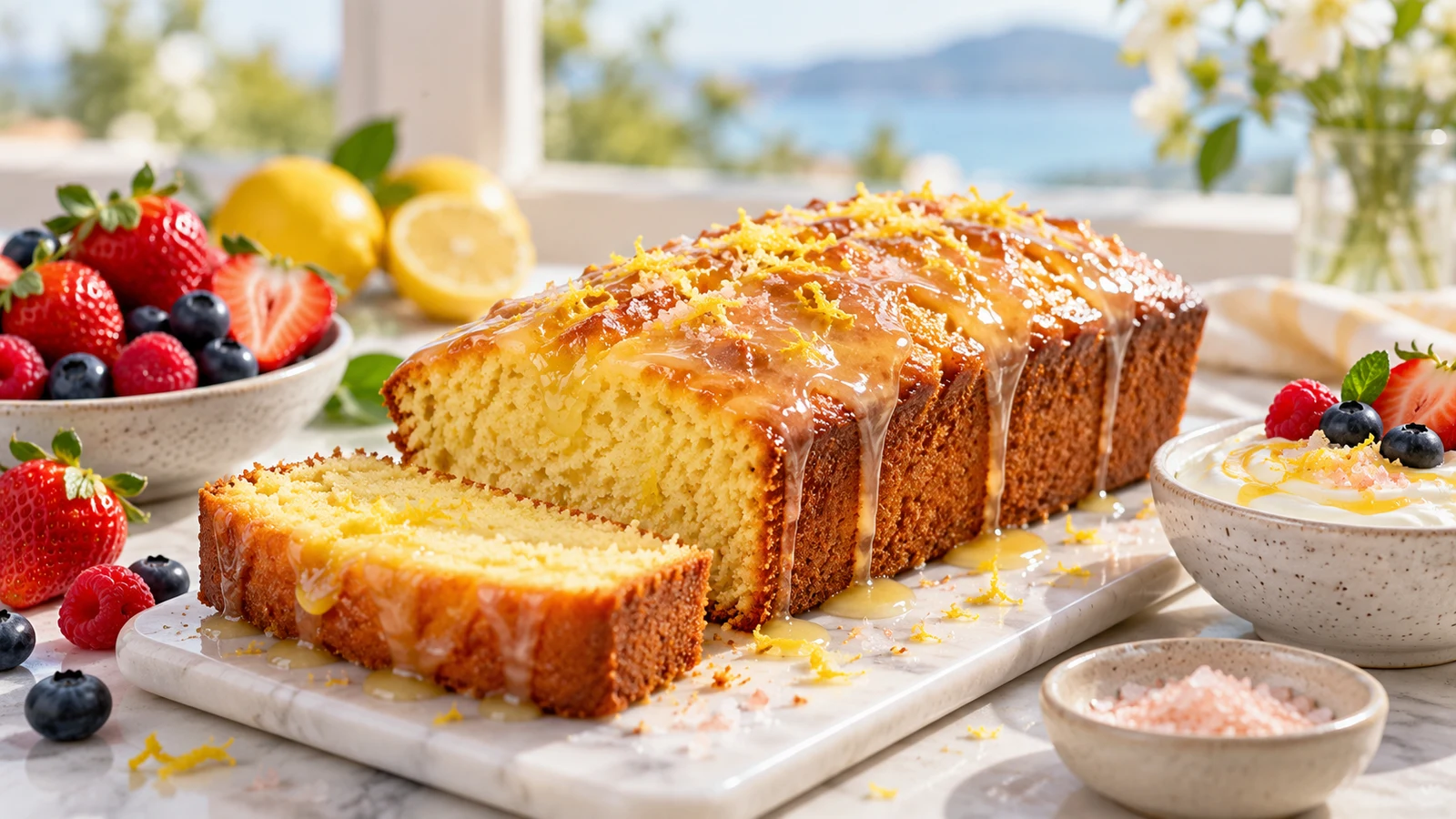
This pink salt trick recipe turns the much-discussed pink salt trend into a tender lemon-honey loaf cake. Unlike the viral drink, which combines salt with water and is sometimes promoted using unsupported wellness claims, this is simply a flavorful cake adaptation that uses Himalayan pink salt to balance sweetness and brighten citrus.
If you have wondered what is the pink salt trick recipe in dessert form, this loaf is a practical answer. The pink salt trick recipe relies on familiar baking techniques, fresh lemon, mild honey, and a carefully measured amount of fine salt. It is a dessert, not a weight-loss remedy.
Pink salt primarily contributes sodium and flavor; it is not a special fat-burning ingredient. The key to this recipe for pink salt trick cake is using finely ground salt and measuring carefully so the loaf tastes lively, never salty.
Table of Contents
Why You’ll Love This Pink Salt Trick Recipe
- Bright and balanced: Lemon, honey, and a restrained amount of salt create a pleasantly sweet-tart flavor.
- Simple preparation: The batter uses familiar creaming and folding techniques.
- Clearly measured: US and metric quantities help prevent an overly salty or dry loaf.
- Easy to make ahead: The cake keeps well and can be frozen before glazing.
- Versatile: Dairy-free and gluten-free adaptations are included below.
Why Pink Salt Balances Sweetness and Lemon
Salt reduces the perception of bitterness and helps sweet and citrus flavors taste more distinct. Himalayan pink salt performs the same basic baking function as ordinary salt, although its mineral content gives it a pink color. This overview of Himalayan pink salt and its nutrition explains why its trace minerals do not make it a meaningful health or weight-loss aid.
Crystal size matters more than color in the pink salt trick recipe. Use fine-grain salt so it disperses evenly, and weigh it when possible. Coarse crystals pack differently into a teaspoon and may leave concentrated salty spots in the crumb.
Honey rounds out lemon’s sharpness while the salt keeps the sweetness from tasting flat. Lemon zest contributes fragrant oils, and lemon juice supplies acidity. Together, these ingredients make the recipe for pink salt trick loaf taste balanced without requiring an excessive amount of sugar or glaze.
Recipe Overview and Equipment
- Yield: 1 loaf, or 10 slices
- Preparation time: 20 minutes
- Baking time: 48 to 58 minutes
- Cooling and glazing time: About 1 hour
- Equipment: 9-by-5-inch loaf pan, parchment paper, two mixing bowls, electric mixer, whisk, silicone spatula, citrus zester, juicer, and wire rack
A light-colored metal loaf pan is especially useful because it promotes steady, even browning. A dark pan may brown the crust faster, while glass can change how quickly the center heats. Whatever pan you use, judge the pink salt trick recipe by the center of the loaf rather than color alone.
Ingredients
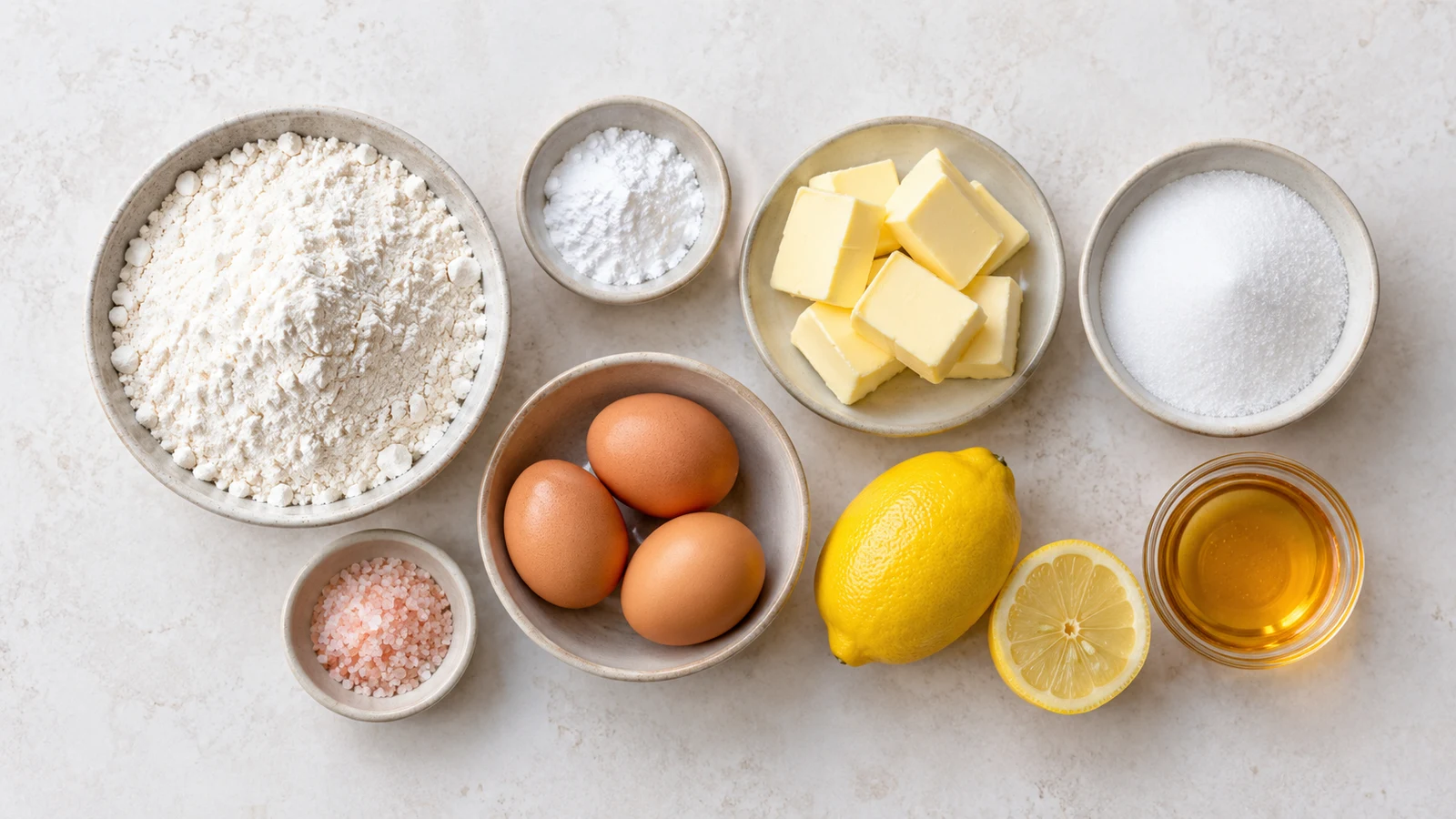
- 1 3/4 cups all-purpose flour (210 g)
- 1 1/2 teaspoons baking powder (6 g)
- 1/2 teaspoon fine Himalayan pink salt (3 g), plus no more than a tiny pinch for garnish
- 1/2 cup unsalted butter (113 g), softened but not melted
- 3/4 cup granulated sugar (150 g)
- 3 large eggs, at room temperature
- 1/4 cup mild honey (85 g)
- Finely grated zest of 2 medium lemons
- 1/4 cup fresh lemon juice (60 ml)
- 1 teaspoon vanilla extract
- 1/4 cup plain Greek yogurt or sour cream (60 g)
- For the glaze: 1 cup confectioners’ sugar (120 g), 1 1/2 tablespoons lemon juice, and 1 tablespoon honey
- For serving: Additional lemon zest, fresh berries, plain Greek yogurt, and an optional very light pink-salt finish
How to Make This Pink Salt Trick Recipe
- Prepare the pan and oven. Heat the oven to 350°F (175°C). Grease a 9-by-5-inch loaf pan, then line its long sides and base with parchment, leaving enough overhang to lift out the cake.
- Combine the dry ingredients. Whisk the flour, baking powder, and 1/2 teaspoon fine pink salt in a medium bowl. Break apart any salt clumps so they cannot form salty pockets.
- Cream the butter and sugar. In a large bowl, beat the softened butter and granulated sugar at medium speed for 3 to 4 minutes. Stop when the mixture looks pale, fluffy, and slightly increased in volume.
- Add the wet ingredients. Beat in the eggs one at a time, mixing until each disappears before adding the next. Add the honey, lemon zest, lemon juice, vanilla, and yogurt. The mixture may look slightly curdled after the juice is added; that is normal.
- Fold in the flour. Add the dry mixture in two additions. Fold gently with a spatula just until no dry streaks remain. Do not continue mixing once the batter is uniform.
- Fill the pan. Spoon the thick batter into the prepared pan and smooth the top. Tap the pan once or twice on the counter to remove large air pockets.
- Bake the loaf. Bake for 48 to 58 minutes. Begin checking at 45 minutes; if the top browns too quickly, loosely cover it with foil. The cake is ready when it springs back lightly and a tester inserted in the center comes out clean or with a few moist crumbs, not wet batter.
- Cool completely. Rest the loaf in its pan for 15 minutes, then use the parchment to transfer it to a wire rack. Let it cool fully before glazing so the topping does not melt.
- Glaze and garnish. Whisk the confectioners’ sugar, lemon juice, and honey until thick but pourable. Spread it over the loaf, add lemon zest, and, if desired, finish with only a few grains of fine pink salt. Let the glaze set for 15 minutes before slicing.
Lemon zest contains aromatic oils that provide a fuller citrus flavor than juice alone. For more ideas about using the whole fruit, see these techniques for baking with lemon.
Expert Tips for the Best Pink Salt Trick Recipe
- Use room-temperature ingredients. Butter, eggs, and yogurt blend into a smoother emulsion and produce a more even crumb. Set them out before beginning, but do not let the butter become greasy or melted.
- Weigh the salt. Three grams is enough for balance. Never add a visible salt layer to the glaze; the garnish should be extremely light.
- Measure flour accurately. A scale is best. If using cups, loosen the flour, spoon it into the cup, and level it without pressing.
- Zest before juicing. Remove only the yellow skin because the white pith tastes bitter. A fine grater releases the fragrant oils evenly.
- Cream thoroughly. Properly aerated butter and sugar help the pink salt trick recipe rise with a fine, tender crumb.
- Mix gently after adding flour. Overmixing develops gluten, which can make the loaf dense or rubbery.
- Check the center. The edges set first, so insert the tester into the thickest central area.
- Cool before slicing. Cutting a hot loaf can compress the tender crumb and make it appear underbaked.
How to Measure Pink Salt Correctly
Fine salt is essential because it distributes throughout the batter. If your salt contains large rocks or flakes, grind it before measuring, then weigh 3 grams. Do not grind 1/2 teaspoon of coarse crystals and assume the final amount will be correct, because the volume changes as the particles become smaller.
Taste cannot correct an over-salted batter after baking begins. Precision is therefore more important than an extravagant garnish. In the pink salt trick recipe, salt should support the lemon and honey quietly rather than announce itself in every bite.
How to Create a Tender, Even Crumb
Cream the softened butter and sugar until visibly lighter, then add each egg separately. This sequence builds and preserves tiny air pockets. If the eggs are cold, place them in a bowl of warm water for several minutes before cracking them.
Once the flour enters the bowl, switch from the mixer to a spatula. Fold from the bottom and turn the bowl as you work. Stop as soon as the last dry patch disappears; a few final gentle strokes are better than vigorous mixing.
Variations and Substitutions
Regular Salt, Dairy-Free, and Gluten-Free Options
For ordinary salt, replace the fine Himalayan pink salt with 1/2 teaspoon fine sea salt or table salt. Do not substitute the same volume of large flakes or coarse crystals unless you weigh out 3 grams. This keeps the recipe for pink salt trick cake properly seasoned.
For a dairy-free loaf, use a firm plant-based baking stick in place of butter and unsweetened plant-based yogurt instead of Greek yogurt. Choose neutral-tasting products so the lemon and honey remain prominent.
For a gluten-free version, use 210 grams of a reputable cup-for-cup gluten-free flour blend containing xanthan gum. The crumb may be slightly more delicate, so cool the loaf completely before moving, glazing, or slicing it.
Citrus and Fruit Variations
Orange zest and juice can replace the lemon for a softer citrus flavor. You can also add 1 tablespoon of poppy seeds or 1/2 cup of blueberries, tossing berries with a teaspoon of the measured flour first. These additions change the flavor but preserve the method for the pink salt trick recipe.
When adding blueberries, fold them in with the final streaks of flour to avoid crushing them. Fresh or frozen berries may be used, but do not thaw frozen berries first. If citrus cakes are a favorite, this traditional lemon drizzle cake method offers a useful point of comparison.
Glaze Adjustments
For a thinner glaze, add lemon juice a few drops at a time. For a thicker, more opaque finish, add a little more confectioners’ sugar. Make adjustments gradually because a small amount of liquid changes the consistency quickly.
You may leave the cake unglazed for a less sweet presentation, but do not pour glaze onto a warm loaf. Warmth causes the topping to soak in or slide off instead of forming a neat layer over the recipe for pink salt trick cake.
Common Mistakes and Troubleshooting
Why Does the Cake Taste Too Salty?
If the cake tastes salty, the likely causes are coarse salt, an overfilled measuring spoon, or too much garnish. Use fine crystals, level the spoon, and preferably follow the gram measurement. Do not assume that all salt varieties occupy the same volume.
Unsalted butter is also important because it gives you full control over seasoning. If only salted butter is available, the final sodium level becomes less predictable, so it is better to wait until you have the listed ingredient before making the pink salt trick recipe.
Why Did the Middle Sink?
A sunken middle usually indicates underbaking, too much liquid, or opening the oven early. Keep the door closed during the first 45 minutes. Check with a tester in the center, not near an edge, and confirm that it shows moist crumbs rather than wet batter.
Why Is the Loaf Dry or Dense?
A dry loaf has generally baked too long or contains excess flour. Weighing the flour avoids compacting too much into a measuring cup. Begin checking at 45 minutes, especially if your pan is dark or your oven tends to run hot.
A dense loaf can result from under-creamed butter, cold ingredients, or overmixing after the flour is added. Follow the visual cues in the recipe for pink salt trick loaf and stop folding as soon as the batter is uniform.
What If the Batter Looks Curdled?
If the batter curdles after adding lemon, continue with the recipe rather than adding extra flour. The acidic juice can make the butter mixture look separated, but the measured dry ingredients usually bring the batter together. Extra flour would make the finished cake heavy and dry.
Why Is the Glaze Runny?
A warm cake, excess lemon juice, or humid conditions can make the glaze runny. Allow the loaf to cool completely and add liquid gradually. If the glaze is already too loose, whisk in confectioners’ sugar a spoonful at a time until it falls from the whisk in a thick ribbon.
Serving Ideas for the Pink Salt Trick Recipe
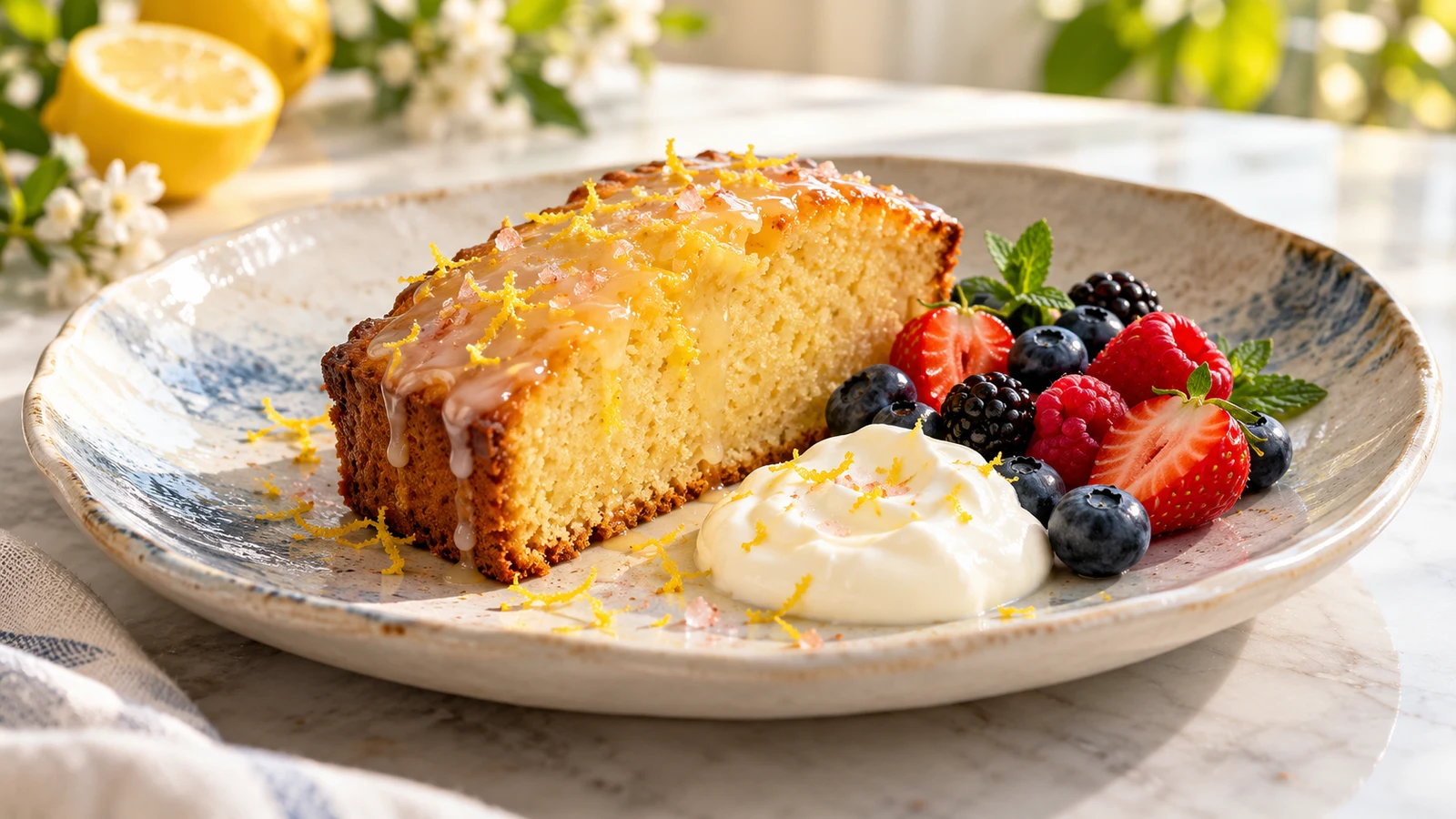
Serve slices with fresh berries and a spoonful of plain Greek yogurt to contrast with the sweet glaze. For a larger meal, the loaf makes a bright dessert after healthy baked salmon recipes or a comforting bowl of chicken orzo soup.
For a casual brunch, pair thin slices with coffee and fruit, or add them to a spread alongside this Korean sweet potato recipe. The lemon flavor also works well with black tea, green tea, or an unsweetened iced tea.
For an attractive dessert plate, place one slice slightly off-center and add berries and yogurt beside it. Sprinkle extra lemon zest over the yogurt rather than adding more salt. The pink salt trick recipe already contains enough salt for flavor balance.
One-tenth of the glazed loaf provides approximately 310 calories, 45 grams of carbohydrates, 4 grams of protein, 13 grams of fat, and 220 milligrams of sodium; values vary with brands and substitutions.
Make-Ahead, Storage, and Reheating Details
Making the Loaf Ahead
To make the pink salt trick recipe ahead, bake and cool the loaf one day before serving. Keep it well covered at room temperature, then prepare and apply the glaze the next day. This schedule protects the soft crumb and gives the glaze a freshly finished appearance.
You can also measure the dry ingredients a day ahead and keep them covered at room temperature. Zest and juice the lemons shortly before mixing for the brightest aroma. Do not prepare the complete batter in advance because the baking powder begins working after it meets moisture.
Room-Temperature and Refrigerator Storage
Keep the uncut loaf covered at room temperature for up to 2 days. Once sliced, wrap the cut end tightly, or refrigerate the cake in an airtight container for up to 5 days. A layer of parchment beneath the lid helps prevent the glaze from sticking to the container.
Bring refrigerated slices to room temperature before serving. Chilled butter firms the crumb and mutes the lemon aroma, while a brief rest restores a softer texture and fuller flavor.
Freezing and Thawing
For freezing, leave the loaf unglazed, wrap it securely, and freeze for up to 3 months. Freeze it whole for the best moisture retention, or wrap individual slices when convenient portions are more important.
Thaw the wrapped loaf overnight in the refrigerator so condensation stays on the wrapping rather than the cake. Bring it to room temperature and add fresh glaze before serving. Freezing the recipe for pink salt trick loaf without glaze gives a cleaner finish after thawing.
How to Reheat a Slice
Warm an unglazed slice in the microwave for 8 to 10 seconds. Avoid heating a glazed slice for too long because the topping can melt. The loaf does not require reheating, but a brief warming can soften a refrigerated serving.
Frequently Asked Questions About the Pink Salt Trick Recipe
What is the pink salt trick recipe?
The phrase usually refers to a viral salt-and-water drink promoted online. Here, what is the pink salt trick recipe has a different answer: it is a lemon-honey loaf seasoned carefully with fine Himalayan pink salt, without weight-loss or detox claims.
What is the recipe for the pink salt trick in cake form?
For readers asking what is the recipe for the pink salt trick, cream butter and sugar, add eggs, honey, lemon, and yogurt, then fold in flour, baking powder, and 3 grams of fine pink salt. Bake at 350°F (175°C) and cool the loaf before applying the lemon-honey glaze.
Can I make the recipe for pink salt trick with regular salt?
Yes. Use the same weight—3 grams—of fine sea salt or table salt. This substitution changes the color of the salt crystals but has little effect on the finished cake’s flavor. Fine texture is still important for even distribution.
Does the pink salt trick recipe provide special health benefits?
No reliable evidence shows that pink salt burns fat or causes weight loss. It still supplies sodium, so use it for flavor and enjoy the loaf as a dessert in sensible portions.
Is the pink salt trick recipe supposed to taste salty?
No. The salt should sharpen the lemon and balance the honey and sugar, not dominate the loaf. Use exactly 1/2 teaspoon or 3 grams of fine pink salt in the batter and no more than a few grains as an optional garnish.
Can I use bottled lemon juice?
Fresh juice is preferred because the recipe also needs zest from two lemons. Bottled juice may taste flatter or more bitter, and it cannot provide the fragrant oils found in fresh zest. Fresh lemons give the pink salt trick recipe its clearest citrus character.
Can I bake the batter as muffins?
The ingredient list and tested baking directions are designed for one 9-by-5-inch loaf. Dividing the batter into muffins would require a different baking time and careful monitoring. For the most dependable result, use the specified loaf pan.
Can I reduce the honey or sugar?
Sugar and honey affect moisture, browning, tenderness, and structure as well as sweetness. Reducing either may make the cake drier or change how it rises. For predictable results, prepare the pink salt trick recipe with the listed quantities and serve smaller slices if desired.
How do I know when the loaf is fully baked?
The top should spring back lightly, and a tester inserted in the thickest central area should emerge clean or with a few moist crumbs. Wet batter means it needs more time. Check again after a few minutes while protecting an overly brown top loosely with foil.
Why must the loaf cool before glazing?
A warm surface melts the glaze, causing it to become translucent, soak into the crumb, or run onto the rack. Complete cooling allows the lemon-honey topping to remain thick and visible on the pink salt trick recipe.
What is the recipe for the pink salt trick best served with?
Serve it with berries, plain Greek yogurt, coffee, or tea. Its bright lemon flavor also makes it a pleasant dessert after a savory soup, fish dinner, or brunch. Keep accompaniments simple so the honey and citrus remain the focus.
Final Notes on the Recipe for Pink Salt Trick Cake
The pink salt trick recipe makes a practical, delicious use of Himalayan salt by focusing on careful seasoning, bright citrus, and dependable baking technique. It does not depend on exaggerated wellness promises; its appeal comes from a tender crumb and a balanced lemon-honey flavor.
For anyone still asking what is the recipe for the pink salt trick, the essentials are simple: measure 3 grams of fine pink salt, cream the butter and sugar thoroughly, fold the flour gently, and bake until the center is set. Cool the loaf fully before adding its glossy glaze.
Follow those details and the recipe for pink salt trick loaf will be fragrant, moist, and pleasantly sweet rather than salty. Serve it fresh, store it carefully, and enjoy each slice as the citrus dessert it is.
Reviews
Reader reviews are managed separately (outside this build).