Salmon
Healthy Baked Salmon Recipes: Easy Lemon-Garlic
Try healthy baked salmon recipes with lemon, garlic and herbs, plus reliable baking time, temperature and doneness tips for an easy dinner tonight.
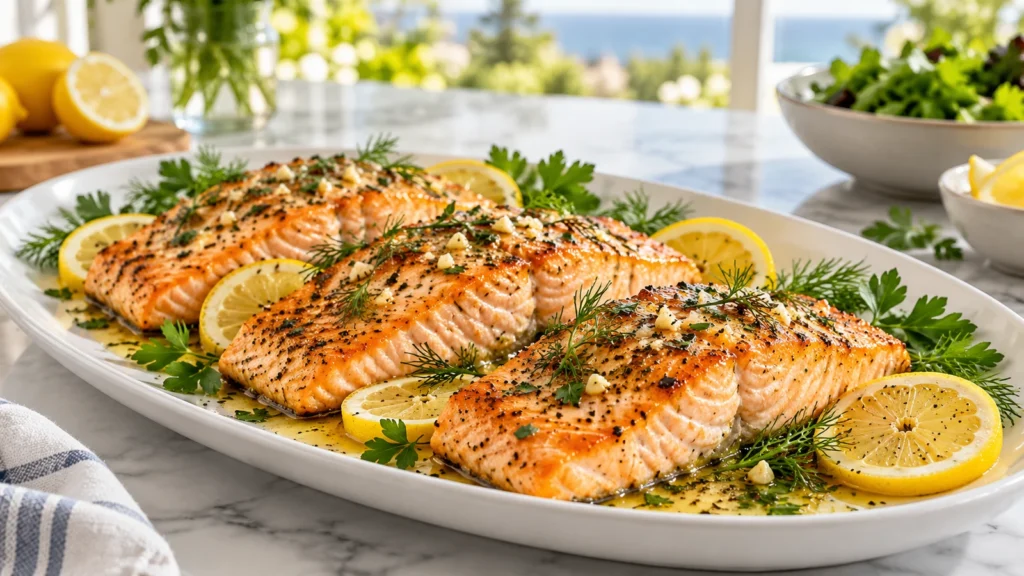
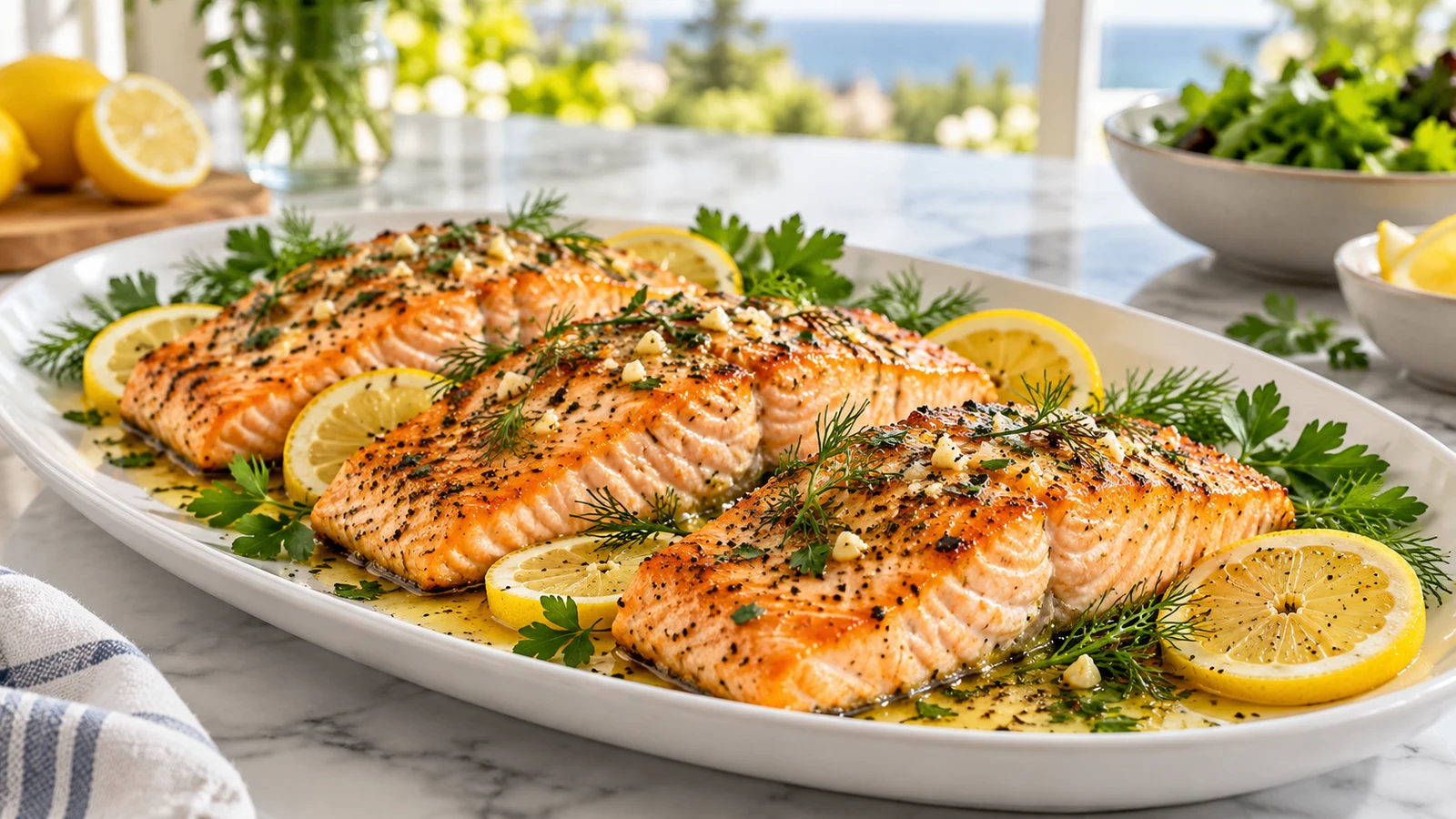
These healthy baked salmon recipes turn simple fillets into a bright lemon-garlic dinner in about 25 minutes. The salmon stays moist, the ingredient list is short, and the method works with skin-on or skinless portions. With reliable timing and a few practical checks, healthy baked salmon recipes can be easy enough for a weeknight yet polished enough for guests.
This is one of those flexible healthy salmon recipes that pairs easily with vegetables, grains, or salad. Use the timing chart and temperature guidance below to choose between a tender texture and the FDA food-safety benchmark. These healthy salmon meal recipes are also useful for planned lunches because the cooked fish works well warm or cold.
Table of Contents
Why You’ll Love These Healthy Baked Salmon Recipes
- Quick: Preparation takes about 10 minutes, and most fillets bake in 10 to 15 minutes.
- Flavorful: Lemon, garlic, herbs, and olive oil complement salmon without masking it.
- Flexible: The recipe works with fresh or properly thawed frozen salmon.
- Balanced: Each 6-ounce (170 g) portion supplies satisfying protein and naturally occurring fats.
- Meal-prep friendly: The portions can be cooked ahead and served with different sides throughout the week.
Many healthy salmon dinner recipes depend on complicated sauces or long marinades. This version builds flavor with pantry staples and fresh lemon, so there is little cleanup and no advance marinating required.
Ingredients
- 4 salmon fillets, about 6 ounces (170 g) each and 1 inch thick
- 2 tablespoons extra-virgin olive oil
- 2 tablespoons fresh lemon juice
- 1 teaspoon finely grated lemon zest
- 3 garlic cloves, minced
- 1 teaspoon Dijon mustard
- 1 teaspoon dried oregano or Italian seasoning
- 1/2 teaspoon kosher salt
- 1/4 teaspoon black pepper
- 2 tablespoons chopped fresh parsley
- Lemon wedges, for serving
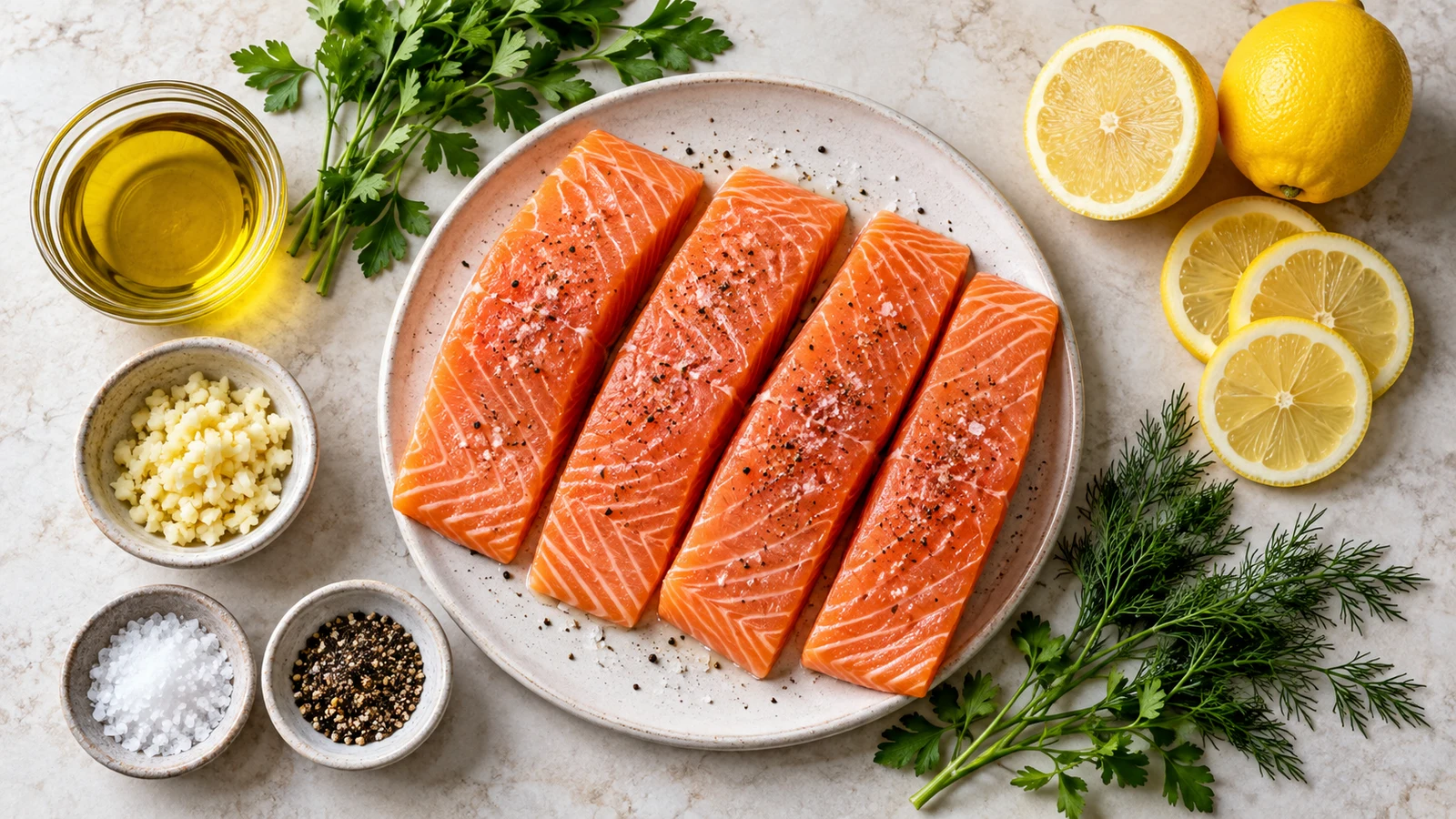
For a low-sodium version, reduce the salt to 1/4 teaspoon and use salt-free seasoning. The recipe is naturally dairy-free; avoid replacing olive oil with butter if that matters for your diet. Lime can replace lemon, while dried dill or thyme can replace oregano.
Wild salmon is often leaner and may cook slightly faster. Farmed salmon generally has more fat and is forgiving in the oven; USDA research also found that baked farm-raised salmon retains beneficial omega-3 fatty acids. Choose the type that suits your budget, availability, and taste.
How to Choose Salmon Fillets
For the most even results, select center-cut portions with similar width and thickness. A uniform shape matters more than identical weight because thin tail pieces finish sooner. If the package contains mixed cuts, place thinner pieces toward the cooler edges of the pan and begin checking them first.
Fresh fish should look moist and firm, with no dried or deeply browned edges. Vacuum-packed frozen portions are convenient for healthy salmon recipes because you can thaw only the number needed. Follow the package directions for safe thawing, and remove fish from vacuum packaging before thawing if the label instructs you to do so.
Equipment
- Rimmed baking sheet or shallow baking dish
- Parchment paper or foil
- Small bowl and spoon
- Instant-read thermometer
No baking sheet is required if you have an oven-safe skillet. A toaster oven also works for two fillets, provided there is space around them and its temperature is accurate. The thermometer is especially valuable because thickness, starting temperature, and oven calibration can all change the cooking time.
How to Make Healthy Baked Salmon Recipes with Lemon and Garlic
- Heat the oven: Preheat it to 425°F (220°C). Line a rimmed baking sheet with parchment.
- Prepare the fish: Pat the salmon dry. Check for pin bones by running your fingers over the flesh, then remove any with clean tweezers.
- Mix the seasoning: Stir together the olive oil, lemon juice, zest, garlic, Dijon, oregano, salt, and pepper.
- Season: Arrange fillets skin-side down with space between them. Spoon the lemon-garlic mixture evenly over the tops.
- Bake: Cook until the thickest part reaches your chosen temperature and flakes with gentle pressure, using the chart below as a guide.
- Rest and serve: Rest for 3 minutes. Sprinkle with parsley and serve with lemon wedges.
Skin-on salmon can go directly onto parchment, skin-side down; the skin helps protect the flesh but will not become crisp with this method. Skinless fillets cook equally well but can be slightly more delicate. For crisp skin, sear the salmon skin-side down in an oven-safe skillet before finishing it in the oven.
A whole side of salmon needs the same preparation but usually takes 18 to 25 minutes, depending on thickness. Start checking the thickest area early because the thinner tail will finish first. You can loosely cover the tail with foil if it is cooking too quickly.
When testing several portions, check each fillet rather than assuming they are all done together. Remove a thinner piece when it reaches the intended temperature and leave thicker pieces in the oven. This small step keeps healthy baked salmon recipes succulent from the first serving to the last.
Baking Time by Fillet Thickness
These times are estimates for salmon baked at 425°F (220°C). Temperature, not the clock alone, gives the clearest indication of doneness.
- 1/2 inch thick: 6 to 8 minutes
- 3/4 inch thick: 8 to 11 minutes
- 1 inch thick: 10 to 14 minutes
- 1 1/4 inches thick: 13 to 17 minutes
- 1 1/2 inches thick: 16 to 20 minutes
Measure at the thickest point, excluding the skin. Individual fillets cook faster and more evenly than a large side, while wild salmon may finish near the lower end of each range.
Salmon placed in the oven directly from the refrigerator may need slightly longer than fish that has been out briefly during preparation. Do not leave raw fish at room temperature to force it to warm quickly. Instead, use the thermometer and treat the time range as a prompt to begin checking.
Doneness and Internal Temperature
The FDA advises cooking most seafood to 145°F (63°C) and provides additional guidance for selecting, storing, and serving seafood safely. Insert an instant-read thermometer sideways into the center of the thickest section for an accurate reading.
Some cooks prefer salmon removed around 125°F to 130°F (52°C to 54°C) for a softer, more translucent center, but that is below the federal benchmark and carries greater food-safety risk. People who are pregnant, older, immunocompromised, or serving young children should follow official safety advice. The temperature can rise another 3°F to 5°F during a short rest because of carryover cooking.
Visually, cooked salmon changes from translucent to mostly opaque and separates into moist flakes when pressed gently with a fork. White albumin on the surface is harmless, though a large amount can signal that the fish cooked too hot or too long. A thermometer is more dependable than color alone.
Expert Tips for Healthy Baked Salmon Recipes
- Dry every surface: Blot the top and sides with paper towels so the oil-based seasoning clings instead of sliding into the pan.
- Measure thickness: Check the deepest part of each portion before baking and use that measurement to estimate when testing should begin.
- Grate only the yellow zest: The white pith beneath it tastes bitter and does not provide the same fragrant lemon flavor.
- Mince garlic finely: Small, even pieces distribute flavor and are less likely to form exposed clumps that brown too quickly.
- Rest briefly: Three minutes allows juices to settle while carryover heat completes the cooking.
For consistent healthy salmon dinner recipes, preheat the oven fully before adding the pan. An oven still climbing to temperature extends the cooking period and can produce an uneven texture. If your oven runs hot or cold, an inexpensive oven thermometer can explain why your results differ from the suggested range.
More Tips for the Best Results
- Thaw frozen salmon overnight in the refrigerator, then dry it thoroughly so the seasoning adheres.
- Choose fillets of similar thickness to help them finish together.
- Begin checking several minutes before the estimated cooking time ends.
- Do not crowd the pan; circulating heat promotes even cooking.
- Avoid marinating salmon in lemon juice for hours because prolonged acidity can make the surface mushy.
Fresh salmon should smell mild, not strongly fishy, and its flesh should appear moist and firm. Frozen salmon is a practical alternative and can be excellent when it was frozen promptly; avoid packages with tears, heavy frost, or obvious thawing and refreezing.
Spoon the seasoning across the full surface, including the thicker end, but keep excess liquid from pooling around the fish. A thin, even coating gives healthy baked salmon recipes a brighter taste and more consistent browning than a heavy layer concentrated in one spot.
Variations and Substitutions for Healthy Salmon Recipes
- Dill and caper: Replace oregano with 1 tablespoon chopped dill and add 1 tablespoon rinsed capers.
- Maple mustard: Add 1 tablespoon pure maple syrup and increase Dijon to 2 teaspoons.
- Smoky: Replace oregano with 1 teaspoon smoked paprika and add a pinch of cumin.
- Herb crust: Add 1/3 cup whole-wheat panko mixed with parsley and 1 teaspoon olive oil.
- Garlic-free: Omit garlic and add extra lemon zest plus chopped chives.
Keep the original salmon quantity, oven temperature, and doneness guidance when using these options. Added maple syrup can brown sooner, so watch the surface near the end. A panko topping should look lightly golden when the center of the salmon reaches the selected temperature.
Seasonal Flavor Ideas
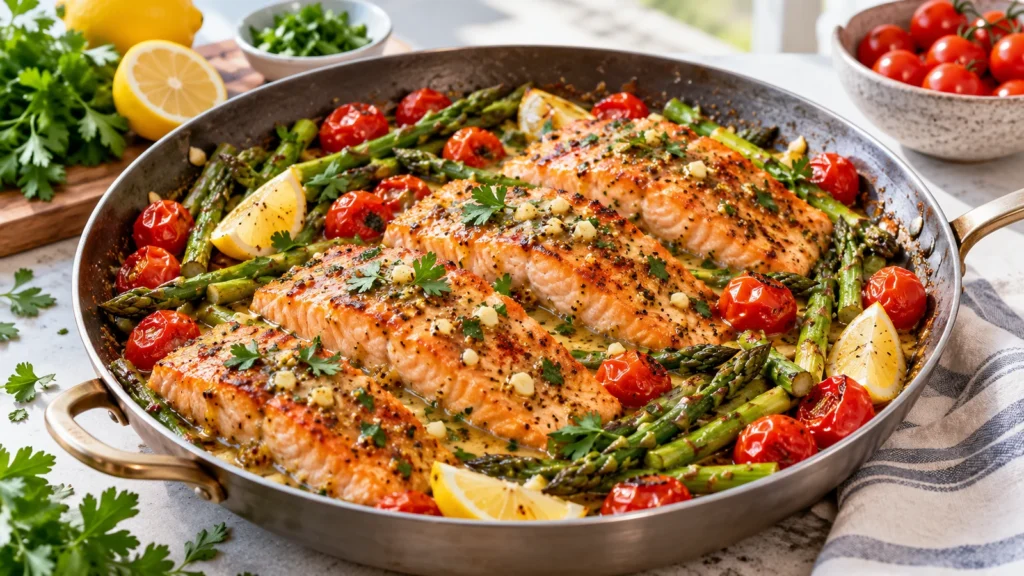
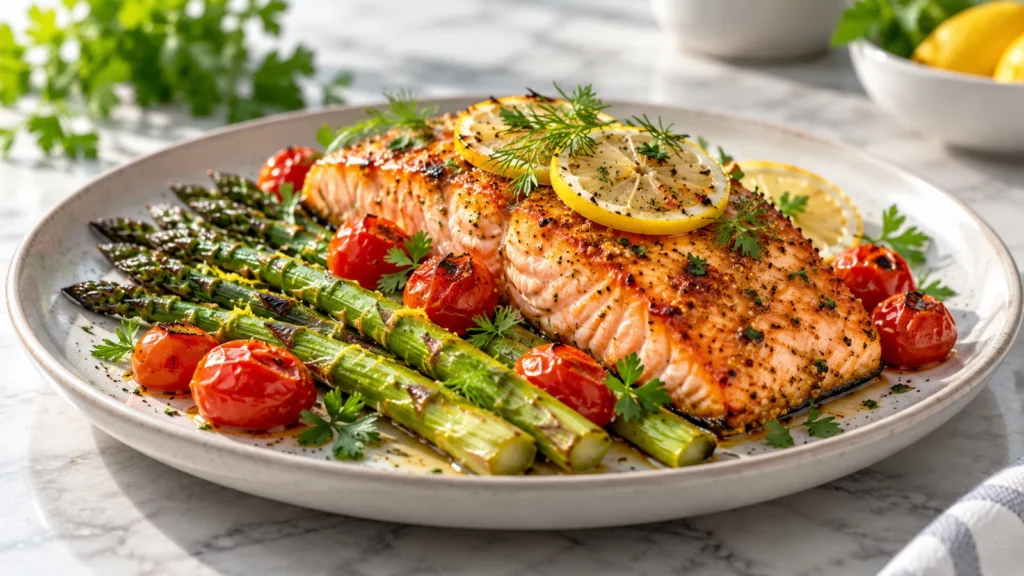
In spring, use dill and serve the fish with asparagus. In summer, try the lime substitution with a tomato and cucumber salad. Smoked paprika suits autumn vegetables, while the maple-mustard option pairs well with winter squash. These changes make healthy salmon meal recipes feel different without altering the dependable baking method.
If fresh herbs are unavailable, use the listed dried oregano or Italian seasoning rather than replacing dried herbs in equal measure with another strongly flavored ingredient. Fresh parsley is added after baking because its clean flavor and color are best preserved away from direct oven heat.
Healthy Sides and Complete Meals
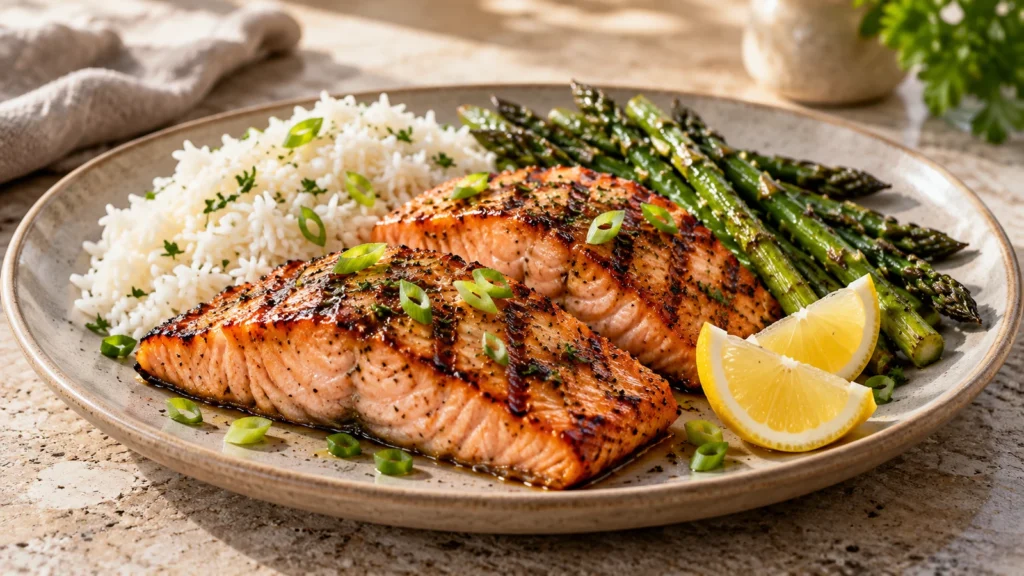
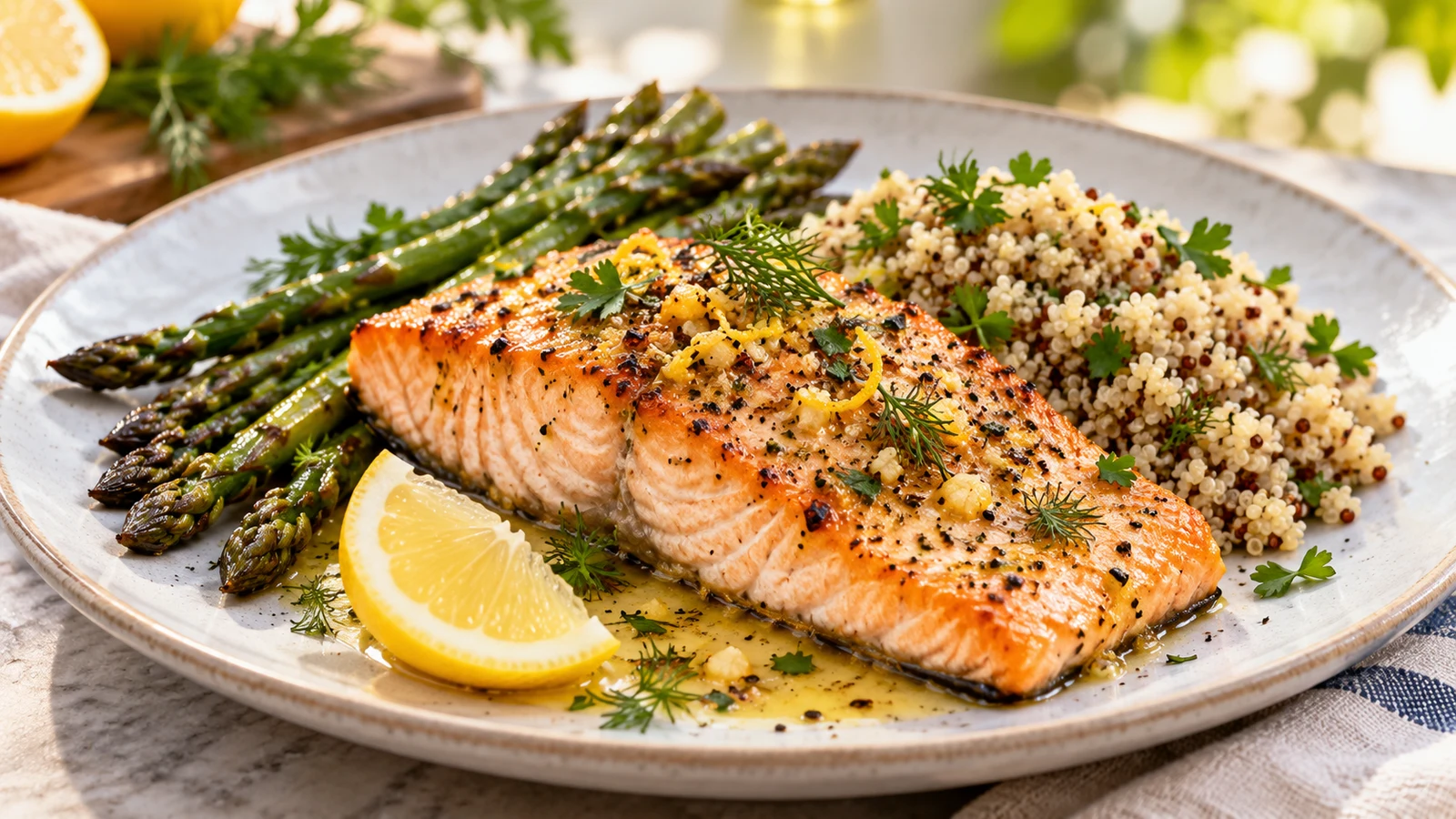
For complete healthy salmon dinner recipes, pair each fillet with two cups of roasted broccoli, asparagus, green beans, or a crisp salad. Add a moderate portion of brown rice, quinoa, baby potatoes, or whole-grain couscous for carbohydrates and fiber.
A practical plate uses about half vegetables, one quarter salmon, and one quarter whole grains or starchy vegetables. Research reviews describe fish as a source of protein and nutrients including long-chain omega-3 fats; this review of fish consumption and health offers broader nutritional context.
Serving Ideas for Healthy Salmon Dinner Recipes
- Mediterranean plate: Serve with whole-grain couscous, cucumber, tomatoes, and extra parsley.
- Roasted vegetable dinner: Add broccoli or green beans and baby potatoes seasoned to complement the lemon and oregano.
- Grain bowl: Place flaked salmon over quinoa or brown rice with crisp vegetables and a lemon wedge.
- Fresh salad meal: Serve a warm fillet over sturdy greens with cucumber and other favorite vegetables.
- Simple family supper: Pair with steamed vegetables and a familiar grain, keeping extra lemon on the table.
When coordinating side dishes, start foods that require longer cooking before the salmon. The fish can rest for 3 minutes, but it is best served soon afterward. Fast-cooking vegetables or reheated grains are especially convenient companions for healthy salmon dinner recipes on busy evenings.
Make-Ahead Plan for Healthy Salmon Meal Recipes
Up to one day ahead, mix the olive oil, zest, garlic, Dijon, oregano, salt, and pepper without the lemon juice. Cover and refrigerate it. Stir in the lemon juice shortly before seasoning the fish so prolonged acidity does not change the salmon’s surface texture.
You may also inspect the fillets for pin bones, portion a larger piece if needed, and prepare the parsley and lemon wedges ahead. Keep the raw salmon refrigerated and separate from ready-to-eat foods. Line the baking sheet shortly before cooking so the preparation remains quick.
For fully cooked meal prep, bake the salmon, rest it, and cool it before packing. Divide it with cooked grains and vegetables in shallow airtight containers. These healthy salmon meal recipes are easiest to reheat evenly when each component is arranged in a single layer rather than tightly stacked.
Troubleshooting Healthy Baked Salmon Recipes
- Dry salmon: It was probably overcooked. Check early and account for carryover cooking.
- Uneven doneness: The portions differed in thickness or were crowded. Use similarly sized fillets and leave space between them.
- Watery surface: The fish was not dried thoroughly, or it released liquid after thawing.
- Burned garlic: Keep minced garlic in the oil mixture and on top of the moist fish rather than scattered on the bare pan.
- Bland flavor: Season evenly, include the lemon zest, and finish with fresh herbs and a squeeze of lemon.
Why Is the Salmon Sticking?
Salmon may stick when the pan is unlined or the skinless flesh is moved before it firms. Use the specified parchment and lift portions with a thin spatula. If a little fish remains behind, slide the spatula gently between the salmon and parchment rather than pulling from the top.
Why Is the Salmon Cooking Too Slowly?
A thick fillet, an oven that was not fully preheated, or a crowded pan can extend the timing. Confirm the oven setting, leave room between portions, and continue cooking until the center reaches your chosen temperature. Do not increase the heat abruptly, because the exterior may overcook before the center is ready.
Why Is There So Much White Albumin?
Albumin is harmless protein. A generous amount often appears when salmon cooks beyond its ideal point or undergoes a sharp temperature change. Begin testing early and remove each portion as it finishes. Even with visible albumin, the salmon is safe to serve when it has been handled and cooked appropriately.
How to Store and Reheat Healthy Salmon Recipes
Refrigerate cooked salmon in a shallow airtight container within two hours. Use it within three to four days. For meal prep, divide salmon, cooked grain, and vegetables among containers, keeping any fresh lemon or dressing separate.
These healthy salmon meal recipes reheat best in a covered baking dish at 275°F (135°C) until hot, usually 10 to 15 minutes. A microwave also works: cover the salmon and heat at 50 percent power in 30-second intervals to limit drying.
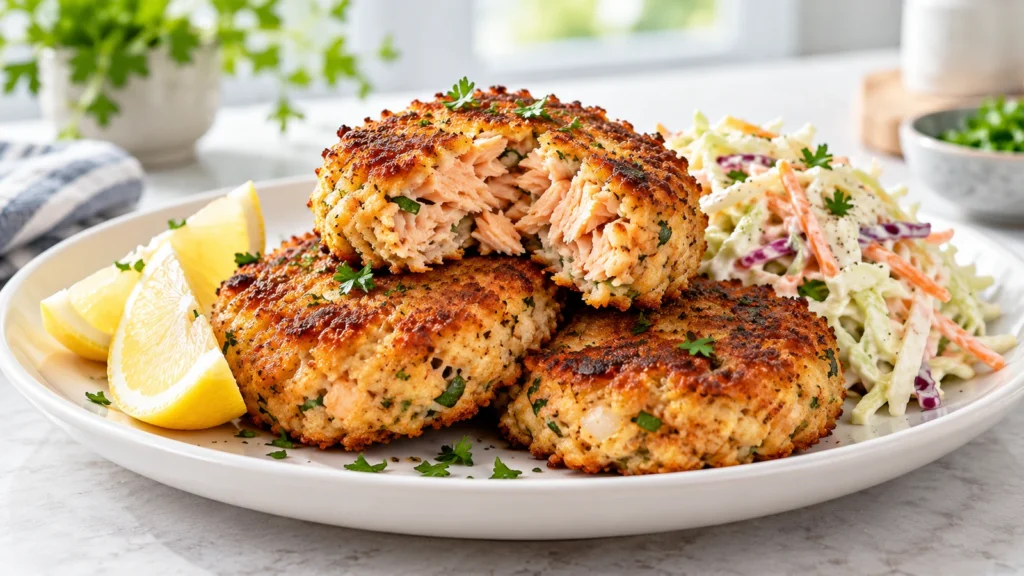
Freeze cooled portions in airtight freezer-safe packaging for up to three months, although the texture is best within one to two months. Thaw overnight in the refrigerator before reheating. Flake cold leftovers into grain bowls, salads, wraps, scrambled eggs, or salmon cakes.
How to Pack Leftovers
Let steam dissipate before sealing the container, but refrigerate the fish within the stated two-hour window. Store delicate greens and crisp garnishes separately so they do not wilt. Label frozen portions with the date, and freeze them individually when you want convenient single-serving healthy salmon recipes.
How to Reheat Without Drying the Salmon
Gentle heat and a covered dish reduce moisture loss. Reheat only the amount you plan to eat and stop as soon as it is hot. If using a microwave, shorter intervals at half power offer more control than one long burst. Cold leftover salmon is also useful when reheating would overcook it.
Frequently Asked Questions About Healthy Baked Salmon Recipes
Can I bake salmon from frozen?
Yes, but the seasoning adheres better after thawing. If cooking from frozen, rinse away surface ice, pat dry, cover and bake for about 10 minutes, then season and continue uncovered until it reaches a safe internal temperature.
Should I bake salmon covered or uncovered?
Bake these fillets uncovered for gentle surface browning. Covering traps steam and produces a softer surface, which can be useful when reheating leftovers.
How much salmon should I serve per person?
Plan on 4 to 6 ounces (113 to 170 g) of raw, boneless salmon per adult. Use the higher amount for a main course or the lower amount in bowls, salads, and meals with substantial sides.
Is white material on baked salmon safe to eat?
Yes. It is albumin, a protein pushed to the surface during cooking. It is harmless and can be reduced by avoiding excessive heat and overcooking.
Can I prepare healthy salmon recipes the night before?
You can complete most preparation ahead, but do not leave the fish in lemon juice overnight. Prepare the seasoning without the juice, refrigerate it, and add the juice just before baking. You can also chop the parsley, cut the wedges, and prepare side dishes in advance.
Do healthy salmon meal recipes work for packed lunches?
Yes. Chill the cooked salmon promptly and pack it with grains and vegetables in an insulated lunch bag with adequate cold packs. Keep fresh dressings or lemon wedges separate until serving. Follow appropriate food-safety practices whenever a packed lunch will be away from refrigeration.
What vegetables go with healthy salmon dinner recipes?
Broccoli, asparagus, green beans, leafy salads, tomatoes, cucumbers, and roasted seasonal vegetables all complement the lemon-garlic flavor. Choose one crisp or green vegetable and, if desired, add a whole grain or starchy vegetable for a more substantial plate.
Can I use one large piece instead of four fillets?
Yes. Season a whole side in the same way and bake it for 18 to 25 minutes, depending on thickness. Check the thickest area early and shield the thin tail loosely with foil if it is progressing more quickly.
Can I double these healthy baked salmon recipes?
Yes, provided the fillets fit without crowding. Use two pans if necessary and leave space around every portion. If both pans cook at once, their positions may affect browning and timing, so check individual pieces with a thermometer and remove each one when ready.
Is skin-on or skinless salmon better?
Either works. Skin helps protect the flesh during baking and can make a fillet easier to handle, but it will remain soft on parchment. Skinless portions absorb seasoning across more of their surface and may be more delicate when transferred to the plate.
Can I use bottled lemon juice?
Fresh lemon juice is preferable because this recipe also requires zest, which supplies much of the citrus aroma. If bottled juice is the only option, keep the listed quantity unchanged and use fresh zest when possible. Finish with lemon wedges if available.
How do I know when healthy baked salmon recipes are done?
Use an instant-read thermometer in the thickest part and compare the reading with your chosen doneness target. The FDA benchmark is 145°F (63°C). The flesh should also turn mostly opaque and separate into moist flakes, but temperature is more reliable than appearance alone.
Related Healthy Salmon Recipes
Use the same core method with dill and capers, maple mustard, or smoked paprika. Leftovers can also become salmon grain bowls, lettuce wraps, vegetable-topped salads, or whole-grain salmon cakes. Rotating the seasoning and side dishes is an easy way to build several healthy salmon meal recipes from one dependable technique.
Lemon-Garlic Baked Salmon Recipe Card
- Prep time: 10 minutes
- Cooking time: 10 to 14 minutes
- Total time: 20 to 24 minutes
- Servings: 4
- Serving size: 1 fillet
Method: Heat the oven to 425°F (220°C). Pat four 6-ounce salmon fillets dry. Mix 2 tablespoons olive oil, 2 tablespoons lemon juice, 1 teaspoon zest, 3 minced garlic cloves, 1 teaspoon Dijon, 1 teaspoon oregano, 1/2 teaspoon salt, and 1/4 teaspoon pepper. Spoon over the salmon and bake according to thickness. Check the center with an instant-read thermometer, rest for 3 minutes, and finish with parsley and lemon.
Estimated nutrition per serving: About 360 calories, 39 g protein, 21 g fat, 3 g carbohydrates, and 390 mg sodium. Values vary with the salmon and brands used.
Notes: The FDA benchmark is 145°F (63°C). Lower pull temperatures produce a softer texture but do not meet that benchmark. Allow for approximately 3°F to 5°F of carryover cooking, and always verify doneness in the thickest part.
A Reliable Recipe for Any Occasion
This simple lemon-garlic method delivers moist, well-seasoned salmon with enough flexibility for weeknight dinners, entertaining, or make-ahead lunches. Once you know how thickness affects timing, healthy baked salmon recipes become a dependable option rather than a guessing game.
Use fresh herbs and vegetables for a light dinner, add grains for satisfying healthy salmon meal recipes, or choose seasonal sides when planning healthy salmon dinner recipes. The core steps remain the same: dry the fish, season it evenly, check it early, verify the center, and let it rest before serving.
Reviews
Reader reviews are managed separately (outside this build).