Cake
Southern Pound Cake Recipe: Foolproof Buttery Bliss
Explore a foolproof southern pound cake recipe with rich buttery flavor, a moist fine crumb, and a crisp, crackly crust. Discover a Southern classic.
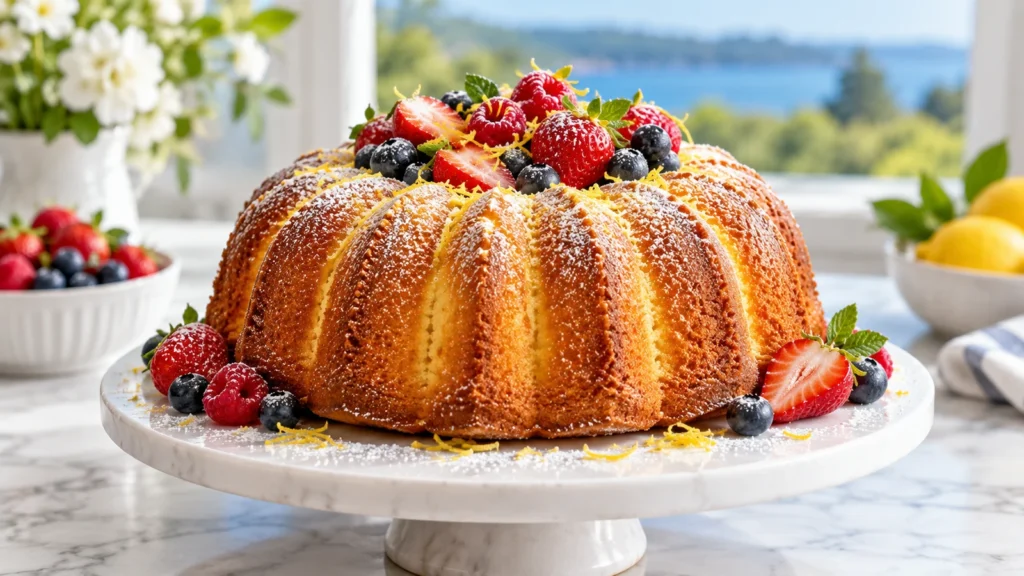
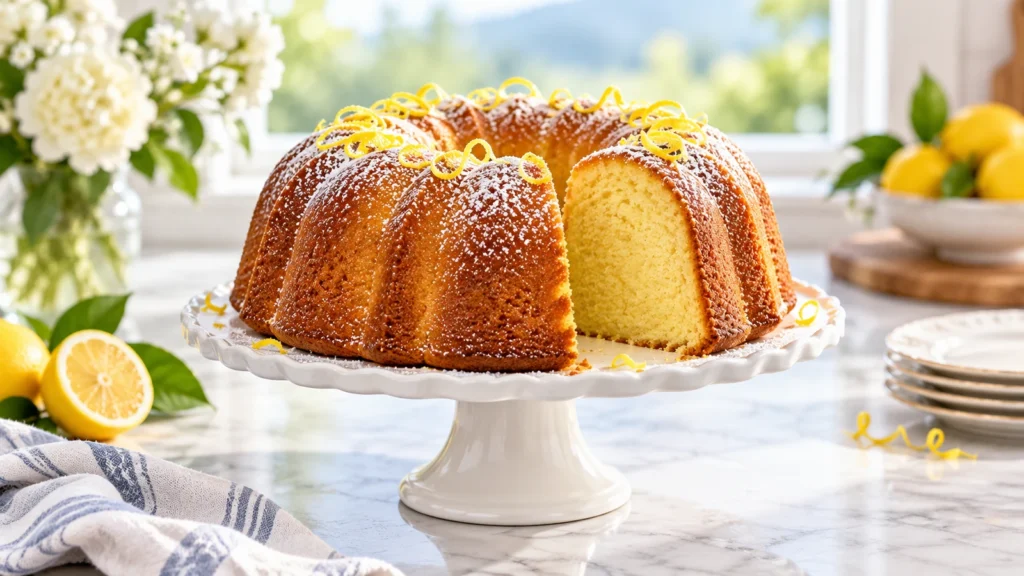
This southern pound cake recipe delivers the hallmarks of a traditional Southern bake: plenty of butter, a fine crumb, a golden crackly crust, and a simple vanilla flavor. It is rich enough for a celebration yet familiar enough to serve with coffee.
The method matters as much as the ingredients. Properly creaming butter and sugar, adding eggs gradually, and alternating the wet and dry ingredients produce a moist pound cake without gumminess or tunnels. Follow each visual cue as well as the stated mixing times for consistently good results.
Unlike a sour cream pound cake recipe or a chocolate pound cake recipe, this version relies on whole milk and classic vanilla flavor. Those straightforward ingredients allow the butter, caramelized crust, and delicate almond note to take center stage.
Table of Contents
Why You’ll Love This Southern Pound Cake Recipe
- Classic texture: Dense and buttery, but still tender with a fine, even crumb.
- Reliable directions: Precise weights, mixing times, pan guidance, and doneness cues remove the guesswork.
- Make-ahead friendly: The flavor and texture remain excellent for several days, and the cake freezes well.
- Versatile: Serve it plain or dress it up with fruit, whipped cream, glaze, or ice cream.
- Helpful comparisons: The variation notes explain how this cake differs from a sour cream pound cake recipe, 7up recipes pound cake, and other popular versions.
Ingredients
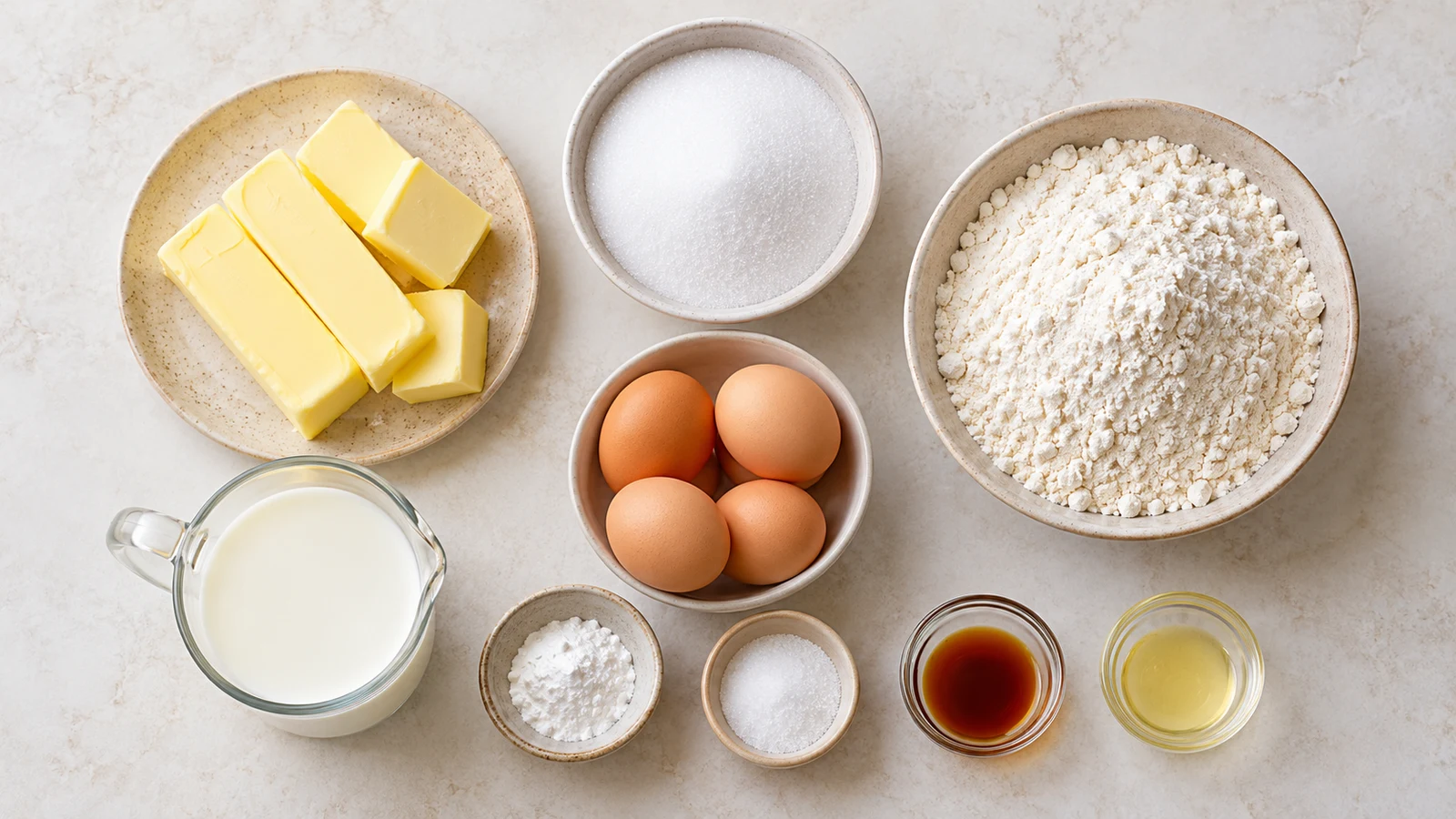
- 1 cup (226 g) unsalted butter, softened to 65–68°F (18–20°C)
- 3 cups (600 g) granulated sugar
- 6 large eggs (about 300 g without shells), at room temperature
- 3 cups (360 g) cake flour, spooned into the measuring cup and leveled
- 1/2 teaspoon fine salt
- 1 cup (240 ml) whole milk, at room temperature
- 2 teaspoons pure vanilla extract
- 1/2 teaspoon almond extract, optional
- 1 tablespoon softened butter and 1 tablespoon flour for preparing the pan
Understanding the Key Ingredients
Butter and Sugar
Butter supplies flavor, tenderness, and the air needed for lift. Use unsalted butter so the salt level remains predictable. Granulated sugar sweetens the cake, helps form its crackly crust, and supports a moist crumb. The sugar must be beaten thoroughly into the butter rather than merely stirred together.
Eggs, Milk, and Extracts
Six eggs provide structure, richness, color, and moisture. Room-temperature eggs blend more smoothly into the creamed butter. Whole milk loosens the batter without adding the extra acidity found in a sour cream pound cake recipe. Vanilla is the primary flavor, while optional almond extract adds a subtle bakery-style aroma.
Cake Flour
Cake flour has less protein than most all-purpose flour, which helps this southern pound cake recipe develop a fine, tender crumb. Weighing 360 g is the most reliable method. If you measure by volume, spoon the flour into the cup and level it instead of packing it down.
Equipment and Pan Preparation
Use a stand mixer or sturdy hand mixer, an instant-read thermometer, and a light-colored 10-inch Bundt pan or 10-inch tube pan with a 12-cup capacity. A dark pan can brown the crust too quickly. Place an oven rack in the lower-middle position and preheat the oven to 325°F (163°C).
Brush every crevice of the pan with softened butter, then dust it evenly with flour and tap out the excess. Do this immediately before filling the pan so the coating does not slide down the sides. Careful preparation is especially important with an intricately shaped Bundt pan.
How to Make This Southern Pound Cake Recipe
- Prepare the ingredients: Let the butter stand at room temperature for 60–90 minutes. Place cold eggs in warm tap water for 10 minutes, and gently warm the milk until it is no longer cool. The ingredients should be near 68–72°F (20–22°C), not melted or hot.
- Measure the flour: For best accuracy, weigh 360 g. If using cups, loosen the flour, spoon it lightly into each cup, and level it with a straight edge. Scooping directly from the container can add too much flour and cause dryness.
- Combine dry and wet mixtures: Whisk the flour and salt together. In a separate cup, combine the milk with the vanilla and optional almond extract.
- Cream butter and sugar: Beat the butter on medium speed for 1 minute. Gradually add the sugar, then beat for 5–7 minutes, stopping twice to scrape the bowl. The mixture should look very pale and fluffy.
- Add the eggs: Beat in one egg at a time on medium-low speed, mixing about 20 seconds after each addition. Scrape the bowl regularly. If the batter looks slightly curdled, continue with the recipe; the flour will help it come together.
- Alternate additions: On low speed, add one-third of the flour mixture, followed by half the milk. Repeat, ending with the remaining flour. Mix only until each addition is nearly incorporated, then fold the batter by hand several times. Alternating keeps the emulsion stable and limits gluten development; adding everything at once or overmixing can create tunnels and a tough crumb.
- Fill the pan: Spoon the thick batter evenly into the prepared pan, keeping it below two-thirds full. Smooth the top and tap the pan gently on a towel-covered counter twice to release large air pockets.
- Bake: Bake for 75–90 minutes. Begin checking at 70 minutes, but avoid opening the oven earlier. The cake is ready when it is deeply golden, a tester has a few moist crumbs, the top springs back, and the internal temperature in the thickest section is 205–210°F (96–99°C).
- Cool and release: Cool in the pan for exactly 15 minutes. Loosen the edges carefully with a thin flexible spatula, invert onto a rack, and let cool for at least 2 hours before slicing.
Tested Pan-Size Guide
- 12-cup, 10-inch Bundt pan: Use the full recipe; bake 75–90 minutes at 325°F (163°C).
- 10-inch tube pan: Use the full recipe; bake 80–95 minutes at 325°F (163°C).
- Two 9-by-5-inch loaf pans: Divide evenly; bake 55–70 minutes at 325°F (163°C).
Pan capacities vary, so never fill a pan more than two-thirds full. Bake surplus batter in a small loaf pan rather than risking overflow. Begin checking at the earliest stated time because material, color, and shape can affect baking speed.
Expert Tips for the Best Southern Pound Cake Recipe
- Check the butter: It should yield to gentle pressure but still feel cool. Greasy or partly melted butter cannot hold enough air.
- Cream patiently: The full 5–7 minutes helps build the fine crumb expected from a southern pound cake recipe. Stop and scrape the bowl so dense butter does not remain at the bottom.
- Add sugar gradually: Pouring all the sugar in at once can weigh down the butter and reduce aeration.
- Control egg additions: Add one egg at a time and let it blend before adding the next. This keeps the mixture emulsified.
- Finish gently: Once flour enters the bowl, low speed and brief mixing protect the cake from toughness and long tunnels.
- Use an oven thermometer: Keep the oven at 325°F (163°C). Even a modest temperature error can produce an overdone crust and underbaked center.
- Leave space around the pan: Center it on the rack without crowding it against another pan or an oven wall so hot air can circulate evenly.
- Cool before slicing: The crumb continues setting as the cake cools. A warm slice may seem gummy even when the cake was baked properly.
- Adjust at elevation: Above 3,000 feet, start with 1–2 tablespoons less sugar, 1–2 tablespoons more liquid, and a 15–25°F temperature increase. Consult this high-altitude baking guidance, then use the high-altitude adjustment chart to refine changes for your elevation.
Troubleshooting Common Problems
Why Did the Cake Stick?
Every groove must be buttered and floured, including the center tube. Release the cake after 15 minutes, not while it is piping hot or completely cold. If one small area resists, loosen that edge carefully with a thin flexible spatula before lifting the pan.
What Causes Tunnels or a Tough Crumb?
Overmixing after the flour is added can develop too much gluten. Adding sugar or eggs too quickly can also create an uneven batter. For a fine crumb, keep the mixer on low during the final additions and finish with only a few folds by hand.
Why Is the Center Gummy?
The most likely causes are underbaking, inaccurate flour measurement, or slicing before the crumb has set. Verify that the thickest section reaches 205–210°F (96–99°C), then cool for at least 2 hours. Do not judge the texture from a warm slice.
Why Is My Southern Pound Cake Recipe Dry?
Too much flour, excessive baking time, or a hotter-than-indicated oven is usually responsible. Weigh the flour, begin checking at 70 minutes, and remove the cake once all the doneness cues agree. Store the cooled cake promptly so exposed cut surfaces do not lose moisture.
Why Did the Batter Overflow?
The pan was too small or filled beyond two-thirds capacity. Bundt pans with the same outer diameter may have different capacities because of their designs. Transfer surplus batter to a small loaf pan before baking.
Why Did the Center Fall?
A fallen center can result from opening the oven early, underbaking the middle, or using overly warm butter. Creaming can also introduce large unstable air pockets if the mixer runs too fast. Use medium speed and rely on both temperature and visual doneness cues.
Variations and Substitutions
Sour Cream Variation
This is an old-fashioned pound cake rather than a sour cream pound cake recipe. For a tangy variation, replace the milk with full-fat sour cream thinned with 2 tablespoons of milk. Keep the original baking temperature and use the same doneness cues because pan and oven differences may alter the exact baking time.
If you enjoy the gentle tang of a sour cream pound cake recipe, you may also like this tender buttermilk pound cake. Its cultured dairy gives it a flavor distinct from the sweet-milk base used here.
Lemon-Lime Soda Variation
A 7up recipes pound cake uses lemon-lime soda and has a distinct flavor and texture. Follow this 7UP pound cake recipe instead of simply pouring soda into this batter. Soda changes sweetness, acidity, liquid content, and flavor, so it is not a direct replacement for the milk.
Home cooks searching for 7up recipes pound cake should use a formula designed around soda from the beginning. Adding soda to this southern pound cake recipe without rebalancing the other ingredients could make the batter too loose or sweet.
Chocolate Variation
A chocolate pound cake recipe requires adjusted flour, cocoa, sugar, and moisture. Cocoa absorbs liquid and can make an improvised cake dry, so do not simply add it to the original batter. Use a tested chocolate pound cake recipe when a deep cocoa flavor is the goal.
Lemon and Other Flavor Variations
An afroman lemon pound cake recipe is a separate lemon-forward interpretation, while this cake is primarily buttery and vanilla scented. If that brighter style inspires you, serve the finished cake with a thin lemon glaze instead of changing the carefully balanced batter.
For another clearly distinct option, explore this five-flavor pound cake. Its layered extracts offer more complexity, while the southern pound cake recipe on this page keeps the flavor profile restrained and traditional.
For additional background on traditional technique, see this classic pound cake guide. Whatever flavor direction you choose, accurate measuring and gentle final mixing remain essential.
Serving Ideas for Every Occasion
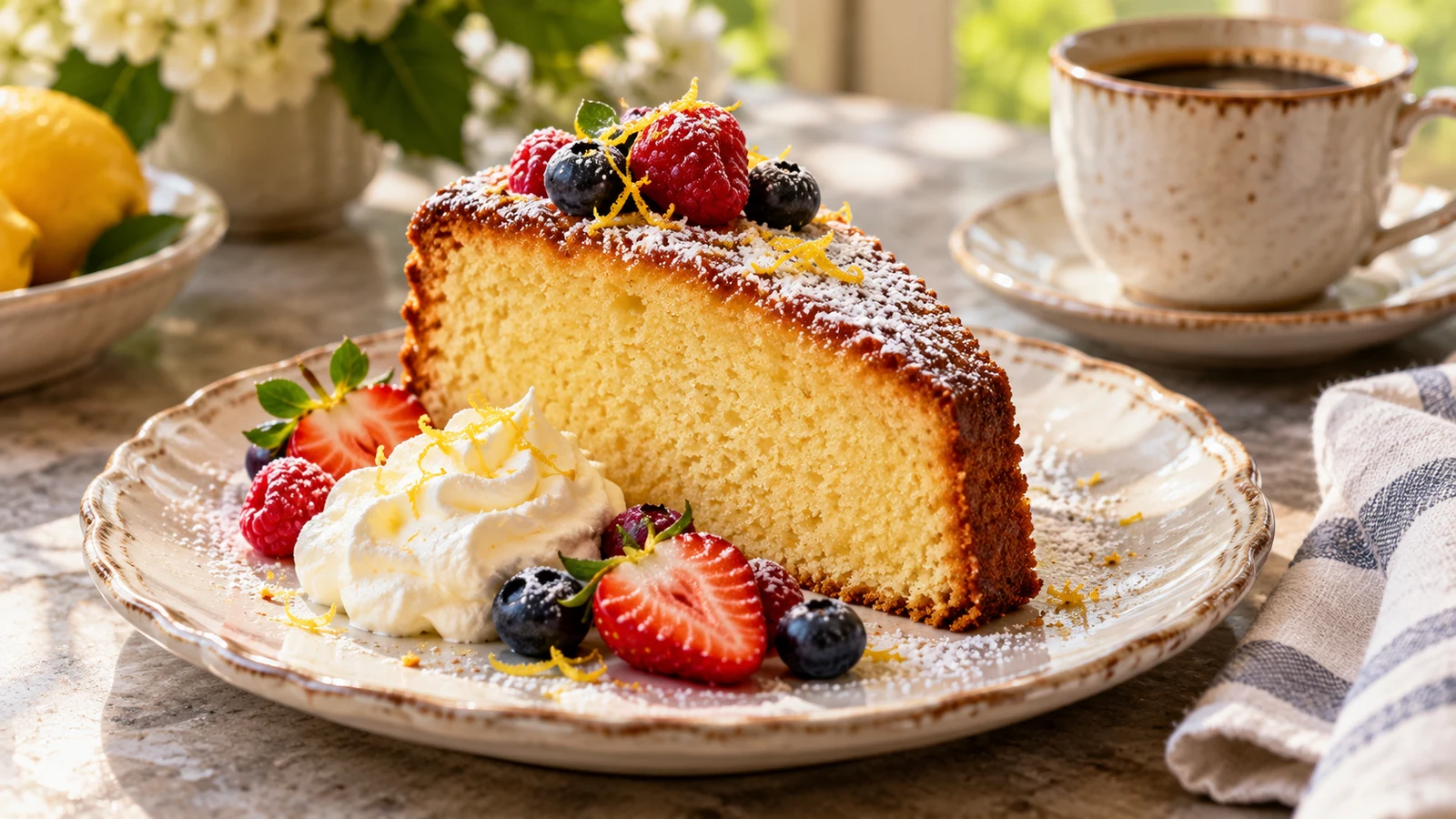
Serve thick slices at room temperature so the butter-rich crumb is soft and aromatic. For a simple finish, add macerated berries, ripe peaches, lightly sweetened whipped cream, or a small scoop of vanilla ice cream.
For brunch, pair this southern pound cake recipe with coffee, black tea, or fresh fruit. Thin slices are also sturdy enough for a dessert board with berries, chocolate sauce, lemon curd, and toasted nuts served separately.
Toast day-old slices in a lightly buttered skillet until the cut surfaces are golden. Serve them warm with fruit compote or ice cream. Toasting refreshes the edges while the center stays pleasantly dense and tender.
A thin lemon glaze adds brightness without turning the cake into an afroman lemon pound cake recipe. For a chocolate presentation, drizzle individual plates with chocolate sauce; that preserves the original crumb instead of attempting an untested chocolate pound cake recipe conversion.
Make-Ahead, Storage, and Freezing
Making the Cake Ahead
This cake can be baked one day before serving. Cool it completely, wrap it tightly, and leave it at room temperature. The settled crumb often slices more neatly the next day, making this southern pound cake recipe convenient for holidays, parties, and planned desserts.
Room-Temperature and Refrigerator Storage
Once completely cool, wrap the cake tightly or keep it in an airtight container at room temperature for up to 4 days. Cover the cut surface directly to reduce moisture loss. Refrigeration can dry the crumb, but refrigerated cake will keep for up to 7 days if well wrapped.
Let chilled slices return to room temperature before serving so the butter softens and the flavor becomes more pronounced. For faster warming, microwave one slice for 8–12 seconds. Avoid prolonged heating, which can make the crumb tough.
How to Freeze Pound Cake
Wrap the whole cake or individual slices in plastic wrap and foil, then freeze for up to 3 months. Individual wrapping lets you thaw only what you need. Label the package with the freezing date so it is easy to track.
Thaw the wrapped cake overnight at room temperature. Keeping it wrapped during thawing allows condensation to collect on the wrapping rather than the crust. Once thawed, unwrap it and serve at room temperature.
Nutrition
One of 16 slices contains approximately 470 calories, 21 g fat, 66 g carbohydrate, 5 g protein, and 150 mg sodium. Values are estimates and will vary with ingredients and serving size.
Frequently Asked Questions
Can I Use All-Purpose Flour in This Southern Pound Cake Recipe?
Yes. Replace the cake flour with 3 cups (360 g) all-purpose flour, but expect a slightly firmer crumb. Mix especially gently after adding it. Weighing remains preferable because scooped cups of all-purpose flour can easily contain too much.
Why Does Pound Cake Crack on Top?
A crackly crust and central split are normal. The exterior sets while the dense batter continues rising, causing the surface to open. The crack is a traditional feature rather than a sign that the southern pound cake recipe failed.
Can I Use Salted Butter?
Yes. Use the same amount and omit the added salt. The flavor may differ slightly because salt levels vary by brand. Make sure the butter is softened to 65–68°F (18–20°C) before creaming.
How Do I Know It Is Done Without Drying It Out?
Combine visual cues with temperature. Look for a deeply golden crust, a springy surface, and a tester carrying a few moist crumbs. Confirm that the thickest section reaches 205–210°F (96–99°C), then remove the cake promptly.
Can I Turn This Into a Sour Cream Pound Cake Recipe?
For the specified variation, replace the milk with full-fat sour cream thinned with 2 tablespoons of milk. The result will be tangier and is no longer the same classic sweet-milk cake. Keep every other listed quantity unchanged.
Can I Add 7UP to This Batter?
Do not add soda directly to this batter. A proper 7up recipes pound cake balances the soda with the other ingredients. Use the linked version created for that method so sweetness, liquid, and structure remain dependable.
Can I Add Cocoa Powder?
Not without reformulating the batter. A reliable chocolate pound cake recipe accounts for cocoa’s drying and liquid-absorbing properties. Adding cocoa while leaving every other quantity unchanged could produce a dry cake with an unbalanced flavor.
Is This the Same as an Afroman Lemon Pound Cake Recipe?
No. An afroman lemon pound cake recipe is known as a separate lemon-focused interpretation. This version emphasizes butter, vanilla, and optional almond extract, although it can be served with lemon glaze or zest for added brightness.
Can I Leave Out the Almond Extract?
Yes. The almond extract is optional, and omitting it does not require any other adjustment. The cake will have a straightforward vanilla-and-butter flavor.
Why Must the Ingredients Be at Room Temperature?
Similar ingredient temperatures help the butter, eggs, and milk form a stable emulsion. Very cold eggs or milk can harden the butter and make the batter look curdled. Ingredients should be temperate, not hot, because melted butter cannot hold the air created during creaming.
How Long Should I Wait Before Slicing?
Cool the cake for at least 2 hours after it leaves the pan. Waiting gives the crumb time to set and prevents a gummy-looking slice. For especially neat pieces, bake the cake one day ahead and store it tightly wrapped.
Printable Recipe Card
- Prep time: 25 minutes
- Baking time: 75–90 minutes
- Cooling time: 2 hours 15 minutes
- Yield: 16 slices
- Pan: 12-cup, 10-inch Bundt pan or 10-inch tube pan
- Oven: 325°F (163°C)
Ingredients: 1 cup (226 g) unsalted butter; 3 cups (600 g) sugar; 6 large eggs; 3 cups (360 g) cake flour; 1/2 teaspoon salt; 1 cup (240 ml) whole milk; 2 teaspoons vanilla; optional 1/2 teaspoon almond extract; butter and flour for the pan.
- Preheat the oven to 325°F (163°C), position the rack in the lower-middle, and prepare the pan.
- Whisk flour and salt; combine milk and extracts separately.
- Beat butter for 1 minute, add sugar gradually, and cream for 5–7 minutes.
- Add eggs one at a time, beating about 20 seconds after each.
- On low speed, alternate three flour additions with two milk additions. Fold briefly by hand.
- Fill the pan and bake for 75–90 minutes, to 205–210°F (96–99°C) internally.
- Cool in the pan for 15 minutes, invert, and cool for at least 2 hours.
Notes: Use room-temperature ingredients, weigh the flour when possible, do not overmix, and never fill the pan beyond two-thirds. Store airtight for up to 4 days or freeze for up to 3 months.
A Classic Cake Worth Mastering
With careful creaming, gentle mixing, and an accurate doneness check, this southern pound cake recipe emerges buttery, tender, and beautifully golden. Serve it simply and let its traditional flavor and fine crumb take center stage.
Once you understand the method, it is also easier to recognize why a sour cream pound cake recipe, 7up recipes pound cake, a chocolate pound cake recipe, and an afroman lemon pound cake recipe require their own considered formulas. For this classic version, precise temperatures and patient mixing are the keys to a dependable result.
Reviews
Reader reviews are managed separately (outside this build).