Cake
Easy Southern Buttermilk Pound Cake Recipe
Try this buttermilk pound cake recipe for a moist, buttery Southern crumb, clear steps, troubleshooting tips, and an easy optional glaze at home today.
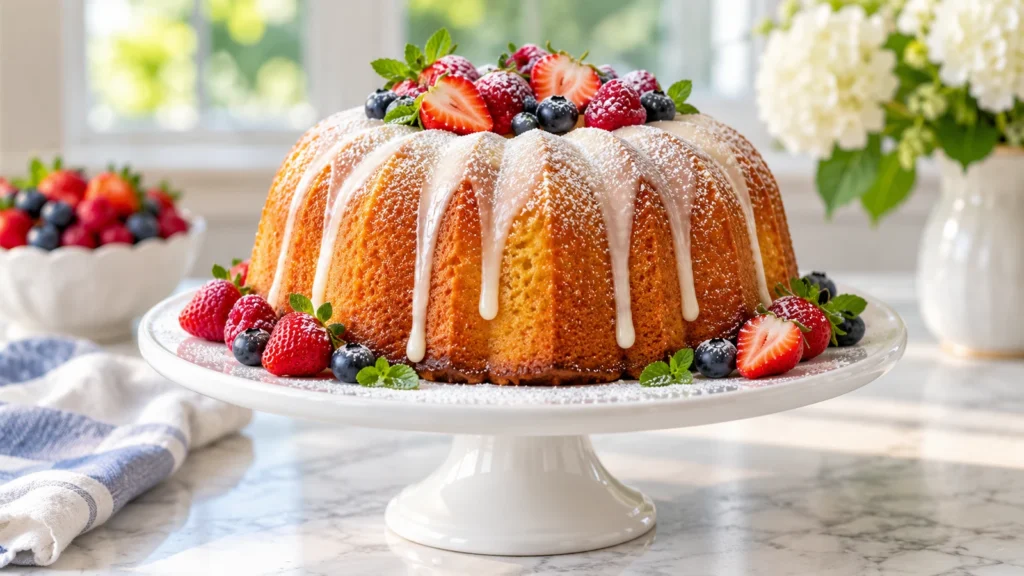
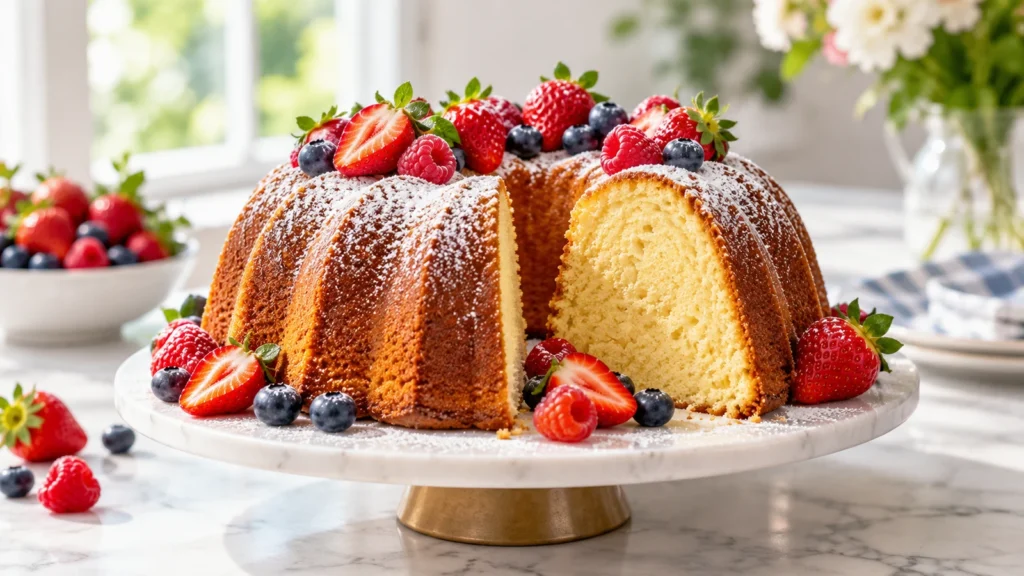
This buttermilk pound cake recipe delivers a moist, buttery crumb, crisp golden edges, and gentle vanilla tang. It is dependable enough for a family dessert yet elegant enough for a holiday table. Careful creaming, room-temperature ingredients, and patient cooling give the cake its classic fine texture.
Jump to the printable recipe card or read the guidance below for pan preparation, doneness cues, substitutions, troubleshooting, and serving ideas. Unlike a sour cream pound cake recipe, this version uses cultured buttermilk for a lighter tang while retaining the richness expected from traditional pound cake.
Table of Contents
Why You’ll Love This Buttermilk Pound Cake Recipe
- Balanced texture: Buttermilk tenderizes the crumb while butter and eggs provide classic pound-cake richness.
- Reliable measurements: Weights help prevent excess flour, one of the main causes of dry cake.
- Clear baking cues: Color, crumb appearance, and internal temperature make doneness easier to judge.
- Make-ahead friendly: The flavor and texture remain excellent after a day of resting.
- Easy to customize: Simple citrus, almond, or nut variations change the flavor without altering the dependable method.
This buttermilk pound cake recipe also slices neatly once fully cooled. That makes it practical for parties, gift boxes, brunch platters, and desserts that need to be prepared before guests arrive.
Ingredients
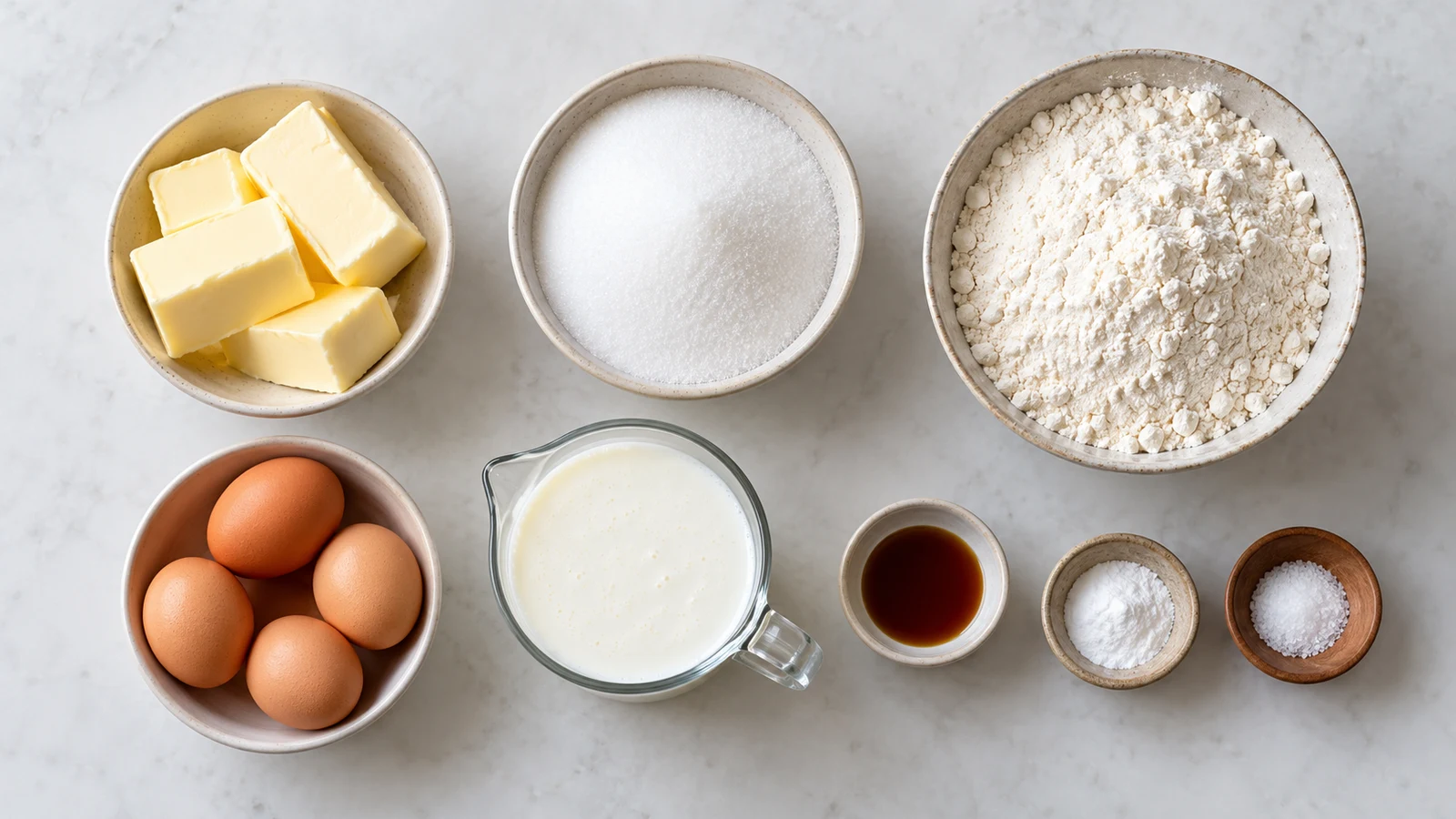
- Unsalted butter: 1 cup (227 g), softened to 65–68°F (18–20°C), for flavor and structure.
- Granulated sugar: 2 3/4 cups (550 g), which sweetens, retains moisture, and helps aerate the butter.
- Large eggs: 5 (about 250 g without shells), at room temperature.
- All-purpose flour: 3 cups (360 g), weighed or spooned lightly into measuring cups and leveled.
- Baking soda: 1/2 teaspoon, activated by the acidic buttermilk.
- Fine salt: 3/4 teaspoon, to balance the sweetness.
- Full-fat cultured buttermilk: 1 cup (240 ml), at room temperature.
- Vanilla extract: 2 teaspoons.
- Optional glaze: 1 cup (120 g) confectioners’ sugar, 2–3 tablespoons buttermilk, 1/2 teaspoon vanilla, and a pinch of salt.
Butter temperature matters more than softness alone. Properly softened butter should accept a light fingertip impression while still holding its shape. Melted or greasy butter cannot trap air effectively, and cold butter will not blend smoothly with the sugar.
Full-fat cultured buttermilk gives this buttermilk pound cake recipe consistent acidity and body. Shake the carton before measuring because the thicker milk solids can settle during storage.
Equipment and Bundt-Pan Preparation
Use a light-colored 10- to 12-cup Bundt pan; a 12-cup pan offers the safest headroom. The unbaked batter should fill no more than about two-thirds of the pan. A smaller pan can overflow, while a very dark pan may brown the crust before the center finishes.
Brush every groove with softened shortening or a thin layer of melted butter, then dust with flour and tap out the excess. Baking spray containing flour also works, but reach the center tube and sharp creases. Grease the pan immediately before filling so the coating does not slide and pool.
A sturdy mixer makes creaming easier, but a hand mixer works if the bowl is large and stable. You will also need a whisk, flexible spatula, cooling rack, and long wooden skewer. An instant-read thermometer is optional but particularly useful when the cake looks done before its deep center has set.
How to Make This Buttermilk Pound Cake Recipe
- Prepare the oven and pan. Position a rack in the lower-middle of the oven and preheat to 325°F (165°C). Grease and flour the Bundt pan thoroughly.
- Combine the dry ingredients. Whisk the flour, baking soda, and salt for about 30 seconds so the leavener is evenly dispersed.
- Cream butter and sugar. Beat the softened butter on medium speed until smooth. Gradually add the sugar and beat for 4–5 minutes, scraping twice, until noticeably paler and fluffy rather than greasy.
- Add the eggs. Beat in one egg at a time on medium-low speed, allowing each to disappear before adding the next. Scrape the bowl. If the mixture looks slightly curdled, continue; the flour will bring it together.
- Finish the batter. Stir the vanilla into the buttermilk. On low speed, add the flour mixture in three portions, alternating with the buttermilk in two portions. Begin and end with flour. Mix only until the last dry streaks vanish, then fold briefly by hand; prolonged mixing can produce toughness and gummy tunnels.
- Fill the pan. Spoon in the thick batter, smooth the top, and tap the pan gently on a folded towel two or three times to release large air pockets.
- Bake. Bake for 70–85 minutes. Begin checking at 68 minutes. The cake is ready when the top is deeply golden, springs back lightly, and a skewer inserted near the center comes out with a few moist crumbs but no wet batter. The internal temperature should be about 205–210°F (96–99°C).
- Cool and release. Cool in the pan for 15 minutes. Loosen accessible edges with a thin flexible spatula, place a rack over the pan, and invert firmly. Leaving the cake in the pan much longer can encourage sticking.
After inversion, leave the cake undisturbed until completely cool. Cutting too early compresses the warm crumb and releases steam that should remain inside. The crust may feel firm at first, but it softens slightly as the cooled cake rests under a cover.
Expert Tips for a Fine, Even Crumb
Measure Flour Without Packing It
A digital scale offers the most consistent result. If using cups, fluff the flour, spoon it into the cup, and level the surface without shaking or pressing. Scooping directly from a compacted bag can add enough flour to make this buttermilk pound cake recipe dry.
Cream by Appearance, Not Only by Time
Butter and sugar should become pale, expanded, and softly fluffy. The exact time depends on mixer strength, bowl shape, and butter temperature. Scrape the bowl and paddle so dense butter does not remain at the bottom. Stop if the mixture becomes shiny or greasy, which indicates excessive warmth.
Add Eggs Gradually
Each egg introduces water into a fat-based mixture. Adding them slowly helps maintain a stable emulsion and creates a more uniform crumb. Room-temperature eggs blend more readily. If the batter separates noticeably, add one spoonful of the measured flour before continuing with the remaining eggs.
Mix Gently After Adding Flour
Once flour becomes wet, vigorous mixing develops gluten and can create a rubbery texture. Keep the mixer on low, stop when only a few pale streaks remain, and finish with a spatula. Scrape from the bottom because hidden pockets of flour commonly collect beneath the batter.
Trust Several Doneness Signs
No single test is perfect for a deep Bundt cake. Look for a richly browned top, slight pulling from the pan edges, gentle spring-back, and moist crumbs on a skewer. Combining those signs with an internal temperature of 205–210°F (96–99°C) protects against both a wet center and overbaking.
- Bring eggs and buttermilk to room temperature for 30–60 minutes. To warm eggs faster, place them in lukewarm water for 10 minutes.
- Do not increase the baking soda; too much leavening can make the cake rise rapidly and then sink.
- Avoid opening the oven during the first hour. Sudden temperature loss can weaken the unset center.
- If the top browns early, tent it loosely with foil without touching the batter.
- Rotate the pan only near the end and only if your oven has a known hot spot.
For another perspective on traditional preparation, see these Southern buttermilk pound cake techniques.
Optional Buttermilk Glaze
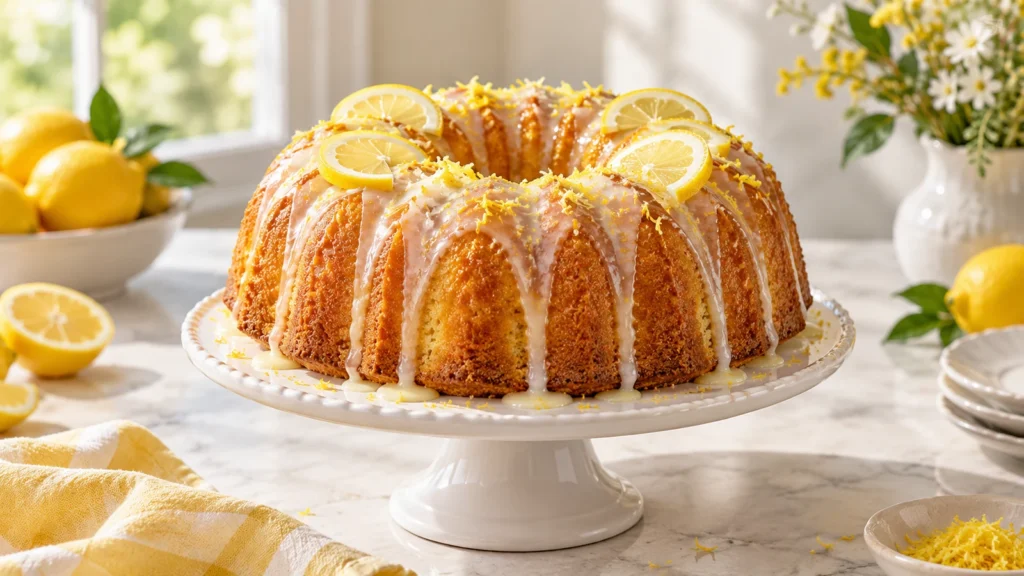
Whisk the confectioners’ sugar, 2 tablespoons buttermilk, vanilla, and salt until smooth. Add the remaining buttermilk a teaspoon at a time until the glaze falls in a thick ribbon. Pour it over the completely cooled cake; glazing a warm cake makes the coating melt and disappear.
For tidy drips, place the cake on a rack over a sheet of parchment and spoon the glaze around the crown. Let it settle naturally into the grooves. Allow the coating to set before transferring or covering the cake, especially if you want clean slices for a dessert tray.
Variations and Substitutions
Real buttermilk gives the best result: cultured buttermilk has consistent acidity, body, and dairy flavor. For a homemade substitute, stir 1 tablespoon lemon juice or white vinegar into enough whole milk to make 1 cup, then rest for 10 minutes. It works in a pinch but is thinner and less tangy; this vanilla buttermilk cake guide offers additional context for the ingredient.
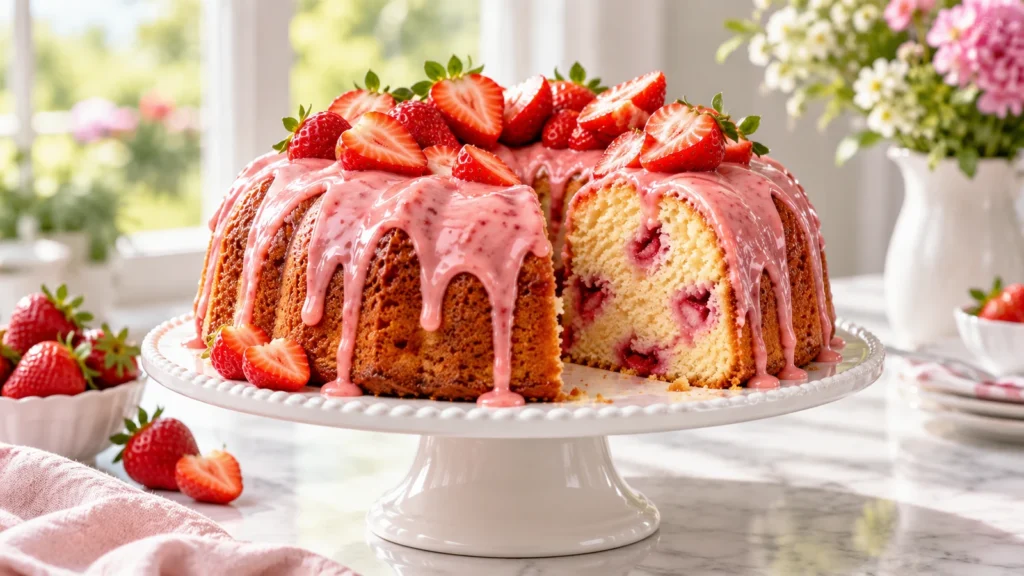
- Lemon: Rub 2 tablespoons finely grated lemon zest into the sugar before creaming. Replace the glaze’s vanilla with 1 tablespoon lemon juice.
- Almond: Use 1 1/2 teaspoons vanilla plus 1/2 teaspoon almond extract.
- Orange: Add 1 tablespoon orange zest and glaze with fresh orange juice.
- Nut variation: Fold in 1 cup (115 g) toasted chopped pecans after mixing. The cake contains dairy, eggs, and wheat; adding pecans introduces tree nuts.
How This Differs From Other Pound Cakes
A sour cream pound cake recipe generally has a heavier dairy richness, while buttermilk contributes a cleaner tang and fluid consistency. The ingredients should not be exchanged cup for cup without retesting because their water content and acidity differ.
Fans of 7up recipes pound cake may miss the pronounced citrus character of soda-based versions. Use the tested lemon or orange variation when you want citrus flavor while preserving the ingredient ratios and mixing method of this cake.
A chocolate pound cake recipe requires more than stirring cocoa into finished batter. Cocoa absorbs liquid and changes sweetness, so a dedicated formula is more reliable. Likewise, anyone seeking an afroman lemon pound cake recipe should use the measured lemon variation rather than adding an unmeasured amount of juice to the batter.
Serving Ideas for Every Occasion
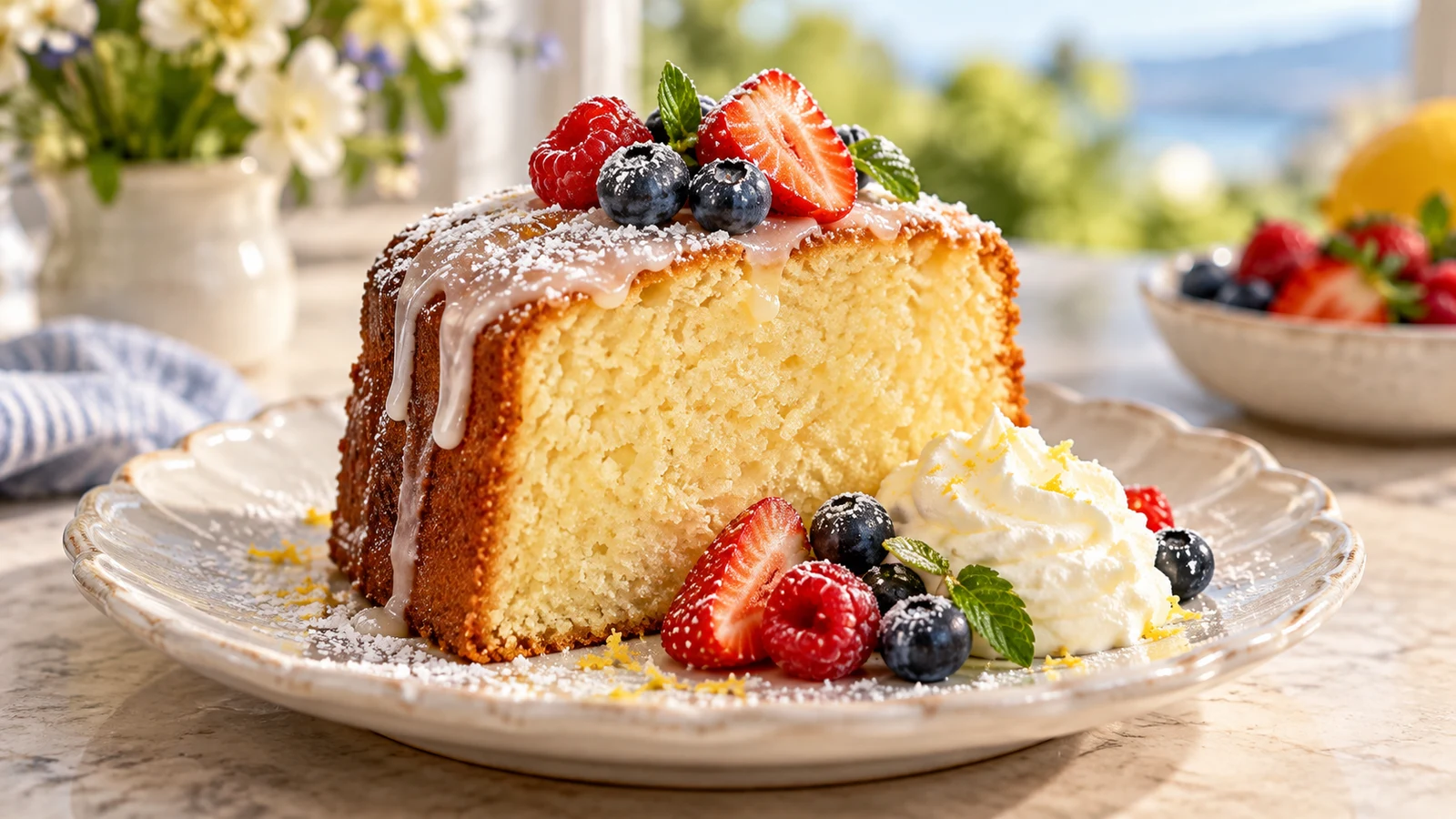
Serve slices plain, glazed, or with berries and softly whipped cream. Toast day-old slices lightly and serve with fruit compote for brunch. For more serving inspiration, browse these classic buttermilk pound cake ideas.
For spring and summer, pair this buttermilk pound cake recipe with strawberries, blueberries, peaches, or cherries. A spoonful of fruit should complement the fine crumb rather than soak it. Add fruit immediately before serving so the cake remains neat and sliceable.
During autumn, serve it with gently cooked apples or pears and a small pinch of cinnamon. For winter gatherings, the almond or orange variation feels festive without overwhelming the vanilla and butter. Coffee, black tea, and unsweetened iced tea all balance the cake’s richness.
For an attractive plated dessert, cut slices with a thin serrated knife and wipe the blade between cuts. Place berries or compote beside each slice rather than over the entire cake. This keeps any uneaten portion fresh and allows guests to choose their preferred topping.
Make-Ahead, Storage, and Reheating
Preparing the Cake in Advance
This buttermilk pound cake recipe is particularly good for advance preparation because its flavor settles and the crumb becomes easier to cut after several hours. Bake it one day before serving, cool it completely, and cover it at room temperature. Add the glaze after cooling or shortly before presentation.
Room-Temperature and Refrigerator Storage
Keep the fully cooled cake covered at room temperature for up to 3 days or refrigerated for up to 1 week. Refrigeration firms the butter, so let slices stand at room temperature for 30 minutes or microwave each for 8–12 seconds.
Store the cake beneath a dome or in a tightly closed container to protect the cut surfaces. If only part remains, press wrapping against the exposed ends before covering the entire cake. Avoid refrigerating uncovered slices because circulating cold air quickly dries the crumb.
Freezing the Whole Cake or Individual Slices
For longer storage, wrap the whole unglazed cake or individual slices tightly in plastic and foil, then freeze for up to 3 months. Thaw wrapped at room temperature for several hours or overnight in the refrigerator; unwrap after thawing to limit condensation on the cake.
Individual slices are convenient when you need only one or two servings. Separate them before freezing and wrap each securely. Freeze the glaze separately when possible, since a freshly applied glaze looks smoother than one that has been frozen and thawed on the cake.
Troubleshooting This Buttermilk Pound Cake Recipe
Why Did the Cake Sink?
The center was likely underbaked, the oven door opened early, or too much leavener was used. Verify oven temperature with a separate thermometer and use both skewer and temperature cues. A cake can appear deeply browned while the batter around the center tube is still insufficiently set.
Why Is the Cake Dry?
Too much flour, overbaking, or a pan that is too large can be responsible. Weigh the flour and begin checking early. Remember that the cake continues cooking briefly from retained heat, so do not wait for a completely dry skewer.
What Causes Gummy Streaks?
Over-creaming, adding eggs too quickly, or mixing aggressively after adding flour can collapse air into dense, wet-looking bands. Keep ingredients near the recommended temperature and scrape the bowl between stages. Fold only until the batter is evenly combined.
Why Did the Batter Overflow?
Use a 10- to 12-cup pan and never fill it beyond two-thirds full. Bake leftover batter separately as cupcakes. Do not place a pan of extra batter in the oven beneath the Bundt cake because it can disrupt heat circulation and change the baking time.
Why Did the Cake Stick?
Coat every crevice, release after 15 minutes, and avoid scratched pans whose damaged finish holds crumbs. If the inverted cake does not release, return the pan upright for a few minutes and gently loosen accessible edges before trying again. Do not force a knife deeply into decorative grooves.
Why Are There Large Holes?
Large tunnels can result from overmixing or trapped air. Spoon the thick batter evenly around the pan, smooth it, and use only two or three gentle taps. Excessively striking the pan may remove the useful small bubbles created during creaming.
Frequently Asked Questions
Can I Bake This Buttermilk Pound Cake Recipe in Loaf Pans?
Yes. Divide the batter between two greased and lined 9-by-5-inch loaf pans without filling them over two-thirds full. Begin checking at 55 minutes; total time will vary with pan material. Cool briefly in the pans before transferring the loaves to a rack.
What Changes Should I Make at High Altitude?
Above about 3,500 feet, try reducing sugar by 1–2 tablespoons, adding 1–2 tablespoons buttermilk, and increasing the oven to 340°F (170°C). Begin checking 8–10 minutes early. Because altitude and ovens vary, adjust one variable at a time.
Can I Use Low-Fat Buttermilk?
Yes, although full-fat buttermilk produces slightly more richness. Avoid plain milk unless you acidify it, because the baking soda relies on acidity for balanced flavor and lift. Do not replace the buttermilk with heavy cream, which lacks the required acidity and has a different consistency.
Can I Turn This Into a Sour Cream Pound Cake Recipe?
Not with a direct substitution. Sour cream is thicker and usually richer than buttermilk, so swapping equal amounts can change batter consistency and baking behavior. Use a tested sour cream pound cake recipe when that specific dense, creamy result is your goal.
Is This the Same as 7up Recipes Pound Cake?
No. Many 7up recipes pound cake versions rely on lemon-lime soda for sweetness, liquid, and citrus character. This cake gets its tang from cultured buttermilk and its flavor from vanilla, with optional measured citrus variations.
Can I Add Cocoa to Make a Chocolate Pound Cake Recipe?
A dependable chocolate pound cake recipe needs its flour, cocoa, sugar, and liquid balanced together. Simply adding cocoa here could make the crumb dry. Follow a chocolate-specific formula instead of altering this batter at the end.
Is This an Afroman Lemon Pound Cake Recipe?
This is a classic vanilla buttermilk cake, not an afroman lemon pound cake recipe. However, the tested lemon variation adds 2 tablespoons finely grated zest to the sugar and uses 1 tablespoon lemon juice in the glaze for a bright citrus finish.
Can I Reduce the Sugar?
Sugar affects moisture, browning, tenderness, and structure as well as sweetness. A substantial reduction may produce a drier, denser cake. For the intended texture, use the listed amount and serve smaller slices if you prefer a less sweet portion.
How Many Servings Does One Cake Make?
A 10- to 12-cup Bundt cake yields about 14 standard slices. Nutrition varies with brands and glaze; the estimate below is intended as general context, not medical advice.
How Do I Get Clean Slices?
Let the cake cool completely, then use a thin serrated knife with gentle sawing motions. Wipe away crumbs between cuts. If the cake was refrigerated, allow it to warm for about 30 minutes so the butter softens and the crumb tastes tender.
Related Pound Cake Recipes
If you enjoy a tangy, dense crumb, try this sour cream pound cake recipe. It offers a richer dairy profile while using a method familiar to pound-cake bakers.
For a citrus-forward option, explore these 7up recipes pound cake ideas. Their lemon-lime character makes them a useful comparison with the measured zest variation in this article.
Chocolate lovers can choose a dedicated chocolate pound cake recipe with properly balanced cocoa and moisture. Readers searching for an afroman lemon pound cake recipe can use the tested lemon variation above as a bright starting point without changing the core baking method.
Printable Buttermilk Pound Cake Recipe Card
- Prep time: 25 minutes
- Baking time: 70–85 minutes
- Cooling time: 2 hours
- Total time: About 3 hours 50 minutes
- Yield: 14 servings
- Pan size: 10- to 12-cup Bundt pan
- Oven temperature: 325°F (165°C)
- Estimated nutrition: About 480 calories per unglazed slice, with values varying by ingredients and portion size.
- Notes: Use room-temperature ingredients, stop mixing as soon as the flour disappears, and cool for 15 minutes before releasing.
A Dependable Cake Worth Repeating
This buttermilk pound cake recipe rewards accurate measuring, gentle mixing, and patient cooling with a buttery crumb and beautifully defined crust. Serve it plain for an everyday treat or add the tangy glaze and fresh fruit for a polished celebration dessert.
Once you are comfortable with the base method, the lemon, orange, almond, and pecan options offer variety without sacrificing reliability. Whether your usual favorite is a sour cream pound cake recipe, 7up recipes pound cake, chocolate pound cake recipe, or afroman lemon pound cake recipe, this classic buttermilk version deserves a place in your baking rotation.
Reviews
Reader reviews are managed separately (outside this build).