Cake
Ultimate Sour Cream Pound Cake Recipe: Moist & Buttery
Bake a moist, buttery classic with this sour cream pound cake recipe, featuring precise tips, a tender crumb, and simple steps. Get baking tonight.
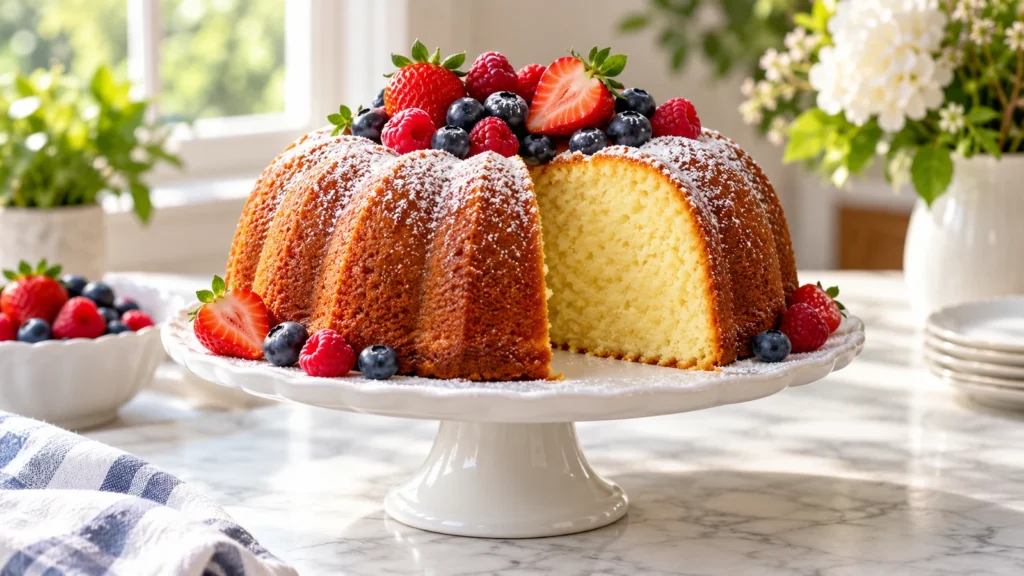
This sour cream pound cake recipe delivers a moist, buttery crumb with a delicate golden crust. Full-fat sour cream adds richness and acidity, helping the cake stay tender without making it taste tangy.
Careful creaming, room-temperature ingredients, and a slow bake produce the fine, even crumb associated with an old-fashioned Southern pound cake. Unlike a chocolate pound cake recipe or sweet potato pound cake recipe, this classic version keeps vanilla and butter at the center of every slice.
The method is straightforward, but small details matter. Follow this sour cream pound cake recipe closely, especially when measuring flour, creaming the butter, and checking the center for doneness. Serve the finished cake plain, dusted with sugar, or topped with berries and whipped cream.
Table of Contents
Why You’ll Love This Sour Cream Pound Cake Recipe
- Moist for days: Sour cream contributes fat and moisture while supporting a tender crumb.
- Rich, balanced flavor: Butter and vanilla shine without excessive sweetness.
- Reliable doneness cues: A skewer test and internal-temperature range remove guesswork.
- Make-ahead friendly: The flavor and texture are excellent the next day.
- Versatile presentation: The simple vanilla flavor works with fruit, sauces, cream, or a light dusting of sugar.
- Useful base technique: The creaming and mixing skills used here also help when making a chocolate pound cake recipe or exploring 7up recipes pound cake variations.
Ingredients
- Unsalted butter: 1 cup (227 g), softened to 65–68°F (18–20°C)
- Granulated sugar: 3 cups (600 g)
- Large eggs: 6 (about 300 g without shells), at 68–72°F (20–22°C)
- All-purpose flour: 3 cups (360 g), spooned and leveled
- Baking soda: 1/4 teaspoon
- Fine salt: 1/2 teaspoon
- Full-fat sour cream: 1 cup (240 g), at 68–72°F (20–22°C)
- Vanilla extract: 2 teaspoons
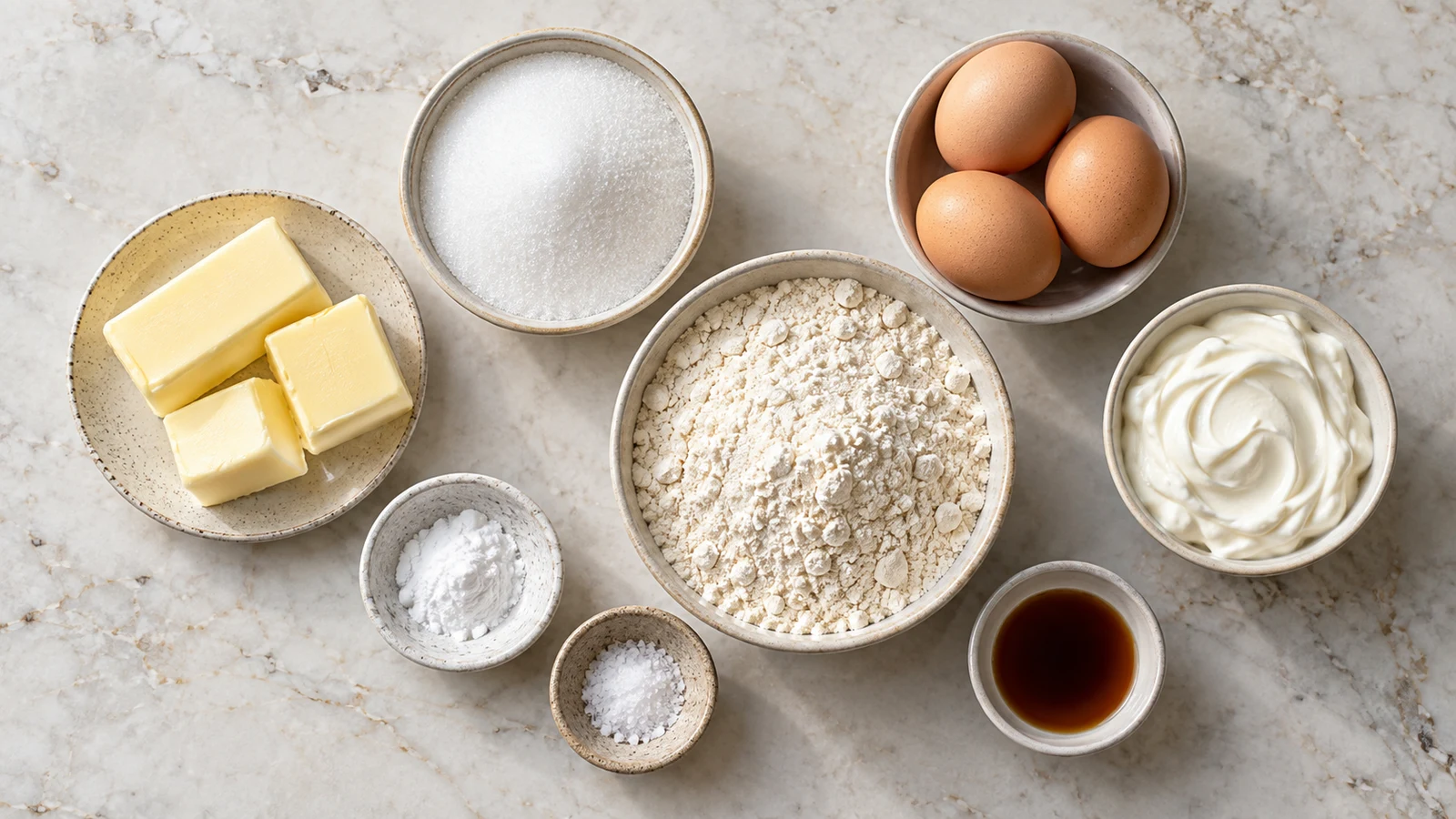
Butter supplies flavor and structure, while properly creamed sugar creates tiny air pockets for lift. Eggs bind and strengthen the batter, and sour cream brings fat, moisture, and acidity. Full-fat sour cream gives the most dependable texture; reduced-fat sour cream works, but the cake may be slightly less rich and tender. Avoid fat-free sour cream.
Why Room-Temperature Ingredients Matter
Butter, eggs, and sour cream blend most evenly when they are close in temperature. Cold eggs can cause softened butter to firm into small lumps, while cold sour cream may make the batter look curdled. An even emulsion traps air more effectively and helps this sour cream pound cake recipe bake with a fine, consistent crumb.
Set refrigerated ingredients out before beginning. If needed, place whole eggs in a bowl of lukewarm water for 5–10 minutes. Do not microwave the butter until melted; it should bend easily while still holding its shape.
Equipment and Pan Preparation
Use a 10- to 12-cup Bundt pan or a 10-inch tube pan. A tube pan generally promotes more even heat circulation through dense batter, while a decorative Bundt pan produces an attractive crust but requires especially thorough greasing.
Brush every interior surface with softened shortening, then dust lightly with flour and tap out the excess. A baking spray containing flour is a convenient alternative. Do not use a smaller pan: excess batter can overflow. A hand mixer can replace a stand mixer, although creaming may take an extra minute or two.
A long wooden skewer reaches farther into the cake than a short toothpick. An instant-read thermometer offers an additional check, especially when using a deeply shaped Bundt pan. A flexible spatula is helpful for scraping the bowl without knocking out unnecessary air.
How to Make This Sour Cream Pound Cake Recipe
- Prepare the oven and pan: Position a rack in the lower-middle of the oven and preheat to 325°F (163°C). Grease and flour the pan carefully.
- Combine the dry ingredients: Whisk the flour, baking soda, and salt for about 30 seconds. This distributes the leavener and reduces streaks.
- Cream the butter and sugar: Beat the softened butter for 30 seconds. Gradually add the sugar, then beat at medium speed for 4–5 minutes, scraping the bowl twice. The mixture should look pale, fluffy, and visibly increased in volume.
- Add the eggs: Beat in one egg at a time on medium-low speed, allowing each to disappear before adding the next. Scrape the bowl and beater frequently. If the mixture looks slightly curdled, continue; adding flour early can encourage a tough crumb.
- Finish the batter: Stir the vanilla into the sour cream. On low speed, add the flour mixture in three portions, alternating with the sour cream in two portions. Begin and end with flour. Mix only until a few flour streaks remain, then fold gently by hand until uniform.
- Fill the pan: Spoon in the thick batter and spread it evenly. Tap the pan gently on a folded towel two or three times to release large air pockets without deflating the batter.
- Bake: Bake for 75–90 minutes. Begin checking at 70 minutes; a dark Bundt pan may bake faster. Do not open the oven during the first hour.
- Check doneness: The cake should be deeply golden, pull slightly from the sides, and spring back when pressed. A long skewer inserted near the center should emerge clean or with a few moist crumbs. An instant-read thermometer should register about 205–210°F (96–99°C), avoiding contact with the pan.
- Cool and unmold: Cool in the pan for 15 minutes. Loosen accessible edges with a thin flexible spatula, place a rack over the pan, and invert decisively. Cool completely for about 2 hours before slicing.
For additional perspectives on traditional preparation, compare these Southern-style pound cake techniques, mixing and baking guidance, and step-by-step sour cream cake method.
Expert Tips for a Better Pound Cake
- Measure by weight: Too much flour is a common cause of dryness. If using cups, spoon flour into the cup and level it without packing.
- Match temperatures: Cold eggs or sour cream can seize the butter and create greasy or streaky batter.
- Cream by appearance: Use the stated time as a guide, but look for butter that is pale, airy, and increased in volume. Under-creaming limits lift, while excessive mixing can warm the butter.
- Scrape thoroughly: Dense butter and sugar can hide at the bottom of the bowl. Scrape the sides, base, and beater so the sour cream pound cake recipe has an even texture.
- Mix gently after adding flour: Excess mixing develops gluten, producing a tough or gummy crumb.
- Prevent sticking: Coat every groove immediately before filling the pan. If the cake resists after cooling, cover the pan with a warm, damp towel for several minutes and try again.
- Protect the crust: If the top becomes dark before the center is done, place a loose sheet of foil over the pan without sealing it.
- Cool before cutting: A warm pound cake is fragile and can appear gummy when sliced. Two hours of cooling lets the crumb set properly.
At elevations above 3,500 feet, begin by reducing sugar by 2 tablespoons, adding 1–2 tablespoons of flour, and increasing the oven to 335°F (168°C). Check early because altitude, pan color, and local humidity affect baking time.
Variations and Substitutions
Lemon and Citrus Options
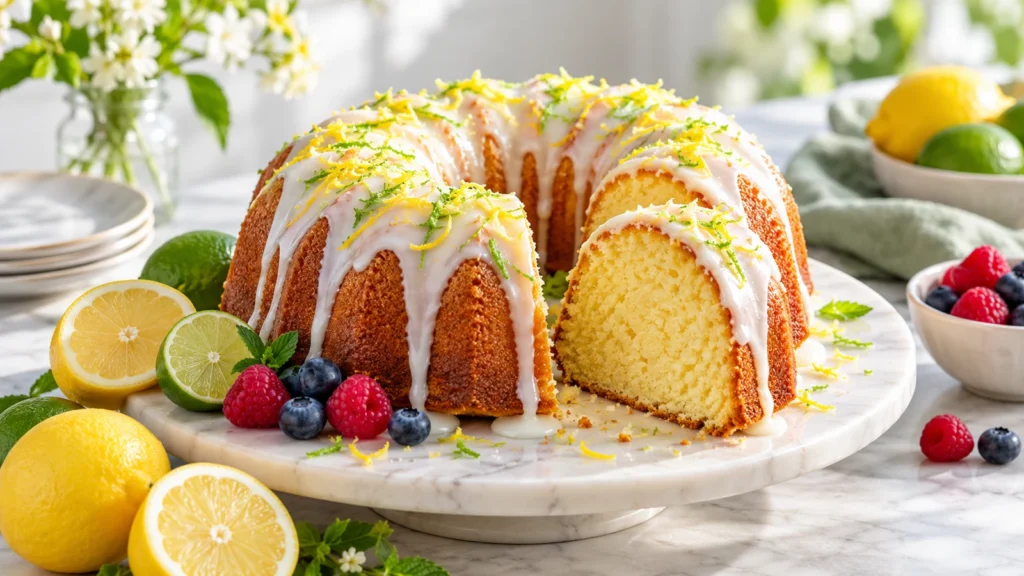
Add 2 tablespoons finely grated lemon zest and replace 1 teaspoon vanilla with lemon extract. This bright variation may appeal to someone searching for an afroman lemon pound cake recipe, though it is not presented as that distinct recipe. Keep the sour cream and other ingredient quantities unchanged so the batter retains its intended balance.
An afroman lemon pound cake recipe may use its own ingredient proportions and finishing method. Treat this lemon option as a citrus adaptation of the original sour cream pound cake recipe rather than an exact substitute for another established cake.
Almond and Vanilla Variations
Replace 1 teaspoon vanilla with 1/2 teaspoon almond extract for a fragrant almond note. Almond extract is potent, so adding more can overwhelm the butter. For a stronger vanilla profile, use vanilla bean paste in place of the vanilla extract at the same quantity.
Chocolate Pound Cake Option
For a fully developed cocoa version, use this dedicated chocolate pound cake recipe rather than simply adding cocoa to this batter. Cocoa absorbs moisture and changes structure, so a tested chocolate pound cake recipe is more dependable than an improvised substitution.
If you want a decorative chocolate dessert with similar serving appeal, this chocolate Bundt cake is another suitable choice. Both options preserve the moisture balance required for a successful chocolate cake.
7UP-Inspired Variation
For a nod to 7up recipes pound cake, replace 1/4 cup sour cream with 1/4 cup lemon-lime soda and add 1 teaspoon lemon zest. The crumb will be a little lighter, but this remains a variation rather than a traditional soda pound cake.
Many 7up recipes pound cake formulas are designed around soda from the beginning. For the best texture here, make only the stated replacement and avoid adding extra liquid. The result combines a subtle citrus note with the rich base of this sour cream pound cake recipe.
Sweet Potato Considerations
A sweet potato pound cake recipe requires purée and a different moisture balance, so sweet potato should not be stirred directly into this formula. Purée contributes water, starch, flavor, and weight that must be accounted for throughout the recipe.
Choose a tested sweet potato pound cake recipe when you want that flavor. Adding purée to this batter without adjusting the flour, sugar, eggs, and leavening could create a heavy or underbaked center.
Make-Ahead Plan
This sour cream pound cake recipe is particularly convenient for entertaining because the cake tastes excellent the day after baking. Bake and cool it completely, then wrap it airtight and leave it at room temperature overnight. Wait to add powdered sugar, fruit, whipped cream, or sauce until shortly before serving.
You may also portion the cooled cake in advance. Arrange slices in a single layer in an airtight container, separating stacked layers with parchment if necessary. Bring refrigerated or frozen slices to room temperature while still covered so their surfaces do not collect excess condensation.
Serving Ideas
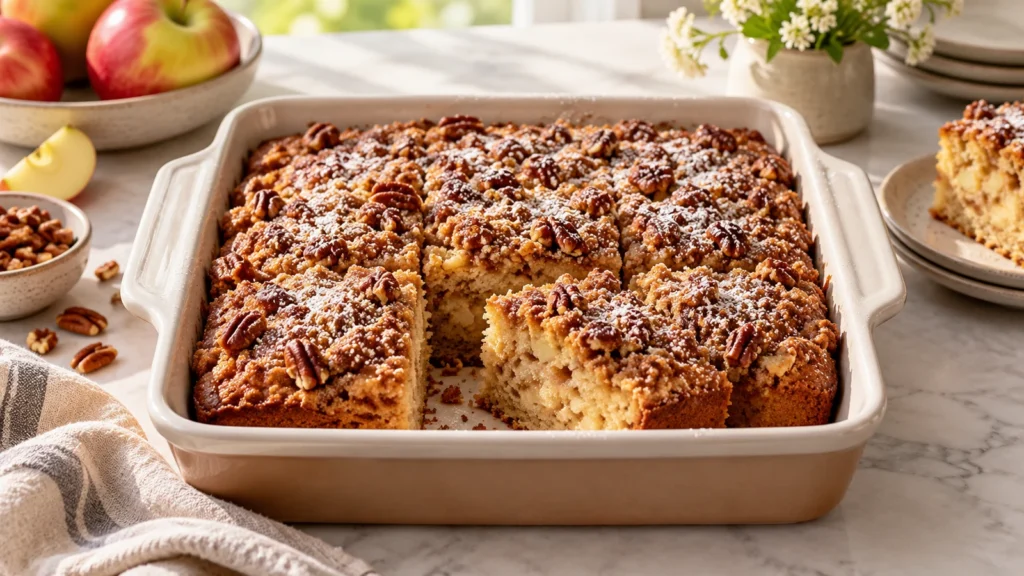
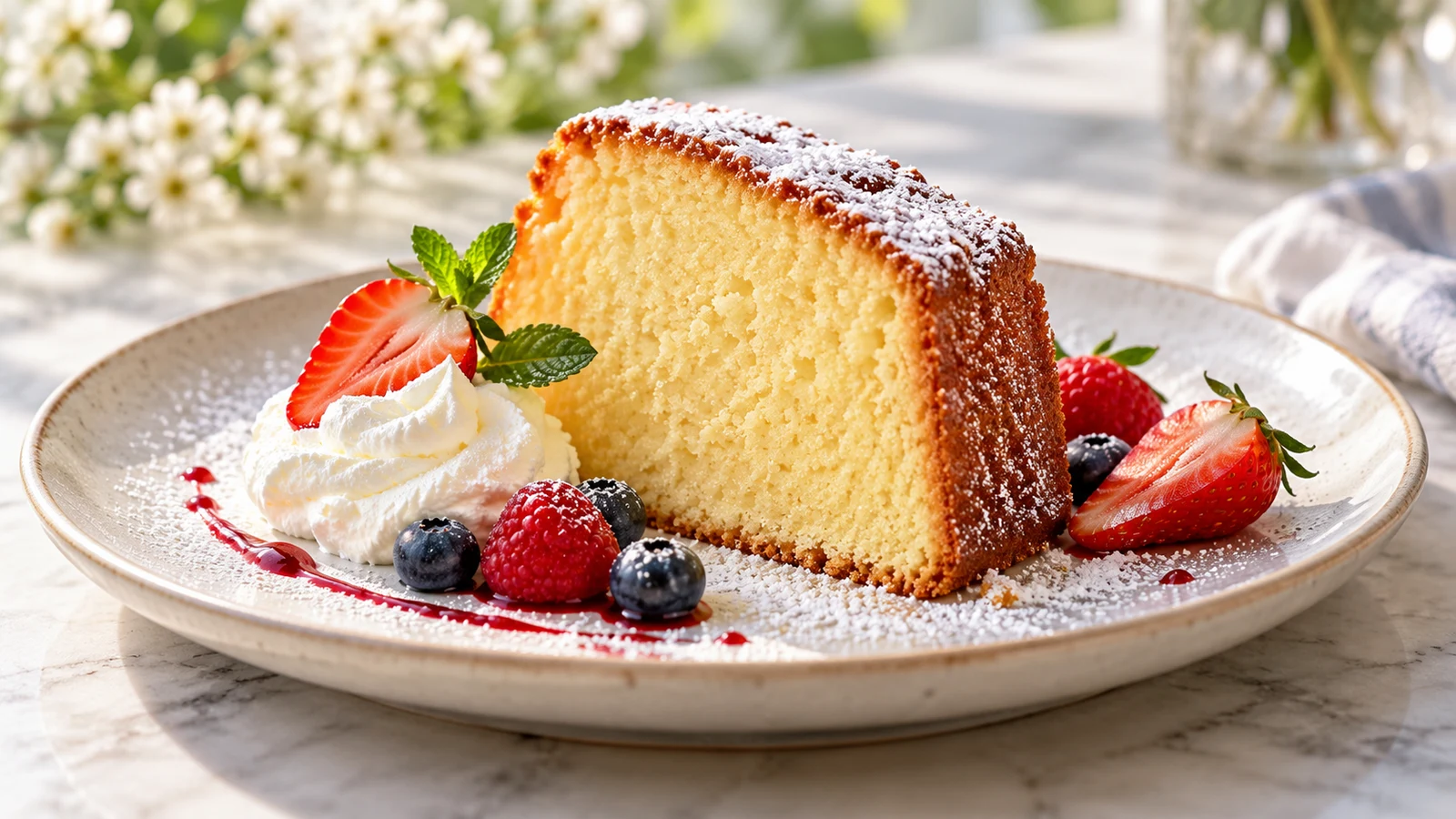
Serve slices at room temperature with macerated strawberries, lemon curd, lightly sweetened whipped cream, or a simple powdered-sugar dusting. For brunch, pair it with fresh fruit or offer it alongside this apple coffee cake for contrasting textures.
For a summer dessert, add peaches, blueberries, or raspberries and a spoonful of softly whipped cream. In cooler weather, serve the cake with warm cinnamon apples or pears. Keep sauces modest so the buttery crumb remains the focus.
To create a plated dessert, toast a slice briefly in a dry skillet over medium-low heat, watching carefully so the sugar does not burn. Add vanilla ice cream and berries just before serving. This works especially well with day-old cake.
How to Store and Reheat
Once completely cool, wrap the cake tightly or keep it in an airtight container at room temperature for up to 4 days. Refrigeration can make the crumb feel firm, but refrigerated cake will keep for about 1 week; let slices return to room temperature before serving.
For longer storage, wrap the whole cake or individual slices in plastic wrap and foil, then freeze for up to 3 months. Thaw wrapped at room temperature to prevent condensation from settling on the cake. Label the package with the freezing date so it does not get forgotten.
Warm a slice in the microwave for 8–12 seconds, or cover with foil and heat at 275°F (135°C) for about 8 minutes. Gentle warming softens the butter in the crumb. Avoid prolonged microwave heating, which can make the cake rubbery or dry.
Troubleshooting This Sour Cream Pound Cake Recipe
Why Is the Cake Dry?
Excess flour, overbaking, or prolonged mixing after the flour is added can cause dryness. Weigh the flour when possible, begin checking before the maximum baking time, and remove the cake once the skewer and temperature tests agree. Remember that the hot pan continues transferring heat during the 15-minute cooling period.
Why Is the Center Gummy or Wet?
The cake may have been removed before the dense center finished baking. If discovered while the cake is hot, return it to the pan and bake at 300°F (149°C) in 10-minute intervals. Once cooled, a wet center cannot be fully corrected; trim it away and serve the baked portions.
Why Did the Cake Sink?
Opening the oven too early, underbaking, inaccurate measuring, or knocking too much air from the batter can lead to sinking. Cream thoroughly, do not overbeat after adding eggs, keep the oven closed during the first hour, and verify that the center is fully baked.
Why Are There Large Holes?
Large tunnels can form when flour is mixed too aggressively or the batter contains large trapped air pockets. Use low speed after adding flour, finish folding by hand, and tap the filled pan gently on a folded towel two or three times.
Why Did the Cake Stick?
Intricate Bundt-pan grooves require complete coverage with shortening and flour or baking spray containing flour. Grease the pan shortly before adding the batter. Cooling much longer than 15 minutes can also let sugary edges adhere as they firm.
Why Did the Cake Overflow?
The pan was probably too small or overfilled. Use at least a 10-cup pan, leave roughly 1 1/2 inches of clearance at the top, and place a sheet pan on the rack below if you are uncertain about capacity.
Nutrition
One of 16 slices contains approximately 470 calories, with about 22 g fat, 63 g carbohydrate, and 6 g protein. Values are estimates and vary with ingredient brands, serving size, and toppings.
Recipe Card
- Prep time: 25 minutes
- Bake time: 75–90 minutes
- Cooling time: 2 hours 15 minutes
- Yield: 16 slices
- Pan: 10- to 12-cup Bundt pan or 10-inch tube pan
- Oven: 325°F (163°C)
- Key weights: 227 g butter, 600 g sugar, 360 g flour, 240 g sour cream
- Estimated calories: 470 per slice
- Note: Use room-temperature ingredients and stop mixing as soon as the batter is uniform.
Frequently Asked Questions
Why does sour cream make pound cake moist?
Its fat adds richness, while its water supplies moisture and its acidity supports a tender texture. The thick consistency adds moisture without thinning the batter excessively. That combination is why a sour cream pound cake recipe stays soft for several days when stored correctly.
Can I make this sour cream pound cake recipe ahead?
Yes. Bake it one day ahead, cool completely, and wrap it airtight. The settled crumb slices cleanly, and the cake remains moist. Add perishable toppings only when you are ready to serve.
Can I use Greek yogurt instead of sour cream?
Full-fat plain Greek yogurt is the closest substitute, although it may produce a slightly different flavor and crumb. Use the same quantity and avoid nonfat yogurt. For the richest, most predictable result, full-fat sour cream remains the preferred choice.
Can I use salted butter?
Yes, if necessary. Use the same amount of salted butter and omit the 1/2 teaspoon fine salt. Salt levels vary among butter brands, so unsalted butter offers greater control over the final flavor.
Can I bake it in loaf pans?
Yes. Divide the batter between two greased and floured 9-by-5-inch loaf pans. Begin checking at 55 minutes and bake until the skewer and temperature tests indicate doneness. Allow enough room in each pan for the batter to rise.
Is this the same as 7up recipes pound cake?
No. Traditional 7up recipes pound cake rely on lemon-lime soda for characteristic citrus flavor and may use a formula developed without sour cream. The variation above offers a gentle soda-inspired note while preserving most of this recipe’s original structure.
Can I turn this into a chocolate pound cake recipe?
It is better to follow a tested chocolate pound cake recipe because cocoa changes both liquid absorption and flavor balance. Replacing flour with an arbitrary amount of cocoa may leave the cake dry, weak, or bitter.
Is this an afroman lemon pound cake recipe?
No. This is a classic vanilla and sour cream cake with an optional lemon variation. Anyone specifically seeking an afroman lemon pound cake recipe should use a formula developed and identified as that recipe rather than assuming every lemon pound cake is identical.
Can I add sweet potato purée?
Not without reformulating the batter. A sweet potato pound cake recipe accounts for the purée’s moisture, starch, and weight. Use a dedicated sweet potato pound cake recipe instead of adding purée directly to this cake.
How do I know whether my Bundt pan is large enough?
Check the manufacturer’s stated capacity or measure it with water before greasing. The pan should hold at least 10 cups, and the batter should have roughly 1 1/2 inches of space above it. Do not pour measured water into a pan after it has been prepared for baking.
When should I add powdered sugar or glaze?
Wait until the cake is completely cool. Powdered sugar melts on a warm surface, while glaze can become thin and soak in unevenly. If storing the cake overnight, add the finish shortly before serving for the neatest appearance.
A Classic Cake Worth Making Again
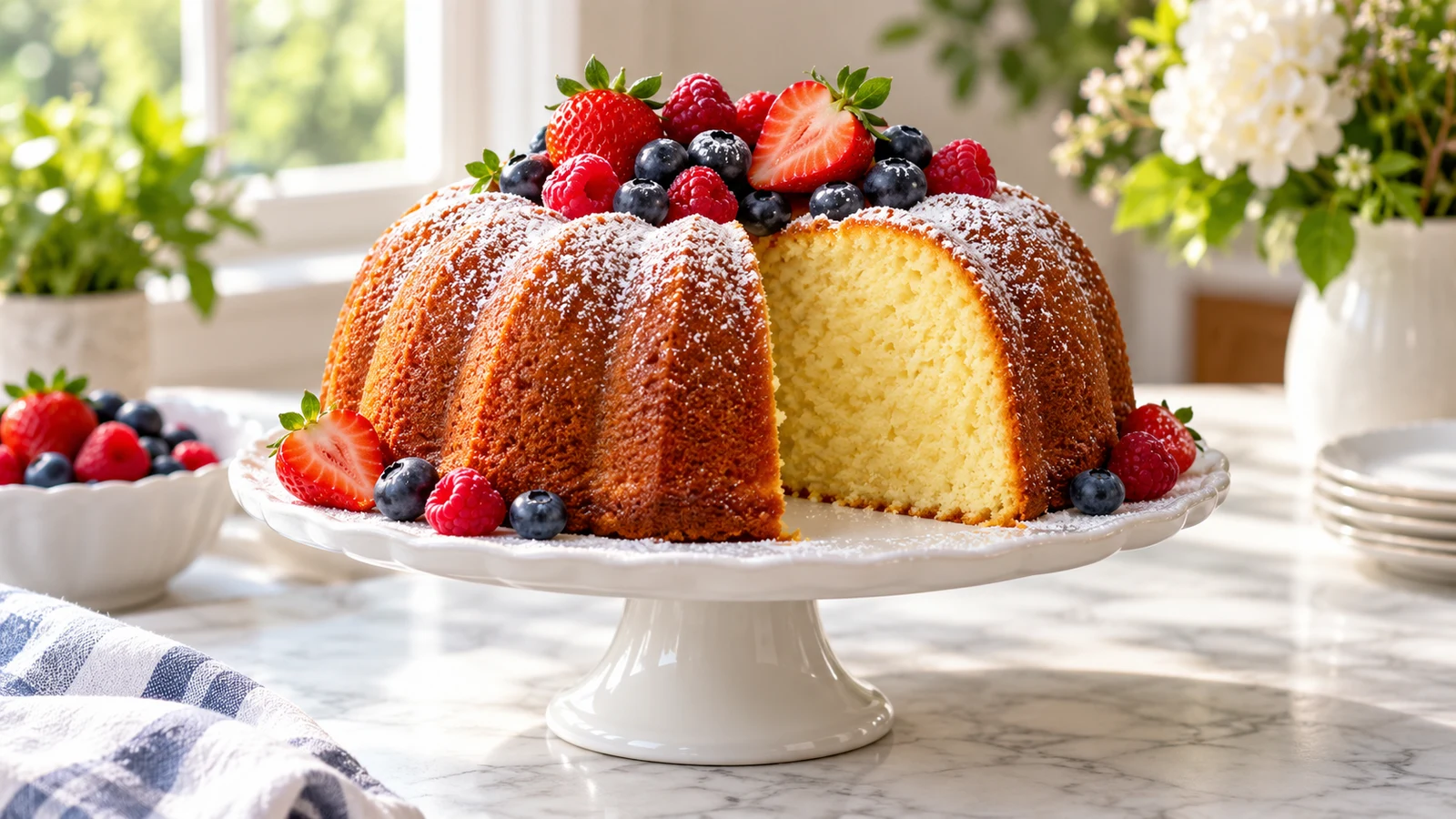
With accurately measured ingredients, patient creaming, and a complete bake, this sour cream pound cake recipe turns out buttery, close-grained, and moist. Let it cool fully before slicing, then serve it simply or dress it up with your favorite fruit and cream.
Once you are comfortable with the basic method, explore the carefully balanced variations rather than making large untested substitutions. Whether your next bake is a chocolate pound cake recipe, an afroman lemon pound cake recipe, one of the classic 7up recipes pound cake styles, or a sweet potato pound cake recipe, precise measuring and gentle mixing remain essential.
Reviews
Reader reviews are managed separately (outside this build).