Cake
afroman lemon pound cake recipe: Zesty, Foolproof Joy
Try this afroman lemon pound cake recipe with exact pan size, bake time, syrup timing, doneness cues, and fixes for a moist, zesty cake every time.

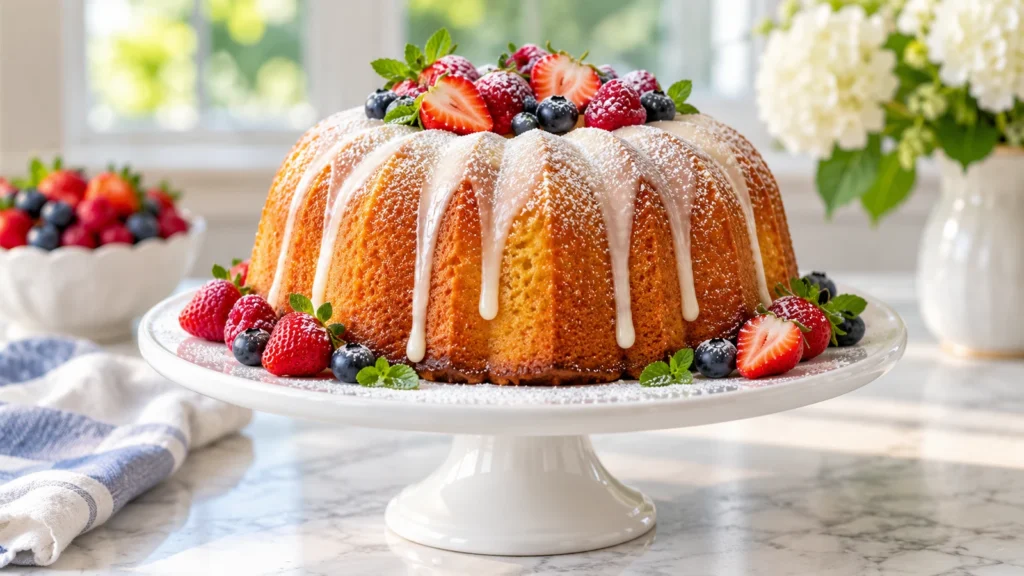
This afroman lemon pound cake recipe turns the playful energy of viral Afroman-related baking content into a dependable homemade dessert. It has a buttery, fine crumb, plenty of fresh lemon flavor, and a warm soaking syrup that keeps every slice moist.
This is an original recipe inspired by that online trend, not an official Afroman recipe, collaboration, or endorsement. Carefully measured ingredients, a 10- to 12-cup Bundt pan, and clear doneness cues remove the guesswork. Unlike a sour cream pound cake recipe with a more pronounced tang, the lemon zest, juice, and syrup keep citrus at the center.
Table of Contents
Why You’ll Love This Afroman Lemon Pound Cake Recipe
- Bright flavor: Lemon zest, juice, and syrup provide citrus flavor without making the cake sour.
- Reliable texture: Cake flour and sour cream create a tender crumb that still slices neatly.
- Practical directions: Weight measurements, temperature guidance, and troubleshooting help prevent dryness, sinking, and sticking.
- Make-ahead friendly: The flavor improves after the syrup settles into the cake.
- Versatile presentation: Serve this afroman lemon pound cake recipe plainly, dress it with berries, or add whipped cream for a celebration.
Ingredients
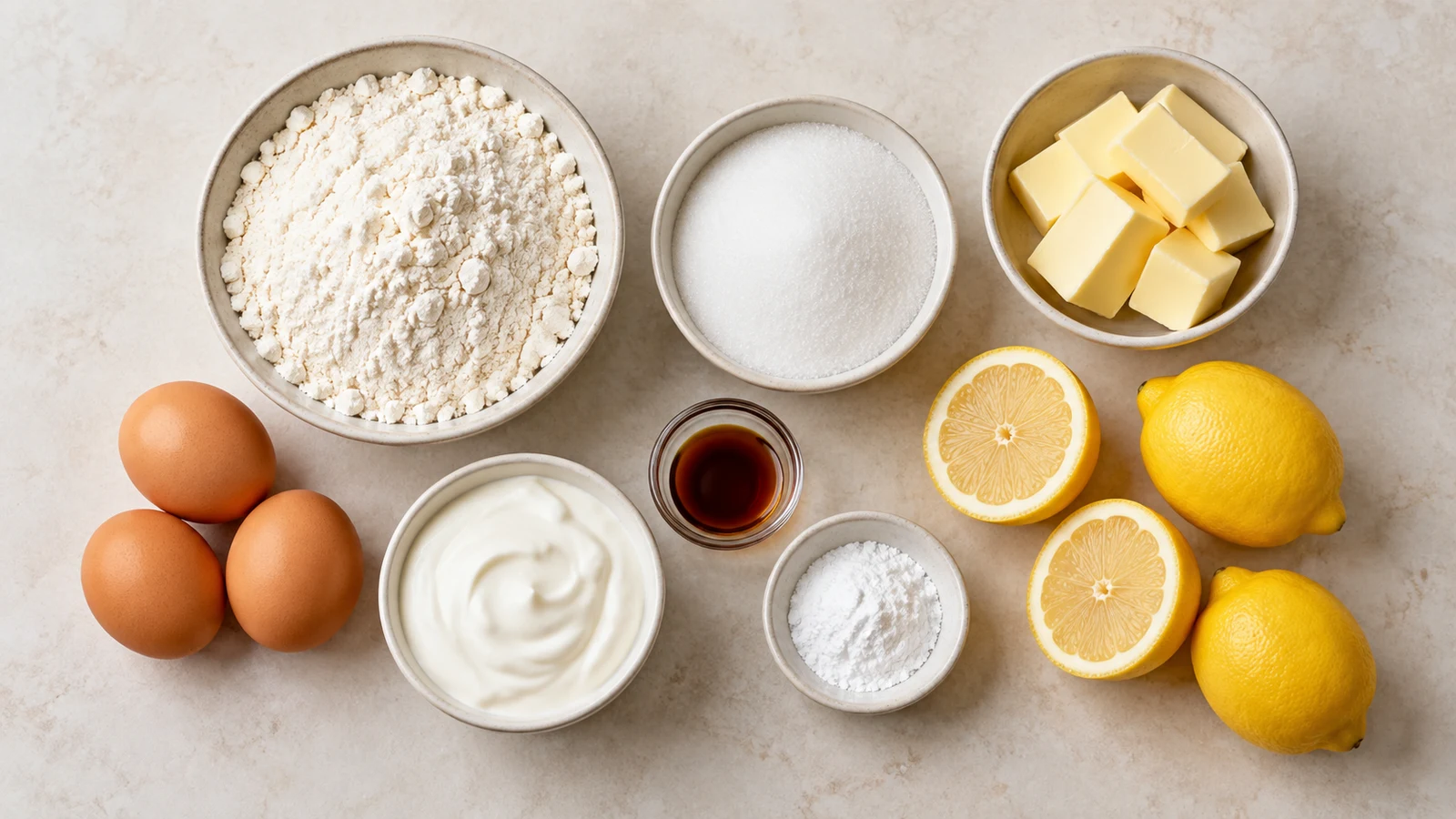
- 1 cup (226 g) unsalted butter, softened to 65°F to 68°F (18°C to 20°C)
- 2 3/4 cups (550 g) granulated sugar, divided
- 5 large eggs, at room temperature
- 1 tablespoon finely grated lemon zest, loosely packed
- 1/4 cup (60 ml) fresh lemon juice, divided
- 1 teaspoon vanilla extract
- 3 cups (360 g) cake flour
- 1/2 teaspoon baking powder
- 3/4 teaspoon fine salt
- 1 cup (240 g) full-fat sour cream, at room temperature
- 1/3 cup (80 ml) water
- Softened butter and flour for preparing the pan
What the Key Ingredients Do
Butter supplies flavor and tenderness, while granulated sugar sweetens the cake and helps the creamed mixture retain air. The five eggs add richness, structure, and enough liquid to bind the batter. Starting with ingredients at the listed room temperatures helps them form a stable emulsion instead of separating.
Cake flour has less protein than all-purpose flour, so it supports the fine, delicate crumb expected from this afroman lemon pound cake recipe. Sour cream contributes moisture, fat, and gentle acidity. It plays the same tenderizing role valued in a sour cream pound cake recipe without overwhelming the fresh lemon.
Lemon zest holds fragrant citrus oils, whereas juice supplies acidity and a sharper lemon note. Using both creates a fuller flavor than juice alone. Vanilla softens the tart edges, salt balances the sweetness, and the small amount of baking powder provides controlled lift without making the texture airy like a layer cake.
Equipment and Pan Size
Use a light-colored 10- to 12-cup Bundt pan, an electric mixer, a fine grater, mixing bowls, a flexible spatula, and an instant-read thermometer. A dark pan can brown the crust faster, so begin checking about five minutes early.
A 10-inch tube pan of similar capacity also works. Avoid a smaller loaf or Bundt pan because the batter may overflow; divide extra batter into lined muffin cups if your pan holds less than 10 cups. Pan capacity matters because this afroman lemon pound cake recipe produces a generous amount of thick batter.
How to Make the Afroman Lemon Pound Cake Recipe
- Prepare the oven and pan: Heat the oven to 325°F (163°C). Thoroughly coat every ridge of the pan with softened butter, dust with flour, and tap out the excess.
- Combine dry ingredients: Whisk the cake flour, baking powder, and salt until evenly blended. For accuracy, weigh the flour. If using cups, spoon flour into each cup and level it rather than scooping. This ingredient weight chart is a useful measuring reference.
- Cream butter and sugar: Beat the butter with 2 1/2 cups (500 g) sugar on medium speed for 4 to 5 minutes, scraping the bowl twice. The mixture should become pale and visibly fluffy; this step creates the cake’s fine structure.
- Add eggs: Beat in the eggs one at a time on medium-low speed, allowing each to disappear before adding another. Mix in the lemon zest, 2 tablespoons lemon juice, and vanilla. If the batter looks slightly curdled, continue with the recipe; the flour will usually bring it together.
- Finish the batter: On low speed, add the flour mixture in three additions, alternating with the sour cream in two additions. Begin and end with flour. Stop mixing as soon as the final streaks vanish, then fold once or twice with a spatula.
- Fill the pan: Spoon batter evenly into the prepared pan. Smooth the top and tap the pan gently on the counter once to release large air pockets.
- Bake: Bake for 70 to 85 minutes. Rotate the pan after 55 minutes if your oven browns unevenly, but do not open the door during the first 50 minutes.
- Check doneness: The cake is ready when it is golden, begins pulling slightly from the sides, and a skewer inserted into a thick section emerges with a few moist crumbs but no wet batter. Its internal temperature should be about 205°F to 210°F (96°C to 99°C).
Lemon Syrup, Cooling, and Release
While the cake bakes, combine the remaining 1/4 cup (50 g) sugar, remaining 2 tablespoons lemon juice, and 1/3 cup water in a small saucepan. Simmer for 2 to 3 minutes, just until the sugar dissolves, then remove it from the heat. This thin soaking syrup adds moisture; unlike a powdered-sugar glaze, it penetrates the crumb instead of forming an opaque topping.
Cool the baked cake in its pan for exactly 10 minutes. Poke shallow holes in the exposed surface and brush on about one-third of the warm syrup. Carefully loosen the edges, invert the cake onto a rack, and brush the remaining syrup over the warm exterior in several passes. Let it cool for at least 90 minutes before slicing.
Gradual brushing gives the afroman lemon pound cake recipe time to absorb the syrup rather than letting it pool beneath the cake. For more background on creaming, structure, and other useful details, see this guide to making pound cake.
Expert Tips for the Best Results
- Use the right ingredient temperature: Bring the butter, eggs, and sour cream to room temperature so they blend into a smooth emulsion. Cold eggs can make the butter seize into small lumps.
- Keep butter soft but cool: Do not melt the butter. It must be soft enough to cream while remaining cool and slightly firm. Greasy or shiny butter cannot hold air effectively.
- Cream thoroughly: The 4- to 5-minute creaming period gives this afroman lemon pound cake recipe its even rise and fine texture. Scrape the bowl so dense butter does not remain near the bottom.
- Zest carefully: Use only the yellow zest; the white pith underneath tastes bitter. Zest the lemon before squeezing it because a whole fruit is easier to grip.
- Mix gently: Do not overmix after adding flour, or the crumb can become dense and tough. Low speed followed by a brief hand fold is enough.
- Measure by weight: A scale prevents excess flour from drying the cake. It also makes results more consistent when preparing any sour cream pound cake recipe.
- Adjust salted butter: If using salted butter, reduce the added salt to 1/4 teaspoon.
- Prepare every ridge: Grease intricate Bundt-pan details carefully and release the cake after 10 minutes. A cake left in the pan too long may stick as the sugar cools.
- Trust several doneness signs: Use color, a skewer, slight separation from the pan, and internal temperature together. One cue alone can be misleading.
Troubleshooting Common Problems
Why is the cake dense or dry?
Too much flour, cold ingredients, overmixing, or overbaking are the usual causes. Weigh the flour and begin testing at 70 minutes. If the outside becomes dark before the middle is ready, the pan may be too dark or the oven may run hot.
Why did the center sink?
The cake was likely underbaked, the oven door opened too early, or excessive air was beaten in after the eggs were added. Confirm oven temperature with a separate thermometer when possible. Follow the temperature range in the afroman lemon pound cake recipe before removing the pan.
Why does the batter look curdled?
This usually means the eggs were cold or added too quickly. Set the mixing bowl over lukewarm water briefly, mix on low, and proceed once it begins to smooth out. A slightly curdled mixture can often recover when the flour is incorporated.
What should I do if the cake sticks?
Loosen the edges gently and place a warm, damp towel around the pan for several minutes before trying again. Next time, coat every groove and observe the 10-minute release time. Do not force a knife deeply down the decorative sides because it can tear the crust.
Why are there large tunnels inside?
Large tunnels usually indicate overmixing after the flour was added or excessive air trapped while filling the pan. Mix only until the dry streaks disappear, spoon in the thick batter evenly, and tap the filled pan gently just once.
Why did the syrup collect at the bottom?
The syrup may have been applied too quickly or after the cake had cooled. Keep both components warm and brush in several thin passes. The crust needs a moment to absorb each coating before more syrup is added.
Variations and Substitutions
- All-purpose flour: Replace each cup of cake flour with 3/4 cup plus 2 tablespoons all-purpose flour and 2 tablespoons cornstarch, then whisk and sift.
- Greek yogurt: Plain, full-fat Greek yogurt can replace sour cream in equal measure, though the crumb may be slightly firmer. This produces some of the tang associated with a sour cream pound cake recipe.
- Orange variation: Substitute orange zest and juice for lemon, using the same quantities.
- Glazed version: Skip half the syrup and drizzle the cooled cake with 1 cup powdered sugar mixed with 1 1/2 to 2 tablespoons lemon juice.
- Soda-inspired comparison: Bakers browsing 7up recipes pound cake ideas may expect lemon-lime notes. For that flavor direction without changing this cake’s liquid balance, serve the finished slices with lemon and lime zest.
- Chocolate option: For a fully cocoa-forward dessert, use a tested chocolate pound cake recipe rather than adding cocoa here, since cocoa changes the flour and moisture balance.
- Autumn option: A sweet potato pound cake recipe gets moisture and earthy sweetness from mashed sweet potato. Do not add it directly to this batter without rebalancing the dry ingredients.
Choosing Between Popular Pound Cake Flavors
Choose this afroman lemon pound cake recipe when you want fresh citrus aroma and a clear lemon finish. Choose a sour cream pound cake recipe when buttery tang and a more neutral flavor are the priority. Both styles use cultured dairy to encourage a tender, moist crumb.
Many 7up recipes pound cake versions lean into familiar lemon-lime flavor and the novelty of baking with soda. A chocolate pound cake recipe is better for cocoa lovers and rich sauces, while a sweet potato pound cake recipe suits warm spices, holiday menus, and autumn gatherings.
Serving Ideas
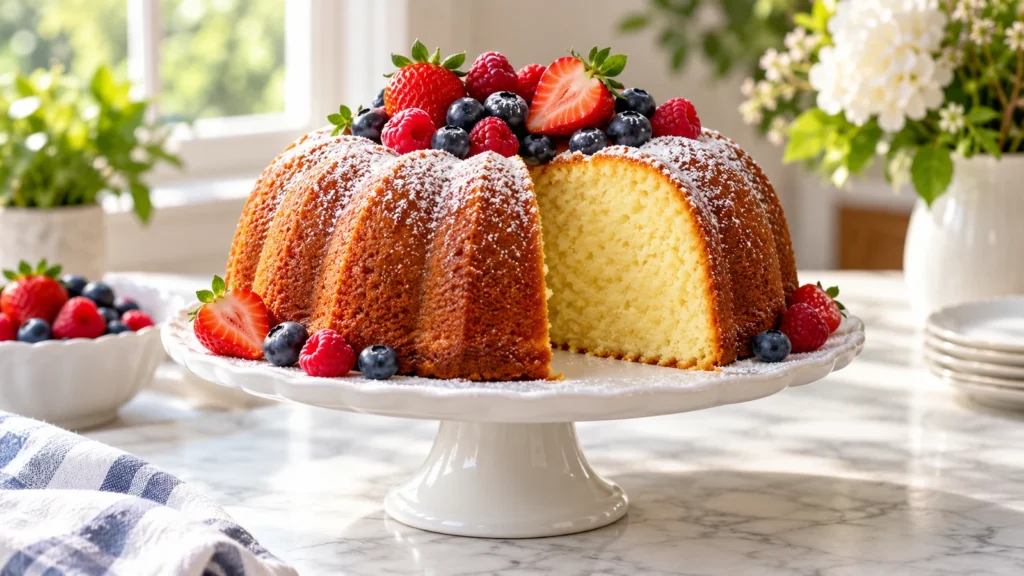
Serve the cake at room temperature with berries, lightly whipped cream, or a spoonful of lemon curd. These simple additions complement the syrup without hiding the buttery crumb. A dusting of powdered sugar can add a finished appearance, although the cake needs no extra sweetness.
For a plated dessert, lightly toast a slice in butter and add vanilla ice cream. The contrast between crisp edges, cold ice cream, and tender cake works especially well. This afroman lemon pound cake recipe also travels well for picnics, potlucks, and bake sales.
For brunch, offer thin slices with coffee, black tea, or fresh fruit. For a summer gathering, add blueberries, raspberries, and unsweetened whipped cream. If several cakes are on the table, place it beside a chocolate pound cake recipe so guests can choose between bright and rich flavors.

Make-Ahead Plan
Bake the cake one day before serving for the easiest schedule. Once completely cool, wrap it tightly and leave it at room temperature. Overnight resting allows the lemon syrup to distribute through the crumb, making the flavor and texture of the afroman lemon pound cake recipe even more consistent.
If preparing components in advance, measure the dry ingredients and keep them covered at room temperature. Zest and juice the lemon shortly before mixing for the freshest aroma. Do not cream the butter and sugar or combine wet and dry mixtures until you are ready to bake.
For an event, freeze the cooled cake up to 3 months ahead and thaw it overnight in the refrigerator. Bring it to room temperature before serving. Add berries, whipped cream, powdered sugar, or other perishable garnishes only after thawing.
How to Store, Freeze, and Reheat
Keep the completely cooled cake tightly wrapped at room temperature for up to 3 days or refrigerate it for up to 5 days. Refrigeration firms the butter, so let slices stand at room temperature for 20 to 30 minutes before serving. General refrigerated-food guidance is available in the FoodSafety.gov cold storage charts.
To freeze, wrap the whole cake or individual slices in plastic and foil, then freeze for up to 3 months. Individual portions are convenient because you can thaw only what you need. Label the wrapping with the date to make storage time easy to track.
Thaw the afroman lemon pound cake recipe overnight in the refrigerator and bring it to room temperature. If desired, warm one slice for 8 to 10 seconds in the microwave; longer heating can dry it out. Avoid reheating the entire cake repeatedly because temperature changes reduce its freshness.
Nutrition
One of 16 slices contains approximately 470 calories, 21 g fat, 65 g carbohydrate, 5 g protein, 43 g sugar, and 220 mg sodium. Values are estimates and vary with brands, pan coating, and the amount of syrup absorbed.

Frequently Asked Questions
Can I bake this afroman lemon pound cake recipe in loaf pans?
Yes. Divide the batter between two greased and floured 9-by-5-inch loaf pans. Bake at 325°F (163°C) for approximately 55 to 70 minutes, checking each loaf separately because one may finish sooner.
Can bottled lemon juice replace fresh juice?
Fresh juice gives the cleanest flavor and provides the zest needed for the batter. Bottled juice can work in the syrup in a pinch, but keep fresh zest in the cake. The fragrant zest is important to the recognizable flavor of this afroman lemon pound cake recipe.
Why is the syrup added while the cake is warm?
A warm cake absorbs thin syrup more evenly. Apply it gradually after the crumb has set during the initial 10-minute cooling period. Brushing in several passes distributes moisture more reliably than pouring all the syrup over one area.
Can I make the cake a day ahead?
Yes. Once completely cool, wrap it tightly and leave it at room temperature overnight. The lemon syrup distributes through the crumb, often making the second-day texture even better.
Is this the same as a sour cream pound cake recipe?
It shares the tenderizing benefit of sour cream, but lemon zest, lemon juice, and soaking syrup define its flavor. A traditional sour cream pound cake recipe may use vanilla or almond flavoring and omit the citrus syrup.
How does it compare with 7up recipes pound cake?
Many 7up recipes pound cake versions use lemon-lime soda for flavor, sweetness, or carbonation. This recipe uses fresh lemon, sour cream, and a separate syrup, so its ingredient balance and mixing method should be followed as written.
Can I turn this into a chocolate pound cake recipe?
It is better to follow a dedicated chocolate pound cake recipe. Cocoa absorbs moisture and changes the batter’s structure, so simply adding it to this lemon formula could produce a dry cake. Chocolate sauce can instead be served alongside individual slices.
Can mashed sweet potato be added to the batter?
No direct addition is recommended because purée changes moisture, starch, and baking time. Follow a tested sweet potato pound cake recipe when that is the flavor you want. Serve this lemon version with fruit or cream instead.
Can I reduce the sugar?
Sugar affects more than sweetness: it contributes moisture, browning, tenderness, and the creamed structure. A substantial reduction could change the result, so use the stated amount. Cutting thinner slices is a more reliable way to serve smaller portions.
How do I know when the cake is cool enough to slice?
Wait at least 90 minutes after the cake is released and brushed with syrup. Cutting sooner can compress the warm crumb and make slices look gummy. A fully cooled cake releases fewer crumbs from the knife.
Related Pound Cake Recipes
If you enjoy citrus cakes, try these 7up recipes pound cake ideas. For a tangy, tender alternative, use this sour cream pound cake recipe. When citrus is not on the menu, this chocolate pound cake recipe offers a rich variation.
A sweet potato pound cake recipe is another useful option when you want earthy sweetness and seasonal flavor. Keeping each cake’s tested ingredient ratios intact is more reliable than making large additions to the afroman lemon pound cake recipe batter.
Printable Recipe Card
Recipe: Afroman Lemon Pound Cake Recipe
- Prep time: 25 minutes
- Bake time: 70 to 85 minutes
- Cooling time: 1 hour 40 minutes
- Yield: 16 slices
- Oven temperature: 325°F (163°C)
Quantities: 1 cup unsalted butter; 2 3/4 cups sugar, divided; 5 eggs; 1 tablespoon lemon zest; 1/4 cup lemon juice, divided; 1 teaspoon vanilla; 3 cups cake flour; 1/2 teaspoon baking powder; 3/4 teaspoon salt; 1 cup sour cream; and 1/3 cup water.
- Heat the oven to 325°F (163°C); butter and flour a 10- to 12-cup Bundt pan.
- Whisk flour, baking powder, and salt. Cream butter with 2 1/2 cups sugar for 4 to 5 minutes.
- Add eggs individually, followed by zest, 2 tablespoons juice, and vanilla.
- Alternate dry ingredients with sour cream. Transfer to the pan and bake for 70 to 85 minutes, or to 205°F to 210°F internally.
- Simmer remaining sugar, juice, and water for 2 to 3 minutes. Cool the cake in its pan for 10 minutes, apply some syrup, invert, and brush with the remainder.
- Cool for at least 90 minutes before slicing.
Notes: Weigh the flour, use room-temperature ingredients, mix gently after adding flour, and release the cake after 10 minutes. Estimated nutrition per slice: 470 calories, 21 g fat, 65 g carbohydrate, 5 g protein, 43 g sugar, and 220 mg sodium.
A Dependable Lemon Pound Cake for Any Occasion
With careful creaming, measured flour, and warm lemon syrup, this afroman lemon pound cake recipe delivers a moist, buttery crumb and balanced citrus flavor. Follow the temperature and cooling cues, and it will slice cleanly enough for everyday treats, brunch, potlucks, or a celebratory dessert.
When you want another style, explore a sour cream pound cake recipe, compare 7up recipes pound cake options, choose a chocolate pound cake recipe for deeper richness, or save a sweet potato pound cake recipe for cooler weather. For a bright, classic slice, this lemon cake remains an inviting choice.
Reviews
Reader reviews are managed separately (outside this build).