Cake
7up recipes pound cake: Foolproof Moist Citrus Bliss
Bake a moist, buttery 7up recipes pound cake with bright lemon-lime flavor, silky citrus glaze, and reliable steps. Discover foolproof results now.

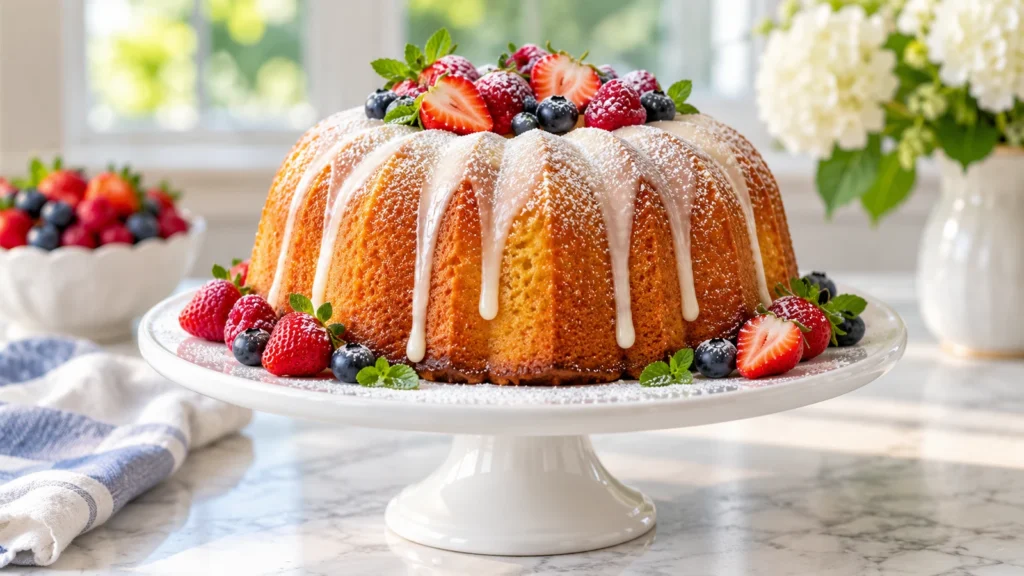
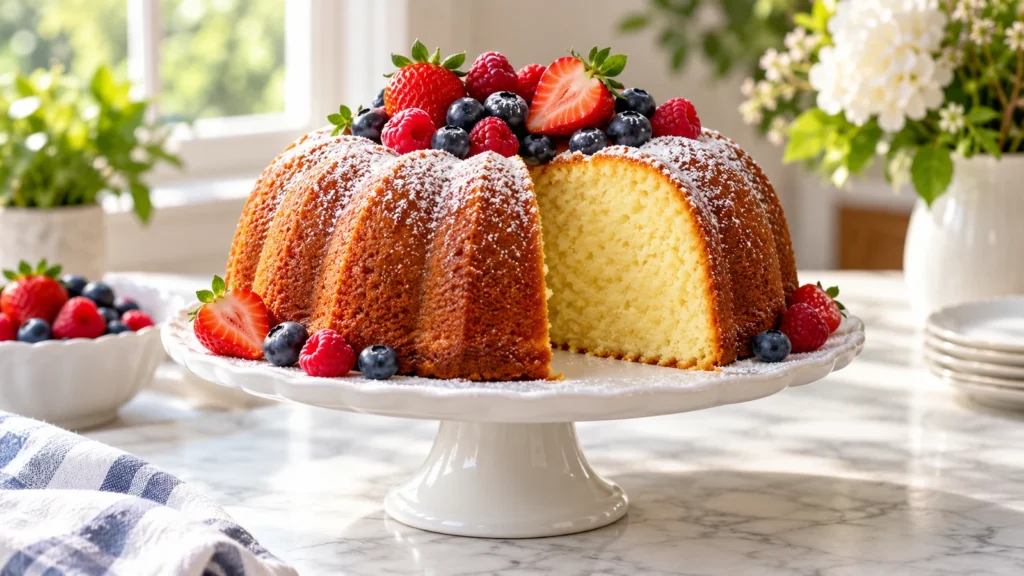
7up recipes pound cake delivers a buttery, close-crumbed cake with fresh lemon-lime flavor and a crisp golden crust. The soda adds sweetness, citrus notes, and carbonation, while a simple glaze keeps every slice bright and moist. This detailed guide explains how to cream the batter correctly, prepare an intricate pan, judge doneness, and preserve the tender texture.
Jump to the complete recipe for exact timing and measurements, or read through the tips first to prevent sticking, tunnels, and a dense center. If you are comparing 7up recipes pound cake with a sour cream pound cake recipe or another traditional version, the most noticeable difference is its refreshing citrus character.
Table of Contents
Why You’ll Love This Recipe
- Dependable texture: Careful creaming produces a fine, tender crumb that slices cleanly without feeling dry.
- Fresh citrus flavor: Lemon leads, while lime adds a subtle, lively finish.
- Simple ingredients: No specialty baking products are required.
- Make-ahead friendly: The cake stores and freezes exceptionally well.
- Celebration ready: The molded shape and glossy glaze look impressive without complicated decorating.
Why 7UP Works in Pound Cake
7UP contributes sugar, lemon-lime flavor, liquid, and carbonation. The bubbles offer modest lift, but properly creamed butter and sugar provide most of the cake’s structure, so soda cannot compensate for rushed mixing. In 7up recipes pound cake, the drink also replaces the milk or cultured dairy found in many conventional formulas.
The result is different from a sour cream pound cake recipe, which receives extra fat and acidity from sour cream. It also differs from a chocolate pound cake recipe, where cocoa can absorb moisture and deepen the crumb. Here, cake flour and restrained mixing keep the texture delicate while the soda supports the citrus profile.
For another formulation and a useful point of comparison, see the official 7UP Bundt cake recipe.
Ingredients
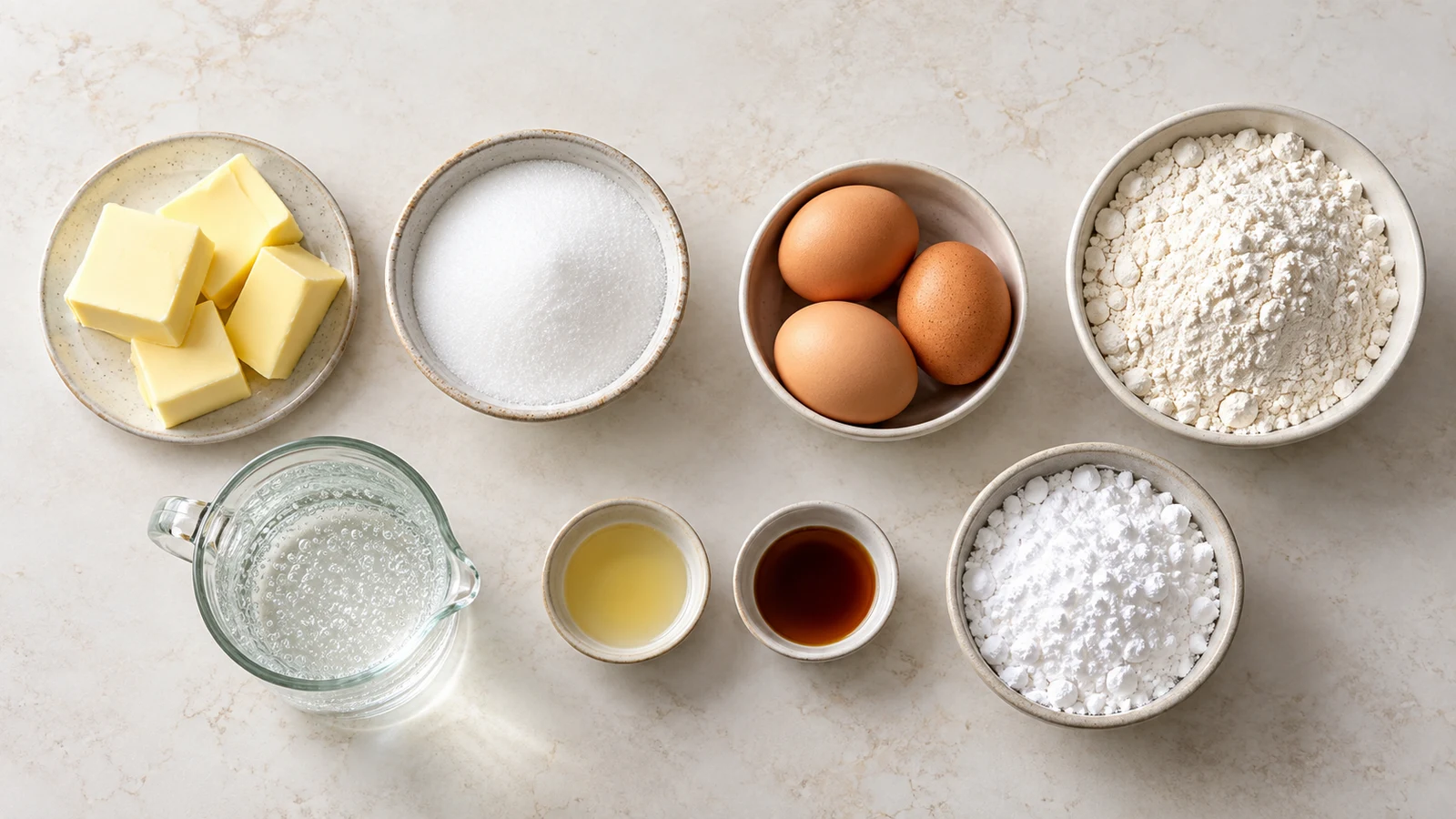
- 1 1/2 cups (340 g) unsalted butter, softened to 65–68°F (18–20°C)
- 3 cups (600 g) granulated sugar
- 5 large eggs (about 250 g without shells), room temperature
- 3 cups (360 g) cake flour, spooned and leveled
- 1/2 teaspoon fine salt
- 3/4 cup (180 ml) 7UP, room temperature
- 1 tablespoon finely grated lemon zest
- 1 teaspoon pure lemon extract
- 1/2 teaspoon pure vanilla extract
- For the glaze: 2 cups (240 g) confectioners’ sugar, 2 tablespoons lemon juice, 1 tablespoon 7UP, and 1 teaspoon lime juice
Ingredient Notes for 7up Recipes Pound Cake
Butter: Properly softened butter should yield slightly when pressed but should not look shiny, greasy, or partially melted. Butter that is too cold cannot hold enough air during creaming. Butter that is too warm loses structure and may produce a heavy or oily cake.
Cake flour: Its lower protein content supports the fine crumb expected from 7up recipes pound cake. Spoon it lightly into a measuring cup and level the top if a scale is unavailable. Do not pack or scoop directly from the bag, since compressed flour can make the finished cake dry.
Eggs: Room-temperature eggs blend into the butter mixture more easily. To warm cold eggs quickly, place them in a bowl of warm tap water for 10 minutes. Dry the shells before cracking them individually into a small bowl.
7UP: Use regular soda at room temperature. Opening a fresh container immediately before measuring preserves the most carbonation, although careful creaming remains more important to the rise. Measure gently rather than whisking away the bubbles.
Citrus: Remove only the yellow outer layer when zesting the lemon. The white pith underneath can taste bitter. Rub the zest into a spoonful of the measured sugar if you want its aromatic oils distributed especially evenly.
Equipment and Pan Preparation
Use a 10- to 12-cup Bundt pan or a 10-inch tube pan. Grease every ridge thoroughly with softened shortening, then dust with flour and tap out the excess. Baking spray containing flour also works, but ordinary cooking spray is more likely to cause sticking.
A light-colored metal pan bakes most evenly. Set it on a rimmed baking sheet only if its capacity is uncertain; the filled pan should retain at least 1 1/2 inches of headroom. Dark pans can brown the crust quickly, so watch the color during the final portion of baking.
Before mixing, confirm the oven temperature with an oven thermometer if possible. Pound cake remains in the oven long enough for even a modest temperature error to affect its crust and center. A reliable mixer, flexible spatula, fine grater, cooling rack, and long wooden skewer are also useful.
How to Make 7up Recipes Pound Cake
- Prepare: Heat the oven to 325°F (165°C). Position a rack in the lower-middle of the oven and prepare the pan as directed.
- Cream for 5 minutes: Beat the butter on medium speed for 1 minute. Gradually add the sugar, then beat for 4 minutes, scraping twice. The mixture should look noticeably paler, fluffy, and increased in volume.
- Add eggs for 3 minutes: Beat in one egg at a time for about 30 seconds, scraping the bowl after the third and fifth eggs. Mix in the zest and extracts.
- Combine dry ingredients: Whisk the cake flour and salt together. With the mixer on low, add the flour in three portions, alternating with the 7UP in two portions. Begin and end with flour.
- Finish gently: Fold the batter several times with a spatula to incorporate flour at the bottom. Do not beat after the flour disappears, since overmixing encourages tunnels and toughness.
- Fill and bake: Spoon batter evenly into the pan and smooth the surface. Bake for 75–90 minutes. Consult these general cake-baking techniques for additional guidance on oven setup and doneness.
- Check doneness: The top should be deeply golden and spring back lightly. A skewer inserted midway between the edge and center should emerge clean or with a few moist crumbs; the center should register about 205–210°F (96–99°C).
- Cool and unmold: Cool in the pan for 15 minutes. Loosen accessible edges with a thin plastic spatula, invert onto a rack, and leave undisturbed until completely cool, about 2 hours.
- Glaze: Whisk the glaze ingredients until thick but pourable, then drizzle over the cooled cake. Let it set for 20 minutes before slicing.
Expert Tips for 7up Recipes Pound Cake
- Prepare before mixing: Measure every ingredient and coat the pan first. Once mixed, the batter should go into the oven without an extended delay.
- Use room-temperature ingredients: Bring the butter, eggs, and soda to room temperature so the batter emulsifies instead of curdling.
- Watch the butter, not just the clock: The creamed mixture should be pale and aerated after 5 minutes. A very powerful mixer may reach that stage sooner.
- Scrape thoroughly: Stop the mixer to scrape the bowl, bottom, and beater. Unmixed butter can leave gummy spots in the baked cake.
- Measure flour accurately: Use a scale when possible. Excess flour is a common cause of dry pound cake.
- Add eggs gradually: Let each egg blend before adding the next. This maintains a stable emulsion and promotes an even crumb.
- Use fresh soda: Fresh 7UP provides the best lift, although an unopened container matters more than a particular bottle size.
- Mix flour briefly: Low speed and a few final folds are enough. Vigorous mixing develops gluten and creates tunnels.
- Protect the early rise: Do not open the oven during the first 60 minutes, when the cake’s structure is still setting.
- Test in the correct place: Insert the skewer between the outer edge and center tube, where underbaked batter is most likely to remain.
- Slice neatly: Use a serrated knife and wipe it between cuts for clean portions.
Citrus Glaze, Flavor, and Serving Ideas
Lemon juice produces the clearest classic flavor; lime juice alone tastes sharper and slightly more floral. The tested blend above keeps lemon prominent while echoing the soda’s lime note. For a runny glaze, add confectioners’ sugar one tablespoon at a time; for a stiff glaze, add 7UP by the teaspoon.
Never glaze a warm cake. Residual heat thins the icing, causing it to soak into the crust or collect beneath the cake. Set the cooled cake on a rack over a plate, spoon the glaze around the top, and allow it to flow naturally through the ridges.
Serve 1/12 of the cake per portion with berries, lightly whipped cream, or citrus segments. A similar approach appears in this 7-Up pound cake reference. Fresh raspberries or strawberries supply acidity, while blueberries complement the lemon without overpowering it.
Simple Ways to Serve Each Slice
- Pair room-temperature cake with unsweetened whipped cream and macerated berries.
- Toast an unglazed slice lightly and serve it with a spoonful of lemon curd.
- Add segmented oranges and a few fresh mint leaves for a bright brunch plate.
- Serve thin slices with coffee or black tea for an afternoon dessert.
- Top individual portions with vanilla ice cream when the cake is served for a celebration.
Variations and Substitutions
Sprite or another regular lemon-lime soda may replace 7UP in equal measure, though sweetness and citrus intensity can vary. Flat soda is usable and will still provide liquid and flavor, but the crumb may be marginally tighter. Avoid diet soda because alternative sweeteners can change browning and texture.
For stronger lemon flavor, add another teaspoon of zest, not extra juice, which can alter the batter. Orange zest also works, although it moves 7up recipes pound cake away from its classic lemon-lime profile. Do not increase the extract substantially, because concentrated lemon extract can become harsh.
How Other Pound Cake Styles Differ
A sour cream pound cake recipe uses cultured dairy to create tang and richness. Replacing the soda with sour cream in this formula is not recommended because it would alter the liquid, fat, acidity, and lift at once. Use a tested sour cream pound cake recipe when that dense, velvety style is the goal.
A chocolate pound cake recipe requires more than adding cocoa to this batter. Cocoa absorbs liquid and can make a cake dry unless the remaining ingredients are balanced around it. Choose a tested chocolate pound cake recipe instead of modifying the flour and soda quantities here.
An afroman lemon pound cake recipe may inspire a stronger lemon presentation, but this cake is designed around balanced lemon-lime notes. Extra zest is the safest adjustment. Similarly, a sweet potato pound cake recipe depends on mashed sweet potato for moisture, color, and flavor, so adding puree to this batter would require broader changes.
Troubleshooting Common Pound Cake Problems
- Sticking: Coat every crevice and unmold after 15 minutes; cooling completely in the pan traps moisture. If a section resists, allow the inverted pan to rest briefly before lifting it again.
- Dense or collapsed center: Cream fully, use room-temperature ingredients, and bake until the center reaches the proper temperature. An oven door opened too soon may also interrupt the rise.
- Dry texture: Weigh the flour and begin checking 15 minutes before the expected finish. Cutting the cake before it is cool can also release moisture as steam.
- Tunnels: Mix gently after adding flour and avoid beating air into the finished batter. Long holes are usually a sign of excess gluten development or overly vigorous mixing.
- Overflow: Use a pan holding at least 10 cups and never fill it more than three-quarters full.
- Cracked top: A moderate crack is normal for pound cake. A severe split can indicate an oven running hot or a pan that is too small.
- Curdled batter: Cold eggs or eggs added too quickly can separate the emulsion. Stop, scrape the bowl, and continue with the next flour addition as directed rather than adding unmeasured ingredients.
- Pale, soft crust: Confirm that the oven is fully preheated and bake until the visual and temperature tests agree.
- Gummy streaks: Scrape the bottom thoroughly and avoid using partially melted butter, which cannot support the intended structure.
At 3,000–5,000 feet (915–1,525 m), reduce sugar by 2 tablespoons, add 2 tablespoons of flour, and increase the oven to 335°F (168°C). Begin checking 10 minutes early; higher elevations may require further local adjustment.

Make-Ahead Plan for 7up Recipes Pound Cake
For easy entertaining, bake the cake one day before serving and leave it unglazed until the following day. Once completely cool, wrap it tightly and keep it at room temperature. Resting overnight allows the crumb to settle, often making the cake easier to slice neatly.
Prepare the glaze shortly before serving for the freshest appearance. The dry confectioners’ sugar can be measured in advance, while the lemon and lime juice should remain refrigerated. Glaze the cake at least 20 minutes before slicing so the coating has time to set.
If you need a longer head start, freeze the unglazed cake. This approach works especially well for holidays because 7up recipes pound cake can thaw overnight without occupying the oven on the day it is served.
How to Store, Freeze, and Reheat
Keep the uncut cake tightly covered at room temperature for up to 3 days, or refrigerate it for up to 1 week. Place parchment or waxed paper against cut surfaces before covering to reduce moisture loss. Bring chilled slices to room temperature before serving for the softest texture.
Warm individual unglazed slices for 10–15 seconds in the microwave. Heat only until slightly warm; prolonged microwaving can toughen the crumb. Glazed slices are best allowed to lose their chill naturally because heat can melt the icing.
To freeze, wrap the unglazed cake or individual slices in plastic wrap and foil, then freeze for up to 3 months. Label the package with the date. Thaw overnight in the refrigerator and glaze after it reaches room temperature. Keep the wrapping in place while thawing so condensation forms on the wrapper instead of the cake.
Nutrition and Portion Size
One of 12 slices provides approximately 690 calories, 29 g fat, 103 g carbohydrate, and 7 g protein. Values are estimates and vary with brands, pan residue, glaze usage, and serving size. Cut smaller portions when offering the cake alongside ice cream, whipped cream, or another dessert.

Frequently Asked Questions About 7up Recipes Pound Cake
Can I use a tube pan instead of a Bundt pan?
Yes. Use a solid-bottom 10-inch tube pan, prepare it thoroughly, and begin checking at 70 minutes. Do not use a two-piece angel-food pan because this rich batter may leak.
Does 7up recipes pound cake need baking powder?
No. Extended creaming, eggs, and carbonation provide lift. Adding baking powder can create excessive rise followed by collapse or a coarser crumb. Follow the full creaming time and avoid deflating the batter during the final mixing.
Why did my cake turn out heavy?
The usual causes are cool ingredients, insufficient creaming, too much flour, or underbaking. Follow the visual cues and weights rather than relying only on elapsed time. Make sure the butter is pliable but not melted before starting.
Can I reduce the sugar?
A small reduction of up to 1/4 cup is possible, but larger changes can reduce moisture, browning, and tenderness. The glaze may be omitted for a less-sweet result without changing the cake batter.
Can I make 7up recipes pound cake with flat soda?
Yes, although fresh soda is preferred. Flat 7UP still supplies the required liquid, sugar, and lemon-lime flavor, but it contributes less carbonation. Do not replace it with plain water because the taste and sweetness would change.
Why is the outside dark before the center is done?
A dark-colored pan or an oven that runs hot can brown the crust early. Check the oven with a thermometer and bake on the lower-middle rack. Continue until the center passes the skewer and temperature tests rather than removing an underbaked cake based only on color.
How do I prevent the cake from sticking?
Cover every pan detail with shortening and flour or baking spray containing flour. Grease the pan shortly before adding the batter, then cool the baked cake for exactly 15 minutes before inverting. This gives the structure time to firm without allowing the cake to become damp in the pan.
Is this the same as a sour cream pound cake recipe?
No. A sour cream pound cake recipe uses cultured dairy for tang, moisture, and richness, while this cake uses lemon-lime soda as its primary liquid. Both can have a fine crumb, but their flavors and ingredient ratios are distinct.
Can I turn this into a chocolate pound cake recipe?
It is better to follow a dedicated chocolate pound cake recipe. Simply replacing some flour with cocoa can disrupt the cake’s moisture and structure. Cocoa type also affects acidity, color, and flavor, so a tested chocolate formula gives more predictable results.
How does an afroman lemon pound cake recipe compare?
An afroman lemon pound cake recipe is a separate style that may emphasize lemon differently. This version is specifically balanced around 7UP, lemon zest, lemon extract, and a lemon-lime glaze. Keep those measured proportions for the intended flavor and texture.
Can I add sweet potato to this cake?
Use a tested sweet potato pound cake recipe instead. Sweet potato puree changes moisture, density, starch, and color, so it cannot be added here without adjusting several other ingredients. A sweet potato pound cake recipe is the reliable choice when you want warm, earthy flavor.
How far ahead can I glaze the cake?
You can glaze the completely cooled cake several hours before serving. Keep it covered after the icing sets. For the neatest finish and easiest freezing, store or freeze the cake without glaze and add it after thawing.
Related Pound Cake Recipes
Try this sour cream pound cake recipe for tangy richness, or this chocolate pound cake recipe when you want a cocoa-forward variation. Each tested recipe accounts for the way its signature ingredient affects moisture and structure.
If searches for an afroman lemon pound cake recipe or sweet potato pound cake recipe inspired your baking plans, keep this page bookmarked for the classic soda-based option. You can also explore the pink salt trick recipe for another practical kitchen idea.
Complete Recipe Card
- Preparation time: 25 minutes
- Baking time: 75–90 minutes
- Cooling time: 2 hours 35 minutes
- Yield: 12 slices
- Pan: 10- to 12-cup Bundt pan or 10-inch solid tube pan
- Oven: 325°F (165°C)
Method: Cream 1 1/2 cups butter with 3 cups sugar for 5 minutes. Beat in 5 eggs individually, followed by lemon zest and extracts. Alternate 3 cups cake flour mixed with salt and 3/4 cup 7UP, mixing only until combined. Bake in the prepared pan until golden and 205–210°F (96–99°C) inside. Cool 15 minutes, invert, cool completely, and apply the citrus glaze.
Notes: Room-temperature ingredients and accurate flour measurement are essential. Use regular, preferably fresh, lemon-lime soda and leave ample space in the pan. This 7up recipes pound cake is ready to serve once the glaze has set.
Final Baking Notes
Successful 7up recipes pound cake depends on a few fundamentals: properly softened butter, patient creaming, accurate flour measurement, restrained final mixing, and complete baking. Give the cake its full cooling time before glazing, and it will produce neat, buttery slices with a bright citrus finish.
Whether you are comparing it with a sour cream pound cake recipe, a chocolate pound cake recipe, an afroman lemon pound cake recipe, or a sweet potato pound cake recipe, this version stands apart for its refreshing lemon-lime flavor. Prepare the pan carefully, follow the visual doneness cues, and the cake will stay tender for days.
Reviews
Reader reviews are managed separately (outside this build).