Cake
million dollar pound cake recipe: Irresistibly Rich
Bake a rich, buttery classic with this million dollar pound cake recipe. Get a moist, fine crumb, clearer steps, doneness tips, and storage advice.
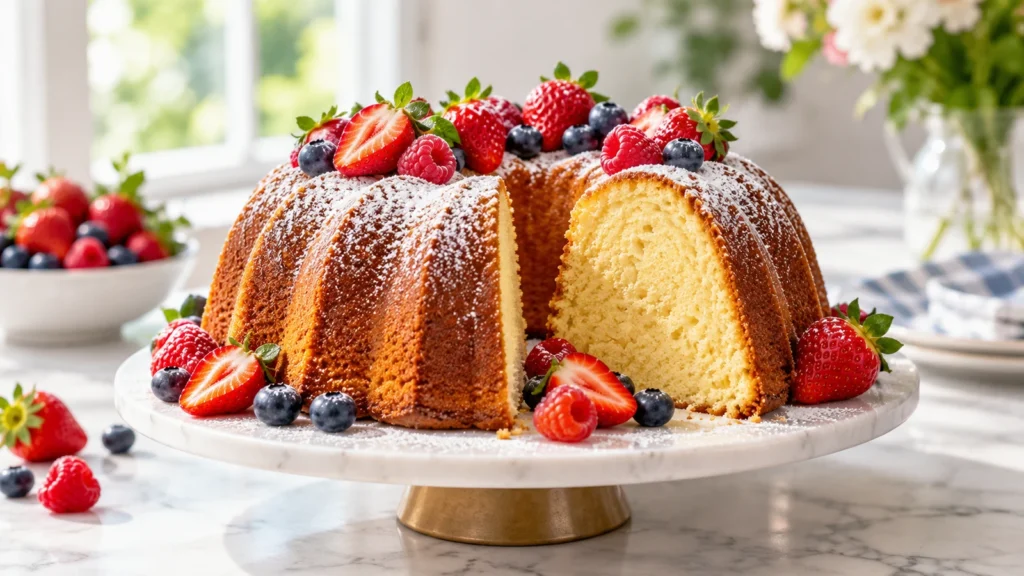
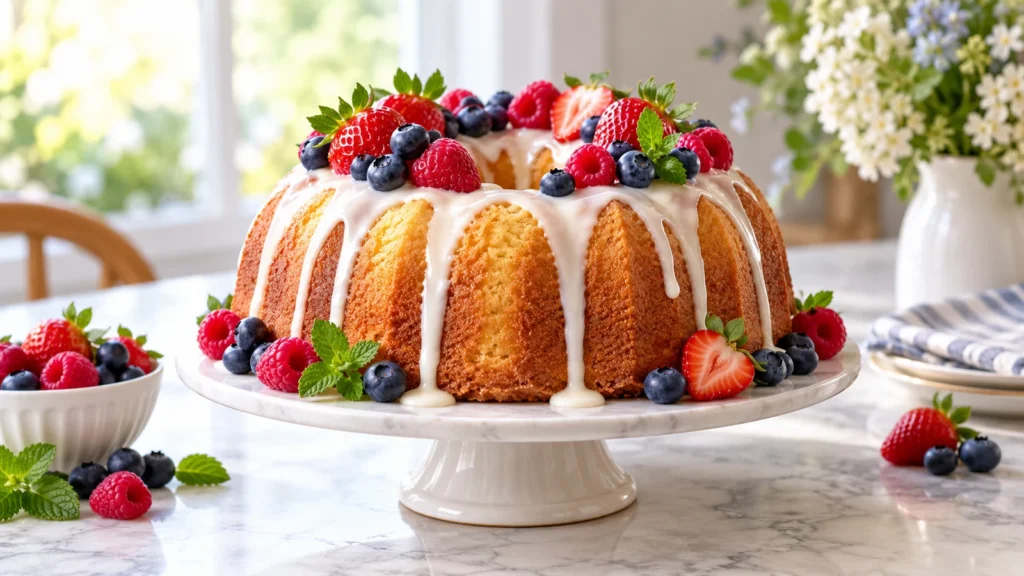
This million dollar pound cake recipe produces a tall, buttery cake with a fine crumb, crisp golden crust, and rich vanilla flavor. It is baked slowly in a large tube pan, making it ideal for holidays, celebrations, afternoon coffee, or a make-ahead dessert.
Although the ingredient list is simple, temperature and technique matter. This guide explains how to cream the butter correctly, maintain a smooth batter, recognize doneness, release the cake cleanly, and store every slice without sacrificing its tender texture.
Table of Contents
Why You’ll Love This Million Dollar Pound Cake Recipe
- Rich texture: Butter, sugar, eggs, and cream create a dense yet tender crumb.
- No leavener needed: Properly creamed butter and carefully mixed eggs provide the lift.
- Reliable guidance: Visual cues and internal temperature make doneness easier to judge.
- Make-ahead friendly: The flavor and texture remain excellent for several days.
- Versatile presentation: Serve it plain, glazed, toasted, or topped with fruit and whipped cream.
What Makes Million Dollar Pound Cake Special
Traditional pound cake relies on balanced proportions and careful mixing rather than baking powder or baking soda. During creaming, softened butter traps tiny air pockets that expand in the oven. The eggs reinforce the structure, while heavy cream softens the crumb.
The slow oven is another defining feature of this million dollar pound cake recipe. Gentle heat gives the thick batter time to bake through before the crust becomes too dark. The finished cake should feel substantial without seeming heavy, greasy, dry, or rubbery.
For more detail on this essential technique, see this guide to building a better butter cake.
Ingredients
- 1 pound unsalted butter, softened to 65°F to 68°F (454 g)
- 3 cups granulated sugar (600 g)
- 6 large eggs, at 70°F to 72°F (about 300 g without shells)
- 4 cups all-purpose flour, spooned and leveled (480 g)
- 3/4 cup heavy cream, at room temperature (180 ml)
- 1 tablespoon pure vanilla extract (15 ml)
- 1/2 teaspoon fine salt
- Soft butter and flour for preparing the pan
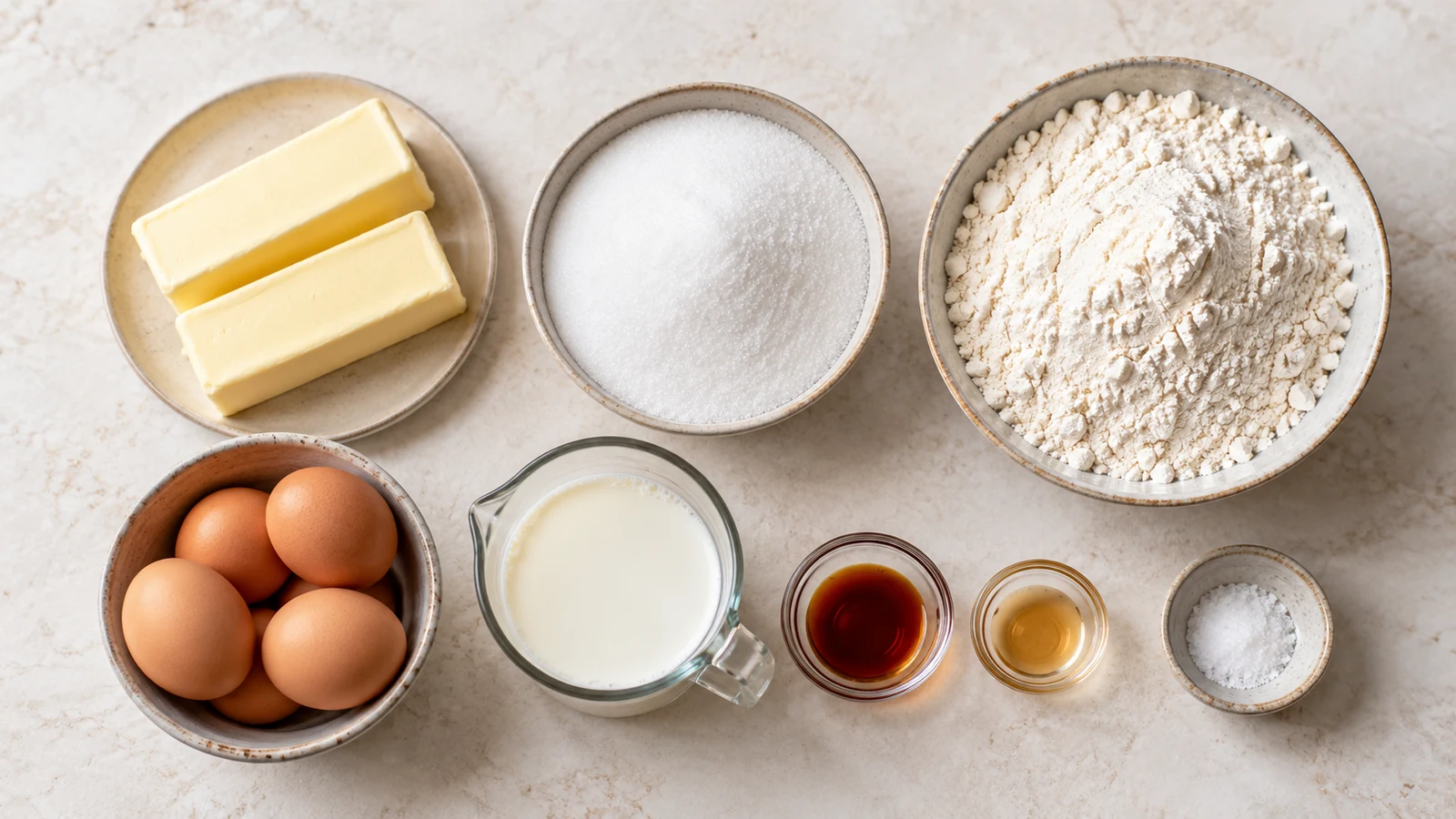
Room-temperature ingredients combine into a smooth emulsion. Butter should yield when pressed but should not look shiny or melted. If the eggs are cold, place them in warm water for 10 minutes; gently warm the cream separately until it loses its refrigerator chill.
Why Each Ingredient Matters
Butter: Butter supplies flavor, tenderness, and the fat needed to trap air during creaming. Unsalted butter provides consistent seasoning. It must be pliable enough to beat smoothly but cool enough to hold the tiny air pockets responsible for lift.
Sugar and eggs: Sugar sweetens the cake, helps aerate the butter, and encourages a crisp crust. Eggs contribute moisture, richness, color, and structure. Adding them individually helps the butter mixture absorb their liquid without separating.
Flour, cream, vanilla, and salt: Flour forms the cake’s framework, while heavy cream adds moisture and richness. Vanilla rounds out the butter flavor, and salt prevents the sweetness from tasting flat. Measure each one carefully because this batter contains no chemical leavener to disguise imbalances.
Equipment and Pan Selection
Use a 12-cup light-colored tube pan or a 12- to 15-cup Bundt pan. A smaller pan may overflow, while a dark pan can brown the crust too quickly. Grease every groove with softened butter, dust it evenly with flour, and tap out the excess.
Place an oven rack in the lower-middle position so the tall cake sits near the oven’s center. You will also need a mixer, kitchen scale or measuring cups, flexible spatula, cooling rack, and instant-read thermometer.
A straight-sided tube pan promotes especially even baking and makes the center easy to test. An intricately shaped Bundt pan creates a decorative cake but demands meticulous greasing. In either case, confirm the pan’s capacity with the manufacturer’s information before adding the batter.
How to Make This Million Dollar Pound Cake Recipe
- Prepare the oven and pan. Heat the oven to 300°F (150°C). Thoroughly butter and flour the tube or Bundt pan immediately before filling it.
- Cream the butter. Beat the butter on medium speed for 1 minute. Gradually add the sugar, then beat for 5 to 7 minutes, scraping the bowl twice, until noticeably paler and fluffy.
- Add the eggs. Beat in one egg at a time on medium-low speed, mixing for about 20 seconds after each addition. Scrape the bowl frequently. If the mixture looks slightly curdled, add 1 tablespoon of the measured flour.
- Add flour and cream. Whisk the flour and salt together. On low speed, add the flour in three portions, alternating with the cream in two portions. Begin and end with flour.
- Stop mixing promptly. Add the vanilla and mix only until the final pale flour streaks disappear. Finish folding by hand, scraping the bottom of the bowl. Continued beating at this stage can make the crumb tough or gummy.
- Fill the pan. Spoon in the batter and smooth the top. Tap the pan once on a folded towel to settle large air pockets without removing all the incorporated air.
- Bake. Bake for 1 hour 40 minutes to 2 hours. Begin checking at 1 hour 35 minutes, especially when using a Bundt pan.
Doneness, Cooling, and Pan Release
The cake is ready when it is deeply golden, has begun pulling slightly from the sides, and a tester inserted into the thickest area comes out clean or with a few moist crumbs. Its internal temperature should be 205°F to 210°F (96°C to 99°C). This overview of how to tell when cake is done explains why several cues are more dependable than time alone.
Cool the cake in its pan for 15 minutes. Loosen the edges and center tube with a thin flexible knife, invert it onto a rack, and lift off the pan. If it resists, wait 5 minutes and try again. Cool completely for at least 2 hours before slicing or glazing.
Carryover heat continues setting the crumb during the initial cooling period. Turning the cake out immediately could cause it to split, while leaving it in the pan too long may trap steam and encourage sticking. The stated 15-minute rest balances those concerns.
Expert Tips for the Best Results
- Measure by weight: Use 480 g of flour when possible. Scooping directly from the bag can compact it and produce a dry cake.
- Use properly softened butter: Butter that is too cold cannot aerate well. Butter that is greasy or partly melted cannot retain the air needed by this million dollar pound cake recipe.
- Cream patiently: Beat for the full 5 to 7 minutes, scraping the bowl twice so dense butter does not remain around the base.
- Add eggs gradually: Let each egg blend into the butter mixture before adding another. This protects the emulsion and creates a more even crumb.
- Mix flour gently: Keep the mixer on low after adding flour. Finish with a spatula as soon as the visible streaks disappear.
- Scrape deeply: Sweep beneath the batter, where heavy butter-and-sugar pockets can hide and later create gummy areas.
- Protect the oven temperature: Do not open the door during the first 75 minutes. A sudden temperature drop may interrupt the cake’s gradual rise.
- Slice when cool: Use a long serrated knife and gentle sawing motions. Warm pound cake compresses easily and can appear underbaked even when it is done.
How to Keep the Batter Smooth
A smooth emulsion is one of the best predictors of an even cake. If the butter mixture begins looking curdled as the eggs go in, pause to scrape the bowl. Add the permitted tablespoon of measured flour, then continue with the remaining eggs at a slower pace.
Slight curdling is usually recoverable, so avoid extended beating in an attempt to make the mixture perfect. Once flour enters the bowl, excessive mixing develops gluten. That can change the fine crumb expected from a million dollar pound cake recipe into a chewy or tunnelled texture.
Common Mistakes and Troubleshooting
Why Are There Gummy Streaks?
Gummy streaks usually come from overmixing after flour is added, uneven scraping, or slicing while warm. Mix only to combine and allow complete cooling. A dense layer near the bottom can also indicate poorly creamed butter or eggs added too quickly.
Why Is the Crumb Dry?
Check the flour by weight, verify the oven temperature, and remove the cake once it reaches the stated doneness range. Too much flour and extended baking are the most likely causes. If the top browns early, loosely cover it with foil for the final 20 minutes.
Why Did the Cake Sink?
A sunken center can result from opening the oven too early, underbaking the thickest section, or incorporating more air than the batter can support. Confirm the oven is fully preheated, use moderate mixer speed, and check both the visual signs and internal temperature before removal.
Why Are There Large Holes or Tunnels?
Large holes may form when the batter is beaten aggressively after the flour is added or when the filled pan is not settled. Keep the mixer low, finish folding by hand, and use the single gentle tap described in the method.
Why Is the Crust Too Dark?
A dark pan, an oven that runs hot, or a rack positioned too high can overbrown the exterior before the center finishes. Use a light pan when available and verify oven temperature. Foil applied during the final 20 minutes can protect an already golden top.
Variations and Substitutions
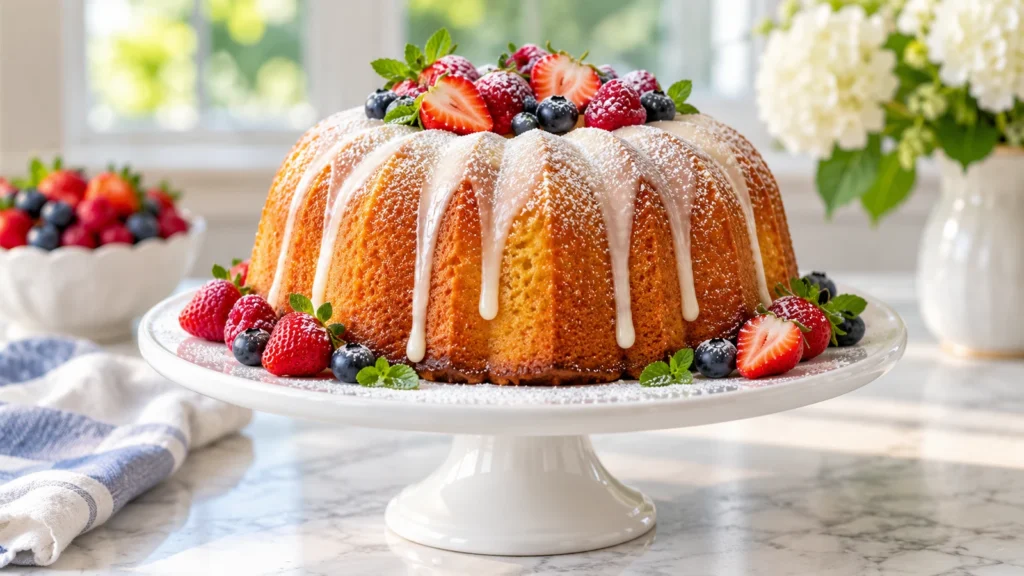
For a simple glaze, whisk 1 cup confectioners’ sugar with 2 tablespoons milk and 1/2 teaspoon vanilla. For lemon glaze, replace the milk with fresh lemon juice and add 1 teaspoon finely grated zest. Almond extract may replace up to 1 teaspoon of the vanilla.
Lemon and Citrus Options
Do not turn this formula into an afroman lemon pound cake recipe by adding large amounts of juice to the batter; extra liquid and acidity can disrupt its structure. Use zest and a lemon glaze for controlled flavor instead. This approach provides a clear citrus finish while preserving the original crumb.
If your goal is specifically an afroman lemon pound cake recipe, use a formula developed and tested for that flavor profile. The glaze-and-zest option here is a restrained variation, not a direct substitute for an afroman lemon pound cake recipe with its own ingredient balance.
Can I Substitute Sour Cream?
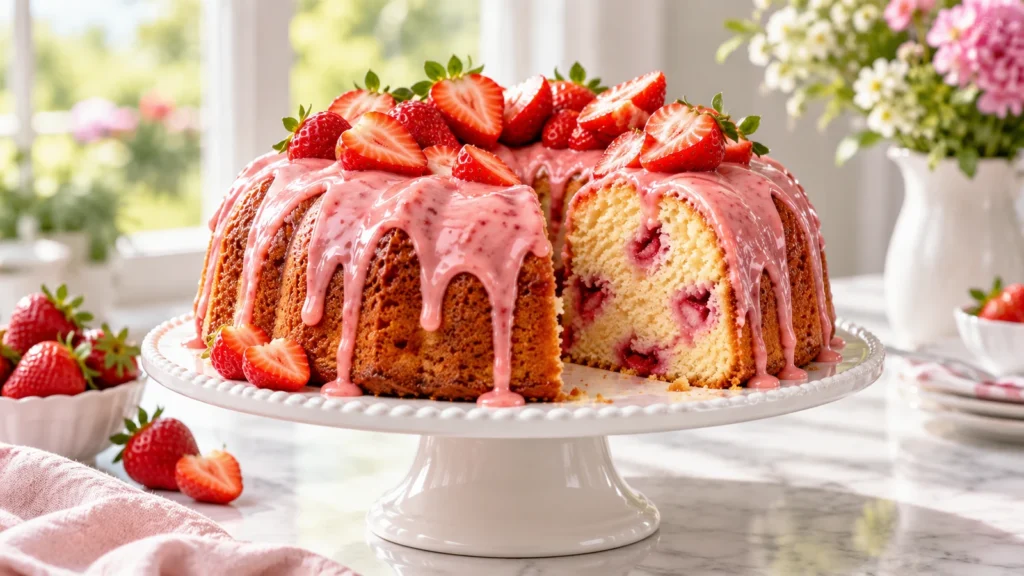
Heavy cream and sour cream do not behave identically, so a direct exchange could alter moisture, acidity, and structure. For a tested tangy alternative, follow this sour cream pound cake recipe rather than changing the liquid in the current batter.
A sour cream pound cake recipe typically highlights tang and a plush texture, while the present cake emphasizes butter, vanilla, and a close crumb. Choose the sour cream pound cake recipe when that gentle acidity is part of the result you want.
Can I Add Soda or Chocolate?
Do not pour lemon-lime soda into this batter as an untested substitution. Anyone seeking that distinctive citrus sweetness should use these 7up recipes pound cake ideas, which account for the added liquid and sugar.
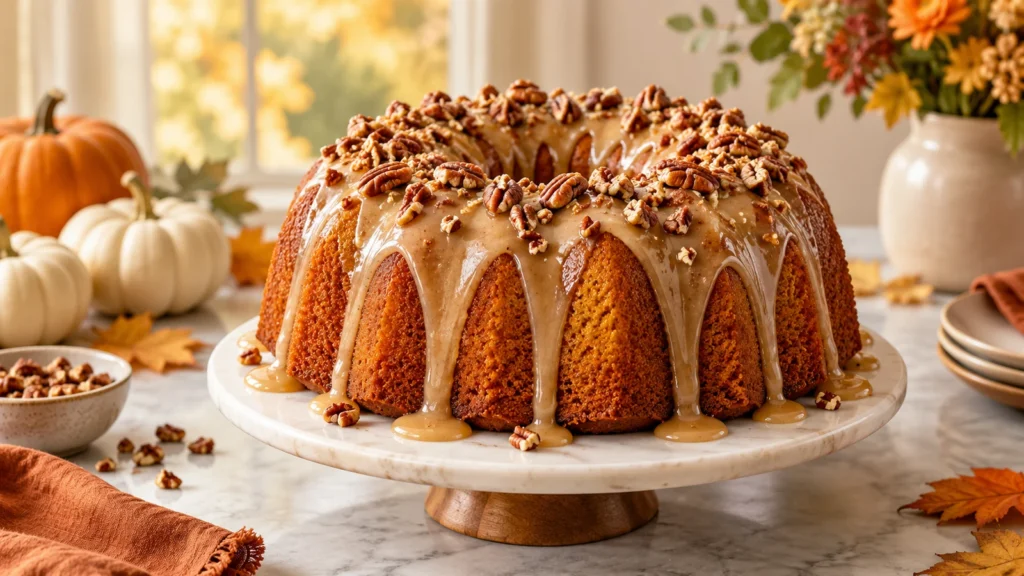
Likewise, adding cocoa directly would require adjustments because cocoa absorbs moisture and changes the balance of flour. Use this tested chocolate pound cake recipe for a dependable cocoa-rich cake instead.
Serving Ideas
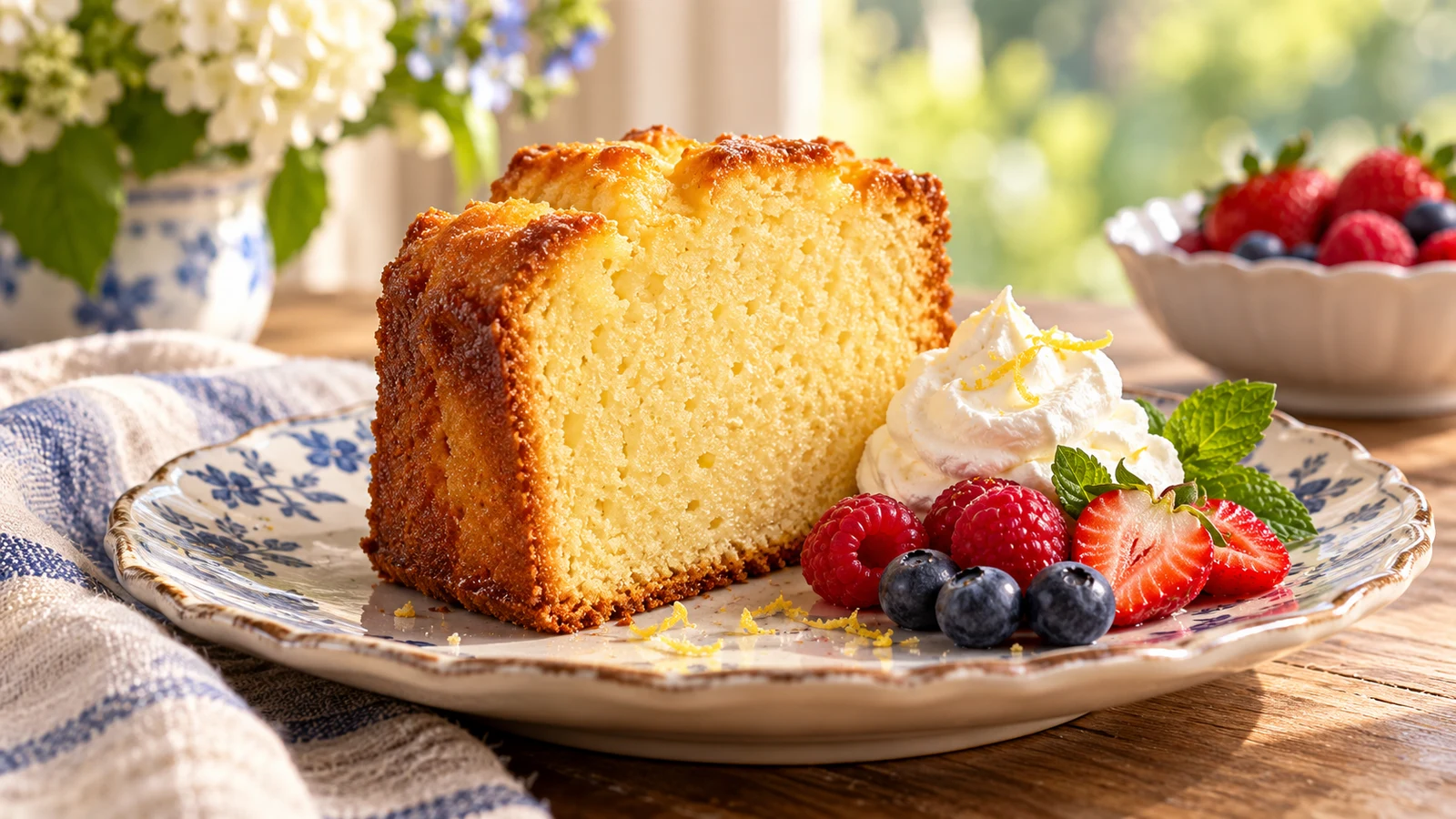
Serve thick slices plain, lightly toasted, or topped with berries and softly whipped cream. A spoonful of fruit compote adds acidity that balances the buttery crumb. For neat slices, let a frozen cake thaw fully before cutting.
For brunch, pair the cake with fresh citrus, coffee, or tea. At a dinner celebration, add a small scoop of vanilla ice cream and warm berry compote. The sturdy crumb also makes it suitable for arranging on a dessert board with fruit and chocolate.
Toasting a day-old slice briefly emphasizes its crisp edges and buttery aroma. Keep the heat gentle so the center remains tender. A plain slice of this million dollar pound cake recipe also works well beneath macerated strawberries because it absorbs their juice without falling apart.
Make-Ahead, Storage, and Reheating
This cake is especially convenient for advance preparation because its crumb remains moist and its vanilla-butter flavor settles after baking. Make the million dollar pound cake recipe one or two days before serving, cool it completely, and wrap it tightly once no residual warmth remains.
Room-Temperature and Refrigerator Storage
Wrap the cooled cake tightly or place it in an airtight container. Keep it at room temperature for up to 4 days or refrigerate it for up to 1 week. General refrigerated-storage recommendations are available in the FoodSafety.gov cold storage charts.
Refrigeration firms the butter and makes the crumb feel denser. For the best eating texture, let a refrigerated slice stand at room temperature before serving. Keep toppings containing dairy refrigerated separately and add them shortly before the cake is served.
How to Freeze Pound Cake
Freeze the whole cake or individual slices in plastic wrap followed by foil for up to 3 months. Label the package with the date. Individual portions are convenient because you can remove only what you need without repeatedly exposing the rest of the cake to air.
Thaw the wrapped cake overnight in the refrigerator, then bring it to room temperature. Keeping it wrapped during the first stage of thawing helps condensation collect on the wrapping rather than on the crust. Add a glaze only after the cake has thawed completely.
How to Reheat a Slice
To warm a slice, microwave it for 8 to 12 seconds; overheating will dry it out. The goal is to soften the butter slightly, not make the cake hot. If serving several portions, allow them to reach room temperature naturally for the most consistent texture.
Pan Conversions and High-Altitude Adjustments
For two 9-by-5-inch loaf pans, divide the batter evenly and bake at 300°F (150°C) for approximately 75 to 95 minutes. For 1-cup mini-Bundt molds, fill each no more than two-thirds full and begin checking at 30 minutes. Confirm doneness with the same visual and temperature tests.
Above 3,500 feet, reduce the sugar by 2 tablespoons, add 2 tablespoons cream, and raise the oven to 315°F (157°C). Start checking 10 to 15 minutes early. Because altitude and ovens vary, make one adjustment at a time and record the result.
Different shapes change baking time because they expose the batter to heat differently. Divide batter evenly by weight when using multiple pans. Never judge a converted cake by time alone; its golden color, slight separation from the pan, tester result, and internal temperature remain the reliable indicators.
Related Pound Cake Recipes
- For added tang and moisture, try the complete sour cream pound cake recipe linked above.
- For bright citrus flavor and a lighter variation, explore the tested 7up recipes pound cake collection linked above.
- For a cocoa-rich alternative, make the complete chocolate pound cake recipe linked above.
Each style has a different ingredient balance. A sour cream pound cake recipe gains character from cultured dairy, while 7up recipes pound cake formulas account for soda. A chocolate pound cake recipe must balance cocoa with the other dry and liquid ingredients.
Frequently Asked Questions
Why is there no baking powder in this million dollar pound cake recipe?
The traditional method gets its lift from air incorporated while creaming butter and sugar, with eggs helping set the structure. Adding leavener can create a coarser crumb or cause the tall cake to rise and collapse.
Can I use salted butter?
Yes. Omit the added salt, although unsalted butter offers more precise control over seasoning. Butter brands contain different amounts of salt, so the final flavor may vary slightly when salted butter is used.
Why did my cake stick to the pan?
Missed grooves, cooking spray that pooled, or an incorrect cooling time can cause sticking. Coat the pan carefully with butter and flour, then release the cake after 15 minutes. Pay particular attention to the center tube and decorative crevices.
Can I make the million dollar pound cake recipe ahead?
Yes. Bake it one or two days before serving and keep it tightly wrapped at room temperature. Add any glaze after the cake has cooled and preferably on the serving day.
Is a sour cream pound cake recipe the same cake?
No. Both cakes are rich and closely textured, but a sour cream pound cake recipe includes cultured dairy that affects flavor, moisture, and acidity. Use the dedicated formula instead of making a direct heavy-cream substitution.
Can I convert this into 7up recipes pound cake?
No reliable conversion is recommended. 7up recipes pound cake formulas are balanced around the soda’s liquid, sugar, carbonation, and flavor. Adding soda here could make the batter too loose and change how the cake rises.
Can I add cocoa to make a chocolate pound cake recipe?
Use a tested chocolate pound cake recipe rather than simply replacing some flour with cocoa. Different cocoa products absorb moisture differently, and an improvised exchange can leave the cake dry, bitter, or structurally weak.
Is this an afroman lemon pound cake recipe?
No. This is a classic vanilla-and-butter cake. For an afroman lemon pound cake recipe inspired variation, use the modest zest and lemon glaze suggestions without changing the stated batter quantities.
Can I reduce the sugar?
A substantial reduction is not recommended because sugar affects more than sweetness. It contributes moisture, browning, tenderness, and the aeration created during creaming. Changing it can make the cake drier and alter its height and crust.
How do I know the butter is soft enough?
It should register 65°F to 68°F and yield to gentle pressure while retaining its shape. If it looks glossy, oily, or partly melted, it is too warm. Let overly warm butter cool before beginning.
Why must the cake cool before slicing?
The crumb continues to set as steam redistributes and the butter cools. Cutting early compresses the interior, releases moisture, and can make a properly baked cake look gummy. Wait at least 2 hours for clean slices.
Can I glaze the cake while it is warm?
Wait until it is completely cool if you want an opaque glaze that stays on the surface. Glaze applied to a warm cake becomes thinner, soaks in, and may collect underneath rather than forming a neat finish.
Million Dollar Pound Cake Recipe Card
- Yield: 16 servings
- Prep time: 25 minutes
- Bake time: 1 hour 40 minutes to 2 hours
- Cooling time: 2 hours 15 minutes
- Total time: About 4 hours 40 minutes
- Oven temperature: 300°F (150°C)
- Pan: 12-cup tube or 12- to 15-cup Bundt pan
- Nutrition per serving: Approximately 495 calories, 28 g fat, 57 g carbohydrate, 5 g protein, and 105 mg sodium
Ingredients: 1 pound (454 g) unsalted butter, 3 cups (600 g) sugar, 6 large eggs, 4 cups (480 g) all-purpose flour, 3/4 cup (180 ml) heavy cream, 1 tablespoon vanilla, and 1/2 teaspoon salt.
Method: Cream the butter and sugar for 5 to 7 minutes. Add eggs individually, then alternate the flour mixture with cream. Mix in vanilla, transfer to the prepared pan, and bake until golden and 205°F to 210°F (96°C to 99°C) internally. Cool for 15 minutes in the pan, release onto a rack, and cool completely.
A Dependable Celebration Cake
With measured ingredients, patient creaming, gentle final mixing, and careful doneness checks, this million dollar pound cake recipe develops the close, tender crumb and deeply buttery flavor that make it such a dependable celebration dessert.
Follow the visual cues as well as the clock, give the cake its full cooling time, and store it tightly wrapped. Those small habits protect the texture and ensure that every slice of this million dollar pound cake recipe tastes as polished as the first.
Reviews
Reader reviews are managed separately (outside this build).