Cake
The mile high pound cake recipe: A Southern Triumph
Discover this mile high pound cake recipe for a tall, moist Southern 10-egg cake, with mixing, baking, cooling, doneness and troubleshooting tips.
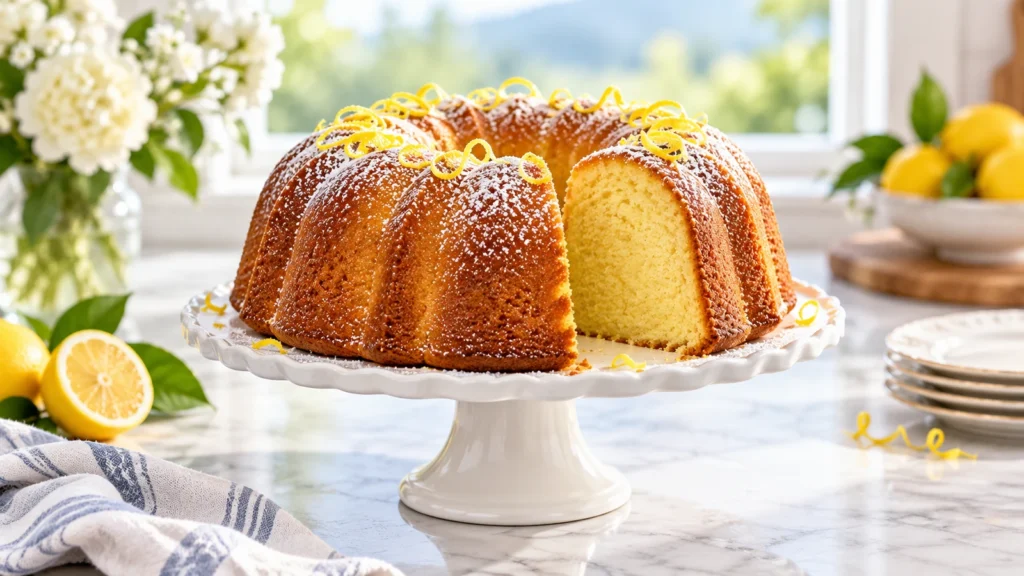
This mile high pound cake recipe creates a towering Southern classic with a fine, buttery crumb and a beautifully browned crust. Ten eggs provide the structure and richness needed for an impressive cake that serves a crowd.
Success depends on a very large pan, room-temperature ingredients, patient creaming, and careful mixing. Unlike a sour cream pound cake recipe or a chocolate pound cake recipe, this version gets its distinctive texture from butter, shortening, milk, and plenty of eggs. Follow the visual cues and doneness checks below for an evenly baked cake that releases cleanly.
Table of Contents
What Is a Mile High Pound Cake?
A mile high pound cake is an extra-tall Southern pound cake baked in a large tube or Bundt pan. This version is a 10-egg pound cake made with butter, shortening, sugar, flour, and flavorings. The generous batter rises above the center tube while remaining dense, moist, and sliceable.
The formula is related to a traditional Southern pound cake recipe, but its dramatic height and pan-capacity requirements set it apart. The mile high pound cake recipe is especially useful for holidays, reunions, church suppers, and celebrations where one substantial cake must serve many guests.
Why This Recipe Works
- Butter and shortening: Butter supplies flavor, while shortening supports height and a tender crumb.
- Ten eggs: They add moisture, richness, and enough structure for such a tall cake.
- Extended creaming: Beating the fats and sugar traps tiny air bubbles that help lift the heavy batter.
- Low oven temperature: Slow baking allows the center to cook before the crust becomes too dark.
- Measured flour: Weights prevent accidental overmeasuring and a dry, dense result.
Ingredients and Their Functions
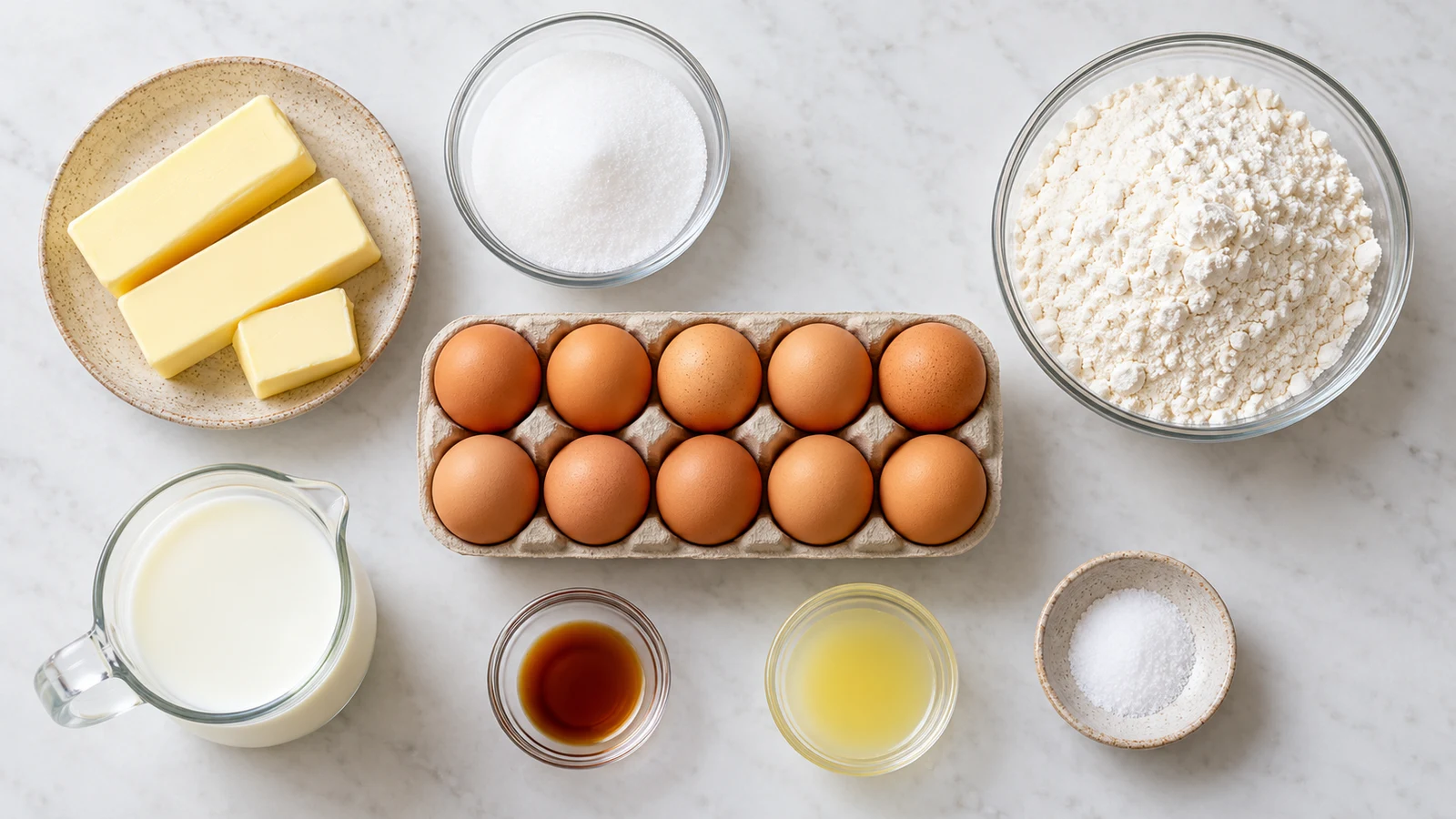
- Unsalted butter: 1 pound, or 2 cups (454 g), softened to 65–68°F (18–20°C), for flavor and tenderness.
- Vegetable shortening: 1 cup (190 g), at room temperature, for structure and height.
- Granulated sugar: 5 cups (1,000 g), for sweetness, moisture retention, and browning.
- Large eggs: 10, without shells (about 500 g), at room temperature.
- All-purpose flour: 5 cups (600 g), spooned and leveled if not weighed.
- Whole milk: 1 cup (240 ml), at room temperature, for moisture.
- Vanilla extract: 1 tablespoon (15 ml), for warm flavor.
- Almond extract: 1 teaspoon (5 ml), optional, for a classic bakery note.
- Fine salt: 1 teaspoon (6 g), to balance the sweetness.
Equipment and Pan-Capacity Warning
Use a heavy 16–18-cup tube pan or Bundt pan. A standard 10–12-cup pan is too small and may overflow, burn on the oven floor, or leave the center underbaked. After adding the batter, the pan should be no more than three-quarters full; bake surplus batter separately as cupcakes.
You will also need a stand mixer or sturdy hand mixer, a kitchen scale, bowls, a flexible spatula, a long wooden skewer, and a cooling rack. For another luxurious large-format cake, see this million dollar pound cake recipe.
Room-Temperature Preparation
Set out the butter, shortening, eggs, and milk 60–90 minutes before mixing. Properly softened butter should accept a light fingertip impression without looking shiny or greasy. Place cold eggs in lukewarm water for 10 minutes if necessary; do not use hot water.
Room-temperature ingredients combine into a stable emulsion. Cold eggs can make the batter look curdled, while melted butter cannot hold the air needed for good height. This preparation is particularly important in a mile high pound cake recipe because the large quantity of batter needs a strong, evenly aerated base.
How to Make the Mile High Pound Cake Recipe
- Prepare the pan. Grease every groove of a 16–18-cup tube or Bundt pan with shortening, then dust it evenly with flour. Tap out the excess.
- Choose the oven method. For the most predictable result, preheat the oven to 325°F (165°C) with a rack in the lower-middle position. Some traditional versions begin in a cold oven, but that method varies significantly among ovens and should only be used when a tested family formula specifically requires it.
- Cream the fats. Beat the softened butter and shortening with the paddle attachment on medium speed for 2 minutes, stopping once to scrape the bowl.
- Add the sugar gradually. With the mixer on medium speed, add the sugar over 2 minutes. Continue beating for 5–7 minutes, scraping twice, until very pale, fluffy, and visibly increased in volume. The mixture should resemble soft frosting rather than wet paste.
- Add the eggs. Reduce to medium-low speed. Add one egg at a time, beating for 20–30 seconds after each addition. Wait until the yellow streaks disappear before adding the next egg, and scrape the bowl after every third egg.
- Combine dry ingredients. Whisk the flour and salt together in a separate bowl.
- Finish the batter. Mix the milk with both extracts. On low speed, add the flour in three portions, alternating with the milk in two portions. Begin and end with flour. Mix each addition only until nearly incorporated, then fold the batter with a spatula for no more than 10–12 strokes. Overmixing encourages tunnels and gummy streaks.
- Fill the pan. Spoon the thick batter evenly into the prepared pan, keeping it below the three-quarter-full line. Smooth the top and tap the pan gently on a folded towel two or three times to release large air pockets.
Expert Tips for a Taller, Finer Crumb
- Measure before mixing: Arrange every measured ingredient before starting. This prevents long pauses that allow the carefully aerated fat mixture to lose volume.
- Use moderate mixer speed: Extremely high speed can create large, unstable bubbles. Medium speed forms the smaller air cells that give this mile high pound cake recipe an even crumb.
- Scrape thoroughly: Reach the bottom and sides of the bowl so dense butter or sugar does not remain hidden beneath the finished batter.
- Add eggs patiently: Each egg should blend into the fat mixture before the next is added. A slightly curdled appearance can often be corrected by continuing at low speed, but flour should never be added early to compensate.
- Stop mixing promptly: Once the last streaks of flour disappear, finish with a few deliberate folds. Excess mixing develops gluten and can make slices tough.
- Verify oven temperature: An inexpensive oven thermometer helps identify an oven that runs hot or cool, which matters during such a long bake.
The same patient technique is valuable when making a sour cream pound cake recipe, although its cultured dairy produces a different flavor and batter consistency. It also helps a chocolate pound cake recipe retain a tender texture despite the drying effect of cocoa.
Baking, Doneness, Cooling, and Release
Bake at 325°F (165°C) for 1 hour 40 minutes to 2 hours. Begin checking at 95 minutes without leaving the oven door open for long. Rotate only if your oven browns unevenly, and tent loosely with foil if the surface darkens too quickly.
The cake is ready when a long skewer inserted between the center tube and outer edge emerges clean or with a few moist crumbs. The top should spring back lightly, the edges should begin pulling from the pan, and the internal temperature should be about 205–210°F (96–99°C). For an additional example of this baking style, consult this mile-high cake technique reference.
Cool in the pan on a rack for 20 minutes. Loosen the outer edge and center tube gently with a thin flexible knife, invert onto the rack, and lift off the pan. Let the cake cool completely for at least 2 hours before slicing; cutting it hot can compress the crumb.
Troubleshooting Common Problems
- Overflow: The pan was too small or overfilled. Use a verified 16–18-cup pan and stop at three-quarters full.
- Sinking: Underbaking, opening the door early, or weak creaming can cause collapse. Confirm doneness with both a skewer and temperature reading.
- Gummy streaks: Avoid overcreaming warm fat, adding eggs too quickly, or mixing flour for too long.
- Dry cake: Weigh the flour, start testing early, and remove the cake as soon as all doneness cues agree.
- Dense texture: Bring ingredients to room temperature and cream for the full stated time.
- Cracked top: A long crack is normal because the crust sets while the center continues rising. Excessive cracking can indicate an oven that runs hot.
- Sticking: Coat every detail of the pan and release the cake after 20 minutes—not immediately and not after it has cooled completely.
Why Is the Bottom of the Cake Greasy?
Butter or shortening that became too warm may separate from the batter during baking. Grease should also be applied to the pan in a thin, complete layer rather than allowed to collect in grooves. Begin the mile high pound cake recipe with pliable but still cool butter, and scrape the bowl well while creaming.
Why Are There Large Holes or Tunnels?
Large holes usually result from excessive mixing after flour is added, trapped air pockets, or uneven spooning into the pan. Keep the mixer on low, fold only as directed, distribute the batter around the pan in several portions, and use the gentle towel-tapping step before baking.
Why Did the Crust Separate?
A loose crust can form when the sugar and fat are overbeaten or when the batter contains too much incorporated air. Follow the stated mixing times and use the paddle rather than a whisk. Accurate sugar measurement is also essential for this large cake.
Flavor Variations and Related Pound Cake Recipes
For a citrus version, replace the almond extract with 1 tablespoon lemon zest. Swirl in no more than 3/4 cup of mini chocolate chips, tossed with 1 tablespoon of the measured flour, or add 1 teaspoon coconut extract for a different finish.
- A dedicated sour cream pound cake recipe uses cultured dairy and needs its own liquid balance.
- 7up recipes pound cake formulas rely on lemon-lime soda and should not be created by simply adding soda to this batter.
- A chocolate pound cake recipe requires tested cocoa and flour adjustments.
- An afroman lemon pound cake recipe is a distinct lemon-forward variation best followed from its own tested formula.
For a tangy alternative with a softer crumb, try this buttermilk pound cake recipe. Choose a sour cream pound cake recipe when you want gentle tang, or select 7up recipes pound cake when lemon-lime flavor is the goal.
Safe Substitutions
Pure vanilla extract can replace the optional almond extract in the same quantity, or the almond extract may simply be omitted. Salted butter can be used only if you account for its added salt, but salt levels vary by brand, so unsalted butter provides greater control.
Do not turn this batter into a chocolate pound cake recipe by adding cocoa without adjusting the flour and liquid. Likewise, an afroman lemon pound cake recipe has its own intended lemon balance. Using a tested formula protects the cake’s moisture and structure.
Serving Ideas for Every Occasion
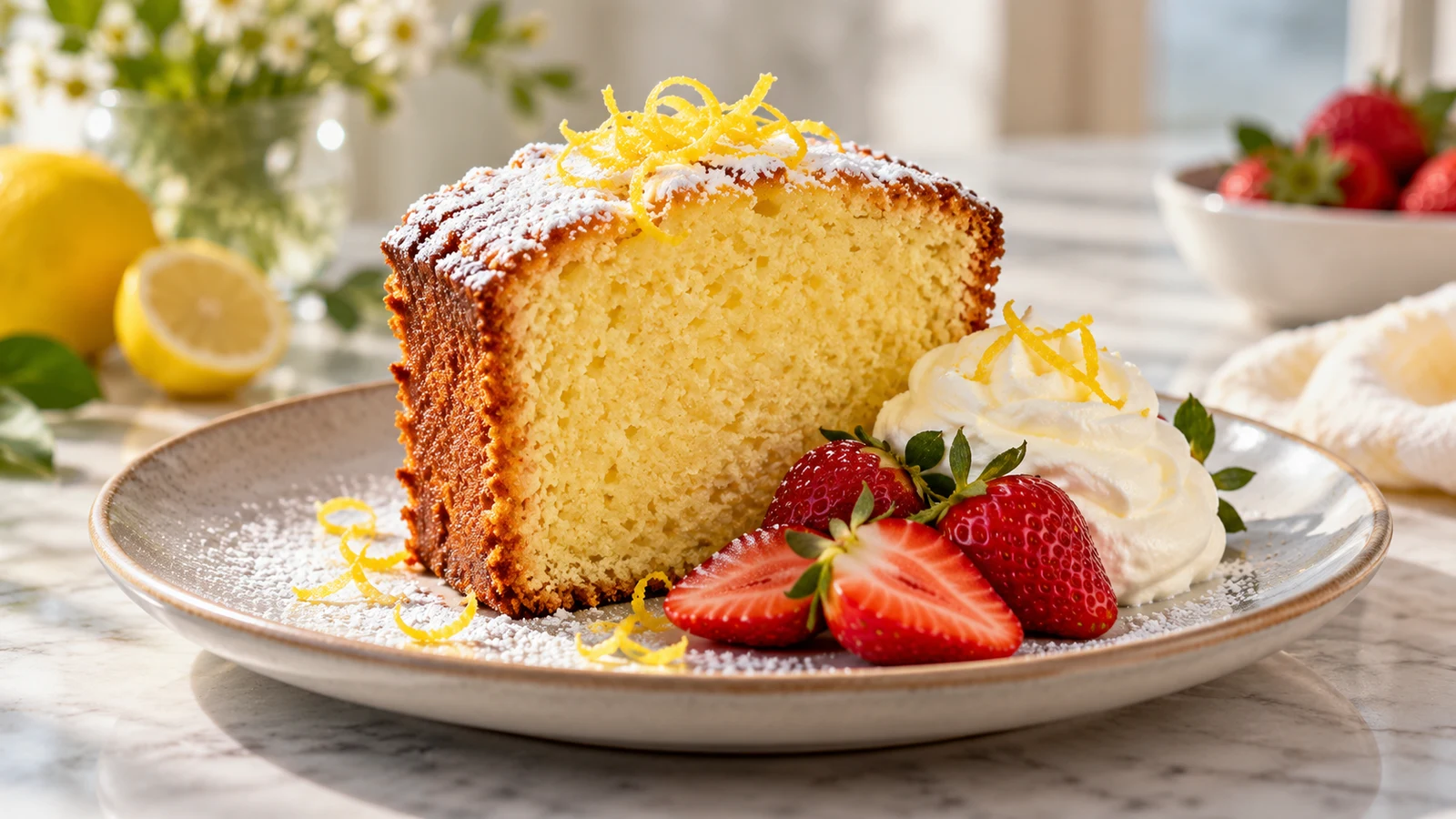
Serve thick slices plain, dusted lightly with confectioners’ sugar, or topped with fresh berries and softly whipped cream. Toast day-old slices in a dry skillet and serve them with fruit compote, or pair smaller slices with coffee or tea.
For brunch, add sliced peaches, strawberries, or citrus segments just before serving. For dessert, offer warm berry sauce or a modest scoop of vanilla ice cream. Avoid soaking the whole cake in sauce because its crisp golden crust is part of the appeal.
The neutral vanilla-almond flavor makes the mile high pound cake recipe a practical celebration centerpiece. Arrange berries around the cake stand for summer, serve apples or pears alongside it in autumn, or add citrus fruit for a bright winter presentation.
Make-Ahead, Storage, and Reheating
This cake is well suited to advance preparation because its flavor settles and its crumb becomes easy to slice after resting. Bake the mile high pound cake recipe one day before serving, cool it completely, and wrap it tightly. Add confectioners’ sugar, fruit, or cream only when it is time to serve.
Once completely cool, wrap the cake tightly or place it in an airtight container. Keep it at room temperature for up to 4 days or refrigerate it for up to 7 days. Bring refrigerated slices to room temperature before serving, or warm one slice in the microwave for 8–12 seconds.
For longer storage, wrap the whole cake or individual slices in plastic wrap and foil, then freeze for up to 3 months. Thaw wrapped slices at room temperature so condensation remains on the wrapping instead of the cake.
Freezing Individual Portions
Cut only the fully cooled cake, then wrap each slice closely before adding the protective foil layer. Individual portions thaw faster and let you remove exactly what you need. Keep strongly flavored foods away from the wrapped cake because butter-rich crumbs can absorb freezer odors.
High-Altitude Adjustments
Above 3,500 feet, cakes may rise too quickly and then sink. As a starting point, reduce the sugar by 1–2 tablespoons, add 1–2 tablespoons milk, and raise the oven temperature to 335–350°F (168–177°C), checking earlier. The Colorado State University high-elevation guide explains why adjustments vary by altitude.
At high elevations, water boils at a lower temperature, so cooking and food-safety procedures can require modification. Review the USDA high-altitude cooking guidance when adapting recipes or handling food above 3,000 feet.
Make one adjustment at a time and record the result. A mile high pound cake recipe contains a large amount of batter, so differences in elevation, pan material, and oven calibration may be more noticeable than they are in a small cake.
Frequently Asked Questions
Can I bake this cake in two smaller pans?
Yes, provided their combined capacity safely holds the batter. Fill each no more than three-quarters full and begin checking much earlier, usually after 60–75 minutes.
Why does this recipe use shortening?
Shortening helps the tall cake hold its shape and creates a tender texture. Replacing it entirely with butter changes the structure and may produce a shorter, heavier cake.
Can I use cake flour?
Not as a direct volume-for-volume swap. Cake flour absorbs and structures batter differently, so all-purpose flour is the reliable choice for this formula.
Can I make the mile high pound cake recipe ahead?
Yes. The flavor and slicing texture are excellent the next day. Bake, cool completely, wrap tightly, and keep at room temperature overnight. Wait to add fruit, whipped cream, or confectioners’ sugar until serving.
How does this differ from a sour cream pound cake recipe?
A sour cream pound cake recipe contains cultured dairy, which contributes tang and tenderness. This cake uses whole milk plus a combination of butter and shortening to support its exceptional height, so sour cream should not be substituted without retesting the formula.
Can I use lemon-lime soda like 7up recipes pound cake?
No. 7up recipes pound cake is balanced around the liquid, sugar, acidity, and flavor of soda. Adding soda here would change the batter consistency and could weaken the structure needed to hold the tall cake.
Can cocoa turn this into a chocolate pound cake recipe?
No. Cocoa absorbs liquid and changes both flavor and structure. Follow a tested chocolate pound cake recipe instead of replacing part of the flour or adding cocoa to this carefully balanced batter.
Is this the same as an afroman lemon pound cake recipe?
No. An afroman lemon pound cake recipe is a separate lemon-focused preparation. This version has a classic vanilla-almond profile, although the optional lemon-zest variation adds a restrained citrus note without changing the core method.
Can I reduce the sugar?
A large reduction is not recommended. Sugar affects moisture, browning, tenderness, and structure as well as sweetness. Altering it substantially can produce a dry cake or change how the batter rises and sets.
How should I slice such a tall cake?
Wait until it is completely cool, then use a long serrated knife with gentle sawing motions. Wipe the blade between cuts for neat servings. Cutting each large slice into smaller pieces can make the 24-serving yield easier to portion for a buffet.
Nutrition Information
Based on 24 servings, one slice contains approximately 590 calories, 31 g fat, 72 g carbohydrates, 7 g protein, 43 g sugar, and 150 mg sodium. Values are estimates and will vary by brands, pan residue, and portion size.
Printable Recipe Card
Mile High Southern Pound Cake
- Yield: 24 slices
- Preparation time: 30 minutes
- Baking time: 1 hour 40 minutes to 2 hours
- Cooling time: 2 hours 20 minutes
- Pan: 16–18-cup tube or Bundt pan
- Temperature: 325°F (165°C)
- Rating: Leave a rating after baking
Ingredients
- 2 cups (454 g) unsalted butter, softened
- 1 cup (190 g) vegetable shortening
- 5 cups (1,000 g) granulated sugar
- 10 large eggs, room temperature
- 5 cups (600 g) all-purpose flour
- 1 teaspoon (6 g) fine salt
- 1 cup (240 ml) whole milk, room temperature
- 1 tablespoon vanilla extract
- 1 teaspoon almond extract, optional
Instructions
- Grease and flour the pan; preheat the oven to 325°F (165°C).
- Beat butter and shortening on medium for 2 minutes. Gradually add sugar and cream for 5–7 minutes.
- Add eggs one at a time on medium-low, mixing until each disappears.
- Whisk flour with salt. Add it on low in three portions, alternating with milk and extracts in two portions.
- Fold briefly, transfer to the pan, and keep the batter below the three-quarter-full line.
- Bake for 1 hour 40 minutes to 2 hours, until the skewer, spring-back, edge, and temperature tests indicate doneness.
- Cool in the pan for 20 minutes, release onto a rack, and cool completely before slicing.
Notes
- Weigh the flour and sugar whenever possible.
- Do not substitute a standard 10–12-cup pan.
- Mix minimally after adding flour.
- Freeze well-wrapped slices for up to 3 months.
A Southern Cake Worth Sharing
This mile high pound cake recipe rewards careful measuring and patient mixing with a moist crumb, crisp edges, and enough generous slices for any gathering. Its classic vanilla-almond character distinguishes it from a sour cream pound cake recipe, 7up recipes pound cake, a chocolate pound cake recipe, or an afroman lemon pound cake recipe.
Let the cake cool fully before slicing, then enjoy it simply or dress it with fruit and cream. With the correct pan, properly softened ingredients, and reliable doneness checks, this impressive centerpiece can become a dependable choice for holidays and family celebrations.
Reviews
Reader reviews are managed separately (outside this build).