Uncategorized
How to Cook Beef Shank Properly
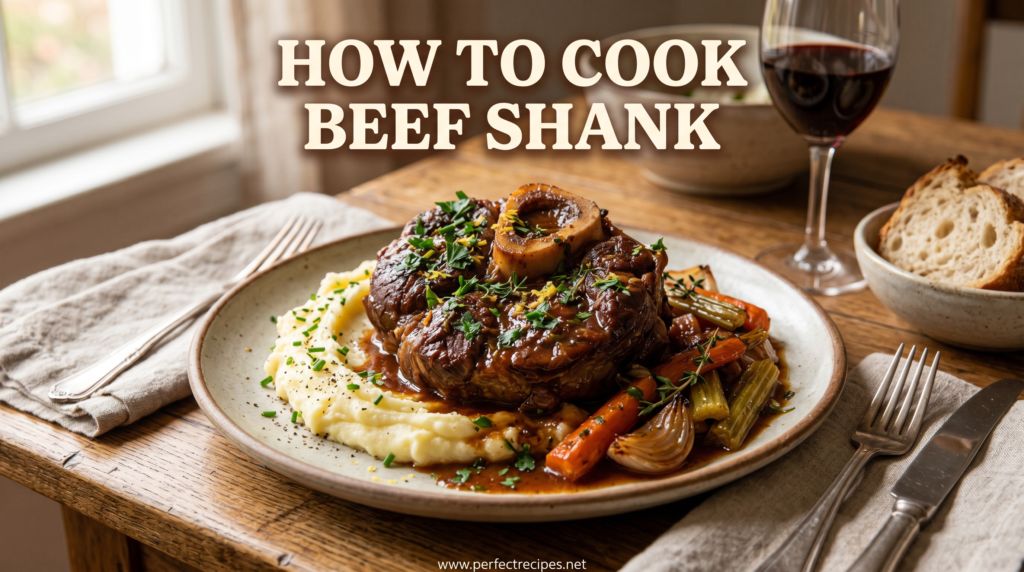
Table of Contents
Many home chefs overlook the humble cross-cut leg, thinking it’s too tough for a quick meal. But, this muscle-rich cut has incredible potential for those who are patient in the kitchen. Learning how to cook beef shank the right way unlocks a depth of flavor that rivals expensive cuts.
The secret is in the slow breakdown of connective tissue. Using low-and-slow heat, you turn a tough piece of meat into a tender, melt-in-your-mouth masterpiece. Whether you choose braising or slow-roasting, this effort is rewarded with a rich, savory dinner that feels gourmet.
Finding a reliable beef shank recipe is the first step to mastering this culinary staple. You’ll find that this affordable ingredient is perfect for hearty, restaurant-quality meals at home. Embrace the process, and let time do the heavy lifting for your next family feast.
Key Takeaways
- Beef shank is an affordable, muscle-rich cut that requires slow-cooking techniques.
- Patience is essential for breaking down tough connective tissues into tender meat.
- Braising and slow-roasting are the most effective methods for this specific cut.
- Proper preparation yields restaurant-quality results in your own kitchen.
- This cut offers deep, savory flavors that improve with long, gentle heat.
Understanding the Anatomy of Beef Shank
Knowing the anatomy of your ingredients is key to a great meal. Beef shank comes from the cow’s leg, below the brisket and round. It’s a hard-working muscle that needs careful preparation to become tender.
Why Beef Shank is a Unique Cut
The beef shank is packed with lean muscle, connective tissue, and collagen. Unlike tender cuts, it’s notoriously tough when cooked fast. But, its connective tissue is what makes it special. Slow, moist heat breaks down the collagen into gelatin, giving it a velvety texture.
The Role of the Beef Shank Bone in Flavor
The beef shank bone changes the game for your braising liquids. As it cooks, the marrow melts into your sauce, adding depth and nutrients. This enriches the meat with a savory flavor, making classic dishes unforgettable.
Selecting the Best Beef Shank with Bone at the Butcher
At the butcher, choose the best beef shank with bone for your dish. Opt for uniform cuts for even cooking. A top-quality piece should have a vibrant red color and plenty of marrow in the bone.
Here are some tips for selecting:
- Check the thickness: Choose slices that are 1.5 to 2 inches thick to prevent overcooking.
- Examine the marbling: Look for small fat flecks in the muscle to keep it moist.
- Verify the marrow: Make sure the beef shank bone is intact and the marrow is firm, indicating freshness.
Essential Preparation Techniques Before Cooking
Learning how to prepare meat well can change your cooking game. Preparing your ingredients right makes your dish look good and taste tender. These steps are key to making a meal that stands out.
Trimming Excess Fat and Silver Skin
First, check your meat for fat and silver skin. Use a sharp knife to cut these off. Removing excess fat keeps the sauce from getting too oily. It also helps the meat cook evenly.
The Importance of Tying the Meat
Beef shank can fall apart easily. So, tie each shank with twine to keep it together. This keeps the marrow inside and makes the meat look great on the plate.
Seasoning Strategies for Maximum Flavor
Flavor starts before cooking. Sprinkle kosher salt and black pepper on all sides of the meat. Let it sit in the fridge for at least an hour. This helps the flavors soak deep into the meat.
“Preparation is the silent partner of every great chef; when you respect the ingredients before they hit the heat, the flavors will naturally reward your patience.”
| Preparation Step | Primary Benefit | Tool Required |
|---|---|---|
| Trimming | Improves texture and sauce clarity | Boning Knife |
| Tying | Maintains structural integrity | Kitchen Twine |
| Seasoning | Enhances depth of flavor | Kosher Salt |
By doing these steps, you set up your dish for success. Proper preparation is the secret to cooking beef shank perfectly every time.
Mastering the Art of Searing for Depth
When your beef hits the hot pan, flavor magic starts. Searing is key in a beef shank recipe. It makes a golden-brown crust that deepens your sauce’s flavor. This step is what makes a braised dish truly savory.
Choosing the Right Pan for Searing
Use a heavy-bottomed pan for the best results. A cast-iron skillet or stainless steel pan is ideal. They keep heat well, so the temperature stays steady when you add cold meat.
Don’t use non-stick pans for searing. They can’t handle high heat without getting damaged. A sturdy pan gives you the consistent heat distribution you need for a pro finish.
Achieving the Perfect Maillard Reaction
The Maillard reaction browns the meat and boosts flavor. To start this reaction, make sure the meat is dry. Pat your beef shanks dry with paper towels before seasoning or flouring.
Flouring the meat helps the crust form evenly. It also thickens your braising liquid later. Here are some tips for a great sear:
- Make sure the oil is hot but not smoking before adding the meat.
- Don’t overcrowd the pan, as it steams the meat instead of browning it.
- Let the meat release naturally from the pan before flipping.
Managing Heat to Prevent Burning
Controlling heat is crucial for a good crust. If the heat is too high, the flour will burn before the meat browns. Start with medium-high heat and adjust as needed.
If dark spots form too fast, lower the heat right away. Patience is key for a deep mahogany color, not black char. By managing heat, you lay a delicious foundation for your meal.
How to Cook Beef Shank Using Braising Methods
The secret to tender beef shank is patience. Braising is the best way to make it tender. It turns tough meat into something soft and delicious.
Learning to cook beef shank this way brings out amazing flavors. It’s a method that other cooking styles can’t match.
The Science Behind Slow Braising
Braising uses both dry and moist heat for a long time. Beef shank has lots of collagen, a tough tissue. Slow, gentle heat breaks down this collagen into gelatin.
This process takes time. If you cook it too fast, the meat stays tough. Low heat makes the meat soft and juicy.
Selecting Your Braising Liquid
The liquid you choose is key for flavor. A good liquid balances the meat’s richness. You can try different liquids to find your favorite.
Here are some good options:
- Dry red wines, like Cabernet Sauvignon or Merlot, for earthy flavors.
- High-quality beef stock or bone broth for more savory taste.
- A bit of balsamic vinegar or tomato paste for a tangy contrast.
Maintaining the Ideal Temperature
Keeping the temperature right is crucial. You want a gentle simmer, not a boil. Boiling can make the meat tough and dry.
Try to keep the temperature steady. A few small bubbles should rise to the surface now and then. Use a Dutch oven for even heat. This keeps the meat moist and tender.
Creating a Classic Beef Osso Bucco Recipe
If you’re looking for a standout beef shank recipe, try the Italian classic, osso bucco. It turns a simple cut of meat into a fancy dish perfect for dinner parties. By using traditional methods, you get a tender texture that’s true to home cooking.
“The secret to a great osso bucco lies in the patience of the cook and the quality of the ingredients.” — Traditional Italian Culinary Proverb
Traditional Ingredients for Authentic Flavor
To make a top-notch beef osso bucco recipe, start with thick-cut shanks. The bone marrow adds a rich, buttery flavor to the sauce. You’ll also need dry white wine, like Pinot Grigio, for acidity.
Use high-quality beef or veal stock for the braising liquid. Avoid low-sodium or watered-down stocks. Freshness is key when picking these ingredients.
Layering Aromatics and Vegetables
To build a rich flavor, layer your aromatics carefully. Begin by sautéing a mirepoix of onions, carrots, and celery. These veggies add a sweet, earthy flavor that pairs well with the beef.
After the veggies soften, add minced garlic and tomato paste. This step deepens the flavor and color. Properly sweating the vegetables before adding liquid is crucial for a professional taste.
Finishing with Gremolata
No osso bucco is complete without gremolata on top. This mix of parsley, lemon zest, and garlic adds a bright, zesty touch. It balances the richness of the meat and sauce.
Make your gremolata just before serving. This keeps the herbs fresh and the lemon oils fragrant. Sprinkle it over your beef osso bucco recipe for a burst of color and freshness that will wow your guests.
Utilizing Modern Kitchen Appliances
Busy weeknights don’t mean you have to miss out on delicious, slow-cooked meals. Modern tech offers ways to cook beef shank quickly, like slow cookers or pressure cookers. These tools let you enjoy a hearty dinner without spending hours at the stove.
Slow Cooker Techniques for Tender Results
The slow cooker is great for tenderizing beef shank. It cooks at a low temperature for hours, making the meat tender and flavorful.
- Set your cooker to the “low” setting for 7 to 8 hours for the best texture.
- Ensure the liquid covers at least halfway up the meat to prevent drying.
- Avoid lifting the lid frequently, as this releases essential heat and moisture.
Pressure Cooking Beef Shank for Efficiency
For those in a hurry, an Instant Pot or electric pressure cooker is a lifesaver. It cooks beef shank fast, making it perfect for busy days. You can have a delicious beef shank recipe in about 60 minutes.
Always remember to let the pressure release naturally. This ensures the meat stays tender and not stringy.
Oven-Braising vs. Stovetop Methods
Choosing between oven and stovetop depends on your preference. The oven is great for slow cooking, while the stovetop is better for quick heat adjustments and sauce reduction.
| Method | Heat Source | Best For |
|---|---|---|
| Oven | Consistent, ambient | Even cooking |
| Stovetop | Direct, bottom | Sauce reduction |
| Pressure Cooker | High-pressure steam | Speed and efficiency |
Mastering how to cook beef shank is rewarding. By adapting your beef shank recipe to your kitchen, you can impress everyone with your cooking skills.
Common Mistakes to Avoid When Cooking Beef Shank
Getting great results at home is easy once you know what to avoid. Even with a trusted beef osso bucco recipe, small mistakes can change how your dish tastes and feels.
Preventing Tough or Chewy Meat
The biggest mistake is cooking too fast. This cut needs slow, gentle cooking to become tender and soft.
If you take it off the heat too soon, it won’t be soft. Patience is key. Wait until it’s so tender you can easily tear it with a fork.
Avoiding Over-Reduction of Sauces
It’s tempting to make the sauce thick and syrupy. But doing this too much can make it too salty or strong.
When making a beef osso bucco recipe, aim for a sauce that coats the spoon but doesn’t overwhelm. If it’s too salty, try these fixes:
- Add a bit of unsalted beef stock to soften the flavor.
- Use a small amount of unsalted butter to smooth out the taste.
- Balance it with a tiny bit of sugar or some fresh citrus juice.
Managing Bone Marrow Integrity
The beef shank bone is the star of this dish, thanks to its rich marrow. A common mistake is letting the marrow melt into the sauce too soon.
“The secret to a perfect presentation lies in keeping the marrow intact within the bone until the very last moment of service.”
To keep the marrow firm, avoid boiling the liquid hard. Gentle simmering is best to keep the marrow intact for a delicious topping.
Pairing Sides to Complement Your Beef Shank
Transform a simple braised beef shank into a gourmet feast with the right sides. This cut is rich and savory, so choose sides that offer comfort or a refreshing contrast. Thoughtful pairing makes every bite exciting and balanced.
Classic Starch Pairings
The best sides for beef shank soak up the flavorful braising liquid. These starches are a canvas for the complex sauce. Try these traditional options to complete your plate:
- Creamy Mashed Potatoes: Smooth potatoes offer a comforting contrast to the tender meat.
- Polenta Cakes: Pan-seared polenta has a slight crunch that pairs well with the sauce.
- Crusty Soda Bread: A thick slice of bread is essential for soaking up the sauce.
- Seasoned Rice: A simple pilaf or herb-infused rice absorbs juices without overpowering the dish.
Balancing Richness with Acidic Vegetables
Beef shank is a heavy, fatty cut, so add acidity to cleanse your palate. Vegetables with vinegar or citrus cut through the meat’s intensity. This creates a harmonious dining experience.
Try a crisp salad with sharp vinaigrette or roasted vegetables with lemon. Pickled red onions or a bright gremolata add a necessary pop of brightness. These elements prevent the meal from feeling too heavy.
Wine and Beverage Recommendations
Choosing the right drink is key to elevating your meal. You want a beverage that complements the bold flavors of the beef. A robust red wine is usually the best choice.
Look for a medium-to-full-bodied red wine with enough acidity. Excellent choices include:
- Barolo or Nebbiolo: These Italian classics have the structure and tannins to complement the beef.
- Syrah or Shiraz: The peppery notes in these wines pair perfectly with the savory flavors.
- Sparkling Mineral Water: If you prefer a non-alcoholic option, a crisp, bubbly water with lemon is refreshing.
Advanced Tips for Enhancing Texture and Taste
To make your beef shank dish stand out, use some expert tips. These secrets can turn a simple meal into a gourmet delight. Focus on the last steps of cooking to make sure every bite is succulent and full of flavor.
Resting the Meat for Optimal Juiciness
Resting the meat is a crucial step many overlook. After taking the beef shank off the heat, let it rest for at least 10 minutes before serving.
This short break lets the meat’s fibers relax and juices spread evenly. Resting is key to keep the meat tender and juicy, preventing juices from escaping.
Deglazing Techniques for Rich Pan Sauces
After cooking, your pan will have browned bits called fond. These bits are full of flavor that can make your sauce exceptional.
To get this flavor, deglaze the pan with a liquid like red wine, beef stock, or balsamic vinegar. Here’s how to do it right:
- Immediately pour your chosen liquid into the hot pan after removing the meat.
- Use a wooden spoon to scrape the bottom of the pan, getting all the caramelized bits.
- Simmer the liquid until it halves, making a rich, glossy sauce that sticks to the spoon.
Incorporating Fresh Herbs at the Right Time
Fresh herbs add a burst of flavor that dried spices can’t match. But, their oils can lose potency if exposed to heat too soon.
To keep their fresh taste, add soft herbs like parsley, chives, or tarragon just before serving. Timing is crucial for these ingredients:
- Hardy herbs like rosemary or thyme can go in during the last 15 minutes of cooking.
- Soft herbs should be mixed in or used as a garnish right before serving.
- Always chop herbs with a sharp knife to avoid bruising them, keeping the flavor bright and fresh.
Safety and Storage Guidelines
Follow these simple tips to keep your food fresh longer. Keeping your kitchen clean ensures your meals stay safe and delicious for a long time.
Proper Handling of Raw Beef
Food safety starts when you buy your beef shank. Always keep raw meat away from other foods to avoid cross-contamination.
Use a special cutting board for raw beef. Clean all surfaces well after handling. Washing your hands with soap and water for 20 seconds is very important for your health and food quality.
Storing Leftovers Safely
Put cooled food in the fridge quickly. Storing leftovers right is key to keeping meat fresh and preventing spoilage.
Here’s how to keep leftovers great:
- Put the beef in a sealed container to keep moisture in.
- Keep it in the fridge for up to 3 days.
- Freeze it for up to 3 months for longer storage.
Reheating Without Drying Out the Meat
Reheat beef shank carefully to avoid making it tough. Add a bit of liquid, like beef broth or water, to the container first.
Cover the dish to steam it. This helps keep the meat’s juices in. Use low heat on the stovetop or a microwave on low to warm it evenly without drying it out.
Conclusion
Turning a tough, affordable cut of meat into a gourmet dish is a skill. It makes your home cooking stand out. Now, you know how to handle beef shank with care.
The path from the butcher to your table needs patience and detail. By mastering searing and slow-braising, you bring out deep flavors. These flavors meet professional culinary standards.
Your kitchen is where you can try new things with bold aromatics and seasonal veggies. Every time you cook this dish, you get better at mixing rich textures with bright, acidic notes.
Share your dishes with friends and family to show off your skills. The tender results prove your dedication to slow cooking.
Keep trying new flavors and wine pairings to make your meals exciting. Your confidence in the kitchen grows with each successful meal.
FAQ
How long does a standard beef shank recipe take to cook?
Can I use a slow cooker for a beef osso bucco recipe?
Why is the beef shank bone so important during cooking?
What should I look for when buying beef shank with bone?
Do I need to remove the silver skin before cooking?
What is the best way to reheat leftovers without making the meat tough?
Can I cook beef shank quickly if I am in a rush?
Ingredients
Prep: 20 min · Cook: 3 hr · Total: 3 hr 20 min · Serves: 4 servings · 480 calories
- 4 bone-in beef shanks, about 1.5 inches thick
- 2 teaspoons kosher salt
- 1 teaspoon freshly ground black pepper
- 2 tablespoons olive oil
- 1 large onion, diced
- 2 medium carrots, diced
- 2 celery stalks, diced
- 4 garlic cloves, minced
- 2 tablespoons tomato paste
- 4 cups beef stock or bone broth
- 1 tablespoon balsamic vinegar
- 2 tablespoons fresh parsley, chopped
- 1 teaspoon lemon zest
Instructions
- Trim excess fat and silver skin from the beef shanks with a sharp knife so the sauce does not turn greasy and the meat cooks evenly.
- Tie each shank around its circumference with kitchen twine to hold it together and keep the marrow in the bone.
- Pat the shanks completely dry with paper towels, season all sides with kosher salt and black pepper, then refrigerate at least 1 hour.
- Dust the shanks lightly with flour to help the crust form and to thicken the braising liquid later.
- Heat the olive oil in a heavy cast-iron or stainless steel pan over medium-high heat until hot but not smoking.
- Sear the shanks in batches, without crowding the pan, until deeply browned on both sides; let the meat release naturally before turning. Lower the heat if it colors too fast.
- Remove the shanks and sauté the onion, carrots and celery in the same pan until softened and lightly caramelized.
- Stir in the minced garlic and tomato paste and cook 1-2 minutes to deepen the flavor and color.
- Deglaze the pan with a splash of beef stock and the balsamic vinegar, scraping up all the browned bits from the bottom with a wooden spoon.
- Return the shanks to the pan and pour in enough beef stock to come about two-thirds up the meat. Bring to a gentle simmer, never a rolling boil.
- Cover and braise in a Dutch oven at 325°F (165°C) for about 3 hours, until the meat is fork-tender and pulling away from the bone.
- Add hardy herbs such as rosemary or thyme during the last 15 minutes of cooking.
- Transfer the shanks to a platter and rest at least 10 minutes so the juices redistribute.
- If needed, simmer the braising liquid until reduced by half into a glossy sauce that coats a spoon.
- Make the gremolata by mixing the chopped parsley, lemon zest and a little minced garlic, then sprinkle it over the shanks just before serving.
There are no reviews yet. Be the first one to write one.
Reviews
Reader reviews are managed separately (outside this build).