Cake
Sacher Chocolate Cake Recipe: Authentic and Easy
Try this authentic sacher chocolate cake recipe with tender Austrian chocolate layers, apricot filling, smooth dark chocolate glaze, and easy tips.
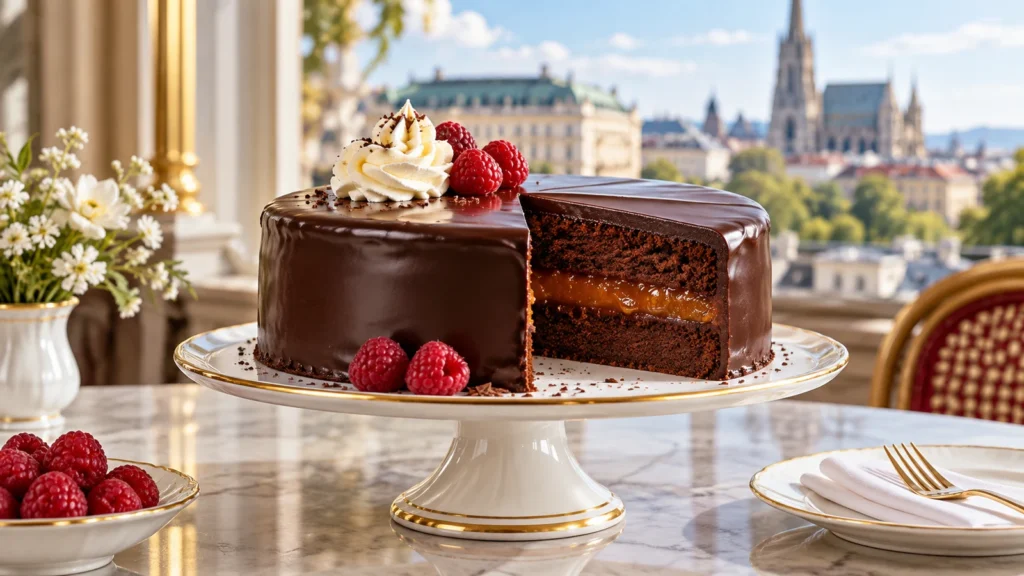
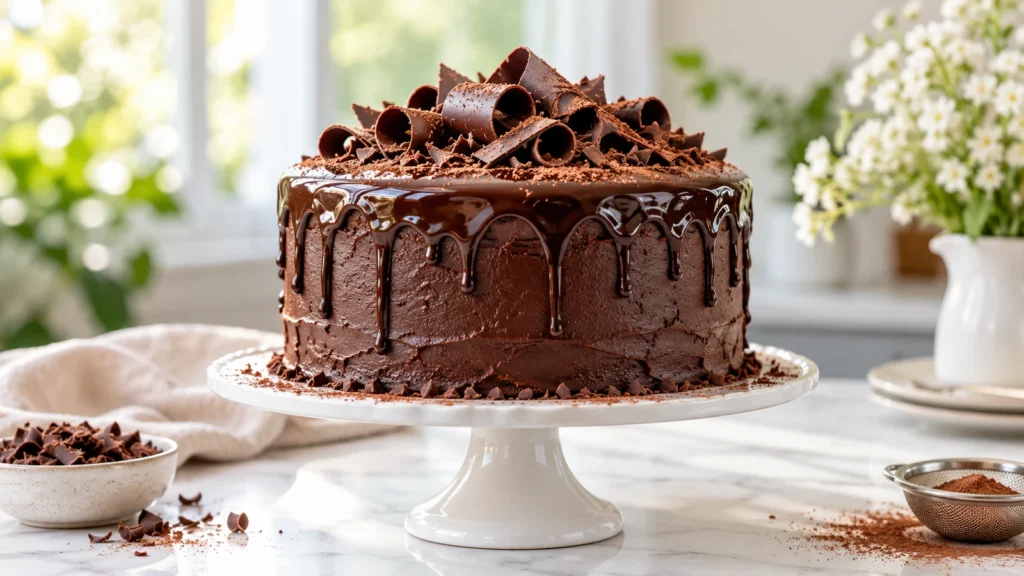
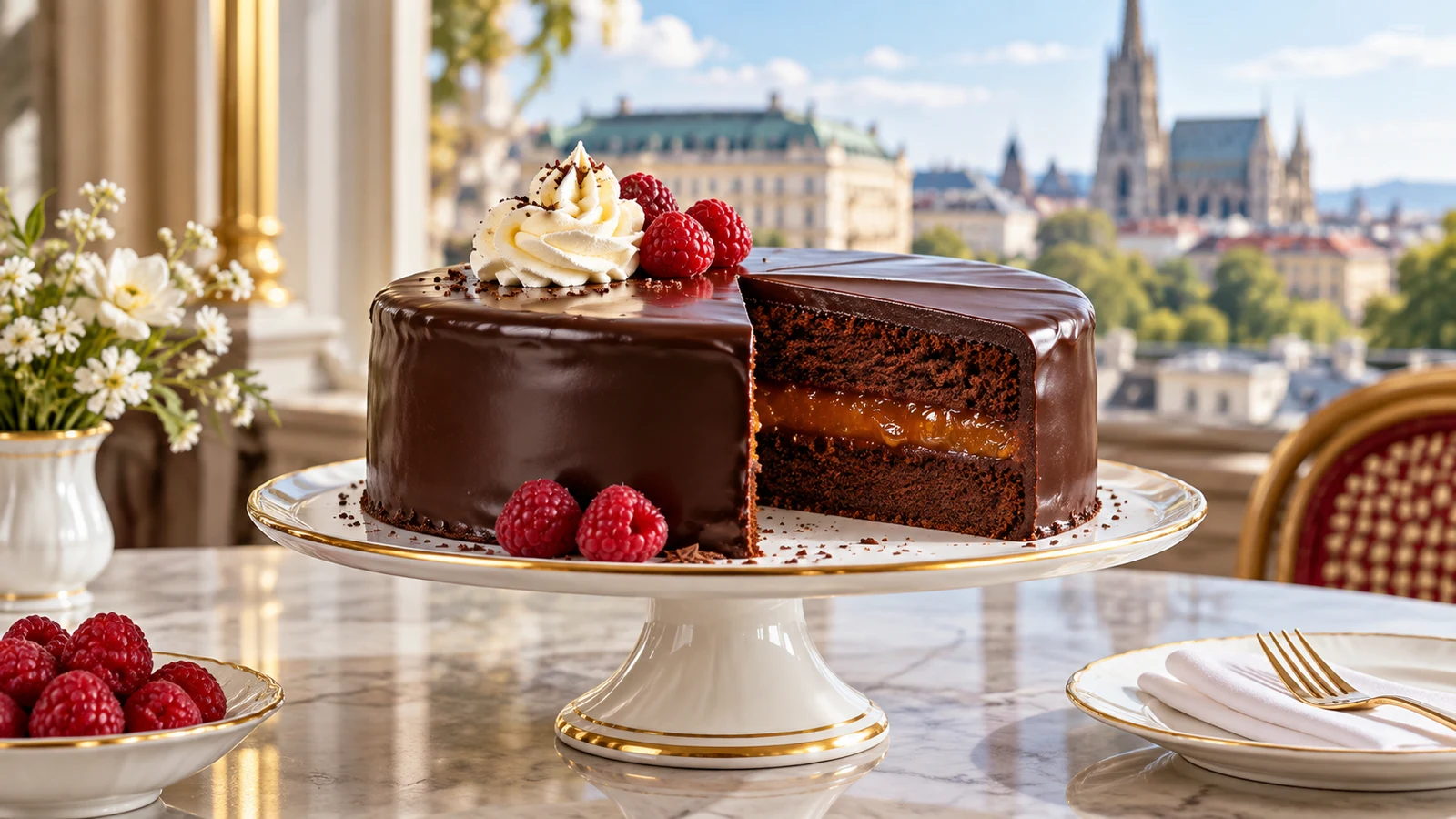
This sacher chocolate cake recipe brings together a tender Austrian chocolate cake, a thin layer of apricot jam, and a smooth dark chocolate glaze. It stays faithful to the character of classic Sacher torte while using practical techniques that work in a home kitchen.
Hotel Sacher’s original formula remains a closely guarded secret, so no homemade version can claim to duplicate it exactly. This approachable sacher chocolate cake recipe follows the dessert’s defining elements and is traditionally served with unsweetened whipped cream to balance its rich chocolate flavor.
Table of Contents
What Is Sacher Torte?
Sacher torte is a Viennese chocolate cake associated with Franz Sacher and nineteenth-century Austria. The cake is split into layers, filled and coated with apricot jam, then covered with chocolate glaze. You can read the Hotel Sacher account of the original torte for its history and traditional serving style.
Unlike a german chocolate cake frosting recipe, which usually features coconut and pecans, Sacher torte relies on fruit preserves and a sleek chocolate coating. It is also lighter in structure than a typical chocolate pound cake recipe and does not use the ring-shaped pan associated with a chocolate bundt cake recipe.
Why This Sacher Chocolate Cake Recipe Works
- Whipped egg whites give the cake lift without making it fragile.
- Warm, strained apricot jam seals in moisture and creates an even surface.
- A carefully cooled glaze sets smoothly while remaining easy to slice.
- US and metric measurements make the recipe easy to reproduce accurately.
- Temperature cues remove much of the guesswork from mixing, baking, and glazing.
Ingredients and Substitutions
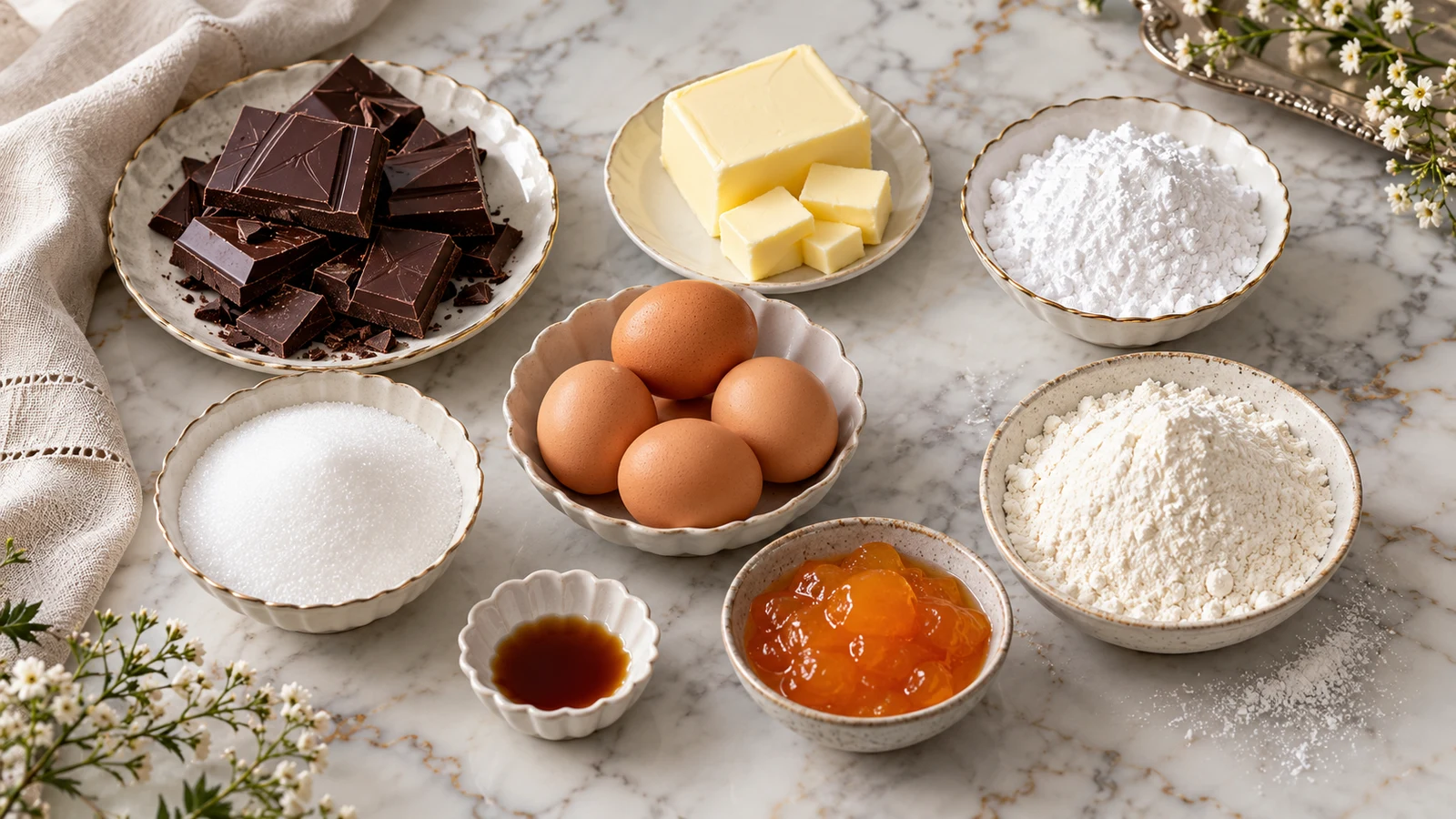
- Dark chocolate: 5 ounces (140 g), 60–70% cacao, finely chopped
- Unsalted butter: 1/2 cup plus 1 tablespoon (125 g), softened to 68°F (20°C)
- Granulated sugar: 3/4 cup (150 g), divided
- Eggs: 6 large, separated and brought to room temperature
- Vanilla extract: 1 teaspoon
- Fine salt: 1/4 teaspoon
- All-purpose flour: 1 cup (125 g), spooned and leveled
- Apricot jam: 3/4 cup (240 g), strained
- Water: 2 tablespoons for the jam
- Glaze: 6 ounces (170 g) dark chocolate, 3/4 cup (150 g) sugar, and 1/2 cup (120 ml) water
- For serving: 1 cup (240 ml) heavy cream, whipped without sugar
Couverture chocolate contains more cocoa butter than ordinary dark chocolate, so it generally produces a thinner, shinier coating. A good-quality dark chocolate bar also works; avoid chocolate chips because stabilizers may make the glaze thick or dull. The chocolate is especially important in a sacher chocolate cake recipe because it supplies both the cake’s depth and the glaze’s finish.
For a gluten-free cake, replace the flour with an equal weight of a cup-for-cup gluten-free baking blend containing xanthan gum. Choose a smooth apricot jam without large fruit pieces. Straining it is worthwhile because an even jam layer helps the glaze flow cleanly over the surface.
Equipment
Use a 9-inch (23 cm) springform pan, parchment paper, two mixing bowls, an electric mixer, a flexible spatula, a fine-mesh sieve, a small saucepan, and an instant-read thermometer. An 8-inch (20 cm) springform pan also works, but the deeper cake may need 5–10 additional minutes.
A 9-inch round cake pan with a 2-inch depth is suitable if it is thoroughly greased, lined, and fitted with a parchment collar. A long serrated knife makes splitting the cake easier, while a wire rack set over a tray catches excess glaze and keeps the sides neat.
How to Make Sacher Chocolate Cake
- Prepare the pan and oven. Heat the oven to 350°F (175°C). Grease the pan, line its base with parchment, and lightly flour the sides.
- Melt the chocolate. Gently melt 5 ounces (140 g) chocolate over barely simmering water. Let it cool to 90–95°F (32–35°C); hotter chocolate can melt the butter or curdle the batter.
- Make the butter mixture. Beat the softened butter with 1/2 cup (100 g) sugar for 3–4 minutes, until pale. Beat in the yolks one at a time, followed by the vanilla and melted chocolate.
- Whip the whites. In a clean, grease-free bowl, beat the egg whites and salt until foamy. Gradually add the remaining 1/4 cup (50 g) sugar and beat to medium-stiff peaks. The peak should stand with a slightly bent tip; dry, clumpy whites are overbeaten.
- Fold carefully. Stir one-quarter of the whites into the chocolate base to loosen it. Add the remaining whites in two batches, sift the flour over each addition, and fold with broad strokes from the bowl’s bottom. Rotate the bowl as you work and stop when no white streaks or flour pockets remain.
- Bake. Spread the batter evenly and bake for 35–42 minutes. It is ready when the center springs back, a tester has a few moist crumbs, and the interior reaches about 205°F (96°C). Cool in the pan for 10 minutes, then turn out and cool completely for at least 90 minutes.
- Fill the cake. Level the top if necessary, then cut the cake horizontally into two even layers. Heat the jam and 2 tablespoons water until fluid, strain again if lumpy, and spread it between the layers and over the top and sides. Let it set for 20–30 minutes.
- Glaze. Simmer the glaze sugar and water until dissolved and slightly syrupy, about 5 minutes. Remove from the heat, add 6 ounces (170 g) chocolate, and stir gently until smooth. Cool to 95–100°F (35–38°C), then pour over the cake in one confident motion. Let it set for at least 1 hour.
For another useful point of comparison, the King Arthur Sacher torte method demonstrates how jam and chocolate coating define this classic cake. Read through every stage of this sacher chocolate cake recipe before beginning so the chocolate and egg mixtures meet at the proper temperatures.
Expert Tips for the Best Sacher Chocolate Cake Recipe
Control ingredient temperatures
Room-temperature butter traps air more effectively than cold butter, but butter that looks greasy is too warm. The egg yolks should also be near room temperature so they blend smoothly into the creamed mixture. Let melted chocolate cool as directed before adding it.
Fold without losing volume
Use a wide spatula and sweep beneath the batter before lifting it over itself. Turn the bowl after each fold. This motion preserves the bubbles that give a sacher chocolate cake recipe its lift while still distributing the flour evenly.
Wait before cutting the layers
A warm cake compresses and tears. Cool it completely, and chill it for 20 minutes if the crumb feels delicate. Mark the midpoint with toothpicks, then use shallow sawing motions with a long serrated knife rather than pressing downward.
Apply a thin jam coating
The jam should cover the cake without forming a thick, slippery layer. Brush away loose crumbs first, then spread warm jam across the cut face, top, and sides. Allowing it to set produces the smooth foundation that distinguishes this sacher chocolate cake recipe.
Chocolate Glaze Troubleshooting
If the glaze cracks, it was probably too cool or thick when poured; add a teaspoon of warm water before using it. A dull finish can result from overheating or vigorous stirring, so use low heat and stir slowly. If the coating is too thin, let it cool another minute; if it begins setting in the pan, warm it very gently.
Do not spread the glaze repeatedly with a spatula, which leaves streaks. Pour it over a rack-set cake and nudge it only where necessary. A strained jam coating also prevents crumbs and lumps from showing through.
Why is the glaze grainy?
Undissolved sugar or sudden temperature changes can create a rough texture. Make sure the sugar dissolves in the water before adding the chocolate. Stir gently rather than whisking, and keep steam or stray droplets away from the chocolate mixture.
Why does the glaze slide off?
The jam may still be wet, the cake may be warm, or the glaze may be too hot. Let the jam become slightly tacky and confirm that the cake is fully cool. A glaze within the stated temperature range should coat this sacher chocolate cake recipe evenly.
Common Cake Problems and Solutions
- Dry crumb: Excess flour or overbaking is usually responsible. Weigh the flour when possible and begin checking at 35 minutes.
- Sunken center: The cake may be underbaked, the whites may have been overbeaten, or the batter may have been folded too roughly. Check both spring-back and internal temperature.
- Dense streaks: The egg whites or flour were not distributed evenly. Scrape along the bowl’s bottom during the final folds.
- Crumbly layers: The cake was probably sliced while warm or with too much downward pressure. Cool fully and use a serrated knife.
- Uneven top: Spread the batter level before baking and place the pan near the oven’s center. Avoid opening the door early.
- Whites that will not whip: Even a trace of yolk, grease, or moisture can prevent proper volume. Clean the bowl and beaters thoroughly.
The most reliable way to prevent problems is to measure carefully and watch the visual cues in the sacher chocolate cake recipe. Oven times are a range because pan color, oven calibration, and room conditions can affect baking.
Variations and Substitutions
Orange marmalade can replace apricot jam for a less traditional citrus variation. Dairy-free block butter and dairy-free dark chocolate may also be used, although flavor and glaze texture will differ. Do not substitute cocoa powder for the melted chocolate without reformulating the fat and liquid.
Gluten-free variation
Use an equal weight of a dependable cup-for-cup flour blend containing xanthan gum. Fold gently and allow the finished batter to rest for only a minute or two before baking. The crumb may be slightly more delicate, so cool it thoroughly before splitting.
Different chocolate percentages
Chocolate between 60% and 70% cacao gives balanced bitterness and sweetness. A higher percentage may make the glaze firmer and the cake more intense. Avoid changing the listed sugar, water, or chocolate quantities when experimenting with cacao percentage.
How this cake differs from other chocolate cakes
A baker’s german chocolate cake recipe typically pairs chocolate layers with a rich coconut-pecan filling. Its signature german chocolate cake frosting recipe is soft and textured, whereas Sacher torte has a thin fruit layer beneath a smooth glaze.
A chocolate bundt cake recipe is baked in a decorative ring pan and may need only a drizzle or dusting. Choose a chocolate bundt cake recipe when easy presentation for a gathering matters more than filled layers and a polished coating.
A chocolate pound cake recipe offers a closer, denser crumb created by a different balance of butter, sugar, eggs, and flour. A chocolate pound cake recipe is excellent for simple slices, but it will not reproduce the airy crumb, apricot layer, or glaze of Sacher torte.
Make-Ahead Plan
This sacher chocolate cake recipe is well suited to preparation over two days. On the first day, bake and cool the cake completely. Wrap it securely once cool and keep it at cool room temperature. Splitting a rested cake is often easier because its crumb has settled.
On the second day, warm and strain the jam, assemble the layers, and coat the exterior. After the jam sets, prepare and pour the glaze. Leave at least 1 hour for the coating to firm before serving, and allow additional time if the room is warm.
The unsweetened whipped cream is best prepared shortly before serving. If it must be made a little earlier, refrigerate it in a covered container and whisk it briefly by hand to restore its texture.
Storage and Freezing
Keep the glazed cake covered at cool room temperature for up to 2 days, provided the room remains below 70°F (21°C). Refrigerate it for up to 5 days in an airtight container, following general cold food storage guidance, and bring slices to room temperature before serving.
The unglazed cake can be baked 2 days ahead. Wrap it after it cools, then fill and glaze the following day. To freeze, wrap the unfilled cake securely and freeze for up to 2 months; thaw overnight in the refrigerator. Freezing a finished glazed cake is possible, but condensation may cloud the surface.
Store whipped cream separately in the refrigerator rather than placing it on the cake. When refrigerating the finished sacher chocolate cake recipe, protect the surface with a tall container or cake keeper so wrapping does not stick to the glaze.
Serving Ideas
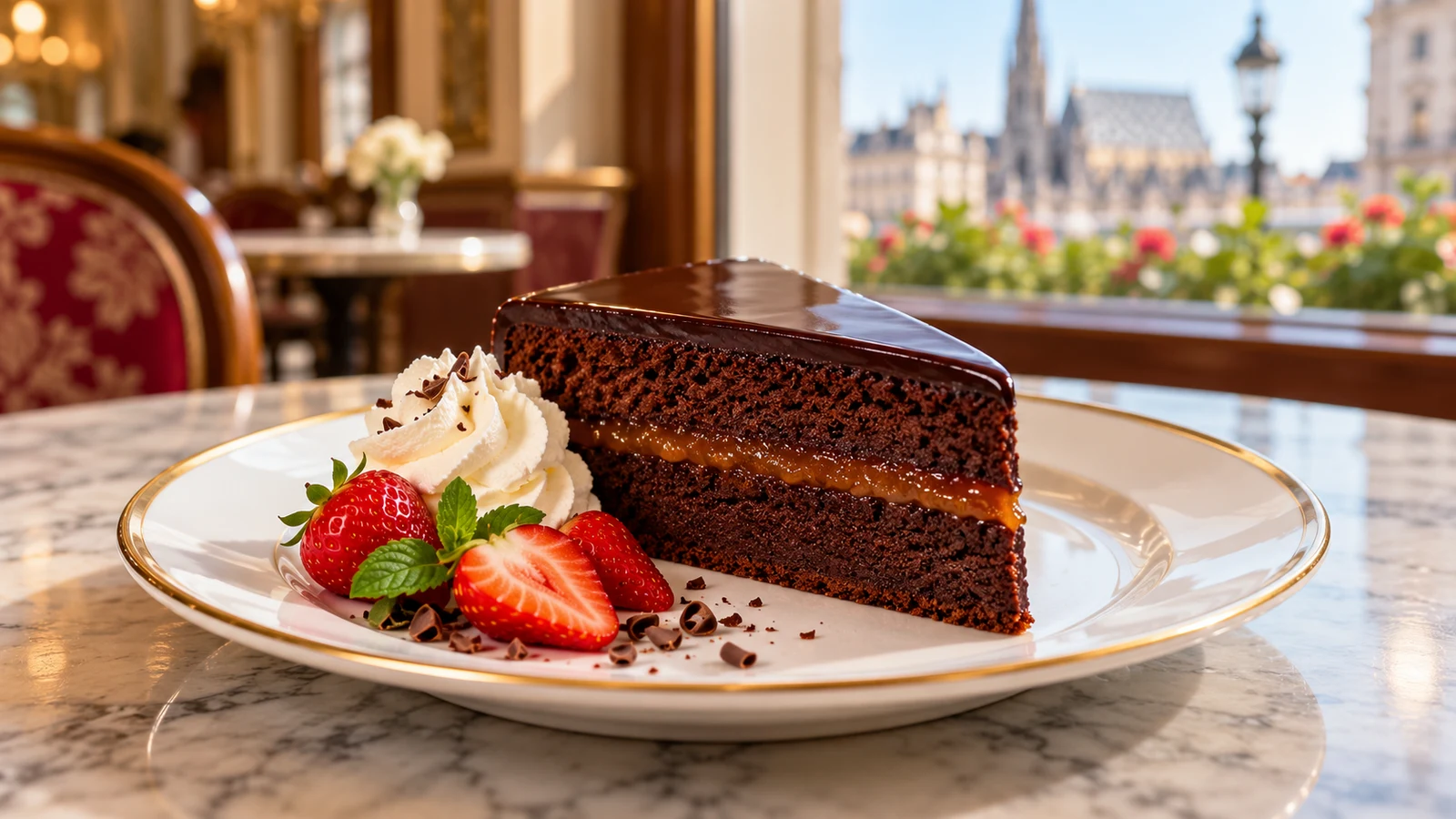
Serve thin slices at cool room temperature with unsweetened whipped cream. The cream is traditional because its clean dairy flavor softens the cake’s sweetness without competing with the apricot and dark chocolate. Coffee or black tea makes a natural accompaniment.
For clean portions, dip a sharp knife into hot water, dry it completely, and make one cut. Wipe and repeat between slices. Small servings are appropriate because the chocolate and jam make this sacher chocolate cake recipe satisfyingly rich.
For a dessert gathering, Sacher torte can anchor a varied cake selection. Pair it with a chocolate bundt cake recipe for an easy-to-serve option or a chocolate pound cake recipe for guests who prefer a dense, buttery crumb.
Frequently Asked Questions
Can I make this sacher chocolate cake recipe without a springform pan?
Yes. Use a deep 9-inch (23 cm) round pan lined on the bottom and sides. Cool for 10 minutes before carefully turning out the cake. A parchment collar provides extra protection if the pan is only 2 inches deep.
Why did my sacher chocolate cake recipe turn out dry?
Too much flour, overmixed batter, or excess baking time are the usual causes. Measure by weight, fold only until combined, and remove the cake when it reaches about 205°F (96°C).
Does authentic Sacher torte have one or two jam layers?
Versions differ, and the official Hotel Sacher formula is secret. This sacher chocolate cake recipe places jam in the center and around the exterior for balanced apricot flavor and a smooth glaze base.
Can I use milk chocolate?
Dark chocolate is recommended because milk chocolate makes the cake and coating considerably sweeter. If necessary, use it only in the batter and retain dark chocolate for the glaze.
Can I use a german chocolate cake frosting recipe on Sacher torte?
You can, but the result will no longer have the traditional character of Sacher torte. A german chocolate cake frosting recipe adds coconut, pecans, and a custard-like texture, while this dessert depends on apricot jam and smooth dark chocolate glaze.
Is a baker’s german chocolate cake recipe similar to Sacher torte?
Both are chocolate layer cakes, but their flavors and construction differ. A baker’s german chocolate cake recipe is known for coconut-pecan filling, while Sacher torte is defined by apricot preserves and chocolate glaze.
Can I bake the batter as a chocolate bundt cake recipe?
It is better to follow a tested chocolate bundt cake recipe. Bundt pans have different capacity, shape, and release requirements, so changing the pan could alter baking time and make the delicate cake difficult to remove.
Can I turn this into a chocolate pound cake recipe?
No direct substitution will transform it into a chocolate pound cake recipe because the ingredient ratios and mixing methods are different. Sacher torte gets much of its lift from whipped whites, while pound cake has a tighter, heavier structure.
How far ahead can I complete the sacher chocolate cake recipe?
You can finish it 1–2 days before serving and keep it covered in a cool room. If your kitchen is warmer than 70°F (21°C), refrigerate the cake and let it return toward room temperature before slicing.
Why is unsweetened cream served with the cake?
The cream softens the intensity of the chocolate and offsets the sweetness of the glaze and jam. Leaving it unsweetened preserves that contrast and follows the traditional serving style.
Printable Recipe Card
- Yield: 10–12 slices
- Pan: 9-inch (23 cm) springform pan
- Prep time: 35 minutes
- Baking time: 35–42 minutes
- Cooling and setting time: About 3 hours
- Total time: About 4 hours 15 minutes
Method: Heat the oven to 350°F (175°C). Prepare the pan. Melt and cool the chocolate, cream the butter with part of the sugar, and beat in the yolks, vanilla, and chocolate. Whip the whites with the remaining sugar to medium-stiff peaks, then fold them into the chocolate mixture with the flour. Bake until springy and about 205°F (96°C) internally. Cool, split, fill, and coat with strained apricot jam. Pour the 95–100°F (35–38°C) chocolate glaze over the cake and allow it to set.
Nutrition estimate: Approximately 480 calories per slice when cut into 12 portions, with 26 g fat, 59 g carbohydrate, and 7 g protein. Exact values vary by chocolate, jam, and serving size.
Recipe notes: Use room-temperature eggs and butter, cool the melted chocolate before mixing, and avoid overworking the whipped egg whites. For the neatest portions, allow the glaze to set fully and cut with a hot, dry knife.
A Classic Cake Worth Making
This sacher chocolate cake recipe rewards careful temperatures and gentle folding, but none of its steps are beyond a patient home baker. Its combination of dark chocolate, tart apricot, and unsweetened cream is distinct from a baker’s german chocolate cake recipe or its rich german chocolate cake frosting recipe.
When you want an elegant layered centerpiece, follow this sacher chocolate cake recipe as written. Save a chocolate bundt cake recipe for casual gatherings and a chocolate pound cake recipe for a denser everyday slice. Served at cool room temperature, this Austrian-style torte offers a polished finish and beautifully balanced flavor.
Reviews
Reader reviews are managed separately (outside this build).