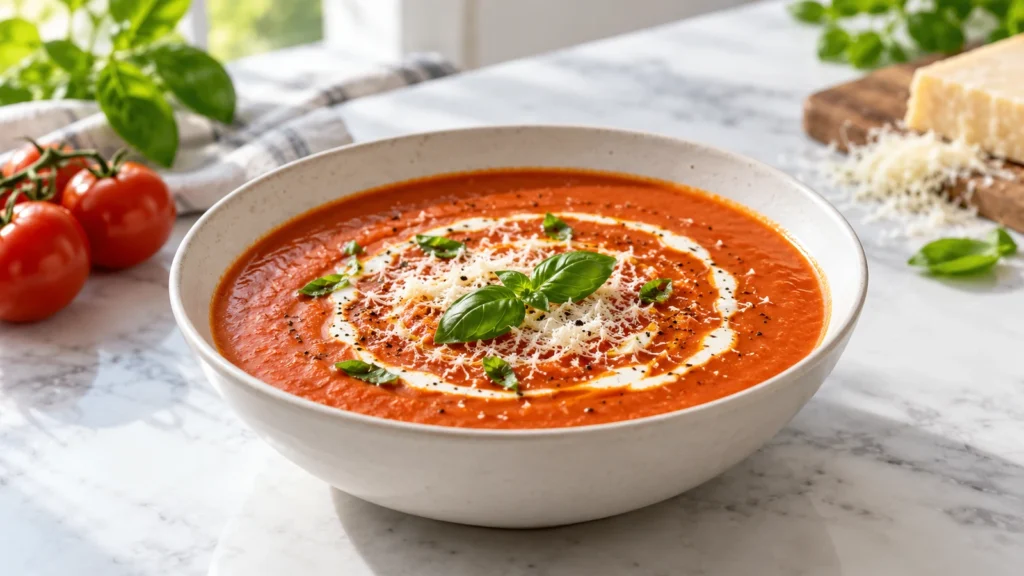
Soup
Amazing Tomato Soup Cake Recipe for a Moist Vintage Treat
Try this tomato soup cake recipe for a moist vintage spice cake made with condensed soup, cream cheese frosting, and no strong tomato flavor at all.
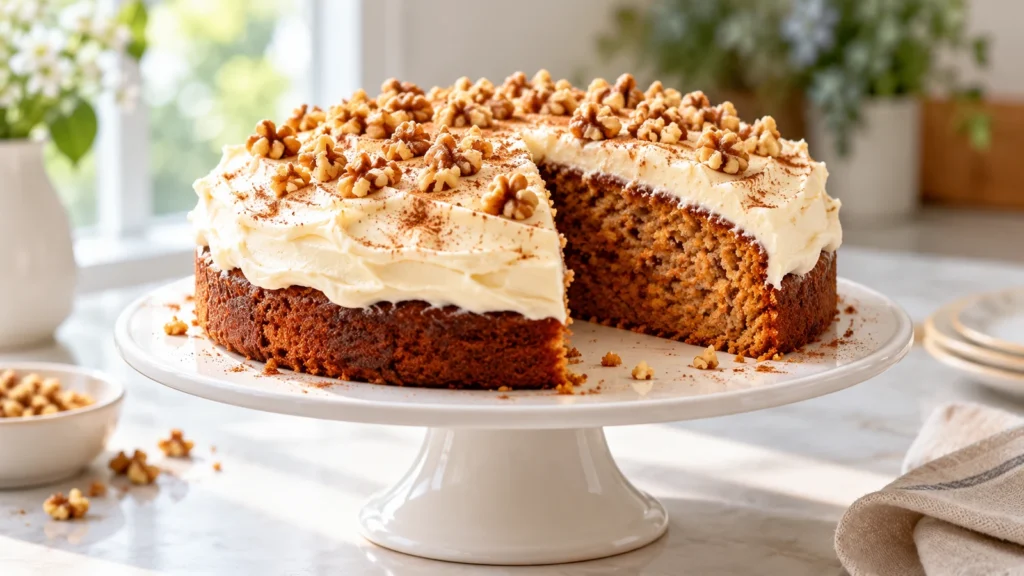
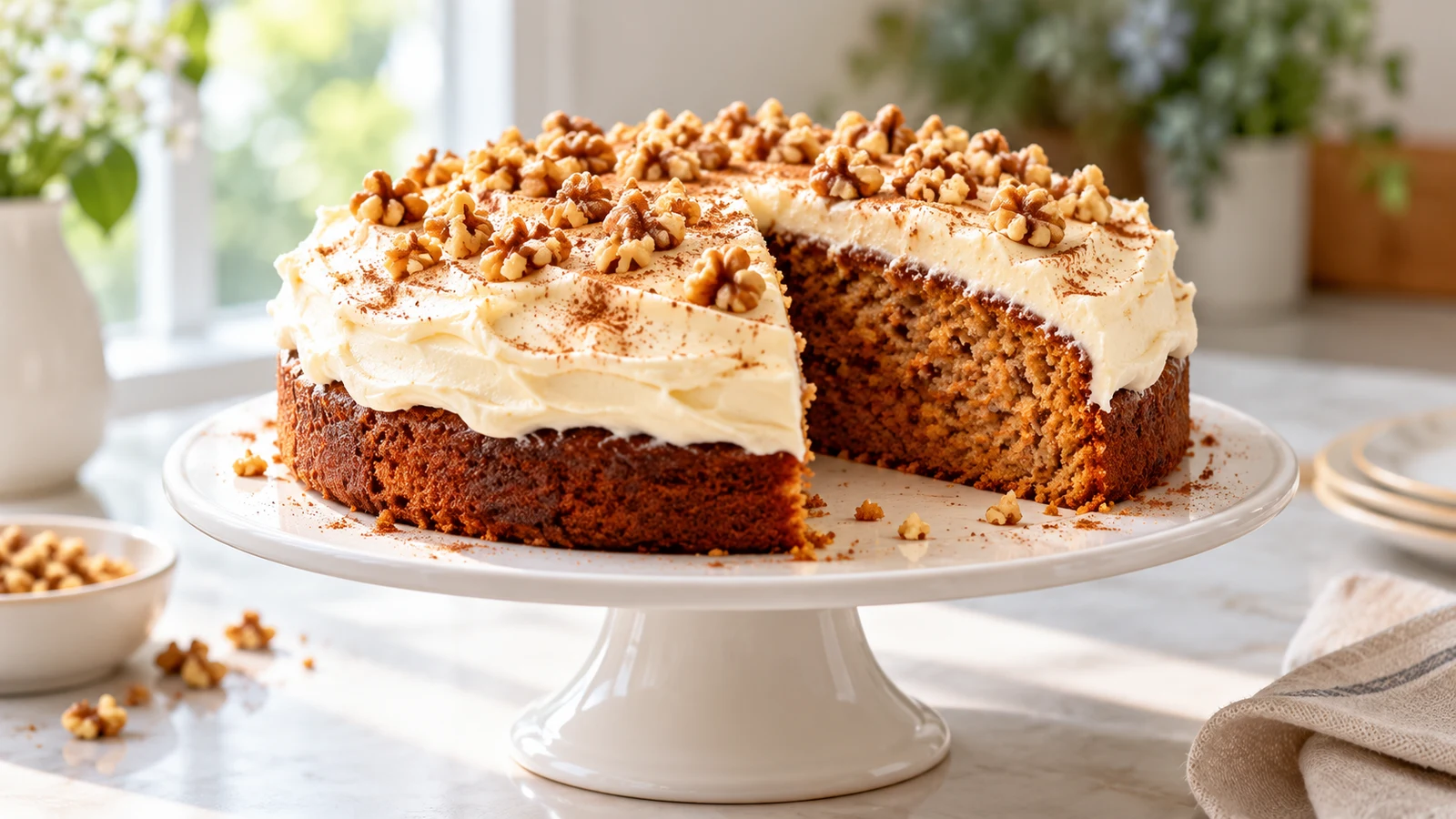
This tomato soup cake recipe turns a can of condensed soup into a tender, warmly spiced dessert with cinnamon and cloves. It is a clever vintage cake that stays moist for days without tasting strongly of tomatoes. The straightforward method makes it suitable for first-time bakers as well as anyone searching for a dependable pantry dessert.
Condensed tomato soup contributes liquid, acidity, sugar, and pectin. The acidity supports the baking soda, while the tomato solids help create a soft crumb and muted reddish-brown color. Unlike a creamy tomato soup recipe or fresh tomato soup recipe, the condensed product has the concentration and consistency needed for predictable baking.
The idea has a long history; this history of tomato soup spice cake explains how versions of the dessert appeared in American kitchens generations ago. This tomato soup cake recipe preserves that resourceful character while providing precise measurements and practical guidance for modern home kitchens.
Table of Contents
Why You’ll Love This Tomato Soup Cake Recipe
- Condensed tomato soup produces a reliably moist, tender crumb.
- Simple pantry spices balance the tomato flavor without overwhelming it.
- The cake can be baked ahead, transported easily, and frozen.
- Pan, cupcake, nut-free, and dairy-free options are included.
- Cream cheese frosting adds a pleasantly tangy finish.
- The batter comes together with basic mixing bowls and no complicated technique.
Ingredients
For the cake:
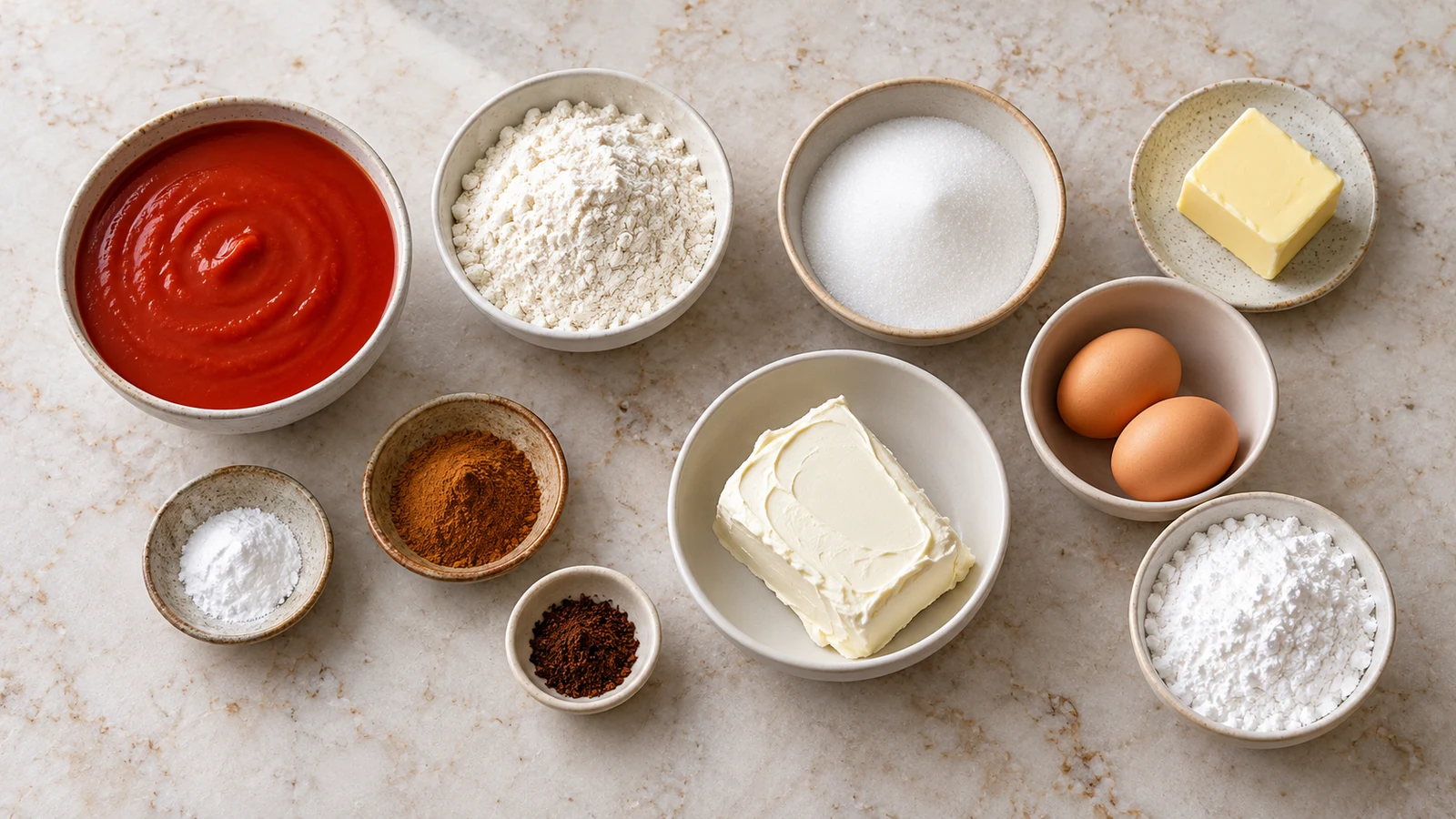
- 2 cups (240 g) all-purpose flour, spooned and leveled
- 1 1/3 cups (267 g) granulated sugar
- 2 teaspoons baking powder
- 1 teaspoon baking soda
- 1 1/2 teaspoons ground cinnamon
- 1/2 teaspoon ground cloves
- 1/2 teaspoon fine salt
- 2 large eggs, at room temperature
- 1 can (10.5 ounces or 298 g) condensed tomato soup, undiluted
- 1/2 cup (120 ml) neutral vegetable oil
- 1 teaspoon vanilla extract
- 1/2 cup (57 g) chopped walnuts, optional
- 1/2 cup (75 g) raisins, optional
For the cream cheese frosting:
- 8 ounces (226 g) full-fat block cream cheese, softened
- 1/2 cup (113 g) unsalted butter, softened
- 3 cups (360 g) confectioners’ sugar
- 1 teaspoon vanilla extract
- 1/8 teaspoon fine salt
Equipment: You will need a 9-by-13-inch metal baking pan, parchment paper, two mixing bowls, a whisk, a flexible spatula, and an electric mixer for the frosting. A kitchen scale and instant-read thermometer are helpful but not essential.
How to Make This Tomato Soup Cake Recipe
- Prepare the oven and pan. Heat the oven to 350°F (175°C). Grease a 9-by-13-inch pan and line its bottom with parchment, leaving enough overhang to lift out the cake.
- Combine the dry ingredients. Whisk the flour, sugar, baking powder, baking soda, cinnamon, cloves, and salt until evenly blended. Break up any lumps of baking soda.
- Mix the wet ingredients. In a second bowl, whisk the eggs, undiluted condensed tomato soup, oil, and vanilla until smooth. Use condensed soup straight from the can; ready-to-eat tomato soup contains too much water.
- Make the batter. Pour the wet mixture into the dry mixture. Fold just until no dry flour remains. The batter should be thick, smooth, and pourable. Fold in the chopped walnuts and raisins, if using. Do not overmix.
- Bake. Spread the batter evenly in the prepared pan. Bake for 30 to 36 minutes, rotating once if the oven browns unevenly. The cake is ready when the center springs back lightly, a tester has a few moist crumbs, and the internal temperature is about 205°F to 210°F (96°C to 99°C).
- Cool completely. Cool in the pan for 15 minutes, then lift the cake onto a rack. Allow at least 90 minutes before frosting; residual warmth can melt cream cheese frosting.
- Prepare the frosting. Beat the cream cheese and butter for 2 minutes until smooth. Add the confectioners’ sugar gradually, then beat in the vanilla and salt. Spread over the completely cooled cake.
Do not taste uncooked batter because raw flour and eggs can contain harmful microorganisms. See the FDA’s raw flour safety guidance for more information.
Expert Tips for the Best Tomato Soup Cake Recipe
Measure the Flour Carefully
A kitchen scale gives the most consistent crumb. If measuring by volume, loosen the flour, spoon it into the cup, and level the top without packing. Excess flour absorbs too much moisture and can make this tomato soup cake recipe dry, heavy, or crumbly.
Use the Correct Soup
Choose a 10.5-ounce can of condensed tomato soup and do not dilute it. A creamy tomato soup recipe contains extra dairy or fat, while a fresh tomato soup recipe usually has more water and variable acidity. Those differences can alter the batter structure, flavor, and baking time.
Bring the Eggs to Room Temperature
Room-temperature eggs blend more readily with the oil and soup, producing a smoother emulsion. If you forget to set them out, place the uncracked eggs in a bowl of warm water for several minutes. The water should feel warm, not hot.
Mix Only Until Combined
Stop folding as soon as the last streaks of flour disappear. Extended mixing develops gluten and may create tunnels or a rubbery texture. Scrape the bottom and sides of the bowl once so that no pockets of dry ingredients remain.
Check the Leaveners
Fresh baking powder and baking soda help the cake rise evenly. Large clumps of baking soda can leave bitter spots, so crush them while whisking the dry ingredients. If an open container has been sitting in the cupboard for a long time, replace it before preparing the tomato soup cake recipe.
Know When the Cake Is Done
Begin checking at 30 minutes, but rely on several signs rather than the clock alone. The center should spring back after a gentle touch, the edges may pull slightly from the pan, and a tester should show a few moist crumbs rather than wet batter. Avoid baking until the tester is completely dry.
Cool Before Frosting
Even a slightly warm surface can loosen cream cheese frosting and cause it to slide. Cool the cake on a rack so air can circulate beneath it. If the kitchen is warm, refrigerate the cooled cake briefly before spreading the frosting.
Variations and Substitutions
Nut-Free or Fruit-Free Cake
For a nut-free cake, omit the walnuts and confirm that every packaged ingredient was processed in an allergen-safe facility. Raisins are optional and can be omitted without adjusting the batter. Leaving out both additions gives the tomato soup cake recipe a smooth, uniform crumb.
Dried Cranberry Variation
Replace the optional raisins with the same amount of dried cranberries for a pleasantly tart accent. Separate any pieces that are stuck together before folding them into the batter so they remain evenly distributed. Do not add extra fruit because too much can weigh down the crumb.
Dairy-Free Finish
The cake batter contains no dairy when made with the listed ingredients. For the topping, use dairy-free block-style cream cheese and plant-based butter, or leave the cake unfrosted and dust it lightly with confectioners’ sugar. Always check individual labels if avoiding milk for an allergy.
Alternative Frostings
A vanilla buttercream or thin confectioners’ sugar glaze can replace the cream cheese frosting. For additional flavor and texture ideas, consult this red velvet cake frosting recipe. Keep the topping balanced so the warm spices remain noticeable.
Round Cakes and Cupcakes
For two 8-inch round layers, divide the batter between lined pans and bake for 25 to 31 minutes. For cupcakes, fill 18 lined wells about two-thirds full and bake for 18 to 22 minutes. Begin checking early because dark pans absorb heat and may cook the edges faster.
High-Altitude Adjustment
Above 3,500 feet (1,067 m), reduce the baking powder to 1 1/2 teaspoons and the sugar by 2 tablespoons, add 2 tablespoons of water, and increase the oven to 365°F (185°C). Check several minutes early; exact adjustments vary with elevation, humidity, and oven conditions.
Why Other Tomato Soups Are Not Substitutes
A recipe for tomato soup with tinned tomatoes is designed for eating from a bowl, not for baking. Likewise, a Panera tomato soup recipe may include cream and savory seasonings. Neither provides the standardized concentration used to develop this tomato soup cake recipe, so substitutions are not recommended.
Troubleshooting Tomato Soup Cake
Why Did the Center Sink?
A sunken center may result from opening the oven too soon, using expired leavener, measuring too much liquid, or removing the cake before the middle sets. Fully preheat the oven and avoid opening its door during the first 25 minutes. Confirm that the soup is condensed and undiluted.
Why Is the Cake Dense?
Too much flour, overmixed batter, or inactive baking soda can produce a dense result. Spoon and level the flour or weigh 240 g, whisk the leaveners thoroughly, and fold with a flexible spatula. A creamy tomato soup recipe cannot replace the condensed soup to correct dryness because its composition is different.
Why Are There Tunnels in the Crumb?
Long holes through the cake usually indicate vigorous or prolonged mixing. Once wet and dry ingredients meet, use gentle strokes and stop promptly. An oven that is excessively hot can also set the exterior before the interior expands evenly, so verify the temperature with an oven thermometer if the problem repeats.
Why Does the Cake Taste Bitter?
Unmixed baking soda is the most likely cause of isolated bitter spots. Whisk the dry ingredients until they are completely uniform and crush visible lumps. Heavily scorched edges may also taste bitter, especially when the tomato soup cake recipe is baked in a dark or very thin pan.
Why Is the Frosting Runny?
Use full-fat block cream cheese rather than spreadable cream cheese from a tub. The butter and cream cheese should be softened but not greasy or melted. If the frosting becomes loose, refrigerate it briefly, then stir gently before spreading it over the completely cooled cake.
Why Is the Color Different From Expected?
The baked cake should be a muted reddish brown rather than bright red. Color varies slightly by soup brand, spice freshness, and baking time. A fresh tomato soup recipe or recipe for tomato soup with tinned tomatoes may look vivid in a bowl, but that does not predict the color of this baked dessert.
Serving Ideas
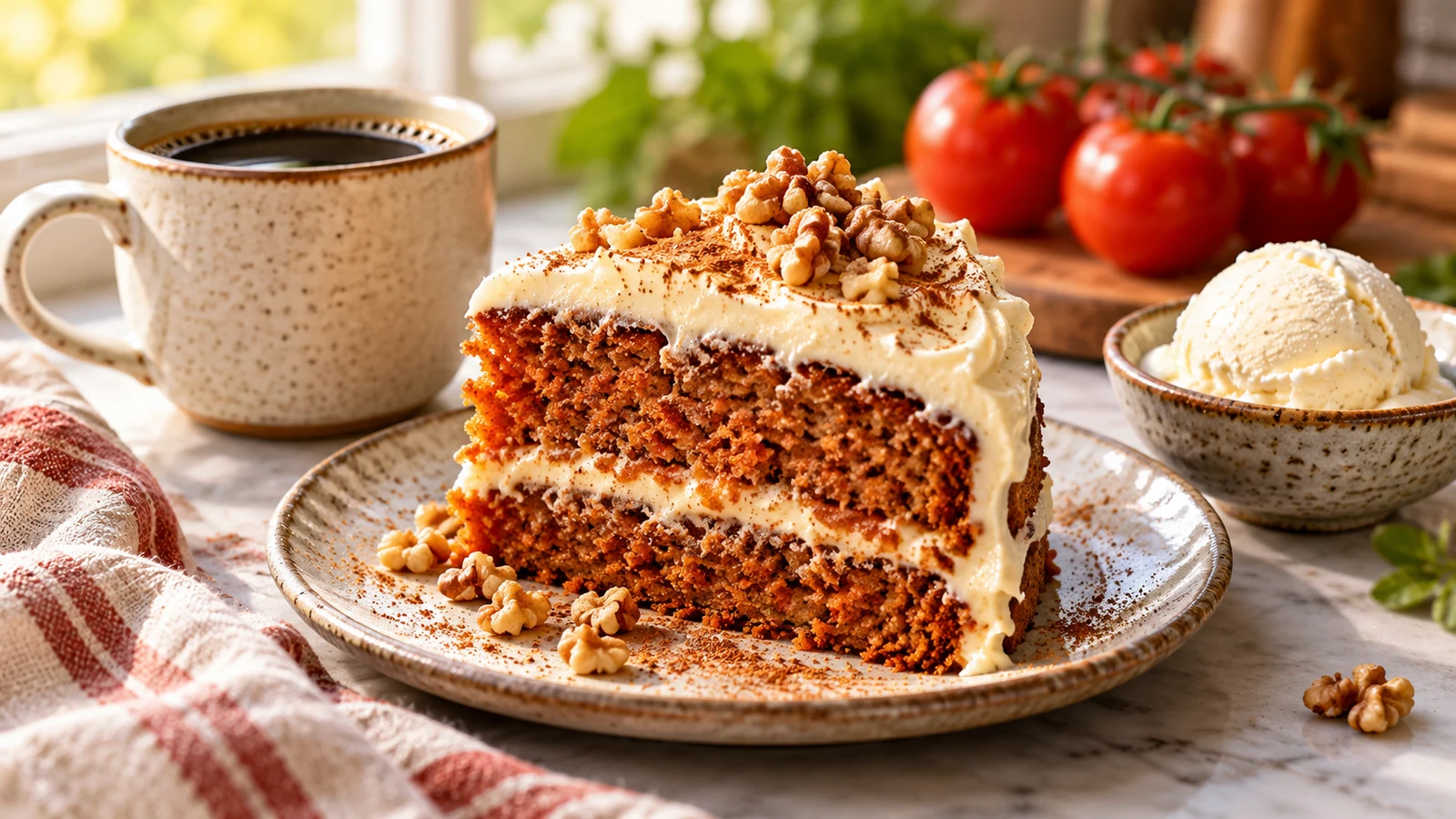
Serve the cake slightly chilled or let it stand at room temperature for 20 minutes to soften the frosting. A modest slice pairs well with coffee, black tea, chai, or cold milk. Its cinnamon and clove notes make it especially appealing during autumn and winter gatherings.
For a simple afternoon snack, omit the frosting and add a light dusting of confectioners’ sugar just before serving. For dessert, accompany each slice with a small scoop of vanilla ice cream. A sprinkle of chopped walnuts adds crunch if allergens are not a concern.
This tomato soup cake recipe also works well on a nostalgic dessert table. Pair it with moist applesauce coffee cake or classic LAUSD coffee cake to offer guests several warmly spiced choices.
Make-Ahead, Storage, and Freezing
Preparing the Cake in Advance
Bake the cake one day before serving, cool it completely, and keep it tightly covered. The resting time allows the warm spice flavors to settle and makes party preparation easier. Frost it the day it is served or prepare the frosting separately up to two days ahead.
Room-Temperature and Refrigerator Storage
Unfrosted cake can remain in an airtight container at room temperature for two days. Because of the cream cheese frosting, cover and refrigerate the finished cake for up to four days. Follow conservative refrigerated food-safety guidance, especially after a power interruption.
How to Freeze It
Wrap the cooled, unfrosted cake or individual pieces tightly and place them in a freezer container for up to three months. Double wrapping helps prevent freezer odors and surface dryness. Label the container with the date so the tomato soup cake recipe is easy to identify.
Thawing and Serving
Thaw the wrapped cake overnight in the refrigerator, then bring it closer to room temperature before frosting. Keeping it wrapped during thawing reduces condensation on the surface. Reheating is unnecessary, but an unfrosted slice can be warmed for 8 to 10 seconds in a microwave.
Storing the Frosting
Make the frosting up to two days ahead and refrigerate it in a covered container. Let it soften briefly, then stir or beat on low speed until spreadable. Avoid extended beating because warm frosting can become too loose to hold neat swirls.
Frequently Asked Questions
Does This Tomato Soup Cake Recipe Taste Like Tomato?
No. Cinnamon, cloves, vanilla, and sugar dominate, while baking softens the soup’s savory character. Tomato mainly adds moisture, subtle complexity, and color. Most guests will identify it as a tender spice cake unless they are told about the unusual ingredient.
Can I Use a Creamy Tomato Soup Recipe Instead?
No. A creamy tomato soup recipe can contain cream, broth, herbs, and considerably more water than condensed soup. Those ingredients change the fat, salt, acidity, and liquid balance. Use the specified 10.5-ounce can of undiluted condensed tomato soup for a consistent result.
Will a Fresh Tomato Soup Recipe Work in the Batter?
A fresh tomato soup recipe is not a reliable substitute because the water and acidity vary with the tomatoes and preparation method. It may also contain onion, garlic, basil, or stock. Those savory flavors and the thinner consistency could noticeably change the cake.
Can I Use a Recipe for Tomato Soup With Tinned Tomatoes?
No. A recipe for tomato soup with tinned tomatoes normally produces a ready-to-eat soup rather than a concentrated baking ingredient. Even if reduced, its salt and seasoning levels would be difficult to predict. Condensed soup keeps the tomato soup cake recipe dependable.
Can I Use a Panera Tomato Soup Recipe?
A Panera tomato soup recipe is intended to reproduce a creamy restaurant-style soup, so it is not formulated for this dessert. Added cream and savory ingredients can disrupt the crumb and spice profile. Save the Panera tomato soup recipe for a meal and use condensed soup in the cake.
Can I Leave Out the Raisins or Nuts?
Yes. Both are optional, and omitting them requires no other changes. For an allergy-safe cake, check the labels of the soup, flour, frosting ingredients, and any decorations for cross-contact warnings. Use clean utensils and a clean pan when preparing food for someone with an allergy.
Which Frosting Is Best?
Cream cheese frosting provides the best tangy contrast, but vanilla buttercream or a simple confectioners’ sugar glaze also works. Cool the cake completely before adding any topping. For less sweetness, serve the unfrosted cake plain instead of reducing the measured sugar in the batter.
Can I Reduce the Sugar?
The listed sugar contributes moisture, tenderness, browning, and structure as well as sweetness. A substantial reduction may make the cake drier and denser, so the tomato soup cake recipe is most reliable when prepared as written. Choose a lighter topping if you prefer a less sweet dessert.
Can I Make the Cake Without Eggs?
This version has been developed with two large eggs, which provide structure and help emulsify the batter. An egg substitute may change the rise and texture, so it cannot be guaranteed without separate testing. Do not simply add extra soup because that would increase the liquid without replacing the eggs’ structure.
Can I Bake It in a Glass Pan?
A metal pan gives the most predictable bake and even edges. If glass is the only option, monitor the cake closely because glass retains heat differently and the edges may bake faster. Do not place a hot glass pan on a wet or cold surface.
Does the Type of Oil Matter?
Use a neutral vegetable oil such as canola, sunflower, or a mild blended oil. Strongly flavored oils can compete with the cinnamon and cloves. Oil helps the crumb remain soft after refrigeration, which is one reason this cake stores so well.
How Can I Tell the Cake Is Safe to Frost?
The center and bottom of the cake should feel completely cool, not merely cool on top. Allow at least 90 minutes after removing it from the pan. Frosting too early can trap warmth, soften the topping, and create a sticky surface.
Printable Recipe Card
Prep time: 20 minutes
Baking time: 30 to 36 minutes
Cooling time: 1 hour 45 minutes
Yield: 15 servings
Oven: 350°F (175°C)
Method: Whisk 240 g flour, 267 g sugar, 2 teaspoons baking powder, 1 teaspoon baking soda, 1 1/2 teaspoons cinnamon, 1/2 teaspoon cloves, and 1/2 teaspoon salt. Separately whisk 2 eggs, 298 g condensed tomato soup, 120 ml oil, and 1 teaspoon vanilla. Combine, add optional walnuts or raisins, and bake in a lined 9-by-13-inch pan for 30 to 36 minutes.
Frosting: Cool the cake completely. Beat 226 g cream cheese with 113 g butter until smooth. Gradually add 360 g confectioners’ sugar, then mix in 1 teaspoon vanilla and 1/8 teaspoon salt before spreading over the cake.
Estimated nutrition: Approximately 420 calories per frosted serving, with values varying by brands and optional additions. Allergens: Contains wheat, egg, and milk; may contain tree nuts if walnuts are added.
A Vintage Cake Worth Baking
This tomato soup cake recipe rewards careful measuring with a soft crumb, balanced spice, and gentle sweetness. The condensed soup is more than a novelty: it supports the cake’s moisture, color, and tender structure without creating a savory tomato flavor.
Although a creamy tomato soup recipe, fresh tomato soup recipe, recipe for tomato soup with tinned tomatoes, and Panera tomato soup recipe all have their place at the table, condensed soup is the correct choice here. Serve the finished cake frosted for a celebration or plain for an easy make-ahead snack.
There are no reviews yet. Be the first one to write one.
Reviews
Reader reviews are managed separately (outside this build).