Cake
Easy vanilla mug cake recipe in 5 Minutes
Try this vanilla mug cake recipe for a quick, fluffy single-serving treat, mixed in one mug and microwaved in 45–75 seconds. Easy and delicious.
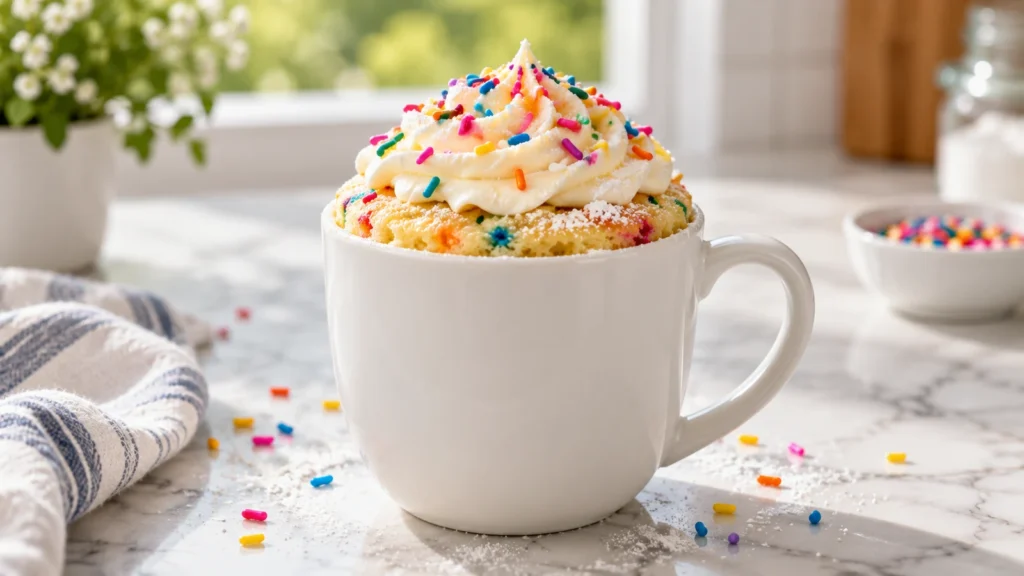
This vanilla mug cake recipe makes a soft, buttery single-serving dessert in about five minutes. It uses everyday ingredients, mixes directly in the mug, and cooks in just 45 to 75 seconds. It is an easy answer when you want homemade cake without heating the oven or storing leftovers.
The key to this vanilla mug cake recipe is choosing a roomy mug, stirring only until the batter is smooth, and adjusting the cooking time to your microwave wattage. Enjoy it warm with frosting, whipped cream, berries, or a scoop of vanilla ice cream.
Table of Contents
Why You’ll Love This Vanilla Mug Cake Recipe
- Fast: Preparation and cooking take about five minutes.
- Simple: The batter uses basic pantry ingredients and requires no egg.
- Single serving: It satisfies a cake craving without leaving a full dessert behind.
- Flexible: Use butter or oil and easily adapt it for dairy-free or gluten-free diets.
- Minimal cleanup: Measuring, mixing, cooking, and serving can all happen in one mug.
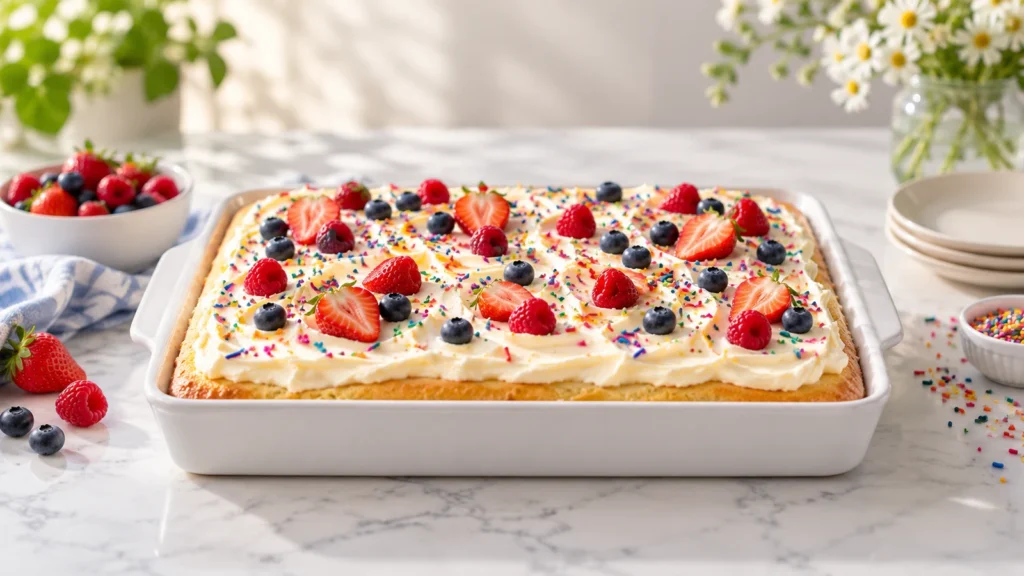
Unlike a vanilla pound cake recipe or vanilla sheet cake recipe, this small dessert does not require a mixer, cake pan, or long cooling period. You can also change the topping for every serving, making it useful when family members prefer different flavors.
Equipment and the Correct Mug Size
Use a microwave-safe mug with a capacity of 10 to 12 ounces. The uncooked batter should fill no more than half the mug, leaving enough space for the cake to rise without overflowing.
A wide, straight-sided mug promotes more even cooking than a narrow or heavily tapered one. You will also need measuring spoons and a small fork or whisk. Microwave performance varies, so consult the FDA guidance on microwave ovens if you have questions about safe appliance use.
A very thick ceramic mug may absorb more heat and slow cooking slightly. A thin mug can become hot quickly, so always handle it carefully. Avoid metallic decorations, and do not use a cracked mug. Place the mug where the turntable can rotate freely throughout cooking.
Ingredients
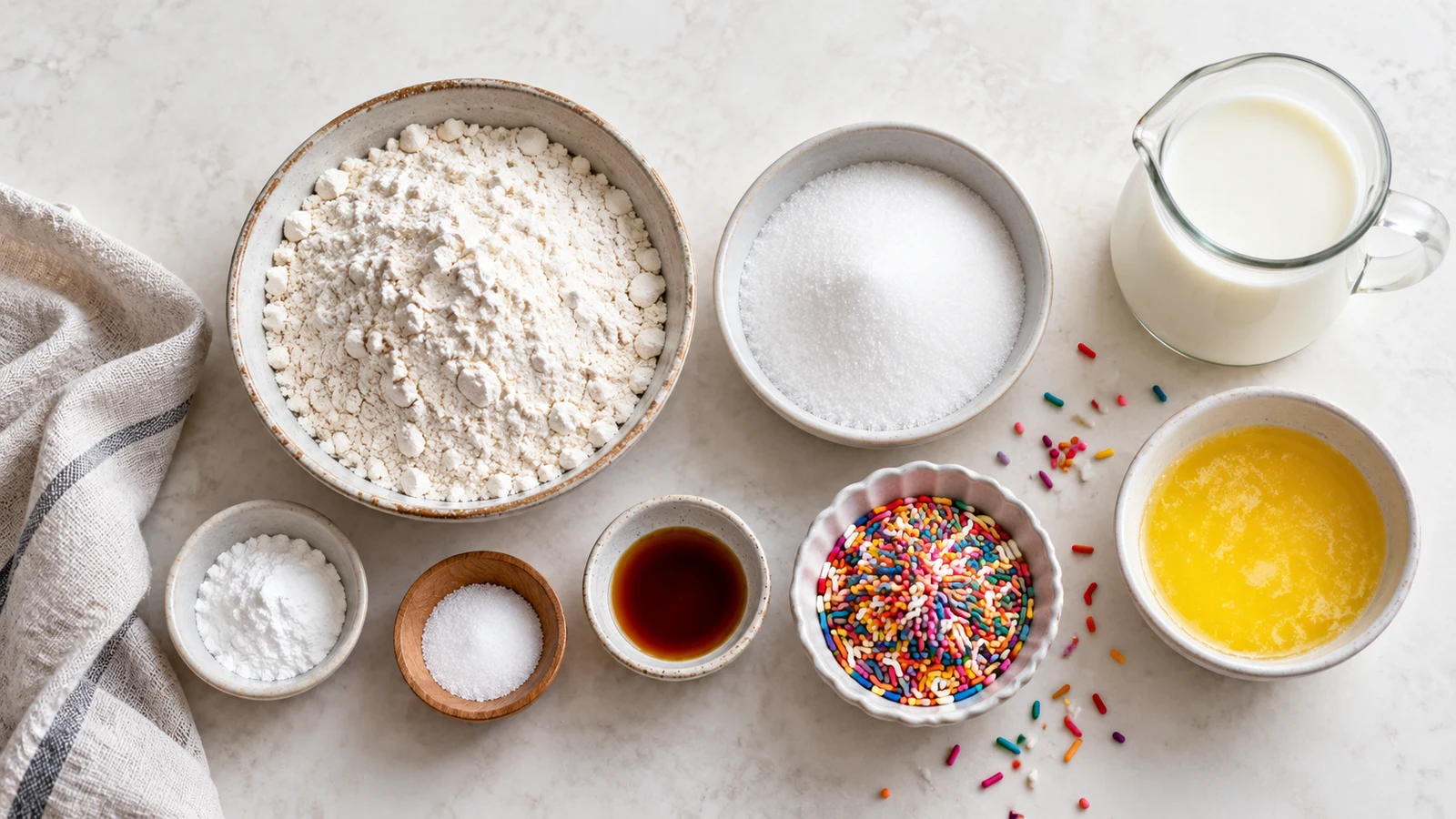
- 4 tablespoons all-purpose flour, spooned and leveled (30 g)
- 2 tablespoons granulated sugar (25 g)
- 1/4 teaspoon baking powder
- Small pinch of fine salt
- 3 tablespoons milk (45 ml)
- 1 tablespoon unsalted butter, melted, or neutral oil (14 g)
- 1/2 teaspoon pure vanilla extract
- 1 teaspoon sprinkles, optional, plus more for serving
- Vanilla frosting, whipped cream, powdered sugar, ice cream, or berries, optional
What Each Ingredient Does
Flour supplies the cake’s structure, while granulated sugar sweetens the batter and helps it remain moist. Baking powder provides lift without an egg. The small pinch of salt balances the sweetness and makes the vanilla flavor more noticeable.
Milk hydrates the flour and creates a pourable batter. Melted butter adds rich flavor similar to a vanilla pound cake recipe, while neutral oil produces an especially soft crumb. Pure vanilla extract supplies the main aroma, so use a fresh extract with a flavor you enjoy.
The ingredient balance is designed specifically for a microwave portion. Changing several quantities at once can affect both texture and cooking time. For the most dependable vanilla mug cake recipe, make one substitution at a time and keep the listed ratio of dry ingredients to liquids.
How to Make This Vanilla Mug Cake Recipe
- Combine the dry ingredients. Add the flour, sugar, baking powder, and salt to a 10–12-ounce microwave-safe mug. Stir thoroughly, reaching into the bottom edge so no pockets of baking powder remain.
- Add the liquids. Pour in the milk, melted butter or oil, and vanilla. Mix gently until no dry flour is visible. The batter should be smooth, thick but pourable, and similar to pancake batter.
- Add sprinkles. Fold them in with two or three strokes. Avoid overmixing, which can make the finished cake rubbery.
- Microwave. Place the mug near the center of the turntable and cook on high according to the wattage guide below. Begin with the shortest time and add 5-second intervals only if necessary.
- Rest and serve. Let the cake stand for 1 minute. It continues cooking from retained heat, so do not microwave it until it looks completely dry. Add your preferred topping and serve warm.
Before cooking, scrape batter from the upper sides of the mug toward the mixture. This keeps stray streaks from hardening and makes the finished dessert look neater. Do not tap the mug aggressively, because the air introduced by the baking powder helps the cake rise.
Microwave Wattage and Timing
- 700–800 watts: 65–75 seconds
- 900–1000 watts: 55–65 seconds
- 1100–1200 watts: 45–55 seconds
These ranges are starting points because mug shape, ingredient temperature, and individual appliances affect cooking. The cake is ready when the top looks mostly set, the edges are slightly firm, and the center springs back gently while remaining a little moist. Follow general microwave food-safety practices, including using microwave-safe cookware.
Record the successful time for your microwave after the first attempt. That personal timing makes every later vanilla mug cake recipe easier and more consistent. If you change mugs, milk temperature, or ingredient brands, begin at the lower end of the range again.
Expert Tips for a Tender, Fluffy Cake
- Measure flour lightly: Spoon flour into the tablespoon and level it. Scooping firmly packs in excess flour and produces a dry cake. For precise conversions, see this ingredient weight chart.
- Mix the dry ingredients first: Evenly distributed baking powder prevents bitter spots and helps the cake rise uniformly.
- Stop stirring promptly: Mix until the flour disappears, then stop. Excess stirring develops gluten and creates a chewy texture.
- Use room-temperature milk: Milk that is not refrigerator-cold helps the batter cook evenly.
- Begin conservatively: Start with less microwave time. Five extra seconds can noticeably change a small cake.
- Respect the rest: Let the cake stand for a full minute before judging doneness. Carryover heat finishes the center.
- Top after resting: Waiting keeps whipped cream from melting immediately and prevents icing from disappearing into a very hot surface.
The same gentle measuring and mixing habits are valuable in a recipe for fluffy vanilla cake. However, a microwave cake cooks much faster than an oven cake, so close attention during the final seconds matters even more.
Variations and Substitutions
Butter, Oil, and Dairy-Free Options
Butter versus oil: Melted butter gives the cake a richer flavor and slightly firmer crumb. Neutral oil makes it especially moist and keeps the texture softer as it cools.
Dairy-free: Use oat, soy, or almond milk and neutral oil or melted plant-based butter. These swaps preserve the convenient method of the vanilla mug cake recipe while allowing you to choose ingredients that suit your household.
Gluten-Free and Reduced-Sugar Options
Gluten-free: Replace the flour with 30 g of a cup-for-cup gluten-free baking blend containing xanthan gum. Because blends vary, check the center after resting and add only a 5-second interval if it is still wet.
Reduced sugar: Decrease the sugar to 1 tablespoon for a lightly sweet cake. Reducing it further can make the texture tougher because sugar contributes moisture as well as sweetness.
Easy Flavor Variations
Try mini chocolate chips, lemon zest, cinnamon, or a few fresh blueberries instead of sprinkles. Fold additions in gently so they remain distributed rather than sinking into the bottom. Keep the quantity modest because a single-serving batter can be overwhelmed by heavy mix-ins.
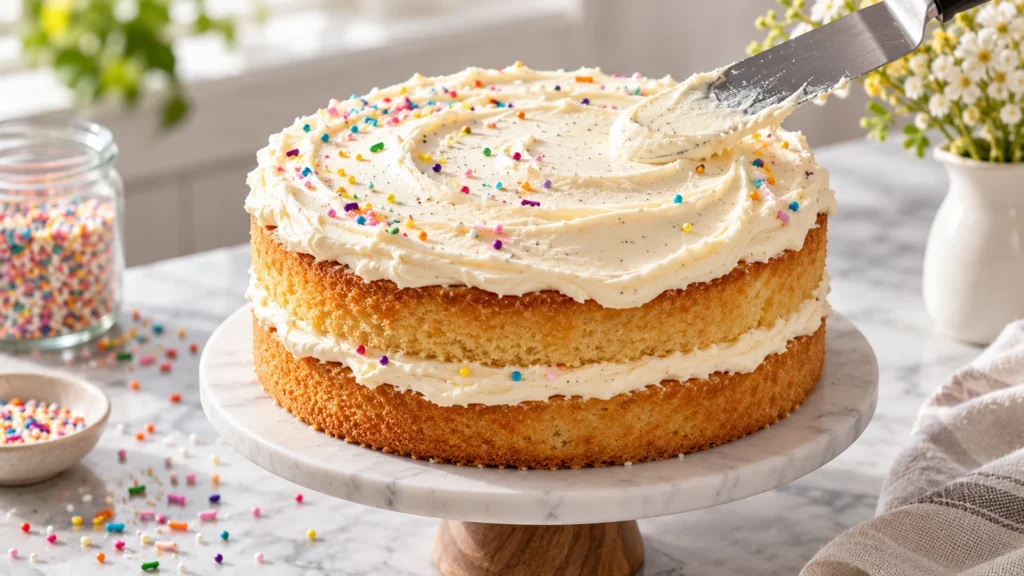
For a bakery-style finish, add powdered sugar, whipped cream, or a spoonful of vanilla frosting. A vanilla icing recipe for cake also works well, but use only a small drizzle while the cake is warm.
For a birthday-cake version, keep the optional sprinkles in the batter and add more after cooking. If you enjoy the buttery character of a vanilla pound cake recipe, choose melted butter and finish the warm cake with a small dusting of powdered sugar.
Vanilla Icing and Simple Toppings
A smooth topping supplies contrast to the warm, tender crumb. When using a vanilla icing recipe for cake, let the mug cake rest first and apply a thin amount. A thick layer can make a small serving excessively sweet and may melt down the sides of the mug.
For a lighter option, add fresh berries and a spoonful of whipped cream. Vanilla ice cream creates a hot-and-cold dessert, while powdered sugar offers the quickest finish. A spoonful of berry sauce also complements the mild vanilla flavor without changing the cake itself.
If you have icing left from a vanilla sheet cake recipe, refrigerate it according to that icing’s storage requirements and use a small portion here. Bring thick frosting closer to room temperature before spreading so it does not tear the delicate surface.
Troubleshooting Common Problems
- Dry cake: It was likely overcooked or contained too much flour. Reduce the next cooking time by 5–10 seconds and weigh the flour if possible.
- Gummy center: The dry ingredients may not have been mixed evenly, or the cake may need another 5 seconds. Rest it before adding more time.
- Rubbery texture: Overmixing or excessive cooking is usually responsible. Stir gently and stop cooking when the top is barely set.
- Overflow: Use a 10–12-ounce mug, keep the batter below the halfway point, and measure the baking powder accurately.
- Uneven rise: Stir around the bottom edge of the mug so no flour or baking powder remains trapped there.
- Dense texture: Confirm that the baking powder is fresh and avoid packing flour into the measuring spoon.
- Hard edges: The microwave time was probably too long, or the mug was unusually wide. Shorten the next cooking interval.
A perfect result should be tender rather than identical to a full oven cake. A vanilla sheet cake recipe develops its crumb gradually in the oven, while microwave energy sets this small batter rapidly. Slight surface moisture immediately after cooking is normal and often disappears during the one-minute rest.
Serving Ideas for Every Occasion
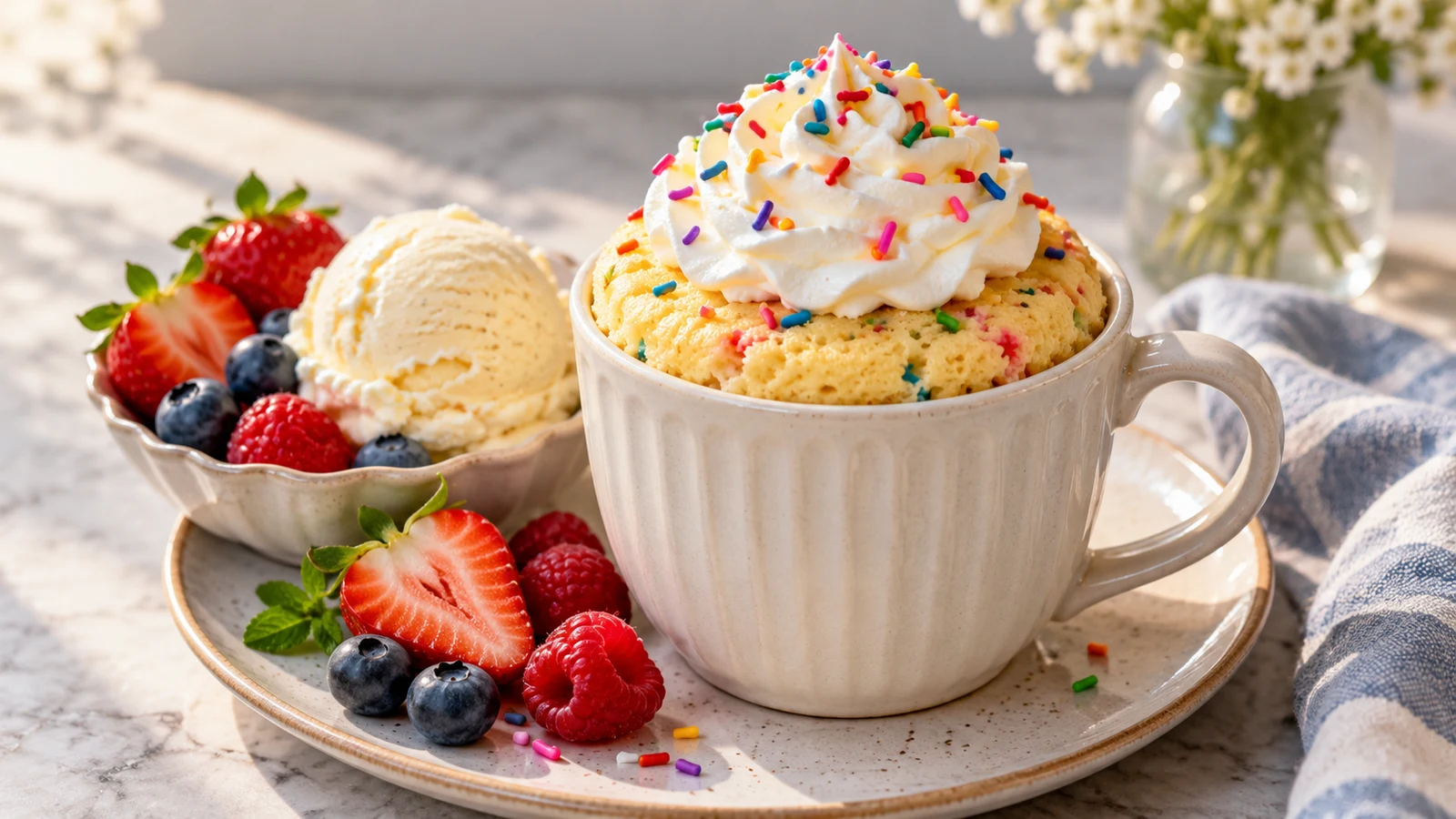
Serve this vanilla mug cake recipe directly in its mug for the easiest presentation. Set the hot mug on a small plate, add a teaspoon, and finish it with berries, sprinkles, or a light dusting of powdered sugar.
For a cozy dessert, pair it with coffee, tea, or cold milk. For a celebration, add a small scoop of ice cream and a drizzle made from your favorite vanilla icing recipe for cake. The mug retains heat, so warn children and other guests before serving.
If several people want dessert, mix and cook separate mugs so each portion receives the correct timing. For a larger gathering, a vanilla sheet cake recipe is more practical because it creates many even portions at once. The mug version is best when speed and individual customization matter.
Make-Ahead Preparation
The cooked cake is best served fresh, but the dry ingredients can be prepared ahead. Combine several individual batches and keep them clearly portioned in small airtight containers. This avoids uncertainty about how much leavener or salt is present in each future serving.
For faster future servings, you may also combine several batches of the dry ingredients in one airtight container for up to 1 month. Measure 6 tablespoons plus 3/4 teaspoon of the mixture into a mug, then add the milk, fat, and vanilla. Do not store prepared raw batter.
Label the dry mixture with the liquid quantities and microwave range so the vanilla mug cake recipe remains convenient. Store it in a cool, dry cupboard, and use clean, dry utensils to prevent moisture from entering the container.
How to Store and Reheat
Mug cake is best eaten shortly after cooking. If necessary, cool it completely, cover the mug, and refrigerate for up to 1 day. Reheat for 10–15 seconds, but expect a slightly firmer texture.
Store toppings separately whenever possible. Berries can release liquid, whipped cream can collapse, and icing can soak into the crumb during refrigeration. Add them after reheating for a fresher appearance and texture.
Freezing is not ideal for such a small cake because reheating can easily dry it out. The quick mixing method makes a fresh serving more appealing. If you regularly crave this dessert, keeping the dry mixture ready is the most useful make-ahead strategy.
Nutrition
One plain cake made with whole milk and butter contains approximately 390 calories, 6 g protein, 59 g carbohydrate, 15 g fat, and 30 g sugar. Toppings are not included, and exact values vary by brand and substitution.
Frequently Asked Questions
Can I bake this vanilla mug cake recipe without a microwave?
Yes. Transfer the batter to a greased oven-safe ramekin and bake at 350°F (175°C) for 12–16 minutes. For an air fryer, cook in an air-fryer-safe ramekin at 320°F (160°C) for 9–12 minutes. Never place a mug in either appliance unless it is specifically rated for that use.
Why does my vanilla mug cake recipe taste bitter?
Too much baking powder or an unevenly mixed pocket of leavener can cause bitterness. Use a level 1/4 teaspoon and mix the dry ingredients completely before adding liquids.
Can I add an egg?
An egg is unnecessary for this small quantity and a whole egg can make the cake spongy or rubbery. Milk and baking powder provide enough moisture and lift.
Can I double the vanilla mug cake recipe?
For reliable cooking, prepare two separate mugs rather than doubling the batter in one vessel. Microwave them individually because cooking two at once changes the required time.
How is this different from a recipe for fluffy vanilla cake?
A recipe for fluffy vanilla cake is normally designed for larger oven-baked layers and may rely on eggs, extended mixing, and a longer baking period. This mug cake uses a compact egg-free formula intended to set quickly in a microwave.
Can I use self-rising flour?
The formula is tested with all-purpose flour and a measured amount of baking powder. Self-rising flour already contains leavener and salt, so using it without recalculating those ingredients may change the flavor, rise, and texture.
Why did the cake sink after rising?
A small amount of settling is normal as steam escapes. A dramatic collapse can result from too much baking powder, an oversized amount of liquid, or an undercooked center. Measure carefully and allow the complete one-minute rest before deciding whether more cooking is needed.
Can I use a vanilla icing recipe for cake as the topping?
Yes. A vanilla icing recipe for cake makes a sweet finishing drizzle. Rest the cake for 1 minute, then apply a small amount so the icing softens without completely melting into the crumb.
Can I prepare the batter several hours ahead?
No. Once the liquids meet the baking powder, the leavening process begins. Holding the raw batter can reduce its rise and affect its texture. Prepare only the dry mixture ahead, then add the milk, fat, and vanilla immediately before cooking.
Can I remove the sprinkles?
Yes. The sprinkles are optional and do not affect the core structure of the cake. Leave them out or replace them with one of the suggested modest additions.
Related Vanilla Cake Recipes
When you need a larger dessert, try this vanilla pound cake recipe for a dense, buttery crumb. It is a good choice when you want neat slices, richer texture, and enough cake to share.
For a soft celebration cake, use the same careful measuring principles when choosing a recipe for fluffy vanilla cake. Accurate flour measurement and restrained mixing help protect a tender crumb in both microwave and oven-baked cakes.
A vanilla sheet cake recipe is better for feeding a group, while these recipes with pound cake offer convenient ideas for turning prepared cake into layered desserts.
Choose a vanilla pound cake recipe when richness and a close crumb are the priority. Choose a recipe for fluffy vanilla cake for a light celebration dessert, or a vanilla sheet cake recipe when easy slicing and generous portions matter most.
Complete Recipe Card
- Prep time: 4 minutes
- Cook time: 45–75 seconds
- Rest time: 1 minute
- Yield: 1 serving
Method: Whisk 4 tablespoons flour, 2 tablespoons sugar, 1/4 teaspoon baking powder, and a pinch of salt in a 10–12-ounce microwave-safe mug. Stir in 3 tablespoons milk, 1 tablespoon melted butter or oil, and 1/2 teaspoon vanilla until just smooth. Fold in 1 teaspoon sprinkles. Microwave on high for 45–75 seconds according to wattage, then rest for 1 minute before topping and serving.
A Quick Vanilla Dessert Worth Repeating
This vanilla mug cake recipe is at its best while warm, with a moist center and tender edges. Keep the timing conservative, allow the resting period to finish the cooking, and customize each serving with your favorite simple topping.
When you do not need the volume of a vanilla pound cake recipe or vanilla sheet cake recipe, this single portion offers the same comforting vanilla direction with far less preparation. Careful measuring and gentle mixing also deliver the tender qualities people seek in a recipe for fluffy vanilla cake.
Save your microwave’s successful cooking time and keep a portion of dry ingredients ready. With those details established, the vanilla mug cake recipe becomes a dependable five-minute dessert for quiet evenings, quick celebrations, and sudden cake cravings.
Reviews
Reader reviews are managed separately (outside this build).