Cake
carrot cake cookies recipe: The Ultimate Soft Treat
Bake this carrot cake cookies recipe for soft, chewy, spiced treats topped with cream cheese frosting, plus simple baking tips for perfect results.
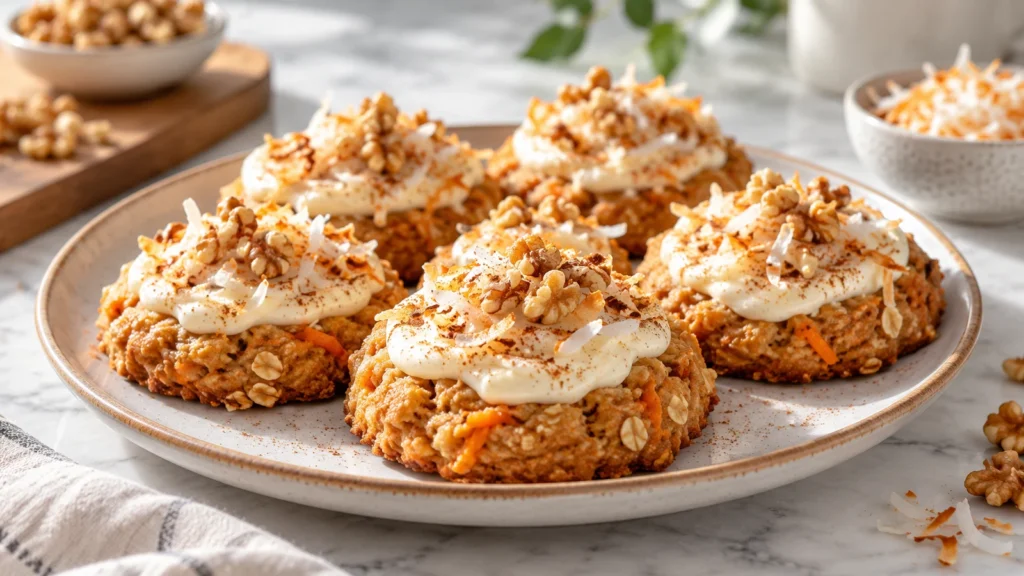
This carrot cake cookies recipe turns the familiar flavors of warmly spiced cake and cream cheese frosting into soft, chewy cookies. Fresh carrots keep each cookie tender, while careful moisture control prevents a cakey texture or excessive spreading.
The recipe makes 18 frosted cookies, or 9 generous sandwich cookies. You can also leave them plain for an easy lunch-box treat, prepare the dough ahead, or freeze the baked cookies for later. Unlike a full carrot cake recipe with cream cheese frosting, these individual portions are easy to share and require no slicing.
Table of Contents
Why You’ll Love This Carrot Cake Cookies Recipe
- Soft but sturdy: The cookies remain tender without falling apart under the frosting.
- Balanced flavor: Cinnamon, ginger, nutmeg, and brown sugar complement the carrots without making the cookies overly sweet.
- Reliable results: Chilling the dough and weighing the flour help control spread.
- Flexible serving: Enjoy them plain, frosted, or assembled as carrot cake sandwich cookies.
- Convenient portions: This carrot cake cookies recipe provides the flavor of a celebration cake in an easy handheld form.
Ingredients
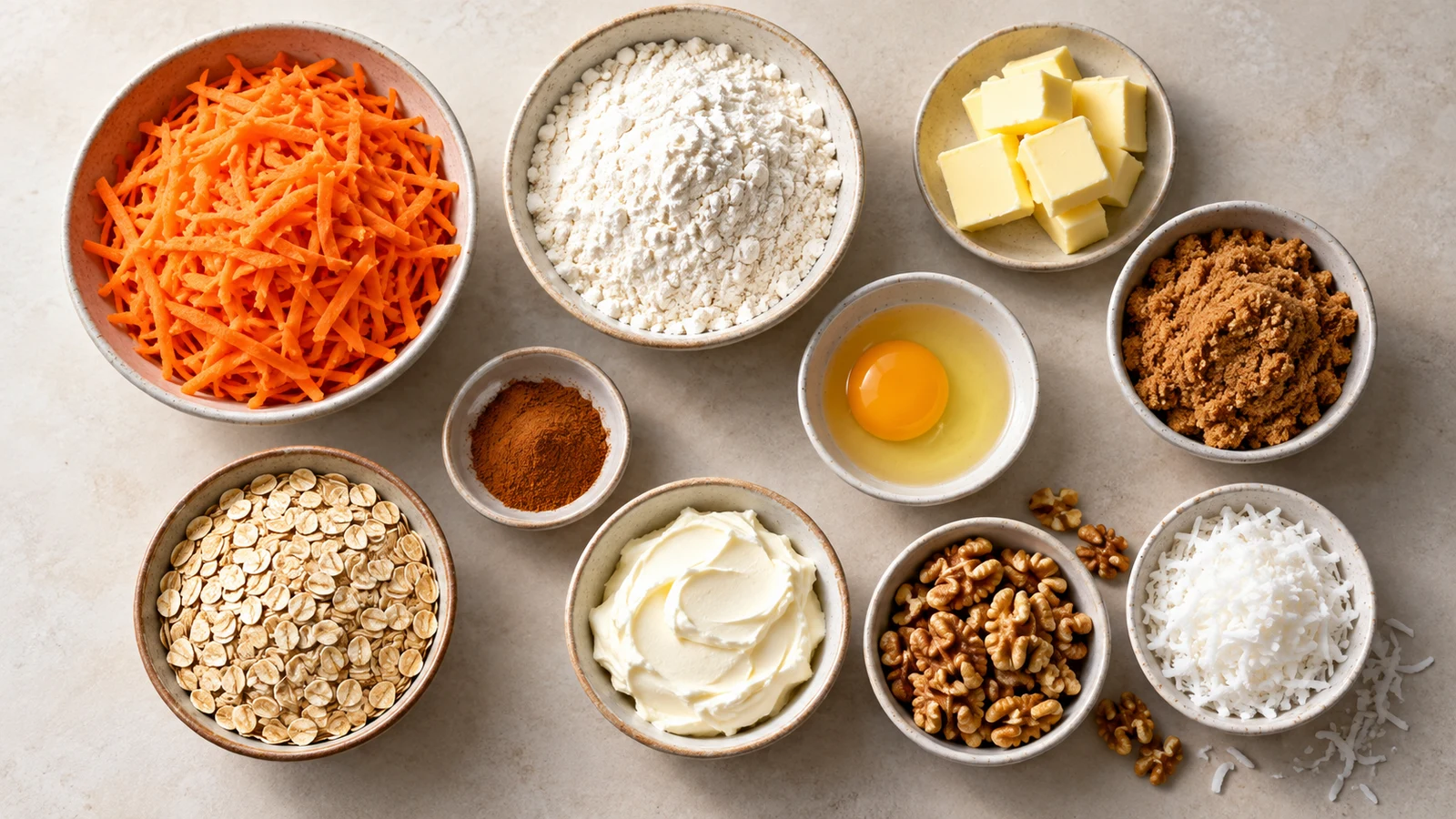
- 1 3/4 cups (210 g) all-purpose flour
- 1 teaspoon ground cinnamon
- 1/2 teaspoon ground ginger
- 1/4 teaspoon ground nutmeg
- 1/2 teaspoon baking soda
- 1/2 teaspoon fine salt
- 1/2 cup (113 g) unsalted butter, softened but still cool
- 2/3 cup (135 g) packed light brown sugar
- 1/4 cup (50 g) granulated sugar
- 1 large egg, at room temperature
- 1 teaspoon vanilla extract
- 1 cup (100 g) finely shredded carrots, lightly blotted
- 1/2 cup (55 g) chopped toasted pecans or walnuts, optional
- For the frosting: 4 ounces (113 g) block-style cream cheese, softened
- 1/4 cup (57 g) unsalted butter, softened
- 1 1/2 cups (180 g) confectioners’ sugar
- 1/2 teaspoon vanilla extract
- Pinch of fine salt
Ingredient Notes and Equipment
Use whole carrots and shred them on the small holes of a box grater; packaged matchstick carrots are too thick and dry. Block cream cheese produces a firmer frosting than spreadable tub-style cream cheese. For another nutrient-minded approach to this flavor combination, see these healthy carrot cake cookies.
You will need two baking sheets, parchment paper, mixing bowls, a hand or stand mixer, and a 1 1/2-tablespoon cookie scoop. Without a scoop, portion level tablespoons and shape them gently. A box grater works best, but a food processor fitted with a fine shredding disc is a useful alternative.
Accurate measuring matters in this carrot cake cookies recipe because both flour and carrots affect the final texture. A digital scale removes uncertainty, while an oven thermometer can confirm that the oven reaches the correct temperature before the first tray goes in.
Preparing the Carrots and Controlling Moisture
Peel and finely shred about two medium carrots, then weigh out 100 g. Spread the shreds over a clean towel or several paper towels and press lightly once or twice. They should remain moist and flexible, not squeezed dry.
Carrot moisture varies, so inspect the dough after mixing. It should be thick, slightly tacky, and easy to mound with a scoop. If it looks glossy or loose, refrigerate it for 45 minutes; do not keep adding flour unless the carrots were unusually wet.
Fine shreds disperse more evenly than coarse pieces and soften within the short baking time. This is different from preparing a carrot bundt cake recipe, where larger shreds have more time to become tender. Light blotting preserves enough moisture to keep the centers soft.
How to Make This Carrot Cake Cookies Recipe
- Combine the dry ingredients. Whisk the flour, cinnamon, ginger, nutmeg, baking soda, and salt until evenly blended.
- Cream the butter and sugars. Beat the softened butter, brown sugar, and granulated sugar for 2 minutes, until lighter and creamy. Beat in the egg and vanilla just until smooth.
- Make the spiced cookie dough. Mix the dry ingredients into the butter mixture on low speed until a few flour streaks remain. Fold in the shredded carrots and optional nuts. Avoid overmixing.
- Chill. Cover and refrigerate the dough for 30 minutes. Meanwhile, heat the oven to 350°F (175°C) and line two baking sheets with parchment.
- Portion. Scoop 1 1/2-tablespoon portions, about 30 g each, and place them 2 inches apart. Keep the mounds tall rather than flattening them.
- Bake. Bake one sheet at a time for 10 to 12 minutes. The edges should look set, while the centers appear softly puffed and no longer wet. Do not wait for deep browning.
- Cool completely. Leave the cookies on the baking sheet for 5 minutes, then transfer them to a rack. Cool for at least 30 minutes before frosting.
For the most consistent carrot cake cookies recipe, portion all the dough before baking and compare the scoops by eye. Similar-size mounds finish at the same time, preventing a tray with dry small cookies and underbaked large ones.
Making the Cream Cheese Frosting
Beat the cream cheese and butter for 1 minute, until smooth. Add the confectioners’ sugar gradually, then mix in the vanilla and salt. Beat only until creamy; prolonged beating can make cream cheese frosting runny.
Spread or pipe about 1 tablespoon onto each cooled cookie. For sandwich cookies, match similar-size cookies, pipe frosting onto the flat side of half, and top with the remaining cookies. A professional variation of the method is available in the Culinary Institute of America’s carrot cake cookie guide.
The tangy topping supplies the familiar contrast people expect from a carrot cake recipe with cream cheese frosting. If the room is warm, refrigerate the frosting briefly before piping so it holds clean swirls without becoming stiff.
Expert Tips for Consistent Cookies
- Weigh the flour: Scooping a packed cup can produce dry, overly cakey cookies. If a scale is unavailable, loosen the flour, spoon it into the cup, and level it without pressing.
- Check the butter: Use butter that yields slightly when pressed but is not greasy or partially melted. Butter that is too warm traps less air and encourages spreading.
- Chill every batch: Return waiting dough to the refrigerator if the kitchen is warm. The butter should remain cool until the cookies enter the oven.
- Test one cookie: If it overspreads, chill the dough for another 15 minutes. This small test can save an entire tray.
- Use cool baking sheets: Warm pans start melting the butter before baking begins. Let each sheet cool completely between batches.
- Watch the centers: Remove the cookies when the centers are puffed and no longer wet, even if they still look soft. Residual heat finishes them on the pan.
- Wait before frosting: Frost only completely cool cookies so the topping remains thick and neat.
These details make the carrot cake cookies recipe predictable in kitchens with different humidity levels. Visual cues are more dependable than waiting for deep color, because the brown sugar and spices already give the dough a warm appearance.
Variations and Substitutions
Oats, Nuts, and Dried Fruit
For oats, replace 1/4 cup (30 g) of the flour with 1/3 cup (30 g) old-fashioned rolled oats. Add up to 1/2 cup total of chopped nuts, raisins, or unsweetened shredded coconut. Keep the total additions within that amount so the dough remains cohesive.
Pecans offer a buttery crunch, while walnuts have a slightly earthier taste. Toast either choice before chopping to deepen its flavor. Raisins contribute chewy sweetness, but break apart any clumps before folding them into the dough.
Coconut and Pineapple Options
Unsweetened shredded coconut gives the cookies some of the texture associated with a coconut and carrot cake recipe. Toasting the coconut first adds a nutty note, while leaving it untoasted produces a softer texture.
Crushed pineapple adds considerable liquid, so drain and firmly blot it before folding in no more than 1/4 cup. When adapting the flavors of a coconut and carrot cake recipe, count pineapple, coconut, nuts, and raisins together rather than adding a full portion of each.
Frosting and Dietary Substitutions
For a carrot cake recipe with cream cheese frosting flavor in every bite, make sandwich cookies rather than topping them. Use plant-based butter and a firm dairy-free cream cheese for a dairy-free version, noting that frosting consistency varies by brand.
The recipe contains wheat, egg, and dairy, plus tree nuts if included. A measure-for-measure gluten-free flour blend may work, but texture can vary; choose certified gluten-free oats if needed. Do not replace the egg without expecting a change in spread and structure.
For a flavor reminiscent of a carrot cake cheesecake recipe, add finely grated orange zest to the frosting. The zest provides brightness without adding the extra liquid that juice would introduce.
Make-Ahead Options
The dough for this carrot cake cookies recipe can be mixed, covered tightly, and refrigerated for up to 48 hours. Longer chilling makes it firmer, so let it stand for about 10 minutes if it is difficult to scoop. Keep it cool rather than allowing it to soften completely.
For faster baking later, portion the dough before refrigerating it. Arrange the mounds in a covered container with parchment between layers. You can then move them directly to lined baking sheets while the oven preheats.
The frosting may also be prepared ahead and refrigerated in a covered container. Let it soften briefly, then stir gently until spreadable. Avoid extended beating after refrigeration because excess mixing can loosen cream cheese frosting.
Troubleshooting Common Problems
- Cakey cookies: The carrots may have been too wet, the flour may have been overmeasured, or the dough may have been overmixed. Fold only until the ingredients are combined.
- Dry cookies: Reduce the baking time and remove them when the centers have just lost their wet sheen. Confirm that the flour was measured accurately.
- Greasy dough: The butter was too warm. Chill the bowl until the dough is firm enough to scoop.
- Overspread cookies: Chill longer, use a cool pan, and confirm that the butter was not melted.
- Cookies that do not spread: Too much flour, very dry carrots, or extremely cold dough may be responsible. Let heavily chilled dough rest briefly before baking.
- Uneven baking: Portion equal-size mounds, bake one sheet at a time, and place it in the center of the oven.
- Runny frosting: Chill it for 20 minutes. If necessary, mix in confectioners’ sugar 1 tablespoon at a time.
- Frosting slides off: The cookies were probably still warm. Cool them for at least 30 minutes before decorating.
If the first tray is imperfect, adjust the temperature of the remaining dough rather than changing several ingredients. The carrot cake cookies recipe responds well to a slightly longer chill when spreading is the main concern.
Related Recipes
If you want a centerpiece dessert with the same warm spice profile, try this carrot bundt cake recipe. Its ring shape is well suited to brunches, holidays, and occasions when a single cake makes the best presentation.
For another vegetable-based bake, this sweet potato cake recipe is a cozy alternative, while this sweet potato pancake recipe brings similar flavors to breakfast. Fans of a carrot cake cheesecake recipe can add a little finely grated orange zest to the cookie frosting for a brighter cheesecake-style finish.
A carrot bundt cake recipe is ideal when you need neat slices, while cookies are more convenient for packed lunches and dessert trays. A carrot cake cheesecake recipe delivers a richer plated dessert, but these cookies are easier to transport and portion.
Serving Ideas
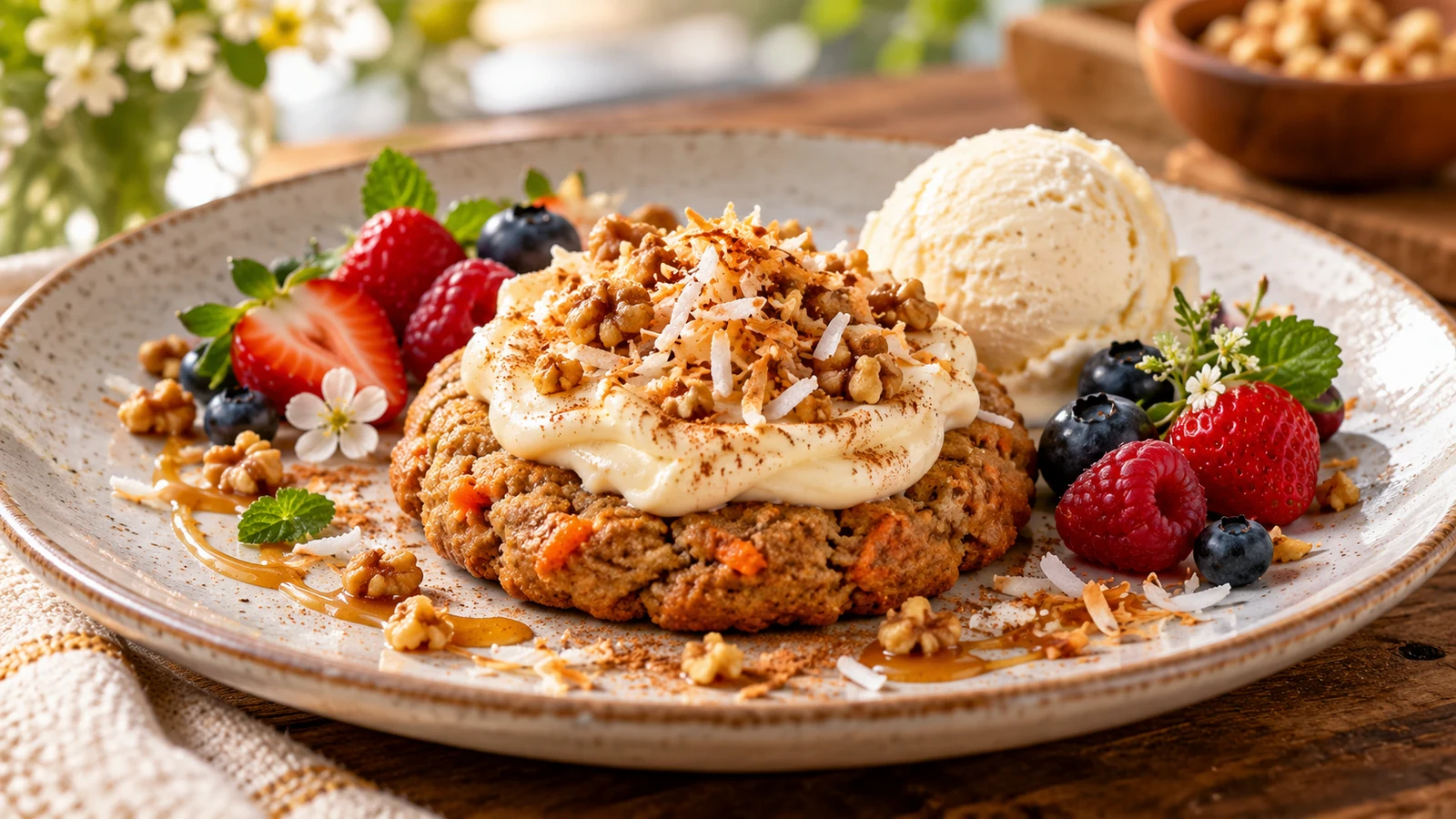
Serve the cookies with coffee, black tea, or cold milk. For a dessert platter, offer a mixture of plain cookies, frosted cookies, and smaller sandwich cookies. A light sprinkle of toasted nuts or cinnamon makes a simple garnish.
For a spring brunch, arrange the cookies beside fresh berries and fruit. At a holiday gathering, pair them with slices from a coconut and carrot cake recipe to offer guests two textures built around the same warm spices.
Sandwich cookies feel especially festive and echo the creamy richness of a carrot cake cheesecake recipe. Plain cookies are the most practical option for picnics, lunch boxes, and warm days when frosting would require refrigeration.
How to Store and Reheat
Keep unfrosted cookies in an airtight container at room temperature for up to 3 days. Refrigerate frosted cookies in a covered container for up to 5 days because cream cheese frosting is perishable; general handling principles are summarized in the USDA’s food safety guidance for perishable foods. Let chilled cookies stand at room temperature for 15 minutes before serving rather than reheating them.
Freeze unfrosted cookies for up to 3 months and thaw at room temperature. Frosted cookies can be frozen in a single layer until firm, then separated with parchment and stored for up to 1 month. You may also freeze portioned dough for 2 months; bake from frozen at 350°F (175°C), adding 2 to 3 minutes.
Label frozen portions with the date and whether they are frosted. Protecting the cookies from air is especially important because exposed edges dry out faster than the soft centers. Do not repeatedly thaw and refreeze them.
Because this carrot cake cookies recipe is designed to stay tender, reheating is unnecessary. Room-temperature resting softens chilled frosting and restores the best balance between the creamy topping and chewy cookie.
Frequently Asked Questions About This Carrot Cake Cookies Recipe
Can I make the dough ahead?
Yes. Refrigerate the covered dough for up to 48 hours. Let it sit for about 10 minutes if it becomes too firm to scoop. Portioning the dough before chilling makes later baking especially convenient.
Do I need to peel the carrots?
Peeling is recommended for the smoothest flavor and appearance. Scrubbed, unpeeled carrots are safe to use, but their outer skin can taste slightly earthy.
Why didn’t my cookies spread?
Too much flour, overly dry carrots, or very cold dough may prevent spreading. Weigh the flour and let heavily chilled dough rest briefly before portioning.
Can I omit the frosting?
Absolutely. The plain cookies are flavorful and easier to transport, and they can remain at room temperature rather than requiring refrigeration.
Can I turn this carrot cake cookies recipe into sandwich cookies?
Yes. Pair similar-size cookies and place frosting on the flat side of half before adding the tops. The recipe yields 9 generous sandwich cookies, and chilling them briefly helps the filling set.
How is this different from a carrot bundt cake recipe?
A carrot bundt cake recipe uses a pourable batter and has a longer baking time. These cookies use a thick, chilled dough, finely shredded carrots, and carefully controlled moisture to create individual chewy portions.
Does this taste like a carrot cake recipe with cream cheese frosting?
Yes. The cinnamon, ginger, nutmeg, brown sugar, fresh carrots, and tangy topping recreate the familiar profile of a carrot cake recipe with cream cheese frosting while providing the firmer structure needed for a handheld dessert.
Can I add coconut?
Yes. Unsweetened shredded coconut works well, especially if you enjoy a coconut and carrot cake recipe. Keep all nuts, raisins, and coconut to no more than 1/2 cup total so the cookies hold together.
Can I use cheesecake filling instead of frosting?
A baked cheesecake filling would change the structure and food-safety requirements. For the flavor of a carrot cake cheesecake recipe, use the provided cream cheese frosting and add finely grated orange zest without changing the liquid balance.
Why are my cookies cakey instead of chewy?
Overmeasured flour, wet carrots, overmixing, or overbaking can create a cakier result. Weigh the flour, lightly blot the carrots, stop mixing promptly, and remove the cookies when the centers are softly puffed.
Printable Recipe Card
Prep time: 25 minutes, plus 30 minutes chilling
Cook time: 10 to 12 minutes per batch
Total time: About 1 hour 20 minutes
Yield: 18 cookies or 9 sandwich cookies
Ingredients: 210 g flour; 1 teaspoon cinnamon; 1/2 teaspoon ginger; 1/4 teaspoon nutmeg; 1/2 teaspoon each baking soda and salt; 113 g butter; 135 g brown sugar; 50 g granulated sugar; 1 egg; 1 teaspoon vanilla; 100 g finely shredded, lightly blotted carrots; and optional 55 g nuts. For the frosting, use 113 g cream cheese, 57 g butter, 180 g confectioners’ sugar, 1/2 teaspoon vanilla, and a pinch of salt.
- Whisk the dry ingredients.
- Beat the butter and sugars for 2 minutes; add the egg and vanilla.
- Mix in the dry ingredients, carrots, and optional nuts. Chill for 30 minutes.
- Scoop 30 g portions onto lined pans and bake at 350°F (175°C) for 10 to 12 minutes.
- Cool for 5 minutes on the pan, then cool completely on a rack.
- Beat the frosting ingredients until smooth and frost the cooled cookies.
Nutrition: Approximately 225 calories per frosted cookie, with 3 g protein, 31 g carbohydrate, 10 g fat, and 150 mg sodium. Values are estimates and vary with brands and optional additions.
Notes: Finely grate and lightly blot the carrots, weigh the flour, and keep the dough cool for dependable spread prevention. Refrigerate cookies once frosted.
Final Thoughts
This carrot cake cookies recipe delivers warm spice, fresh carrot flavor, and a creamy finish in an easy handheld dessert. Follow the visual doneness cues and cooling time, then choose the plain, frosted, or sandwich version that best suits the occasion.
Whether you usually prefer a carrot bundt cake recipe, a carrot cake cheesecake recipe, or a classic carrot cake recipe with cream cheese frosting, these cookies offer the same comforting flavor in convenient portions. Add restrained coconut for a nod to a coconut and carrot cake recipe, or keep the original version simple and let the carrots and spices shine.
Reviews
Reader reviews are managed separately (outside this build).