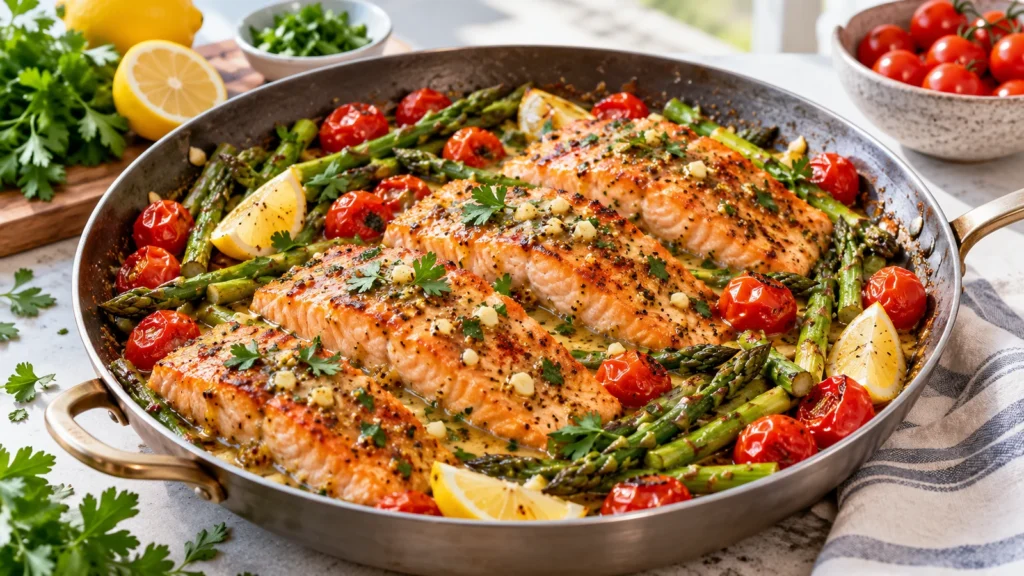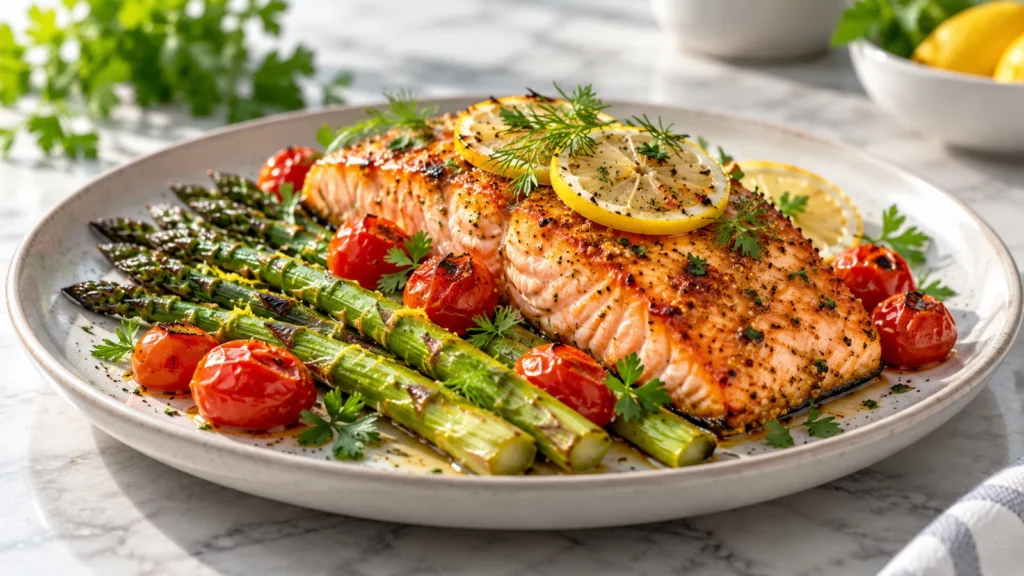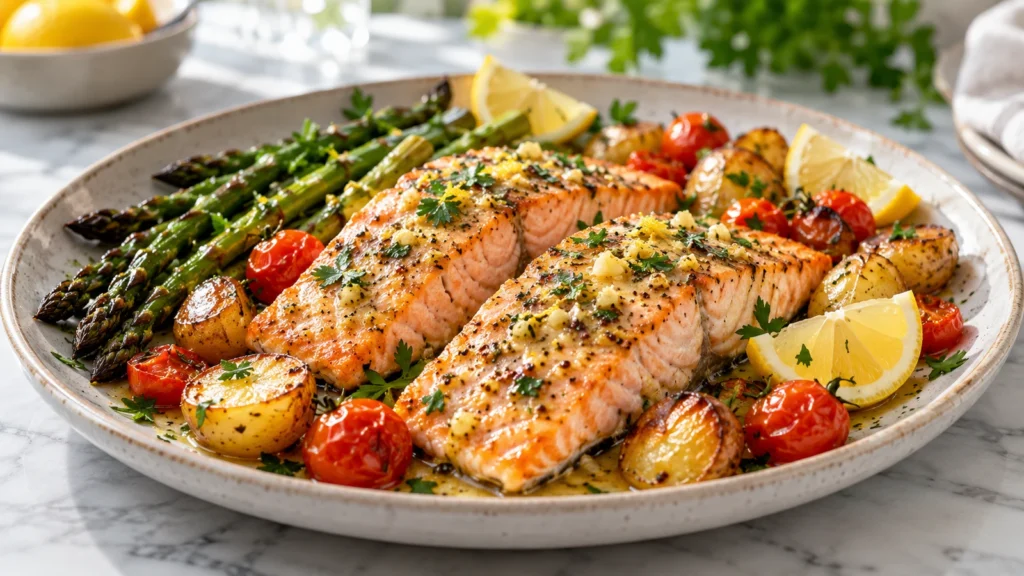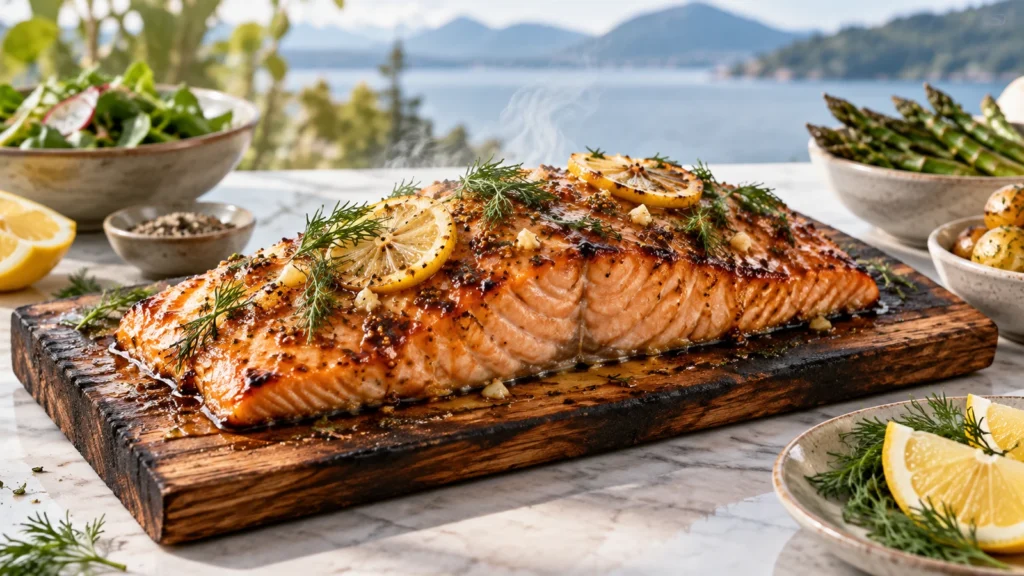
Salmon
Delicious baked salmon recipe brown sugar: Glaze Secret
Try this easy baked salmon recipe brown sugar glaze with Dijon, soy, garlic, and lemon—perfect at 400°F for a flavorful weeknight dinner in minutes.
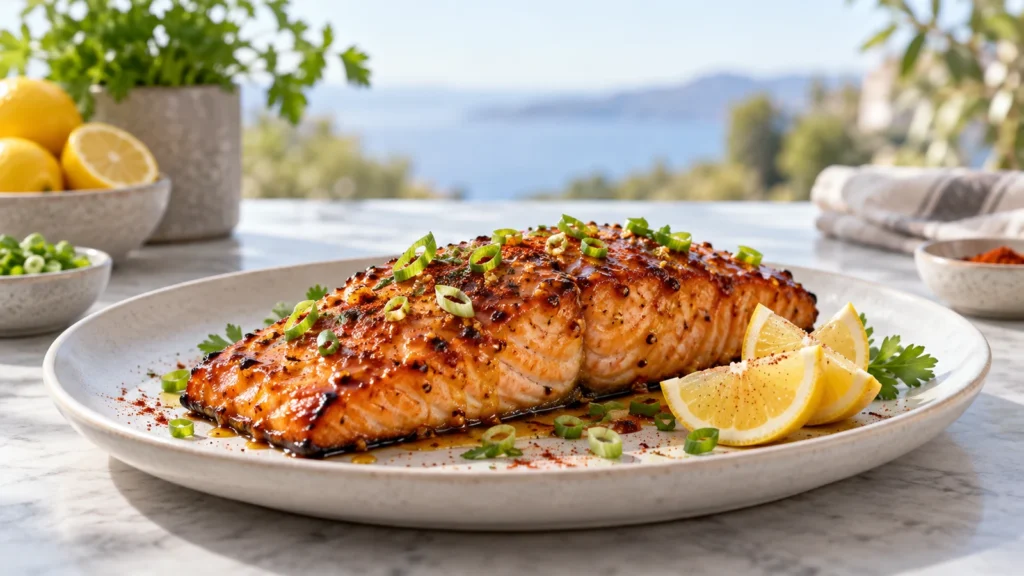
This baked salmon recipe brown sugar glaze delivers tender, flaky fish with a savory-sweet finish in about 25 minutes. Dijon mustard, soy sauce, garlic, lemon, and smoked paprika balance the caramel flavor, while a short bake at 400°F (204°C) keeps the salmon moist.
The method works for individual portions or a whole side of salmon. Clear thickness-based timing, doneness cues, and glaze tips make this baked salmon recipe brown sugar method dependable enough for a weeknight dinner yet polished enough for guests.
Table of Contents
Why You’ll Love This Recipe
- Fast: Preparation takes about 10 minutes, and most fillets bake in 10 to 14 minutes.
- Balanced: Brown sugar adds caramel notes without making the fish overly sweet.
- Flexible: Use skin-on or skinless fillets and adjust the glaze for your dietary needs.
- Simple cleanup: A foil- or parchment-lined pan keeps the sticky glaze contained.
- Reliable: The thickness guide makes it easier to cook portions and whole sides without guesswork.
Ingredients
- 4 salmon fillets, 6 ounces (170 g) each, about 1 inch thick
- 3 tablespoons packed light brown sugar
- 1 tablespoon Dijon mustard
- 1 tablespoon reduced-sodium soy sauce
- 1 tablespoon olive oil
- 2 garlic cloves, finely grated or minced
- 1 teaspoon smoked paprika
- 1 tablespoon fresh lemon juice
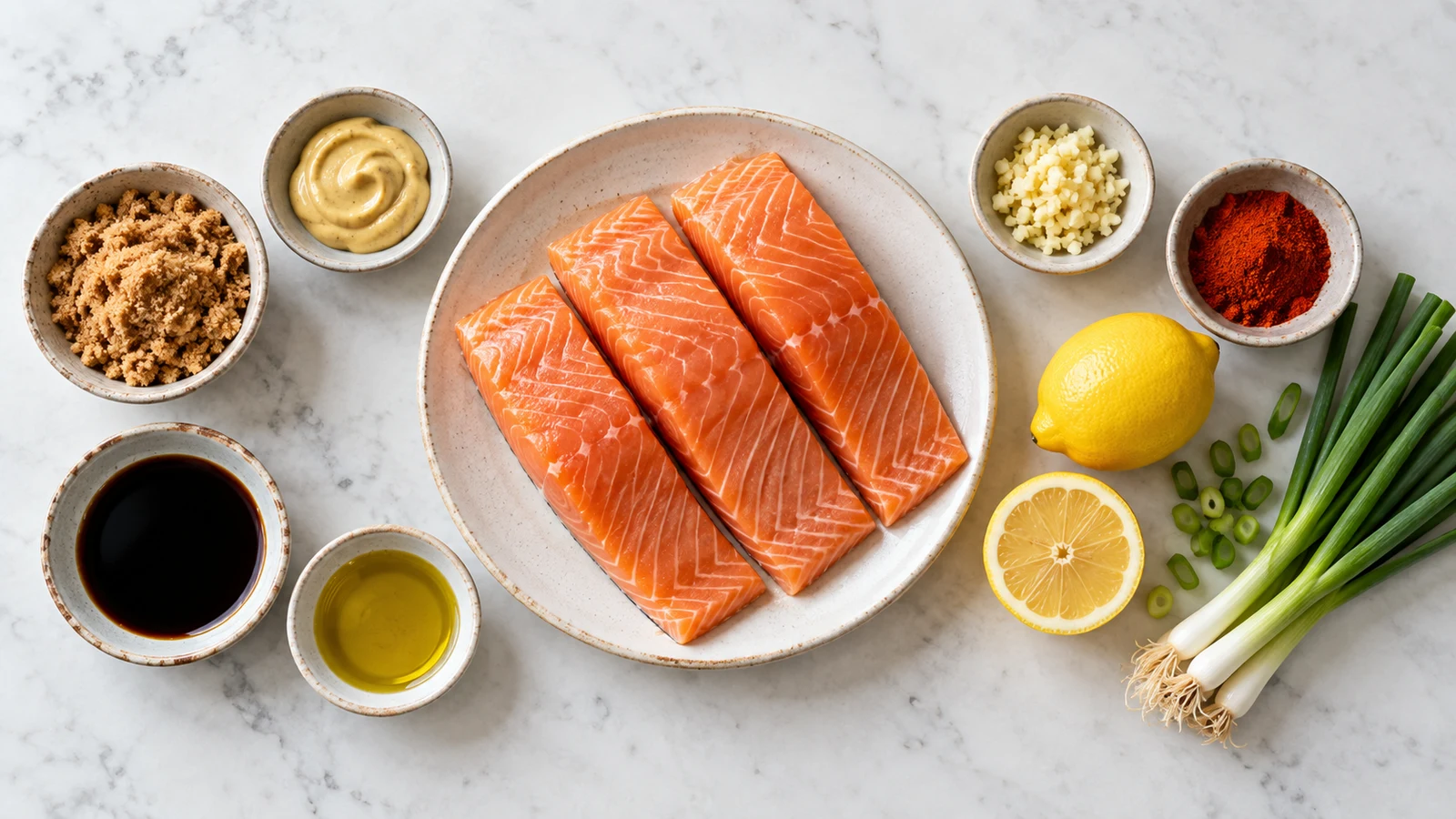
For serving, have sliced scallions and lemon wedges ready. Roasted green beans and steamed rice make an easy, complete meal without competing with the sweet and savory glaze.
Choosing the Best Salmon
Look for moist, firm salmon with an even color and a clean, mild aroma. Center-cut fillets of similar thickness cook most evenly. Skin-on fillets are especially forgiving because the skin helps shield the flesh from direct pan heat, although skinless salmon works well too.
Atlantic salmon is rich and remains juicy during baking. Wild sockeye is leaner and usually thinner, so it cooks more quickly. The detailed baked sockeye salmon recipe offers additional guidance for that variety.
When adapting this into a baked sockeye salmon recipe, choose evenly sized portions and begin checking them before thicker Atlantic salmon would be ready. Sockeye’s deeper color and lean texture are delicious with brown sugar, but leaving it in the oven for even a few extra minutes can make it dry.
Preparing the Brown Sugar Glaze
Whisk the brown sugar, Dijon, soy sauce, olive oil, garlic, smoked paprika, and lemon juice until the mixture resembles a thick, spoonable paste. Let it stand for two minutes so the sugar begins to dissolve.
The glaze can be prepared up to three days ahead and refrigerated in a sealed container. Bring it to room temperature and stir well before using. Do not reuse glaze that has touched raw fish; follow the FDA’s safe food-handling guidance to prevent cross-contamination.
Consistency matters in a baked salmon recipe brown sugar glaze. It should spread without running straight off the fish. If cold olive oil makes the mixture look firm, let it stand briefly at room temperature and whisk again rather than changing the ingredient quantities.
How to Make Baked Salmon Recipe Brown Sugar Glaze
- Heat the oven: Preheat to 400°F (204°C). Line a rimmed baking sheet with parchment or foil lightly brushed with oil.
- Prepare the salmon: Pat the fillets thoroughly dry. Place them skin-side down, leaving at least 1 inch between portions.
- Add the glaze: Spoon the mixture over the top and sides of each fillet. Keep most of it on the flesh rather than allowing it to pool on the pan.
- Bake: Cook until the center is nearly at the desired temperature, using the timing guide below. Begin checking early rather than relying only on the clock.
- Finish: For deeper caramelization, broil for 30 to 60 seconds while watching continuously. Remove the fish immediately if the glaze darkens rapidly.
- Rest and serve: Rest for three minutes, then garnish with scallions and serve with lemon wedges.
Temperature and Thickness Timing Guide
- 3/4-inch fillets: Bake for 8 to 10 minutes.
- 1-inch fillets: Bake for 10 to 14 minutes.
- 1 1/2-inch fillets: Bake for 14 to 18 minutes.
- Whole side, 1 to 1 1/2 inches thick: Bake for 18 to 25 minutes, checking the thickest section.
Ovens and fillets vary, so temperature is more reliable than time. The center should separate into moist flakes under gentle pressure, look mostly opaque, and retain a slight translucence at its thickest point. For a conservative food-safety target, cook fish to 145°F (63°C); carryover heat may raise the temperature a few degrees while it rests.
Insert an instant-read thermometer horizontally into the thickest section so the probe reaches the center. Avoid pushing it against the pan, which can produce a misleading reading. If the portions differ in thickness, remove each one as it finishes instead of waiting for every piece at once.
Expert Tips for Baked Salmon Recipe Brown Sugar
- Dry the surface: Moisture prevents the glaze from clinging and dilutes its flavor. Blot the top, sides, and skin thoroughly with paper towels.
- Use an even layer: Spread the glaze to the edges, but do not pile it too thickly in the center. An even coat caramelizes more consistently.
- Protect the pan: Use parchment for easy release. Foil offers better protection under a broiler but should be lightly oiled to prevent sticking.
- Measure first: Check thickness at the thickest point and test doneness two minutes before the suggested minimum.
- Control scorching: Keep excess glaze away from bare areas of the pan, where exposed sugar can burn before the salmon is cooked.
- Manage a whole side: Fold the thin tail end underneath so it does not overcook while the thicker center finishes.
- Watch lean fish: For a baked sockeye salmon recipe, bake thin portions for about 7 to 10 minutes and skip or shorten broiling.
How to Get Better Caramelization
Place the salmon in the center of the oven for the main cooking period. If the surface still looks pale when the center is nearly done, switch to broil for only 30 to 60 seconds. Stay beside the oven because brown sugar can change from bubbling to scorched very quickly.
A rimmed metal sheet pan promotes more responsive browning than a heavy glass dish. For this baked salmon recipe brown sugar finish, keep the glaze on the fish rather than spreading it over the liner, and avoid opening the oven repeatedly during the main bake.
How to Keep Salmon Moist
Uniform thickness, early temperature checks, and the three-minute rest are more important than adding extra oil. Salmon continues cooking after it leaves the oven, so remove it when it is nearly at your preferred doneness. Cut into the fish only after resting because an early cut releases flavorful juices.
Variations and Substitutions
Use coconut aminos or reduced-sodium tamari in place of soy sauce. Dark brown sugar gives a stronger molasses note, while maple syrup works but creates a thinner glaze; reduce the lemon juice to two teaspoons if using it.
Regular paprika can replace smoked paprika. For extra heat, add a pinch of cayenne or one teaspoon of sriracha. These changes preserve the basic baked salmon recipe brown sugar technique while letting you adjust the smoky, spicy, or savory notes.
Creamy Mayonnaise Variation
A mayonnaise baked salmon recipe has a richer, creamy topping rather than this sticky glaze. Try this mayonnaise-topped salmon variation when you want that style.
Choose the mayonnaise baked salmon recipe for a mellow topping that insulates the fish, or use the brown sugar glaze when you prefer caramelized edges and a sharper Dijon finish. Both methods work well for a family dinner, but their textures and flavors are distinct.
Herb-Forward Variation
For a fresher profile, compare the method with the baked salmon recipe Jamie Oliver style. A baked salmon recipe Jamie Oliver approach places greater emphasis on herbs and bright aromatics, while this version leads with a glossy sweet-savory glaze.
Party-Style Salmon and Rice
A sushi bake recipe salmon casserole is a different preparation built for sharing. It layers seasoned rice and a creamy salmon mixture rather than glazing individual fillets. Choose a sushi bake recipe salmon dish for a scoopable party meal and this recipe when you want intact portions with caramelized tops.
Serving Ideas for a Complete Meal
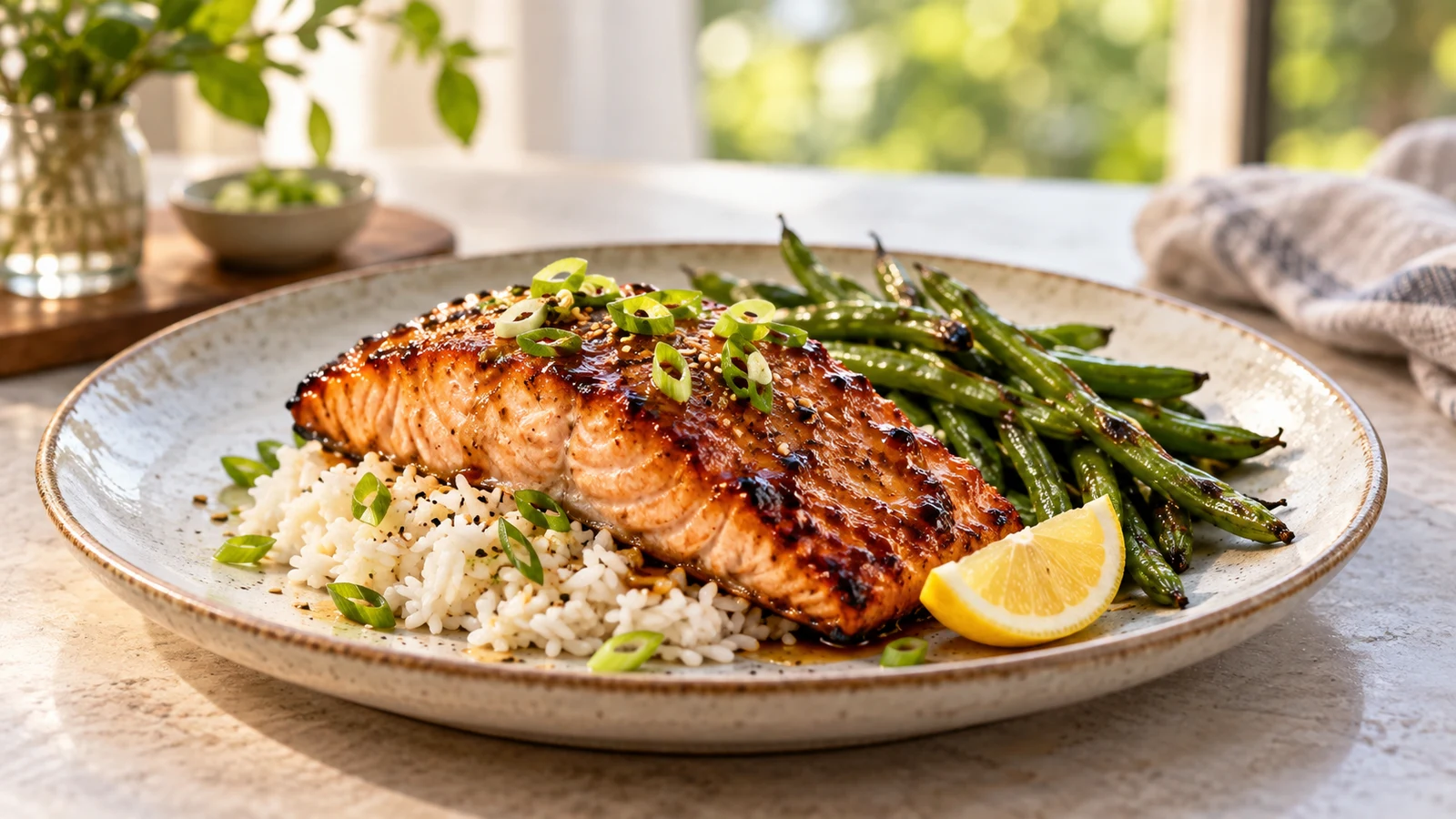
Serve the salmon over rice to catch the glaze, with roasted green beans, asparagus, broccoli, or a crisp cucumber salad. Quinoa or cauliflower rice also works well. For portion planning and nutrient comparisons, the USDA’s FoodData Central information explains how its food data can be searched and used.
Easy Weeknight Pairings
Steamed jasmine rice and quickly roasted green beans keep the meal simple. Start the rice first, place the vegetables in the oven while it preheats, and add the salmon when the vegetables are partly cooked. A squeeze of lemon ties the plate together without adding another sauce.
Serving Guests
Bake a whole side and transfer it carefully to a platter, keeping the glazed surface intact. Arrange lemon wedges and sliced scallions around it just before serving. Rice pilaf, roasted asparagus, and a crisp green salad complement the baked salmon recipe brown sugar glaze without overwhelming it.
Using Leftovers in Another Meal
Flake chilled salmon over greens, tuck it into a grain bowl, or serve it with cucumber and rice. If you enjoy the flavors of a sushi bake recipe salmon casserole, combine leftover flakes with warm seasoned rice and crisp vegetables, but keep the stored fish cold until you are ready to assemble the meal.
Make-Ahead Plan
Mix the glaze up to three days ahead and keep it covered in the refrigerator. You can also slice the scallions, cut the lemon wedges, and prepare a cold side dish one day ahead. Keeping these components separate makes final assembly quick while protecting the salmon’s texture.
On the day of cooking, arrange the cold fillets on the lined pan while the oven preheats. Pat them dry and apply the glaze shortly before baking. Do not leave glazed raw salmon sitting for hours because the soy sauce can draw moisture from the flesh and make the topping watery.
If you are serving a crowd, portion the salmon and mix the glaze in advance, then refrigerate them separately. Apply the glaze just before the pan enters the oven. This make-ahead approach gives the baked salmon recipe brown sugar topping the best chance to cling and caramelize.
How to Store, Freeze, and Reheat
Refrigerate cooled salmon in a shallow airtight container within two hours and use it within three days. Keep perishable food out of the 40°F to 140°F range described in the USDA’s food safety danger-zone guidance.
Reheat covered in a 275°F (135°C) oven for 10 to 15 minutes, adding a teaspoon of water or lemon juice to the container. Alternatively, microwave at 50 percent power in 30-second intervals. Gentle heat prevents the salmon from drying out.
Freeze cooked portions in airtight wrapping for up to two months. Thaw overnight in the refrigerator before reheating. The texture will be slightly softer, so thawed salmon is particularly good in rice bowls or salads.
Best Way to Pack Leftovers
Store the salmon separately from rice, vegetables, and wet dressings. Separate containers let you reheat each component appropriately and keep vegetables from becoming soft. If stacking portions, place parchment between them so the baked salmon recipe brown sugar glaze stays on the fish instead of sticking to another piece.
Can You Freeze the Uncooked Glazed Salmon?
For the best result, freeze plain salmon and prepare the glaze separately after thawing. Freezing the fish beneath the topping can introduce moisture that thins the glaze. Thaw frozen salmon completely in the refrigerator, dry it carefully, and then continue with the recipe.
Troubleshooting Common Problems
- Watery glaze: The salmon was likely damp or released excess moisture. Pat it dry and avoid overcrowding the pan.
- Sticking: Use parchment or oil the foil, and let the cooked fish rest briefly before lifting it with a thin spatula.
- Burnt sugar: Move the pan farther from the broiler and stop broiling as soon as bubbles appear across the glaze.
- Dry salmon: Check early with an instant-read thermometer, especially when cooking sockeye or thin tail pieces.
- Uneven cooking: Select fillets of similar thickness or remove thinner pieces from the oven as soon as they are done.
- Glaze sliding off: Dry the fish thoroughly and spread the mixture over the flesh immediately before baking.
Why Is White Protein Appearing on the Salmon?
The white substance is albumin, a protein that becomes visible as salmon cooks. It is harmless, though a large amount may indicate that the fish heated too aggressively or cooked too long. Using moderate oven heat and checking early can reduce its appearance.
What If the Center Is Still Undercooked?
Return the salmon to the oven and check it in one- or two-minute intervals. Cover loosely if the glaze is already dark enough. Short intervals help the center finish without burning the sugar or drying the thinner edges.
Why Does the Glaze Taste Too Strong?
Accurate measuring keeps the sweet, salty, tangy, and smoky elements balanced. Use reduced-sodium soy sauce as listed, level the brown sugar, and measure the lemon juice. Serve with plain rice or vegetables if you want a gentler overall plate.
Frequently Asked Questions
Can I bake the salmon without the skin?
Yes. Place skinless fillets on oiled parchment and handle them gently with a wide spatula. Start checking one or two minutes early because they have less protection from the hot pan.
Can I prepare baked salmon recipe brown sugar in advance?
Make the glaze ahead, but apply it shortly before baking. Salt in the soy sauce can draw moisture from the fish if the glazed fillets sit for hours. Prepare the sides and garnishes in advance, then bake the salmon close to serving time.
Why is my glaze not caramelizing?
The fish may be finished before the glaze browns. Broil it briefly, watching constantly, or place the oven rack slightly higher during the final minute. Do not extend the regular baking time solely to darken the topping because that can dry out the salmon.
Can I use frozen salmon?
Yes, but thaw it completely in the refrigerator and pat it very dry. Partially frozen fish cooks unevenly and releases water that dilutes the glaze.
Can I turn this into a baked sockeye salmon recipe?
Yes. The same glaze complements sockeye, but its leaner, thinner fillets generally cook faster. Begin checking after about seven minutes, avoid prolonged broiling, and remove individual portions as soon as they are ready.
How is this different from a mayonnaise baked salmon recipe?
The brown sugar version creates a sticky, caramelized surface with Dijon and soy sauce. A mayonnaise baked salmon recipe produces a creamy, insulating topping with a milder finish. The choice depends on whether you prefer glossy caramelization or a rich, soft coating.
Is this the same as a baked salmon recipe Jamie Oliver style?
No. This recipe uses a defined brown sugar, Dijon, soy, garlic, paprika, and lemon glaze. A baked salmon recipe Jamie Oliver style generally suggests a different herb-forward direction, so use the linked version when that is the flavor profile you want.
Can I use this salmon in a sushi bake recipe salmon casserole?
You can flake cooked leftovers into rice-based meals, but this glazed fillet recipe is not the same dish. A sushi bake recipe salmon casserole typically uses a creamy mixture over seasoned rice and is baked for sharing. The sweet glaze here will also give leftovers a more pronounced caramel flavor.
Do I need to broil the salmon?
No. Broiling is optional and only deepens the color of the glaze. Skip it when the topping is already caramelized, when cooking thin sockeye, or whenever the salmon reaches the desired doneness before the surface needs additional browning.
Can I cook a whole side instead of fillets?
Yes. Bake a 1- to 1 1/2-inch-thick side for 18 to 25 minutes, checking the thickest section. Fold the thin tail underneath and spread the glaze evenly. Rest the side for three minutes before portioning it for serving.
What pan is best for this recipe?
A rimmed metal baking sheet lined with parchment or lightly oiled foil works best. The rim contains any juices, and the broad surface allows air to circulate around separate portions. Avoid a pan so large that exposed pools of glaze scorch far from the fish.
Related Salmon Recipes
Use the baked sockeye salmon recipe when cooking the lean wild variety, or choose the mayonnaise baked salmon recipe when you want a creamy topping. For an herb-forward alternative, the baked salmon recipe Jamie Oliver style offers another direction. A sushi bake recipe salmon casserole is ideal when you need a shareable rice-based dish.
Printable Recipe Card
Brown Sugar Glazed Baked Salmon
Prep time: 10 minutes
Cook time: 10 to 14 minutes
Total time: 20 to 24 minutes
Servings: 4
Ingredients: Four 6-ounce salmon fillets; 3 tablespoons brown sugar; 1 tablespoon each Dijon mustard, reduced-sodium soy sauce, olive oil, and lemon juice; 2 minced garlic cloves; and 1 teaspoon smoked paprika.
Instructions: Heat the oven to 400°F (204°C). Pat the salmon dry and arrange it on a lined pan. Mix the remaining ingredients, spread the glaze over the fish, and bake for 10 to 14 minutes for 1-inch fillets. Broil for up to 60 seconds if desired, then rest for three minutes before serving.
Final Tips for Success
This baked salmon recipe brown sugar method is quick enough for busy evenings and easy to adapt to the fish you have. Dry the surface well, spread the glaze evenly, and judge cooking time by thickness rather than appearance alone.
Begin checking early, use the center of the thickest portion as your guide, and let the salmon rest for three minutes. Those simple habits produce moist flakes and a glossy caramelized finish without complicating dinner.
Reviews
Reader reviews are managed separately (outside this build).