Cake
Easy Chocolate Icing Recipe for Cake
Discover a smooth chocolate icing recipe for cake with pantry staples, plus easy tips for spreading, piping, drizzling, storage, and full coverage.
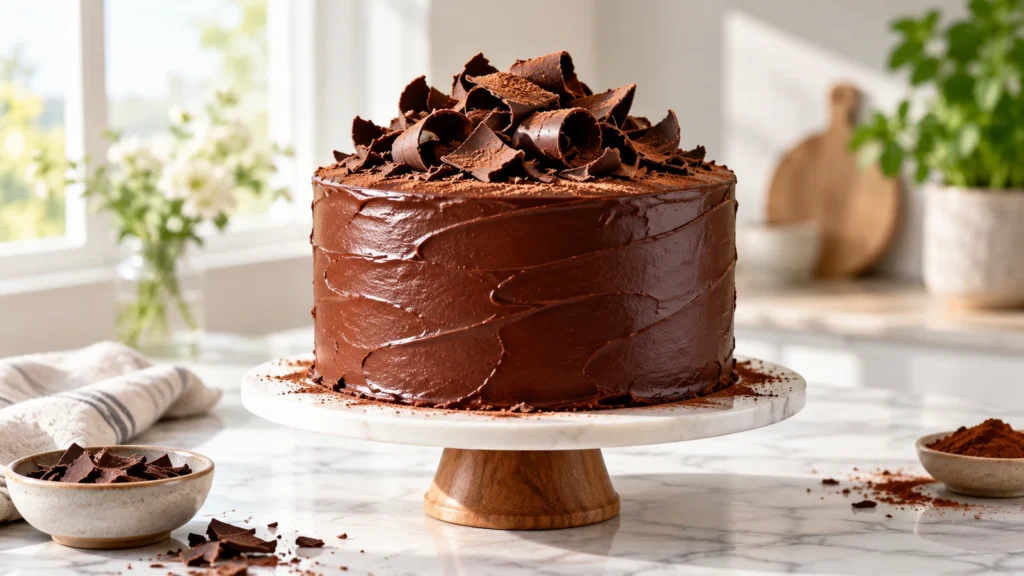
This chocolate icing recipe for cake makes a smooth, cocoa-rich topping with simple pantry ingredients in about 10 minutes. It is easy to adjust for spreading, piping, or drizzling, so the same dependable recipe works for cupcakes, sheet cakes, Bundt cakes, and layer cakes.
The icing has a creamy texture and balanced chocolate flavor without requiring melted chocolate or complicated equipment. Whether you are finishing a chocolate pound cake recipe or preparing a quick birthday cake, you can tailor the consistency one teaspoon at a time. For quick access, jump to the printable recipe card near the end, where you will find both volume and weight measurements.
Table of Contents
Why You’ll Love This Chocolate Icing Recipe for Cake
- Fast: The icing is ready in approximately 10 minutes.
- Flexible: Small liquid adjustments transform it from thick chocolate frosting to a pourable chocolate glaze.
- Reliable: Visual cues make it easy to recognize the correct icing consistency.
- Simple: It uses cocoa powder instead of melted chocolate.
- Versatile: One batch provides practical cake coverage for several pan sizes.
This chocolate icing recipe for cake is also useful when one dessert needs several finishes. Keep part of the batch thick for borders, use the standard consistency between layers, and thin the remainder for decorative drips.
Ingredients
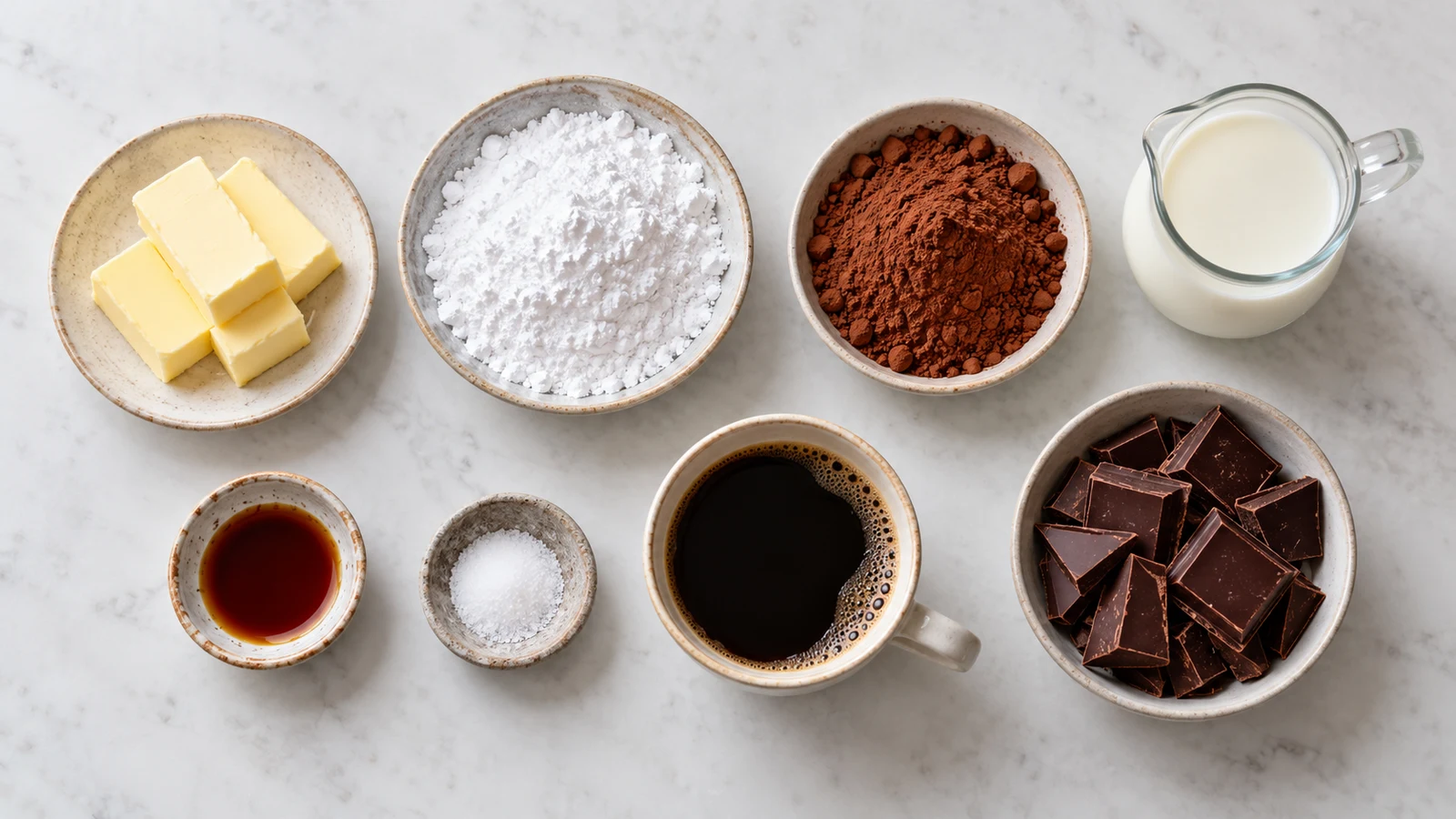
- 1/2 cup (113 g) unsalted butter: Use softened, cool room-temperature butter. It should indent when pressed but should not look shiny or melted.
- 2/3 cup (57 g) unsweetened cocoa powder: Natural cocoa gives a bright, classic flavor; Dutch-process cocoa creates a darker color and smoother taste.
- 3 cups (360 g) powdered sugar: Also called confectioners’ sugar, it sweetens and thickens the icing.
- 1/3 cup (80 ml) whole milk: Room-temperature milk blends more readily and reduces the chance of splitting.
- 2 teaspoons vanilla extract: Vanilla rounds out the cocoa flavor.
- 1/4 teaspoon fine salt: Salt balances sweetness and prevents a flat-tasting finish.
Choosing Cocoa Powder and Butter
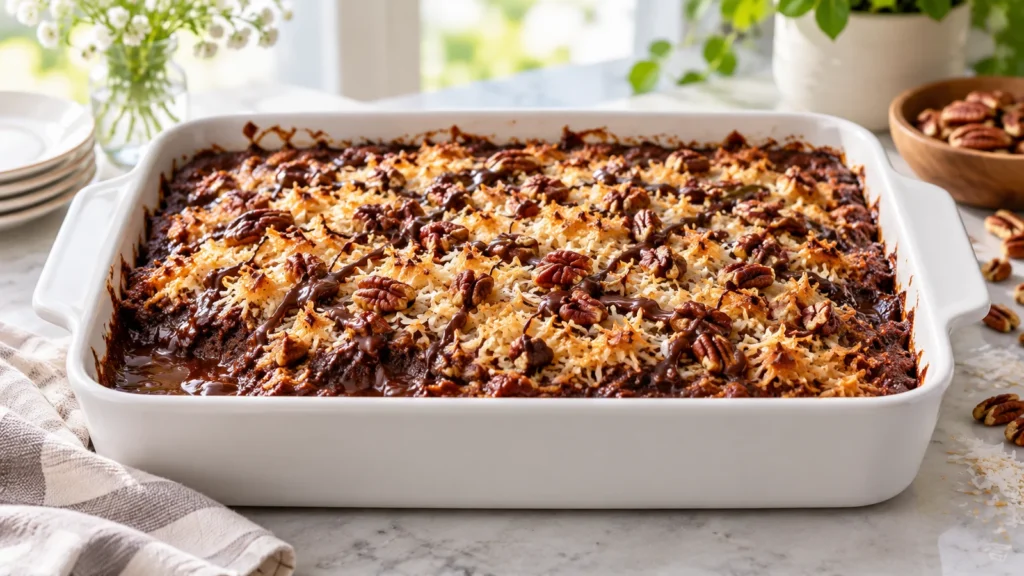
Natural and Dutch-process cocoa both work because this icing does not rely on a leavening reaction. Natural cocoa tastes lively and familiar, while Dutch-process cocoa produces a deeper color and mellower finish. For a baker’s german chocolate cake recipe, natural cocoa can provide a pleasant contrast to the rich coconut-pecan component.
Butter controls both flavor and structure. It should be soft enough to beat smoothly but cool enough to hold its shape. If a fingertip leaves an indentation without sinking through the butter, it is usually ready. This temperature matters when the chocolate icing recipe for cake will be piped or used between layers.
Equipment
- Large mixing bowl
- Electric hand mixer or stand mixer
- Fine-mesh sieve
- Measuring cups, spoons, or a digital kitchen scale
- Flexible spatula or offset spatula
- Piping bag and tip, if piping
A digital scale gives the most repeatable results, particularly for powdered sugar and cocoa. If using cups, spoon each dry ingredient into its measuring cup and level the top rather than compressing it.
How to Make Chocolate Icing for Cake
- Prepare the ingredients. Let the butter and milk reach cool room temperature. Sift the cocoa powder and powdered sugar separately to remove lumps.
- Beat the butter. Mix the softened butter for 1 to 2 minutes on medium speed, until creamy and slightly lighter in color. Do not use melted butter.
- Add the cocoa. Beat in the cocoa powder and salt on low speed. Scrape the bowl, then mix until the butter is evenly chocolate-colored.
- Add sugar and milk gradually. Alternate the powdered sugar with small additions of milk, mixing on low to prevent a sugar cloud. Reserve 1 tablespoon of the milk until you check the texture.
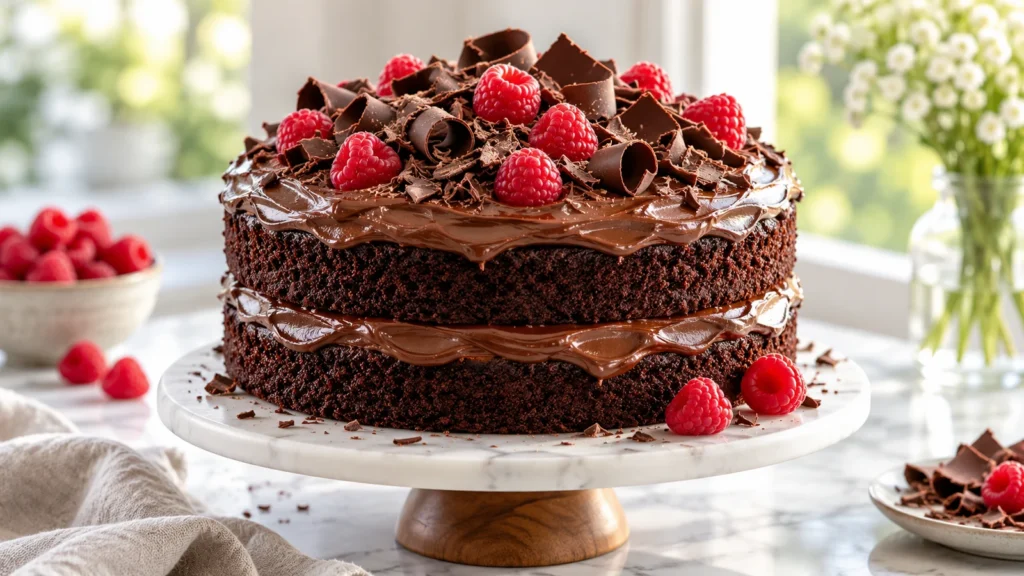
- Finish the icing. Add the vanilla and beat on medium speed for 1 to 2 minutes. The finished homemade chocolate frosting should look smooth, hold soft peaks, and glide from a spatula without running.
- Adjust and use. Add reserved milk 1 teaspoon at a time if the icing is too firm. Spread it only on a completely cooled cake; warmth can melt the butter and make the icing slide.
Stop once the texture is smooth and airy. Excessive beating can warm the butter and add large air bubbles that make a polished finish harder to achieve. For another useful cocoa-based benchmark, compare the proportions in Hershey’s chocolate frosting recipe.
Expert Tips for the Best Results
- Sift both dry ingredients: This is the simplest way to prevent grainy icing and stubborn cocoa pockets.
- Begin at low speed: Wait until the sugar is incorporated before increasing the mixer speed.
- Match ingredient temperatures: Room-temperature milk combines readily, while cool-soft butter preserves structure.
- Scrape the bowl: Check the base and sides after every major addition so no pale butter remains hidden.
- Add liquid slowly: A teaspoon can noticeably change icing consistency near the end.
- Cool the cake fully: Allow at least 1 hour after removing it from the pan, and wait longer if the center feels warm.
- Remove large bubbles: Stir the finished icing slowly by hand with a flexible spatula before spreading.
- Apply a crumb coat: Use a thin first layer, chill until firm, and add the final coat for cleaner sides.
For the neatest finish, place a small amount of icing beneath the cake to keep it from shifting. Rotate the serving plate while holding the spatula steady. This technique is especially helpful when a chocolate pound cake recipe has a firm, close-textured crumb.
Consistency Guide for Spreading, Piping, and Drizzling
For Spreading
Use the recipe as written. A spatula drawn through the bowl should leave a trail that slowly settles. If needed, add milk 1 teaspoon at a time or powdered sugar 1 tablespoon at a time. This texture works well for a layer cake or a gluten free chocolate cake recipe with a delicate crumb.
For Piping
Reduce the milk by 1 to 2 tablespoons. Pipeable chocolate frosting should hold a defined ridge and an upright peak. Chill it for 10 minutes if the kitchen is warm. Test one rosette on a plate before filling and decorating all the cupcakes.
For Drizzling
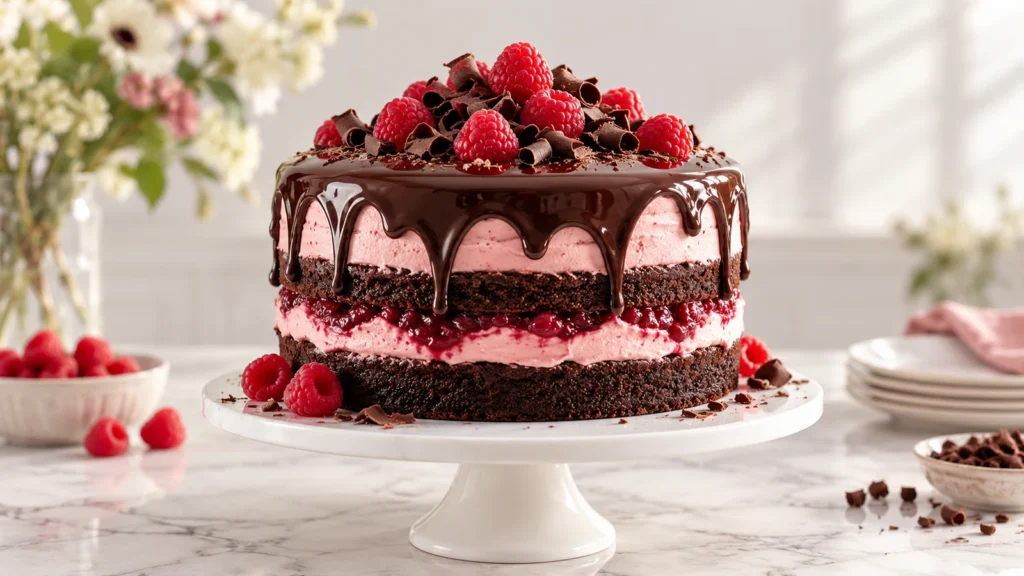
Add 2 to 4 extra tablespoons of milk, one tablespoon at a time. A proper chocolate glaze should fall from a spoon in a continuous ribbon and slowly disappear into the surface. This is the most useful finish for a chocolate bundt cake recipe because it follows the molded ridges without hiding them.
Allow a Bundt cake to cool completely before glazing, then place it on its serving plate. Pour around the crown and let gravity create the drips. The quick mixing approach in this easy chocolate frosting method offers another helpful technique reference.
Cake Pairings
This icing is especially good with a classic yellow cake, vanilla cupcakes, or a chocolate pound cake recipe. Its soft texture offsets a pound cake’s dense crumb, and a modest layer adds moisture without overwhelming each slice.
For a chocolate bundt cake recipe, thin the icing to a slow-drizzling glaze so it follows the cake’s ridges without collecting in a heavy layer. Let the first spoonful sit for a moment; if it barely moves, add another teaspoon of milk before glazing the whole cake.
For a richer dessert, pair it with this baker’s german chocolate cake recipe, either as an outer coating or as a contrast to coconut-pecan filling. Keep the chocolate layers thin enough that the traditional filling remains noticeable.
The icing also complements these convenient chocolate cake mix recipes. A boxed cake can feel more homemade when it is fully cooled and finished with freshly whipped icing, simple swoops, and a clean border.
The icing is naturally gluten-free when every packaged ingredient is certified or verified for your needs. Serve it with this gluten free chocolate cake recipe for an entirely gluten-free dessert, and use clean utensils and surfaces when cross-contact is a concern.
Variations and Substitutions
Dairy-Free Chocolate Icing
Use plant-based block butter and unsweetened oat or soy milk. Avoid tub-style spreads with high water content because they may produce a loose finish. Add the milk gradually, since plant-based products can behave differently from dairy.
Dark Chocolate and Mocha Variations
Use Dutch-process dark cocoa and add 1/2 teaspoon espresso powder for a deeper chocolate profile. Espresso powder strengthens the cocoa flavor without making the icing taste strongly of coffee. This variation pairs particularly well with a chocolate bundt cake recipe.
Less-Sweet Variation
Reduce the powdered sugar to 2 1/2 cups (300 g), decrease the milk initially, and add 1 to 2 extra tablespoons of cocoa. The icing will taste more intense and may be slightly softer, so chill it briefly before piping.
Vanilla and Flavor Substitutions
Vanilla gives the most versatile result, but part of it may be replaced with another extract when it suits the cake. Use concentrated flavors sparingly so they complement rather than overpower the cocoa.
Glaze and Extra-Pipeable Options
For a glaze, add extra milk until the icing pours in a slow ribbon. For extra-pipeable frosting, use only 1/4 cup (60 ml) milk, then add more by the teaspoon if required. These adjustments do not change the base flavor of the chocolate icing recipe for cake.
For an additional variation on ingredient ratios, see this easy chocolate frosting reference.
Make-Ahead and Storage Details
Make the icing up to 3 days ahead and refrigerate it in an airtight container. Pressing a piece of permitted food-safe covering against the surface can help prevent drying. Before using, let it soften at room temperature for 30 to 60 minutes, then re-whip for 1 to 2 minutes.
If the chilled icing remains firm, add milk 1 teaspoon at a time while mixing. Direct heating is not recommended because it can melt the butter and separate the emulsion. A chocolate icing recipe for cake returns to its best texture through gradual warming and brief mixing.
Freeze the icing in a freezer-safe container for up to 2 months. Leave a little room for expansion, label the container, and thaw it overnight in the refrigerator. Bring it gradually to room temperature and re-whip until smooth.
Store a frosted cake covered at cool room temperature for up to 1 day or refrigerate it for up to 4 days. Let refrigerated slices stand briefly at room temperature before serving so the butter softens and the cocoa flavor becomes more pronounced.
Troubleshooting Chocolate Icing
Why Is My Icing Too Thick?
Beat in room-temperature milk 1 teaspoon at a time. Scrape the bowl after each addition and wait until the liquid is fully incorporated before deciding whether more is needed. For a chocolate pound cake recipe, keep the texture slightly softer so it spreads without pulling the crumb.
Why Is My Icing Too Thin?
Add sifted powdered sugar 1 tablespoon at a time. If the butter became warm, chill the bowl for 10 minutes before mixing again. Do not add a large quantity of sugar immediately, since the icing may become unnecessarily sweet.
Why Is the Icing Grainy?
Continue mixing briefly and scrape the bowl thoroughly. Persistent lumps usually come from unsifted sugar or cocoa. If the dry ingredients were sifted, allow the icing to rest for several minutes so the cocoa can hydrate, then mix again.
Why Does It Taste Bitter?
Add powdered sugar 1 tablespoon at a time and a tiny pinch of salt. Excess cocoa is usually the cause. Check that the cocoa is fresh, since an old or improperly stored product can contribute a dull flavor.
Why Is the Color Pale?
Use Dutch-process or dark cocoa, or let the icing rest for 10 minutes so the cocoa can hydrate. The color often deepens naturally with time. Avoid adding liquid coloring that could make the consistency harder to control.
Why Did the Icing Split or Become Greasy?
The ingredients may have been at different temperatures. Let the bowl stand at room temperature, then mix again on low. If it feels warm, chill it for 10 minutes before re-whipping. Additions should be gradual when repairing the chocolate icing recipe for cake.
Why Is the Icing Sliding Off the Cake?
The cake or kitchen is probably too warm. Chill the cake until its surface is cool, gently reposition the icing, and refrigerate it until stable. Always check the center of a thick cake because the exterior may feel cool first.
Serving and Decorating Ideas
- Classic swoops: Use the back of a spoon to create relaxed curves on a sheet cake.
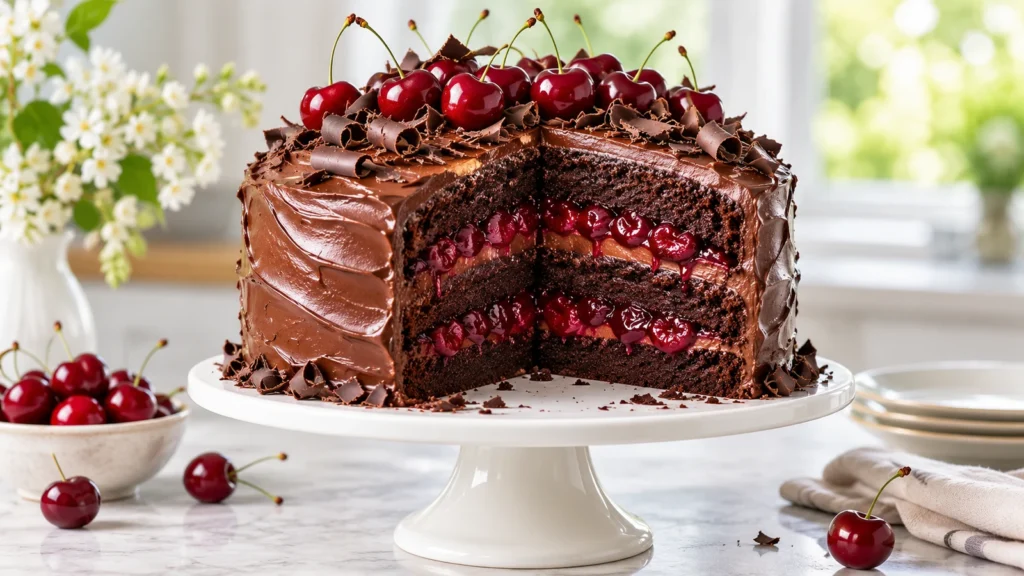
- Layered finish: Spread icing between cooled layers, apply a thin crumb coat, and chill before the final coat.
- Bundt drizzle: Pour thinned icing around the crown and allow uneven drips to form naturally.
- Cupcake rosettes: Use a large star tip and keep the icing slightly firmer than spreading consistency.
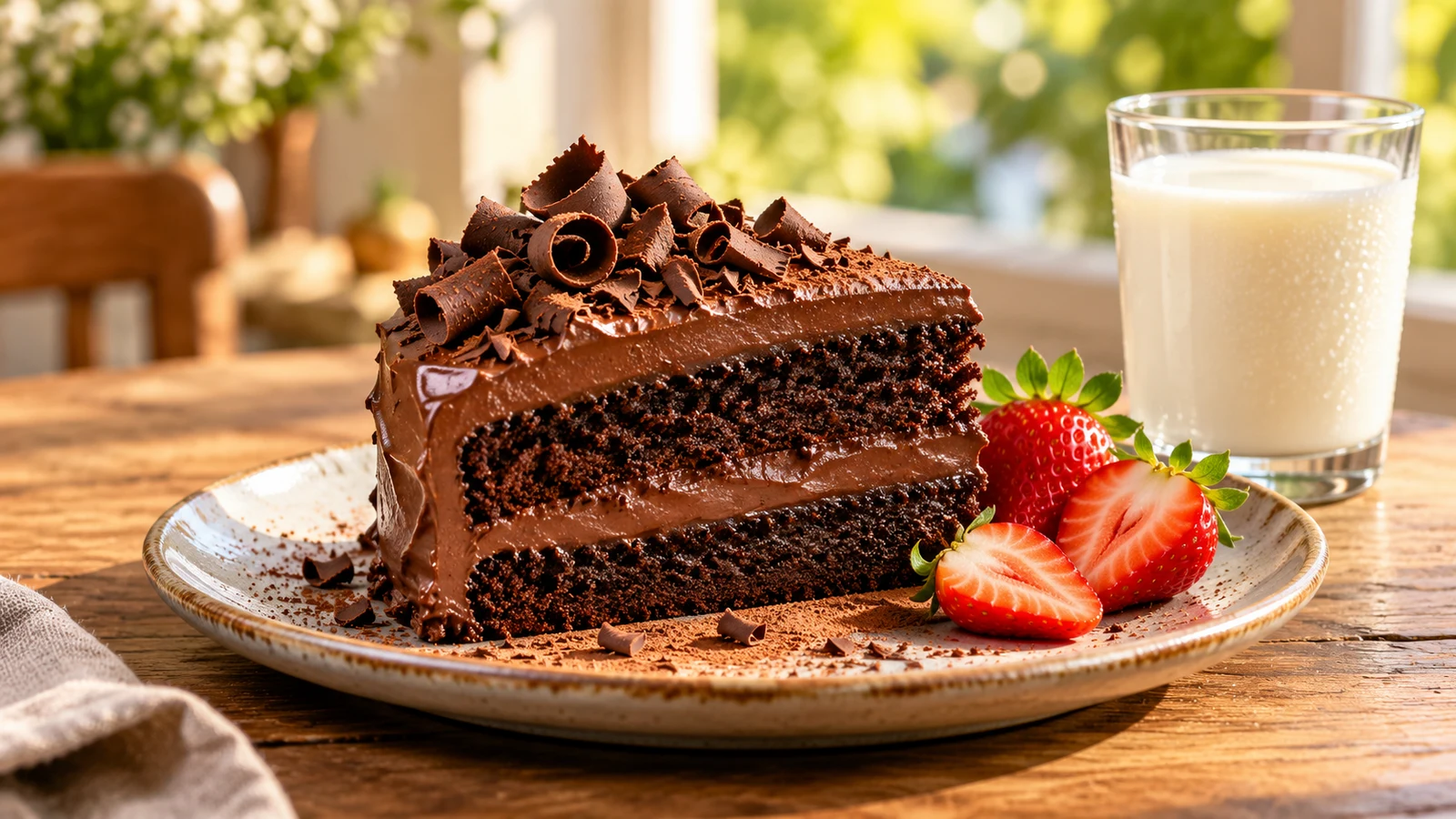
- Simple slices: Serve modest pieces with fresh berries or lightly sweetened whipped cream for contrast.
A baker’s german chocolate cake recipe can be decorated with chocolate borders around the coconut-pecan filling. This gives each slice a defined edge while preserving the dessert’s familiar contrast of chocolate, coconut, and pecans.
For a gluten free chocolate cake recipe, spread the first coat gently with an offset spatula. Gluten-free crumbs may be tender, so a chilled crumb coat makes the final decorating step easier and cleaner.
Yield and Cake-Coverage Guide
- 12 cupcakes: One batch provides generous swirls; use three-quarters of a batch for modest swirls.
- 9×13-inch cake: One batch covers the top with a medium layer.
- 10- to 12-cup Bundt cake: Half a batch, thinned for drizzling, is usually sufficient.
- Two 8-inch layers: Make 1 1/2 batches for filling, top, and sides.
- Two 9-inch layers: Make 2 batches for comfortable full coverage.
Coverage varies with decorating style. Tall piped borders require more icing than a smooth finish, while a thin glaze uses less. When scaling the chocolate icing recipe for cake, multiply every ingredient by the same amount to preserve the texture and flavor.
Frequently Asked Questions
Can I Make This Chocolate Icing Recipe for Cake Without a Mixer?
Yes. Use very soft butter and a sturdy whisk or wooden spoon. Mix thoroughly after each addition and press out any lumps against the side of the bowl. The finished icing may be slightly less airy but will still spread well.
Can I Use Hot Milk to Dissolve the Cocoa?
Avoid hot milk because it may melt the butter. Room-temperature milk hydrates the cocoa while keeping the emulsion stable. If the milk is refrigerated, let the measured amount lose its chill before mixing.
Why Does the Cake Need to Be Completely Cool?
Residual heat softens the butter, causing icing to thin, slide, or soak into crumbs. If the cake feels even slightly warm in the center, wait longer. This is especially important for a thick chocolate bundt cake recipe that retains heat.
Can I Double the Recipe?
Yes. Double every ingredient and use a large bowl. Add the sugar in several portions so it blends evenly without escaping the bowl. A double batch is convenient for a tall layer cake or a generously decorated baker’s german chocolate cake recipe.
Can I Use Salted Butter?
Salted butter can work, but omit the measured fine salt initially. Taste the finished icing and add only a small pinch if needed. Salt levels vary among butter brands, so unsalted butter offers more control.
Can I Use Water Instead of Milk?
Water can loosen the icing, but milk contributes a creamier texture and fuller flavor. If water is necessary, add it cautiously by the teaspoon. The finished icing may feel slightly lighter and less rich.
Does This Icing Work With a Gluten Free Chocolate Cake Recipe?
Yes. Verify that the cocoa, powdered sugar, vanilla, and other packaged ingredients meet your dietary requirements. Apply a light crumb coat first because some gluten-free cakes have a more delicate surface.
Is This Suitable for a Chocolate Pound Cake Recipe?
Yes. A medium-thick layer complements the dense texture of pound cake, while a thinner glaze creates a lighter finish. Add milk gradually until the icing moves easily across the cake without becoming runny.
Can I Use This on a Baker’s German Chocolate Cake Recipe?
Yes. Use it on the outside of the cake, as a border, or between selected layers alongside the coconut-pecan filling. Keep the chocolate portion balanced so the traditional filling still stands out.
How Do I Prevent Air Bubbles?
Mix on medium speed only until smooth, then stir slowly by hand with a flexible spatula. Press the icing against the bowl as you stir. This removes larger pockets of air and helps produce cleaner sides and piped details.
Can I Prepare the Icing While the Cake Bakes?
Yes, but cover and store it away from the warm oven. Re-whip briefly before decorating. Do not frost until the cake is completely cool, even if the chocolate icing recipe for cake is ready much earlier.
Printable Recipe Card: Chocolate Icing Recipe for Cake
Preparation time: 10 minutes
Total time: 10 minutes
Yield: About 3 cups (approximately 720 g), enough for 12 generously piped cupcakes or one 9×13-inch cake
Recipe Card Ingredients
- 1/2 cup (113 g) softened unsalted butter
- 2/3 cup (57 g) unsweetened cocoa powder
- 3 cups (360 g) powdered sugar
- 1/3 cup (80 ml) room-temperature whole milk
- 2 teaspoons vanilla extract
- 1/4 teaspoon fine salt
Recipe Card Instructions
- Beat the softened butter for 1 to 2 minutes.
- Mix in sifted cocoa powder and salt.
- Alternately add sifted powdered sugar and milk on low speed, reserving 1 tablespoon milk.
- Add vanilla and beat for 1 to 2 minutes, until smooth and fluffy.
- Adjust with milk by the teaspoon or powdered sugar by the tablespoon, then frost a fully cooled cake.
Nutrition: Approximately 210 calories per 1/12 batch; values are estimates and vary by ingredients and serving size.
Notes: Use less milk for piping and more for drizzling. Refrigerate airtight for up to 3 days or freeze for up to 2 months; return to room temperature and re-whip before use.
A Dependable Finish for Any Cake
With a few simple consistency adjustments, this chocolate icing recipe for cake can create everything from soft swoops to neat piped borders or a glossy Bundt cake drizzle. Measure carefully, keep the ingredients at compatible temperatures, and adjust the final texture gradually for dependable results.
Use it to finish a chocolate pound cake recipe, complement a baker’s german chocolate cake recipe, drizzle a chocolate bundt cake recipe, or decorate a gluten free chocolate cake recipe. The same straightforward method provides a smooth, cocoa-rich finish suited to everyday baking and special celebrations.
There are no reviews yet. Be the first one to write one.
Reviews
Reader reviews are managed separately (outside this build).