Cake
Gluten Free Chocolate Cake Recipe: Easy, Luscious Delight
Try this gluten free chocolate cake recipe for a moist, rich cake with flour tips, dairy-free options, pan guidance, and easy storage advice today.
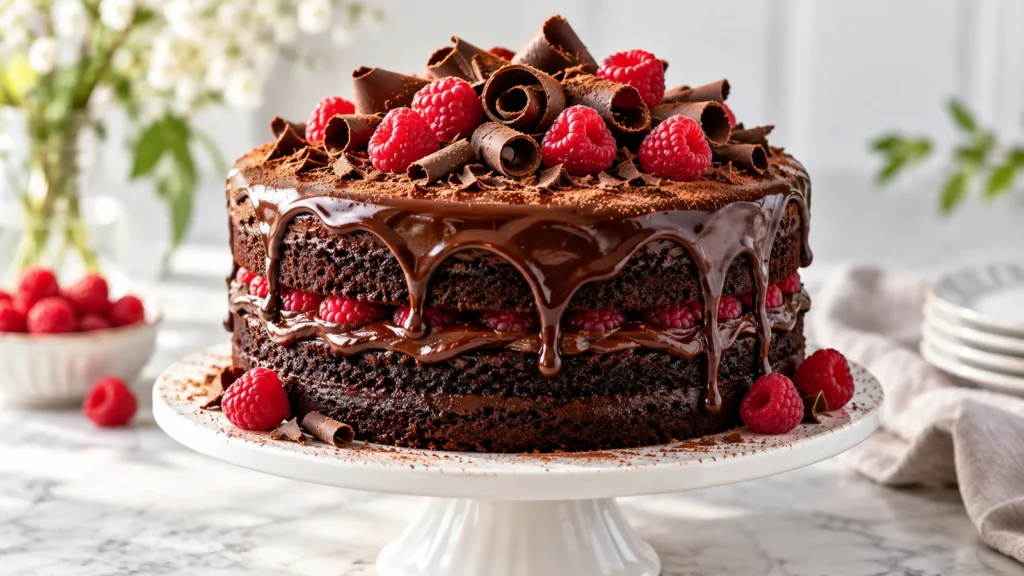
This gluten free chocolate cake recipe makes a deeply chocolatey, tender cake with moist layers that hold together beautifully. It uses familiar ingredients, works with several common flour blends, and includes dependable options for different pans and dairy-free baking. The result is suitable for birthdays, holidays, and any occasion that calls for a classic chocolate layer cake.
The batter comes together in about 20 minutes, and hot coffee enhances the cocoa without making the cake taste like coffee. Allow roughly 2 hours for baking and cooling, plus 20 minutes for frosting and assembly. Following the measurements and visual doneness cues will help this gluten free chocolate cake recipe produce consistent results.
Table of Contents
Why You’ll Love This Recipe
- Rich but balanced: Cocoa and coffee create full chocolate flavor without excessive sweetness.
- Reliable texture: Accurate gram weights help prevent dry, gritty, or gummy cake.
- Flexible: Make two round layers, a sheet cake, cupcakes, or a Bundt cake.
- Make-ahead friendly: The layers freeze well and can be prepared weeks ahead.
- Easy to customize: Simple substitutions let you adjust the dairy, filling, finish, and serving style.
Ingredients
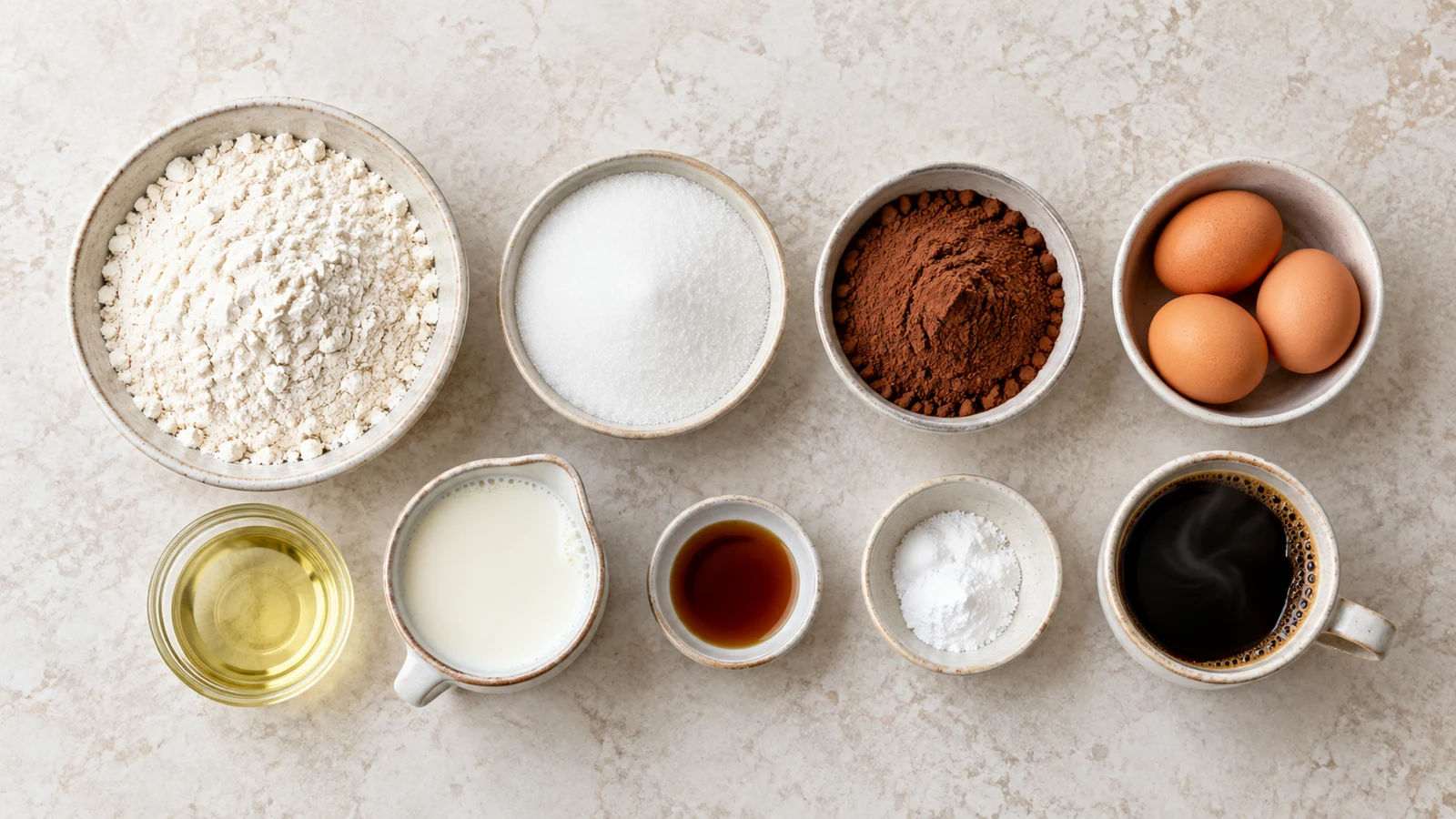
- 2 cups (280 g) gluten-free all-purpose flour blend
- 2 cups (400 g) granulated sugar
- 3/4 cup (64 g) unsweetened natural cocoa powder
- 2 teaspoons baking soda
- 1 teaspoon baking powder
- 1 teaspoon xanthan gum, only if the flour blend does not contain it
- 1 teaspoon fine salt
- 2 large eggs, at room temperature
- 1 cup (240 ml) buttermilk
- 1/2 cup (120 ml) neutral vegetable oil
- 2 teaspoons pure vanilla extract
- 1 cup (240 ml) hot brewed coffee or hot water
- 1 cup (226 g) unsalted butter, softened, for the frosting
- 3 1/2 cups (420 g) confectioners’ sugar
- 2/3 cup (57 g) unsweetened cocoa powder, for the frosting
- 1/3 cup (80 ml) milk, plus more as needed
- 1 teaspoon vanilla extract and 1/4 teaspoon salt, for the frosting
Choosing the Right Flour Blend
Choose a cup-for-cup blend based primarily on rice flour, sorghum flour, or a combination of rice flour and starches. Bob’s Red Mill 1-to-1 and King Arthur Measure for Measure produce moist, stable layers; Cup4Cup also works but makes a slightly softer cake and contains dairy. Avoid single flours such as almond or coconut flour because they absorb liquid differently.
The flour blend has a major effect on this gluten free chocolate cake recipe. A balanced commercial blend supplies both structure and starch, while a coarse blend may leave a sandy texture. If you change brands, keep the stated weight of 280 g rather than assuming every blend weighs the same by volume.
Check the blend label before adding xanthan gum. Too little can create fragile layers, while too much may make the crumb rubbery or gummy. When cooking for someone with celiac disease, review the common sources of gluten and use certified gluten-free cocoa, baking powder, and other packaged ingredients.
Why Coffee and Buttermilk Matter
Hot coffee blooms the cocoa, helping release its deeper roasted flavors. It also supplies liquid for hydrating the flour blend. Hot water is a dependable substitute, but coffee gives this gluten free chocolate cake recipe a fuller chocolate profile without leaving an obvious coffee taste.
Buttermilk adds acidity, tenderness, and subtle tang. Its acidity works with the baking soda to help the cake rise. Use room-temperature buttermilk so it blends smoothly with the eggs and oil rather than cooling the batter unevenly.
Equipment
- Two 9-inch round cake pans
- Parchment paper
- Large and medium mixing bowls
- Whisk and flexible spatula
- Digital kitchen scale
- Electric mixer for the frosting
- Wire cooling rack
A digital scale is especially useful because gluten-free flour settles differently from wheat flour. Matching the listed weights gives this gluten free chocolate cake recipe a more predictable crumb. Light-colored metal pans are preferable because dark pans may brown the edges before the center finishes baking.
How to Make This Gluten Free Chocolate Cake Recipe
- Prepare the oven and pans. Heat the oven to 350°F (175°C). Grease two 9-inch round pans, line the bottoms with parchment, and lightly grease the paper.
- Combine the dry ingredients. Whisk the flour blend, sugar, cocoa, baking soda, baking powder, xanthan gum if required, and salt. Break up every cocoa lump so the batter mixes evenly.
- Add the wet ingredients. Add the eggs, buttermilk, oil, and vanilla. Mix until smooth, scraping the bottom and sides of the bowl. Let the batter rest for 10 minutes so the gluten-free flour can hydrate and produce a less gritty crumb.
- Add the hot liquid. Gradually whisk in the hot coffee. The finished batter will be thin; this is expected and helps create a moist cake.
- Bake. Divide the batter evenly between the pans, about 760 g per pan. Bake for 28 to 34 minutes. The cakes are ready when their centers spring back lightly, a tester shows moist crumbs rather than wet batter, and the internal temperature is approximately 205°F to 210°F (96°C to 99°C).
- Cool carefully. Cool in the pans for 15 minutes, loosen the edges, and turn the layers onto a rack. Remove the parchment and cool completely before frosting.
- Make the frosting. Beat the butter until creamy. Gradually beat in the confectioners’ sugar, cocoa, milk, vanilla, and salt. Beat for 2 minutes, adding milk one tablespoon at a time if needed.
- Assemble. Place one layer on a serving plate and spread about 1 cup of frosting over it. Add the second layer, then cover the top and sides. The listed batch yields about 4 cups, enough for a moderately frosted two-layer cake; make 1 1/2 batches for generous piping.
Expert Tips for the Best Results
- Weigh the flour: Do not pack flour into measuring cups. Excess flour is the most common cause of dryness in a gluten free chocolate cake recipe.
- Check ingredient temperature: Room-temperature eggs and buttermilk blend into a smoother, more even batter.
- Rest the batter: Do not skip the 10-minute rest. It lets rice-based blends absorb moisture and reduces grittiness.
- Pour the coffee slowly: Adding it gradually prevents splashing and helps the hot liquid incorporate evenly.
- Divide by weight: Placing about 760 g in each pan encourages the layers to finish at the same time.
- Avoid opening the oven early: Wait until the center has had time to set before checking the cake.
- Cool completely: Warm layers release steam and can melt the frosting or slide during assembly.
- Prevent cross-contact: Confirm that every ingredient and utensil is safe. The FDA explains what products must meet when labeled gluten-free.
- Adjust for elevation: Above 3,500 feet, reduce the sugar by 2 tablespoons, add 2 tablespoons of flour, and increase the oven temperature to 375°F (190°C). Begin checking 5 minutes early.
How to Frost Neat, Even Layers
Level only a pronounced dome, using a gentle sawing motion after the cakes are completely cool. Place the first layer cut side up, add the measured frosting, and position the second layer with its flat bottom facing upward. This creates a smoother top for your gluten free chocolate cake recipe.
Apply a thin crumb coat if loose crumbs are visible, then chill the cake briefly before adding the remaining frosting. Keep the final finish rustic or smooth it with a spatula. If the frosting is stiff, add milk one tablespoon at a time; if it becomes soft, let it firm before continuing.
Variations and Substitutions
Dairy-Free Version
For a dairy-free cake, replace the buttermilk with 1 cup unsweetened soy or almond milk mixed with 1 tablespoon vinegar. Use plant-based butter and nondairy milk in the frosting. The eggs provide essential structure, so a commercial egg replacer requires testing and may produce more fragile layers.
German Chocolate-Inspired Filling
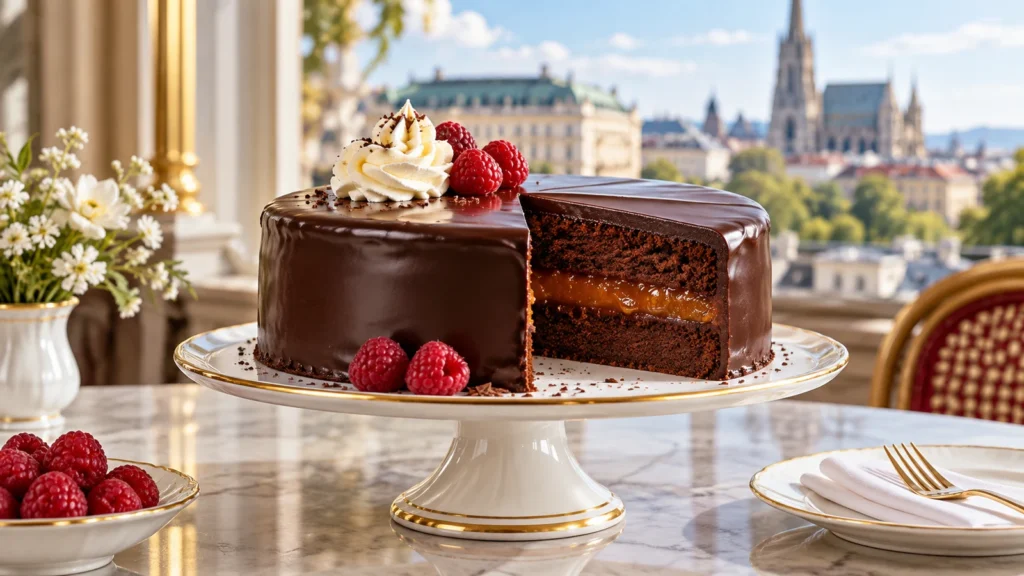
This is a classic frosted layer cake rather than a flourless cake. For coconut-pecan filling, use a dedicated Baker’s German chocolate cake recipe. That baker’s german chocolate cake recipe explains the distinct style and pairing more fully.
A traditional german chocolate cake frosting recipe usually creates a rich coconut-pecan finish instead of the cocoa buttercream used here. Prepare a tested german chocolate cake frosting recipe separately if you want that texture, and make sure every packaged ingredient meets your dietary needs.
Different Cake Shapes
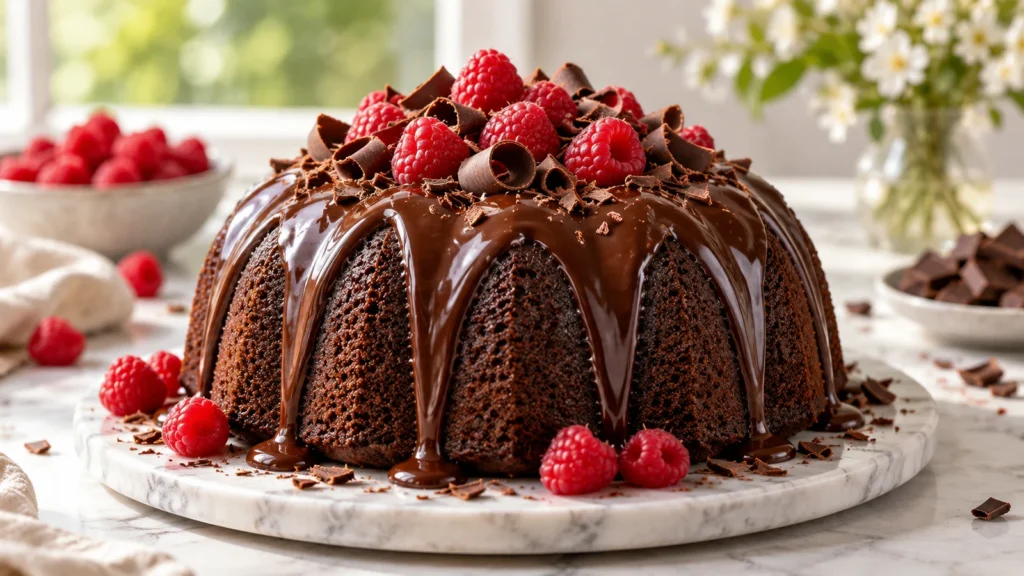
For a sculpted ring cake, follow this chocolate Bundt cake recipe. A purpose-built chocolate bundt cake recipe accounts for the pan’s deep shape and decorative crevices, making release and even baking easier to manage.
For a tighter, richer crumb, consider this chocolate pound cake recipe. A chocolate pound cake recipe is intentionally denser than this airy layer cake, so the two styles should not be expected to have identical textures.
Simple Flavor Variations
- Raspberry: Serve each slice with fresh raspberries to add bright acidity.
- Vanilla contrast: Pair the chocolate layers with a compatible vanilla frosting instead of cocoa frosting.
- Chocolate curls: Add chocolate curls after frosting for a simple celebration finish.
- Cocoa-dusted finish: Use a light cocoa dusting immediately before serving for a polished appearance.
- Cupcake presentation: Bake the batter in lined wells and pipe the frosting only after the cupcakes are completely cool.
These finishes preserve the ingredient quantities and baking method of the gluten free chocolate cake recipe while changing its presentation. When serving someone with celiac disease, verify that every decoration and garnish is also gluten-free.
Pan Conversions
- Two 8-inch rounds: Divide evenly and bake for 32 to 38 minutes.
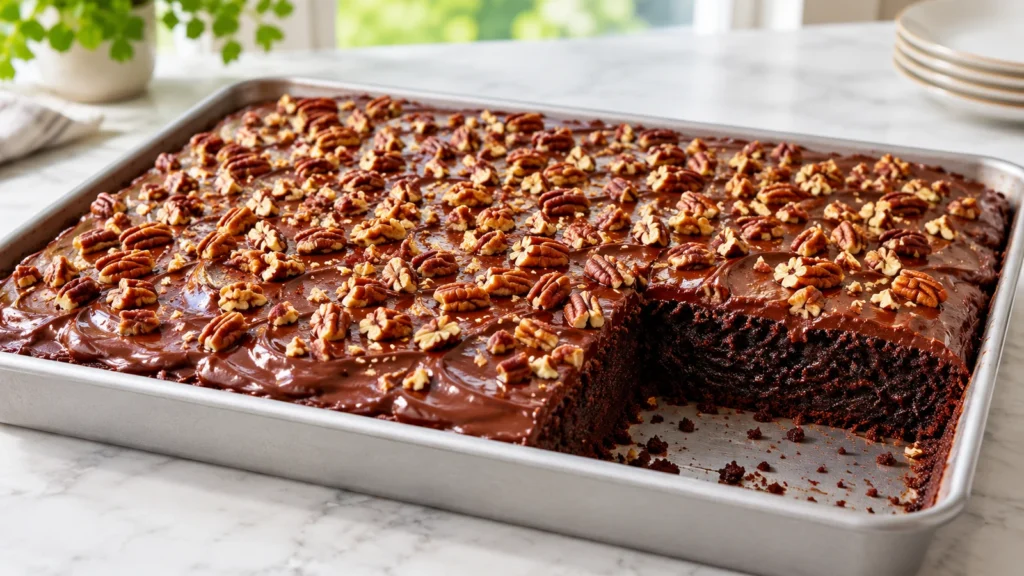
- 9-by-13-inch pan: Bake for 32 to 40 minutes; use about 2 1/2 cups frosting.
- Cupcakes: Fill 24 lined wells about two-thirds full and bake for 18 to 22 minutes.
- 10- to 12-cup Bundt pan: Grease every crevice, fill no more than three-quarters full, and bake for 45 to 55 minutes. Cool for 15 minutes before turning out.
Pan material and actual oven temperature can affect timing, so use the stated doneness signs as your primary guide. Do not force a warm cake from its pan. For a specialized ring-cake method, the chocolate bundt cake recipe linked above offers a format developed for that shape.
Troubleshooting This Gluten Free Chocolate Cake Recipe
Why Did the Center Sink?
The cake may have been underbaked, the oven door may have opened before the center set, or too much leavener may have been measured. Check the baking soda and baking powder carefully. A sudden temperature change can also weaken a center that has not finished forming its structure.
Why Is the Cake Dry?
Too much flour or overbaking is likely. Weigh the ingredients, begin checking at the earliest stated time, and remove the cake when a tester has moist crumbs rather than wet batter. Cutting smaller servings does not correct a dry crumb, so accurate preparation is important.
Why Is the Texture Gummy?
The cake may contain excess xanthan gum, may have been sliced warm, or may be underbaked. Check whether the flour blend already contains a binder before adding more. Let the layers cool completely so the crumb can finish setting before assembly or slicing.
Why Are the Layers Fragile?
Confirm the flour blend contains xanthan gum or add the specified amount. Fragility may also result from turning the cake out too soon. Let each layer cool in its pan for the full 15 minutes, then handle it with a broad, steady support.
Why Does the Crumb Taste Gritty?
A coarse flour blend or insufficient hydration is usually responsible. Resting the batter for 10 minutes gives rice-based flour time to absorb liquid. A finely milled, balanced blend will make this gluten free chocolate cake recipe noticeably smoother.
Why Is the Frosting Too Thick or Thin?
If the frosting is too thick to spread, beat in milk one tablespoon at a time. If it becomes too soft, pause before frosting the cake and let it firm. Add liquids gradually because a small amount can make a significant difference.
Serving Ideas
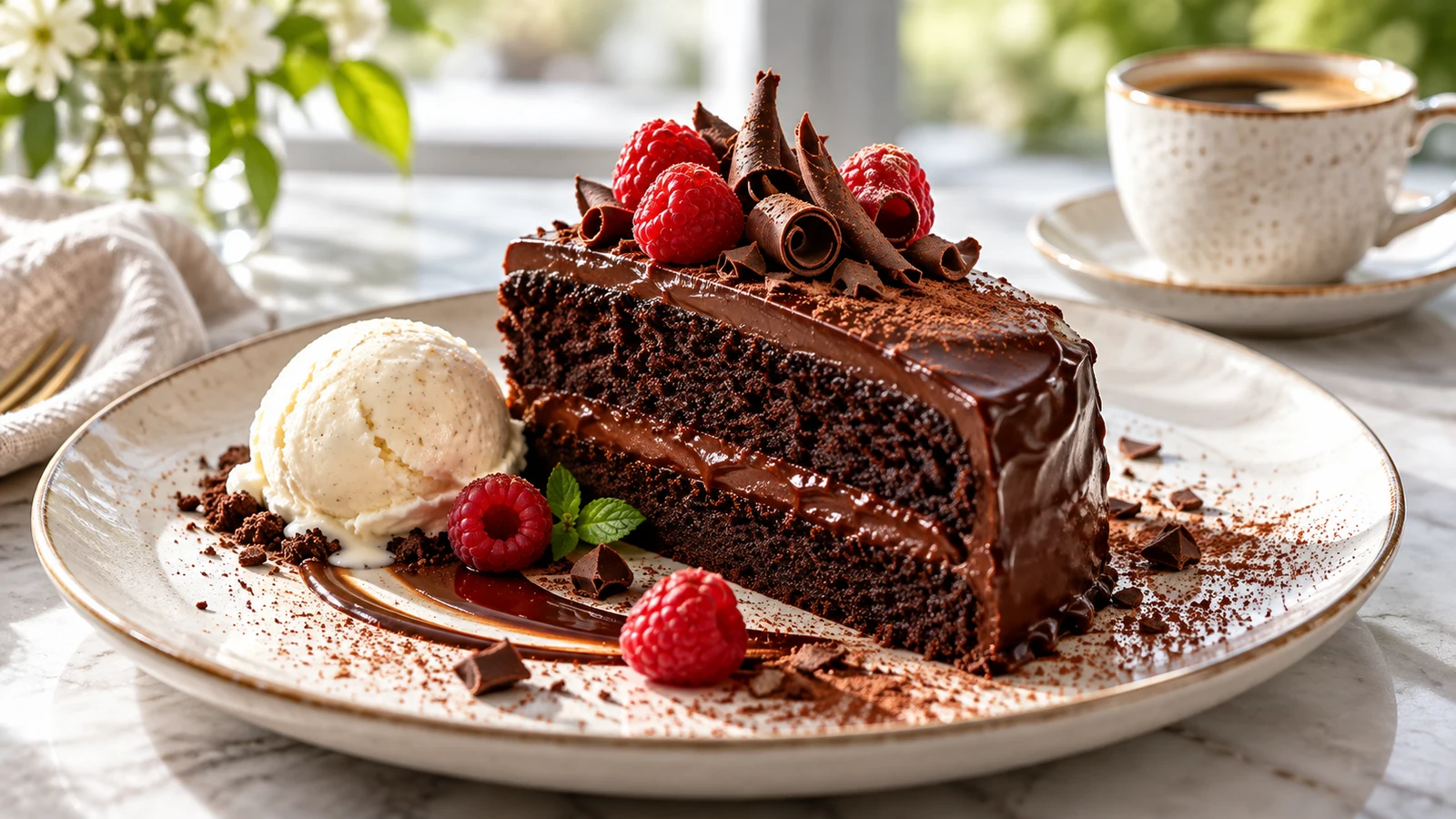
Serve slices at room temperature for the softest crumb and creamiest frosting. Fresh raspberries provide a tart contrast, while vanilla ice cream adds a cool, mellow accompaniment. Coffee also complements the deep cocoa flavor of this gluten free chocolate cake recipe.
For a celebration, finish the cake with chocolate curls, a light cocoa dusting, or fresh berries immediately before presenting it. Use a sharp knife and wipe the blade between cuts for cleaner servings. The cake makes 12 frosted servings as reflected in the nutrition estimate.
If you are planning a chocolate dessert selection, offer this tender layer cake alongside a denser chocolate pound cake recipe. For another dramatic centerpiece, a chocolate bundt cake recipe provides a decorative alternative without requiring layered assembly.
Make-Ahead Instructions
Bake the layers up to two days before serving. Once fully cool, wrap them securely so their surfaces do not dry out. Keep them at room temperature for one day or refrigerate them for two days, then assemble the gluten free chocolate cake recipe when convenient.
The frosting can also be prepared ahead and refrigerated in a covered container. Let it soften before using, then beat it briefly to restore a smooth, spreadable consistency. Avoid frosting warm layers because trapped heat can soften the butter and cause the assembled cake to shift.
For efficient party preparation, bake and freeze the layers first, prepare the frosting later, and assemble the cake while the layers are cool. Add delicate garnishes shortly before serving so berries remain fresh and cocoa dusting looks tidy.
How to Store and Reheat
Keep the frosted cake covered at room temperature for up to 2 days or refrigerate it for up to 5 days. Bring refrigerated slices to room temperature for 30 minutes before serving; reheating is unnecessary, but an unfrosted slice can be microwaved for 8 to 10 seconds.
Wrap completely cooled, unfrosted layers twice in plastic wrap and freeze for up to 3 months. The USDA’s freezing and food-safety guidance explains why freezing preserves food without destroying every microorganism. Thaw wrapped layers overnight in the refrigerator, then frost them while cool.
Store individual pieces in a covered container so cut surfaces are not exposed to air. If the cake has been refrigerated, allowing it to stand briefly at room temperature improves both the crumb and frosting texture. Do not repeatedly warm and chill the entire gluten free chocolate cake recipe when only one slice is needed.
Nutrition Information
One of 12 frosted servings contains approximately 610 calories, 26 g fat, 94 g carbohydrate, 4 g fiber, 73 g sugar, 6 g protein, and 560 mg sodium. Values are estimates and vary with the flour blend, milk, frosting thickness, and serving size.
Frequently Asked Questions
Can I make this gluten free chocolate cake recipe ahead?
Yes. Bake the layers up to two days ahead, wrap them after cooling, and keep them at room temperature for one day or refrigerated for two days. Alternatively, freeze them for longer storage and thaw them while wrapped before frosting.
Can I omit xanthan gum?
Omit it only when your flour blend already includes xanthan gum or another binder. If the blend contains no binder, use the full teaspoon to keep the layers from crumbling. Always read the label rather than guessing.
Can I replace the coffee with water?
Yes. Hot water produces the same batter consistency, although coffee deepens the cocoa flavor. Decaffeinated coffee also works and will not change the method or baking time.
Why did my cake fall after baking?
Common causes include removing it before the center sets, measuring too much baking soda, or overmixing after adding the hot liquid. Verify the oven temperature with a thermometer and use the doneness cues rather than relying only on time.
Can I bake this gluten free chocolate cake recipe as cupcakes?
Yes. Fill 24 lined wells about two-thirds full and bake for 18 to 22 minutes. Begin checking at 18 minutes and cool the cupcakes before frosting so the buttercream does not melt.
Is a german chocolate cake frosting recipe the same as chocolate buttercream?
No. A german chocolate cake frosting recipe generally refers to a coconut-pecan style topping, while this recipe uses cocoa buttercream. Choose the finish based on the texture and flavor you want for the final cake.
Can I use the batter for a chocolate bundt cake recipe?
The pan conversion above allows this batter to bake in a 10- to 12-cup Bundt pan. However, a dedicated chocolate bundt cake recipe is formulated around that pan style and may be a better choice when a clean decorative release is the priority.
How does this differ from a chocolate pound cake recipe?
A chocolate pound cake recipe produces a deliberately tight, rich crumb. This layer cake uses a thinner batter and chemical leaveners to create a softer texture that works well with frosting and stacked layers.
Is this the same as a baker’s german chocolate cake recipe?
No. A baker’s german chocolate cake recipe is a distinct dessert with its own chocolate profile and traditional coconut-pecan finish. This cake uses natural cocoa and chocolate buttercream while focusing on a dependable gluten-free crumb.
Can I use Dutch-process cocoa?
The listed ingredient is unsweetened natural cocoa powder, which works with the specified leaveners and buttermilk. Changing the cocoa type can alter acidity, flavor, and rise, so use natural cocoa for the most dependable result.
How do I keep the cake safe for someone with celiac disease?
Use certified gluten-free ingredients where appropriate and check labels on cocoa, baking powder, vanilla, decorations, and flour. Clean work surfaces and use utensils that have not been contaminated by wheat flour or crumbs.
When is the cake ready to frost?
The layers should feel completely cool across the center and edges. Even slight warmth can soften the buttercream. If time is limited, let the layers finish cooling on a wire rack before beginning assembly.
A Dependable Chocolate Cake for Any Occasion
With measured ingredients, a short batter rest, and careful baking, this gluten free chocolate cake recipe delivers a moist crumb and sturdy layers suitable for birthdays, celebrations, or an uncomplicated chocolate dessert. The flexible pan options and make-ahead instructions make it practical as well as impressive.
Choose a balanced flour blend, check whether it contains xanthan gum, and judge doneness by texture as well as time. Those simple details help this gluten free chocolate cake recipe remain tender, cohesive, and deeply chocolatey from the first slice to the last.
Reviews
Reader reviews are managed separately (outside this build).