Salmon
Smoked Salmon Dry Brine Recipe: Foolproof & Delicious
Try this smoked salmon dry brine recipe with precise salt-sugar ratios, curing timing, and smoking guidance—a foolproof smoked salmon brine recipe.
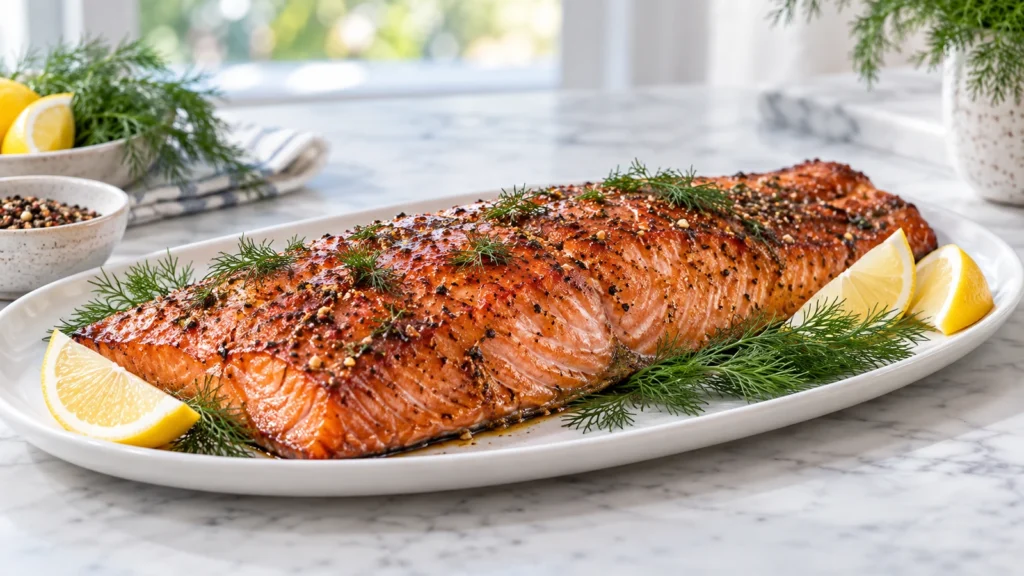
This smoked salmon dry brine recipe uses a dependable 1:1 ratio of brown sugar to kosher salt by weight, followed by refrigerated curing, air-drying, and gentle smoking. The result is moist, lightly sweet salmon with a glossy surface and balanced smoke flavor.
Allow 4 to 8 hours for portions or 8 to 12 hours for a whole side, depending on thickness. Dry brining concentrates flavor while drawing moisture from the surface, helping the salmon develop a tacky pellicle that holds smoke. Unlike a liquid smoked salmon brine recipe, this method requires no large container of water and takes up less refrigerator space.
Table of Contents
Why You’ll Love This Smoked Salmon Dry Brine Recipe
- Predictable proportions: Weight-based measurements avoid inconsistent results.
- Flexible method: Directions cover pellet grills and conventional smokers.
- Balanced flavor: Brown sugar softens the saltiness without making the fish dessert-sweet.
- Make-ahead friendly: Most of the preparation is unattended.
- Easy to scale: The smoked salmon dry brine recipe works for a small fillet, individual portions, or a whole side.
Choosing Salmon
Choose a fresh, evenly thick side of Atlantic, king, coho, or sockeye salmon. Fatty salmon stays especially succulent, while leaner sockeye cures and cooks faster. Skin-on fish is easier to handle, resists sticking, and receives some protection from the heat.
Previously frozen salmon works well when thawed overnight in the refrigerator and patted completely dry. Keep the fish refrigerated throughout curing; dry brining adds flavor but does not make uncooked salmon safe to leave at room temperature. Alaska’s guidance on handling and smoking fish safely offers additional useful precautions.
Look for firm flesh, a clean aroma, and a consistent thickness. A center-cut piece is easiest for this smoked salmon dry brine recipe because it cures and cooks more evenly than a fillet with a very thin tail. If using a whole side, position the thinner end away from the smoker’s hottest area.
Ingredients
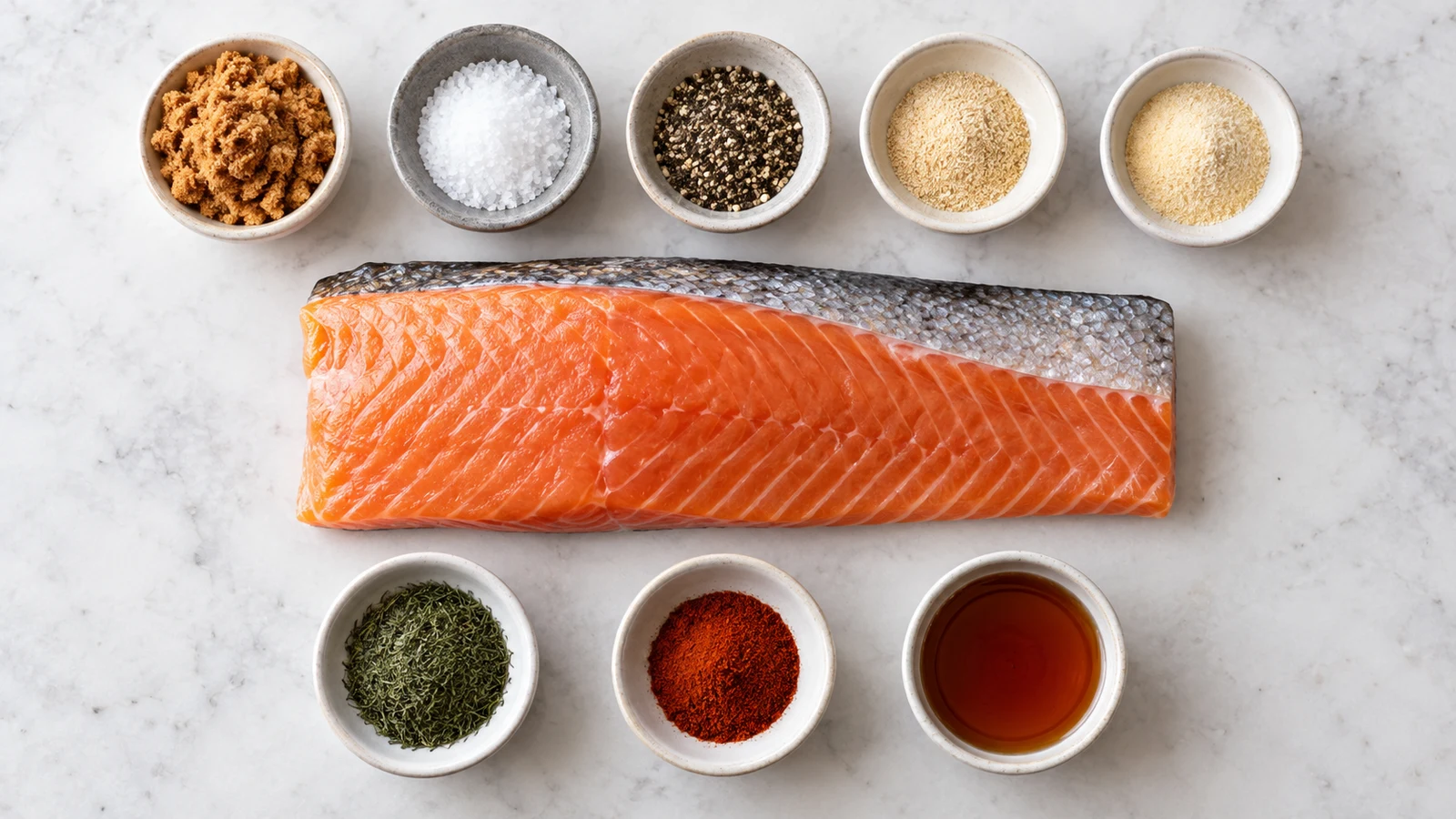
- 2 pounds (907 g) salmon, skin on, pin bones removed
- 3.2 ounces (90 g) Diamond Crystal kosher salt
- 3.2 ounces (90 g) packed brown sugar
- 1 teaspoon coarsely ground black pepper
- 1 teaspoon garlic powder, optional
- High-heat oil for the smoker grate
Equipment
- Digital kitchen scale
- Rimmed nonreactive pan or food-safe container
- Wire rack and sheet pan
- Pellet grill or conventional smoker
- Instant-read thermometer
A scale is the most important tool for this smoked salmon dry brine recipe. It keeps the salt-to-sugar balance consistent even when kosher salt crystal sizes vary. A rack also improves airflow beneath the fish while the pellicle develops.
Dry-Brine Ratio by Salmon Weight
Use salt equal to 10 percent of the salmon’s weight and the same weight of brown sugar. This makes enough mixture to surround the fish; much of it is rinsed away. For 1 pound (454 g) of salmon, use 1.6 ounces (45 g) each salt and sugar. For 2 pounds (907 g), use 3.2 ounces (90 g) each. For 3 pounds (1.36 kg), use 4.8 ounces (136 g) each.
Salt brands differ greatly by volume. If a scale is unavailable, 90 g is approximately 2/3 cup Diamond Crystal kosher salt or about 1/3 cup plus 1 tablespoon Morton kosher salt. Weighing is strongly preferred; never substitute the same volume of fine table salt.
The measured cure is intended to surround the fish, not to remain on it. Rinsing after curing is therefore essential. Do not reduce the sugar in this smoked salmon dry brine recipe to compensate for sweetness; the finished fish will retain only part of the cure.
Salmon Curing Time by Thickness and Cut
- 1-inch portions: 4 to 6 hours
- 1 1/2-inch portions: 6 to 8 hours
- Whole side, 1 to 1 1/2 inches thick: 8 to 10 hours
- Whole side, up to 2 inches thick: 10 to 12 hours
- Thin tail section or skinless fillet: Begin checking after 3 to 4 hours
The fish should feel firmer but remain flexible. Avoid extending the cure merely for convenience, because thin areas can become overly salty. For a wet-cured alternative, see this smoked salmon brine recipe.
Thickness matters more than total weight. Two small, thick pieces may require longer than one broad, thin fillet. When preparing this smoked salmon dry brine recipe for the first time, note the thickest measurement and the successful curing time so the next batch is easier to repeat.
How to Make This Smoked Salmon Dry Brine Recipe
- Prepare the salmon: Remove pin bones, leave the skin attached, and blot the fish dry. Cut it into portions if desired.
- Mix the cure: Combine the measured salt, brown sugar, pepper, and optional garlic powder.
- Cover and cure: Spread one-third of the mixture in a nonreactive container. Set the salmon skin-side down on top, then cover its flesh evenly with the remaining cure. Refrigerate at 40°F (4°C) or colder for the time appropriate to its thickness.
- Rinse: Rinse the cure away under cold water. For a less salty result, soak the fish in cold water for 10 minutes. Pat it thoroughly dry.
- Form the pellicle: Place the salmon skin-side down on a wire rack and refrigerate uncovered for 4 to 8 hours. It is ready when the surface looks slightly glossy and feels tacky rather than wet.
- Preheat: Heat the smoker to 180°F (82°C), clean the grate, and oil it lightly.
- Smoke: Place the salmon skin-side down in the smoker. Cook for 1 1/2 to 3 hours, depending on thickness, until the center reaches the desired temperature.
- Rest: Transfer the fish carefully to a clean platter and rest it for 10 minutes before serving.
Why the Pellicle Matters
The pellicle is the slightly tacky layer that forms as the rinsed salmon dries. It helps smoke adhere evenly and gives this smoked salmon dry brine recipe its polished appearance. Smoking fish while it is still wet can create patchy color and a less distinct smoky flavor.
Refrigerator airflow is the safest and most convenient way to form the pellicle. Leave space around the rack, and do not cover the salmon. If beads of moisture remain after several hours, blot them gently and continue drying until the flesh feels tacky.
Pellet-Grill and Conventional-Smoker Directions
For pellet-grill smoked salmon, use the smoke setting or 160°F to 180°F (71°C to 82°C) for the first hour, then increase to 200°F (93°C) if cooking is progressing too slowly. Keep the lid closed so the fire remains stable.
In a conventional charcoal, electric, or gas smoker, maintain indirect heat between 175°F and 200°F (79°C and 93°C). Add small quantities of wood as needed; heavy, billowing white smoke can create a bitter coating.
Place a whole side so its thickest area faces the warmer part of the smoker. If portions vary in size, check each one separately and remove smaller pieces as they finish. This prevents a mixed batch of the smoked salmon dry brine recipe from drying out while the thickest portion cooks.
Temperature, Doneness, and Wood Selection
The salmon is done when it flakes gently and is opaque around the edges. For conservative food-safety guidance, cook fish to 145°F (63°C), as explained by the USDA’s distinction between doneness and safety temperatures. Check the thickest part without touching the grate.
Alder is delicate and traditional with salmon. Apple adds mild sweetness, while maple is slightly richer. Hickory and mesquite can overwhelm fish, so use them sparingly or blend them with a milder wood.
Insert the thermometer from the side into the center of the thickest section. Opening the smoker repeatedly releases heat, so begin checking near the early end of the cooking range. Carryover heat during the 10-minute rest can continue to firm the fish.
Expert Tips for This Smoked Salmon Dry Brine Recipe
- Weigh the cure: Volume measurements can make the smoked salmon dry brine recipe noticeably saltier when a dense brand of salt is used.
- Keep everything cold: Return the fish to the refrigerator promptly after preparing, rinsing, or checking it.
- Start with dry salmon: Removing surface water prevents the cure from sliding toward the edges.
- Arrange an even layer: Press the mixture gently over the flesh without packing it into a hard crust.
- Check thin pieces early: Tail sections cure faster and can be removed before thicker portions.
- Develop the pellicle fully: A wet surface produces weak, uneven smoke flavor.
- Control the fire: Clean, light smoke tastes better than dense white smoke.
- Prevent sticking: Clean and oil the grate, then leave the skin in place.
- Watch for albumin: If excessive white protein appears, reduce the smoker temperature.
- Check ahead of schedule: Dry salmon is generally overcooked, so monitor its temperature early.
Variations and Substitutions
Brown Sugar and Maple Variation
Replace light brown sugar with the same weight of dark brown sugar for deeper molasses notes. Maple sugar provides a woodsy sweetness, while a light brush of maple syrup may be added near the end of smoking. Keep the salt weight unchanged so the smoked salmon dry brine recipe cures predictably.
Herb and Citrus Variation
Add lemon zest, crushed coriander, dill, or smoked paprika to the dry mixture. These seasonings change the aroma without altering the basic cure. Avoid adding acidic juice during curing because it can change the texture of the salmon’s surface.
Skinless Salmon
Skinless salmon is suitable, but place it on perforated foil or a mesh mat and begin checking the cure early. Handle it carefully after rinsing because it lacks the support of the skin. The flavor of the smoked salmon dry brine recipe remains balanced, although the finished portions may be more delicate.
Wet-Brine Alternative
A smoked salmon brine recipe dissolves salt and sugar in liquid, which can be useful when evenly submerging irregular pieces. Dry curing is more compact and encourages a firm surface. Both methods require refrigeration, careful timing, thorough drying, and controlled smoking.
This curing method resembles the flavor-balancing principles used in a homemade corned beef brine, although fish requires much shorter curing. Do not transfer meat-curing times to salmon.
Make-Ahead Plan
For a next-day meal, begin this smoked salmon dry brine recipe in the evening. Cure portions for the recommended time, rinse them before bed, and refrigerate them uncovered on a rack overnight. The salmon will be ready for the smoker the following day.
For a whole side requiring a longer cure, start earlier in the afternoon. Set a timer so the fish does not remain buried in the cure overnight beyond its recommended range. Once rinsed, the drying stage offers flexibility because 4 to 8 hours is suitable.
The cure mixture can be weighed and combined several days ahead, then kept dry in an airtight container. Do not place raw salmon in the cure until the planned curing window begins. Never reuse cure that has contacted fish.
Troubleshooting Smoked Salmon
Why Is My Salmon Too Salty?
The cure may have remained on a thin fillet too long, the salt may have been measured by an inaccurate volume conversion, or the surface may not have been rinsed thoroughly. For the next smoked salmon dry brine recipe, weigh the salt, shorten the cure, and begin checking thin areas sooner.
If the rinsed raw fish seems overly firm, soak it in cold water for 10 minutes as directed, then pat it dry and form the pellicle. Finished salty salmon can still be used sparingly in eggs, pasta, salads, or unsalted potato dishes.
Why Is White Albumin Appearing?
A little white albumin is harmless. A large amount usually means the fish is heating too quickly. Lower the smoker temperature and avoid placing the salmon directly over a hot spot. Gentle heat helps this smoked salmon dry brine recipe retain a smooth, moist surface.
Why Is the Smoke Flavor Weak?
The surface may not have formed a tacky pellicle, or the smoker may have produced very little smoke during the first stage. Allow the rinsed fish to dry completely, use dry wood, and establish gentle visible smoke before adding the salmon.
Why Does the Salmon Taste Bitter?
Dense white smoke, dirty grates, or too much strong wood can create bitterness. Use small amounts of alder, apple, or maple and maintain clean airflow. Do not repeatedly add wood merely to make the smoke more visible.
Why Is the Salmon Dry?
The fish probably cooked too long or at excessive heat. Lean salmon and thin tail pieces finish sooner than thick, fatty portions. Check each piece separately, use an instant-read thermometer, and remove finished portions promptly.
Why Is the Surface Pale or Patchy?
Uneven curing, residual water, or poor airflow during drying can cause a patchy exterior. Spread the cure evenly, rinse carefully, and leave space around the fish on the rack. A complete pellicle improves both color and smoke adhesion.
Serving Ideas
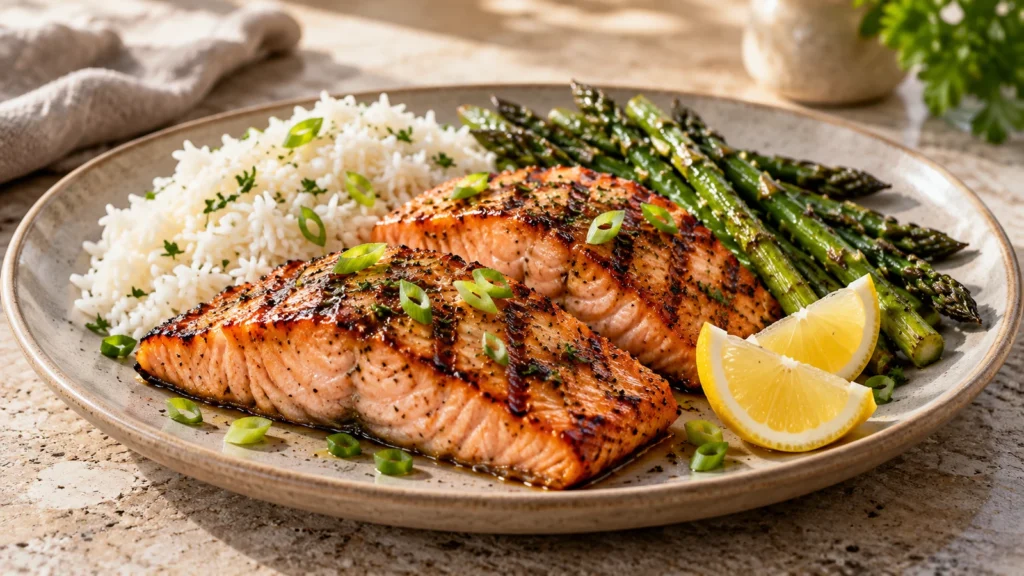
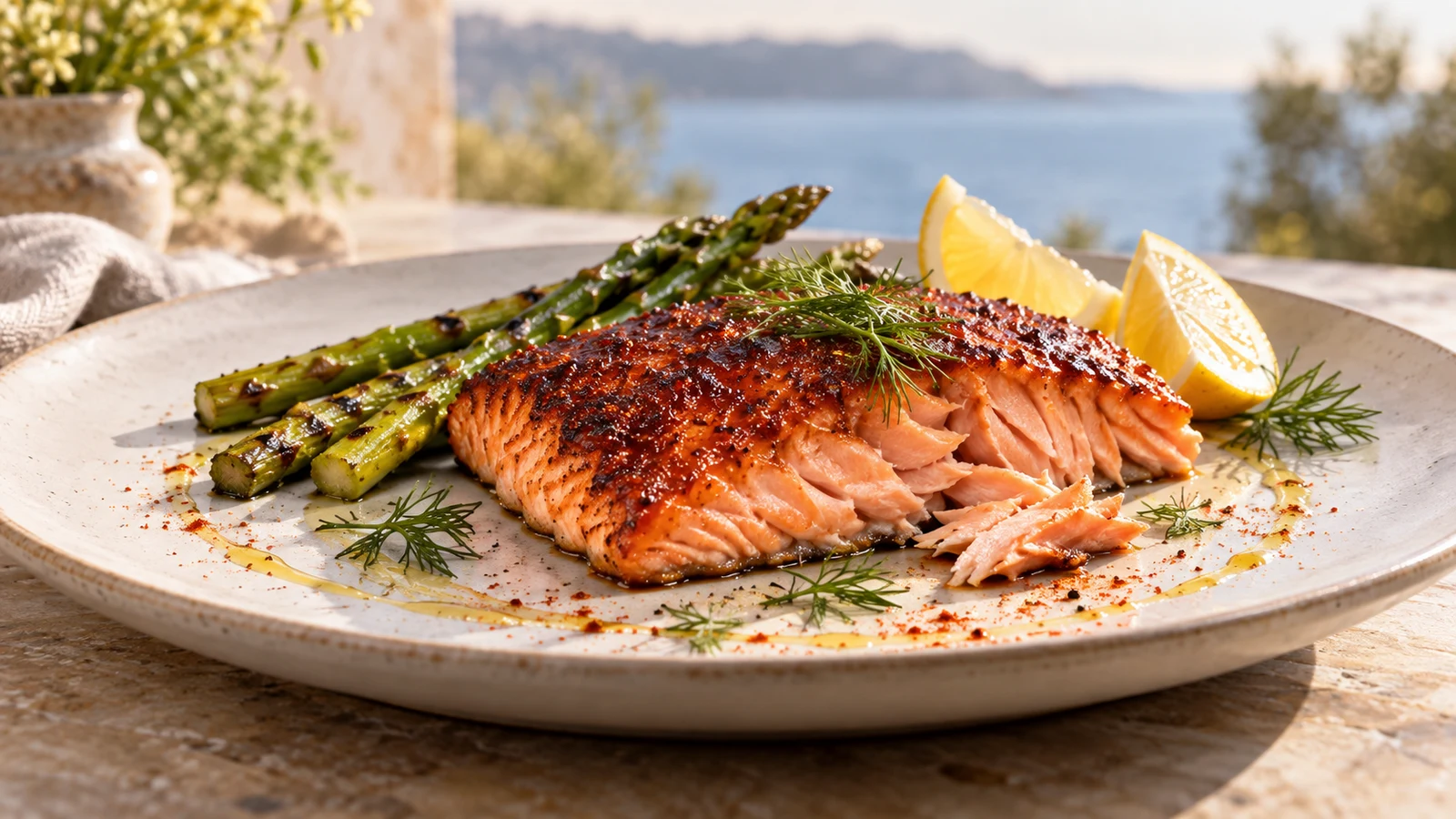
Serve the salmon warm with roasted potatoes, asparagus, green beans, or a crisp cucumber salad. Lemon wedges and a mustard-dill sauce provide enough acidity to balance the rich fish without hiding the flavor of the smoked salmon dry brine recipe.
Chilled salmon is excellent on bagels with cream cheese, capers, tomato, and pickled onion. Flake it over scrambled eggs, grain bowls, leafy salads, or pasta. Add it at the end of cooking so residual heat warms it without making it dry.
For an appetizer, arrange small flakes on cucumber rounds or toasted bread with fresh dill. Keep the platter chilled until shortly before serving. For another practical make-ahead meal, try this Instant Pot corned beef recipe.
How to Store and Reheat
Cool the salmon promptly, then refrigerate it in a shallow airtight container for up to 3 days. Commercial controls for smoked seafood address hazards that home smoking does not eliminate, as illustrated by this FDA smoked-fish safety notice; keep homemade fish cold and do not treat it as shelf-stable.
Divide leftovers from the smoked salmon dry brine recipe into meal-size portions before refrigerating. This reduces repeated handling and makes it easier to remove only what you need. Label the container with the smoking date.
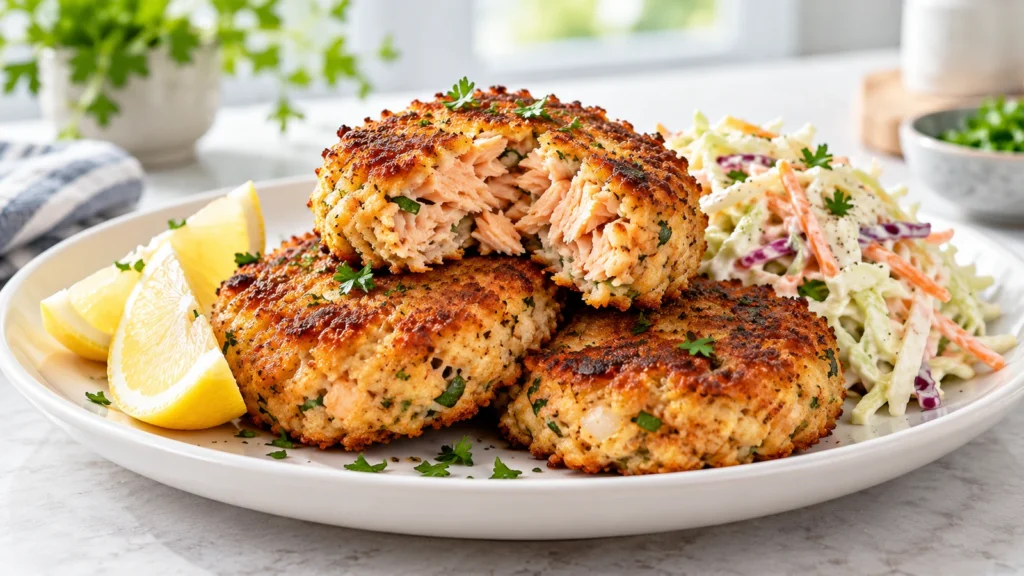
Freeze tightly wrapped portions for up to 2 months. Press out excess air, place the wrapped fish in an airtight freezer container, and thaw it overnight in the refrigerator. Freezing may soften the texture slightly, so thawed salmon is especially useful in spreads, eggs, pasta, and fish cakes.
Smoked salmon is excellent cold, but it can be reheated loosely covered in a 275°F (135°C) oven for 10 to 15 minutes. Stop as soon as it is warm to avoid drying it out. A spoonful of water in the covered dish can help preserve moisture.
Frequently Asked Questions
Can I Prepare This Smoked Salmon Dry Brine Recipe Ahead of Time?
Yes. Cure the fish within the recommended window, rinse it, and let the pellicle form in the refrigerator overnight. Smoke it the next day. You can also smoke the salmon a day before serving and refrigerate it after cooling.
Do I Need to Rinse Off the Dry Brine?
Yes. Rinsing removes surface salt and sugar that would otherwise make the fish too salty and prone to scorching. Dry the fish thoroughly afterward so a tacky pellicle can form.
Can I Use Frozen Salmon?
Yes, provided it is fully thawed in the refrigerator before curing. Drain accumulated liquid and pat the surface dry so the cure remains evenly distributed. Do not begin the smoked salmon dry brine recipe while the center is still frozen.
Can I Use Table Salt?
Fine table salt is much denser by volume than kosher salt and is easy to overmeasure. Use the specified weight rather than substituting equal volumes. A digital scale makes the result far more dependable.
Is a Smoked Salmon Brine Recipe Better Than a Dry Brine?
Neither method is universally better. A smoked salmon brine recipe surrounds the fish with seasoned liquid, while a dry cure is compact and helps firm the surface. Choose according to your refrigerator space, preferred texture, and preparation routine.
Can I Reduce the Sugar?
The brown sugar balances the salt and supports browning, but most of the mixture is rinsed away. Keeping the stated 1:1 ratio gives the smoked salmon dry brine recipe its intended balance without making the finished fish dessert-sweet.
Should I Cut the Salmon Before Curing?
Either approach works. Portions cure faster and are convenient to serve, while a whole side makes an impressive presentation and is easier to move with its skin intact. Group pieces by thickness and check thin portions early.
Can I Smoke the Salmon Without the Skin?
Yes. Reduce the curing time, support the fillet on perforated foil or a mesh mat, and oil the cooking surface. Skinless fish is more fragile and may cook faster.
What Wood Is Best for a Smoked Salmon Dry Brine Recipe?
Alder is a classic mild choice. Apple and maple also complement the brown sugar without dominating the fish. Use hickory or mesquite sparingly because their stronger smoke can mask salmon’s flavor.
Why Must the Salmon Stay Refrigerated During Curing?
The salt and sugar season the salmon, but this short cure does not make raw fish shelf-stable. Keeping it at 40°F (4°C) or colder limits food-safety risks while the cure works.
Can I Double the Smoked Salmon Dry Brine Recipe?
Yes. Weigh the salmon and calculate both salt and brown sugar at 10 percent of its weight. Arrange the pieces without stacking them, and use separate containers if necessary so every surface receives an even coating.
How Do I Know When the Pellicle Is Ready?
The surface should look slightly glossy and feel tacky rather than wet. It should not leave visible moisture on a clean fingertip. Depending on refrigerator airflow and fillet thickness, this generally takes 4 to 8 hours.
Can I Finish the Salmon in an Oven?
If smoker heat becomes unreliable after the fish has absorbed smoke, move it to a low oven and continue cooking until it reaches the stated internal temperature. The texture will remain better if the oven temperature stays gentle.
Recipe Details
- Prep time: 15 minutes
- Curing time: 4 to 12 hours
- Drying time: 4 to 8 hours
- Smoking time: 1 1/2 to 3 hours
- Total time: About 10 to 23 hours
- Yield: 8 servings
- Internal temperature: 145°F (63°C)
- Estimated nutrition: About 240 calories, 25 g protein, 13 g fat, and 500 mg sodium per serving; actual sodium varies with curing and rinsing.
Final Notes on This Smoked Salmon Dry Brine Recipe
With accurate weights, thickness-based timing, a properly dried pellicle, and low smoker heat, this smoked salmon dry brine recipe produces tender salmon with balanced seasoning. The key checkpoints are simple: keep the fish cold, rinse away the cure, dry the surface fully, and monitor the thickest section while smoking.
Once you understand those checkpoints, the smoked salmon dry brine recipe is easy to adapt to different salmon varieties, portion sizes, woods, and serving plans. Serve it warm from the smoker or chill it for convenient meals throughout the week.
Reviews
Reader reviews are managed separately (outside this build).