Cake
Moist sweet potato pound cake recipe: Foolproof Guide
Try this sweet potato pound cake recipe with purée, sour cream, cinnamon, nutmeg, foolproof baking guidance, and a luscious brown butter glaze.
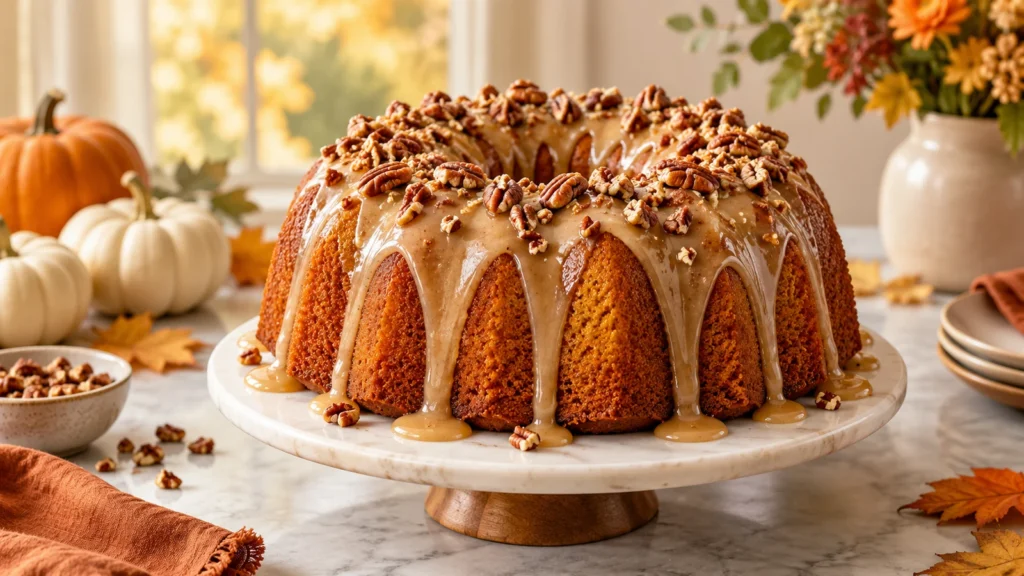
This sweet potato pound cake recipe makes a moist, warmly spiced cake with a fine, buttery crumb and rich brown butter glaze. Sweet potato purée and sour cream add lasting softness without making the cake heavy or gummy. Each slice has enough structure for clean serving while remaining tender for days.
Clear mixing cues, pan guidance, and doneness checks make this sweet potato pound cake recipe dependable for holidays, family gatherings, or everyday baking. You can prepare the purée ahead, bake the cake a day before serving, and add the glaze after the cake has cooled completely.
Table of Contents
Why You’ll Love This Sweet Potato Pound Cake Recipe
- Moist but sturdy: The tender crumb slices neatly and stays fresh for days.
- Balanced flavor: Cinnamon and nutmeg complement the sweet potato without overpowering it.
- Reliable: Ingredient weights, visual cues, and an internal temperature range remove much of the guesswork.
- Flexible: Use fresh or canned purée and bake the batter in a Bundt, tube, or loaf pan.
- Make-ahead friendly: The flavor settles beautifully overnight, making the cake convenient for entertaining.
Ingredients
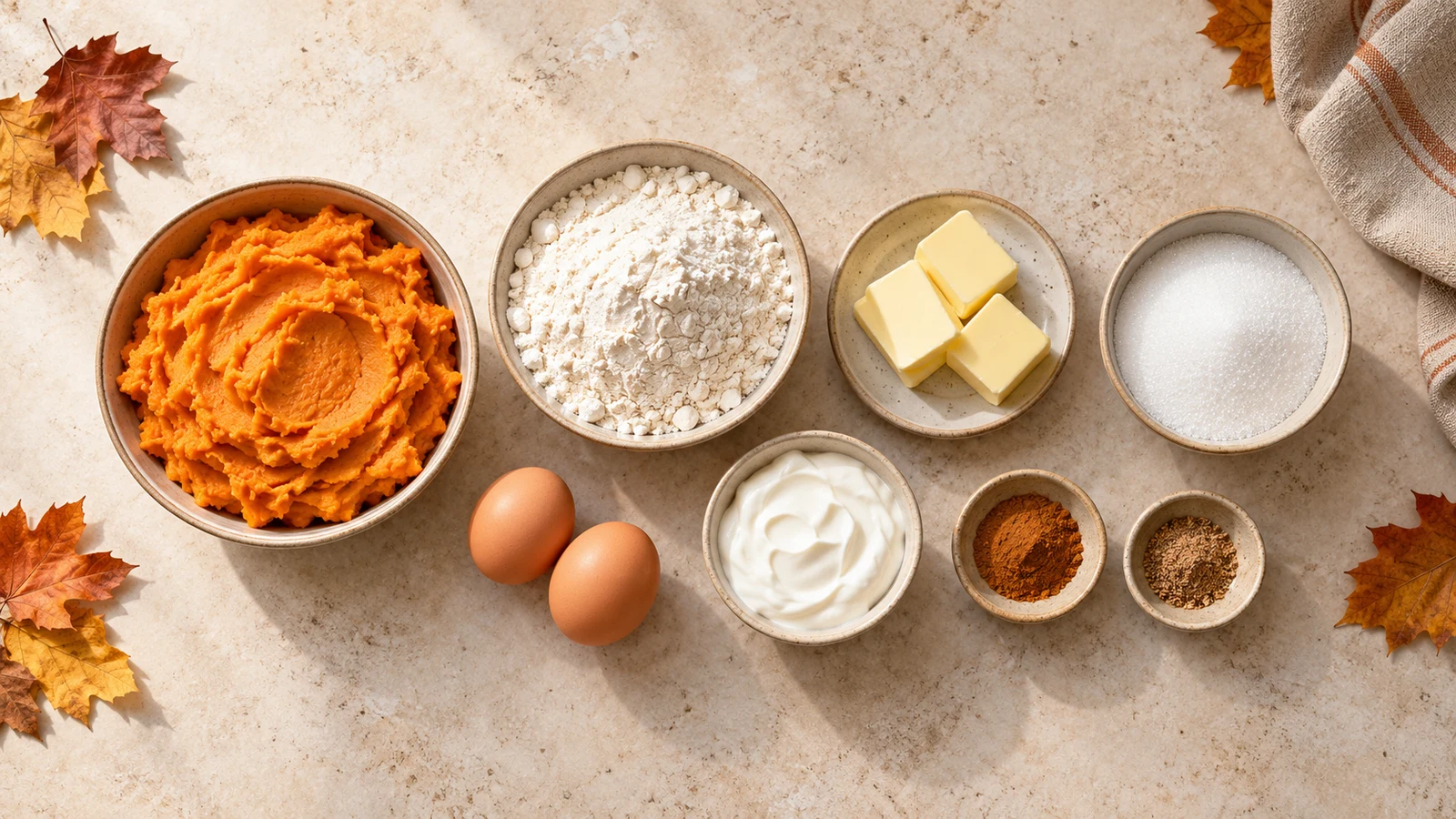
- 1 cup (245 g) smooth sweet potato purée
- 3 cups (360 g) all-purpose flour, spooned and leveled
- 1 teaspoon baking powder
- 1/2 teaspoon fine salt
- 1 teaspoon ground cinnamon
- 1/2 teaspoon ground nutmeg
- 1 cup (226 g) unsalted butter, softened
- 2 1/2 cups (500 g) granulated sugar
- 5 large eggs (about 250 g without shells), at room temperature
- 1/2 cup (120 g) full-fat sour cream, at room temperature
- 2 teaspoons vanilla extract
- For the glaze: 4 tablespoons (57 g) unsalted butter, 1 1/2 cups (170 g) confectioners’ sugar, 3 tablespoons milk, 1/2 teaspoon vanilla, and a pinch of salt
What Each Key Ingredient Does
Sweet potato supplies flavor, color, and moisture. Its natural starch also helps the crumb feel plush rather than loose. Full-fat sour cream contributes richness and gentle acidity, while butter creates the classic flavor expected from a pound cake. Together, these ingredients distinguish this sweet potato pound cake recipe from a plain butter cake.
The eggs provide structure and help the batter emulsify. Granulated sugar sweetens the cake, tenderizes the crumb, and supports browning. All-purpose flour gives the cake enough strength to release from a detailed pan, while the small amount of baking powder adds lift without creating a coarse, airy texture.
Cinnamon and nutmeg keep the flavor warm and subtle. Vanilla rounds out the sweet potato and brown butter notes. Unlike a chocolate pound cake recipe, this cake does not rely on a bold ingredient to define every bite, so fresh spices and good vanilla make a noticeable difference.
Fresh Versus Canned Sweet Potato
For fresh purée, roast one large orange-fleshed sweet potato at 400°F (200°C) until completely tender, 45 to 60 minutes. Scoop out the flesh, blend until smooth, and cool before measuring. Roasting limits excess water and concentrates flavor, giving the sweet potato pound cake recipe a rich color and consistent crumb.
Plain canned sweet potato also works; avoid pie filling or syrup-packed products. The ideal purée is smooth and thick enough to mound on a spoon. If watery, drain it through a fine sieve; if fibrous, blend it briefly. These sweet potato cake preparation notes offer another useful example of baking with sweet potato.
Measure the purée only after it has cooled and reached the correct consistency. Warm purée can soften the butter prematurely, while excess purée can weigh down the center. The measured 245 g is important because adding more for stronger flavor may make the finished cake gummy.
Equipment and Pan Selection
Use a mixer, bowls, whisk, flexible spatula, cooling rack, and a 10- to 12-cup Bundt pan. A 10-inch tube pan of comparable capacity is suitable, although its straighter sides may shorten baking slightly. If you lack a mixer, cream the butter and sugar vigorously with a sturdy wooden spoon.
Grease every ridge with softened shortening or baking spray containing flour, then dust lightly with flour. Do not rely on plain cooking spray, which can allow a detailed cake to stick. A light-colored metal pan promotes more even baking than a very dark pan, which can brown the crust quickly.
A long wooden skewer reaches farther into the cake than a short toothpick. An instant-read thermometer offers an additional doneness check, especially near the center tube. These tools are useful because the moist batter in this sweet potato pound cake recipe can make a short tester appear clean before the deepest area is ready.
How to Make This Sweet Potato Pound Cake Recipe
- Prepare the oven and pan: Heat the oven to 325°F (165°C). Grease and flour the pan thoroughly, tapping out excess flour.
- Combine the dry ingredients: Whisk the flour, baking powder, salt, cinnamon, and nutmeg until evenly distributed.
- Cream the butter and sugar: Beat at medium speed for 4 to 5 minutes. The mixture should look noticeably paler, fluffy, and increased in volume.
- Add the eggs: Beat in one egg at a time, mixing only until each disappears. Scrape the bowl after every second egg. Room-temperature ingredients blend more smoothly and help prevent a curdled batter.
- Add the moist ingredients: Mix the purée, sour cream, and vanilla in a separate bowl. Add this mixture to the butter mixture and beat on low just until combined.
- Finish the batter: Fold in the dry ingredients in three additions. Stop when the last flour streak vanishes; overmixing can produce a dense or gummy crumb.
- Fill and bake: Spoon the batter evenly into the pan and smooth the top. Bake a Bundt cake for 70 to 85 minutes or a tube cake for 65 to 80 minutes.
- Check doneness: The top should spring back, the edges should pull slightly from the pan, and a long skewer should emerge with a few moist crumbs but no wet batter. The center should register about 205°F to 210°F (96°C to 99°C).
- Cool: Rest in the pan for 15 minutes. Loosen the edges carefully, invert onto a rack, and cool completely before glazing.
Brown Butter Glaze
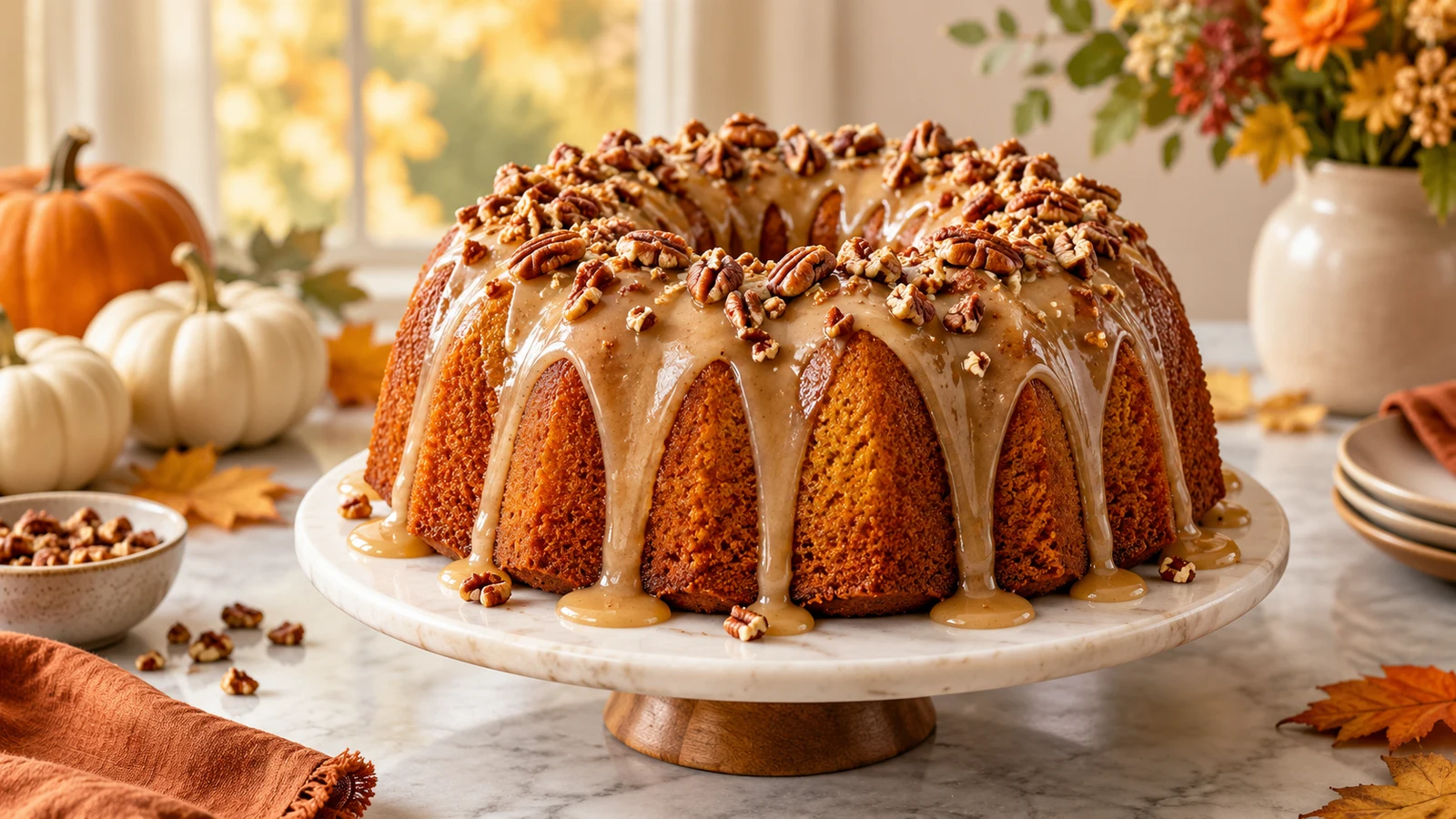
Cook the butter in a light-colored saucepan over medium heat until it smells nutty and the milk solids turn amber, about 4 minutes. Cool for 10 minutes, then whisk with the confectioners’ sugar, milk, vanilla, and salt. For another sweet potato flavor reference, see this sweet potato sheet cake recipe.
The glaze should fall in a thick ribbon. Add milk 1 teaspoon at a time if it is too stiff, or confectioners’ sugar 1 tablespoon at a time if it is too thin. Spoon it over the fully cooled cake so it settles along the ridges without melting into the crust.
Watch the butter closely once it begins to foam. The browned milk solids can move from amber to burned quickly. A pale saucepan makes their color easier to judge. Scrape those flavorful solids into the glaze because they give this sweet potato pound cake recipe its toasted, nutty finish.
Expert Tips for Consistent Results
- Measure flour by weight: Scooping directly from the bag can compact the flour and create a dry, heavy cake.
- Use room-temperature ingredients: Eggs, sour cream, butter, and purée combine into a smoother emulsion when they are similar in temperature.
- Cream thoroughly: The butter and sugar should become pale and fluffy before the eggs are added. This step creates tiny air pockets that help lift the dense batter.
- Scrape the bowl: Reach the bottom and sides so no streaks of dense butter remain hidden beneath the batter.
- Fold gently: Once flour enters the bowl, use low speed or a spatula and stop as soon as the flour disappears.
- Respect pan capacity: Do not fill a pan beyond three-quarters full; bake surplus batter separately.
- Delay rotation: Rotate the pan only after the structure has set, around 50 minutes.
- Time the release: Let the cake rest for exactly 15 minutes before turning it out. Earlier inversion can cause breaking, while a long rest encourages sticking.
The creaming method matters more here than it does in some oil-based cakes. A sour cream pound cake recipe may use a similar technique, but sweet potato adds extra weight. Proper aeration allows this batter to rise evenly without increasing the stated amount of baking powder.
Variations and Substitutions
Loaf Pan Version
For two 9-by-5-inch loaf pans, divide the batter evenly and bake at 325°F (165°C) for 55 to 70 minutes. Begin checking early because pan materials vary. Keep the same visual and temperature tests used for the Bundt version.
Dairy-Free Option
For a dairy-free version, use plant-based stick butter, thick dairy-free sour cream, and unsweetened oat milk. The flavor and crumb will differ slightly. Choose firm products rather than soft spreads, which contain more water and may reduce the structure of the sweet potato pound cake recipe.
Pumpkin Substitution
Pumpkin purée may replace the sweet potato by weight, but its higher moisture can make the cake softer. Drain watery pumpkin before measuring. The finished flavor will be earthier and less sweet, although the cinnamon, nutmeg, vanilla, and brown butter glaze still pair well with it.
Spice and Texture Variations
For a warmer spice profile, you may add a small amount of ginger or allspice without changing the original cinnamon and nutmeg. Toasted pecans can be scattered over the wet glaze for crunch. If allergies are a concern, leave nuts off; the base recipe is naturally nut-free when packaged ingredients come from nut-safe facilities.
Choosing a Different Pound Cake
When you prefer tang over warm spice, a sour cream pound cake recipe is a fitting alternative. For lively citrus flavor, 7up recipes pound cake offers a different direction. These cakes share a close crumb, but each has its own moisture balance and should be followed as written.
Common Mistakes and Troubleshooting
Why Is the Cake Dense?
A dense cake usually comes from insufficient creaming, cold ingredients, or too much flour. Butter that is melted or greasy cannot trap air effectively. If the ingredients are cold, the batter may separate and lose volume. Weighing the flour and following the full creaming time help this sweet potato pound cake recipe rise properly.
Why Is the Center Gummy?
Gumminess points to watery purée, excess purée, overmixed flour, or underbaking. Confirm that the purée mounds on a spoon, weigh exactly 245 g, and fold only until the flour disappears. Test the deepest portion of the cake rather than an area close to the hot pan wall.
Why Did the Center Sink?
A sunken center indicates underbaking, too much leavener, or an oven door opened too early. Keep the door closed until the cake has developed a stable structure. Use the stated 1 teaspoon of baking powder, level the measurement, and verify that the oven is fully preheated before baking.
Why Did the Cake Turn Out Dry?
A dry cake has generally baked too long or contains excess flour. Begin checking at the earliest stated time, particularly when using a dark pan or an oven that runs hot. Remove the cake when the skewer has a few moist crumbs and the internal temperature is within the stated range.
Why Did the Cake Stick?
If the cake sticks, cover the inverted pan with a warm towel for several minutes, then lift gently. Next time, coat every groove more carefully and flour the coating lightly. Cooling for exactly 15 minutes allows the cake to firm up while it is still warm enough to release.
Why Does the Batter Look Curdled?
Cold eggs or eggs added too rapidly can make the butter mixture look grainy. Continue with the recipe if the separation is slight; the flour often brings the batter together. For the smoothest result, add room-temperature eggs individually and let each disappear before adding the next.
Serving Ideas
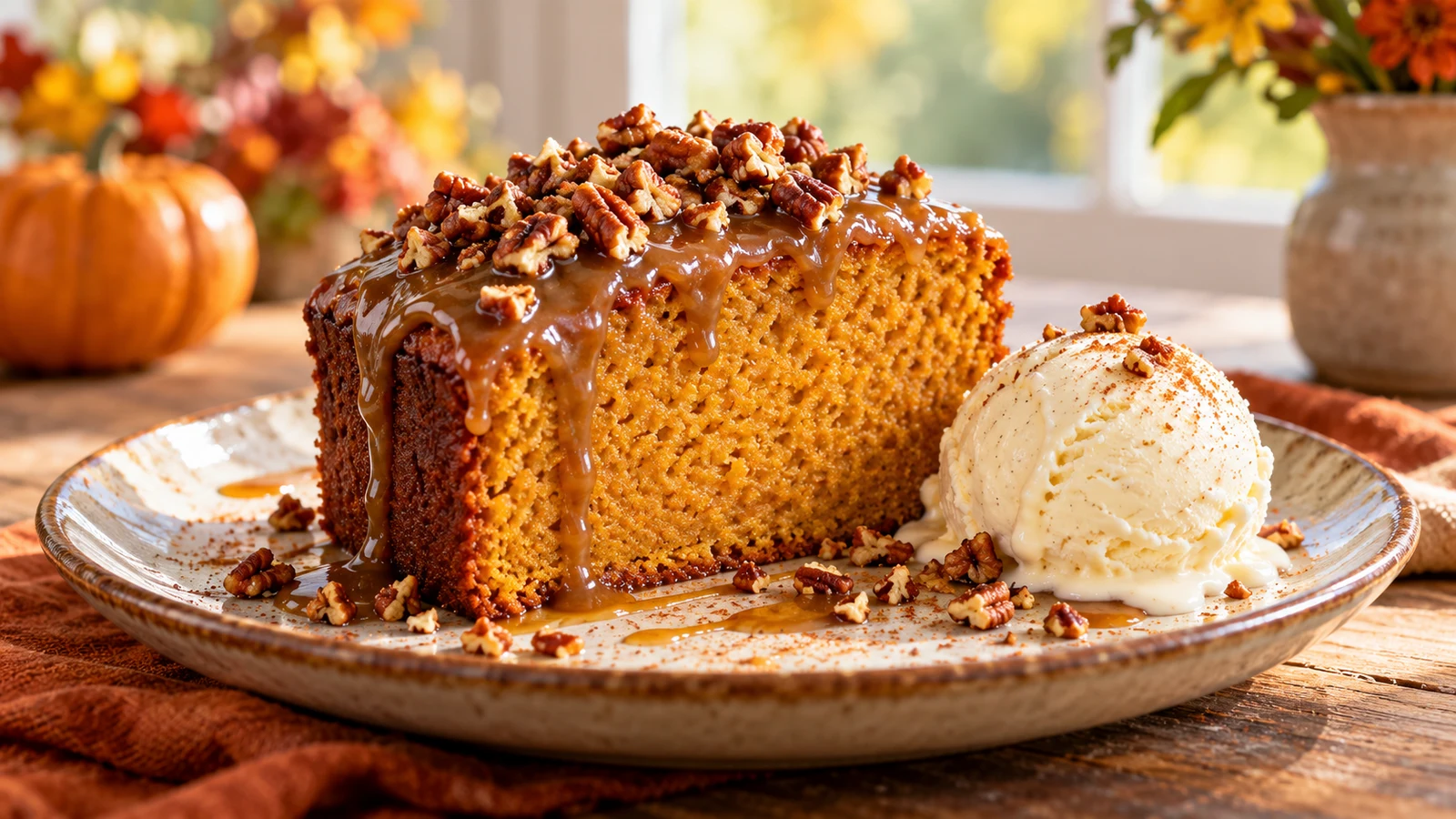
Serve thin slices with coffee, black tea, or chai. Lightly sweetened whipped cream or crème fraîche provides a cool contrast to the warm spices. Vanilla ice cream makes the cake feel more like a plated dessert, especially when the slice is gently warmed before serving.
For a fall gathering, arrange slices with poached pears or crisp apple wedges. Fresh orange segments add brightness after a rich meal. The brown butter glaze is already sweet, so tart or lightly sweet accompaniments create the best balance for this sweet potato pound cake recipe.
A dessert selection can include this cake beside a chocolate pound cake recipe for guests who prefer cocoa. For a brighter option, add an afroman lemon pound cake recipe. Cutting each cake into slim slices lets guests sample more than one flavor.
Make-Ahead, Storage, and Reheating
Preparing Components Ahead
Roast and purée the sweet potato up to 3 days ahead. Refrigerate it in a covered container, then bring the measured amount to room temperature before mixing. The dry ingredients may be whisked together a day ahead and kept covered at room temperature.
The brown butter can also be prepared in advance and refrigerated. Warm it only enough to become fluid, then let it cool before combining it with the remaining glaze ingredients. Preparing these components early makes the sweet potato pound cake recipe easier to fit around a holiday meal.
Storing the Baked Cake
Store the uncut cake tightly wrapped at room temperature for up to 3 days or refrigerate it for up to 5 days. Keep cut surfaces covered closely so they do not dry out. Because the batter contains eggs, follow established egg handling guidance during preparation.
For the best make-ahead result, bake the cake one day before serving. Cool it completely, wrap it well, and glaze it after unwrapping. The overnight rest allows the moisture and spice flavors to settle throughout the crumb.
Freezing and Thawing
Freeze the unglazed cake whole or in wrapped slices for up to 3 months. Wrap it tightly before placing it in a freezer-safe covering. Individual slices are convenient when you want to thaw only a few servings instead of the entire sweet potato pound cake recipe.
Thaw overnight in the refrigerator, then bring the cake to room temperature while it remains wrapped. Keeping it covered during thawing reduces condensation on the crumb. Add freshly made glaze after thawing if the cake was frozen whole.
Reheating Individual Slices
Warm individual slices at 300°F (150°C) for 5 to 8 minutes. Gentle heat refreshes the butter-rich crumb without drying the edges. If a slice is already glazed, place it on a lined baking surface because the glaze may soften as it warms.
Nutrition
Based on 16 slices, each glazed slice contains approximately 515 calories, 22 g fat, 76 g carbohydrates, 5 g protein, and 240 mg sodium. Values are estimates and vary by brands and serving size.
Frequently Asked Questions
Can I use canned sweet potato in this sweet potato pound cake recipe?
Yes. Use plain, unsweetened canned sweet potato, drain any visible liquid, and blend until smooth before weighing 245 g. Do not use sweet potato pie filling or a product packed in syrup because added sugar and liquid would alter the batter.
Can I bake this sweet potato pound cake recipe in a smaller Bundt pan?
Do not overfill it. Keep the pan no more than three-quarters full and bake remaining batter as cupcakes or in a small loaf pan. A smaller amount of batter may finish sooner, so begin checking early without changing the oven temperature.
Why did my sweet potato pound cake recipe turn out gummy?
The most common causes are watery purée, excess purée, overmixed flour, or an underbaked center. Use thick purée, weigh it accurately, and check with a thermometer as well as a long skewer.
Can I omit the glaze?
Yes. Dust the cooled cake with confectioners’ sugar or serve it plain; it remains moist and flavorful. You may also serve the glaze on the side so each person can choose how much to add.
How is this different from a sour cream pound cake recipe?
A sour cream pound cake recipe highlights butter, vanilla, and the tang of sour cream. This cake also includes sour cream, but sweet potato contributes earthy sweetness, orange color, additional starch, and moisture. Cinnamon, nutmeg, and brown butter further separate the two flavor profiles.
Is this similar to 7up recipes pound cake?
Both cakes have a rich crumb and suit a Bundt pan, but 7up recipes pound cake emphasizes citrus flavor and uses a different liquid balance. The sweet potato version depends on thick purée and sour cream, so the batters should not be combined or substituted cup for cup.
Can I turn this into a chocolate pound cake recipe?
It is better to follow a tested chocolate pound cake recipe because cocoa absorbs moisture and changes the flour balance. Adding a large quantity of cocoa to this batter could make it dry or dense. For a modest chocolate accent, serve a slice with chocolate sauce without changing the cake formula.
When should I choose an afroman lemon pound cake recipe instead?
Choose an afroman lemon pound cake recipe when you want a bright, citrus-forward dessert rather than warm autumn spice. The lemon cake is especially refreshing in spring or summer, while this sweet potato pound cake recipe suits cool-weather meals and holiday menus.
Can I reduce the sugar?
The sugar affects tenderness, moisture, browning, and structure as well as sweetness. A substantial reduction could make the crumb drier and alter how the cake rises. For a less sweet presentation, omit the glaze rather than changing the 2 1/2 cups of sugar in the batter.
Can I mix the batter by hand?
Yes, although it requires effort. Use very soft but not melted butter and a sturdy wooden spoon. Cream the butter and sugar vigorously until the mixture is visibly lighter and fluffier, then add each egg gradually. Fold in the flour gently to avoid developing excess gluten.
How do I know when the cake is completely cool?
The surface and center should feel room temperature, with no warmth remaining near the base. Depending on the room and pan, full cooling may take about an hour. Glazing too soon causes the icing to melt, become translucent, or slide off the cake.
Related Pound Cake Recipes
Explore a sour cream pound cake recipe for classic tang and buttery simplicity. Try 7up recipes pound cake when a citrus-forward crumb sounds appealing, or make an afroman lemon pound cake recipe for pronounced lemon flavor.
A chocolate pound cake recipe is another natural choice when you want a deeper cocoa profile. Although all of these desserts belong to the same broad family, their liquid, fat, and flour ratios differ. Follow the selected formula instead of swapping major ingredients between recipes.
Printable Recipe Card
Recipe: Moist Sweet Potato Pound Cake
Prep time: 25 minutes
Bake time: 70 to 85 minutes
Cooling and glazing: 1 hour 15 minutes
Total time: About 2 hours 45 minutes
Yield: 16 slices
Oven: 325°F (165°C)
Ingredients: Use the listed ingredients and weights above. Cream softened butter and sugar until pale and fluffy; add eggs individually, then incorporate sweet potato, sour cream, vanilla, and the combined dry ingredients. Bake in a prepared 10- to 12-cup pan until a skewer has moist crumbs and the center reaches 205°F to 210°F (96°C to 99°C).
Finishing: Cool for 15 minutes in the pan, invert onto a rack, and cool completely. Prepare the brown butter glaze as directed and spoon it over the cooled cake.
Notes: Use thick, smooth purée; keep ingredients at room temperature; avoid overmixing; and adjust the glaze with tiny additions of milk or sugar. Approximate nutrition per slice is 515 calories, 22 g fat, 76 g carbohydrates, 5 g protein, and 240 mg sodium.
A Reliable Cake for Any Occasion
With thick purée, careful creaming, and an accurate doneness check, this sweet potato pound cake recipe emerges tender, warmly spiced, and easy to slice. The brown butter glaze adds a nutty finish without hiding the sweet potato flavor.
Prepare the components ahead when convenient, protect the cake from air during storage, and let it cool fully before glazing. Those simple habits make this sweet potato pound cake recipe a dependable centerpiece for holidays, potlucks, afternoon coffee, or a relaxed family dessert.
Reviews
Reader reviews are managed separately (outside this build).