Cake
small chocolate cake recipe (Moist 6-Inch Cake)
Try this small chocolate cake recipe for a moist 6-inch cake serving 2–8, with clear steps and rich frosting for an easy, dependable dessert.
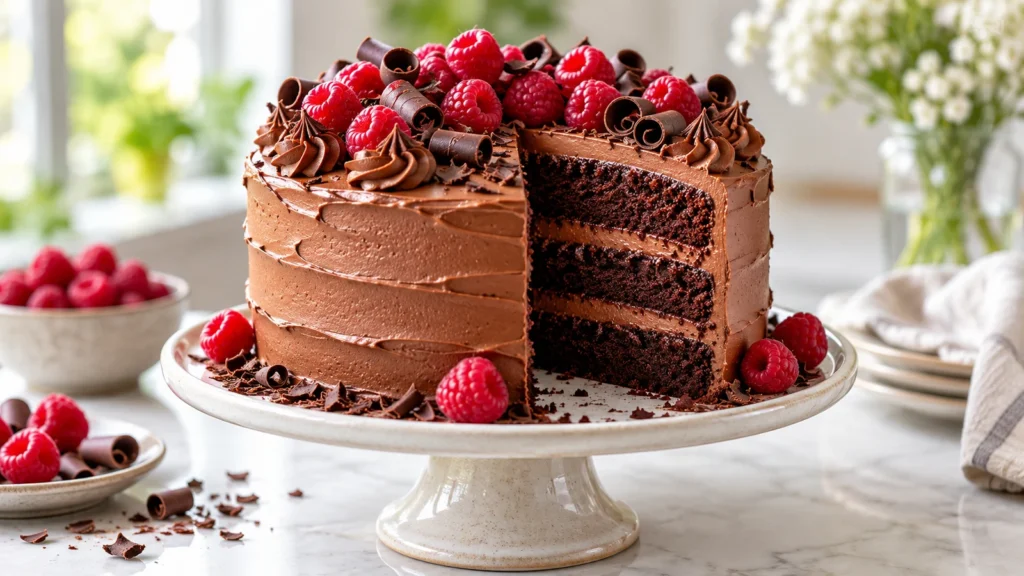
This small chocolate cake recipe makes one moist 6-inch chocolate cake with 4 to 6 servings, ideal for a birthday, anniversary, date night, or quiet weekend dessert. Baked in one deep pan or two shallow pans, it has a tender crumb, rich cocoa flavor, and about a 2-hour total time including cooling.
The recipe pairs a simple small-batch cake with enough chocolate frosting for filling and covering. Coffee is optional, so the small chocolate cake recipe is just as approachable for families as it is for experienced bakers. Careful measurements and clear doneness cues help produce consistent results without leaving a large cake behind.
Table of Contents
Why You’ll Love This Small Chocolate Cake Recipe
- Reliable texture: Oil and buttermilk keep the crumb soft and moist.
- Flexible pans: Bake the batter in one or two 6-inch pans.
- Small yield: It is a practical chocolate cake for two with leftovers or 4 to 6 modest servings.
- Measured results: Batter weight and cake doneness cues remove guesswork.
- Simple ingredients: Everything is familiar and easy to find in a standard grocery store.
- Celebration-ready: The finished cake is compact but tall enough to decorate attractively.
Ingredients
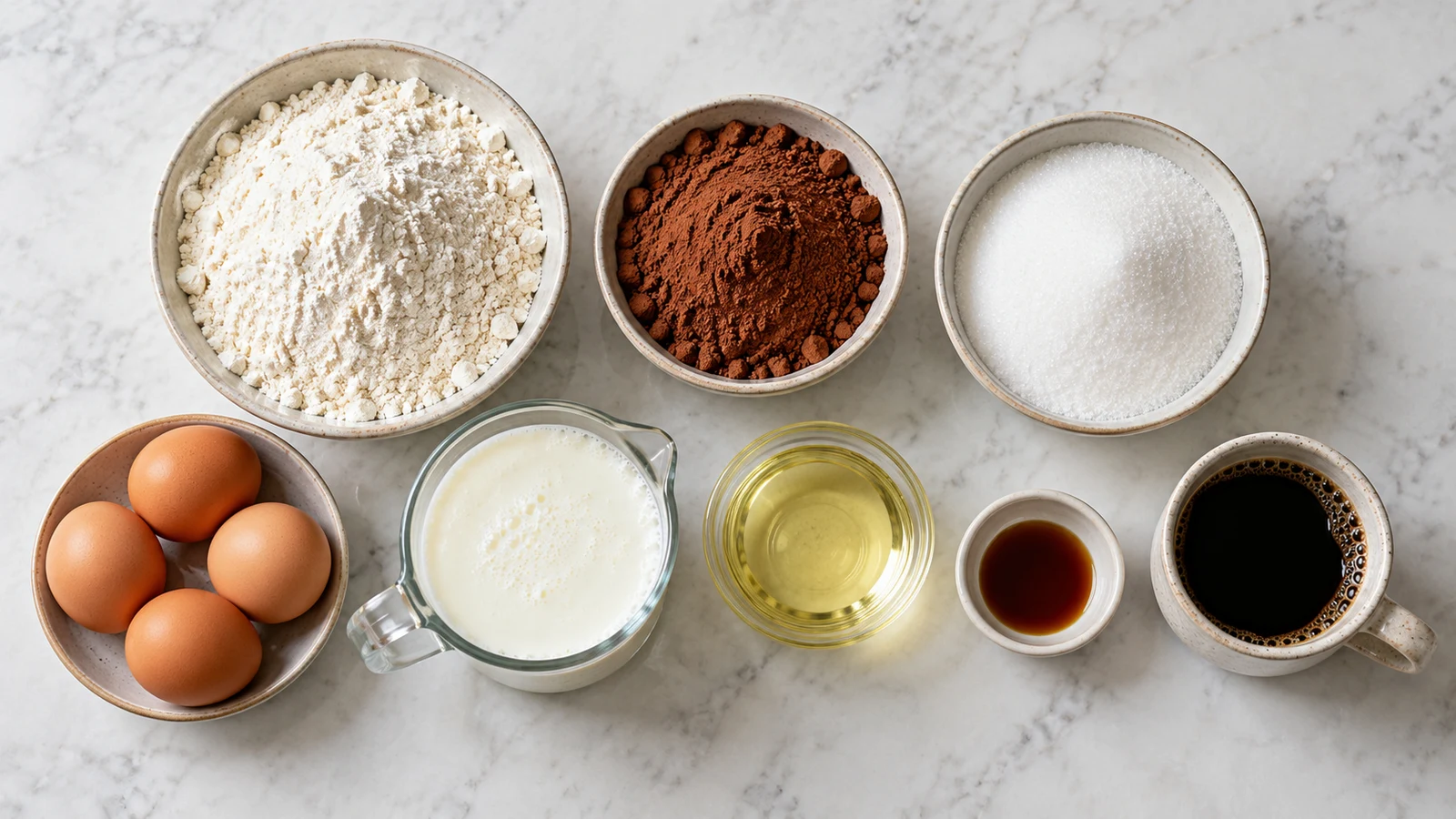
- 3/4 cup all-purpose flour (90 g)
- 1/2 cup granulated sugar (100 g)
- 1/4 cup packed light brown sugar (50 g)
- 1/3 cup natural unsweetened cocoa powder (28 g)
- 3/4 teaspoon baking soda
- 1/4 teaspoon baking powder
- 1/4 teaspoon fine salt
- 1 large egg, at room temperature
- 1/3 cup buttermilk (80 ml), at room temperature
- 1/4 cup neutral oil (60 ml)
- 1 teaspoon vanilla extract
- 1/3 cup hot water or hot brewed coffee (80 ml)
- For the frosting: 1/2 cup unsalted butter (113 g), softened
- 1 1/2 cups confectioners’ sugar (180 g)
- 1/3 cup unsweetened cocoa powder (28 g)
- 2 to 3 tablespoons milk (30 to 45 ml)
- 1 teaspoon vanilla extract and a pinch of salt
What Each Ingredient Does
All-purpose flour supplies enough structure to support the layers without creating the tight texture associated with a chocolate pound cake recipe. Granulated sugar sweetens and helps the crumb stay tender, while brown sugar contributes moisture and a subtle caramel note. Measure both sugars as listed so the cake rises and sets properly.
Natural cocoa provides the chocolate flavor and the acidity needed to work with the baking soda. Buttermilk adds more acidity, tenderness, and a mild tang that balances the frosting. Oil remains liquid when cool, which is why this small chocolate cake recipe stays soft after refrigeration better than many butter-based cakes.
The egg binds the batter and supports its structure. Hot water loosens the batter and helps release flavor from the cocoa. Hot coffee does the same while deepening the chocolate impression; it does not make the finished cake taste strongly of coffee. Vanilla and salt round out the cocoa flavor rather than competing with it.
Equipment and Pan Options
Use a digital scale, mixing bowls, whisk, flexible spatula, cooling rack, and either one deep 6-by-3-inch round pan or two standard 6-by-2-inch pans. Grease the pan bottoms, line them with parchment, and lightly grease the paper.
The finished cake batter weight is approximately 540 g. Divide about 270 g into each of two pans for even layers. An 8-by-4-inch loaf pan works in a pinch and generally needs 30 to 38 minutes; do not substitute a cupcake pan without shortening the bake considerably.
Choose light-colored metal pans when possible because they heat evenly and make the bake easier to judge. Dark pans can brown the edges sooner, while glass retains heat longer. If using either, begin checking early. Unlike a chocolate bundt cake recipe, this batter does not need a decorative tube pan or an especially heavy coating of grease.
Natural Versus Dutch-Process Cocoa
Natural cocoa is acidic and works with the baking soda to provide dependable lift. Dutch-process cocoa has a smoother, darker flavor but may change the rise because its acidity differs; this natural and Dutch-process cocoa guide explains the chemistry. For the most reliable result, use natural cocoa in the cake; either kind works in the frosting.
Do not confuse unsweetened cocoa with sweetened cocoa drink mix. Drink mix contains sugar and other ingredients that alter the formula. Sifting lumpy cocoa before measuring or whisking it thoroughly with the other dry ingredients prevents dry pockets in the finished small chocolate cake recipe.
How to Make This Small Chocolate Cake Recipe
- Prepare the oven and pan. Heat the oven to 350°F (175°C). Grease and line one deep 6-inch pan or two standard 6-inch pans.
- Combine the dry ingredients. Whisk the flour, both sugars, cocoa, baking soda, baking powder, and salt until no cocoa lumps remain.
- Add the wet ingredients. Whisk in the egg, buttermilk, oil, and vanilla. Slowly add the hot water or coffee and mix just until smooth. The batter should look thin and pourable.
- Fill the pan. Transfer approximately 540 g of batter to one deep pan, or divide it equally between two pans.
- Bake. Bake two layers for 20 to 25 minutes. Bake one deep layer for 32 to 40 minutes, tenting loosely with foil if the top darkens early.
- Cool. Rest the cake in its pan for 15 minutes. Run a thin knife around the edge, invert onto a rack, remove the parchment, and cool completely.
Make the Chocolate Frosting
Beat the softened butter for 2 minutes until creamy. Sift in the confectioners’ sugar and cocoa, then mix on low. Add vanilla, salt, and 2 tablespoons milk; beat for another 2 minutes, adding the remaining milk a teaspoon at a time until spreadable.
If the frosting looks split, the ingredients may be at different temperatures. Let it stand at room temperature briefly, then beat again. If it is too soft, add confectioners’ sugar 1 tablespoon at a time; if stiff, add milk by the teaspoon.
The correct consistency should hold a soft peak while gliding across the cake without pulling up crumbs. For cleaner frosting, apply a very thin first coat and chill the cake briefly before adding the remaining frosting. This small chocolate cake recipe makes enough frosting for the filling, top, and sides without an excessive amount left over.
Assembly and Garnish
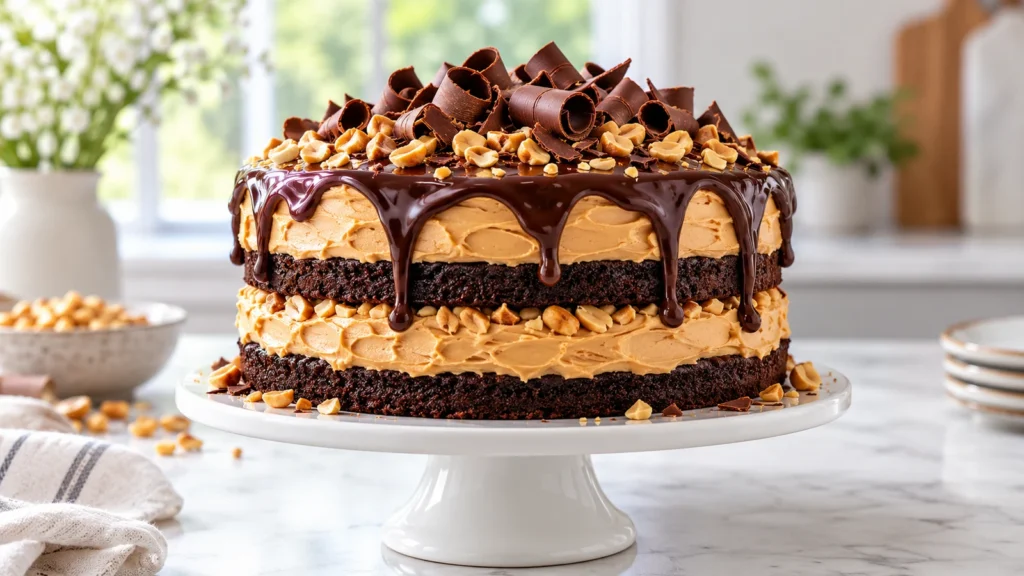
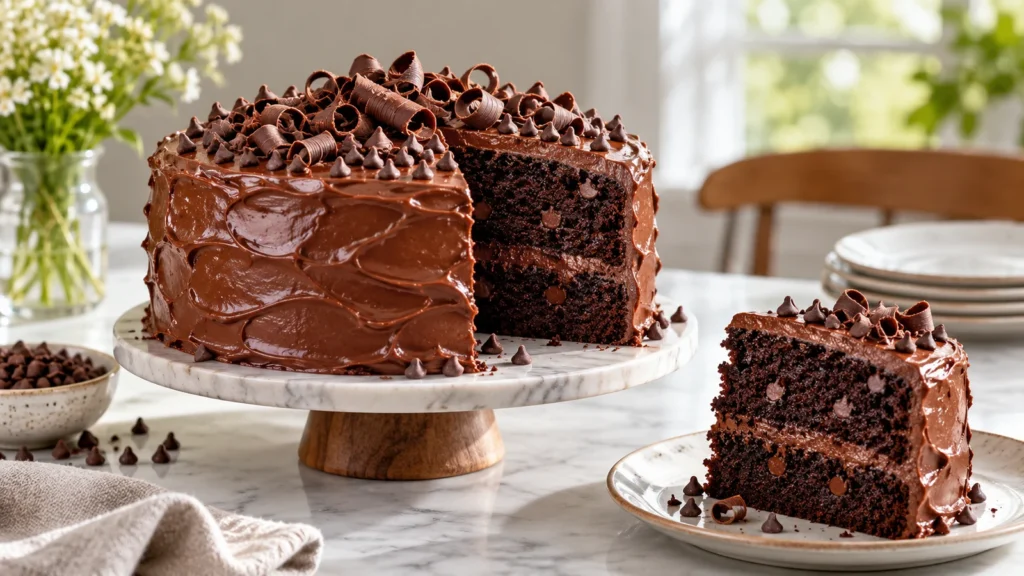
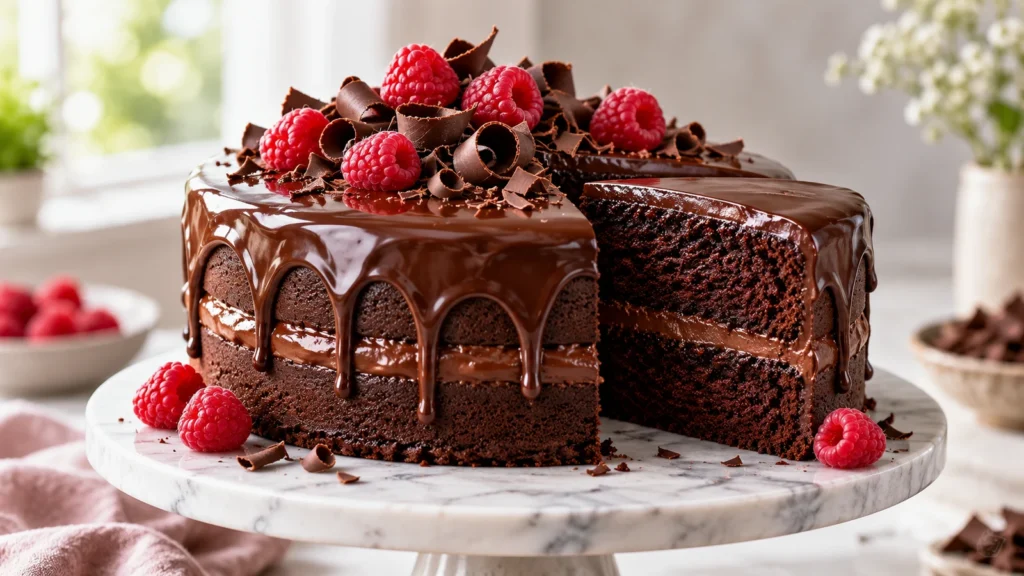
For two layers, spread roughly 1/3 cup frosting over the first layer, add the second, and use the remainder on the top and sides. For one deep cake, leave it whole or split the fully chilled layer horizontally with a serrated knife. Garnish with chocolate curls, sprinkles, berries, or a small pinch of flaky salt.
Place the first layer cut side or flatter side up so the filling rests on an even surface. Set the second layer on top and inspect it at eye level before frosting the sides. If the cake slides, chill it until the filling firms. Wipe the serving plate around the base before adding the final garnish.
How to Check Cake Doneness
The center should spring back lightly, the edges should begin pulling from the pan, and a toothpick should show a few moist crumbs rather than wet batter. For an additional check, the center should register about 200 to 205°F (93 to 96°C); this guide offers more visual tests for cake doneness.
Start checking at the earliest stated time because pan material and oven calibration affect baking speed. Insert the tester into the center without repeatedly puncturing the cake. Melted chocolate-like streaks from moist crumbs are acceptable, but shiny liquid batter means the center needs more time.
Expert Tips for the Best Small Chocolate Cake Recipe
- Measure accurately: Weigh the flour and cocoa when possible. Too much of either can create a dry, heavy crumb.
- Use room-temperature ingredients: The egg and buttermilk blend more evenly and help the batter rise consistently.
- Bloom the cocoa: Do not reduce the hot liquid because the batter looks thin. The heat helps develop a fuller cocoa flavor.
- Mix with restraint: Stop as soon as the batter is smooth. Excess mixing can make the crumb firm or encourage doming.
- Fill safely: Keep the pan below two-thirds full. Use two pans if a single pan is not deep enough.
- Protect the rise: Avoid opening the oven during the early part of baking because a sudden temperature drop can sink the center.
- Cool correctly: Use parchment and allow the 15-minute pan rest to prevent sticking without trapping excess steam.
- Level only when cool: If the cake domes, check that the oven is not running hot and trim the cooled top before stacking.
For the neatest slices, chill the assembled cake until the frosting is firm, then use a long knife warmed under hot water and wiped dry. Clean the blade between cuts. Let each slice sit briefly at room temperature before serving so the cake and frosting regain their soft textures.
Variations and Substitutions
Coffee-Free and Dairy-Free Options
Coffee-free: Use hot water; the cake remains deeply chocolatey. Buttermilk-free: Stir 1 teaspoon lemon juice or white vinegar into 1/3 cup milk and wait 5 minutes. Dairy-free: Use unsweetened soy milk plus vinegar in the cake, plant-based butter in the frosting, and nondairy milk as needed.
Gluten-Free Option
For a tested flourless adaptation, follow this separate gluten free chocolate cake recipe rather than making a direct flour swap. A gluten free chocolate cake recipe requires attention to structure, moisture, and the properties of the selected flour blend, so an untested substitution may not rise or slice like this cake.
German Chocolate Variation
For a different flavor and filling, try the baker’s german chocolate cake recipe. A baker’s german chocolate cake recipe traditionally has its own chocolate choice and coconut-pecan character, so replacing only this frosting would not completely reproduce that dessert.
Pan and Batch Variations
To double the small chocolate cake recipe, weigh and multiply every ingredient by two instead of estimating by volume. Bake the larger batch in suitable separate pans rather than overfilling a 6-inch pan. Keep the oven temperature unchanged and judge each layer by the stated doneness cues.
A chocolate bundt cake recipe or chocolate pound cake recipe requires different ratios and should not be made by simply changing the pan. A chocolate bundt cake recipe needs enough structure to release cleanly from a detailed mold, while a chocolate pound cake recipe is generally denser and richer than this light, oil-based layer cake.
Flavor Variations
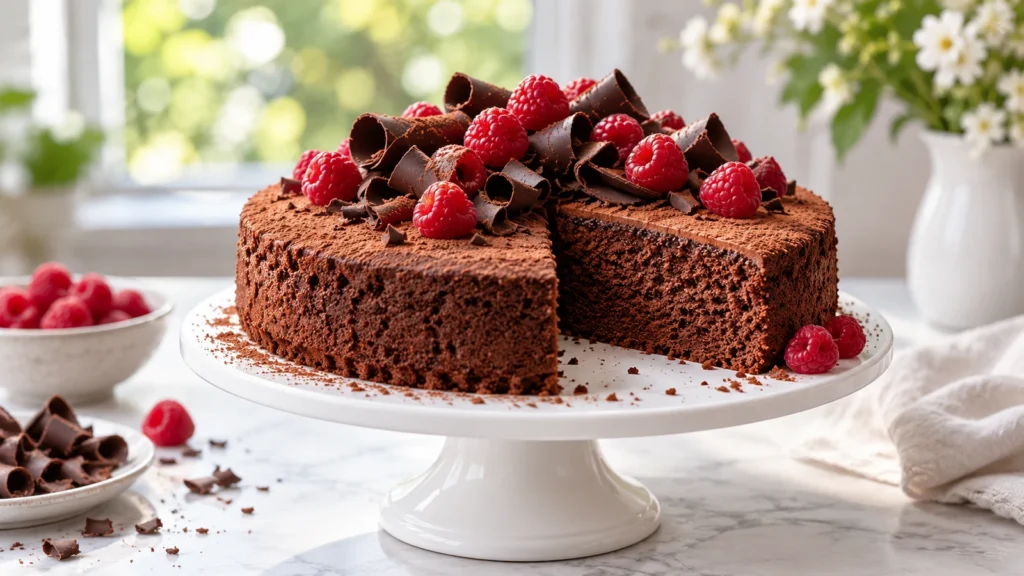
Add flavor through garnishes without changing the cake formula. Orange zest, fresh raspberries, toasted nuts, or a light dusting of cocoa can complement the chocolate. Peppermint pieces suit a holiday version, while a few colorful sprinkles turn the same small chocolate cake recipe into an easy birthday centerpiece.
Make-Ahead Plan
Bake the layers one day before serving, cool them completely, and wrap each layer snugly. Keep them at cool room temperature overnight. Slightly chilled layers are easier to level, move, and frost because they shed fewer crumbs. Do not wrap warm cake, since trapped steam can make the exterior sticky.
The frosting can also be prepared one day ahead and refrigerated in a covered container. Let it soften at room temperature, then beat it briefly before use. Add milk only if it remains too firm after warming. Assemble the small chocolate cake recipe on the morning of the event or several hours before serving.
For longer planning, freeze the wrapped layers for up to 3 months. Thaw them overnight in the refrigerator while still wrapped, which limits condensation on the cake. Unwrap after thawing and bring the layers to a workable cool temperature before assembling.
Serving Ideas
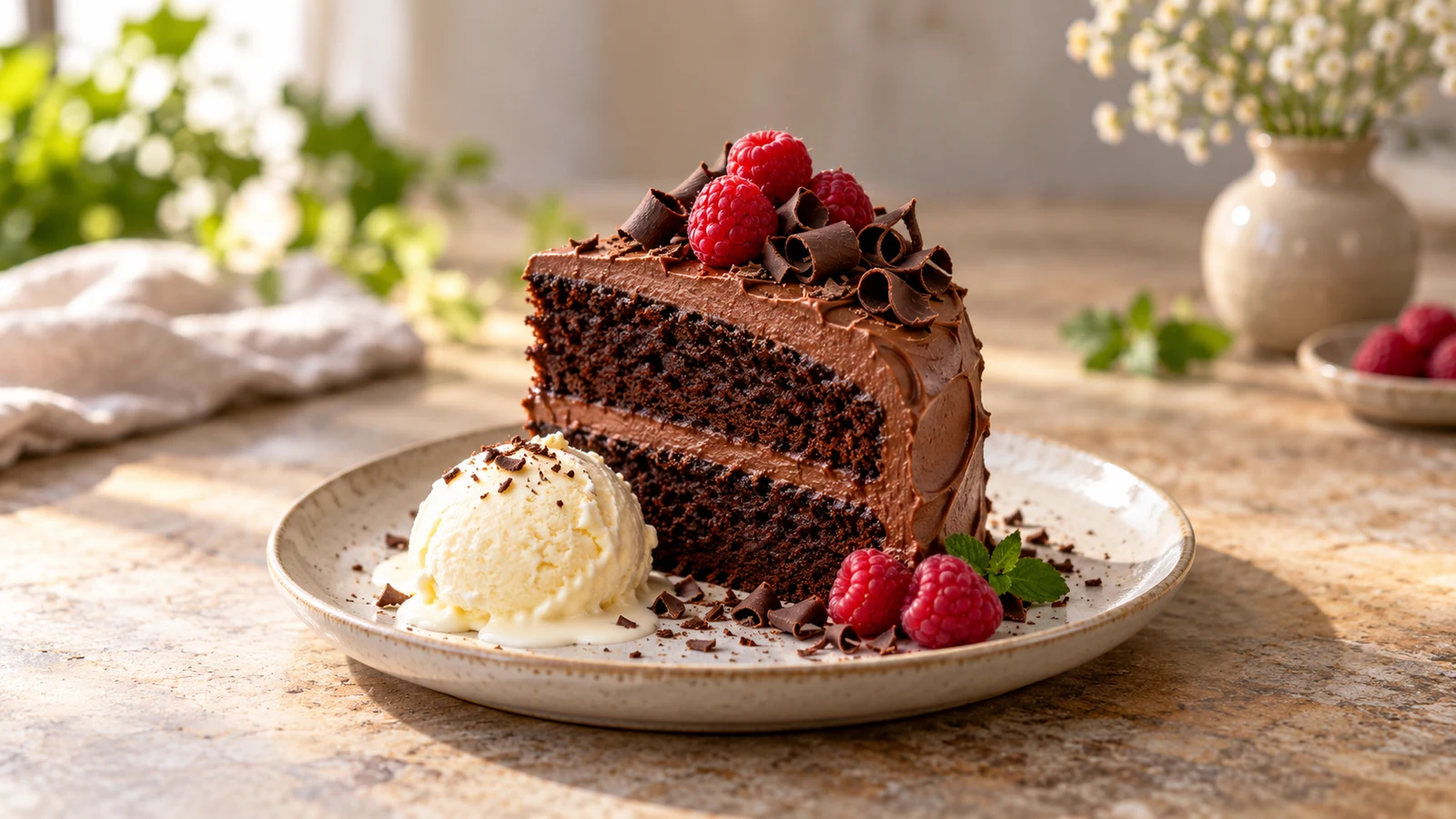
Serve slices at room temperature with raspberries, strawberries, vanilla ice cream, or lightly whipped cream. Tart berries balance the sweet frosting, while ice cream makes the dessert feel more celebratory. For another familiar cocoa-forward dessert to compare, see this Hershey’s chocolate cake recipe.
For an elegant plate, add a spoonful of lightly whipped cream and two or three berries beside each slice. For a casual gathering, decorate with sprinkles and serve the cake directly from its stand. Small portions are rich enough after dinner, while larger wedges work well for a birthday dessert.
The flavor pairs naturally with coffee, cold milk, black tea, or an unsweetened espresso. If serving children, hot water in the batter keeps the small chocolate cake recipe completely coffee-free. The cake also works as the centerpiece of a dessert board with fruit and small cookies.
How to Store and Reheat
Keep the frosted cake covered at room temperature for up to 2 days if the room is cool, or refrigerate it for up to 5 days. Follow sound kitchen hygiene and consult the USDA’s safe temperature guidance when serving it with perishable fillings or toppings.
Freeze unfrosted layers, wrapped in plastic and foil, for up to 3 months; freeze frosted slices in airtight containers for up to 2 months. Thaw overnight in the refrigerator, then bring to room temperature. The cake does not require reheating, but an unfrosted slice can be warmed for 8 to 10 seconds in a microwave.
Store cut cake with the exposed edge covered closely to reduce moisture loss. If refrigerating the whole cake, use a covered carrier or container that does not touch the frosting. Bring refrigerated servings to room temperature before eating, since cold frosting feels firmer and the cocoa flavor is less pronounced.
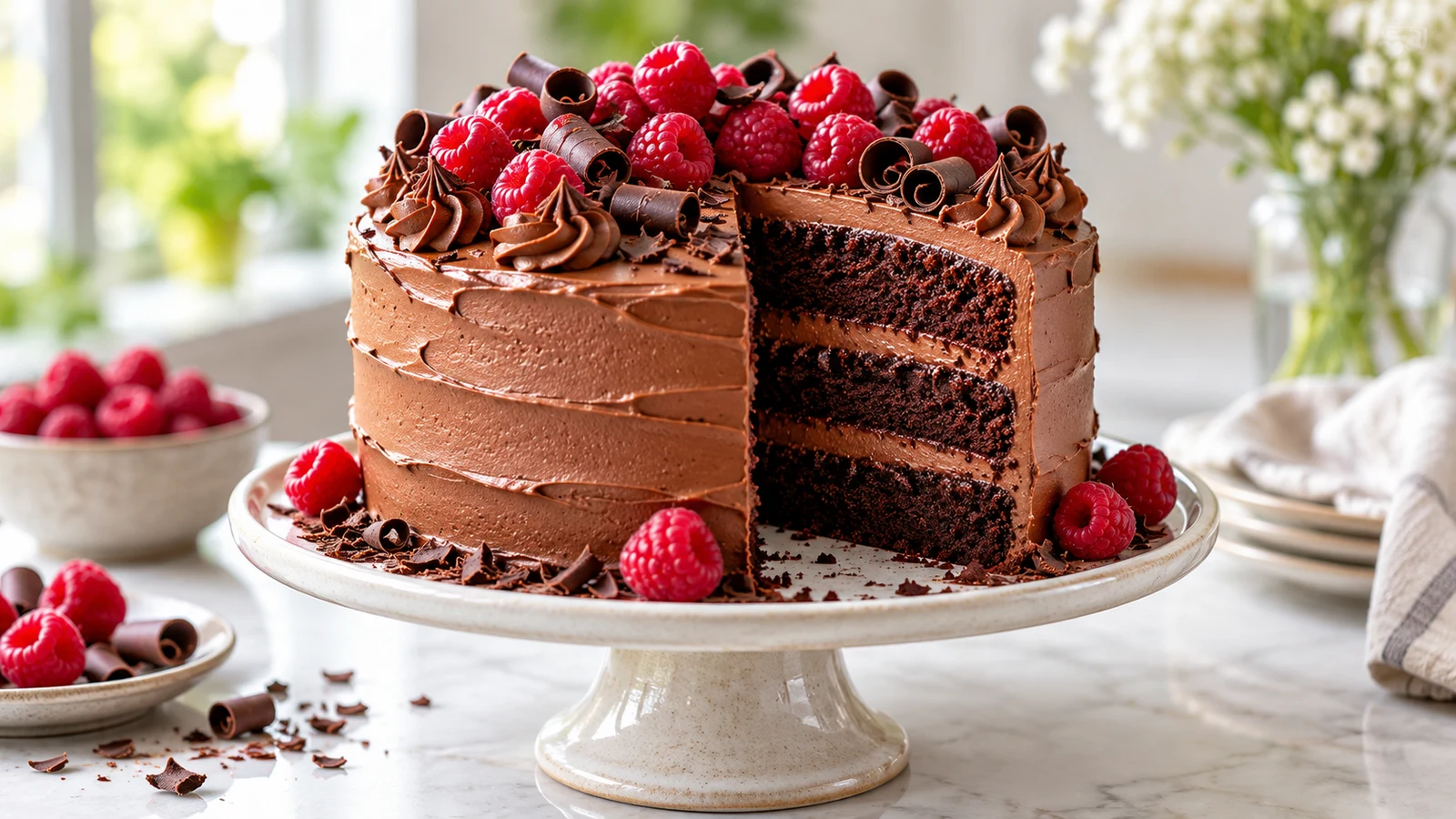
Troubleshooting This Small Chocolate Cake Recipe
Why Did the Center Sink?
A sunken center usually indicates underbaking, excess leavener, inaccurate measuring, or opening the oven too early. Confirm the amounts of baking soda and baking powder, preheat fully, and test the center before removing the pan. If the surface browns early, tent it loosely with foil and continue baking.
Why Is the Cake Dry?
Overbaking and excess flour or cocoa are the most common causes. Weigh the dry ingredients, check the cake at the early end of the time range, and remove it when the tester has moist crumbs. Refrigeration can also make the crumb seem firm, so let chilled slices warm before serving.
Why Is the Cake Dense or Rubbery?
Overmixing after the flour is hydrated can build too much gluten, while inactive leavening can prevent a proper rise. Mix only until smooth and replace baking soda or baking powder that is old or has been stored in a humid place. Use natural cocoa as directed so the acid and baking soda remain balanced.
Why Did the Cake Stick?
Grease the pan, line the bottom with parchment, and lightly grease the paper. Let the baked cake rest for 15 minutes before loosening the edge. Turning it out immediately may cause breakage, while leaving it in the pan until completely cold can allow moisture and sugars to adhere.
Why Did the Layers Bake Unevenly?
Unequal batter amounts, a tilted oven rack, or hot spots can produce mismatched layers. Weigh about 270 g into each pan and place both pans on the same rack with space around them. Rotate only near the end if your oven browns noticeably unevenly and the cake structure has already set.
Why Is the Frosting Grainy or Too Loose?
Sift the confectioners’ sugar and cocoa to remove lumps. Softened butter should yield to gentle pressure but should not look melted. If the frosting is loose, cool it briefly or add confectioners’ sugar 1 tablespoon at a time. If grainy, continue beating and add a teaspoon of milk if needed.
Frequently Asked Questions
Can I Bake This Small Chocolate Cake Recipe in One 6-Inch Pan?
Yes. Use a deep 6-by-3-inch pan and bake for 32 to 40 minutes. A shallow pan may overflow, so divide the batter between two pans if its sides are only 2 inches high. Keep the pan below two-thirds full and test the deepest part of the center.
Can I Make the Cake Ahead?
Yes. Bake the layers one day ahead, cool completely, wrap well, and keep them at room temperature. Frost before serving, or freeze the wrapped layers for longer storage. Preparing the components separately makes final assembly faster and helps protect the frosting from accidental damage.
What if My Batter Is Very Thin?
Thin batter is expected in this small chocolate cake recipe. Do not add flour; confirm that the ingredients were measured correctly and bake it promptly. The hot water or coffee hydrates and blooms the cocoa, and the liquid batter produces a moist crumb once the cake is fully baked.
Can I Use Dutch-Process Cocoa?
Natural cocoa is the dependable choice because this formula uses baking soda and relies on acidity for a balanced rise. Dutch-process cocoa can change that reaction. Either cocoa may be used in the frosting because the frosting does not depend on chemical leavening.
Is This the Same as a Chocolate Pound Cake Recipe?
No. A chocolate pound cake recipe usually has a tighter crumb and a higher proportion of butter and eggs. This cake uses oil, buttermilk, and a thin cocoa batter for a softer, lighter result. Follow a dedicated formula when the dense character of pound cake is desired.
Can I Bake the Batter in a Bundt Pan?
A full-size Bundt pan is too large for this quantity, and the batter was not designed for intricate release. Use a tested chocolate bundt cake recipe when you want that shape. A dedicated chocolate bundt cake recipe also provides the correct yield, structure, greasing method, and baking time.
Can I Convert It Directly to a Gluten Free Chocolate Cake Recipe?
A direct substitution is not recommended because gluten-free flour blends absorb moisture and provide structure differently. Use the linked gluten free chocolate cake recipe for more predictable results. That approach avoids wasting ingredients on an uncertain one-for-one conversion.
How Does It Differ From a Baker’s German Chocolate Cake Recipe?
This cake emphasizes natural cocoa and chocolate butter frosting. A baker’s german chocolate cake recipe has a distinct flavor profile commonly paired with coconut and pecans. Choose the linked baker’s german chocolate cake recipe when that traditional combination is the main goal.
Can I Reduce the Sugar?
Reducing sugar changes more than sweetness because sugar supports moisture, tenderness, browning, and structure. For dependable results, use the listed amount. Instead, balance the finished dessert with tart berries, unsweetened whipped cream, or coffee rather than changing the cake formula.
Can I Use Cold Ingredients?
The cake may still bake, but room-temperature egg and buttermilk combine more evenly with the other ingredients. If you forgot to plan ahead, place the egg in warm water briefly and take the chill off the measured buttermilk before mixing. Neither ingredient should become hot.
How Many People Does the Cake Serve?
The 6-inch cake provides 4 to 6 servings, depending on how generously it is sliced. Six servings are appropriate after a meal; four larger slices suit a small celebration. Cut through the center into equal wedges with a clean, sharp knife.
Complete Recipe Card
Recipe: Moist Small Chocolate Cake
Prep time: 20 minutes
Bake time: 20 to 40 minutes
Cooling time: 60 minutes
Total time: 1 hour 40 minutes to 2 hours
Yield: One 6-inch cake, 4 to 6 servings
Equipment: One deep or two standard 6-inch pans, bowls, whisk, spatula, scale, and cooling rack
Measurements: Use the complete US and metric ingredient list above. Whisk dry ingredients; mix in egg, buttermilk, oil, and vanilla; add hot water; then bake at 350°F (175°C) for 20 to 25 minutes in two pans or 32 to 40 minutes in one deep pan. Cool fully, prepare the frosting, and assemble as directed.
Estimated nutrition per serving, based on 6 servings: 560 calories, 27 g fat, 78 g carbohydrate, 5 g protein, 55 g sugar, and 330 mg sodium. Values vary with brands and serving size.
Notes: Expect about 540 g batter. Use natural cocoa for dependable leavening, keep the pan below two-thirds full, and rely on both visual and temperature cues rather than time alone.
A Dependable Small Cake for Any Occasion
This small chocolate cake recipe delivers full-size chocolate flavor in a manageable format. Careful weighing, the correct pan depth, room-temperature ingredients, and prompt doneness checks make it dependable enough for celebrations or an everyday dessert.
Unlike a chocolate pound cake recipe or chocolate bundt cake recipe, it needs no specialty pan or heavy batter. When dietary needs call for a gluten free chocolate cake recipe, or when you want the coconut-pecan character of a baker’s german chocolate cake recipe, use the dedicated alternatives linked above for reliable results.
Reviews
Reader reviews are managed separately (outside this build).