
Cake
Easy recipe icing for carrot cake: Silky and Foolproof
Try this recipe icing for carrot cake: rich cream cheese frosting with consistency tips, reliable piping, storage guidance, and silky-smooth results.
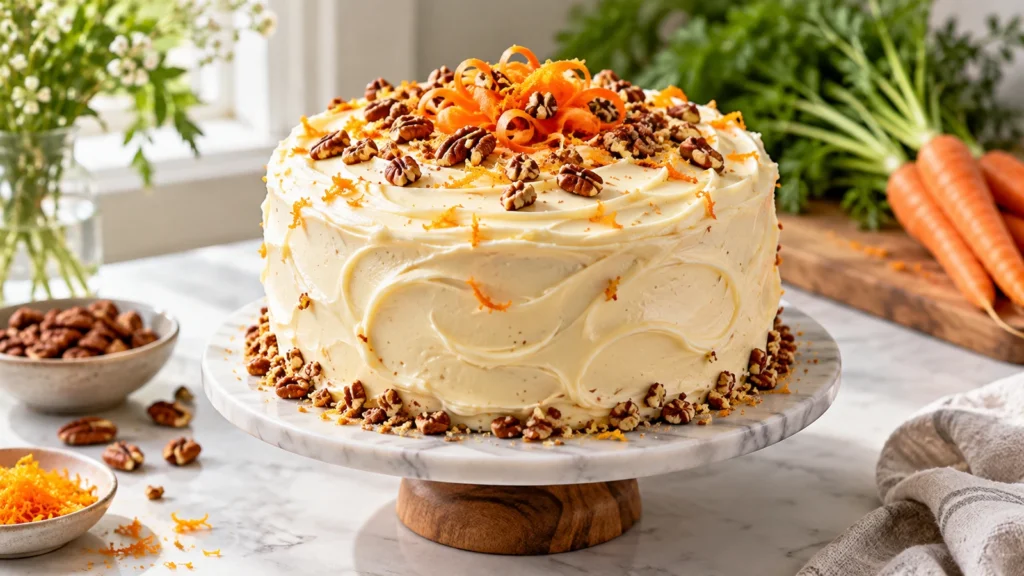
This recipe icing for carrot cake creates a silky cream cheese frosting with gentle tang, warm vanilla, and just enough sweetness to complement a spiced cake. It takes about 15 minutes and makes roughly 3 cups—enough for a 9×13-inch cake, a two-layer 8-inch cake, or 24 cupcakes.
Starting with butter before adding cream cheese produces a smooth, stable texture without excessive mixing. Lemon zest or juice brightens the flavor, while simple consistency adjustments make the icing suitable for spreading or piping. This recipe icing for carrot cake also includes practical temperature cues, storage advice, variations, and fixes for common frosting problems.
Table of Contents
Why You’ll Love This Recipe Icing for Carrot Cake
- Reliable texture: Creamy, spreadable, and less likely to become runny.
- Balanced flavor: Tangy cream cheese offsets the sweetness of powdered sugar.
- Quick preparation: The frosting is ready in about 15 minutes.
- Easy to adjust: Make it softer for spreading or firmer for piping.
- Versatile yield: One batch works for several common cake sizes.
- Simple technique: Temperature and brief mixing matter more than advanced decorating skills.
Equipment
- Stand mixer with paddle attachment or electric hand mixer
- Large mixing bowl
- Measuring cups and spoons or digital kitchen scale
- Fine grater for optional lemon zest
- Rubber spatula
- Offset spatula or piping bag
A paddle attachment is preferable because it blends the ingredients without whipping in too much air. A hand mixer also works, but keep it on low or medium-low once the cream cheese is added. The rubber spatula is important for scraping the bottom and sides, where streaks of butter or powdered sugar can hide.
Ingredients
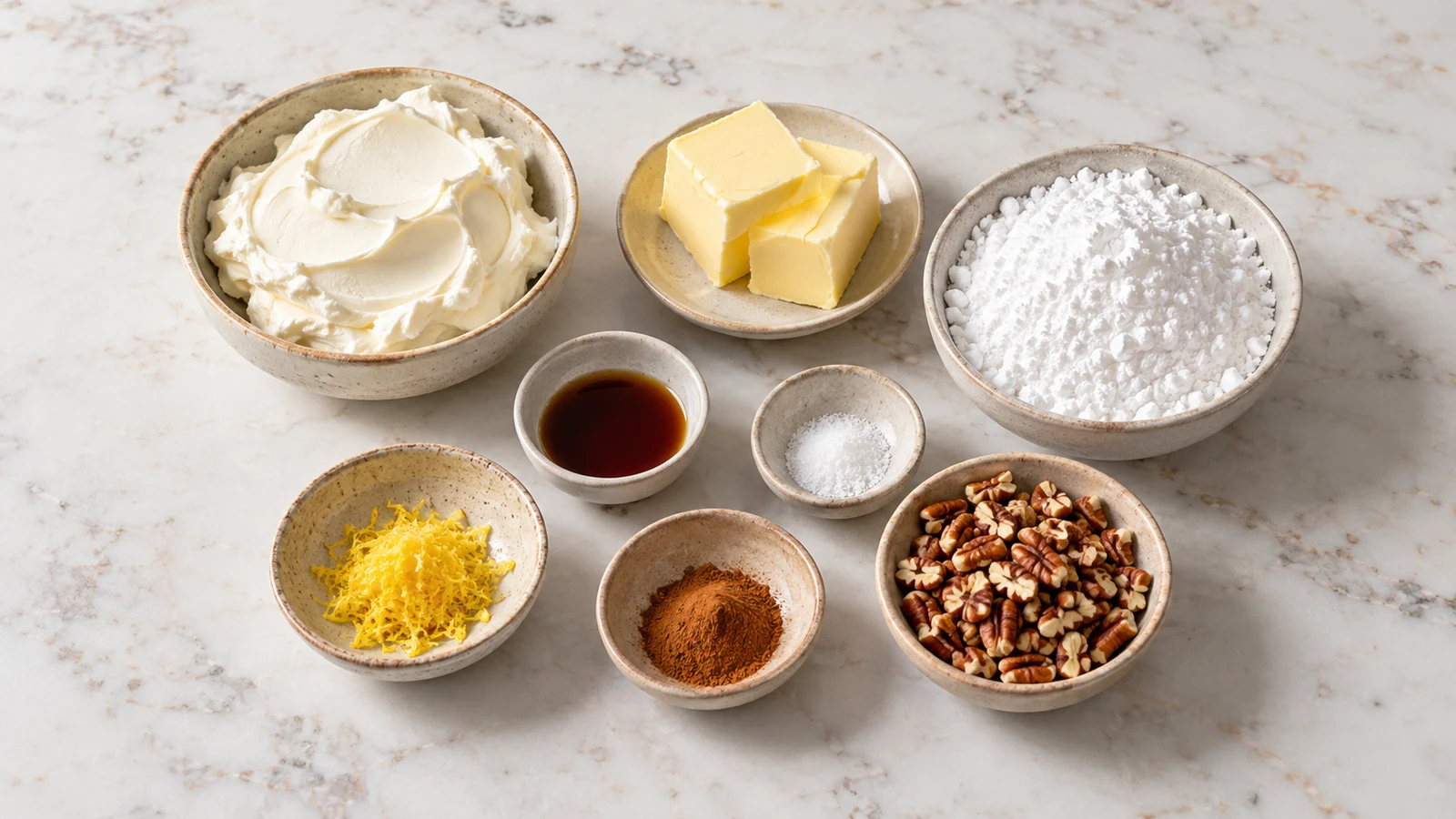
- 1/2 cup (113 g) unsalted butter, softened to 65–68°F (18–20°C)
- 8 ounces (226 g) full-fat block cream cheese, softened to about 65°F (18°C)
- 3 1/2 to 4 cups (420–480 g) powdered sugar, sifted if lumpy
- 2 teaspoons (10 ml) pure vanilla extract
- 1/8 teaspoon fine salt
- 1 teaspoon finely grated lemon zest or 1 teaspoon (5 ml) fresh lemon juice
- 1–2 teaspoons (5–10 ml) heavy cream or milk, only if needed
- 1/2 cup (55 g) finely chopped toasted pecans or walnuts, optional
Why Ingredient Temperature Matters
Butter that is cool but pliable traps less excess air and provides structure. Cream cheese at about 65°F blends smoothly without becoming watery. If either ingredient looks glossy, greasy, or partially melted, refrigerate it briefly before beginning this recipe icing for carrot cake.
Powdered sugar sweetens and thickens the frosting, so the quantity affects both flavor and stability. Begin with 3 1/2 cups and reserve the remainder for adjustment. Lemon zest adds brightness without extra liquid, while lemon juice gives a slightly sharper finish and may soften the icing.
How to Make Recipe Icing for Carrot Cake
- Prepare the ingredients. Let the butter and cream cheese soften until cool but pliable. They should indent when pressed without looking shiny or oily. Sift noticeably clumpy powdered sugar.
- Cream the butter. Beat the butter on medium speed for 90 seconds, stopping once to scrape the bowl. It should look smooth, creamy, and slightly lighter.
- Add the cream cheese. Cut it into four pieces and add one piece at a time on medium-low speed. Mix for 45–60 seconds total, just until smooth. Prolonged beating can loosen cream cheese frosting.
- Add the sugar gradually. With the mixer on low, add 3 1/2 cups powdered sugar in four additions. Mix for about 20 seconds after each addition, scraping the bowl as needed.
- Flavor the icing. Add vanilla extract, salt, and lemon zest or juice. Beat on low for 20 seconds, then on medium for no more than 30 seconds.
- Adjust the consistency. Spread a small amount with a spatula. Add more powdered sugar for greater piping stability, or add milk or cream 1 teaspoon at a time for a softer finish.
- Frost the cake. Spread or pipe the icing over a completely cooled carrot cake. Add nuts if desired, then refrigerate until the frosting firms slightly.
This method follows the same practical principle demonstrated in King Arthur Baking’s cream cheese frosting guidance: combine simple ingredients while controlling the texture through careful mixing.
How to Check the Final Consistency
Lift the spatula and watch the peak. A soft peak that bends slightly is ideal for spreading, while a peak that holds its shape is better for borders and swirls. If the frosting slides from the spatula, chill it before adding more sugar. Temperature is often the issue, and unnecessary sugar can hide the cream cheese flavor.
For a smooth cake finish, drag an offset spatula through a spoonful. The groove should remain visible without cracking at the edges. This quick test helps you adjust the recipe icing for carrot cake before it reaches the cake.
Expert Tips for the Best Results
Use block cream cheese rather than whipped or tub-style spread, which contains more moisture and may produce runny frosting. Butter and cream cheese should be similar cool-room temperatures; cold ingredients create lumps, while overly warm ingredients make loose icing.
Cool the cake completely, ideally for at least two hours. Brush away loose crumbs, apply a very thin crumb coat, and chill it for 20 minutes before adding the final layer. For a complete cake method, see this carrot cake with cream cheese frosting.
Measure for Predictable Results
A kitchen scale gives the most consistent balance of cream cheese, butter, and sugar. If measuring powdered sugar by cups, spoon it lightly into the cup and level it rather than packing it. Packed sugar can make the recipe icing for carrot cake much sweeter and stiffer than intended.
Mix Only Until Smooth
Cream cheese changes texture when beaten for too long. Scrape the bowl thoroughly so you can stop as soon as the mixture is uniform. If using a powerful stand mixer, remain at medium-low speed after creaming the butter and finish the last few strokes by hand.
Protect the Frosting From Crumbs
Place the first cake layer cut-side down when possible. Spread the filling without dragging the spatula back and forth excessively, then add the next layer. A chilled crumb coat creates a clean base for the final layer and keeps visible crumbs out of the pale frosting.
Add Decorations at the Right Time
Press chopped nuts onto the frosting while it is still soft enough to hold them. For piped details, chill the covered cake until its surface is firm, then decorate. Keep unused frosting cool while working so every border made with this recipe icing for carrot cake has similar definition.
Consistency Adjustments and Troubleshooting
- Runny frosting: Chill it for 20–30 minutes. If still loose, mix in powdered sugar 2 tablespoons at a time, up to 1/2 cup.
- Overly thick frosting: Add milk or cream 1 teaspoon at a time. Mix briefly after each addition.
- Lumpy frosting: Let the bowl stand for 10 minutes, then mix on low. Avoid high speed, which can make it softer.
- Overbeaten frosting: Refrigerate for 30–45 minutes and fold gently with a spatula. Additional beating usually worsens the problem.
- Too sweet: Add another pinch of salt or 1/2 teaspoon lemon juice rather than adding more cream cheese, which could loosen the mixture.
Why Does the Frosting Look Grainy?
Graininess can come from hard powdered-sugar lumps, cold butter, or incompletely blended ingredients. Let a cold mixture sit for 5–10 minutes, then fold slowly. If the sugar was lumpy, press a small portion against the side of the bowl with a spatula rather than beating the entire batch aggressively.
Why Is the Frosting Yellow?
Natural butter and vanilla can give the icing a light ivory tone. This is normal and does not affect flavor. Avoid adding extra sugar merely to lighten it. For the palest result, use a naturally pale butter and clear space around the bowl so no cake crumbs enter the recipe icing for carrot cake.
Why Does the Icing Tear the Cake?
The cake may still be warm, the crumb coat may be too soft, or the icing may be too firm. Chill the cake and let thick frosting soften for a few minutes. Apply small amounts with light pressure, adding icing to the spatula instead of repeatedly scraping the same area.
Yield by Cake Size
- 9×5-inch loaf: Use about half a batch for a generous top layer.
- 9×13-inch cake: One batch covers the top with a moderately thick layer.
- Two-layer 8-inch cake: One batch fills and covers the cake lightly; make 1 1/2 batches for thick sides and decorative piping.
- Cupcakes: One batch spreads onto 24 cupcakes or pipes tall swirls onto 12–15.
- Bundt cake: Use half to two-thirds of a batch, softened slightly for drizzling over this carrot Bundt cake.
Piping Guidance
For rosettes, borders, or cupcake swirls, use 4 cups of powdered sugar and chill the finished icing for 15–20 minutes. Fill the piping bag no more than halfway so hand warmth does not soften the entire batch. If the ridges lose definition, refrigerate the bag for 10 minutes.
A large open-star tip is forgiving for cupcakes, while a round tip makes simple dots and borders. Squeeze steadily and stop pressure before lifting the tip. If the first swirl slumps, scrape it back into the bowl and chill the recipe icing for carrot cake rather than continuing with a soft bag.
Variations and Substitutions
- Less sweet: Begin with 3 cups (360 g) powdered sugar. The result will be softer, so use it as a rustic spread rather than for detailed piping.
- Dairy-free: Use firm plant-based block butter and dairy-free block-style cream cheese. Chill before frosting because brands vary in moisture and stability.
- Orange variation: Replace the lemon zest with 1 teaspoon finely grated orange zest.
- Spiced frosting: Add 1/4 teaspoon cinnamon and a small pinch of ground ginger.
- Coconut finish: Fold in 1/2 cup toasted shredded coconut or pair the icing with this coconut and carrot cake.
Nut-Free Finish
Simply omit the optional pecans or walnuts. Decorate with a light dusting of cinnamon, small swirls, or toasted coconut if appropriate for your guests. Check every packaged ingredient when preparing for someone with an allergy, since manufacturing and cross-contact information differs among brands.
Vanilla and Citrus Options
Keep the stated vanilla for a warm, rounded flavor. Lemon zest provides aroma without thinning the frosting, and orange zest offers a sweeter citrus note. Add only the stated quantity so the citrus supports the carrot cake rather than dominating this recipe icing for carrot cake.
Choosing a Dairy-Free Substitute
Plant-based products vary more than conventional butter and cream cheese. Choose firm blocks rather than spreads, soften them only until workable, and expect to chill the finished icing. Begin without added milk, then use a few drops only if the frosting remains too thick.
Make-Ahead and Storage Details
Cover unused icing tightly and refrigerate it for up to four days. Before using, let it stand at cool room temperature for 15–20 minutes, then stir gently with a spatula. Frosted cake should also be covered and refrigerated; cream cheese icing does not need reheating.
Freeze the frosting in an airtight container for up to one month. Thaw it overnight in the refrigerator, then let it soften briefly and stir until smooth. Freezing a fully decorated cake is possible, although piped details may lose some sharpness.
Preparing the Icing in Advance
Transfer the finished recipe icing for carrot cake to a shallow airtight container so it cools evenly. Press the cover securely in place to prevent refrigerator odors from affecting the flavor. Label the container with the preparation date, especially when planning several components for a celebration cake.
Storing a Frosted Cake
Chill an uncovered decorated cake just until the frosting firms, then cover it without pressing the wrapping against the surface. A cake carrier is especially useful for piped decorations. For the best texture, take individual portions from the refrigerator shortly before serving instead of repeatedly warming and chilling the entire cake.
Food Safety
Because the icing contains dairy, return it to the refrigerator promptly after serving. Follow the FDA’s food storage recommendations and do not leave the cake at room temperature for more than two hours, or more than one hour above 90°F (32°C).
Keep the refrigerator at 40°F (4°C) or below, consistent with USDA refrigeration guidance. Use clean utensils whenever taking frosting from its container, and discard portions that have been left out beyond the recommended limit.
Serving Ideas
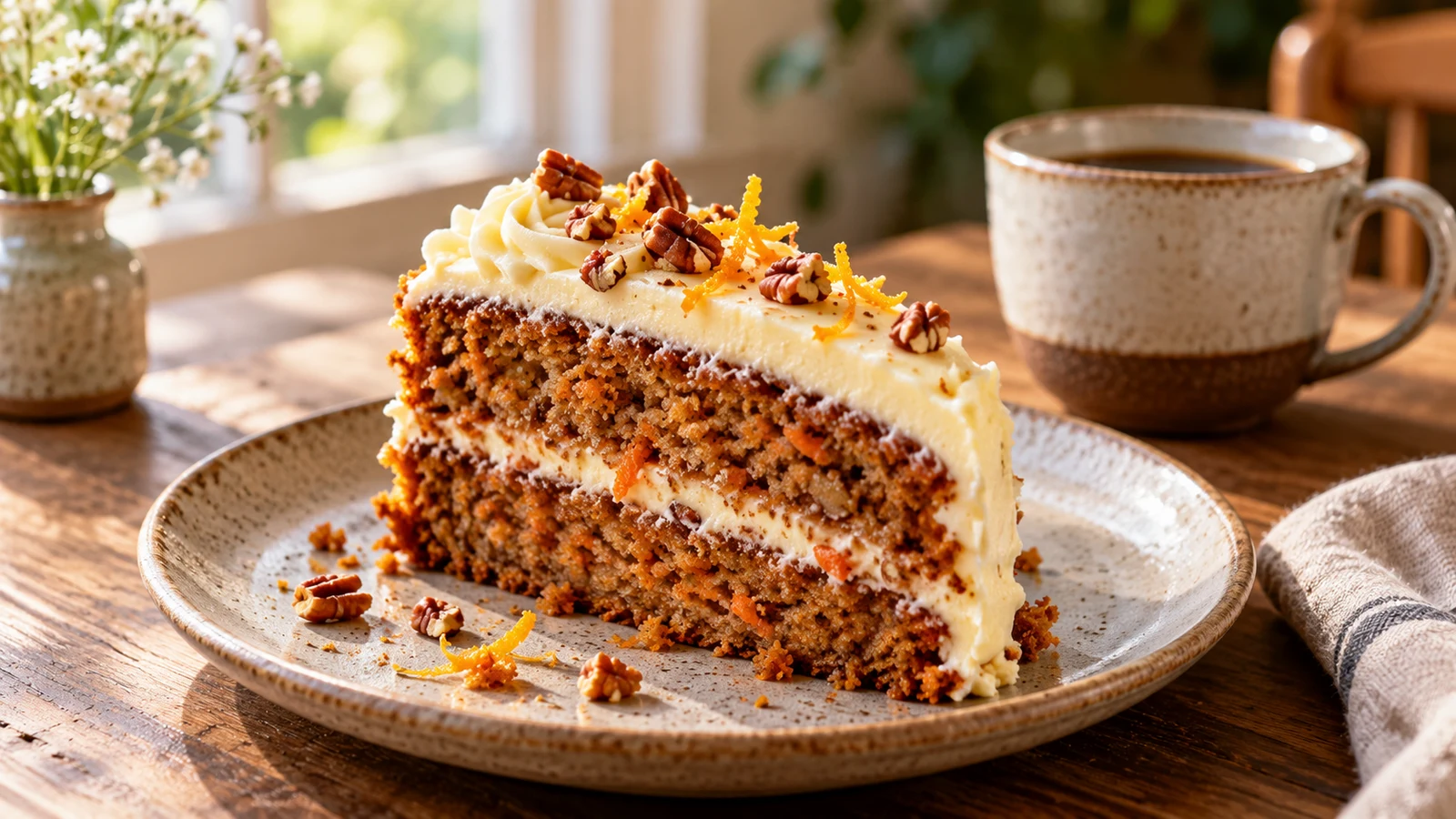
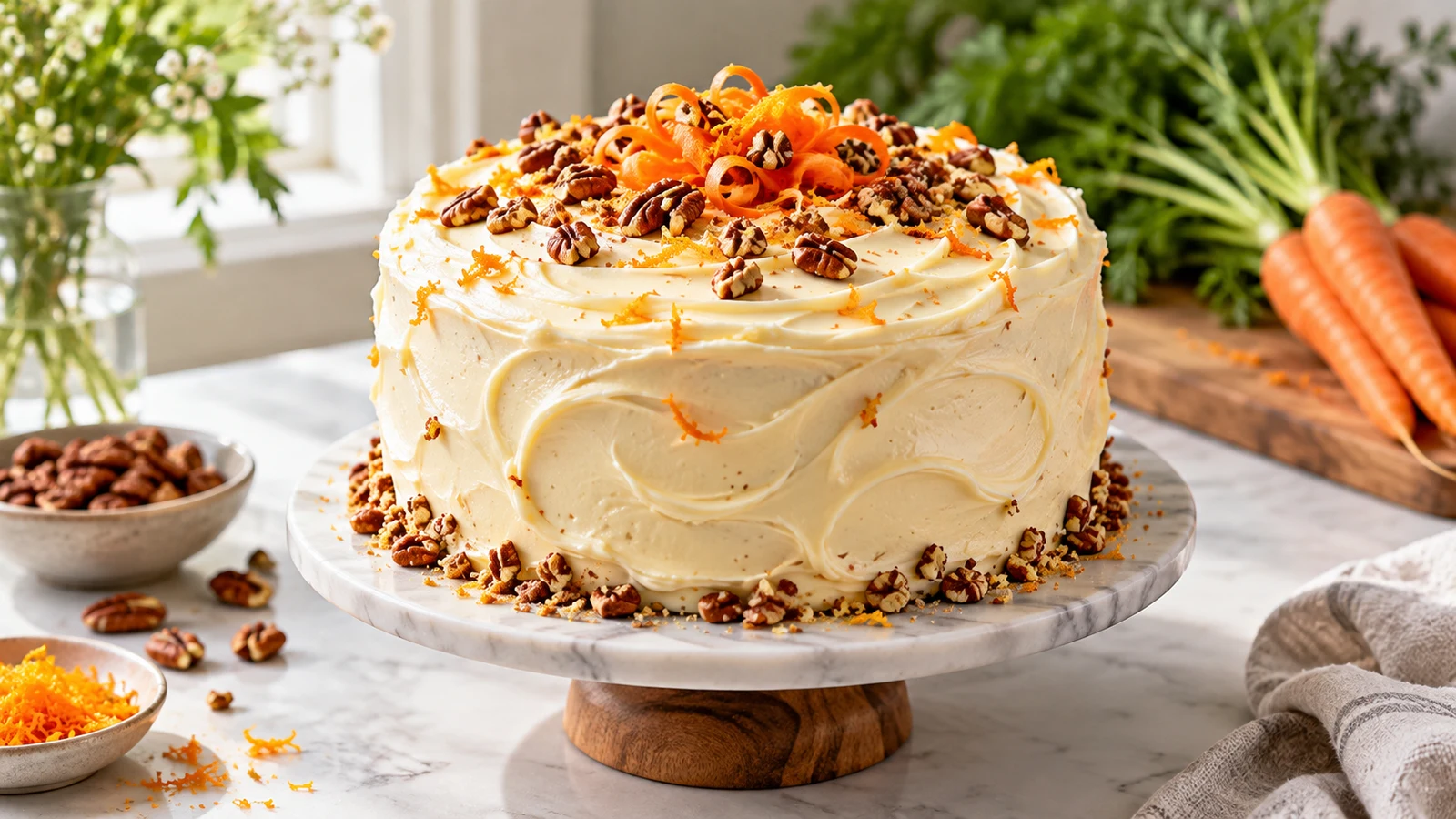
For a classic presentation, spread generous swoops over a rectangular carrot cake and scatter the optional toasted nuts around the edge. The uneven swirls catch the light and look inviting without requiring special decorating skills. Chill briefly before cutting so the icing stays neat.
On cupcakes, pipe a moderate spiral and finish with a few finely chopped nuts. For a loaf or Bundt cake, soften only the portion you need with 1 teaspoon of milk or cream at a time, then spoon it over the top so it falls naturally down the sides.
This recipe icing for carrot cake also works between layers. Create a slightly raised ring near the edge before adding the center filling; the ring helps prevent the layers from squeezing the frosting outward. Keep the filling modest if the cake layers are especially soft or heavy.
Flavor Pairings
The tangy icing complements cinnamon, ginger, nutmeg, toasted nuts, coconut, raisins, and orange zest. Serve carrot cake with unsweetened tea or coffee to balance the sweet finish. Fresh orange segments can add brightness, but place juicy fruit beside each slice rather than directly on the frosting.
Choosing the Right Recipe for Your Search
This page is devoted to frosting, so it is different from a crab cake sauce recipe or an old bay crab cake recipe. If you arrived while looking for a recipe for crab cakes in the oven or a baked crab cake recipe, note that the ingredients and food-safety needs are entirely different.
A crab cake sauce recipe is a savory condiment, while this recipe icing for carrot cake is a sweet dairy frosting. Likewise, an old bay crab cake recipe concerns seasoned seafood. Do not substitute instructions from a recipe for crab cakes in the oven or a baked crab cake recipe when making or storing this icing.
Nutrition Information
When divided into 24 servings and prepared with 3 1/2 cups of powdered sugar, each serving contains approximately 170 calories, 8 g fat, 5 g saturated fat, 24 g carbohydrate, 23 g sugar, 1 g protein, and 55 mg sodium. Values are estimates and vary with brands, serving size, and optional garnishes.
Frequently Asked Questions About Recipe Icing for Carrot Cake
Can I make this icing ahead of time?
Yes. Prepare it up to four days ahead, cover tightly, and refrigerate. Let it soften for 15–20 minutes before gently stirring; avoid rewhipping for a long time.
Why did my cream cheese frosting turn runny?
The ingredients may have been too warm, the cream cheese may have contained excess water, or the frosting may have been overbeaten. Chill it first, then add small amounts of powdered sugar only if necessary.
Can I frost a warm carrot cake?
No. Even a slightly warm cake can melt the butter and cream cheese, causing the icing to slide. Wait until every layer is completely cool.
Can I reduce the powdered sugar?
Yes, reduce it to 3 cups for a tangier, less-sweet result. The frosting will be softer and best for spreading; chill it before use and avoid intricate piping.
Can I double this recipe icing for carrot cake?
Yes. Double every ingredient and use a bowl large enough to contain the powdered sugar without crowding. Add the sugar gradually and scrape the bowl often. If your mixer is small, prepare two separate batches to avoid uneven mixing and unnecessary beating.
Can I use low-fat cream cheese?
Full-fat block cream cheese gives the most reliable body. Lower-fat products often contain more moisture and can make the frosting softer. If that is the only option available, omit added milk, mix briefly, and plan to chill the icing before spreading it.
How can I get cleaner cake slices?
Refrigerate the frosted cake until the icing is firm. Dip a sharp knife in hot water, wipe it completely dry, and make one cut. Clean and warm the blade again between slices. This prevents crumbs and frosting from building up on the knife.
Does recipe icing for carrot cake need refrigeration?
Yes. Because it contains cream cheese and butter, keep the icing and frosted cake refrigerated. Bring only the amount you plan to serve to room temperature, and follow the stated time limits for perishable food.
Is this a crab cake sauce recipe?
No. A crab cake sauce recipe is savory and intended for seafood. This page makes sweet cream cheese frosting for carrot cake and should not be used as a sauce for crab cakes.
Is this an old bay crab cake recipe?
No. An old bay crab cake recipe uses seafood and savory seasoning. This frosting contains butter, cream cheese, powdered sugar, vanilla, salt, and optional citrus, so it serves a completely different purpose.
Is this a recipe for crab cakes in the oven?
No. A recipe for crab cakes in the oven explains how to form and bake seafood cakes. This article explains how to mix, adjust, pipe, and store cream cheese icing for a cooled carrot cake.
Is this a baked crab cake recipe?
No. A baked crab cake recipe involves seafood preparation and safe cooking, whereas this recipe icing for carrot cake is an uncooked frosting. Always follow the recipe that matches the dish you intend to prepare.
Printable Recipe Card
Yield: About 3 cups, or 24 modest servings
Prep time: 15 minutes
Chilling time: 20 minutes if needed
Directions: Beat 1/2 cup softened unsalted butter for 90 seconds. Blend in 8 ounces softened block cream cheese for 45–60 seconds. Mix in 3 1/2 to 4 cups powdered sugar gradually, followed by 2 teaspoons vanilla, 1/8 teaspoon salt, and 1 teaspoon lemon zest or juice. Adjust with extra sugar or milk, chill if needed, and spread or pipe over a completely cooled cake.
Final Notes
With cool ingredients, brief mixing, and small consistency adjustments, this recipe icing for carrot cake stays smooth enough to spread yet firm enough for simple piping. It brings creamy tang and a clean finish to carrot cake without overwhelming its warm spices.
Remember that a crab cake sauce recipe, an old bay crab cake recipe, a recipe for crab cakes in the oven, and a baked crab cake recipe are unrelated savory preparations. For carrot cake, follow the dairy handling, chilling, and decorating guidance here for a balanced frosting with dependable texture.
Reviews
Reader reviews are managed separately (outside this build).