Cake
Orange Pound Cake Recipe: Bright, Moist Citrus Bliss
Try this orange pound cake recipe with fresh citrus, sour cream, and a glossy orange glaze for a beautifully moist, tender homemade cake.
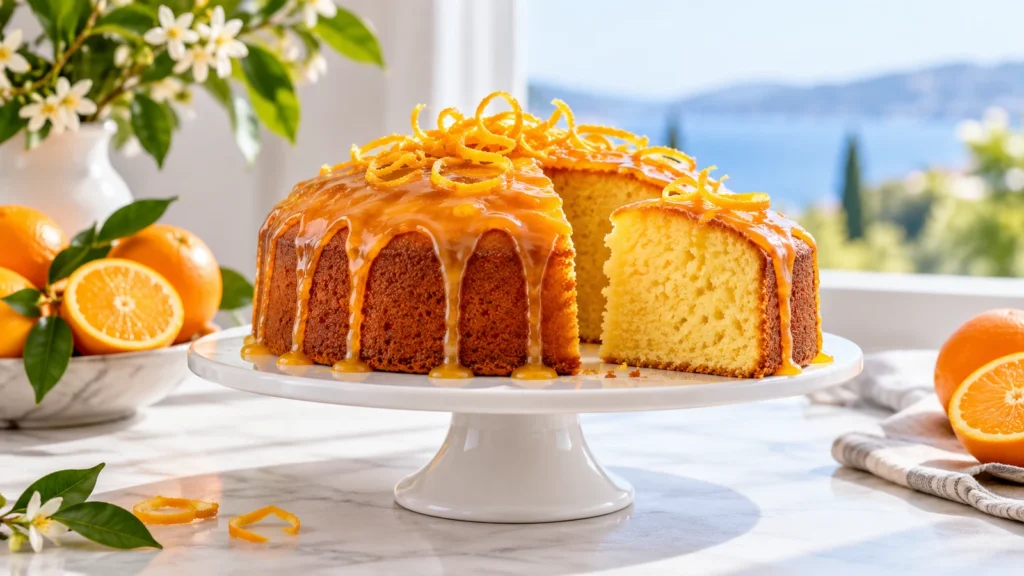
This orange pound cake recipe delivers a tender, buttery crumb with fresh orange juice, fragrant zest, and a simple citrus glaze. It works beautifully in either a loaf pan or a Bundt pan, with tested timing for both.
Room-temperature ingredients and careful creaming help create a moist pound cake that slices neatly without feeling heavy. Unlike a chocolate pound cake recipe, the flavor here is bright and citrus-forward. Serve it for brunch, afternoon coffee, or a simple make-ahead dessert.
Table of Contents
Why You’ll Love This Orange Pound Cake Recipe
- Fresh citrus flavor: Orange zest and juice flavor both the cake and glaze.
- Two pan options: Bake one 10-inch Bundt cake or two 8 1/2-by-4 1/2-inch loaves.
- Make-ahead friendly: The flavor and texture remain excellent for several days.
- Reliable texture: Sour cream keeps the crumb moist while butter provides richness.
- Versatile presentation: The orange pound cake recipe is elegant enough for celebrations but simple enough for an everyday snack.
Ingredients
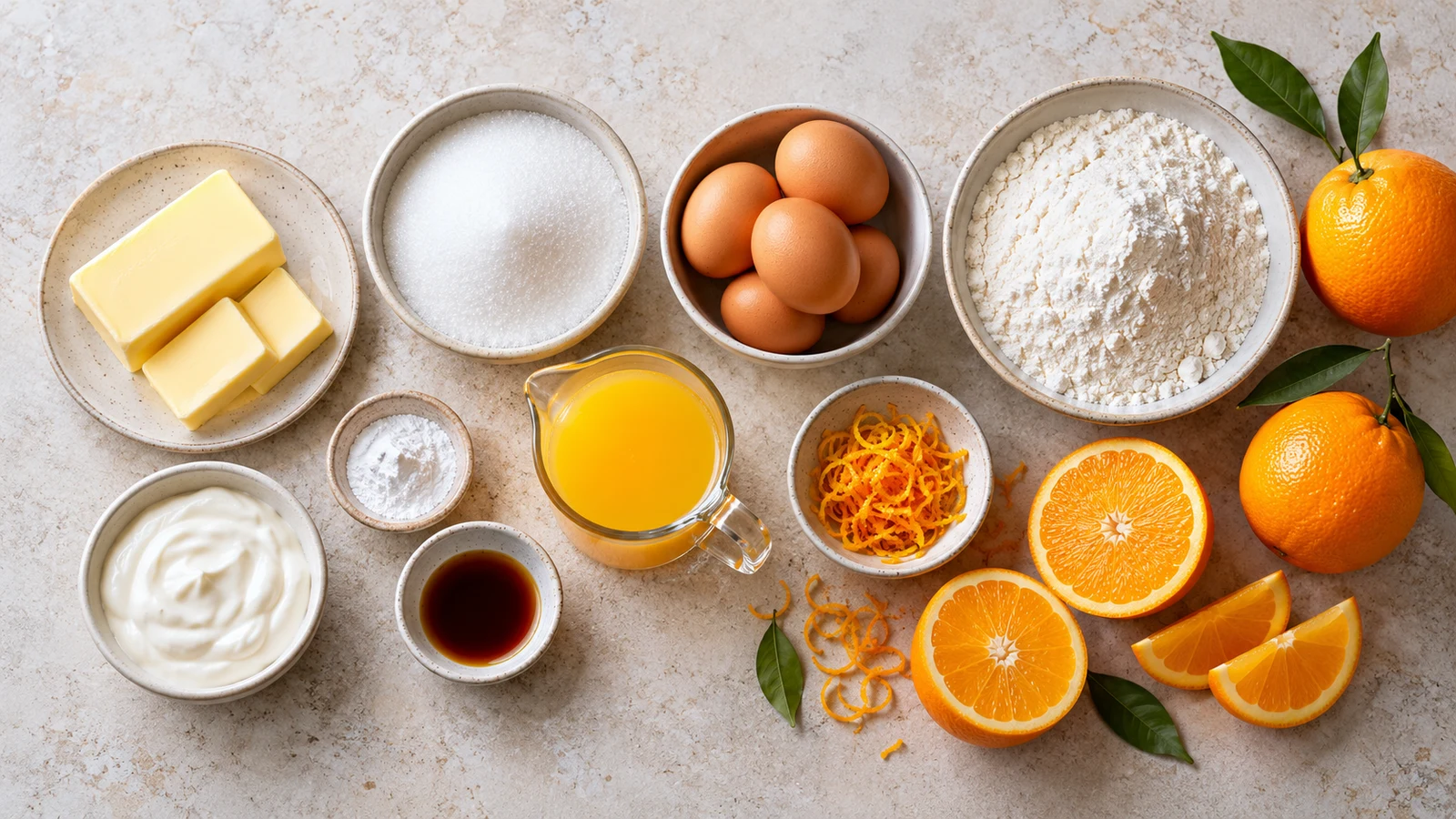
- Unsalted butter: 1 cup (227 g), softened to 65–68°F (18–20°C), for richness and a fine crumb.
- Granulated sugar: 2 cups (400 g), which sweetens the cake and aerates the butter during creaming.
- Fresh orange zest: 2 tablespoons, finely grated without the bitter white pith.
- Large eggs: 4, at room temperature, to provide structure and richness.
- All-purpose flour: 3 cups (360 g), measured by weight or spooned lightly into the measuring cup.
- Baking powder: 1 teaspoon, for controlled lift.
- Baking soda: 1/2 teaspoon, to react with the sour cream.
- Fine salt: 3/4 teaspoon, to balance the sweetness.
- Sour cream: 1 cup (240 g), at room temperature, for moisture and tenderness.
- Fresh orange juice: 1/3 cup (80 ml), plus 2–3 tablespoons for the glaze.
- Vanilla extract: 1 teaspoon, to round out the citrus flavor.
- Orange extract: 1/4 teaspoon, optional, for a stronger natural-tasting orange note.
- Confectioners’ sugar: 1 1/2 cups (180 g), sifted, for the orange glaze.
Understanding the Key Ingredients
Butter supplies flavor and structure, while sour cream contributes moisture without making the batter runny. This is the same useful principle that gives a sour cream pound cake recipe its plush, close crumb. Full-fat sour cream produces the richest result and helps the cake remain tender after it cools.
Fresh zest provides more orange aroma than juice because the peel contains concentrated citrus oils. Grate only the colored outer layer; the white pith underneath is bitter. Rubbing the zest into the sugar distributes those oils throughout the orange pound cake recipe instead of leaving small clumps in the batter.
The eggs strengthen the cake and help butter and liquid form a stable emulsion. Flour gives the crumb its framework, while baking powder and baking soda provide controlled lift. Accurate amounts matter because pound cake batter is thick and cannot easily recover from too much flour or leavener.
Equipment and Pan Options
Use a 10- to 12-cup Bundt pan or two 8 1/2-by-4 1/2-inch loaf pans. Do not place the full batter in one standard loaf pan; pans should be no more than two-thirds full so the center can rise without overflowing.
You will also need an electric mixer, mixing bowls, a fine grater, a rubber spatula, and a wire rack. A digital thermometer offers the most reliable doneness check. A kitchen scale is also helpful for dividing the orange pound cake recipe evenly between two loaf pans.
How to Make This Orange Pound Cake Recipe
- Prepare the oven and pan: Heat the oven to 325°F (165°C). Grease every groove of a Bundt pan and dust it lightly with flour, or grease and line two loaf pans with parchment.
- Combine the dry ingredients: Whisk the flour, baking powder, baking soda, and salt until evenly blended.
- Release the citrus oils: Rub the orange zest into the sugar with your fingertips until moist and aromatic.
- Cream the butter and sugar: Beat the softened butter for 30 seconds. Gradually add the orange sugar and beat at medium speed for 3–5 minutes, scraping the bowl twice, until pale and fluffy. This butter-and-sugar creaming technique creates tiny air pockets that support an even rise.
- Add the eggs: Beat in the eggs one at a time, mixing for about 20 seconds after each addition. Scrape the bowl frequently.
- Mix the liquids: Stir together the sour cream, 1/3 cup orange juice, vanilla, and optional orange extract.
- Finish the batter: On low speed, add the flour mixture in three additions, alternating with two additions of the sour cream mixture. Stop as soon as no dry streaks remain, then fold once or twice by hand.
- Bake: Spread the batter evenly in the prepared pan. Bake until a tester shows only a few moist crumbs and the center reaches 205–210°F (96–99°C).
- Cool: Rest a Bundt cake in its pan for 15 minutes or loaves for 10 minutes. Turn onto a rack and cool completely before glazing.
Fresh Orange Glaze
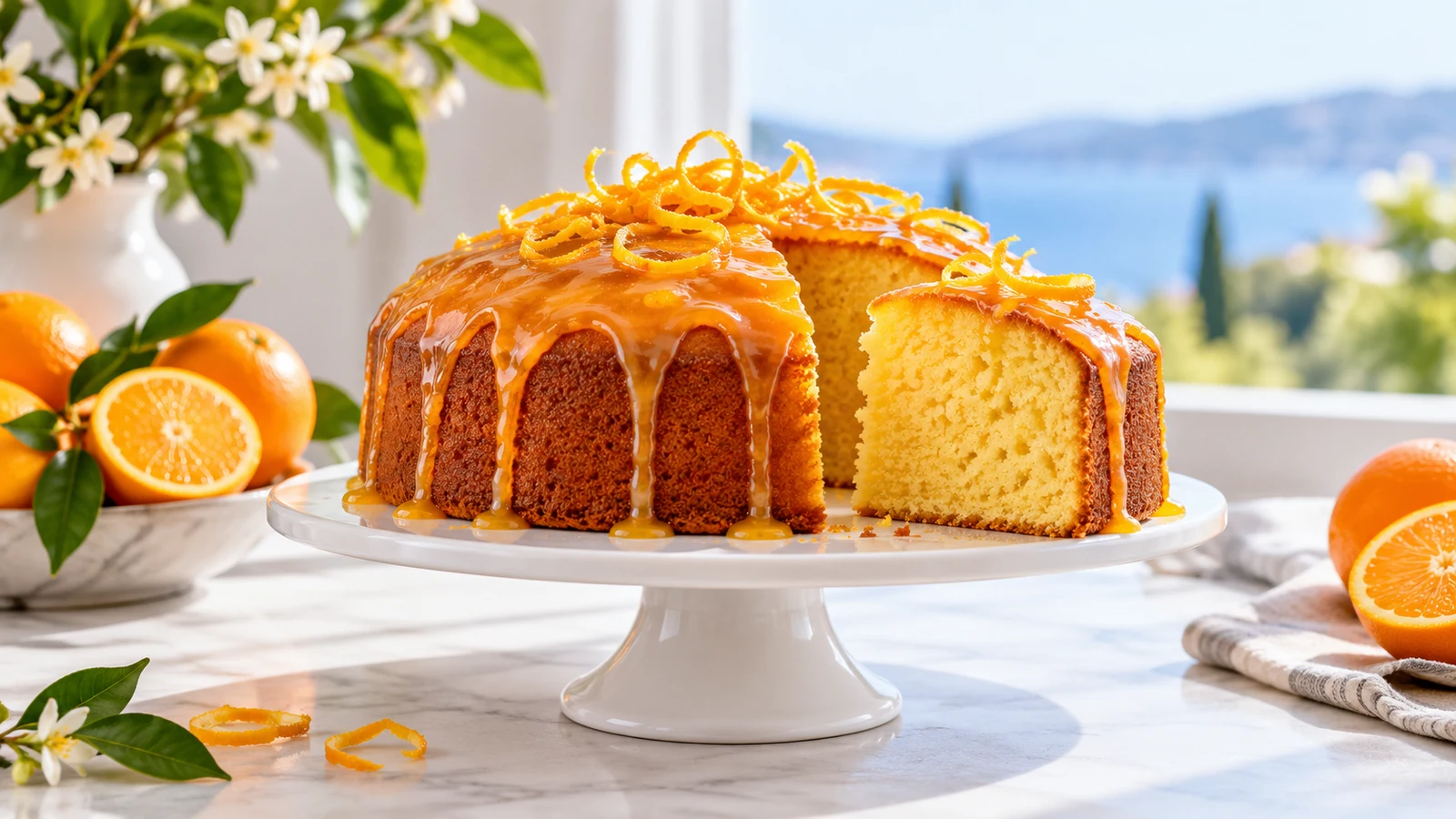
Whisk the confectioners’ sugar with 2 tablespoons of orange juice. Add more juice 1 teaspoon at a time: keep it thick for an opaque ribbon or thin it slightly for a translucent drizzle. Spoon it over the cooled cake and allow it to set for 20 minutes.
For extra flavor, add 1/2 teaspoon finely grated zest. Oranges are valued for their fragrant peel as well as their juicy interior; this overview of the orange fruit explains more about the citrus.
Wait until the orange pound cake recipe is fully cool before glazing. A warm surface melts the icing, causing it to soak in or collect beneath the cake. Place parchment under the rack before spooning on the glaze to make cleanup easier.
Loaf Versus Bundt Baking Times
A 10- to 12-cup Bundt pan generally needs 60–70 minutes at 325°F (165°C). Two 8 1/2-by-4 1/2-inch loaves usually need 50–60 minutes. Begin checking at the early end because dark metal pans bake faster than light-colored pans.
For smaller pans, divide the batter by weight and keep each pan two-thirds full. Start checking mini loaves after 25 minutes. For a half batch, use one standard loaf pan and begin checking at 45 minutes.
Visual cues should support, not replace, the temperature check. The top should look set, the edges should begin pulling slightly from the pan, and a tester should carry a few moist crumbs rather than wet batter. These signs help prevent an underbaked center or a dry orange pound cake recipe.
Expert Tips for the Best Results
Control the Ingredient Temperature
Bring the butter, eggs, sour cream, and juice to room temperature so the batter emulsifies smoothly. Butter should yield to gentle pressure but should not look shiny, greasy, or partially melted. If the kitchen is warm, check it early because overly soft butter cannot hold the air needed for a fine crumb.
Measure and Mix Carefully
Measure flour by weight when possible. Excess flour is a common cause of dryness. Scrape the mixing bowl down to the bottom between stages, where streaks of butter can hide. Once flour is added, use low speed and stop promptly to avoid developing too much gluten.
Build Flavor Before Baking
Use freshly grated zest and rub it into the sugar to release its aromatic oils. This small step gives the orange pound cake recipe a fuller citrus fragrance without adding liquid. For more guidance on balanced mixing and structure, see these butter cake baking principles.
Prepare a Bundt Pan Thoroughly
Coat the center tube and every decorative groove immediately before adding the batter. Check the pan under good light for exposed patches. After filling, smooth the surface and tap the pan gently on the counter once or twice to release large air pockets without knocking out the fine bubbles created during creaming.
Common Mistakes and Troubleshooting
Why Does the Batter Look Curdled?
Cold eggs or adding them too quickly can break the emulsion. Continue at low speed and add 1 tablespoon of the measured flour; a slightly curdled mixture often smooths out when the dry ingredients are incorporated. Add each remaining egg only after the previous one has blended in.
Why Is the Cake Dense or Sunken?
Thoroughly cream the butter and sugar, confirm the leavener is fresh, and avoid opening the oven early. A sunken middle usually indicates underbaking, too much leavener, or an overfilled pan. Verify the oven temperature if the orange pound cake recipe repeatedly rises quickly and then collapses.
Why Did the Cake Turn Out Dry?
Too much flour, overmixing, or baking beyond the target temperature can remove the tenderness expected from a sour cream pound cake recipe. Weigh the flour, mix gently, and begin checking at the early end of the baking range. Cool the cake away from strong drafts.
Why Did the Cake Stick?
Grease Bundt grooves carefully and cool for only 15 minutes before turning out. Loaves should rest for 10 minutes. If the cake resists, allow gravity to work for a moment rather than shaking the pan aggressively, which can break the warm, delicate crumb.
Why Is the Orange Flavor Weak?
Use fresh zest, rub it into the sugar, and add the optional orange extract. Avoid adding excessive juice, which alters the cake’s structure without contributing as much aroma as zest. Fresh zest is the most effective way to intensify this orange pound cake recipe while keeping its ingredient balance intact.
Why Is There a Gummy Line?
A gummy layer near the bottom can result from undercreamed batter, incomplete mixing, or an unstable emulsion. Keep the ingredients at similar temperatures, scrape the bowl thoroughly, and alternate the dry and wet mixtures as directed. Do not compact the flour while measuring it.
Variations and Substitutions
Sour Cream and Yogurt Options
For a tangy variation inspired by a sour cream pound cake recipe, keep the sour cream and replace 1 tablespoon of orange juice with lemon juice. Plain full-fat Greek yogurt can replace sour cream in equal measure, though its tang may be slightly more noticeable.
A classic sour cream pound cake recipe emphasizes buttery richness, while this version balances that richness with zest and juice. Avoid low-fat or nonfat substitutes when possible because they can produce a less tender crumb and provide less protection against dryness.
Buttermilk and Soda-Inspired Versions
For buttermilk, replace the sour cream and orange juice with 1 cup (240 ml) room-temperature buttermilk, retaining the zest. The crumb will be lighter and less rich. A soda-based citrus version is closer to 7up recipes pound cake, which offers a different approach to citrus flavor and texture.
If you enjoy the lively profile associated with 7up recipes pound cake, serve this cake with extra fresh citrus zest in the glaze. Do not pour soda into this batter as an untested addition because extra liquid and sugar would change the established structure.
Chocolate and Orange
Cocoa lovers can use the zest-and-glaze idea with a separate chocolate pound cake recipe. Orange complements deep cocoa particularly well, but adding cocoa directly to this batter would require changes to the flour and liquid amounts. Follow a tested chocolate pound cake recipe and flavor its glaze with fresh orange juice instead.
Mini chocolate chips may be folded into this orange batter for small pockets of chocolate flavor. Keep all additions within the stated 1-cup limit. This provides a simple chocolate-orange variation without attempting to convert the formula into a full chocolate pound cake recipe.
Orange-Lemon Variation
For a sharper citrus profile, replace half the orange zest and juice with lemon and explore this afroman lemon pound cake recipe. The mixed-citrus version retains orange sweetness while adding a brighter lemon edge.
The afroman lemon pound cake recipe is a useful choice when you want lemon to lead rather than orange. For the present orange pound cake recipe, keep at least half of the original zest and juice as orange so the intended flavor remains recognizable.
Fruit, Nuts, and Other Additions
Chopped cranberries, mini chocolate chips, or toasted pecans may be folded in; limit additions to 1 cup. Pat chopped fruit dry and toss moist pieces lightly with a small amount of the measured flour. Fold additions in at the end so the batter is not overmixed.
Serving Ideas for Every Occasion
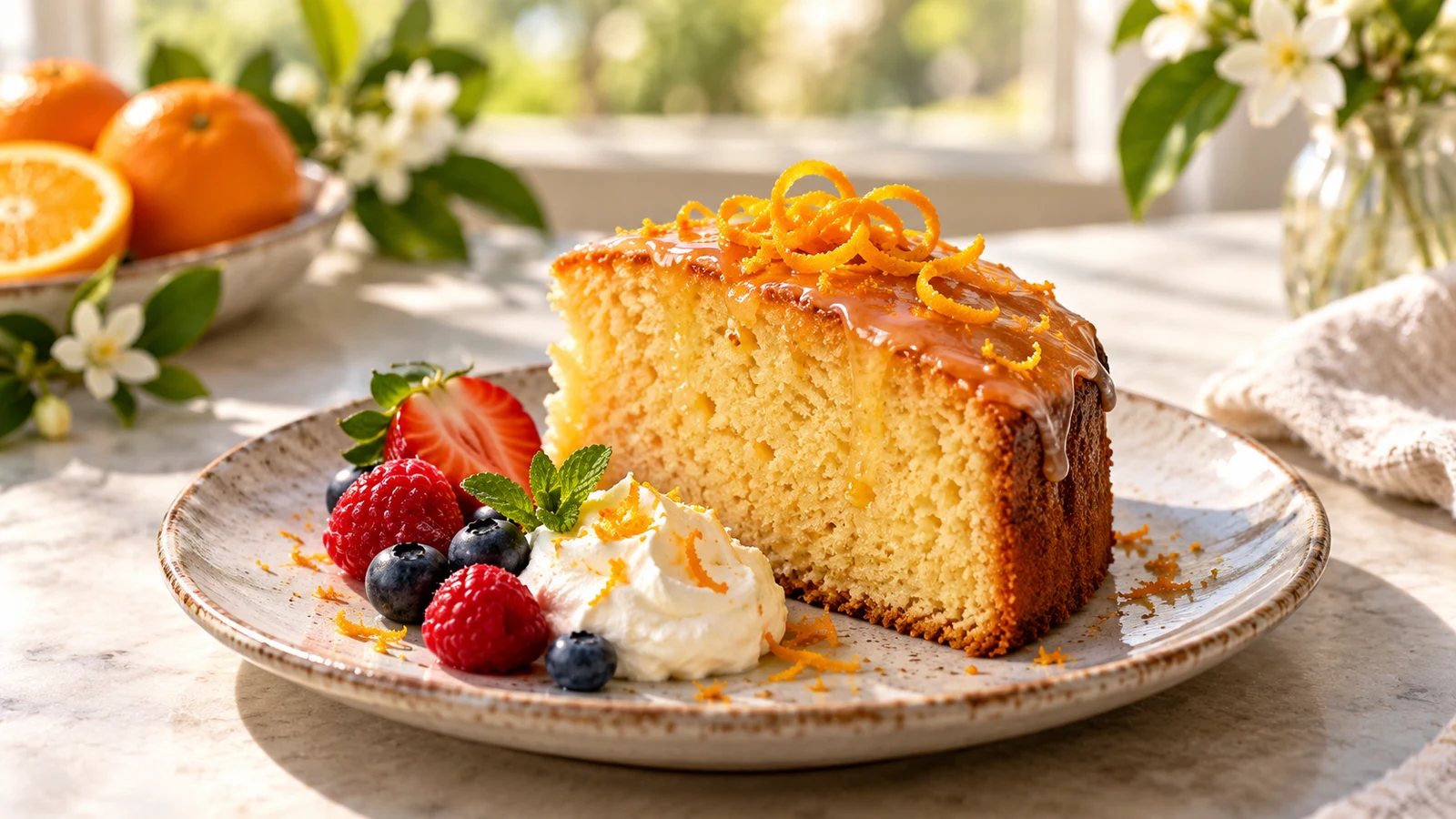
Serve slices plain, glazed, or topped with lightly whipped cream and fresh berries. For a plated dessert, add orange segments or a spoonful of berry compote. The fruit’s acidity balances the rich crumb without hiding the fresh citrus character.
For brunch, pair the orange pound cake recipe with coffee, black tea, yogurt, and a bowl of berries. Toast day-old slices gently and serve them with yogurt. For a celebration, arrange thin orange twists on the glaze after it sets enough to hold them.
A citrus-themed dessert spread can include this cake beside slices from an afroman lemon pound cake recipe. Guests who prefer deeper flavors may enjoy a chocolate pound cake recipe on the same table, while a 7up recipes pound cake provides another familiar citrus option.
Make-Ahead, Storage, and Reheating
Making the Cake in Advance
The unglazed cake can be baked two days ahead. Cool it completely before wrapping it so trapped steam does not make the crust sticky. Keep it airtight at room temperature, then apply the glaze several hours before serving so it has time to set.
You can also prepare the dry mixture and orange sugar separately one day ahead. Cover both tightly at room temperature. Do not combine the wet ingredients or make the full batter in advance because the leaveners begin working once the mixtures meet.
Room-Temperature and Refrigerator Storage
Once the glaze has set, keep the cake in an airtight container at room temperature for up to 3 days or refrigerate it for up to 1 week. Bring chilled slices to room temperature before serving so the butter softens and the orange pound cake recipe regains its most tender texture.
Freezing the Cake
Wrap the cooled, unglazed cake or individual slices tightly, place them in a freezer-safe container, and freeze for up to 3 months. Individual wrapping lets you thaw only what you need. Freeze the cake without glaze for the neatest finish and best protection.
Thaw overnight in the refrigerator, unwrap, bring to room temperature, and glaze before serving. Unwrapping after the initial refrigerator thaw helps prevent condensation from settling on the surface. Make sure the cake is no longer cold before adding the glaze.
Reheating Individual Slices
Warm an unglazed slice in the microwave for 8–10 seconds. The goal is to soften it slightly, not make it hot. Glazed slices are best brought naturally to room temperature because heating can melt the icing and make the surface sticky.
Frequently Asked Questions
Can I use bottled orange juice in this orange pound cake recipe?
Yes, but fresh orange juice tastes brighter and provides the zest needed for the strongest flavor. If using bottled juice, choose pure juice without added sweeteners. Still use fresh zest if possible because it carries most of the cake’s orange aroma.
Why did my cake stick to the Bundt pan?
Missed grooves, insufficient flour coating, or cooling too long can cause sticking. Grease the pan immediately before adding the batter and turn out the cake after 15 minutes. Inspect intricate designs carefully because even a small uncoated area can catch the crust.
Can I make cupcakes with this batter?
Yes. Fill lined cups about two-thirds full and bake at 325°F (165°C) for approximately 20–25 minutes, checking the internal temperature before removing them. Cool completely before glazing so the icing stays on top.
How can I reduce the glaze sweetness?
Use a thin glaze with extra juice, add a pinch of salt, or skip it and brush the warm cake lightly with orange juice. Do not soak the cake heavily, or its surface may become gummy.
Can I turn this into a chocolate pound cake recipe?
A complete conversion is not recommended because cocoa absorbs moisture and changes the required balance of flour, fat, and liquid. Use a tested chocolate pound cake recipe instead, then add orange zest or orange juice to its glaze for a dependable chocolate-orange result.
How is this different from 7up recipes pound cake?
Many 7up recipes pound cake variations use lemon-lime soda for sweetness, liquid, and citrus character. This cake gets its flavor directly from fresh orange zest and juice, while sour cream supports moisture and tenderness. The two styles should not be converted by simply swapping liquids.
Is this the same as a sour cream pound cake recipe?
It shares the moist, rich crumb of a sour cream pound cake recipe, but orange zest, orange juice, and citrus glaze define its flavor. The sour cream is important for texture rather than being the main flavor.
Can I use the lemon from an afroman lemon pound cake recipe?
Yes. Replace half the orange zest and juice with lemon for a mixed-citrus cake. If you want a distinctly lemon-led dessert, follow the afroman lemon pound cake recipe rather than replacing all the citrus in this tested formula.
How do I get clean slices?
Let the cake cool completely and allow the glaze to set for at least 20 minutes. Use a sharp serrated knife with gentle sawing motions, wiping the blade between cuts. Chilled cake slices especially neatly, but let each piece warm slightly before serving.
Can I reduce the sugar in the cake?
A substantial reduction is not recommended. Sugar affects tenderness, moisture retention, browning, and the air incorporated during creaming. You can omit the glaze or apply a thinner layer if you prefer a less sweet finished dessert without changing the cake’s structure.
Printable Recipe Card
Prep time: 25 minutes
Baking time: 50–70 minutes
Cooling and glazing: 1 hour 20 minutes
Total time: 2 hours 35 minutes
Yield: 16 slices
Oven temperature: 325°F (165°C)
Measurements: Use 1 cup (227 g) butter, 2 cups (400 g) sugar, 4 eggs, 3 cups (360 g) flour, 1 teaspoon baking powder, 1/2 teaspoon baking soda, 3/4 teaspoon salt, 1 cup (240 g) sour cream, 1/3 cup (80 ml) orange juice, 2 tablespoons zest, 1 teaspoon vanilla, and 1 1/2 cups (180 g) confectioners’ sugar for the glaze.
Method: Cream the butter with orange-infused sugar, add eggs individually, alternate the dry and wet mixtures, and bake in prepared pans until the center reaches 205–210°F (96–99°C). Cool completely and glaze.
Estimated nutrition per slice: 410 calories, 19 g fat, 56 g carbohydrates, 5 g protein, and 230 mg sodium. Values vary with brands and serving size.
Notes: Use room-temperature ingredients, keep pans no more than two-thirds full, and weigh the flour. For the cleanest slices, let the glaze set fully before cutting.
Final Thoughts on This Orange Pound Cake Recipe
With its buttery crumb, vivid zest, and fresh glaze, this orange pound cake recipe is equally suited to a casual snack or a celebratory table. Careful measuring, patient creaming, and gentle mixing make every slice moist, fragrant, and neatly structured.
It offers the richness associated with a sour cream pound cake recipe while remaining brighter than a chocolate pound cake recipe. Whether your usual citrus favorite is a 7up recipes pound cake or an afroman lemon pound cake recipe, this fresh-orange version brings its own balanced flavor and dependable texture.
Reviews
Reader reviews are managed separately (outside this build).